
Nutrition comparison
Sea Buckthorn vs Rosehip: Which Superfruit Is Better for You?
Compare Sea Buckthorn and Rosehip for vitamin C, omega-7, skin health, joint support, and daily practicality. Find out which berry best fits your health goals.
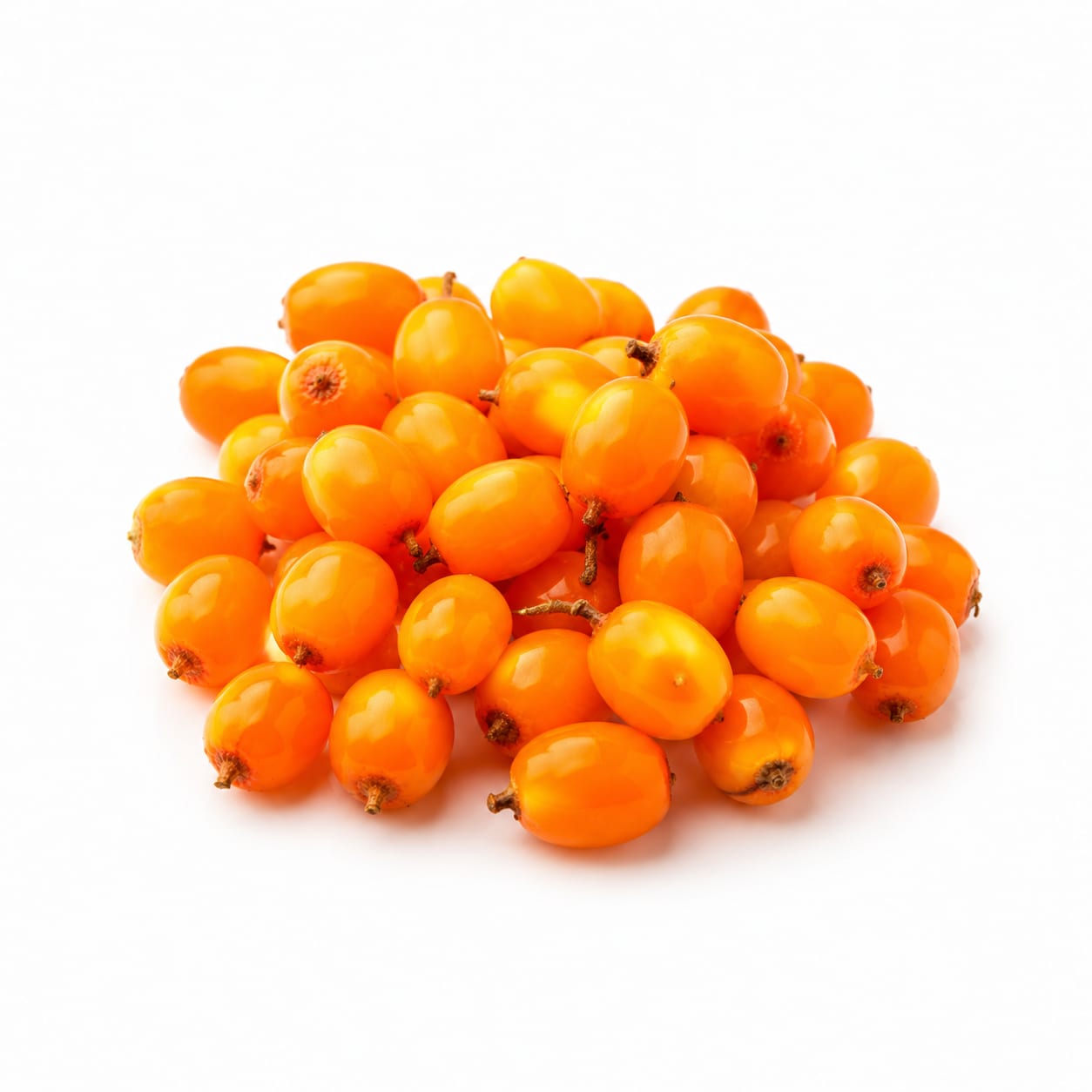
Sea Buckthorn
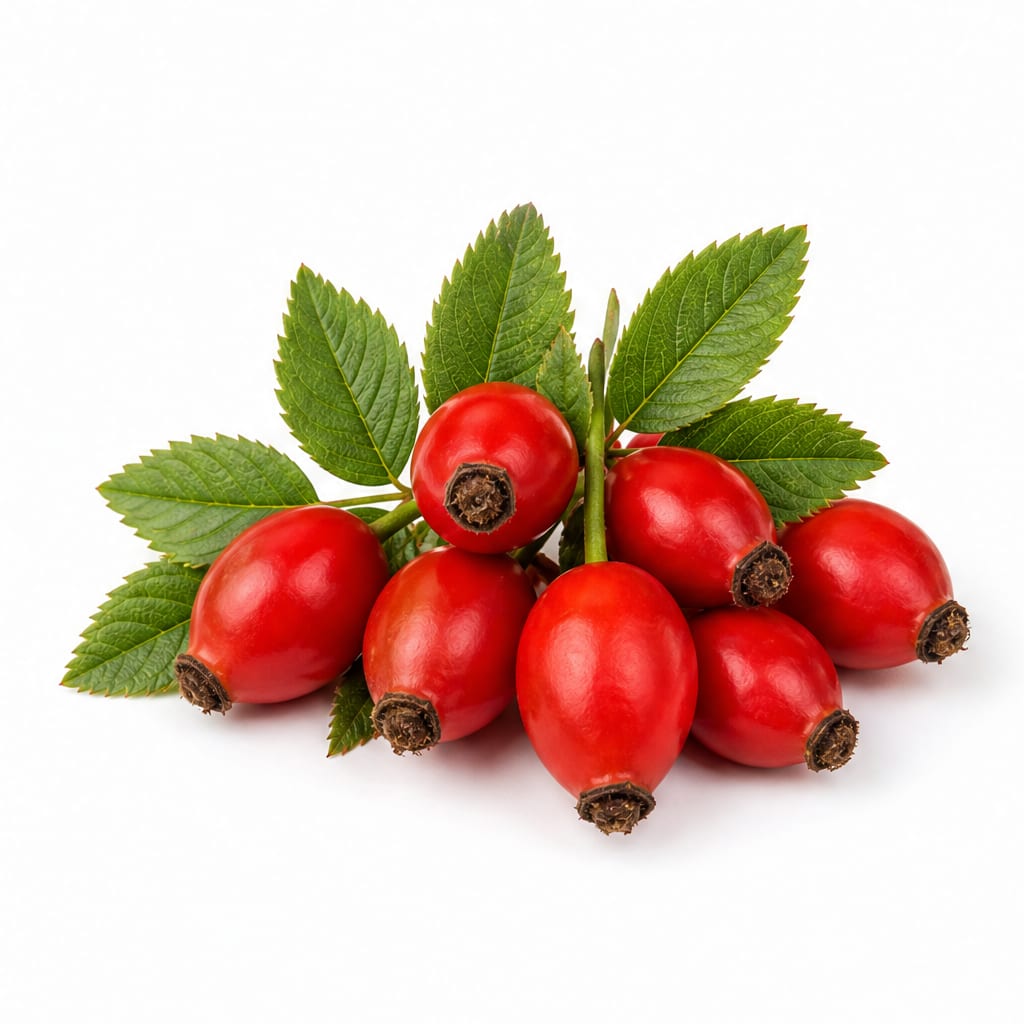
Rosehip
Sea Buckthorn wins for skin and rare omega-7 fats; Rosehip wins for vitamin C potency and joint support. Your priority decides the winner.
Nearly tied because each excels in different areas. Sea Buckthorn's unique omega-7 gives it a slight edge for nutritional rarity, but Rosehip's superior practicality and stronger clinical evidence for joints keep it competitive.
Sea Buckthorn offers a fatty acid profile almost no other plant has, while Rosehip delivers more vitamin C and better evidence for joint relief.
At a glance
Executive summary
Overall
It depends
Healthier
It depends
More practical
Rosehip
Daily use
Rosehip
Key comparison lenses
immune support and vitamin c
Both are legendary for vitamin C content; users want to know which delivers more effectively
skin health and anti aging
Sea Buckthorn's omega-7 is famous for skin; Rosehip oil is a skincare staple
joint and inflammation
Rosehip has strong clinical evidence for joint pain; Sea Buckthorn less so
practical everyday use
Both are rarely eaten fresh; availability and ease of use matter greatly
antioxidant diversity
Each offers a unique antioxidant profile that serves different health goals
Best choice for
Sea Buckthorn
- People focused on skin health and mucous membrane repair
- Anyone seeking rare omega-7 fatty acids from a plant source
- Those dealing with dry eyes or vaginal dryness
- People wanting a broader essential fatty acid spectrum
Rosehip
- People prioritizing maximum vitamin C intake
- Those managing joint pain or osteoarthritis
- Anyone wanting an easy daily tea habit
- Budget-conscious users seeking accessible immune support
Least suitable for
Sea Buckthorn
- People on blood-thinning medications due to vitamin K content
- Those sensitive to very tart or astringent flavors
- Anyone needing a budget-friendly daily supplement
Rosehip
- People seeking omega fatty acid supplementation
- Those who want noticeable skin benefits from ingestion rather than topical use
- Anyone allergic to roses or Rosaceae family plants
Deep comparison
Dimension by dimension
Each lens scores both foods and breaks down who each option suits.
- Dimension 1 · Priority 95Rosehip
Vitamin C Potency
Sea Buckthorn · 82Rosehip · 94Rosehip delivers more vitamin C per serving, especially in dried form where concentrations can exceed 2000mg per 100g.
Tradeoff
Sea Buckthorn is still excellent for vitamin C but cannot match Rosehip's peak concentrations.
Why it matters
Higher vitamin C means stronger immune support and collagen production from smaller servings.
Real-world impact
A cup of Rosehip tea can cover your entire daily vitamin C need; Sea Buckthorn juice requires a larger serving to match.
Sea Buckthorn
- Still provides very good vitamin C alongside other nutrients
Better for
- Requires more volume to equal Rosehip's vitamin C
Worse for
Rosehip
- Maximum vitamin C per gram of any common fruit
- More efficient for immune boosting doses
Better for
- Vitamin C degrades with heat when making tea
Worse for
- Dimension 2 · Priority 90Sea Buckthorn
Skin and Mucous Membrane Health
Sea Buckthorn · 96Rosehip · 72Sea Buckthorn is in a league of its own for skin thanks to omega-7 palmitoleic acid, which supports skin cell membranes and mucous membranes throughout the body.
Tradeoff
Rosehip oil is excellent topically but ingesting Rosehip does not provide the same internal skin-nourishing fats.
Why it matters
Omega-7 is extremely rare in foods; getting it from Sea Buckthorn is one of the few plant-based options available.
Real-world impact
People with chronically dry skin, dry eyes, or vaginal dryness often notice improvement within weeks of daily Sea Buckthorn consumption.
Sea Buckthorn
- Only common plant source of omega-7 palmitoleic acid
- Supports internal mucous membrane hydration
- Combines skin-supporting fats with skin-supporting vitamin C
Better for
- More expensive than most skin supplements
Worse for
Rosehip
- Rosehip oil applied topically is a proven skincare ingredient
Better for
- Ingesting Rosehip lacks the fatty acid profile needed for internal skin support
Worse for
- Dimension 3 · Priority 80Rosehip
Joint and Inflammation Support
Sea Buckthorn · 65Rosehip · 88Rosehip has multiple clinical trials showing reduced joint pain and improved mobility in osteoarthritis, thanks to unique galactolipids.
Tradeoff
Sea Buckthorn has general anti-inflammatory properties but lacks the specific joint-targeted evidence Rosehip carries.
Why it matters
For older adults or athletes with joint concerns, this is the deciding factor.
Real-world impact
Regular Rosehip supplementation has been shown to reduce the need for pain medication in some osteoarthritis patients.
Sea Buckthorn
- General anti-inflammatory support from carotenoids and flavonoids
Better for
- No specific clinical evidence for joint conditions
Worse for
Rosehip
- Specific galactolipids backed by clinical trials for joint pain
- Proven to reduce C-reactive protein markers
- May reduce reliance on NSAIDs for joint discomfort
Better for
- Benefits require consistent daily use over weeks to become noticeable
Worse for
- Dimension 4 · Priority 85Sea Buckthorn
Omega Fatty Acid Diversity
Sea Buckthorn · 97Rosehip · 38Sea Buckthorn contains omega-3, 6, 7, and 9 fatty acids, making it one of the most complete plant-based fat profiles available. Rosehip has minimal fat content.
Tradeoff
If fatty acid supplementation is your goal, Rosehip offers almost nothing in this category.
Why it matters
Very few single plant foods cover all four omega families, making Sea Buckthorn nutritionally unique.
Real-world impact
One serving of Sea Buckthorn oil or pulp provides a meaningful dose of essential and conditionally essential fatty acids without needing multiple supplements.
Sea Buckthorn
- Complete omega 3-6-7-9 profile in one food
- Omega-7 is nearly impossible to find in other plant foods
- Supports cardiovascular and neurological health alongside skin
Better for
- Omega-6 content may be excessive if consumed in large oil-form doses
Worse for
Rosehip
- Trace amounts of beneficial fats in seed oil form only
Better for
- Practically negligible fatty acid content in fruit or tea form
Worse for
- Dimension 5 · Priority 75Rosehip
Practicality and Accessibility
Sea Buckthorn · 48Rosehip · 82Rosehip tea is widely available, affordable, and easy to prepare daily. Sea Buckthorn products are pricier and harder to find in typical stores.
Tradeoff
Sea Buckthorn's rarity makes it feel more special but less sustainable as a daily habit for most people.
Why it matters
The best superfood is the one you actually consume consistently.
Real-world impact
You can grab Rosehip tea at most grocery stores for a few dollars; Sea Buckthorn juice often requires specialty shops or online orders at premium prices.
Sea Buckthorn
- Available as concentrated shots for targeted use
Better for
- Expensive compared to most functional foods
- Limited availability in conventional stores
- Very tart taste requires getting used to or mixing with other flavors
Worse for
Rosehip
- Widely available as affordable tea
- Easy to incorporate into daily routines
- No special preparation needed
Better for
- Tea form delivers lower nutrient concentrations than whole fruit extracts
Worse for
- Dimension 6 · Priority 70Sea Buckthorn
Antioxidant Diversity
Sea Buckthorn · 88Rosehip · 80Sea Buckthorn offers a wider range of antioxidant compounds including rare carotenoids, flavonoids, and superoxide dismutase. Rosehip focuses more heavily on vitamin C and lycopene.
Tradeoff
Broader antioxidant coverage versus higher concentration of a few key antioxidants.
Why it matters
Diverse antioxidants protect more cellular pathways and complement each other synergistically.
Real-world impact
Sea Buckthorn users get more comprehensive cellular protection, while Rosehip users get stronger targeted immune and anti-inflammatory action.
Sea Buckthorn
- Wider carotenoid profile including beta-carotene, lycopene, and zeaxanthin
- Contains superoxide dismutase enzyme
- More flavonoid variety
Better for
- Some antioxidants are heat-sensitive and lost in processed products
Worse for
Rosehip
- Higher lycopene content supports prostate health
- Stronger vitamin C antioxidant action
Better for
- Narrower range of antioxidant classes
Worse for
Timeline
Health impact over time
Short-term
Hours to days
Sea Buckthorn
- Noticeable energy lift from B vitamins and vitamin C
- May cause mild stomach upset in sensitive people due to high acidity
- Skin may feel more hydrated within days when taking oil form
Rosehip
- Quick immune system support from concentrated vitamin C
- Gentle on the stomach when consumed as tea
- Mild diuretic effect may increase urination initially
Long-term
Months to years
Sea Buckthorn
- Improved skin elasticity and mucous membrane integrity with consistent use
- Better lipid profile possible from omega fatty acid intake
- Potential reduction in dry eye symptoms over months
Rosehip
- Reduced joint pain and stiffness with daily consumption over 8-12 weeks
- Stronger immune resilience through cold and flu seasons
- Lower systemic inflammation markers with consistent use
Risk profile
Safety & processing
Both are typically consumed as whole fruit, dried fruit, cold-pressed oil, or tea. Watch for added sugars in Sea Buckthorn juices and syrups, as the natural tartness often prompts manufacturers to sweeten heavily.
Sea Buckthorn
Blood thinner interaction
mediumSea Buckthorn contains vitamin K and omega fatty acids that may amplify the effect of anticoagulant medications. Consult a doctor if on blood thinners.
Added sugars in commercial products
mediumMany Sea Buckthorn juices and smoothies contain significant added sugar to mask the extreme tartness. Always check labels.
Gastrointestinal irritation
lowThe high acidity can bother sensitive stomachs, especially when consumed on an empty stomach in concentrated form.
Rosehip
Rosaceae allergy
mediumIndividuals allergic to roses, apples, or other Rosaceae family members may react to Rosehip. Start with small amounts if unsure.
Kidney stone risk from high vitamin C
lowVery high doses of vitamin C may contribute to oxalate kidney stone formation in predisposed individuals. Moderate consumption is safe for most.
Pesticide residue on non-organic fruit
lowRosehip often grows wild, reducing pesticide exposure, but commercially farmed varieties may carry residues.
Who wins for whom
Audience fit
Same foods, different winners depending on your goal.
children
RosehipRosehip tea is gentle, pleasant-tasting, and easy to dose for kids. Sea Buckthorn's intense tartness and acidity make it less kid-friendly.
daily consumption
RosehipAffordability, availability, and ease of preparation make Rosehip tea a more sustainable daily habit for most people.
diabetes
RosehipUnsweetened Rosehip tea has zero sugar and may improve insulin sensitivity. Sea Buckthorn products often contain added sugars, and the natural fruit sugars require portion awareness.
elderly
RosehipJoint pain relief and easy tea preparation make Rosehip more practical and directly beneficial for common age-related concerns.
muscle gain
It dependsNeither is directly muscle-building. Sea Buckthorn's omega fats support recovery; Rosehip's vitamin C supports collagen for tendon health.
weight loss
RosehipRosehip tea is virtually calorie-free and can replace higher-calorie beverages, while Sea Buckthorn oils and juices are more calorie-dense.
Your move
Decision guide
Choose Sea Buckthorn
- You specifically want omega-7 for skin, eye, or mucous membrane health
- You are building a comprehensive supplement stack and want the broadest nutrient profile
- You can afford and access quality Sea Buckthorn products consistently
- You struggle with dry skin, dry eyes, or vaginal dryness and want a food-based approach
Choose Rosehip
- Joint pain or osteoarthritis is your primary concern
- You want the most practical and affordable daily immune boost
- You prefer a simple tea ritual over supplements or specialty products
- You are on a budget but still want powerful nutritional benefits
Either works if
- You want general antioxidant and immune support
- You enjoy rotating functional foods seasonally
- You are already eating a varied diet and want occasional supplementation
Avoid both if
- You are on blood-thinning medications without medical supervision
- You have known allergies to Rosaceae family plants
- You expect either to replace a fundamentally poor diet
Final recommendation
If skin health and fatty acid nutrition matter most, choose Sea Buckthorn. If joint support, daily practicality, and maximum vitamin C matter most, choose Rosehip. For most people seeking an easy daily habit, Rosehip tea is the more sustainable choice. For targeted therapeutic use, Sea Buckthorn is worth the investment.
Practical
Consumer tips
- 1
Look for cold-pressed Sea Buckthorn oil stored in dark glass to protect fragile omega fatty acids from oxidation
- 2
Avoid Sea Buckthorn juices with added sugar; the tartness is a sign of authenticity
- 3
Choose whole dried Rosehip over tea bags for higher nutrient concentration; steep 10-15 minutes
- 4
Refrigerate Sea Buckthorn oil after opening to prevent rancidity
- 5
If trying Sea Buckthorn for the first time, start with small amounts to test stomach tolerance
- 6
Rosehip powder can be added to smoothies for a more concentrated vitamin C dose than tea alone
- 7
Wild-harvested Rosehip often has higher nutrient density than commercially farmed varieties