
Tropical Fruit
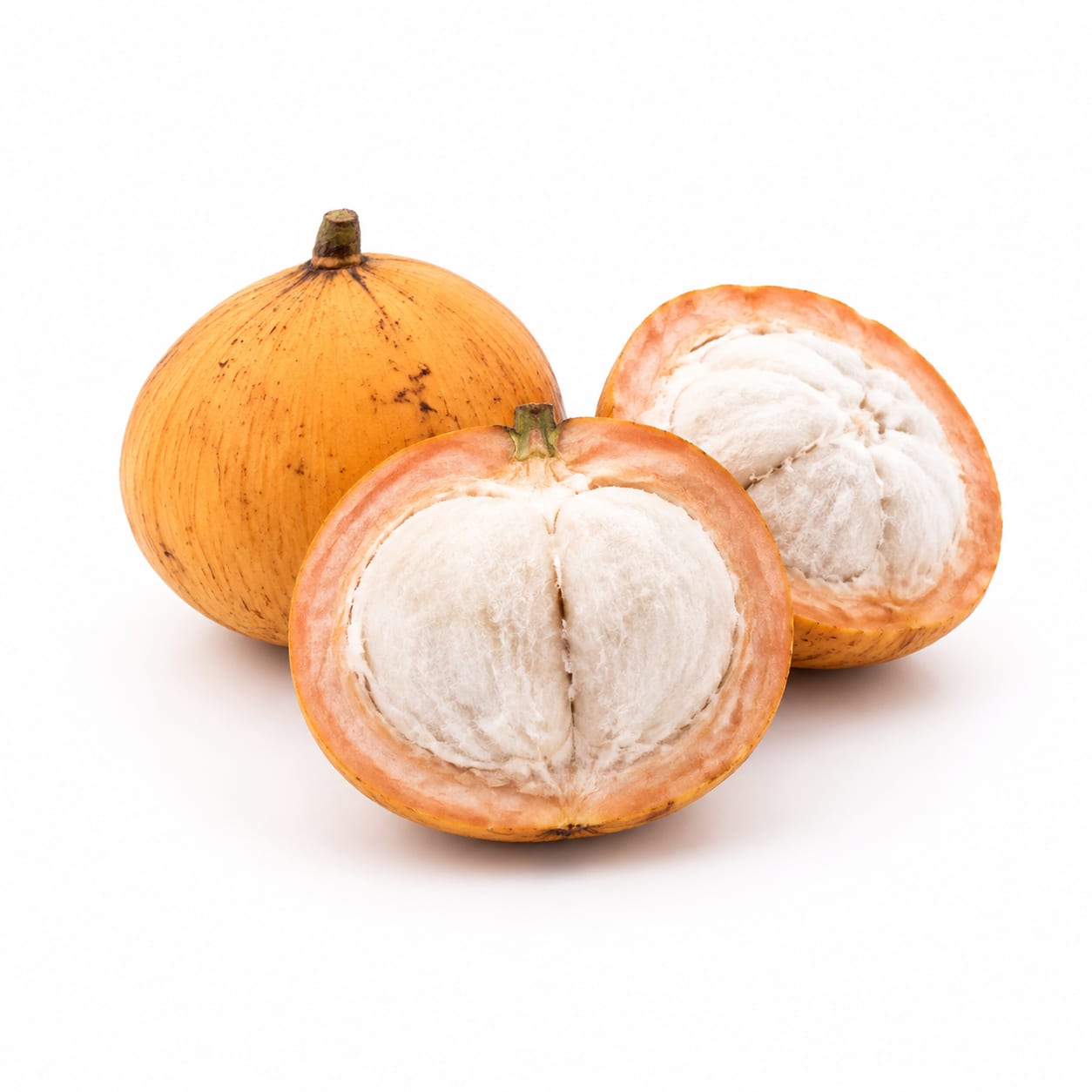
Santol
A sweet and sour tropical fruit with a cotton-like pulp, popular in Southeast Asian cuisine.
Santol, also known as cotton fruit, is a tropical fruit native to Southeast Asia with a thick rind and a cotton-like, sweet and sour edible pulp surrounding inedible seeds.
moderate-carbohydrate tropical fruit
Typical serving · 150g
Common varieties · Bangkok (Yellow santol), Philippine (Red santol), Wild santol
Overall context score across nutrition, safety, and diet fit
At a glance
Quick facts
Simple indicators based on nutrition, processing, and diet fit.
The story
What makes it unique
Santol is a moderately caloric fruit with a macronutrient profile dominated by carbohydrates, primarily simple sugars and some dietary fiber. Its high water content and fiber contribute to moderate digestion speed and decent satiety. As a minimally processed whole food, it retains its natural phytochemical matrix, including antioxidants like sandorinic acid and bryonolic acid.
Varieties: Bangkok (Yellow santol) · Philippine (Red santol) · Wild santol
Per 100g
Nutrition breakdown
Macro balance and key metrics at a glance.
Energy
Density 0.85 kcal/g
Protein
Carbs
Fat
Fiber
Sugar
14.2 g
Sodium
12 mg
Potassium
38 mg
Glycemic index
40
Glycemic load
7
Water content
78%
Standout compounds
Nutrient highlights
Vitamin C
moderateSupports immune system function and acts as an antioxidant.
Dietary Fiber
moderatePromotes digestive regularity and improves satiety.
Sandonoric Acid
moderateA unique phytochemical with studied antioxidant and anti-inflammatory properties.
Carbohydrates
highProvides readily available energy for physical activity.
Wellness map
Health scores & processing
NOVA processing scale
Unprocessed · Whole food
Fresh santol is a whole, raw fruit that requires no processing to consume, retaining its complete natural nutrient profile.
Diet compatibility
- Weight loss
- Muscle gain
- Diabetes
- Gut health
- Low carb
- High protein
- Heart health
Relative standing
Food rankings
Qualitative ranks compared to similar whole foods.
- Satietygood
- Blood sugargood
- Nutrient densitymoderate
- Fitness fuelmoderate
- Processing qualityexcellent
Eat with confidence
Food safety profile
The primary safety concern with santol is the ingestion of its seeds, which have been associated with intestinal obstruction and appendicitis. The flesh is safe, but the fruit's thick rind can harbor pesticide residues if not conventionally grown.
Evidence confidence 85%
- Pesticidesmoderate
- Antibioticslow
- Heavy metalslow
- Contaminationmoderate
Watch for
- pesticide residues
- soil-borne pathogens
Safer choices
Organically grown santol to avoid pesticide exposure on the rind.
Prep tips
Wash the outer rind thoroughly under running water before cutting. Carefully remove all seeds and discard them without biting or swallowing.
Agricultural pesticide use in some Southeast Asian farming regions may leave surface residues on the thick rind.
Deep dive
Health analysis
How this food may fit different goals and preparation choices.
Weight loss
Low energy density and high water content allow for larger portion sizes with fewer calories, promoting fullness.
Blood sugar
Despite its carbohydrate content, santol has a low glycemic index, resulting in a gradual rise in blood sugar rather than a sharp spike.
Fitness & energy
Provides quick-digesting simple sugars for short-term energy, but lacks the protein needed for muscle recovery.
Gut health
Dietary fiber supports regular bowel movements and feeds beneficial gut bacteria, though fiber content is moderate compared to other tropical fruits.
Processing quality
A completely unprocessed whole food with no added sugars or artificial ingredients.
Food safety
The flesh is safe to eat, but the seeds must never be swallowed due to the high risk of gastrointestinal blockage or appendicitis.
Common mistakes
Sucking on the seeds to extract the remaining flesh is a common cultural habit that significantly increases the risk of accidental swallowing and bowel injury.
Best preparation
Consumed fresh, or used in cooked dishes like sinantolan (shredded rind cooked with coconut milk) where the seeds are naturally removed during prep.
Practical guide
Best use cases
When and how this food fits real eating patterns.
Low-calorie snacking
Provides a sweet and sour treat with a high water content to satisfy cravings without excessive calories.
Pre-workout energy
The simple sugars offer a quick, easily digestible energy source for moderate exercise.
Culinary cooking
The grated rind is excellent for creating flavorful, traditional savory dishes like sinantolan.
Balance sheet
Pros & cons
Upsides
- Low glycemic index supports stable blood sugar
- High water content promotes fullness per calorie
- Rich in antioxidants like sandonoric acid
- Versatile for both sweet and savory culinary uses
- Completely unprocessed whole food
Trade-offs
- Seeds pose a severe gastrointestinal obstruction risk if swallowed
- Moderate sugar content requires portion control for strict low-carb diets
- Can be highly sour depending on the variety, limiting raw enjoyment
- Not a significant source of protein or healthy fats
- Thick rind contributes to food waste if not cooked
Fit check
Who is it for?
Great match
- weight management
- low-glycemic snacking
- Southeast Asian culinary recipes
- quick pre-workout energy
Consider alternatives
- strict ketogenic diets
- people with severe bowel sensitivity to seeds
- high-protein diet requirements
- infants and young children due to seed hazard
Side by side
How it compares
Open the full head-to-head analysis for nutrition, safety, and practical tradeoffs.
This food
Santol
VS85% alike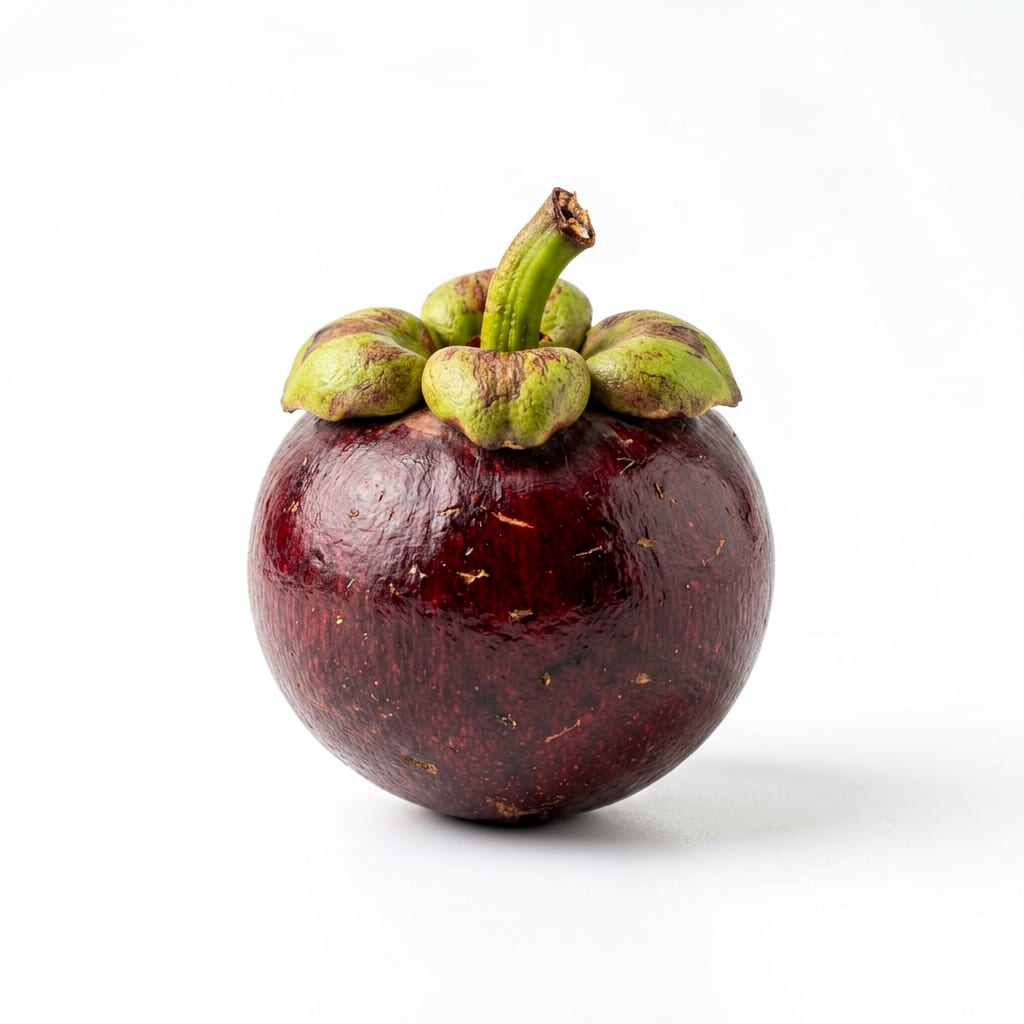
Compare with
Mangosteen
Mangosteen is sweeter and lower in calories, while santol has a more fibrous, cotton-like texture and a tarter flavor.
Mangosteen is lower in calories and sugar, making it better for weight loss, while santol offers more fiber for satiety.
This food
Santol
VS75% alike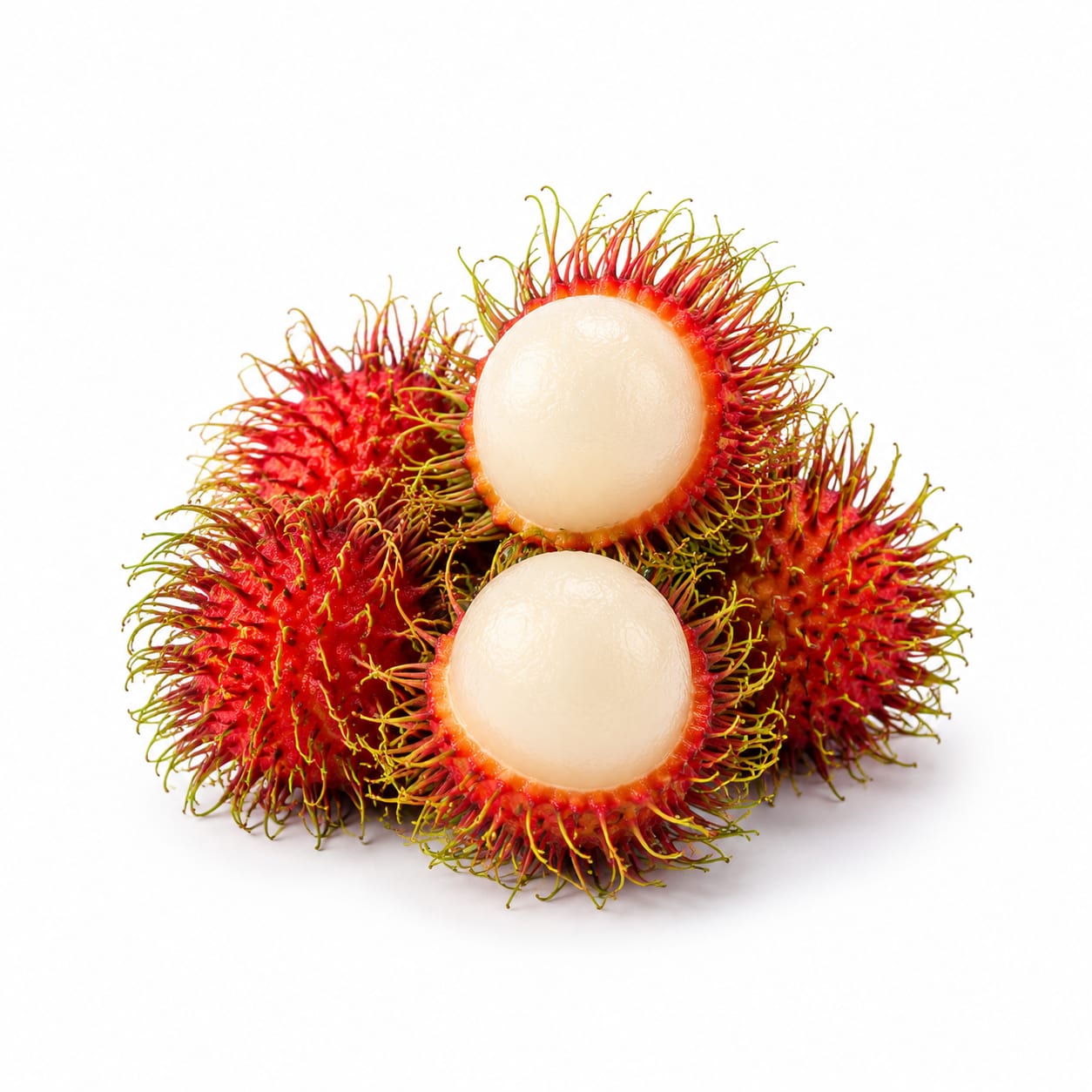
Compare with
Rambutan
Rambutan is higher in vitamin C and iron, whereas santol provides a more complex sweet-and-sour flavor and lower sugar content.
Santol is lower in sugar and better for blood sugar control, while rambutan offers more vitamin C and iron.
This food
Santol
VS70% alike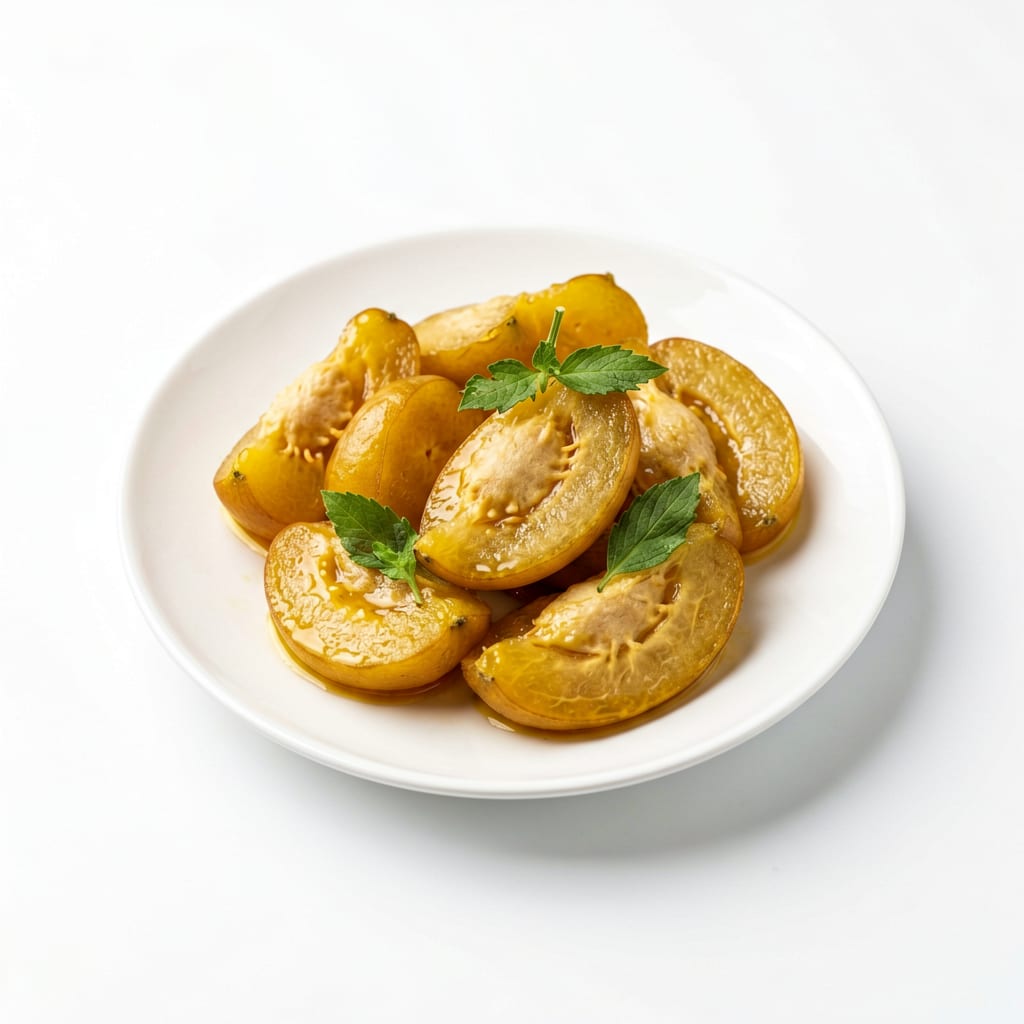
Compare with
Tamarind
Tamarind is much more sour and significantly higher in fiber and minerals, while santol is milder and typically eaten raw.
Tamarind is richer in fiber and minerals but much higher in sugar, whereas santol is a milder, lower-calorie raw snack.
This food
Santol
VS65% alike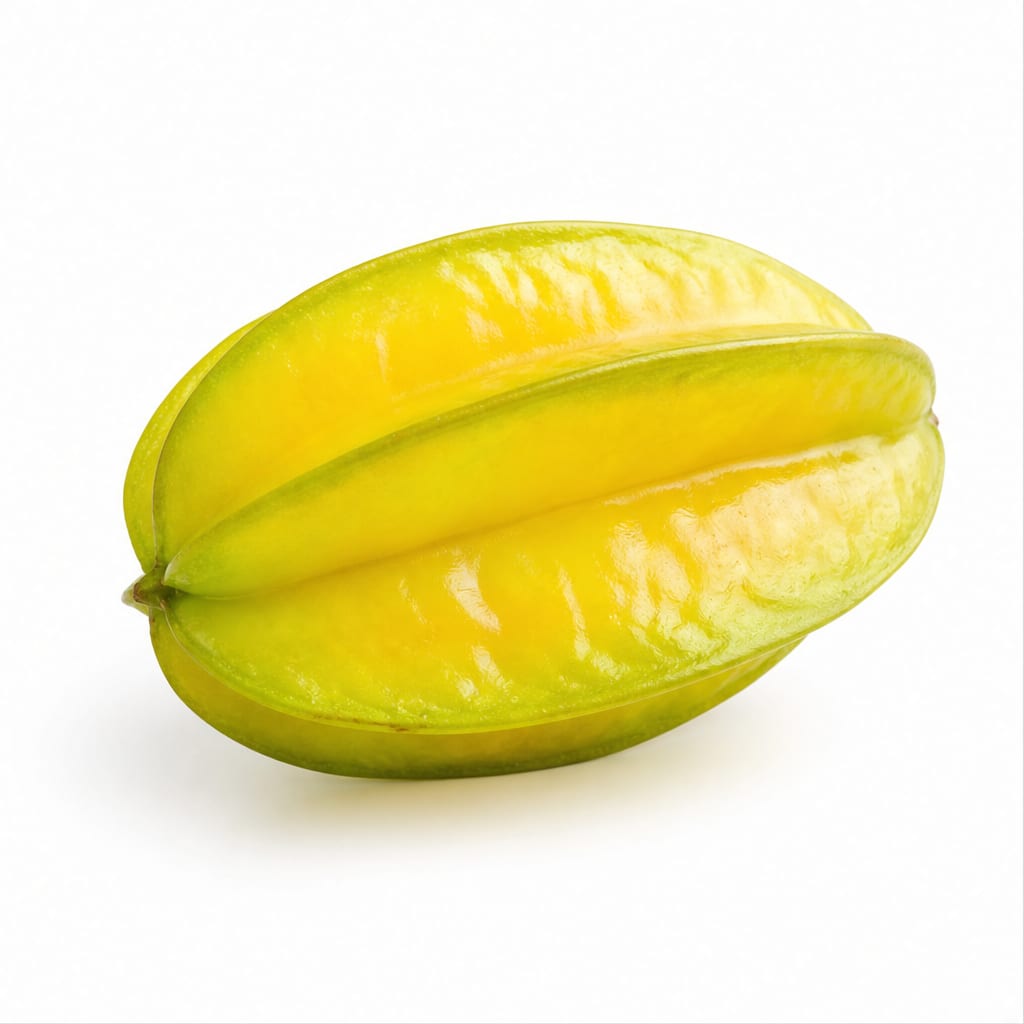
Compare with
Starfruit
Starfruit is crisper, lower in calories, and higher in vitamin C, but poses kidney risks for some, whereas santol poses GI risks from seeds.
Starfruit is lower in calories and higher in vitamin C, but santol offers a denser, more filling texture.
This food
Santol
VS55% alike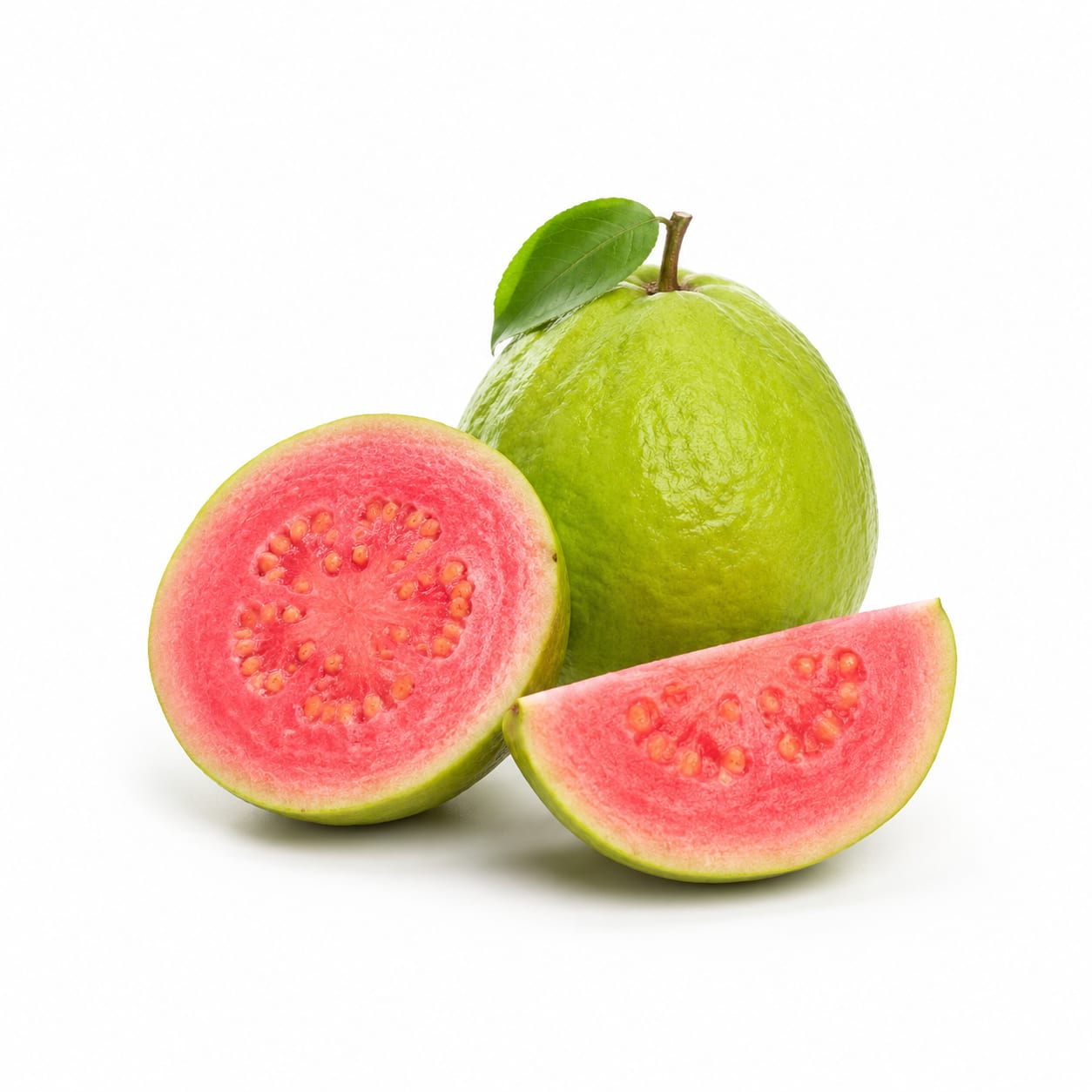
Compare with
Guava
Guava is a nutritional powerhouse with vastly more vitamin C and fiber, making santol look moderate by comparison.
Guava provides significantly more fiber and vitamin C than santol, making it the better choice for satiety and immunity.
This food
Santol
VS50% alike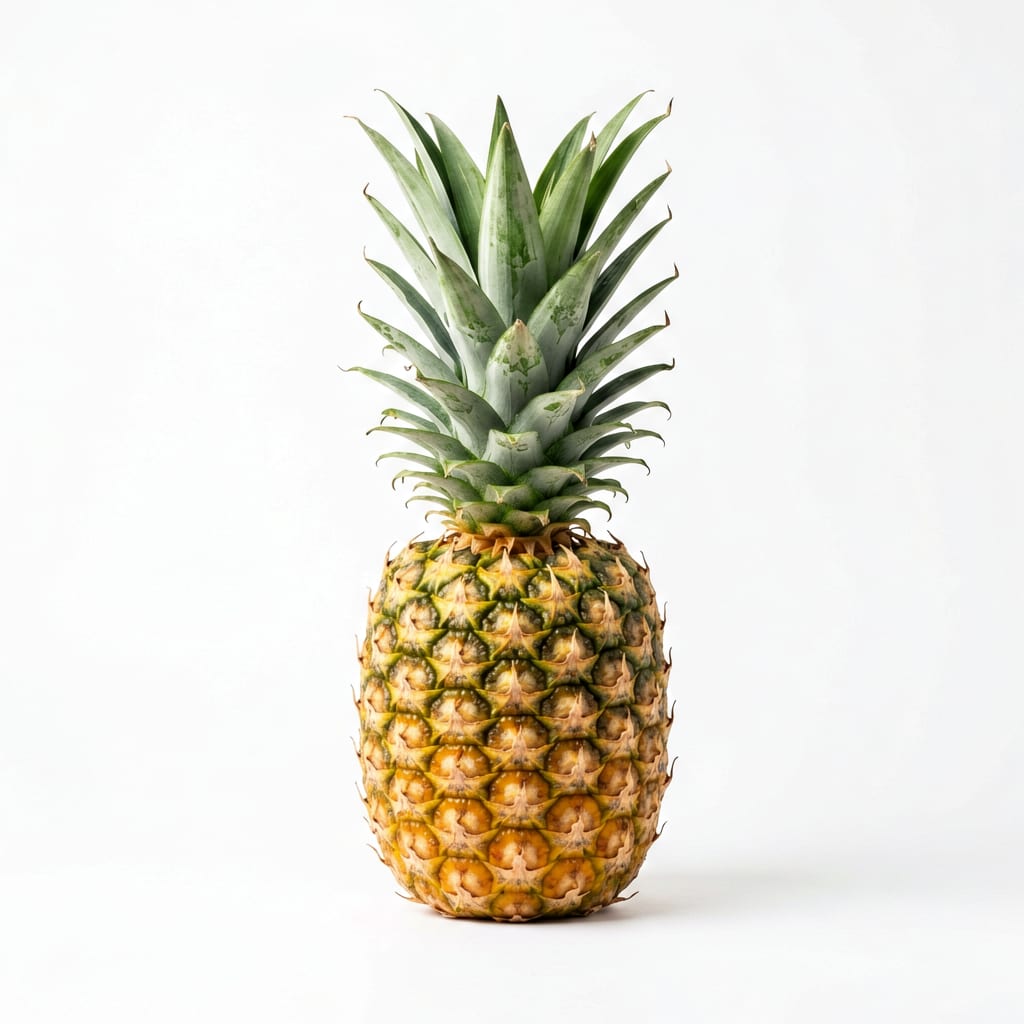
Compare with
Pineapple
Pineapple is juicier and richer in bromelain and vitamin C, while santol has a denser, cotton-like pulp and lower sugar.
Santol is lower in sugar and better for blood sugar management, while pineapple is juicier and richer in vitamin C.
This food
Santol
VS45% alike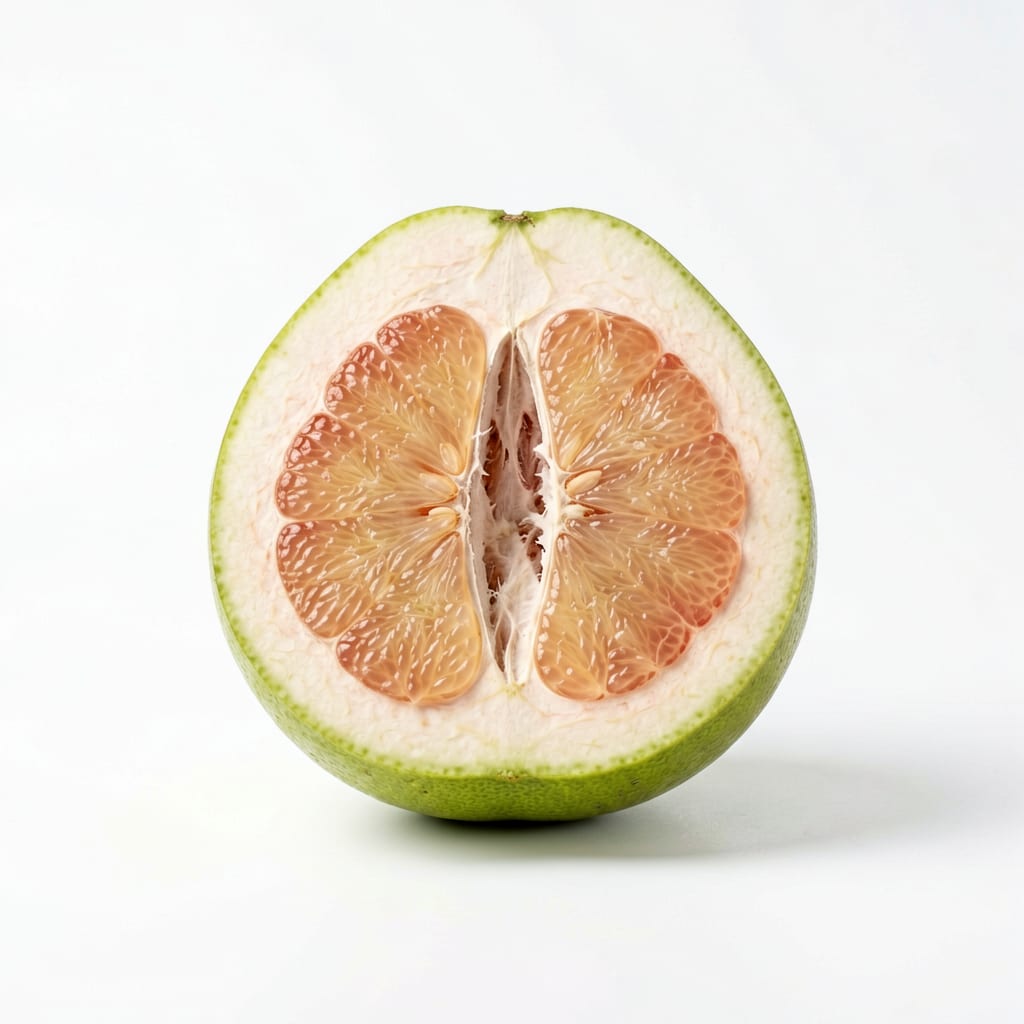
Compare with
Pomelo
Pomelo is a citrus with very high vitamin C and lower calories, whereas santol is a non-citrus with a unique cottony texture.
Pomelo is lower in calories and carbohydrates than santol, making it superior for weight loss and blood sugar control.
This food
Santol
VS40% alike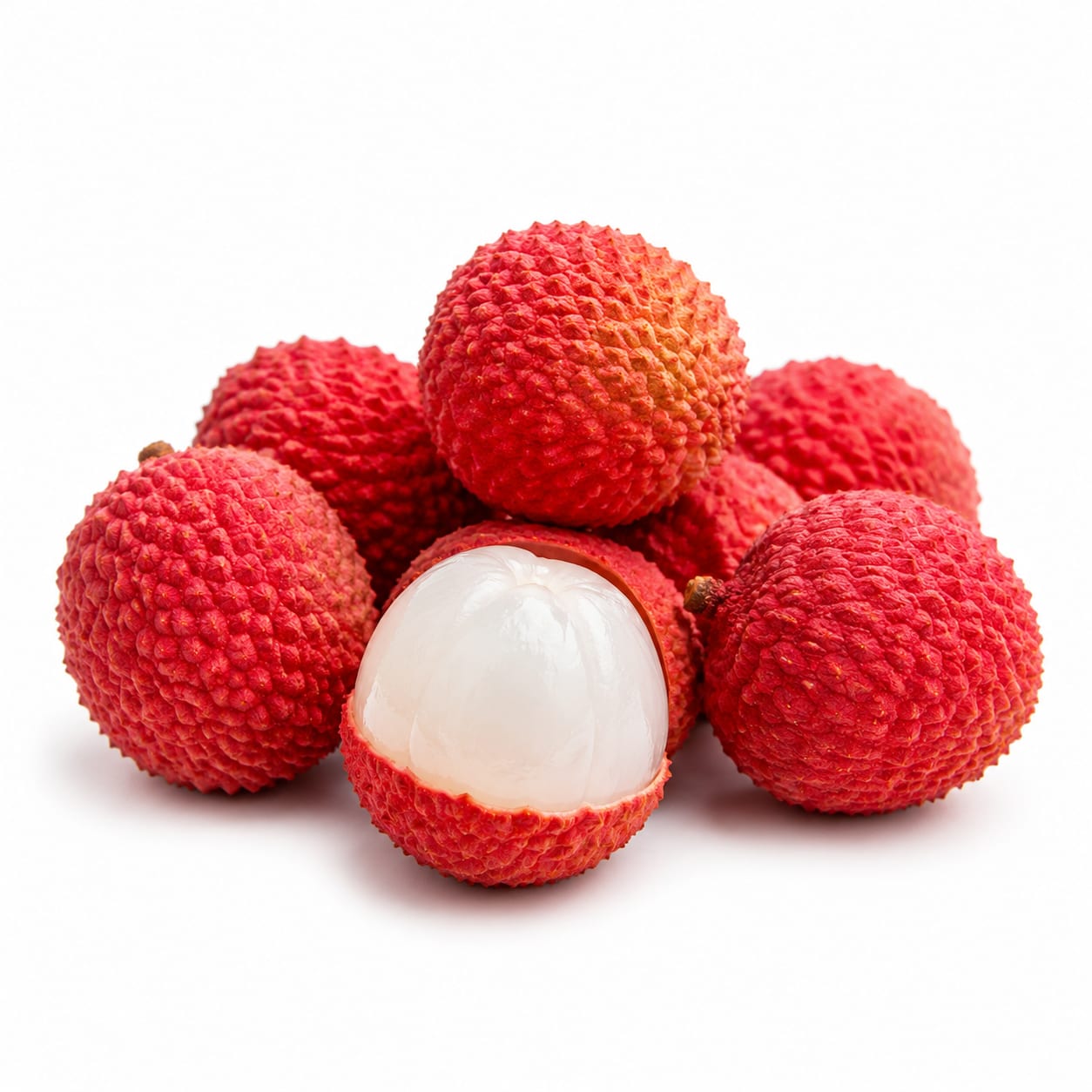
Compare with
Lychee
Lychee is very high in sugar and vitamin C, while santol offers a more balanced sweet-sour profile with a lower glycemic impact.
Santol is much lower in sugar than lychee, making it a safer choice for managing blood sugar levels.
This food
Santol
VS35% alike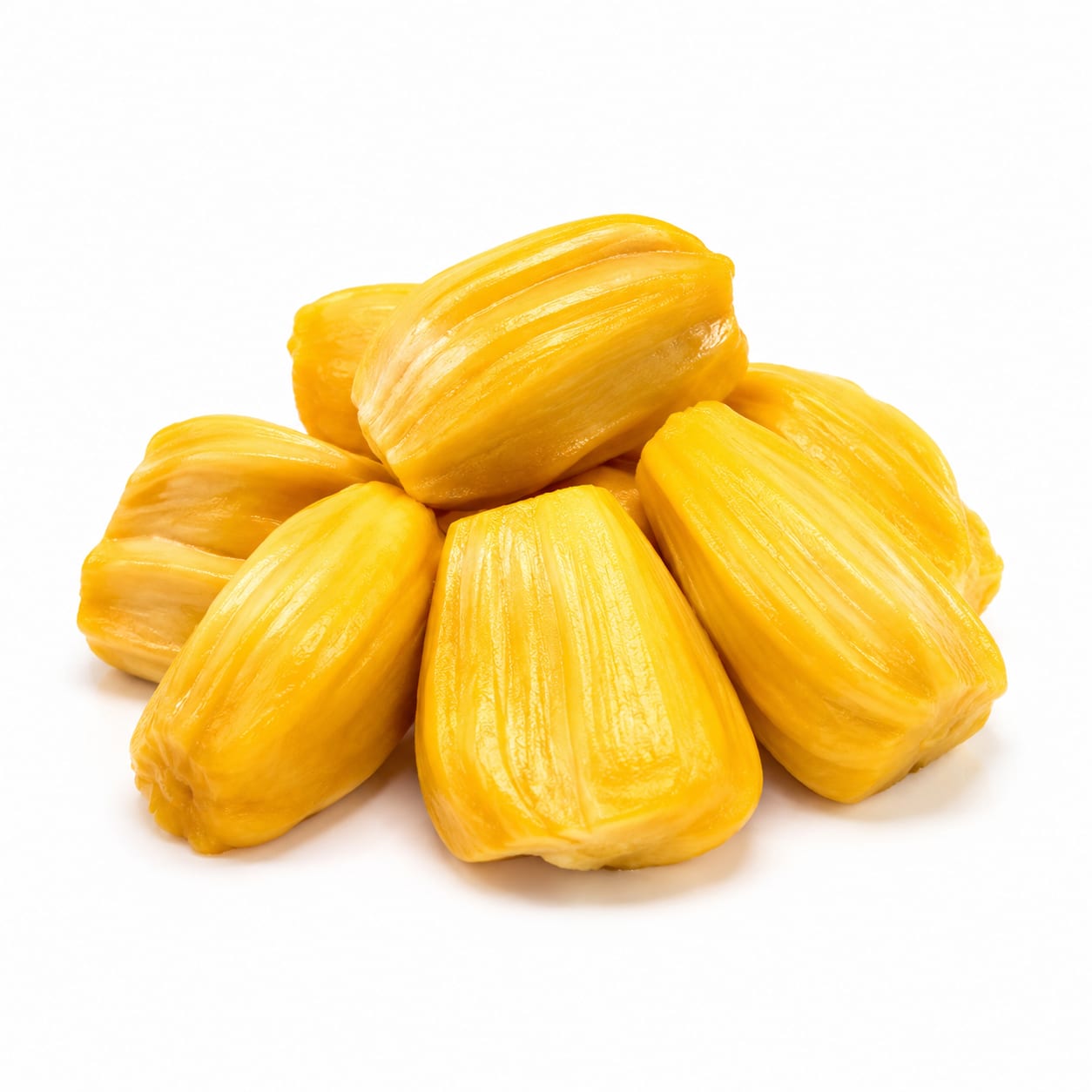
Compare with
Jackfruit
Jackfruit is much higher in calories, carbs, and fiber, often used as a meat substitute, while santol is a lighter snack.
Santol is a lower-calorie fruit snack, while jackfruit is denser in carbs and fiber, often used as a savory meat substitute.
This food
Santol
VS30% alike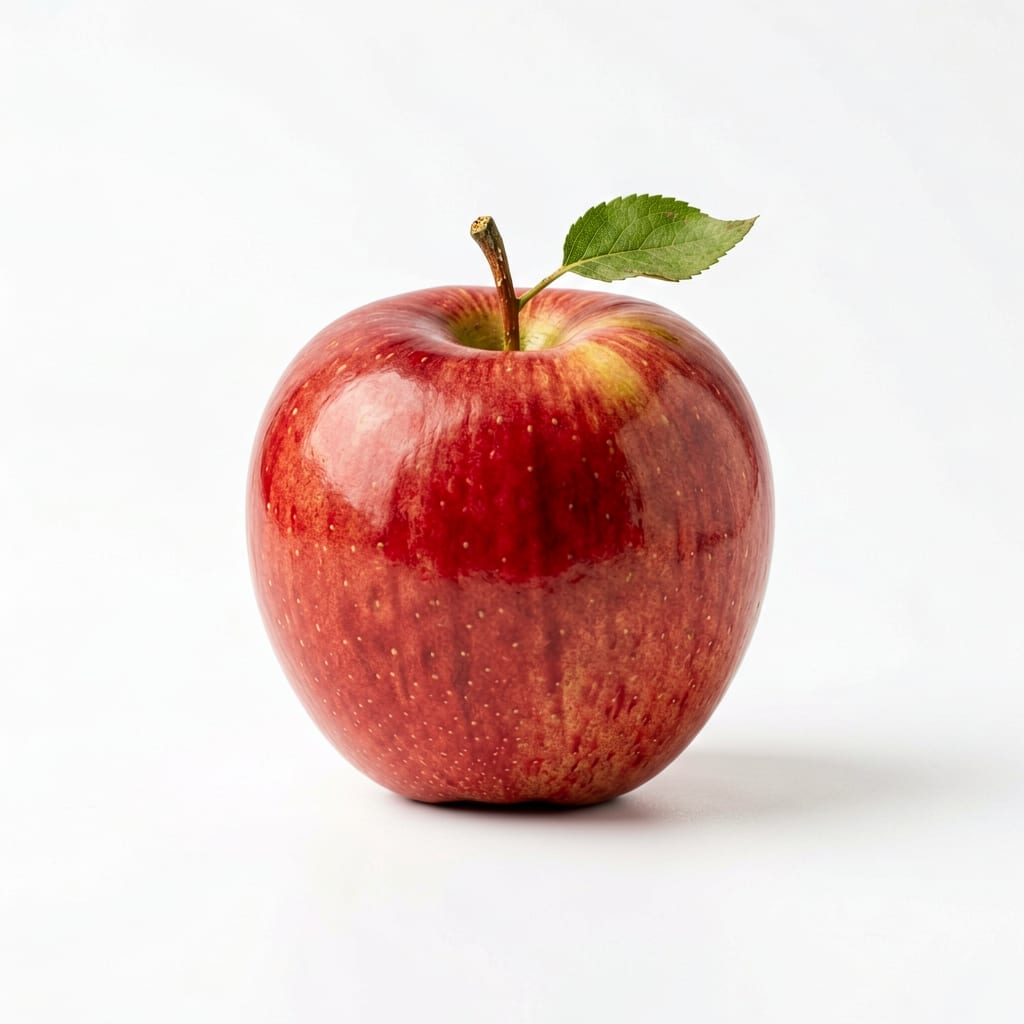
Compare with
Apple
Apples are crisper and more universally available with strong fiber content, while santol offers a unique tropical flavor and lower sugar.
Apples provide more fiber for satiety, but santol has a lower glycemic index, making it slightly better for blood sugar control.
Common questions
FAQ
Answers aligned with how people search for this food.
Is santol good for weight loss?
Yes, santol can be good for weight loss. It is low in calories and high in water, which helps you feel full without consuming excess energy.
Can diabetics eat santol?
Yes, diabetics can eat santol in moderation. It has a low glycemic index, meaning it causes a slower, more manageable rise in blood sugar compared to high-GI fruits.
What happens if you swallow a santol seed?
Swallowing santol seeds is dangerous. The seeds can cause intestinal obstruction, perforation, or appendicitis, often requiring surgical removal. Always discard the seeds.
How many calories are in a santol fruit?
A typical medium santol fruit (about 150g of edible flesh) contains roughly 127 calories, making it a moderate-calorie snack.
Is santol high in sugar?
Santol contains moderate amounts of natural sugar (about 14g per 100g), but its low glycemic index means it does not spike blood sugar rapidly.
Can you eat the rind of a santol?
The thick outer rind is generally not eaten raw, but in Filipino cuisine, the grated rind is cooked with coconut milk and chili to make a dish called sinantolan.
Does santol have fiber?
Yes, santol provides a moderate amount of dietary fiber (about 2.4g per 100g), which aids in digestion and promotes satiety.
What vitamins are in santol?
Santol contains moderate amounts of Vitamin C, which supports immune function and skin health, along with small amounts of B-vitamins.
Is santol safe for dogs?
No, santol is not safe for dogs. The seeds are a choking hazard and can cause intestinal blockages, and the fruit's acidity may upset their stomach.
How does santol taste?
Santol has a unique sweet and sour taste. The cotton-like pulp is the edible part, while the seed inside has a highly sour coating.
Transparency
Data confidence
Estimated confidence for nutrition data, interpretation, safety notes, and comparisons.
Nutrition data
Health analysis
Food safety
Comparisons