
Nutrition comparison
Santol vs Starfruit: Safety, Nutrition, and Which Tropical Fruit to Choose
Compare santol and starfruit side by side. Learn about starfruit's kidney toxicity risk, vitamin C differences, fiber content, and which tropical fruit is safer for daily eating.
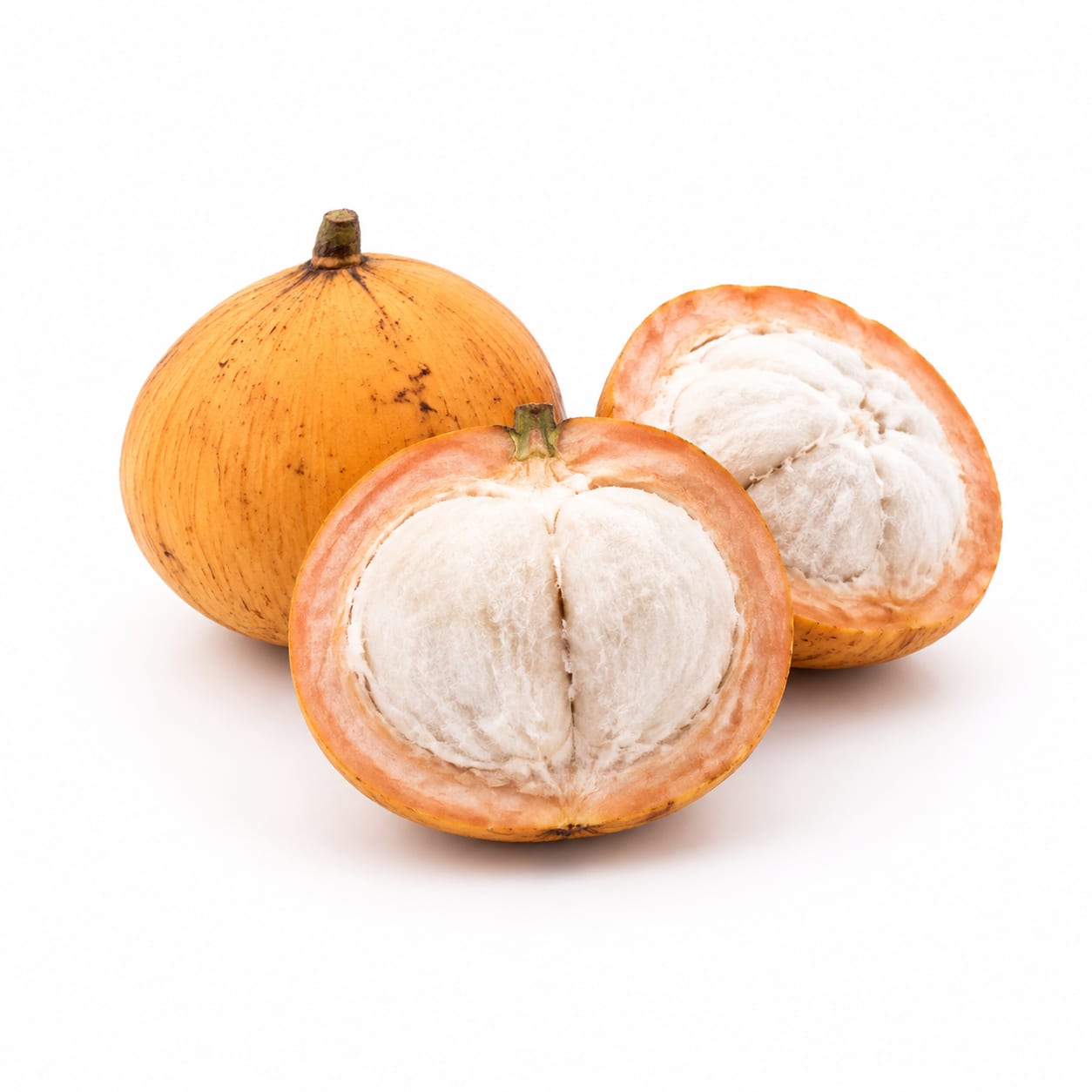
Santol
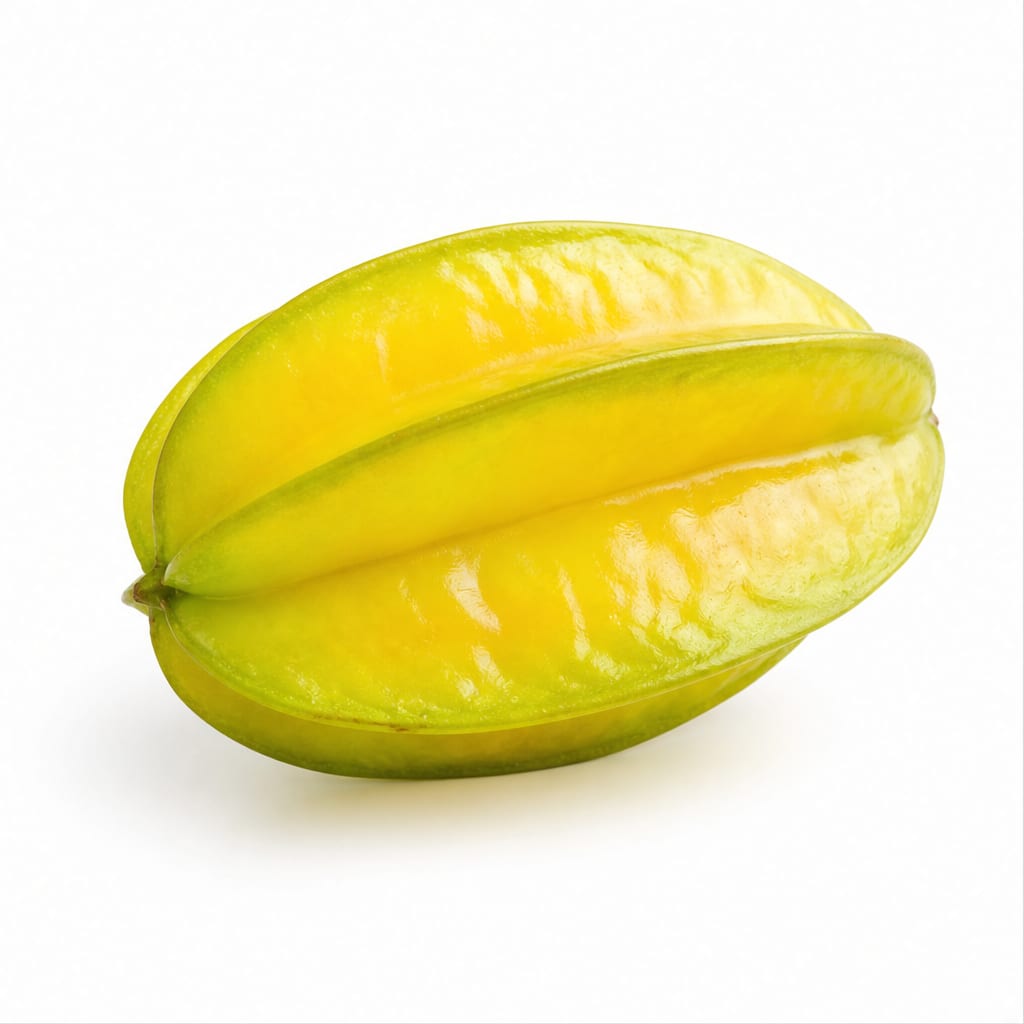
Starfruit
Santol is safer for most people, but starfruit offers more vitamin C and a stunning visual presentation. The dealbreaker is kidney health.
Santol scores higher primarily due to fewer serious safety risks. Starfruit's kidney toxicity concern significantly drags down its score despite stronger vitamin C content. For people with healthy kidneys, the gap narrows considerably.
Starfruit wins on vitamin C and presentation, but carries a serious kidney toxicity risk that santol does not.
At a glance
Executive summary
Overall
It depends
Healthier
It depends
More practical
Santol
Daily use
Santol
Key comparison lenses
safety and toxicity risks
Starfruit contains neurotoxins that can be fatal for people with kidney disease, making this the most critical comparison factor
vitamin and antioxidant density
Both tropical fruits are valued for their micronutrient profiles, so users want to know which delivers more nutritional bang
digestive tolerance and comfort
Santol seeds pose choking and obstruction risks, while starfruit's oxalic acid can irritate sensitive stomachs
blood sugar impact
Both are sweet tropical fruits, so glycemic load matters for daily consumption decisions
culinary versatility and access
Both are specialty tropical fruits with limited availability outside Southeast Asia
Best choice for
Santol
- People with kidney disease or reduced kidney function
- Families with children who might swallow seeds whole
- Those wanting a filling, fiber-rich tropical snack
- Anyone avoiding oxalic acid
Starfruit
- People with confirmed healthy kidney function wanting maximum vitamin C
- Home cooks seeking visually impressive fruit plating
- Those wanting a low-calorie, light refreshing snack
- Anyone needing a quick vitamin C boost
Least suitable for
Santol
- People wanting a visually striking garnish or centerpiece fruit
- Those who dislike sour-astringent flavor profiles
- Anyone unfamiliar with proper seed removal technique
Starfruit
- Anyone with kidney disease, on dialysis, or with reduced kidney function
- People prone to kidney stones due to oxalate content
- Those taking medications metabolized by kidneys
- Children who might consume large quantities unsupervised
Deep comparison
Dimension by dimension
Each lens scores both foods and breaks down who each option suits.
- Dimension 1 · Priority 95Santol
safety_and_toxicity
Santol · 75Starfruit · 35Starfruit contains neurotoxins that healthy kidneys filter out, but which can cause serious harm or death in people with kidney problems. Santol's main risk is seed obstruction, which is easier to avoid.
Tradeoff
Starfruit is perfectly safe for people with healthy kidneys, but the consequences of accidental consumption with undiagnosed kidney issues are severe.
Why it matters
Kidney disease often goes undiagnosed. Roughly 1 in 7 adults have chronic kidney disease without knowing it, making starfruit a hidden risk.
Real-world impact
If you have silent kidney issues and eat starfruit, you could experience confusion, seizures, or worse. Santol's seed risk is obvious and avoidable by simply not swallowing seeds.
Santol
- Anyone unsure about their kidney status
- Older adults with naturally declining kidney function
- People on blood pressure or diabetes medications affecting kidneys
Better for
- No significant toxicity concerns beyond seed obstruction
Worse for
Starfruit
- Confirmed healthy-kidney individuals who are informed about the risk
Better for
- Undiagnosed kidney disease sufferers
- Elderly with age-related kidney decline
- Anyone on nephrotoxic medications
Worse for
- Dimension 2 · Priority 75Starfruit
vitamin_c_and_antioxidant_density
Santol · 55Starfruit · 80Starfruit delivers significantly more vitamin C per serving, covering about 50-60% of daily needs versus santol's roughly 20-25%.
Tradeoff
You get more immune-supporting vitamin C from starfruit, but santol provides a broader mix of phytonutrients including unique flavonoids.
Why it matters
If you're specifically eating tropical fruit for immune support or skin health, starfruit gets you there faster.
Real-world impact
One medium starfruit roughly equals half your daily vitamin C. You'd need two to three santols to match that.
Santol
- Those wanting diverse phytonutrients rather than just high vitamin C
- People already getting adequate vitamin C from other sources
Better for
- Vitamin C enthusiasts wanting high intake from food
Worse for
Starfruit
- Anyone wanting maximum vitamin C from a single fruit serving
- People recovering from illness needing immune support
- Those who don't supplement vitamin C elsewhere
Better for
- People who already meet vitamin C needs through other fruits or supplements
Worse for
- Dimension 3 · Priority 70Santol
fiber_and_satiety
Santol · 72Starfruit · 55Santol is more filling per serving due to its denser flesh and higher fiber content, especially when eaten with the edible rind portion.
Tradeoff
Santol keeps you fuller longer, but starfruit's lighter nature makes it a more refreshing hot-weather snack.
Why it matters
If you're snacking between meals, santol does a better job of holding you over.
Real-world impact
A santol snack at 3pm is less likely to leave you reaching for something else by 4pm compared to starfruit.
Santol
- Between-meal snackers needing lasting fullness
- Those managing appetite for weight control
- Active people wanting sustained energy
Better for
- People wanting a light, refreshing post-meal palate cleanser
Worse for
Starfruit
- Hot climate dwellers wanting something light and hydrating
- After-meal fruit eaters who don't want to feel stuffed
Better for
- Anyone relying on fruit as a substantial between-meal snack
Worse for
- Dimension 4 · Priority 60It depends
blood sugar_impact
Santol · 58Starfruit · 60Both are moderate-glycemic tropical fruits. Starfruit has slightly less sugar per serving, but santol's fiber slows absorption more effectively.
Tradeoff
Starfruit has less total sugar but less fiber to buffer it. Santol has more sugar but more fiber to slow the spike.
Why it matters
Neither is a low-glycemic fruit, so both require portion awareness for blood sugar management.
Real-world impact
For most people, the difference is negligible. For diabetics, both should be paired with protein or fat to blunt the sugar rise.
Santol
- Those who eat fruit with fiber-rich meals already
- People whose bodies respond well to fiber-buffered sugar
Better for
- Strict sugar counters who notice every gram
Worse for
Starfruit
- Those tracking total sugar grams strictly
- People wanting lower-calorie fruit options
Better for
- People sensitive to sugar spikes without fiber buffering
Worse for
- Dimension 5 · Priority 65Santol
digestive_tolerance
Santol · 65Starfruit · 50Santol's main digestive risk is seed obstruction, which is avoidable. Starfruit's oxalic acid can irritate sensitive stomachs and contribute to kidney stones.
Tradeoff
Santol requires careful seed removal but is gentler on the stomach. Starfruit is easier to eat but contains oxalates that bother some people.
Why it matters
If you have a history of kidney stones or sensitive digestion, starfruit's oxalates are an unwelcome addition.
Real-world impact
Prone to kidney stones? Starfruit's oxalates add to your stone-forming risk. Santol avoids this problem entirely.
Santol
- Kidney stone formers avoiding oxalates
- People with sensitive stomachs
- Those with irritable bowel who react to acidic fruits
Better for
- Children or careless eaters who might swallow seeds
Worse for
Starfruit
- People with no oxalate sensitivity who want easy prep
Better for
- Oxalate-sensitive individuals
- Kidney stone formers
- People with acid-sensitive stomachs
Worse for
Timeline
Health impact over time
Short-term
Hours to days
Santol
- Mild blood sugar rise from natural sugars, buffered by fiber
- Possible astringent mouthfeel from tannins in underripe fruit
- Risk of intestinal obstruction if seeds are swallowed
Starfruit
- Quick vitamin C boost supporting immune function
- Possible stomach irritation from oxalic acid on empty stomach
- Slight diuretic effect increasing urination
Long-term
Months to years
Santol
- Consistent fiber intake supporting gut health and regularity
- Phytonutrients from diverse flavonoid intake
- Minimal long-term risk when seeds are properly discarded
Starfruit
- Excellent vitamin C status supporting skin and immune health over time
- Accumulating oxalate load for susceptible individuals
- Serious neurotoxicity risk if kidney function declines unnoticed
Risk profile
Safety & processing
Both fruits are typically eaten fresh and whole with no processing. Neither commonly contains additives when purchased as whole fruit. Both score equally well on naturalness.
Santol
Seed obstruction
highSantol seeds cannot be digested and can cause serious intestinal blockage if swallowed, especially in children. Always discard seeds completely.
Choking hazard for children
mediumThe large slippery seeds are a choking risk for young children who might not know to spit them out.
Starfruit
Neurotoxicity in kidney disease
highStarfruit contains caramboxin, a neurotoxin healthy kidneys filter out. In people with impaired kidney function, it can cause confusion, seizures, and death. Even small amounts can be dangerous.
Oxalate kidney stone promotion
mediumStarfruit is high in oxalic acid, which binds calcium and contributes to kidney stone formation in susceptible people.
Drug interactions
mediumStarfruit can interact with medications processed by kidneys or certain liver enzymes, similar to grapefruit interactions but less well documented.
Who wins for whom
Audience fit
Same foods, different winners depending on your goal.
children
SantolWhile santol seeds require supervision, starfruit's kidney risk and oxalate content pose broader concerns for children's smaller bodies and developing systems.
daily consumption
SantolSantol's safety profile supports worry-free daily eating. Starfruit requires ongoing awareness of kidney health status.
diabetes
It dependsBoth require portion control. Starfruit has less sugar but santol has more fiber. Neither is ideal for unrestricted diabetic snacking.
elderly
SantolAge-related kidney decline makes starfruit increasingly risky for older adults. Santol's seed risk is manageable with proper preparation.
muscle gain
It dependsNeither fruit is notable for muscle-building. Both provide minimal protein. Choose based on personal preference and tolerance.
weight loss
StarfruitStarfruit is lower in calories and sugar per serving, making it easier to fit into a calorie-controlled eating plan.
Your move
Decision guide
Choose Santol
- You have any kidney concerns or are unsure of your kidney function
- You want a more filling, fiber-rich tropical fruit snack
- You have a history of kidney stones or oxalate sensitivity
- You are feeding children or elderly family members
- You prefer a sweet-sour flavor with denser, more satisfying flesh
Choose Starfruit
- You have confirmed healthy kidney function and want maximum vitamin C
- You want a visually stunning fruit for entertaining or plating
- You prefer a light, refreshing, low-calorie snack
- You live in a hot climate and want hydrating, crisp fruit
- You are confident about your kidney health through recent testing
Either works if
- You simply want tropical fruit variety in your diet
- You are rotating through different fruits for nutrient diversity
- Both are available fresh and you have no specific health concerns
Avoid both if
- You are on a strict low-sugar or ketogenic eating plan
- You have severe tropical fruit allergies
- Neither fruit is available fresh in your area and only poor-quality imports exist
Final recommendation
If you have any doubt about your kidney health, choose santol. It is the safer everyday choice with better satiety and fewer hidden risks. If you are confident in your kidney function and want a vitamin C powerhouse with gorgeous presentation, starfruit is a fine occasional treat. The key difference is that santol's risks are obvious and avoidable, while starfruit's main risk is invisible until it becomes dangerous.
Practical
Consumer tips
- 1
Always cut santol open and remove all seeds before eating or serving to children
- 2
If you have not had kidney function tested recently, treat starfruit with caution
- 3
Pair either fruit with a protein or fat source like nuts or yogurt to reduce blood sugar impact
- 4
Avoid starfruit on an empty stomach if you have any digestive sensitivity to acidic foods
- 5
Choose ripe santol for sweeter flavor and less astringency, as underripe fruit can be unpleasantly tart
- 6
Store both fruits in the refrigerator after ripening to extend freshness by several days
- 7
If you are on any kidney-affecting medications, consult your doctor before eating starfruit