
Nutrition comparison
Santol vs Guava: Which Tropical Fruit Is Healthier?
Compare Santol and Guava nutrition, safety, and health benefits. Guava wins on vitamin C, fiber, and blood sugar control. Learn why Santol's seed risk matters.
Overall winner · Guava
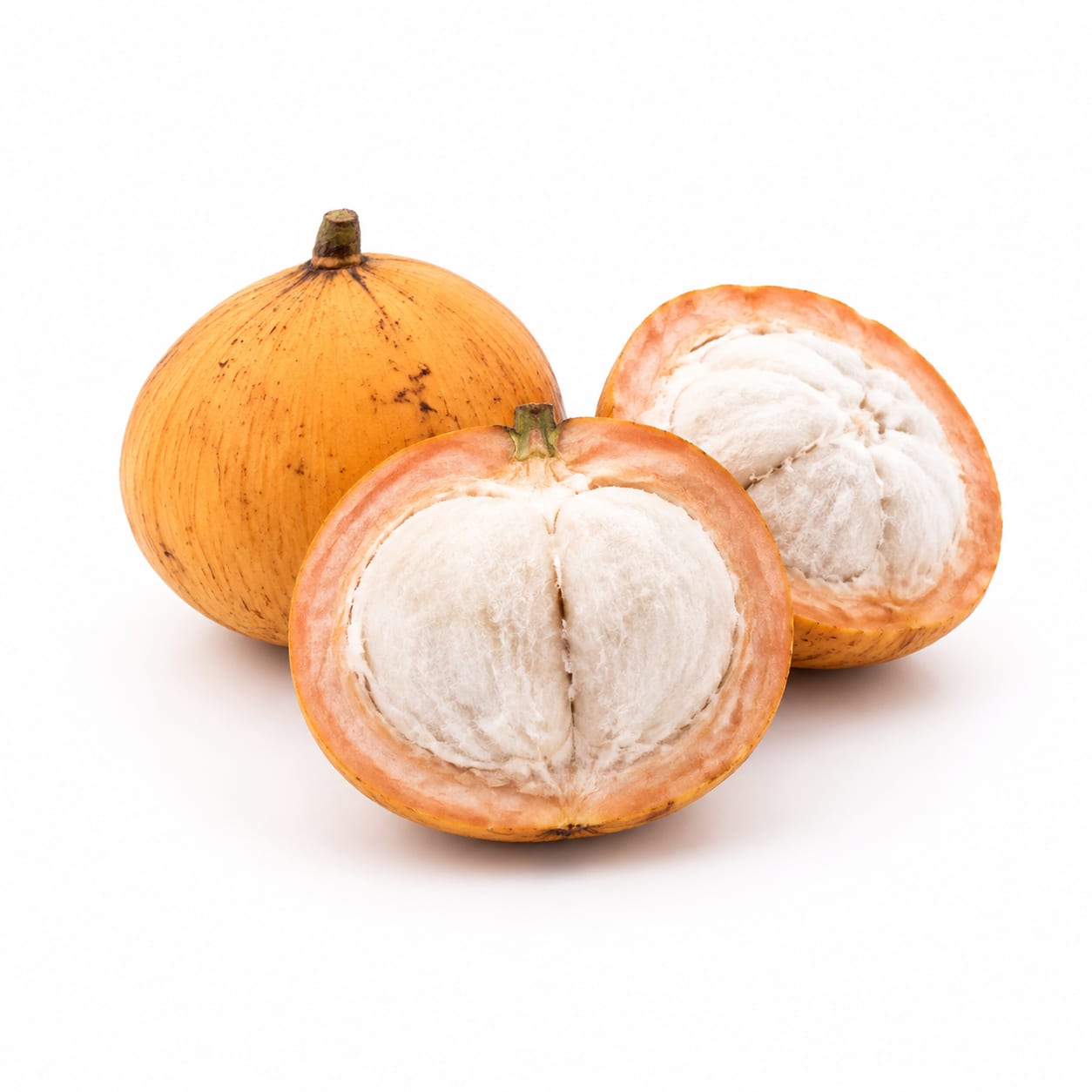
Santol
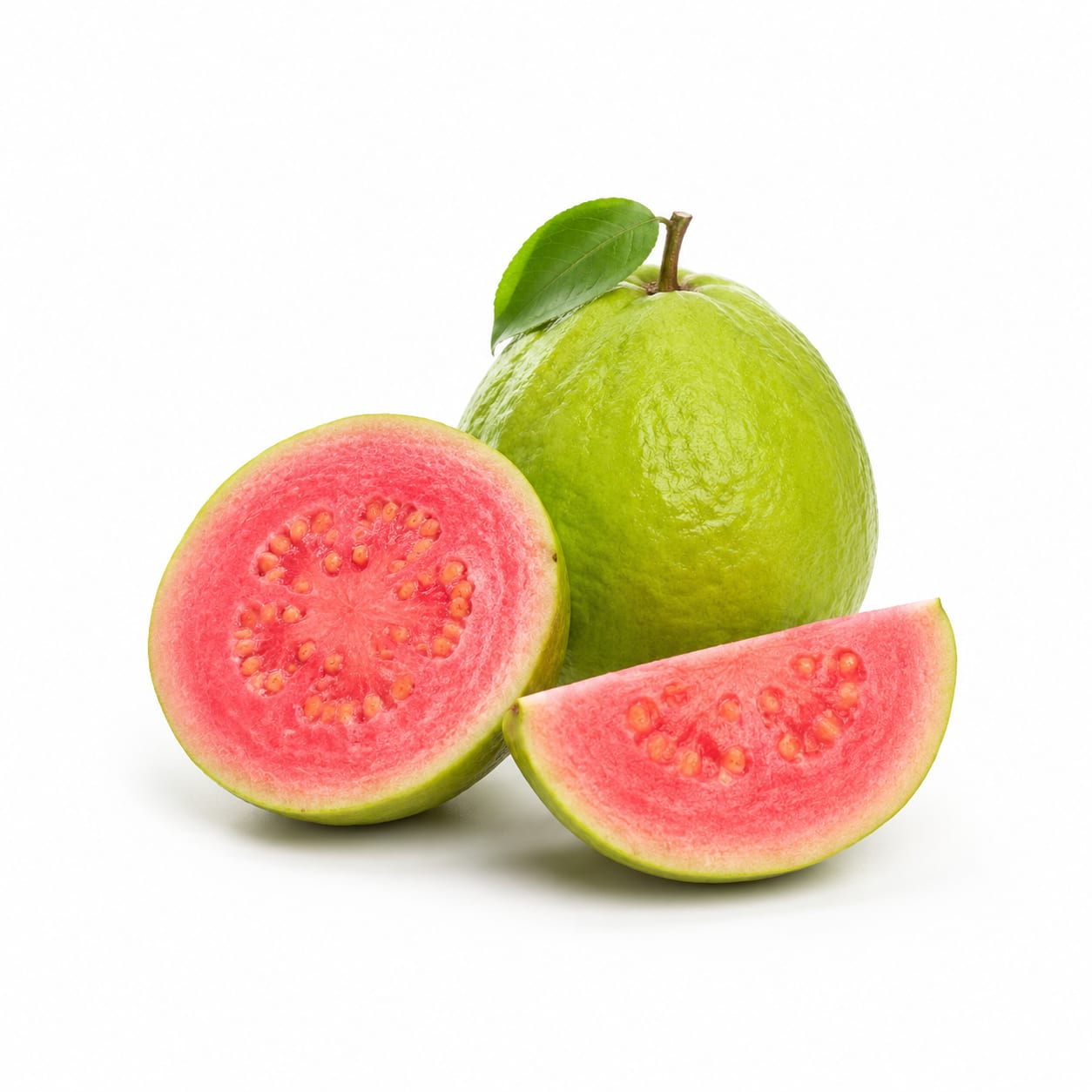
Guava
Guava dominates on nutrition, safety, and accessibility. Santol is a fun tropical treat but cannot compete as a daily health fruit.
Guava wins decisively across vitamin C, fiber, blood sugar control, safety, and availability. Santol scores modestly as an enjoyable but nutritionally lighter tropical fruit with genuine safety concerns around its seeds.
Santol offers a unique sweet-sour flavor experience, but Guava delivers dramatically more vitamin C, fiber, and blood sugar benefits with none of the seed safety concerns.
At a glance
Executive summary
Overall
Guava
Healthier
Guava
More practical
Guava
Daily use
Guava
Key comparison lenses
vitamin c and immunity
Guava is one of the richest vitamin C sources on earth; Santol provides modest amounts, making this the starkest difference
blood sugar management
Guava is well-studied for glucose regulation; Santol has less evidence and a sweeter pulp that may spike sugar faster
fiber and digestive health
Both are tropical fruits with fiber, but Guava delivers significantly more per serving with better digestive tolerance
safety and choking risk
Santol seeds are a documented choking hazard and have caused intestinal obstruction; Guava seeds are small and generally safe
everyday accessibility
Guava is globally available; Santol is mostly found in Southeast Asian markets, limiting practical daily use
Best choice for
Santol
- Curious eaters seeking exotic tropical flavors
- People in Southeast Asia with fresh local access
- Anyone wanting a low-calorie sour snack alternative
Guava
- Daily fruit rotation focused on immunity
- People managing blood sugar or prediabetes
- Families needing a safe, nutrient-dense fruit for all ages
Least suitable for
Santol
- Young children due to seed choking hazard
- People with digestive sensitivity to acidic fruits
- Anyone outside tropical regions where fresh Santol is unavailable
Guava
- People strictly limiting carb intake even from whole fruit
- Those with rare guava allergies
Deep comparison
Dimension by dimension
Each lens scores both foods and breaks down who each option suits.
- Dimension 1 · Priority 95Guava
Vitamin C and Immunity
Santol · 30Guava · 97Guava delivers roughly 4-5 times more vitamin C per serving than Santol, making it one of the best immune-boosting fruits available.
Tradeoff
Santol provides some vitamin C but not enough to meaningfully move the needle on daily immune needs.
Why it matters
A single Guava can cover more than double your daily vitamin C requirement. Santol would take multiple servings to achieve the same.
Real-world impact
Eating one Guava daily could meaningfully reduce cold frequency. Santol would need to be paired with other vitamin C sources to get the same effect.
Santol
- Adding mild vitamin C variety alongside other sources
Better for
- Relying on Santol as a primary vitamin C source
Worse for
Guava
- Meeting daily vitamin C needs in a single serving
- Boosting immunity during cold season
- Supporting collagen and skin health
Better for
- Dimension 2 · Priority 88Guava
Blood Sugar Stability
Santol · 48Guava · 82Guava has a low glycemic index and clinical evidence supporting glucose regulation. Santol's sweeter pulp and lower fiber make it less reliable for blood sugar control.
Tradeoff
Santol is not a sugar bomb, but it lacks the fiber density and proven glucose-lowering effect that makes Guava a go-to for diabetics.
Why it matters
For anyone watching blood sugar, fruit choice matters. Guava actively helps; Santol is more neutral.
Real-world impact
A prediabetic person could eat Guava daily as a smart snack. Santol would require more portion caution and pairing with protein or fat.
Santol
- A less sweet tropical option when portion-controlled
Better for
- Eating large quantities may raise blood sugar faster than expected
Worse for
Guava
- Steady energy without afternoon crashes
- Diabetes-friendly snacking
- Reducing sugar cravings through fiber-rich satisfaction
Better for
- Dimension 3 · Priority 82Guava
Fiber and Digestive Health
Santol · 42Guava · 85Guava provides roughly 3 times more dietary fiber per serving than Santol, with better digestive tolerance and no seed safety issues.
Tradeoff
Santol's cotton-like pulp has some fiber but is less effective at promoting fullness and regularity compared to Guava.
Why it matters
Fiber is the unsung hero of satiety, gut health, and metabolic stability. Guava makes it effortless.
Real-world impact
Eating Guava with its seeds supports regular digestion and keeps you full longer. Santol digests quickly and leaves you hungry sooner.
Santol
- Light eating when you want something less filling
Better for
- Not enough fiber to serve as a standalone filling snack
Worse for
Guava
- Improving gut regularity
- Staying full between meals
- Supporting healthy cholesterol levels through soluble fiber
Better for
- Very high fiber intake may cause bloating if introduced too quickly
Worse for
- Dimension 4 · Priority 78Guava
Safety and Choking Hazard
Santol · 35Guava · 88Santol seeds are a documented choking and intestinal obstruction risk, especially in children. Guava seeds are tiny, edible, and generally safe.
Tradeoff
Santol requires careful seed removal before eating, especially for kids. Guava can be eaten whole without this concern.
Why it matters
A fruit that requires safety precautions loses everyday convenience and family-friendliness.
Real-world impact
Santol has sent children to emergency rooms from seed ingestion. Guava has no comparable risk profile.
Santol
- Must carefully discard seeds before eating
- Never safe to give whole Santol to young children
- Seed swallowing has caused serious bowel obstruction
Worse for
Guava
- Worry-free snacking for all ages
- No special preparation needed beyond washing
Better for
- Dimension 5 · Priority 75Guava
Antioxidant and Phytonutrient Profile
Santol · 45Guava · 88Guava is rich in lycopene, quercetin, and vitamin C. Santol contains sandoric acid and some flavonoids but has far less research backing its antioxidant impact.
Tradeoff
Santol has unique compounds being studied, but Guava's antioxidant arsenal is proven and potent.
Why it matters
Antioxidants from fruit reduce inflammation and long-term disease risk. Guava delivers this reliably.
Real-world impact
Regular Guava consumption is linked to lower oxidative stress markers. Santol may have benefits but the evidence is thin.
Santol
- Exploring lesser-studied tropical phytonutrients
Better for
- Cannot rely on Santol alone for antioxidant coverage
Worse for
Guava
- Reducing chronic inflammation
- Supporting heart health through lycopene
- Cell protection from daily oxidative stress
Better for
- Dimension 6 · Priority 72Guava
Availability and Practical Convenience
Santol · 28Guava · 78Guava is available in most tropical and subtropical markets worldwide. Santol is largely restricted to Southeast Asia and specialty importers.
Tradeoff
Even if Santol were nutritionally equal, most people simply cannot find it regularly. Guava is the realistic daily option.
Why it matters
A fruit you cannot buy cannot improve your health, no matter how good it looks on paper.
Real-world impact
Most readers can find Guava at a local grocery or farmers market. Santol requires specialty shopping or travel.
Santol
- Enjoying when traveling in Southeast Asia as a local experience
Better for
- Nearly impossible to source in North America, Europe, or most of Africa
- Short seasonal window even in native regions
Worse for
Guava
- Consistent weekly grocery availability
- Easy to find fresh, frozen, or dried
Better for
- Quality varies by region and season
Worse for
Timeline
Health impact over time
Short-term
Hours to days
Santol
- Quick energy from natural sugars in the pulp
- Mild satiety from the cotton-like texture
- Potential stomach discomfort if seeds are accidentally swallowed
- Sour varieties may cause mouth puckering or mild acid sensitivity
Guava
- Rapid immune support from concentrated vitamin C
- Noticeable fullness from high fiber content
- Steady energy without sugar crash
- Gentle digestive regularity within hours of eating
Long-term
Months to years
Santol
- Enjoyable dietary variety when available
- Minimal proven long-term health benefits beyond basic fruit nutrition
- Ongoing seed safety vigilance required if consumed regularly
Guava
- Stronger immune resilience over months and years
- Improved blood sugar regulation with consistent consumption
- Better gut microbiome diversity from prebiotic fiber
- Reduced oxidative damage linked to lower chronic disease risk
Risk profile
Safety & processing
Both Santol and Guava are whole, minimally processed fruits when eaten fresh. Neither carries additive concerns in their natural form. The key difference is that Guava's nutritional density rewards you more per bite for choosing the whole food.
Santol
Seed choking hazard
highSantol seeds are large, slippery, and have been documented to cause fatal choking and intestinal obstruction, especially in children. Always discard seeds before eating.
Latex-like sap irritation
lowSome people experience mild mouth or skin irritation from the sap near the rind. Peeling carefully avoids this.
Guava
Pesticide residue on conventionally grown Guava
mediumGuava is often sprayed heavily in commercial production. Washing thoroughly or choosing organic reduces exposure.
Seed sensitivity in rare cases
lowGuava seeds are safe for most people, but those with severe diverticulitis may want to strain them out.
Who wins for whom
Audience fit
Same foods, different winners depending on your goal.
children
GuavaGuava is safe, nutrient-dense, and easy to eat. Santol's seed choking risk makes it inappropriate for young children without careful preparation.
daily consumption
GuavaGuava is safe, available, and nutritionally rewarding every day. Santol is better as an occasional tropical treat.
diabetes
GuavaGuava has a low glycemic index and clinical evidence for improving glucose control. Santol lacks this evidence and has less protective fiber.
elderly
GuavaOlder adults benefit most from Guava's fiber for digestion and vitamin C for immune support. Santol's seed risk and lower nutrient density make it a weaker choice.
muscle gain
It dependsNeither fruit is a protein source. Both can support workout recovery through carbs and micronutrients, but neither moves the needle for muscle building.
weight loss
GuavaGuava's high fiber keeps you full on fewer calories. Santol digests quickly and may leave you reaching for more food sooner.
Your move
Decision guide
Choose Santol
- You live in or are visiting Southeast Asia and want to enjoy local fruit culture
- You are curious about unique sweet-sour tropical flavors
- You have no children in the household and can safely manage seed disposal
- You want a lighter, less filling fruit option
Choose Guava
- You want maximum nutrition per bite from a daily fruit
- You are managing blood sugar, weight, or immune health
- You need a family-safe fruit that kids can eat without supervision
- You value consistent availability at your local store
Either works if
- You simply want a whole fruit instead of processed snacks
- You enjoy tropical flavors and want variety in your fruit rotation
- You have no specific health condition driving your choice
Avoid both if
- You have a strict very-low-carb protocol that excludes most fruit
- You have rare allergies to tropical fruits
Final recommendation
Make Guava your daily tropical fruit. It delivers exceptional vitamin C, blood sugar benefits, fiber, and safety in every serving. Save Santol for special occasions when you can enjoy its unique flavor safely and with proper seed handling. If you can only stock one, Guava wins by a wide margin.
Practical
Consumer tips
- 1
Always cut Santol open and discard every seed before eating, especially if children are nearby
- 2
Choose Guava that yields slightly to pressure for the best balance of sweetness and texture
- 3
Pink or red Guava varieties have more lycopene than white ones
- 4
Wash Guava thoroughly under running water to reduce pesticide residue, or buy organic when possible
- 5
If trying Santol for the first time, start with a small amount to check for any mouth irritation from the sap
- 6
Freeze sliced Guava for a refreshing hot-weather snack that retains most nutrients