
Nutrition comparison
Santol vs Lychee: Which Tropical Fruit Is Healthier?
Compare santol and lychee nutrition, sugar content, fiber, safety risks, and health benefits. Find out which tropical fruit is better for diabetes, weight loss, and daily eating.
Overall winner · Santol
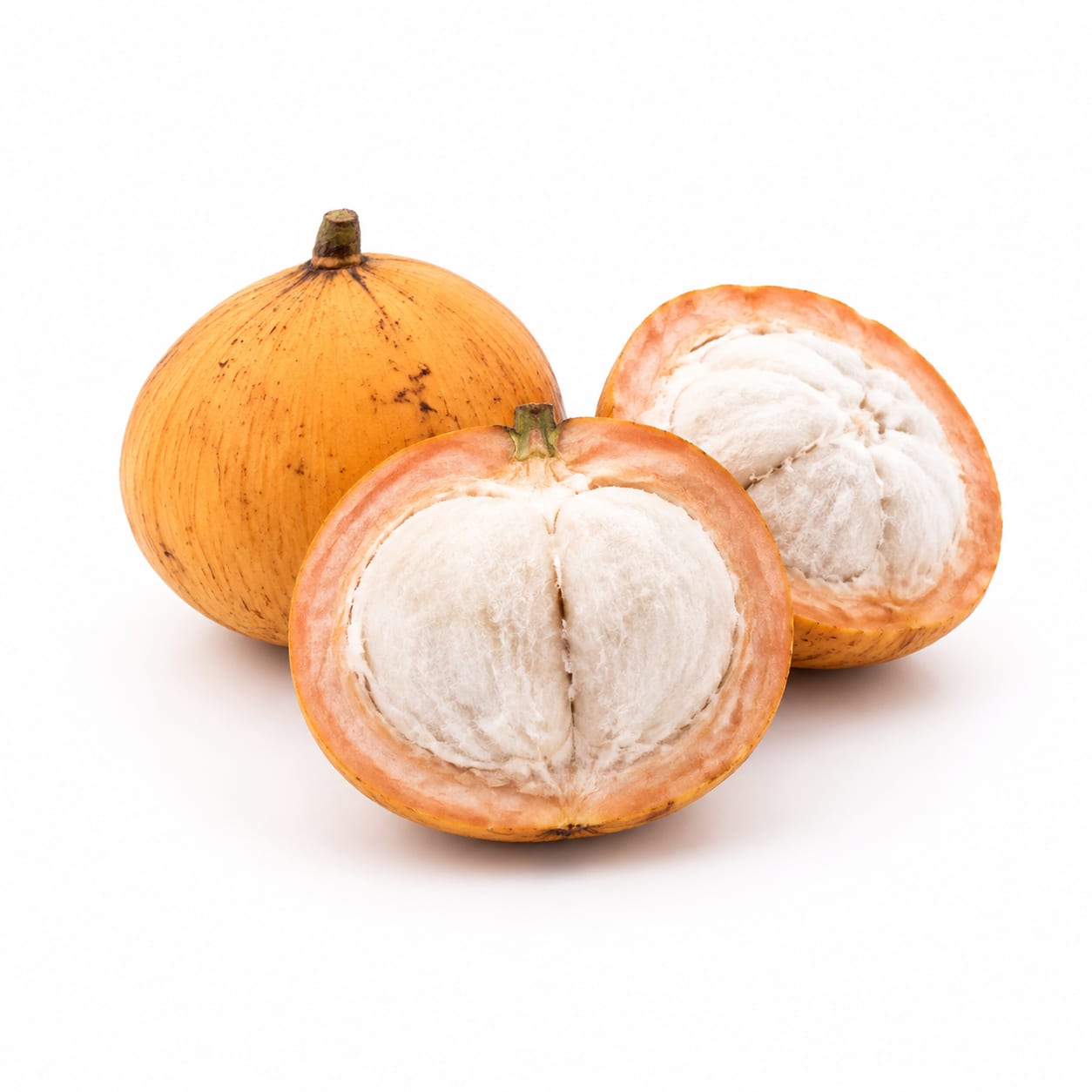
Santol
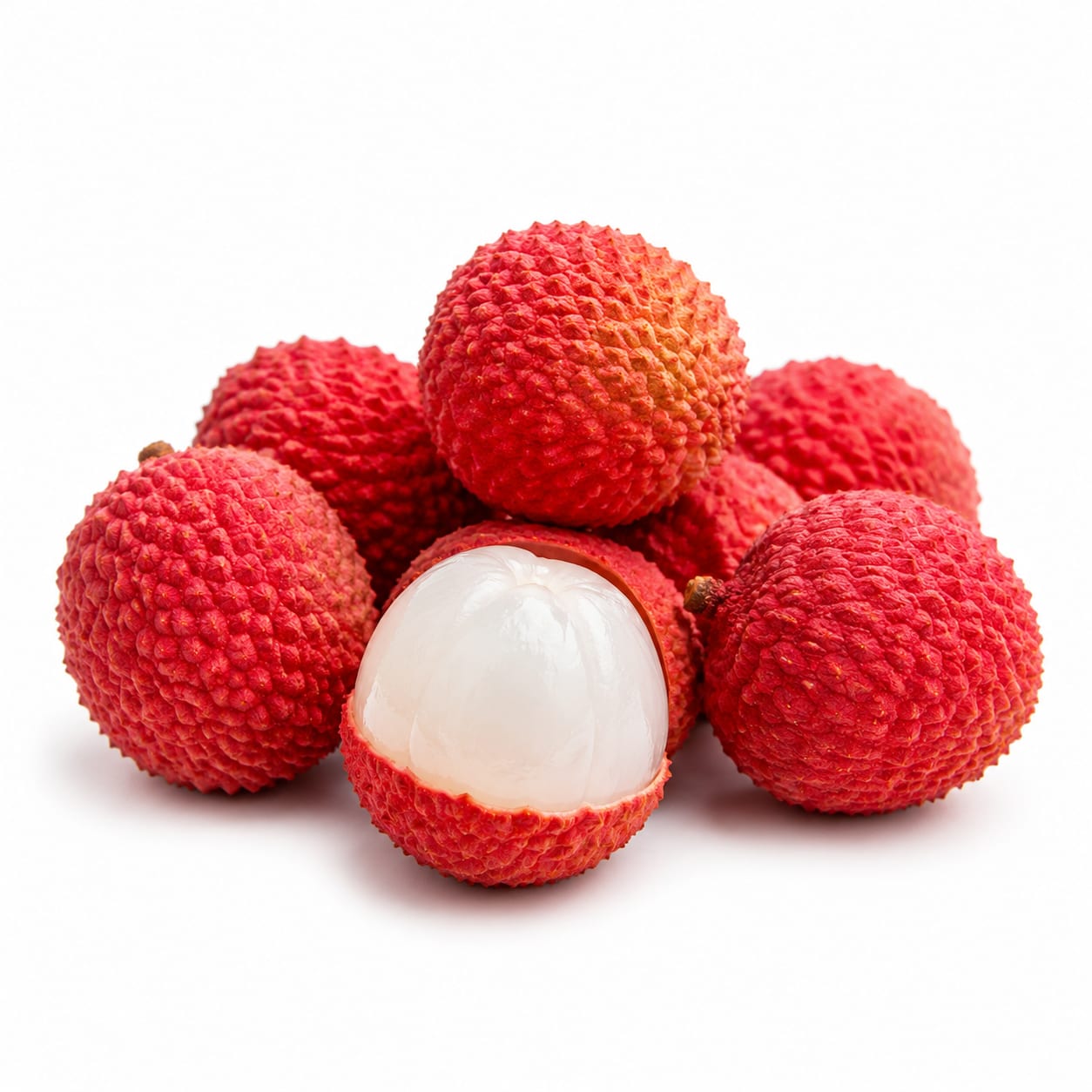
Lychee
Santol wins for everyday eating thanks to lower sugar, more fiber, and steadier energy. Lychee is the sweeter treat but carries higher sugar and unique toxicity risks if overeaten.
Santol scores higher due to its fiber advantage and lower sugar content, which matter more for daily health. Lychee loses ground on sugar load and safety risks with overconsumption, though it wins on taste appeal and vitamin C concentration.
Santol gives you more fiber and less sugar but a sour, less snackable flavor. Lychee delivers a delicious sweet burst but can spike blood sugar and poses rare but serious safety concerns in excess.
At a glance
Executive summary
Overall
Santol
Healthier
Santol
More practical
Lychee
Daily use
Santol
Key comparison lenses
sugar load and diabetes risk
Lychee is notably high in sugar while santol is significantly lower, making blood sugar impact the most critical differentiator
safety concerns with seeds and toxins
Both fruits carry unique safety risks: santol seeds can cause intestinal obstruction, and lychee has been linked to hypoglycemic encephalopathy in malnourished children
fiber and digestive benefits
Santol offers substantially more fiber, making it more filling and better for digestion
tropical fruit snacking choice
Users comparing these are likely choosing a sweet tropical snack and want to know which is healthier day-to-day
antioxidant and immune support
Both provide vitamin C and antioxidants but through different compounds and concentrations
Best choice for
Santol
- People watching their sugar intake
- Those seeking better digestion and regularity
- Diabetics looking for a tropical fruit option
- Anyone wanting a filling snack that won't cause energy crashes
Lychee
- Those wanting a sweet, refreshing treat
- People needing quick vitamin C in a palatable form
- Occasional dessert fruit enjoyment
- Anyone who finds sour fruits unappealing
Least suitable for
Santol
- Children who might swallow seeds whole
- People with sensitive teeth who avoid sour flavors
- Anyone outside Southeast Asia where santol is hard to find
Lychee
- Diabetics or prediabetics monitoring sugar closely
- Malnourished children in lychee-growing regions
- Anyone prone to overeating sweet fruit
- People on strict low-carb diets
Deep comparison
Dimension by dimension
Each lens scores both foods and breaks down who each option suits.
- Dimension 1 · Priority 92Santol
sugar_load_and_blood_sugar_stability
Santol · 78Lychee · 38Santol has roughly half the sugar of lychee per serving, making it far gentler on blood sugar.
Tradeoff
You sacrifice the sweet, candy-like flavor of lychee for steadier energy and fewer glucose spikes.
Why it matters
Lychee can deliver 15g of sugar per 100g, enough to cause a noticeable blood sugar rise. Santol keeps you on a more even keel.
Real-world impact
Eating a bowl of lychee can leave you hungry again within an hour. Santol satisfies without the crash.
Santol
- Steady energy without afternoon crashes
- Diabetics and prediabetics
- Anyone cutting back on sugar
Better for
- Those wanting a sweet dessert experience
Worse for
Lychee
- Quick energy after intense exercise
- People who struggle to eat enough calories
Better for
- Blood sugar management
- Controlling cravings and overeating
Worse for
- Dimension 2 · Priority 85Santol
fiber_and_satiety
Santol · 82Lychee · 40Santol provides significantly more fiber, keeping you fuller for longer and supporting better digestion.
Tradeoff
Santol's cotton-like pulp texture is unusual and less pleasant to some. Lychee is easy to eat but leaves you hungry sooner.
Why it matters
Fiber slows sugar absorption, feeds gut bacteria, and prevents overeating. Santol delivers where lychee falls short.
Real-world impact
A santol snack can hold you over between meals. A lychee snack often leads to reaching for more food within 30 minutes.
Santol
- Staying full between meals
- Digestive regularity
- Gut microbiome support
Better for
- People who dislike fibrous, cottony textures
Worse for
Lychee
- Light refreshing snacking without feeling heavy
Better for
- Satiety and portion control
- Blood sugar buffering from fiber
Worse for
- Dimension 3 · Priority 70Lychee
vitamin_c_and_immune_support
Santol · 62Lychee · 80Lychee packs more vitamin C per serving, giving it an edge for immune support and skin health.
Tradeoff
The difference is moderate and both fruits provide meaningful vitamin C. Santol still contributes to daily needs adequately.
Why it matters
Vitamin C supports immunity, collagen production, and iron absorption. Lychee delivers about 70mg per 100g versus santol's roughly 40mg.
Real-world impact
A serving of lychee covers most of your daily vitamin C needs. Santol covers about half.
Santol
- Still a solid vitamin C source alongside other benefits
Better for
- Not as concentrated a vitamin C source
Worse for
Lychee
- Maximizing vitamin C intake per calorie
- Immune support during cold season
- Skin health and collagen production
Better for
- High sugar comes along with the vitamin C dose
Worse for
- Dimension 4 · Priority 88It depends
safety_and_toxicity_risks
Santol · 55Lychee · 50Both carry unusual risks for fruit. Santol seeds can cause life-threatening bowel obstruction. Lychee has been linked to brain inflammation in malnourished children.
Tradeoff
Santol is dangerous if you swallow seeds. Lychee is dangerous if eaten in large quantities on an empty stomach by underfed children. For well-nourished adults, both are safe in moderation.
Why it matters
These are not hypothetical risks. Santol seed ingestion has required surgery. Lychee-associated encephalopathy has caused outbreaks in India and Vietnam.
Real-world impact
Always discard santol seeds completely. Never let children eat large amounts of lychee on an empty stomach. For healthy adults eating normal portions, neither poses significant danger.
Santol
- Lower risk of hypoglycemic episodes in well-nourished adults
Better for
- Swallowed seeds can require emergency surgery
- Children may accidentally ingest seeds
Worse for
Lychee
- No risk of seed-related bowel obstruction since seeds are large and obviously inedible
Better for
- Fasting children in lychee-growing regions face serious health risks
- Overconsumption can cause nausea and blood sugar crashes
Worse for
- Dimension 5 · Priority 60Lychee
antioxidant_profile
Santol · 58Lychee · 72Lychee contains oligonol, a unique antioxidant compound with emerging anti-inflammatory benefits. Santol offers antioxidants too but with less research backing.
Tradeoff
Lychee's antioxidant advantage is real but modest. Most people eat too little fruit to meaningfully differentiate antioxidant intake between these two.
Why it matters
Oligonol from lychee has shown anti-aging and anti-inflammatory potential in early studies. Santol's antioxidants are less characterized.
Real-world impact
If you are specifically optimizing for antioxidant diversity, lychee offers something unique. For everyday health, the difference is small.
Santol
- Still provides meaningful antioxidant compounds
- Less sugar means less oxidative stress from glycation
Better for
- Less studied antioxidant profile
Worse for
Lychee
- Oligonol offers unique anti-inflammatory potential
- Higher total antioxidant capacity per serving
Better for
- High sugar can offset some antioxidant benefits through glycation
Worse for
- Dimension 6 · Priority 65Lychee
availability_and_convenience
Santol · 35Lychee · 75Lychee is far more widely available globally, including canned and dried options. Santol is mostly found fresh in Southeast Asia.
Tradeoff
If you live outside tropical Asia, finding fresh santol is difficult. Lychee appears in most Asian markets and many mainstream grocery stores.
Why it matters
The healthiest fruit is the one you can actually access and eat regularly. Availability shapes real-world nutrition more than nutrient profiles.
Real-world impact
Most people reading this can buy lychee this week. Finding santol requires living in or visiting the Philippines, Thailand, or nearby countries.
Santol
- In-season santol in Southeast Asia is affordable and abundant
Better for
- Nearly impossible to find outside Southeast Asia
- No common preserved or processed forms for export
- Short seasonal availability
Worse for
Lychee
- Available fresh, canned, frozen, and dried worldwide
- Easy to find in most cities with Asian markets
- More consistent quality and selection
Better for
- Canned lychee often comes in heavy syrup, adding sugar
Worse for
Timeline
Health impact over time
Short-term
Hours to days
Santol
- Provides steady energy without sugar rush
- High fiber can cause bloating if you eat too much too fast
- The sour taste stimulates saliva and digestion
- Satiety lasts longer between meals
Lychee
- Quick energy boost from natural sugars
- Can cause a blood sugar spike followed by a crash
- Refreshing and hydrating due to high water content
- Easy to overeat because of the sweet, moreish flavor
Long-term
Months to years
Santol
- Better blood sugar control with regular consumption
- Improved digestive regularity from consistent fiber intake
- Lower risk of sugar-related metabolic issues
- Gut microbiome diversity support from prebiotic fiber
Lychee
- Consistent vitamin C intake supports immune resilience
- Oligonol may contribute to reduced inflammation over time
- Risk of elevated triglycerides if eaten in large quantities frequently
- Dental health concerns from frequent sugar exposure
Risk profile
Safety & processing
Both santol and lychee are whole, unprocessed fruits when eaten fresh. The main concern is canned lychee, which often sits in sugar syrup and significantly increases calorie and sugar content. Fresh or frozen versions of both fruits are clean, natural choices.
Santol
Seed ingestion causing intestinal obstruction
highSantol seeds cannot be digested and have a rough surface that can lodge in the intestines. Multiple cases have required surgical removal. Never swallow santol seeds.
Pesticide residue on non-organic fruit
mediumAs with most tropical fruits grown conventionally, pesticide residue is possible on the rind. Washing thoroughly reduces risk since the edible portion is inside.
Lychee
Hypoglycemic encephalopathy in malnourished children
highOutbreaks in India and Vietnam linked lychee consumption by undernourished children to brain swelling and deaths. The toxin hypoglycin A and MCPG interfere with fat metabolism and drop blood sugar dangerously low in fasting, malnourished kids.
Overconsumption leading to nausea and blood sugar crashes
mediumEating large quantities of lychee on an empty stomach can cause dizziness, nausea, and hypoglycemic symptoms even in healthy adults.
Sulfur dioxide in canned varieties
lowSome canned lychee uses sulfur dioxide as a preservative, which can trigger reactions in sensitive individuals, particularly asthmatics.
Who wins for whom
Audience fit
Same foods, different winners depending on your goal.
children
LycheeLychee is sweeter and more appealing to kids, and the seeds are obviously inedible. Santol seeds pose a real obstruction risk if children swallow them. However, lychee must be limited for children, especially on empty stomachs.
daily consumption
SantolSantol's balanced nutritional profile with less sugar and more fiber makes it more sustainable as a daily fruit. Lychee is better reserved as an occasional treat.
diabetes
SantolSantol's lower sugar and higher fiber create a gentler glycemic response. Lychee's sugar content makes portion control critical and risky for diabetics.
elderly
SantolSantol's fiber supports digestive regularity, which becomes more important with age. Lower sugar is also beneficial for older adults managing metabolic health.
muscle gain
LycheeNeither fruit is ideal for muscle gain, but lychee provides quicker carbohydrates that can support post-workout glycogen replenishment.
weight loss
SantolSantol's higher fiber and lower sugar make it more filling per calorie, reducing the urge to overeat. Lychee's sweetness can trigger cravings for more.
Your move
Decision guide
Choose Santol
- You want a tropical fruit that won't spike your blood sugar
- Fiber and digestive health are priorities for you
- You are watching your weight or reducing sugar intake
- You enjoy or can appreciate sour-sweet flavor profiles
- You live in Southeast Asia where santol is accessible
Choose Lychee
- You want a sweet, refreshing fruit for occasional enjoyment
- Maximizing vitamin C intake is your priority
- You need quick carbohydrates after exercise
- You find sour fruits unappealing and would skip fruit entirely otherwise
- You want a tropical fruit you can find at most Asian markets
Either works if
- You just want a serving of whole fruit and both are available
- You are rotating through different fruits for nutrient diversity
- Neither fruit is a staple in your diet, just an occasional addition
Avoid both if
- You have a known allergy to either fruit
- You are on a strict very-low-carb or ketogenic diet
- You have fructose intolerance or malabsorption issues
- You cannot reliably avoid swallowing santol seeds
Final recommendation
For regular consumption, santol is the smarter choice: less sugar, more fiber, steadier energy. But if lychee is what you can actually find and enjoy, eating a moderate portion a few times a week is perfectly fine. The best fruit for your health is the one you will eat mindfully rather than the one with the marginally better nutrient profile. Just never swallow santol seeds, and never let children binge on lychee on an empty stomach.
Practical
Consumer tips
- 1
Always discard santol seeds completely. They are not edible and can cause serious intestinal blockages requiring surgery.
- 2
Limit lychee to about 10-12 fruits per sitting to avoid blood sugar spikes and potential toxicity effects.
- 3
Avoid canned lychee in heavy syrup. It doubles the sugar content. Choose fresh, frozen, or canned in water or light syrup.
- 4
If trying santol for the first time, start with a small amount. The fibrous pulp can be surprisingly filling and may cause bloating if you overeat.
- 5
Freeze lychee for a refreshing summer snack that takes longer to eat, naturally slowing consumption.
- 6
Choose ripe santol for a sweeter flavor. Unripe santol is very sour and astringent.
- 7
Wash both fruits thoroughly before peeling to remove any pesticide residue from the rind surface.
- 8
If you have diabetes, pair lychee with a protein or fat source like nuts to blunt the blood sugar rise.