
Nutrition comparison
Santol vs Tamarind: Nutrition, Safety, and Health Benefits Compared
Compare Santol and Tamarind side by side. Discover which tropical fruit is better for blood sugar, digestion, weight loss, and daily use — including critical safety warnings about Santol seeds.
Overall winner · Tamarind
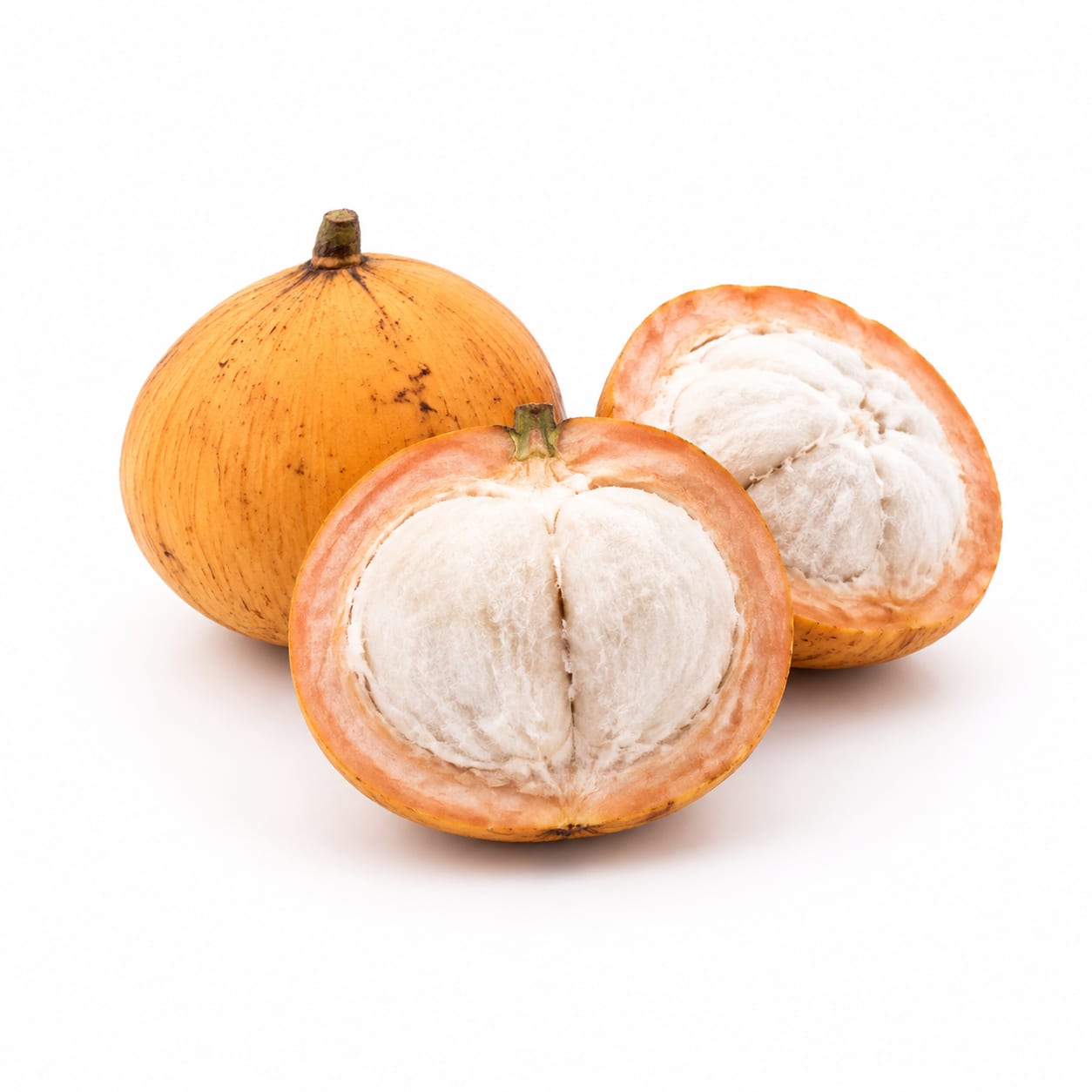
Santol
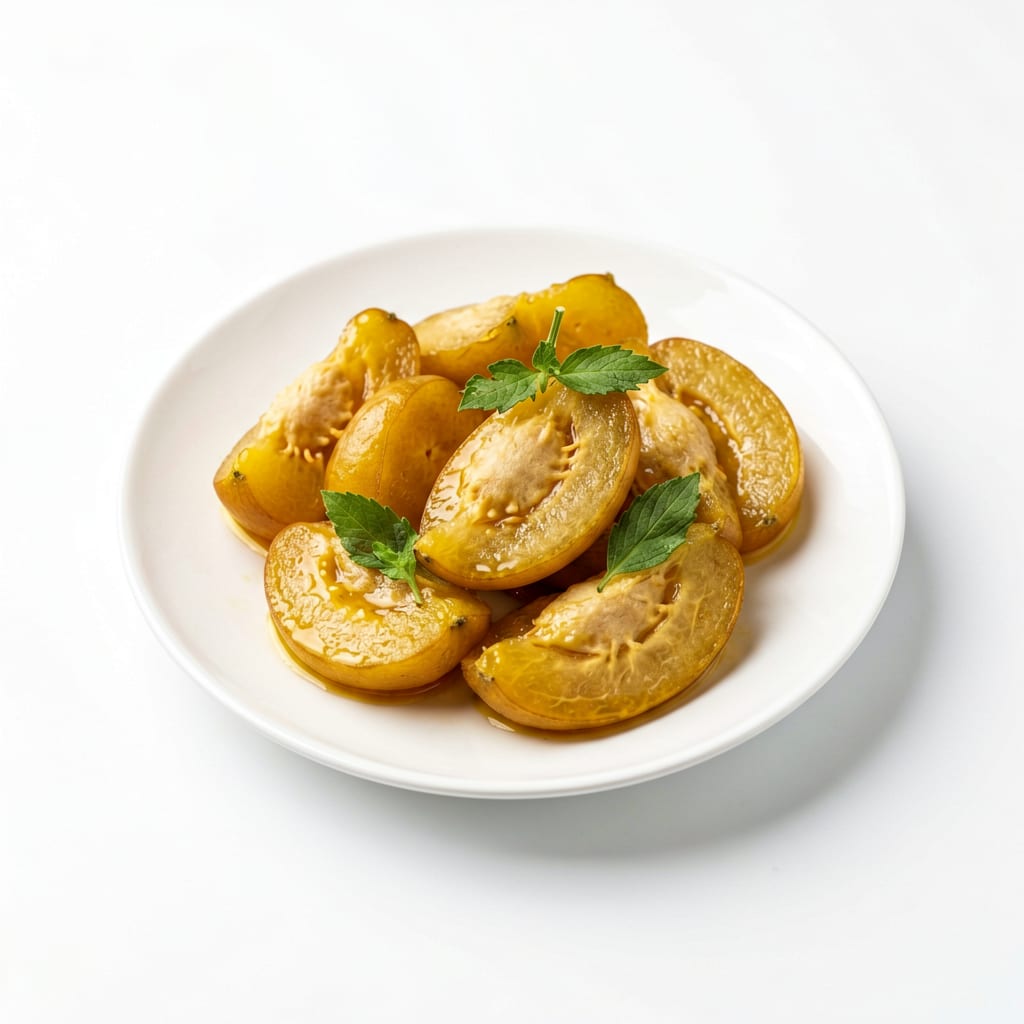
Tamarind
Tamarind offers stronger medicinal benefits and superior mineral content, but Santol is the lighter, lower-sugar option for casual snacking.
Tamarind scores notably higher due to its stronger micronutrient profile, proven blood sugar benefits, and digestive utility. Santol remains a pleasant light fruit but carries a meaningful safety concern with its seeds and offers less nutritional density.
Tamarind delivers more nutrition and blood sugar benefits but comes with higher calories and a laxative effect, while Santol is gentler and lighter but nutritionally thinner and riskier to eat due to its seeds.
At a glance
Executive summary
Overall
Tamarind
Healthier
Tamarind
More practical
Tamarind
Daily use
Tamarind
Key comparison lenses
blood sugar management
Tamarind has well-documented blood sugar-lowering properties while Santol has a milder glycemic profile, making this critical for diabetic or pre-diabetic users
digestive health and tolerance
Both fruits are known for digestive effects but in opposite directions — Tamarind acts as a gentle laxative while Santol can cause constipation in some people
safety and choking risk
Santol seeds have documented choking hazards and have caused serious intestinal obstruction, making safety a key differentiator
mineral and micronutrient density
Tamarind is notably richer in key minerals like magnesium, potassium, and iron, which matters for long-term nutritional value
culinary versatility and accessibility
Tamarind is globally available in many forms while Santol is regionally limited, affecting practical daily use
Best choice for
Santol
- People wanting a low-calorie tropical snack
- Those who find Tamarind too sour or intense
- Anyone avoiding laxative effects from food
- Light eaters who prefer mild sweetness
Tamarind
- People managing blood sugar or insulin resistance
- Those needing digestive regularity
- Anyone looking to boost mineral intake naturally
- Cooks wanting a versatile souring agent
Least suitable for
Santol
- Children due to dangerous seed choking risk
- People prone to constipation
- Those seeking dense nutritional value from fruit
- Anyone unfamiliar with safe preparation
Tamarind
- People with chronic diarrhea or IBS-D
- Those on blood sugar medication without doctor supervision
- Anyone strictly limiting calorie intake
- People sensitive to acidic foods
Deep comparison
Dimension by dimension
Each lens scores both foods and breaks down who each option suits.
- Dimension 1 · Priority 92Tamarind
Blood Sugar Impact
Santol · 62Tamarind · 85Tamarind has documented blood sugar-lowering properties, while Santol has a milder and less studied glycemic effect.
Tradeoff
Tamarind's blood sugar benefits are strong enough that combining it with diabetes medication requires caution, whereas Santol is safer in that regard but less helpful.
Why it matters
For anyone watching their glucose, Tamarind actively works in your favor while Santol simply does no harm.
Real-world impact
A Tamarind-based drink after a carb-heavy meal may blunt the sugar spike. Santol will not offer that advantage.
Santol
- Those on diabetes medication who need predictable blood sugar responses
- People who want fruit without pharmacological effects
Better for
- Those actively seeking glucose management from food
Worse for
Tamarind
- Pre-diabetics seeking natural blood sugar support
- Anyone eating high-glycemic meals who wants mitigation
Better for
- People on metformin or insulin without medical guidance
Worse for
- Dimension 2 · Priority 88Tamarind
Digestive Health
Santol · 45Tamarind · 82Tamarind is a well-known natural laxative that promotes bowel regularity, while Santol can actually cause constipation in some people.
Tradeoff
If you already have loose stools or IBS-D, Tamarind's laxative effect becomes a downside and Santol's binding tendency might actually help.
Why it matters
Digestive regularity affects daily comfort, energy, and mood far more than most people realize.
Real-world impact
Tamarind paste in warm water is a traditional morning remedy for constipation. Santol eaten in excess can leave you feeling blocked up.
Santol
- People with diarrhea-predominant IBS
- Those who need firmer stools
Better for
- Those already prone to constipation
Worse for
Tamarind
- Anyone struggling with occasional constipation
- People seeking natural digestive regularity
Better for
- Anyone with chronic diarrhea or loose stools
Worse for
- Dimension 3 · Priority 85Santol
Safety and Choking Risk
Santol · 40Tamarind · 78Santol seeds have caused documented cases of fatal intestinal obstruction, especially in Southeast Asia. Tamarind has no comparable safety concern.
Tradeoff
Santol is safe if you carefully discard seeds, but the risk is real and has medical literature behind it. Tamarind's main risk is overconsumption leading to diarrhea.
Why it matters
A fruit that has sent people to emergency surgery demands respect, especially around children.
Real-world impact
Multiple case reports exist of Santol seed ingestion requiring surgery. Never swallow Santol seeds. Tamarind seeds are also not eaten but pose far less danger.
Santol
- Adults who carefully prepare fruit and never swallow seeds
Better for
- Children who might swallow seeds whole
- Elderly with reduced chewing ability
Worse for
Tamarind
- Families with children
- Anyone who eats casually without careful seed removal
Better for
- People who overconsume and trigger diarrhea
Worse for
- Dimension 4 · Priority 80Tamarind
Mineral and Micronutrient Density
Santol · 48Tamarind · 84Tamarind is significantly richer in magnesium, potassium, iron, and B vitamins compared to Santol.
Tradeoff
You get more nutrition per bite with Tamarind, but also more calories and sugar as the delivery vehicle.
Why it matters
Mineral deficiencies are widespread and contribute to fatigue, cramps, poor sleep, and mood issues.
Real-world impact
A quarter cup of Tamarind paste provides meaningful magnesium and potassium toward your daily needs. Santol contributes far less.
Santol
- Those counting calories who prefer lighter nutrition
Better for
- Those relying on fruit for meaningful mineral intake
Worse for
Tamarind
- Anyone needing magnesium or potassium support
- People with iron deficiency seeking dietary sources
Better for
- People who cannot afford the extra calories with the minerals
Worse for
- Dimension 5 · Priority 72Santol
Caloric Efficiency
Santol · 78Tamarind · 52Santol is lower in calories and sugar per serving, making it a lighter snacking option.
Tradeoff
Fewer calories means less energy and fewer nutrients too. Santol is light but not very filling or nourishing.
Why it matters
For weight-conscious snackers, every calorie counts and Santol gives more volume per calorie.
Real-world impact
You can eat a whole Santol for roughly 50-80 calories. The same amount of Tamarind paste delivers 2-3 times that.
Santol
- Calorie-counters wanting a tropical treat
- People who snack on fruit between meals
Better for
- Anyone needing sustained energy from a snack
Worse for
Tamarind
- Those who need calorie-dense food for energy
- Active people needing fuel from natural sources
Better for
- People strictly managing calorie intake
Worse for
- Dimension 6 · Priority 70Tamarind
Culinary Versatility
Santol · 40Tamarind · 90Tamarind is a global kitchen staple used in sauces, drinks, candies, curries, and marinades. Santol is mostly eaten fresh or in limited regional dishes.
Tradeoff
Tamarind's sour intensity makes it a cooking essential but limits raw snacking appeal. Santol is more pleasant to eat fresh but harder to cook with.
Why it matters
A food you can use in multiple ways across meals gets eaten more consistently.
Real-world impact
Tamarind paste is something you can keep in your fridge for months and use daily. Santol is a seasonal fresh fruit with a short window.
Santol
- Those who prefer eating fruit fresh and raw
- People who find Tamarind too sour to enjoy plain
Better for
- People wanting a multi-use pantry staple
Worse for
Tamarind
- Home cooks wanting a versatile ingredient
- Anyone making sauces, curries, or marinades regularly
Better for
- Those who only want a simple fresh snack
Worse for
Timeline
Health impact over time
Short-term
Hours to days
Santol
- Mild satisfaction from sweet-sour pulp with minimal blood sugar spike
- Possible constipation if eaten in large quantities
- Risk of intestinal obstruction if seeds are swallowed
Tamarind
- Noticeable digestive stimulation, sometimes within hours
- Blood sugar lowering effect after carbohydrate-containing meals
- Possible loose stools or diarrhea if consumed in excess
Long-term
Months to years
Santol
- Modest antioxidant intake from regular consumption
- No significant medicinal benefit with consistent use
- Ongoing seed safety risk if preparation is careless
Tamarind
- Improved mineral status, especially magnesium and potassium
- Better digestive regularity with routine use
- Potential need to adjust diabetes medication if used daily
Risk profile
Safety & processing
Both Santol and Tamarind are whole natural fruits when consumed fresh. However, Tamarind is commonly sold as paste or concentrate, which may contain added preservatives or sodium — always check labels on packaged versions.
Santol
Seed ingestion causing intestinal obstruction
highSantol seeds cannot be digested and have caused fatal bowel obstruction in documented medical cases, particularly in Southeast Asia. Never swallow them.
Choking hazard for children
highThe large slippery seeds are a serious choking risk for young children who might swallow them whole.
Allergic reactions in sensitive individuals
lowSome people report mouth itching or mild allergic responses to Santol pulp, though this is uncommon.
Tamarind
Laxative overeffect with excessive consumption
mediumEating large amounts of Tamarind can cause diarrhea and abdominal cramping due to its natural laxative compounds.
Blood sugar dropping too low when combined with medication
mediumTamarind enhances blood sugar lowering, which can cause hypoglycemia if taken alongside diabetes drugs without monitoring.
Added sulfites or sodium in commercial paste
lowSome packaged Tamarind paste contains preservatives or excessive sodium. Fresh pulp avoids this concern.
Who wins for whom
Audience fit
Same foods, different winners depending on your goal.
children
TamarindSantol's seeds pose a serious choking and obstruction hazard for children, making Tamarind the safer choice for younger eaters.
daily consumption
TamarindTamarind offers more consistent health benefits and is available year-round in shelf-stable forms, making daily use more practical.
diabetes
TamarindTamarind has proven blood sugar-lowering properties, though diabetics on medication must consult their doctor before regular use.
elderly
TamarindTamarind supports digestive regularity and mineral intake, both of which become more important with age. Santol's seed risk is also more dangerous for elderly with reduced chewing ability.
muscle gain
TamarindNeither fruit is ideal for muscle gain, but Tamarind provides more magnesium and potassium which support muscle function and recovery.
weight loss
SantolSantol is lower in calories and sugar, making it a lighter option for those managing weight through calorie control.
Your move
Decision guide
Choose Santol
- You want a light, refreshing tropical snack without heavy calories
- You find Tamarind too sour or intense for your taste
- You are prone to loose stools and want to avoid worsening that
- You have reliable access to fresh Santol and know how to safely remove seeds
Choose Tamarind
- You want natural support for blood sugar management
- You struggle with constipation and need digestive help
- You cook often and want a versatile souring agent
- You want to boost your mineral intake through food
- You are choosing fruit for children and need a safer option
Either works if
- You simply want a tropical fruit treat and both are available
- You have no specific health concerns and enjoy variety
- You are eating fruit for general hydration and vitamin C
Avoid both if
- You have severe fructose intolerance
- You are on strict low-sugar or ketogenic diet
- You have known allergies to either fruit
Final recommendation
Tamarind is the stronger choice for most people due to its medicinal value, mineral density, and culinary flexibility. However, Santol has its place as a lighter, milder tropical snack — just never swallow the seeds. If digestive regularity or blood sugar management matters to you, Tamarind is clearly the better daily ally.
Practical
Consumer tips
- 1
Never swallow Santol seeds — discard them carefully, especially around children
- 2
If buying Tamarind paste, check the ingredient list for added sodium or sulfites
- 3
Start with small amounts of Tamarind if you have not tried it before to assess your digestive tolerance
- 4
Santol is best eaten fresh when in season; it does not store or preserve as well as Tamarind
- 5
Tamarind paste mixed with warm water makes an effective morning digestive drink
- 6
If you are diabetic and want to use Tamarind regularly, discuss it with your doctor first
- 7
Ripe Tamarind is sweeter and less sour than young Tamarind — choose based on your taste preference