
Nutrition comparison
Santol vs Pomelo: Nutrition, Safety, and Which Tropical Fruit Is Better for You
Compare Santol and Pomelo side by side — vitamin C, fiber, blood sugar impact, and critical safety risks. Find out which Southeast Asian fruit is the healthier daily choice.
Overall winner · Pomelo
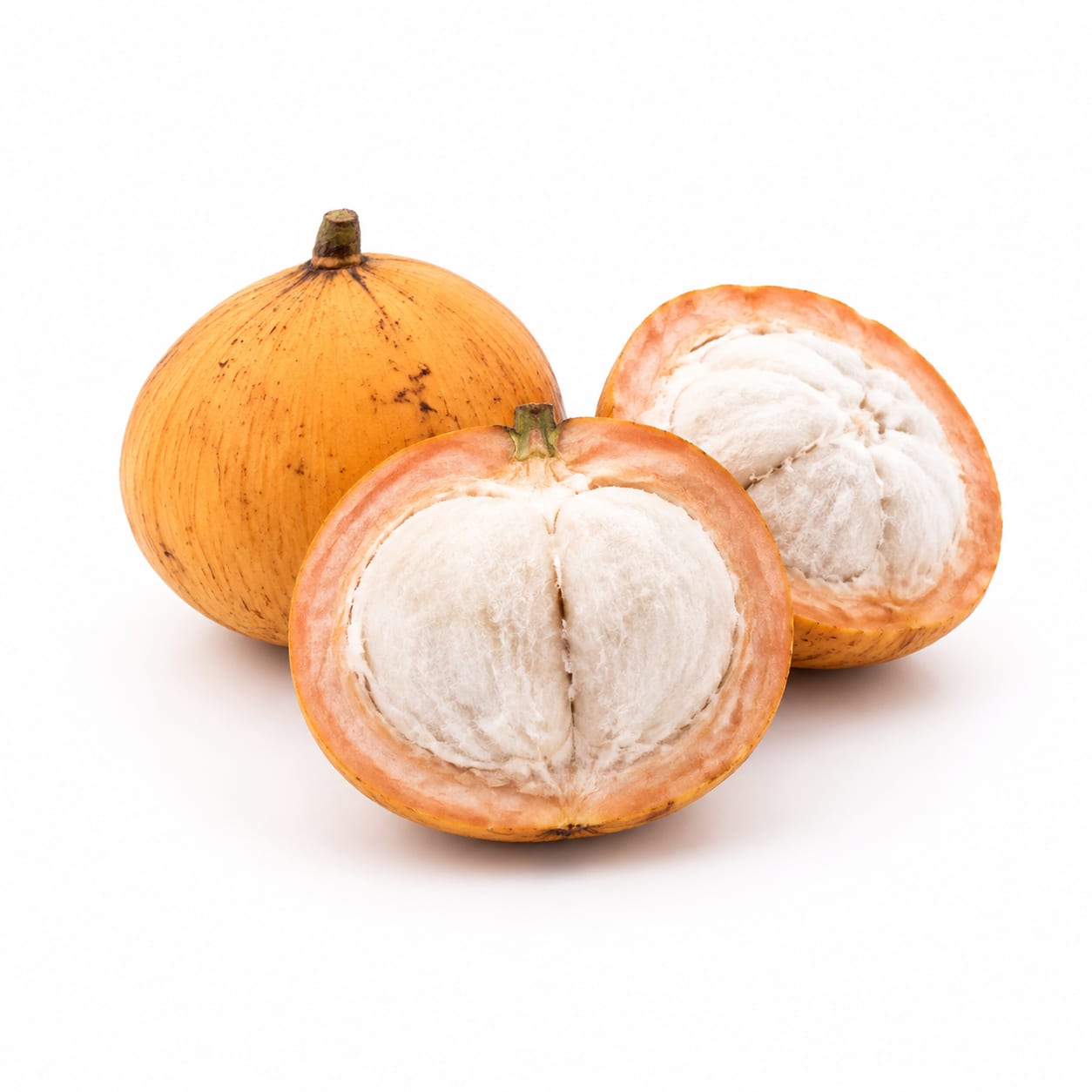
Santol
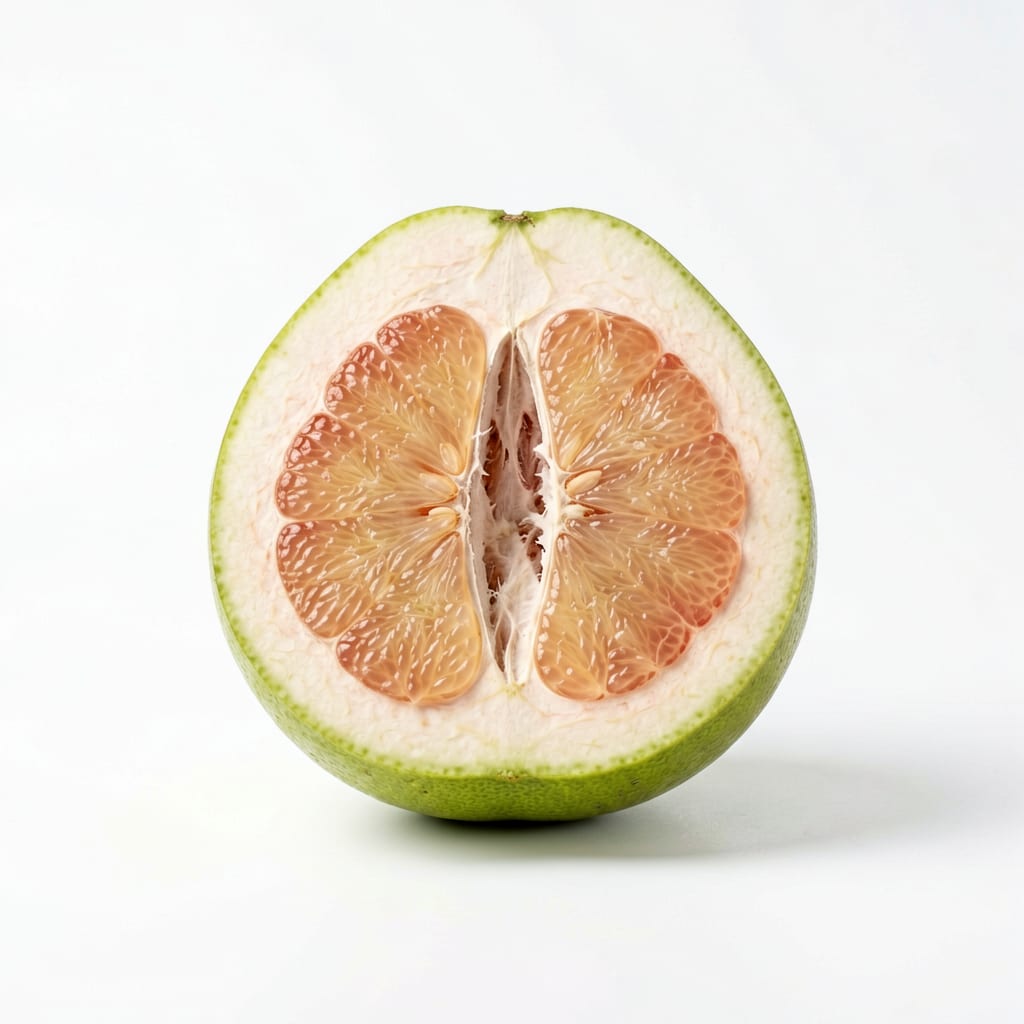
Pomelo
Pomelo delivers more vitamin C, better hydration, and safer everyday eating, while Santol offers a unique sweet-sour experience but carries serious seed risks.
Pomelo scores higher due to superior vitamin C content, better hydration, and significantly fewer safety risks. Santol remains enjoyable but its seed danger and lower nutrient density pull it down.
Santol is more exciting and fiber-rich but dangerous if seeds are swallowed; Pomelo is safer, more nutritious overall, but less flavorful and harder to find fresh.
At a glance
Executive summary
Overall
Pomelo
Healthier
Pomelo
More practical
Pomelo
Daily use
Pomelo
Key comparison lenses
tropical fruit nutritional value comparison
Both are Southeast Asian tropical fruits, so users likely want to know which offers more nutrition per bite
safety and consumption risk awareness
Santol seeds carry a serious choking and intestinal obstruction risk, while Pomelo has medication interaction concerns
vitamin C and immune support comparison
Both fruits are commonly eaten for immune benefits, making this a key decision factor
blood sugar and diabetes suitability
Tropical fruit sugar content is a frequent concern for health-conscious consumers
digestive comfort and tolerance
Santol's sourness and fibrous texture can irritate sensitive stomachs, while Pomelo is gentler
Best choice for
Santol
- People craving a sweet-sour tropical treat
- Those seeking high fiber from fruit
- Anyone wanting a unique Southeast Asian culinary experience
- People who enjoy making preserves or jams
Pomelo
- People prioritizing vitamin C intake
- Those who need gentle, hydrating fruit
- Anyone on a consistent daily fruit routine
- People watching their sugar intake closely
Least suitable for
Santol
- Young children who might swallow seeds
- People on blood-thinning medications
- Anyone with sensitive stomachs or acid reflux
- Those unfamiliar with proper seed removal
Pomelo
- People taking statins or blood pressure medications
- Those who dislike mild or subtle flavors
- Anyone wanting a low-potassium diet
Deep comparison
Dimension by dimension
Each lens scores both foods and breaks down who each option suits.
- Dimension 1 · Priority 90Pomelo
Vitamin C and Immune Support
Santol · 42Pomelo · 88Pomelo is a vitamin C powerhouse, delivering roughly 61mg per 100g compared to Santol's modest contribution.
Tradeoff
Santol provides some vitamin C but nowhere near Pomelo's levels; you'd need significantly more Santol to match Pomelo's immune support.
Why it matters
Vitamin C directly affects immune resilience, skin health, and iron absorption — daily intake matters more than occasional large doses.
Real-world impact
Eating Pomelo regularly can help you meet vitamin C needs without supplements, while Santol alone won't cover you.
Santol
- Adding variety to an already vitamin C-rich diet
Better for
- Relying on it as a primary vitamin C source
Worse for
Pomelo
- Boosting immunity during cold season
- Supporting skin collagen production
- Improving iron absorption from meals
Better for
- People avoiding citrus due to acid sensitivity
Worse for
- Dimension 2 · Priority 82Santol
Fiber and Digestive Health
Santol · 75Pomelo · 65Santol packs more insoluble fiber per serving, which helps with bowel regularity, while Pomelo offers gentler soluble fiber.
Tradeoff
Santol's fiber is more aggressive — great for constipation but potentially irritating for sensitive digestive systems; Pomelo's fiber is easier on the gut.
Why it matters
Fiber type matters as much as amount. Insoluble fiber speeds transit; soluble fiber feeds gut bacteria and steadies blood sugar.
Real-world impact
Santol can help with sluggish digestion but may cause discomfort if your stomach is sensitive; Pomelo supports gut health without irritation.
Santol
- Relieving occasional constipation
- Adding bulk to a low-fiber diet
Better for
- People with IBS or inflamed digestive tracts
Worse for
Pomelo
- Supporting healthy gut bacteria
- Gentle fiber for sensitive stomachs
- Steadying blood sugar after meals
Better for
- Those needing significant fiber increases quickly
Worse for
- Dimension 3 · Priority 95Pomelo
Safety and Consumption Risk
Santol · 35Pomelo · 72Santol seeds are a documented medical hazard causing intestinal obstruction and even perforation; Pomelo's main risk is drug interaction.
Tradeoff
Santol's seed danger is severe and physical — it can require surgery; Pomelo's drug interaction is serious but avoidable with awareness.
Why it matters
A fruit that can land you in the emergency room fundamentally changes the risk-benefit calculation, especially for children.
Real-world impact
Santol demands careful seed removal every single time; one mistake can be catastrophic. Pomelo simply requires checking your medication list.
Santol
- Adults experienced with proper preparation
Better for
- Children under 10
- Distracted eaters
- Anyone with intestinal scarring or narrow passages
Worse for
Pomelo
- Families with children
- Elderly individuals
- Anyone wanting worry-free snacking
Better for
- People on statins, calcium channel blockers, or immunosuppressants
Worse for
- Dimension 4 · Priority 70Pomelo
Hydration and Refreshment
Santol · 45Pomelo · 85Pomelo is over 89% water with a juicy, refreshing texture; Santol is drier and more cottony inside.
Tradeoff
Pomelo quenches thirst and feels light; Santol feels denser and more filling but less hydrating.
Why it matters
In hot climates where both fruits grow, hydration from food matters significantly for daily comfort and energy.
Real-world impact
After outdoor activity, Pomelo feels revitalizing and thirst-quenching; Santol feels more like a snack than refreshment.
Santol
- When you want something to chew on slowly
Better for
- When you're thirsty and need hydration
Worse for
Pomelo
- Post-exercise rehydration
- Hot weather refreshment
- Replacing sugary drinks with natural juice
Better for
- When you want something dense and filling
Worse for
- Dimension 5 · Priority 78Pomelo
Blood Sugar Impact
Santol · 55Pomelo · 70Both fruits are moderate-GI choices, but Pomelo's higher water content and soluble fiber slow sugar absorption more effectively.
Tradeoff
Santol's sweetness can spike blood sugar faster despite its fiber; Pomelo's milder sweetness and juiciness create a gentler glycemic response.
Why it matters
For anyone monitoring blood sugar — including prediabetics — the difference between a moderate and lower glycemic fruit matters daily.
Real-world impact
Pomelo is a safer afternoon snack for blood sugar stability; Santol is fine in moderation but requires more portion awareness.
Santol
- Active individuals who burn sugar quickly
Better for
- People who need tight blood sugar control
Worse for
Pomelo
- People with prediabetes or insulin resistance
- Those seeking steady energy without crashes
- Diabetics looking for a safe fruit option
Better for
- Those wanting a calorie-dense pre-workout snack
Worse for
- Dimension 6 · Priority 74Pomelo
Antioxidant and Anti-inflammatory Value
Santol · 58Pomelo · 76Pomelo contains naringenin and other citrus flavonoids with strong anti-inflammatory evidence; Santol has antioxidants but less research backing.
Tradeoff
Pomelo's antioxidants are well-studied and linked to heart health; Santol's are promising but less proven in human studies.
Why it matters
Chronic inflammation drives heart disease, aging, and joint pain — consistent antioxidant intake compounds over decades.
Real-world impact
Regular Pomelo consumption has clearer long-term cardiovascular benefits; Santol likely helps but with less certainty.
Santol
- Diversifying your antioxidant sources beyond citrus
Better for
- Relying on it as a primary anti-inflammatory food
Worse for
Pomelo
- Long-term heart health support
- Reducing chronic inflammation markers
- Adding evidence-based antioxidants to your diet
Better for
- People who already eat lots of citrus and need variety
Worse for
Timeline
Health impact over time
Short-term
Hours to days
Santol
- Quick energy from natural sugars with a sweet-sour flavor boost
- Possible stomach discomfort from acidity if eaten on an empty stomach
- Immediate risk if seeds are accidentally swallowed
Pomelo
- Refreshing hydration that feels light and satisfying
- Gentle blood sugar response without energy crashes
- Possible medication interaction within hours of consumption
Long-term
Months to years
Santol
- Improved bowel regularity from consistent fiber intake
- Potential intestinal damage if seed ingestion becomes habitual
- Moderate antioxidant benefits with unclear long-term impact
Pomelo
- Stronger immune function from sustained vitamin C intake
- Better cardiovascular markers from naringenin and flavonoids
- Improved gut microbiome diversity from soluble fiber
Risk profile
Safety & processing
Both Santol and Pomelo are whole, natural fruits typically eaten fresh with no processing. Neither carries additive concerns when consumed as whole fruit rather than packaged products.
Santol
Seed obstruction and intestinal perforation
highSantol seeds cannot be digested and have caused documented cases of intestinal obstruction requiring surgery. Children and elderly are at highest risk. Always remove seeds completely before eating.
Acid irritation
mediumThe sourness can aggravate acid reflux, stomach ulcers, or sensitive digestive lining, especially when eaten on an empty stomach.
Pomelo
Drug interaction via CYP3A4 enzyme inhibition
highLike grapefruit, Pomelo contains furanocoumarins that interfere with how certain medications are metabolized, including statins, calcium channel blockers, and some immunosuppressants. This can dangerously increase drug levels in blood.
Potassium overload for kidney patients
mediumPomelo is potassium-rich, which is beneficial for most people but risky for those with severe kidney disease who cannot excrete excess potassium properly.
Who wins for whom
Audience fit
Same foods, different winners depending on your goal.
children
PomeloSantol's seed danger makes it risky for children who might accidentally swallow them; Pomelo is safer and easier for kids to eat with supervision.
daily consumption
PomeloPomelo's safety profile, consistent nutrition, and gentle digestion make it suitable for daily eating; Santol requires more caution and effort each time.
diabetes
PomeloPomelo's gentler glycemic impact and soluble fiber make it a safer choice for blood sugar management, though both require portion awareness.
elderly
PomeloPomelo is softer, more hydrating, and easier to digest. Santol's seed risk and fibrous texture pose more danger for older adults with slower digestion.
muscle gain
It dependsNeither fruit is protein-rich; both offer marginal post-workout benefits. Pomelo's hydration helps slightly more, but neither moves the needle significantly for muscle building.
weight loss
PomeloPomelo's high water content and lower calorie density make it more filling per calorie, supporting portion control and satiety.
Your move
Decision guide
Choose Santol
- You're experienced with proper seed removal and want a unique sweet-sour tropical experience
- You need a fiber boost for sluggish digestion
- You're making Southeast Asian recipes like santol preserves or curries
- You enjoy tart, complex flavors and find most fruit too bland
Choose Pomelo
- You want a reliable daily fruit with strong vitamin C content
- You're feeding children or elderly family members safely
- You need hydration and refreshment after physical activity
- You're managing blood sugar or watching your weight
- You want proven anti-inflammatory and heart-health benefits
Either works if
- You simply want a tropical fruit snack and both are available fresh
- You're already eating a varied diet and neither fills a critical nutritional gap
- You rotate fruits regularly and want to enjoy both seasonally
Avoid both if
- You're on medications that interact with grapefruit-family fruits and also want to avoid any digestive risk
- You have severe kidney disease requiring strict potassium limits
- You have active intestinal obstruction or severe IBS flares
Final recommendation
For most people, Pomelo is the smarter everyday choice — it's safer, more nutritious, and easier to incorporate consistently. Santol is worth enjoying as an occasional treat when you can carefully remove seeds, but it shouldn't be your default fruit due to the real medical risks and lower nutrient density.
Practical
Consumer tips
- 1
Always cut Santol open and remove every seed before eating — never bite into it casually
- 2
If you're on any prescription medication, check with your doctor before eating Pomelo regularly
- 3
Choose Pomelo that feels heavy for its size — that indicates juiciness
- 4
Santol is best when the skin yields slightly to pressure; rock-hard fruit needs ripening time
- 5
Pomelo segments separate easily if you score the rind and peel it like an orange — much less messy
- 6
Store both fruits in the refrigerator once ripe to extend freshness by several days
- 7
If serving Santol to guests, always pre-remove seeds and mention the risk to anyone unfamiliar with the fruit