
Nutrition comparison
Santol vs Apple: Nutrition, Safety, and Which Fruit Is Better for You
Compare santol and apple on fiber, vitamin C, blood sugar impact, and safety. Learn why apples win for daily eating but santol offers unique tropical antioxidants when prepared carefully.
Overall winner · Apple
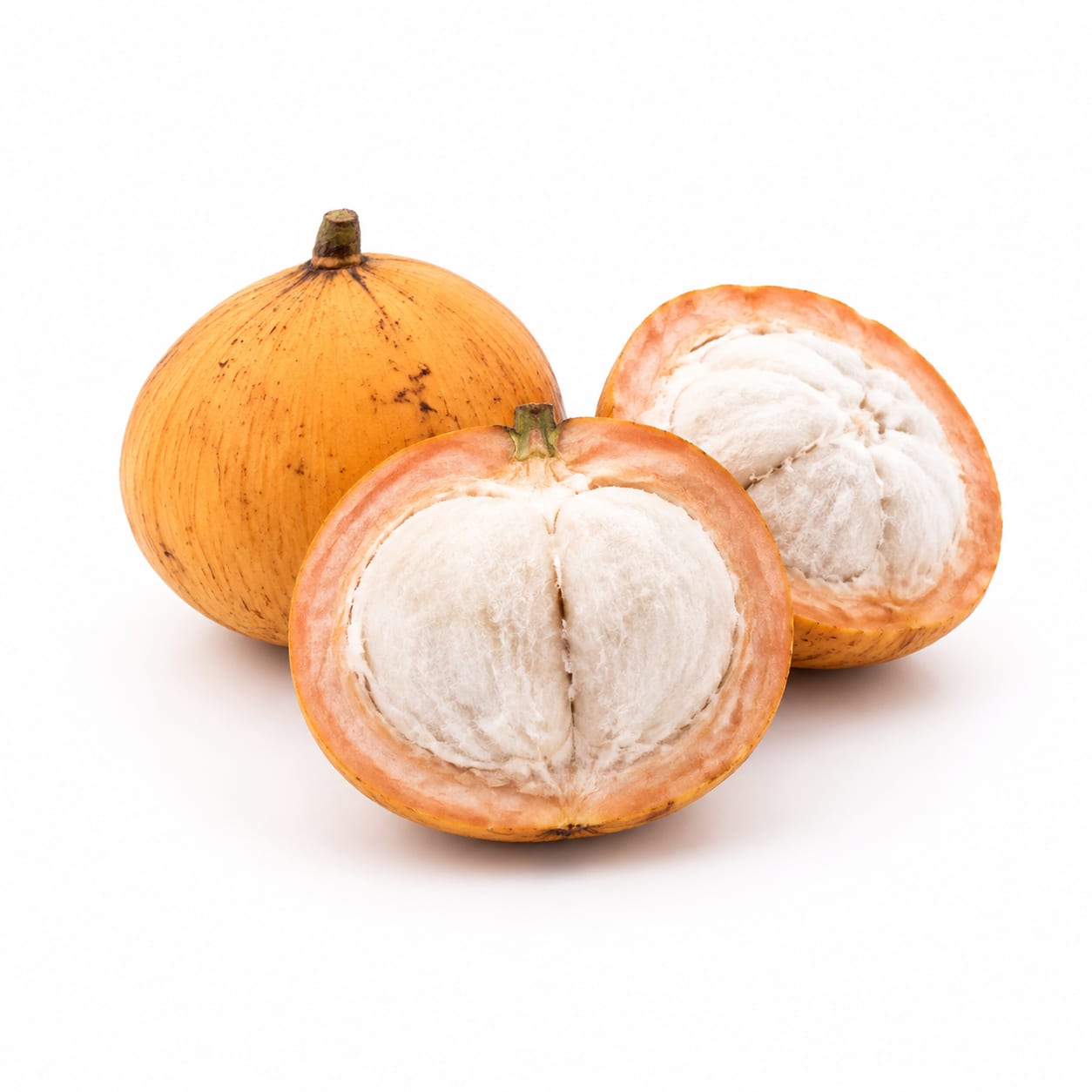
Santol
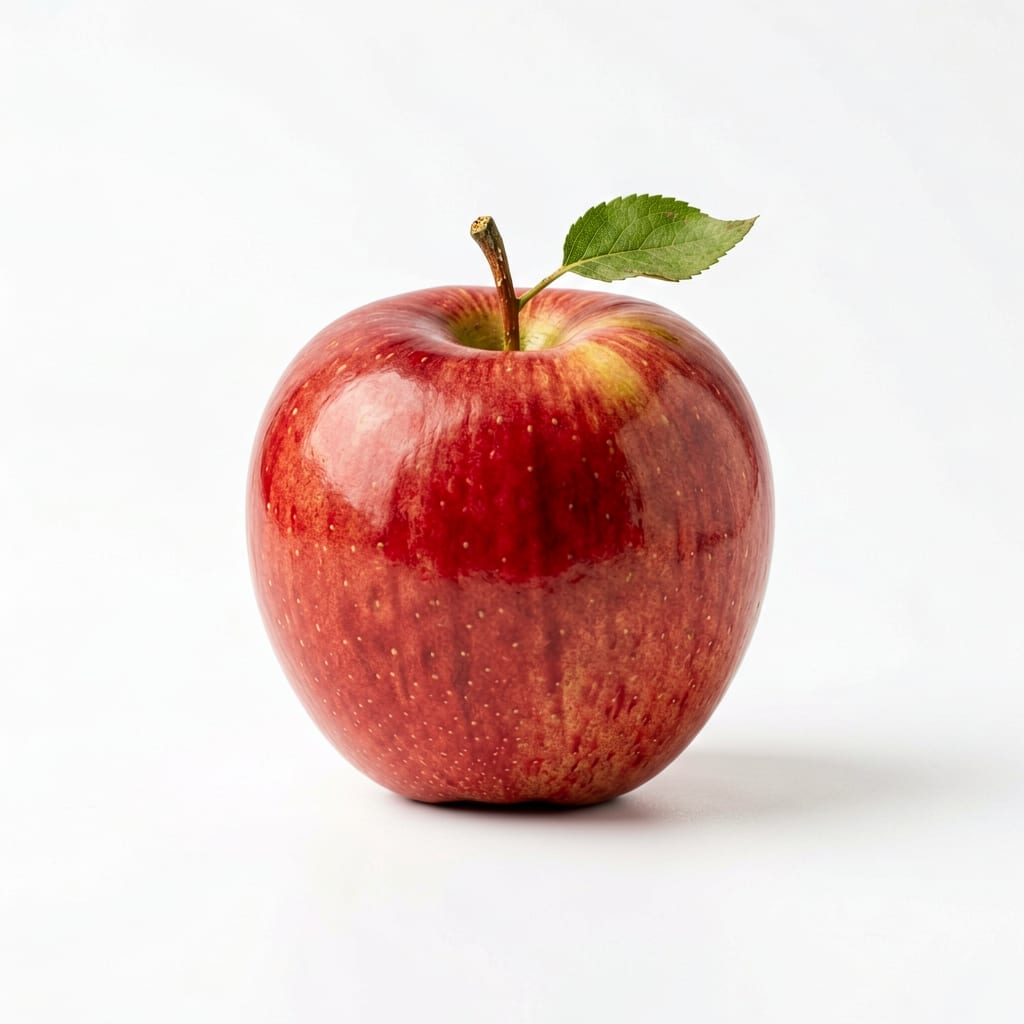
Apple
Apples win on safety, consistency, and daily practicality, but santol offers unique antioxidants and a tangy tropical experience worth enjoying occasionally.
Apples score significantly higher due to superior safety, fiber content, global availability, and decades of research backing health benefits. Santol earns points for unique antioxidants and vitamin C but loses ground on seed danger, inconsistent nutrient data, and limited accessibility.
Santol delivers exotic phytonutrients and a sour-sweet thrill, but its dangerous seeds and limited availability make apples the safer, more sustainable everyday choice.
At a glance
Executive summary
Overall
Apple
Healthier
Apple
More practical
Apple
Daily use
Apple
Key comparison lenses
tropical vs staple fruit nutrition
Users comparing these two are likely deciding between an exotic tropical fruit and a reliable everyday staple, wanting to know if the novelty offers real nutritional advantages.
safety and edibility concerns
Santol seeds carry a documented choking and intestinal obstruction risk that most users are unaware of, making safety a critical comparison factor.
blood sugar and diabetes friendliness
Both are sweet fruits, so glycemic impact and suitability for blood sugar management is a natural concern.
accessibility and daily practicality
Apples are available year-round globally while santol is seasonal and regional, heavily influencing which fruit can actually be eaten regularly.
antioxidant and anti inflammatory benefits
Santol contains unique compounds like sandoric acid that apples lack, while apples offer well-studied polyphenols, making this a meaningful phytonutrient tradeoff.
Best choice for
Santol
- Exploring tropical fruit diversity and unique Southeast Asian flavors
- Accessing sandoric acid and rare antioxidants not found in common fruits
- Adding variety to a fruit rotation that already includes staples like apples
Apple
- Reliable daily fiber intake and gut health support
- Steady energy without blood sugar spikes
- Families with children who need a safe, seedless snacking option
Least suitable for
Santol
- Young children who might accidentally swallow the dangerous seeds
- People seeking a consistent, year-round fruit habit
- Anyone unfamiliar with proper santol preparation and seed removal
Apple
- Those bored with common fruits and seeking novel tropical flavors
- People in regions where apples are expensive imports with low freshness
Deep comparison
Dimension by dimension
Each lens scores both foods and breaks down who each option suits.
- Dimension 1 · Priority 90Apple
Fiber and Satiety
Santol · 55Apple · 85Apples provide more reliable fiber per serving, especially pectin, which keeps you fuller longer and supports gut health consistently.
Tradeoff
Santol's edible pulp is relatively low in fiber compared to apples, and much of the fruit mass is inedible rind and seeds, so you get less filling fiber per whole fruit.
Why it matters
Fiber is the single biggest factor in whether a snack actually satisfies you or leaves you hunting for more food 30 minutes later.
Real-world impact
An apple at 3pm typically holds you until dinner. A santol, with less fiber and more water weight in inedible parts, may leave you hungry sooner.
Santol
- Light snacking where you want flavor without feeling heavy
Better for
- Anyone relying on fruit as a filling bridge between meals
Worse for
Apple
- Weight management through natural appetite control
- Gut health and regular digestion
- Sustained energy between meals
Better for
- Moments where you want a lighter, less filling fruit experience
Worse for
- Dimension 2 · Priority 95Apple
Safety and Edibility
Santol · 45Apple · 92Santol seeds are a serious safety hazard that can cause fatal intestinal obstruction if swallowed, while apples are among the safest fruits to eat whole.
Tradeoff
Santol rewards careful preparation with unique flavor but punishes carelessness severely. Apples offer worry-free eating even for children.
Why it matters
A fruit that requires careful seed avoidance is fundamentally different from one you can bite into freely, especially for households with kids.
Real-world impact
Santol-related emergency room visits for seed ingestion are documented in Southeast Asian medical literature. Apple seeds are technically toxic in huge quantities but practically harmless.
Santol
- Adventurous adults who enjoy careful fruit preparation rituals
Better for
- Children under 10
- People with swallowing difficulties
- Anyone eating mindlessly while working or driving
Worse for
Apple
- Families with children
- Elderly individuals who might accidentally swallow seeds
- Anyone eating while distracted or on the go
Better for
- No significant safety concerns for normal consumption
Worse for
- Dimension 3 · Priority 78It depends
Antioxidant and Phytonutrient Diversity
Santol · 78Apple · 75Santol offers rare tropical antioxidants like sandoric acid that apples completely lack, while apples provide well-researched polyphenols like quercetin with proven health benefits.
Tradeoff
Santol gives you novelty compounds with emerging research but limited human data. Apples give you familiar polyphenols backed by decades of population studies.
Why it matters
Dietary diversity in antioxidants matters more than any single compound, so both fruits contribute differently to a well-rounded diet.
Real-world impact
Eating both when available gives you broader antioxidant coverage than doubling down on either one alone.
Santol
- Breaking antioxidant monotony in a diet heavy on common fruits
- Potential anti-inflammatory benefits from sandoric acid
Better for
- Anyone wanting proven, well-studied antioxidant benefits
Worse for
Apple
- Cardiovascular protection linked to apple polyphenols
- Consistent, well-documented antioxidant intake
Better for
- Those eating only apples and missing tropical phytonutrient diversity
Worse for
- Dimension 4 · Priority 82Apple
Blood Sugar Impact
Santol · 60Apple · 80Apples have a low glycemic index around 36 and their pectin slows sugar absorption. Santol's sweeter varieties can spike blood sugar faster with less fiber to buffer the effect.
Tradeoff
Both are reasonable fruit choices for most people, but apples give more predictable blood sugar responses, especially for diabetics.
Why it matters
Even small differences in glycemic impact compound over years of daily fruit choices, affecting energy stability and metabolic health.
Real-world impact
A diabetic can confidently eat an apple daily with minimal glucose concern. Santol requires more caution and portion awareness.
Santol
- Active individuals who burn through carbohydrates quickly
Better for
- Blood sugar-sensitive individuals who need predictable glucose responses
Worse for
Apple
- People with diabetes or insulin resistance
- Anyone prone to afternoon energy crashes after sweet snacks
Better for
- Athletes needing faster carbohydrate availability during exercise
Worse for
- Dimension 5 · Priority 68Santol
Vitamin C Content
Santol · 82Apple · 55Santol is notably richer in vitamin C than apples, making it a better immune-supporting choice per serving.
Tradeoff
You get more immune-boosting vitamin C from santol but sacrifice the fiber and polyphenol benefits that apples deliver more reliably.
Why it matters
Vitamin C is water-soluble and must be replenished daily, so fruit choices that maximize it matter during cold season or high-stress periods.
Real-world impact
Eating santol during its season can meaningfully boost your vitamin C intake beyond what apples contribute.
Santol
- Immune support during cold and flu season
- Supplementing a diet low in other vitamin C sources
Better for
- Situations where fiber and satiety matter more than vitamin C
Worse for
Apple
- Long-term cardiovascular and gut health where fiber matters more than vitamin C
Better for
- Anyone relying solely on apples for daily vitamin C needs
Worse for
- Dimension 6 · Priority 85Apple
Availability and Practical Convenience
Santol · 30Apple · 95Apples are available year-round in virtually every grocery store worldwide. Santol is seasonal, regional, and rarely found outside Southeast Asian markets.
Tradeoff
You can build consistent daily habits around apples. Santol is a special-occasion fruit that most people cannot access regularly enough for meaningful health impact.
Why it matters
The healthiest fruit is always the one you can actually eat consistently. Availability trumps nutrient density for long-term outcomes.
Real-world impact
Most people reading this comparison can buy an apple within 15 minutes. Finding fresh santol might require a specialty market or travel.
Santol
- Residents of Southeast Asia during santol season
- Food enthusiasts who actively seek out specialty produce
Better for
- Anyone outside tropical Asian regions
- People who value grab-and-go convenience
Worse for
Apple
- Anyone building a simple, repeatable daily fruit habit
- People in temperate climates where tropical fruits are scarce
Better for
- Those in regions where apples are imported, expensive, and low quality
Worse for
Timeline
Health impact over time
Short-term
Hours to days
Santol
- Quick vitamin C boost supporting immune function
- Sour-sweet flavor can stimulate digestion and appetite
- Risk of intestinal emergency if seeds are swallowed
Apple
- Steady energy without blood sugar spikes due to fiber buffering
- Comforting, familiar snack that satisfies sweet cravings moderately
- Mild digestive regularity support from pectin within hours of eating
Long-term
Months to years
Santol
- Unique antioxidant exposure may reduce inflammation through sandoric acid
- Seasonal vitamin C contribution when available each year
- Minimal long-term dietary impact if eaten only occasionally due to availability
Apple
- Consistent fiber intake reducing cardiovascular disease and colorectal cancer risk
- Daily polyphenol exposure linked to lower stroke and heart disease rates
- Stable blood sugar habits protecting against metabolic syndrome over decades
Risk profile
Safety & processing
Both santol and apples are whole, unprocessed fruits typically eaten fresh. Neither carries meaningful additive concerns when consumed in their natural state. The main difference is that apples are more commonly available in processed forms like juice and sauce, which strip away fiber benefits, while santol is almost always eaten whole or cooked in traditional dishes.
Santol
Seed ingestion causing intestinal obstruction
highSantol seeds cannot be digested and have a hard, slippery surface. If swallowed, they can lodge in the intestines, sometimes requiring surgery. Cases are documented in Philippine and Thai medical literature, particularly in children.
Pesticide residue on non-organic fruit
mediumAs a lesser-monitored tropical crop, santol may have less stringent pesticide regulation than apples in Western markets, though data is limited.
Apple
Pesticide residue on conventionally grown apples
mediumApples consistently rank in the top five on the EWG Dirty Dozen list for pesticide residues. Washing helps but does not eliminate all residues. Peeling removes most but also removes fiber and polyphenols.
Wax coating on store-bought apples
lowCommercial apples are often coated with food-grade shellac or carnauba wax to improve appearance and shelf life. While generally recognized as safe, some consumers prefer unwaxed or organic options.
Who wins for whom
Audience fit
Same foods, different winners depending on your goal.
children
AppleApples are safe, familiar, and easy to portion for kids. Santol's dangerous seeds pose a serious risk for children who might swallow them accidentally.
daily consumption
AppleApples can be eaten daily year-round with well-understood health benefits. Santol's seasonal availability and seed risk make it better as an occasional treat rather than a daily staple.
diabetes
AppleApples have a lower glycemic index and more fiber to slow glucose absorption, making blood sugar management more predictable. Santol's variable sweetness and lower fiber require more caution.
elderly
AppleOlder adults benefit from apples' consistent fiber for digestion and low safety risk. Santol's seed hazard and tougher texture make it less suitable for aging digestive systems and potential swallowing difficulties.
muscle gain
It dependsNeither fruit is significant for muscle gain. Both provide modest carbohydrates for energy, but protein content is negligible in both. Choose based on taste preference and availability.
weight loss
AppleApples provide more fiber and satiety per calorie, making them a more effective hunger-managing snack for weight loss. Santol's lower fiber content means less fullness per serving.
Your move
Decision guide
Choose Santol
- You live in Southeast Asia and have reliable access to fresh santol during season
- You want to explore unique tropical antioxidants and flavors beyond common fruits
- You are a careful adult who can reliably avoid swallowing the seeds
- You already eat apples regularly and want to diversify your fruit intake
Choose Apple
- You want one dependable daily fruit with proven long-term health benefits
- You are feeding children or elderly family members who need safe, easy eating
- You are managing blood sugar, weight, or digestive health consistently
- You value convenience and year-round availability in your food choices
Either works if
- You simply want a refreshing whole fruit snack and both are available
- You are rotating through multiple fruits weekly for nutrient diversity
- Neither fruit is a dietary staple and you eat them purely for enjoyment
Avoid both if
- You have a severe fructose intolerance or specific fruit allergy to either
- You are on a strict very-low-carb ketogenic diet that limits all fruit
Final recommendation
Make apples your daily fruit foundation for their safety, fiber, and consistency. When santol is in season and available, enjoy it as a flavorful vitamin C rich addition to your rotation, but always discard the seeds carefully. The best long-term strategy is a diverse fruit habit built on reliable staples with occasional tropical variety.
Practical
Consumer tips
- 1
Never swallow santol seeds. Cut the fruit open and remove all seeds before eating, especially when serving to children.
- 2
If you buy conventionally grown apples, wash them thoroughly under running water and consider peeling if pesticide residue concerns you, though you will lose some fiber and polyphenols.
- 3
Santol is best eaten when the rind yields slightly to pressure, similar to a ripe peach. Overripe santol becomes mushy and overly sour.
- 4
For maximum apple fiber, eat the skin. A medium apple with skin has about 4.4 grams of fiber; peeled, it drops to roughly 2 grams.
- 5
If santol is unavailable fresh, look for it in frozen or canned form at Asian grocery stores, though fresh offers the best vitamin C content.
- 6
Store apples in the refrigerator to maintain crispness and nutrient content for up to 4 to 6 weeks. Room temperature apples soften and lose vitamin C faster.