
Nutrition comparison
Santol vs Mangosteen: Which Tropical Fruit Is Healthier?
Compare Santol and Mangosteen nutrition, antioxidants, safety, and taste. Learn which fruit is better for weight loss, diabetes, and daily consumption.
Overall winner · Mangosteen
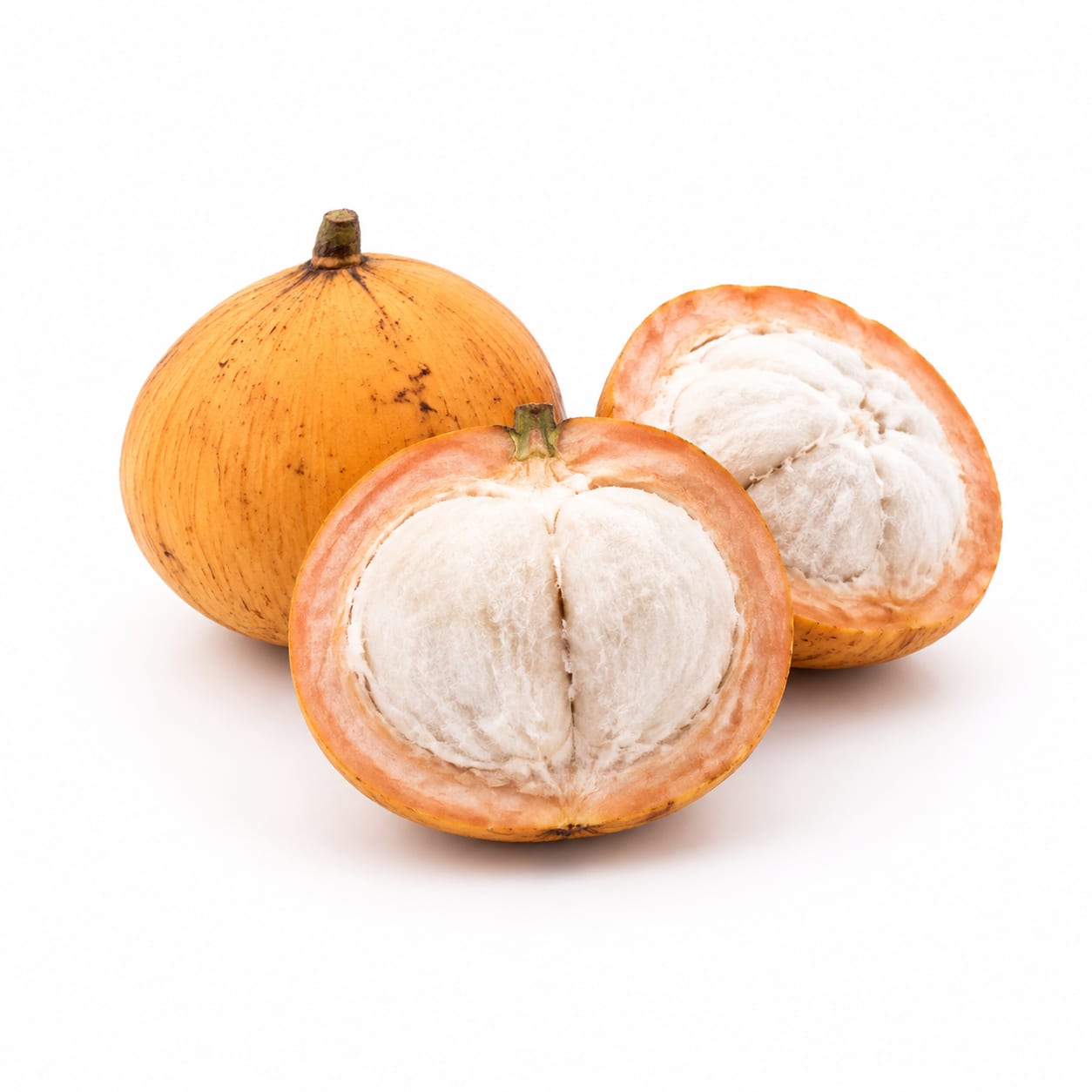
Santol
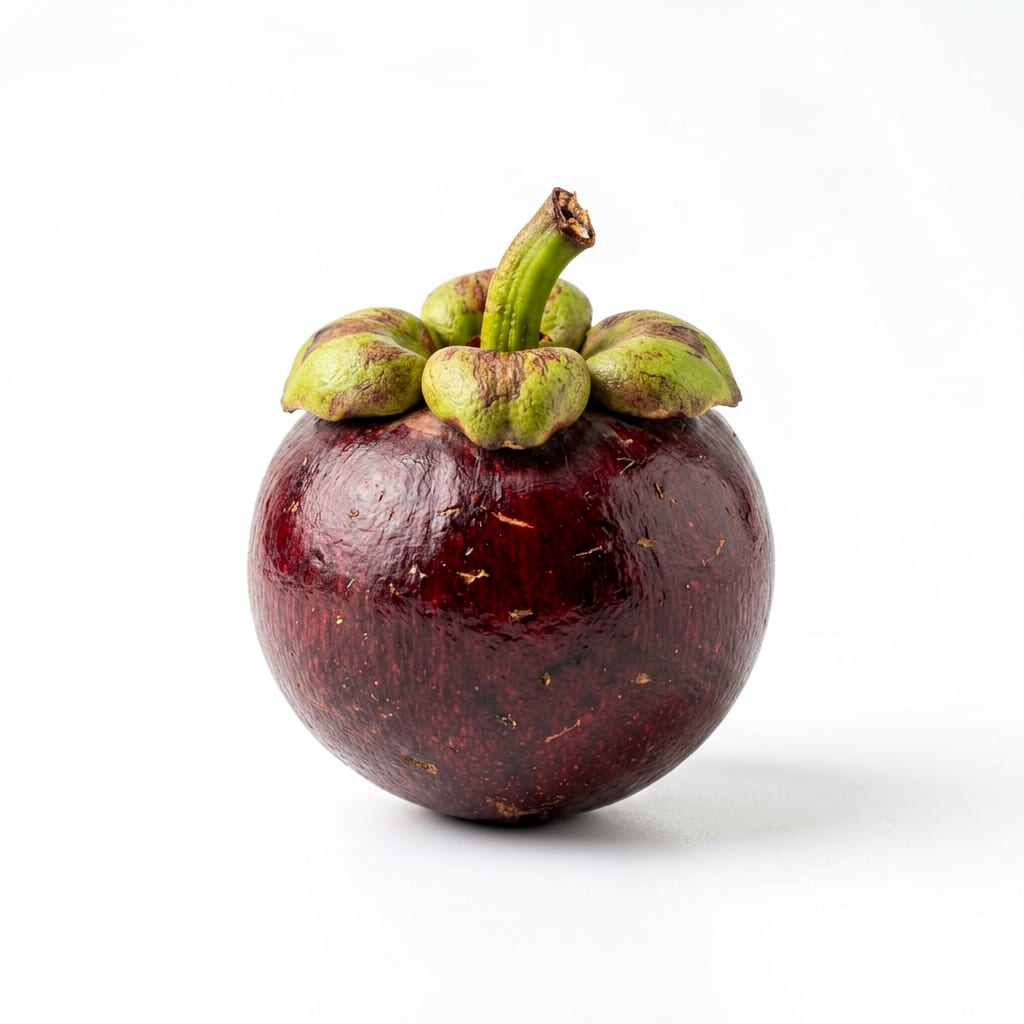
Mangosteen
Mangosteen edges ahead with superior antioxidants and a safer eating experience, though Santol offers a uniquely satisfying sweet-sour bite at a lower price point.
Mangosteen scores notably higher due to its exceptional xanthone antioxidant content, anti-inflammatory properties, and safer eating profile. Santol remains a flavorful and affordable option but carries a meaningful safety risk from its seeds and offers less impressive nutritional benefits.
You trade Santol's bold tangy flavor and affordability for Mangosteen's anti-inflammatory xanthones and worry-free consumption.
At a glance
Executive summary
Overall
Mangosteen
Healthier
Mangosteen
More practical
Santol
Daily use
Mangosteen
Key comparison lenses
antioxidant and anti inflammatory potential
Mangosteen is renowned for its xanthone content, making this the most nutritionally significant differentiator between these two tropical fruits
safety and digestive risk
Santol seeds pose a genuine health hazard if swallowed, which is a critical real-world concern for consumers
blood sugar and weight management
Both fruits are tropical treats with moderate sugar content, so understanding their glycemic and caloric impact matters for daily consumption decisions
taste and eating experience
Santol offers a sweet-sour punch while Mangosteen delivers delicate sweetness, making preference highly personal
Best choice for
Santol
- Budget-conscious tropical fruit lovers
- Those craving a sweet-sour flavor punch
- People seeking fiber-rich snacking with more satiety
- Cooking and traditional recipe use
Mangosteen
- People prioritizing antioxidant and anti-inflammatory benefits
- Those wanting a gentle, easy-to-eat fruit
- Consumers concerned about digestive safety
- Anyone seeking a premium tropical fruit experience
Least suitable for
Santol
- Young children who might swallow seeds accidentally
- People with sensitive digestion or bowel issues
- Anyone unfamiliar with proper seed removal technique
Mangosteen
- Those on a tight grocery budget
- People who prefer tart or sour flavors
- Anyone unable to source fresh tropical fruit
Deep comparison
Dimension by dimension
Each lens scores both foods and breaks down who each option suits.
- Dimension 1 · Priority 92Mangosteen
antioxidant_and_anti_inflammatory_power
Santol · 45Mangosteen · 93Mangosteen is one of the richest natural sources of xanthones, powerful antioxidants linked to reduced inflammation. Santol contains some antioxidants but at far lower concentrations.
Tradeoff
Choosing Santol means missing out on one of nature's most potent anti-inflammatory fruit compounds.
Why it matters
Chronic inflammation drives aging, joint pain, and disease. Regular xanthone intake from Mangosteen may offer meaningful long-term protection.
Real-world impact
Eating Mangosteen regularly could mean less joint stiffness and better recovery after physical activity compared to Santol.
Santol
- Casual snacking where antioxidant density is not the priority
Better for
- Anyone specifically seeking anti-inflammatory food therapy
Worse for
Mangosteen
- Reducing chronic inflammation
- Supporting immune resilience
- Long-term cellular health
- Post-illness recovery nutrition
Better for
- Situations where cost limits regular consumption
Worse for
- Dimension 2 · Priority 88Mangosteen
safety_and_digestive_risk
Santol · 40Mangosteen · 90Santol seeds can cause serious intestinal obstruction if swallowed, requiring surgery in severe cases. Mangosteen has no comparable safety concern.
Tradeoff
Santol demands careful eating and seed avoidance, especially around children. Mangosteen is essentially worry-free to consume.
Why it matters
A fruit that can send you to the emergency room if eaten carelessly is a real consideration for families and casual consumers.
Real-world impact
Santol requires active seed management during eating. One distracted moment with a child could mean a medical emergency.
Santol
- Experienced eaters who know how to handle the seeds properly
Better for
- Children under 10
- People with diverticulitis or bowel strictures
- Distracted or mindless eaters
Worse for
Mangosteen
- Families with young children
- Older adults with slower digestion
- Anyone who eats while distracted
- People with history of bowel obstruction
Better for
- No significant safety concerns for typical consumers
Worse for
- Dimension 3 · Priority 74Santol
fiber_and_satiety
Santol · 72Mangosteen · 58Santol's cotton-like pulp is notably higher in fiber, making it more filling per serving. Mangosteen's soft segments are lighter and less satiating.
Tradeoff
Santol keeps you fuller for longer, but Mangosteen offers a more delicate eating experience that feels lighter.
Why it matters
If you are snacking to tide yourself over between meals, Santol does a better job of quieting hunger.
Real-world impact
A Santol snack at 3pm will likely carry you to dinner more comfortably than Mangosteen, which feels more like a light treat.
Santol
- Between-meal hunger management
- People who want a fruit that actually fills them up
- Fiber-focused digestive health
Better for
- People wanting a light, refreshing bite
Worse for
Mangosteen
- Light dessert after a heavy meal
- Those who prefer not to feel full from fruit
Better for
- Anyone relying on fruit for sustained satiety
Worse for
- Dimension 4 · Priority 72Mangosteen
blood_sugar_impact
Santol · 55Mangosteen · 68Both fruits contain moderate natural sugars, but Mangosteen's lower fiber-to-sugar ratio is offset by its lower overall glycemic load per typical serving. Santol's sweeter varieties can spike blood sugar more noticeably.
Tradeoff
Mangosteen is slightly gentler on blood sugar, though neither fruit is a major concern in moderate portions.
Why it matters
For people monitoring glucose, small differences in sugar impact add up over years of daily choices.
Real-world impact
A diabetic person could enjoy a few Mangosteen segments with less glucose anxiety than a similar portion of very sweet Santol.
Santol
- Active individuals who burn through sugar quickly
Better for
- People with insulin resistance
Worse for
Mangosteen
- People with prediabetes or diabetes
- Those seeking steadier energy after snacking
- Low-glycemic diet followers
Better for
- No significant blood sugar downside in moderate portions
Worse for
- Dimension 5 · Priority 70It depends
taste_and_eating_experience
Santol · 75Mangosteen · 82Santol delivers a bold sweet-sour tang that excites the palate. Mangosteen offers a refined, delicate sweetness with floral notes. Preference is highly personal.
Tradeoff
Santol is more exciting and intense. Mangosteen is more elegant and easy to enjoy. They serve different moods entirely.
Why it matters
If you do not enjoy eating a fruit, you will not eat it regularly, regardless of its health profile.
Real-world impact
Craving something tangy and punchy? Santol satisfies. Want a gentle, dessert-like treat? Mangosteen is your fruit.
Santol
- Fans of sour and tangy flavors
- People who enjoy interactive eating (sucking pulp from seeds)
- Traditional recipe enthusiasts
Better for
- People sensitive to sour flavors
- Those who find seed-spitting inconvenient
Worse for
Mangosteen
- Those who prefer sweet, mild flavors
- People wanting an easy, clean eating experience
- Dessert-like fruit snacking
Better for
- Anyone seeking bold or complex flavor intensity
Worse for
- Dimension 6 · Priority 65Santol
affordability_and_accessibility
Santol · 78Mangosteen · 45Santol is generally cheaper and more abundant in local Southeast Asian markets. Mangosteen commands premium pricing, especially outside its native region.
Tradeoff
Santol is the everyday fruit. Mangosteen is more of a specialty or luxury purchase in many places.
Why it matters
The healthiest fruit only matters if you can actually afford and find it regularly.
Real-world impact
A family in rural Thailand can snack on Santol daily without budget strain. Mangosteen might be reserved for special occasions.
Santol
- Weekly grocery budgets
- Bulk fruit purchases
- Cooking and recipe use at scale
Better for
- No significant affordability downside
Worse for
Mangosteen
- Special occasion treats
- Premium wellness purchases
Better for
- Budget-limited households
- Areas with limited tropical fruit import infrastructure
Worse for
Timeline
Health impact over time
Short-term
Hours to days
Santol
- Quick energy from natural sugars with a tangy flavor boost
- Noticeable fullness from high fiber pulp
- Potential stomach discomfort if seeds are accidentally swallowed
- Mild laxative effect from fiber content in large portions
Mangosteen
- Gentle energy without sugar crash in moderate portions
- Light, comfortable digestion with no seed risk
- Subtle anti-inflammatory effect even from a single serving
- Refreshing hydration from high water content
Long-term
Months to years
Santol
- Improved bowel regularity from consistent fiber intake
- Risk of serious intestinal injury if seed-swallowing becomes habitual
- Moderate antioxidant benefit from vitamin C content
- Potential dental enamel wear from frequent acidic exposure
Mangosteen
- Meaningful reduction in inflammatory markers from regular xanthone intake
- Enhanced immune resilience from sustained antioxidant exposure
- Better skin health linked to anti-inflammatory compounds
- Possible protective effects against metabolic syndrome indicators
Risk profile
Safety & processing
Both Santol and Mangosteen are whole, unprocessed tropical fruits typically eaten fresh. Neither carries concerns about additives, preservatives, or artificial ingredients when consumed in their natural state.
Santol
Seed ingestion causing intestinal obstruction
highSantol seeds cannot be digested and have a hard, sharp surface. Swallowing them can lead to bowel obstruction requiring emergency surgery, especially in children.
Acid erosion of tooth enamel
lowFrequent consumption of sour Santol varieties may contribute to dental enamel wear over time, particularly if teeth are brushed immediately after eating.
Mangosteen
Allergic reaction in sensitive individuals
lowThough rare, some people may experience mild allergic reactions to Mangosteen, particularly those with sensitivities to other tropical fruits.
Pesticide residue on rind
lowConventionally grown Mangosteen may have pesticide residues on the thick rind, but this does not affect the edible flesh inside.
Who wins for whom
Audience fit
Same foods, different winners depending on your goal.
children
MangosteenMangosteen is significantly safer for children due to the absence of dangerous seeds and its softer, easier-to-eat texture.
daily consumption
MangosteenMangosteen's combination of safety, antioxidants, and gentle digestion makes it more suitable as a consistent daily fruit choice.
diabetes
MangosteenMangosteen has a gentler effect on blood sugar and offers anti-inflammatory benefits that may help mitigate diabetes-related complications.
elderly
MangosteenOlder adults benefit from Mangosteen's anti-inflammatory properties and its safer, softer eating profile that avoids intestinal risk.
muscle gain
It dependsNeither fruit is particularly useful for muscle gain. Both provide minimal protein and are better used as complementary carbohydrate sources.
weight loss
SantolSantol's higher fiber content provides more satiety per calorie, helping control overall food intake throughout the day.
Your move
Decision guide
Choose Santol
- You love bold sweet-sour flavors and find mild fruits boring
- Affordability and availability are top priorities
- You want a more filling fruit snack between meals
- You are experienced with proper seed removal and eat carefully
Choose Mangosteen
- You want maximum antioxidant and anti-inflammatory benefit from fruit
- You are feeding children or elderly family members
- You prefer gentle, sweet flavors and a clean eating experience
- Budget is less of a concern and you want a premium tropical fruit
Either works if
- You simply want a refreshing whole fruit treat
- You enjoy rotating different tropical fruits for variety
- Both are available fresh and affordable in your area
Avoid both if
- You have a known allergy to tropical fruits
- You are on a strict low-carb or ketogenic diet
- You cannot access fresh tropical fruit and only find canned versions in heavy syrup
Final recommendation
For most people, Mangosteen is the smarter regular choice thanks to its exceptional antioxidant profile and worry-free eating. However, Santol deserves a place in your rotation if you crave its unique tangy flavor and can safely manage the seeds. Think of Mangosteen as your daily wellness fruit and Santol as an occasional bold-flavored treat.
Practical
Consumer tips
- 1
Never swallow Santol seeds — always spit them out carefully, and supervise children closely when they eat Santol
- 2
Choose Mangosteen with intact, firm rinds — soft or cracked rinds indicate overripeness or mold
- 3
Santol pairs well with salt or chili for a traditional Southeast Asian snacking experience
- 4
Refrigerate Mangosteen if not eating within two days to preserve its delicate flavor
- 5
Avoid canned versions of either fruit packed in heavy syrup, as the sugar content negates many health benefits
- 6
If buying frozen Mangosteen, check that no added sugars appear in the ingredient list