
Nutrition comparison
Santol vs Jackfruit: Nutrition, Safety, and Which Tropical Fruit to Pick
Compare Santol and Jackfruit side by side — calories, sugar, safety risks, versatility, and which one fits your diet better. Expert breakdown with real-world advice.
Overall winner · Jackfruit
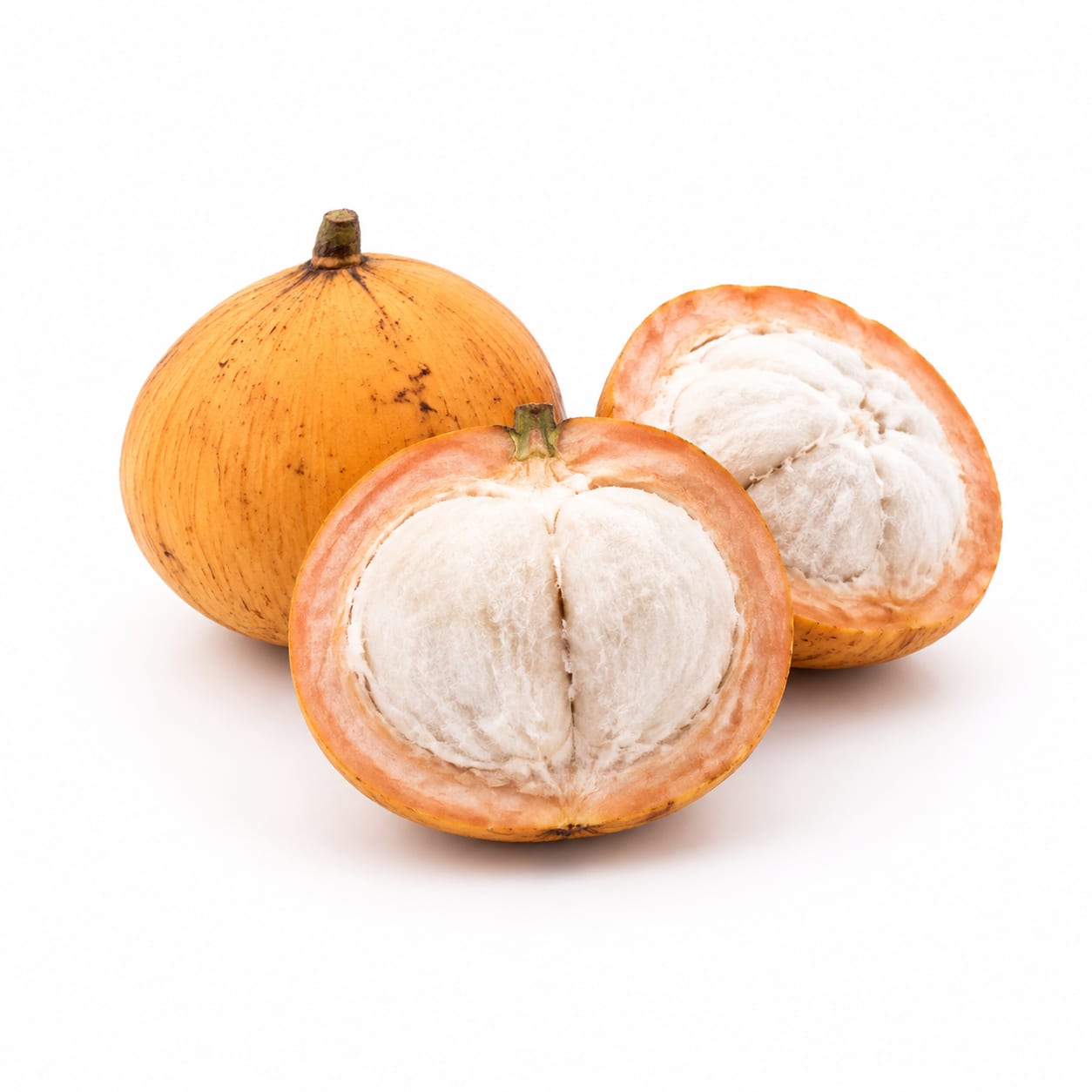
Santol
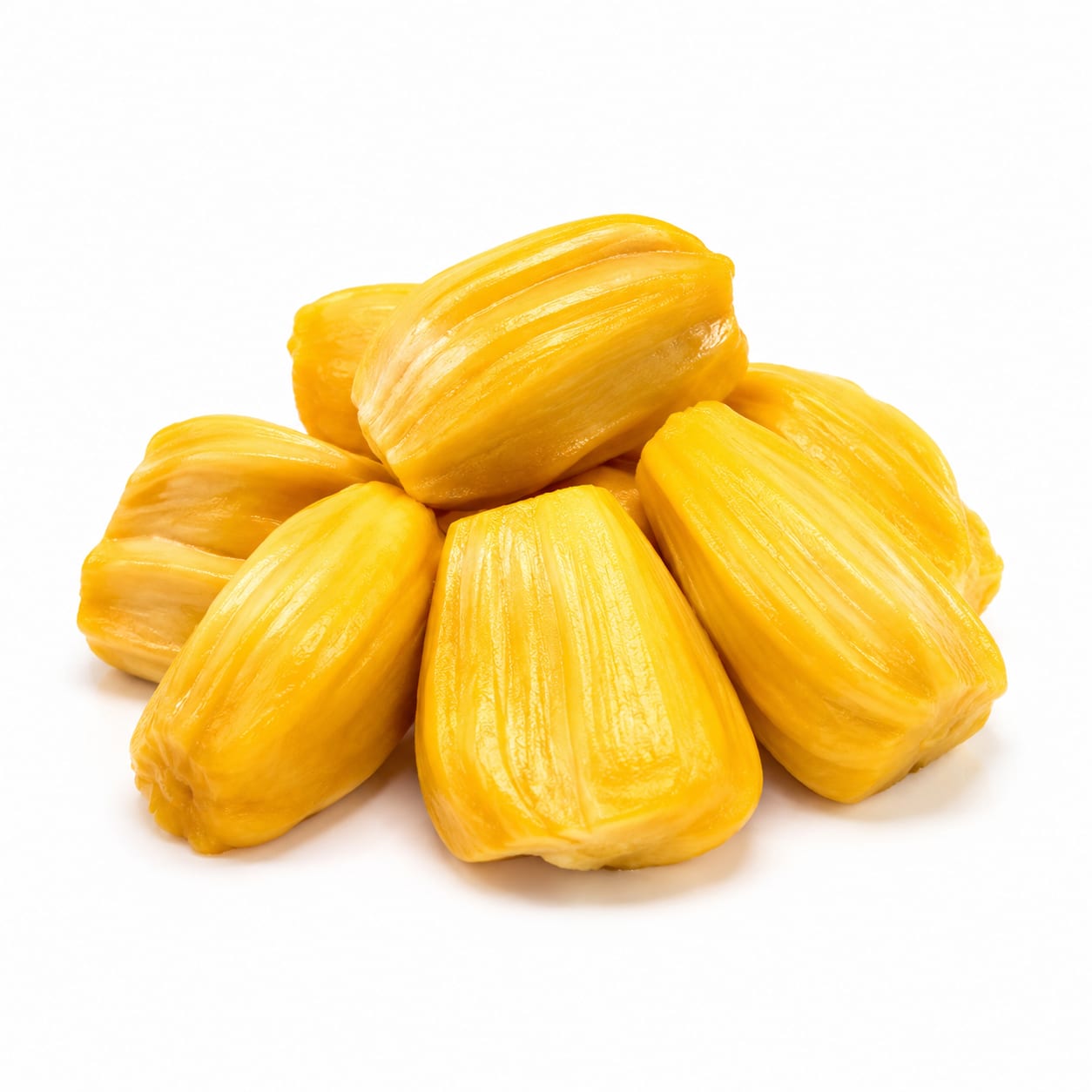
Jackfruit
Jackfruit offers more nutrition, versatility, and broader availability, but Santol wins for low-calorie snacking and lower sugar intake.
Jackfruit scores notably higher due to superior nutritional density, culinary versatility, and seed safety. Santol's lower calorie count is valuable but offset by limited nutrition, restricted availability, and a genuine choking risk that demands caution.
Jackfruit delivers more vitamins, fiber, and culinary flexibility but comes with higher sugar and calories. Santol is lighter and less sweet but carries a real choking risk from its seeds and offers less nutritional bang per bite.
At a glance
Executive summary
Overall
Jackfruit
Healthier
Jackfruit
More practical
Jackfruit
Daily use
Jackfruit
Key comparison lenses
tropical fruit nutritional value comparison
Both are Southeast Asian tropical fruits, so users are likely choosing between them for health benefits and taste
blood sugar and diabetes suitability
Jackfruit is notably sweeter and higher in carbs, while Santol is more tart and lower in sugar — a key decision factor
safety and choking risk awareness
Santol seeds pose a documented choking and toxicity hazard, which is a critical safety differentiator
versatility and meal integration
Jackfruit has become a popular meat substitute and cooking ingredient, while Santol is mostly eaten fresh or pickled
weight management and calorie density
Santol is significantly lower in calories, making it relevant for calorie-conscious users
Best choice for
Santol
- Low-calorie snackers who want a tart, refreshing fruit
- People monitoring blood sugar who need a lower-carb tropical option
- Those seeking a unique sour flavor for pickling or condiments
Jackfruit
- Vegans and vegetarians looking for a plant-based meat alternative
- Families wanting a nutrient-dense fruit with edible seeds
- Active individuals needing sustained energy from natural carbs
Least suitable for
Santol
- Young children due to choking hazard from seeds
- Anyone unfamiliar with proper seed removal technique
- People wanting a versatile cooking ingredient
Jackfruit
- People strictly limiting sugar or carbs
- Those who find very sweet fruits unappealing
- Anyone watching calorie intake closely
Deep comparison
Dimension by dimension
Each lens scores both foods and breaks down who each option suits.
- Dimension 1 · Priority 90Jackfruit
Nutritional Density
Santol · 40Jackfruit · 78Jackfruit packs significantly more vitamins, minerals, and fiber per serving than Santol.
Tradeoff
You get more micronutrients with Jackfruit but also more calories and sugar as part of the package.
Why it matters
If you're eating fruit primarily for health benefits, Jackfruit delivers more of what your body needs in each bite.
Real-world impact
A single serving of Jackfruit covers a meaningful portion of your daily vitamin C and potassium, while Santol contributes modestly at best.
Santol
- Minimizing calorie intake while still getting some fruit nutrition
Better for
- Relying on Santol as a primary fruit for micronutrients will leave gaps
Worse for
Jackfruit
- Boosting vitamin and mineral intake from whole food sources
- Getting more fiber to support digestion
- Supporting immune function with higher vitamin C content
Better for
- Higher calorie load means less room for other foods in a calorie budget
Worse for
- Dimension 2 · Priority 85Santol
Blood Sugar Impact
Santol · 72Jackfruit · 48Santol's lower sugar and carb content makes it gentler on blood sugar than the sweeter, carb-dense Jackfruit.
Tradeoff
Santol keeps glucose steadier but provides less sustained energy for active periods.
Why it matters
For anyone with insulin resistance, prediabetes, or diabetes, this difference can affect how you feel an hour after eating.
Real-world impact
Eating Santol is less likely to cause an afternoon energy dip, while Jackfruit may give a quick boost followed by a mild crash if eaten in large amounts.
Santol
- People managing diabetes or insulin resistance
- Those who experience sugar crashes from sweeter fruits
- Low-carb dieters wanting occasional tropical fruit
Better for
- Won't provide enough carbs for pre-workout energy
Worse for
Jackfruit
- Athletes needing carb fuel before or after exercise
- Active people who burn through sugar efficiently
Better for
- Can spike blood sugar if eaten in large portions without protein or fat
Worse for
- Dimension 3 · Priority 80Jackfruit
Safety and Choking Risk
Santol · 35Jackfruit · 80Santol seeds are a documented choking hazard and contain toxic compounds, while Jackfruit seeds are edible and nutritious when cooked.
Tradeoff
Santol requires careful seed removal every time you eat it, adding risk and inconvenience. Jackfruit seeds are a bonus food, not a danger.
Why it matters
This is not a minor concern — Santol seed ingestion has caused serious intestinal obstruction cases, especially in children.
Real-world impact
A parent handing Santol to a toddler faces a real safety risk. Jackfruit, while messy to open, poses no seed toxicity threat.
Santol
- Children under 8 are at significant risk from Santol seeds
- Distracted eaters who might accidentally swallow seeds
Worse for
Jackfruit
- Families with young children
- Elderly individuals with swallowing difficulties
- Anyone who wants to eat fruit without careful seed vigilance
Better for
- Dimension 4 · Priority 75Jackfruit
Versatility and Culinary Use
Santol · 35Jackfruit · 88Jackfruit is one of the most versatile fruits in the world — eaten ripe as fruit, unripe as a meat substitute, and even the seeds are cooked as snacks.
Tradeoff
Jackfruit's versatility comes with more prep time and mess. Santol is simpler but limited to fresh eating or pickling.
Why it matters
If you want a fruit that can be a meal component, not just a snack, Jackfruit is far more useful.
Real-world impact
Unripe Jackfruit can replace pulled pork in tacos, sandwiches, and curries. Santol is mostly enjoyed fresh or as a sour condiment — it won't anchor a meal.
Santol
- Quick fresh snacking without cooking
- Making traditional pickled or fermented condiments
Better for
- Cannot function as a main dish ingredient
- Very limited recipe applications beyond fresh eating
Worse for
Jackfruit
- Vegan and vegetarian meal prep
- Creating savory dishes with a meaty texture
- Cooking seeds as a nutritious side dish
- Using in both sweet and savory recipes
Better for
- Requires more prep time and effort to cut and cook
Worse for
- Dimension 5 · Priority 70Santol
Calorie Density and Weight Management
Santol · 78Jackfruit · 50Santol is significantly lower in calories per serving, making it the better choice for weight-conscious snacking.
Tradeoff
Fewer calories also means less satiety — you may feel hungry sooner after eating Santol compared to Jackfruit.
Why it matters
If you're tracking calories, Santol lets you enjoy a tropical fruit treat with less budget impact.
Real-world impact
A cup of Santol costs you roughly half the calories of a cup of Jackfruit, leaving more room for other foods in your day.
Santol
- Calorie-counters who want a light fruit snack
- People who prefer eating larger volumes for fewer calories
Better for
- May not satisfy hunger for long due to low calorie and protein content
Worse for
Jackfruit
- Those who need a filling fruit that reduces overall hunger
- Active people who can afford the extra calories
Better for
- Easy to overeat calories if you enjoy the sweet taste and keep going back for more
Worse for
- Dimension 6 · Priority 65Jackfruit
Availability and Convenience
Santol · 30Jackfruit · 70Jackfruit has gone global — you can find it canned, frozen, or fresh in many mainstream grocery stores. Santol remains a specialty item mostly found in Southeast Asian markets.
Tradeoff
Jackfruit's wider availability means you can actually eat it regularly. Santol's rarity makes it more of an occasional treat.
Why it matters
The healthiest fruit is the one you can actually access and eat consistently.
Real-world impact
You can order canned Jackfruit online from most grocery delivery services. Finding Santol often requires a dedicated trip to a specialty market, if available at all.
Santol
- People living in Southeast Asia where Santol is abundant and affordable
Better for
- Nearly impossible to find outside tropical Asian regions
- No canned or frozen options widely available
Worse for
Jackfruit
- Most consumers worldwide who want reliable access
- Meal preppers who need canned or frozen options
Better for
- Fresh whole Jackfruit is large and intimidating to cut open
Worse for
Timeline
Health impact over time
Short-term
Hours to days
Santol
- Quick hydration from high water content
- Tart flavor can stimulate appetite and digestion
- Risk of intestinal discomfort if seeds are accidentally swallowed
Jackfruit
- Noticeable energy boost from natural sugars and carbs
- Improved fullness due to fiber content
- Possible bloating if eaten in large quantities due to high fiber
Long-term
Months to years
Santol
- Lower cumulative sugar exposure compared to sweeter tropical fruits
- Modest antioxidant intake from vitamin C and phenolic compounds
- Ongoing seed safety risk if consumed frequently without careful habits
Jackfruit
- Better long-term potassium intake supporting blood pressure regulation
- Consistent fiber intake promoting gut health and regularity
- Higher cumulative sugar intake if eaten daily in large portions
Risk profile
Safety & processing
Both Santol and Jackfruit are whole, unprocessed fruits when eaten fresh. However, canned Jackfruit products sometimes contain added syrup or brine, so check labels if avoiding added sugars or sodium.
Santol
Seed choking and intestinal obstruction
highSantol seeds cannot be digested and have caused serious intestinal perforation and obstruction, especially in children. Always remove seeds completely before eating.
Seed toxicity
mediumSantol seeds contain toxic compounds including sandoricum acid. Swallowing seeds can cause vomiting, abdominal pain, and in severe cases, life-threatening complications.
Jackfruit
Latex allergy cross-reaction
mediumJackfruit contains proteins similar to latex, which can trigger allergic reactions in people with latex-fruit syndrome. Symptoms range from mouth itching to anaphylaxis in sensitive individuals.
High sugar load in large portions
lowWhile not a safety risk per se, eating large amounts of ripe Jackfruit can cause blood sugar spikes in diabetic individuals, indirectly posing a health concern.
Who wins for whom
Audience fit
Same foods, different winners depending on your goal.
children
JackfruitJackfruit is significantly safer for children — no toxic seeds, edible when cooked, and the sweet taste appeals to kids. Santol's choking risk makes it inappropriate for young children.
daily consumption
JackfruitJackfruit's broader nutrient profile, culinary flexibility, and wider availability make it more sustainable as a daily fruit choice. Santol works better as an occasional treat.
diabetes
SantolSantol's lower glycemic impact makes it the safer choice for blood sugar management, though neither fruit should be eaten in large quantities by diabetics.
elderly
JackfruitJackfruit's soft ripe texture and higher potassium support heart health in older adults. Santol's seed risk and lower nutritional value make it less ideal for seniors.
muscle gain
JackfruitJackfruit provides more carbs for training fuel and its seeds offer additional protein when cooked, supporting muscle recovery better than Santol.
weight loss
SantolSantol's lower calorie and sugar content make it easier to fit into a calorie deficit, though portion control with Jackfruit also works.
Your move
Decision guide
Choose Santol
- You want a low-calorie, low-sugar tropical fruit snack
- You are managing blood sugar and need a gentler option
- You live in Southeast Asia and have fresh Santol readily available
- You enjoy tart, sour flavors over sweet ones
Choose Jackfruit
- You want a versatile fruit that works in both sweet and savory dishes
- You need a filling, nutrient-dense fruit for active days
- You are cooking for a family and need a safe, kid-friendly option
- You want a plant-based meat alternative for vegan meals
- You value consistent availability at grocery stores
Either works if
- You simply want a refreshing tropical fruit and both are available
- You are eating fruit as a light afternoon snack in moderate portions
Avoid both if
- You have a latex allergy (Jackfruit cross-reaction risk)
- You are on a strict very-low-carb or ketogenic diet
- You cannot reliably remove Santol seeds and are serving fruit to children
Final recommendation
Jackfruit is the stronger everyday choice for most people — more nutritious, more versatile, safer, and easier to find. Santol earns a place as an occasional low-calorie treat if you live where it grows and you're diligent about seed removal. Don't make Santol a daily habit if you have kids around, and don't treat Jackfruit as a free food if you're watching sugar — portion size still matters.
Practical
Consumer tips
- 1
Always completely remove Santol seeds before eating — never swallow them, and supervise children closely if they eat Santol
- 2
Canned Jackfruit in water or brine is lower in sugar than canned Jackfruit in syrup — read the label
- 3
Unripe green Jackfruit has a neutral taste and meaty texture perfect for savory dishes; ripe Jackfruit is sweet and better for desserts or snacking
- 4
Boiled Jackfruit seeds taste similar to chestnuts and provide extra protein and fiber — don't throw them out
- 5
If you have a latex allergy, test a small amount of Jackfruit first and watch for mouth or throat itching
- 6
Santol is best eaten slightly underripe if you prefer a sour crunch, or fully ripe if you want a sweeter, softer texture
- 7
Freeze ripe Jackfruit chunks for a naturally sweet, ice cream-like treat on hot days