
Flatbread
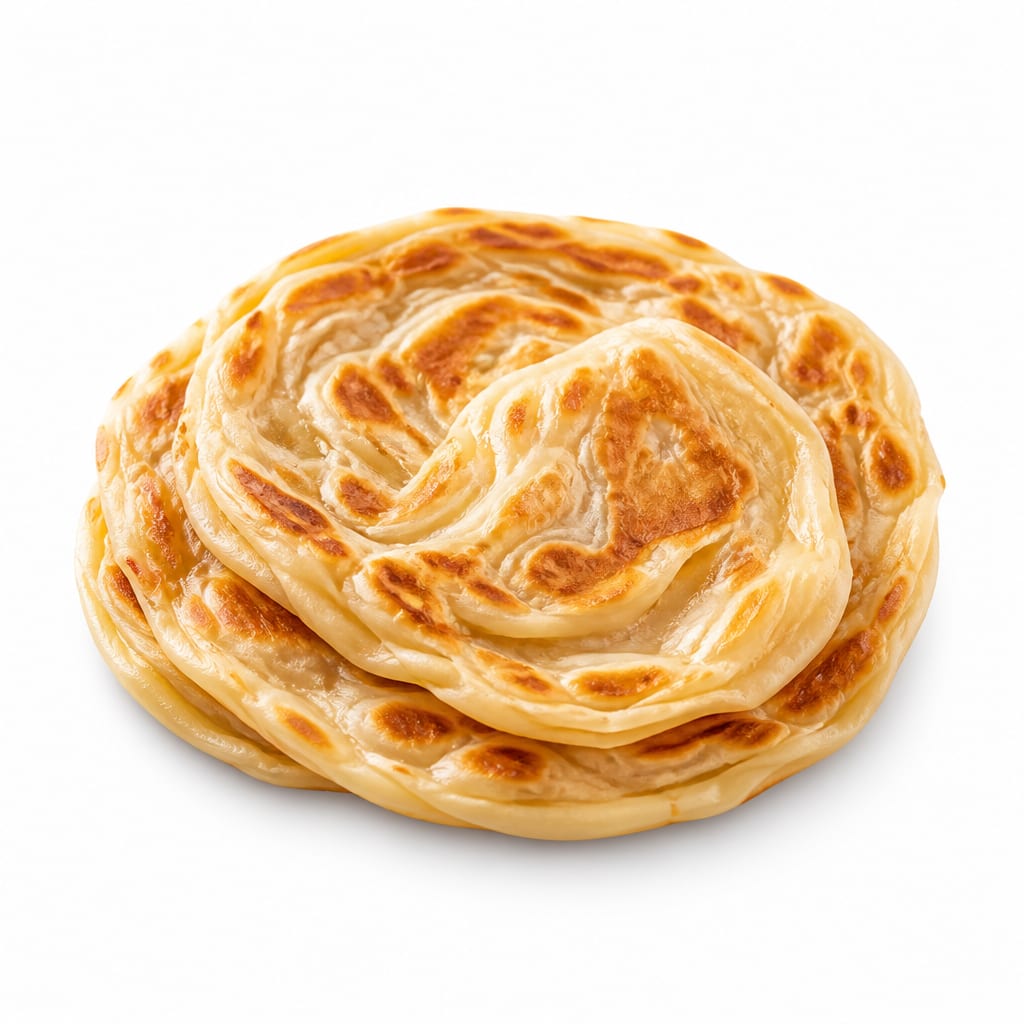
Roti Canai
A flaky, crispy Malaysian flatbread made with refined flour and ghee.
A traditional Malaysian flatbread of Indian origin, known for its flaky, crispy exterior and soft, layered interior. It is typically made from refined wheat flour, water, and generous amounts of ghee or margarine, and served with savory curries.
high-fat refined carbohydrate flatbread
Typical serving · 80g
Common varieties · roti telur (with egg), roti planta (with margarine), roti sardin (with canned sardine), roti tisu (thin and crispy), roti pisang (with banana)
Overall context score across nutrition, safety, and diet fit
The story
What makes it unique
A high-glycemic, energy-dense carbohydrate source. Refined wheat flour provides rapid-digesting starch, while high fat content from ghee or margarine increases energy density and slows gastric emptying slightly, though not enough to prevent sharp blood sugar spikes. Low in dietary fiber and protein.
Varieties: roti telur (with egg) · roti planta (with margarine) · roti sardin (with canned sardine) · roti tisu (thin and crispy) · roti pisang (with banana)
Per 100g
Nutrition breakdown
Macro balance and key metrics at a glance.
Energy
Density 3.30 kcal/g
Protein
Carbs
Fat
Fiber
Sugar
2 g
Sodium
350 mg
Potassium
80 mg
Glycemic index
75
Glycemic load
38
Water content
30%
Standout compounds
Nutrient highlights
Carbohydrates
highRapid energy source for high-activity periods
Saturated Fat
highProvides flaky texture and dense energy
Sodium
moderateAdds flavor and aids in dough gluten development
Iron
lowPresent in small amounts from enriched refined wheat flour
Wellness map
Health scores & processing
NOVA processing scale
moderately processed · Whole food
Made from refined flour combined with ghee or margarine and salt. Traditional versions are processed culinary ingredients, but commercial street-food versions often use refined margarines with additives, pushing them closer to ultra-processed.
Diet compatibility
- Weight loss
- Muscle gain
- Diabetes
- Gut health
- Low carb
- High protein
- Heart health
Relative standing
Food rankings
Qualitative ranks compared to similar whole foods.
- Satietypoor
- Blood sugarpoor
- Nutrient densitypoor
- Fitness fuelmoderate
- Processing qualitypoor
Eat with confidence
Food safety profile
Generally safe from microbial contamination due to high-heat griddling. Main concerns involve potential acrylamide formation from high-heat cooking and the use of industrial trans fats in cheaper margarine variants.
Evidence confidence 85%
- Pesticideslow
- Antibioticslow
- Heavy metalslow
- Contaminationlow
Watch for
- acrylamide (from high-heat cooking)
- trans fats (if commercial margarine is used)
Safer choices
Versions made with pure ghee instead of commercial margarine
Prep tips
Consume freshly cooked; avoid reheating in microwave to maintain texture and avoid uneven heating.
Use of cheap trans-fat-containing margarines in commercial food stalls
Deep dive
Health analysis
How this food may fit different goals and preparation choices.
Weight loss
High energy density and refined carbohydrates make it easy to overconsume calories, offering little satiety per calorie.
Blood sugar
Refined wheat flour causes rapid blood sugar spikes. The added fat slightly delays gastric emptying but does not prevent the high glycemic impact.
Fitness & energy
Provides fast-digesting carbohydrates suitable for quick pre-workout energy, but lacks sufficient protein for muscle recovery.
Gut health
Low fiber content offers minimal prebiotic benefit and does not significantly support healthy bowel movements or microbiome diversity.
Processing quality
Relies heavily on refined flour and added fats. Traditional preparation is minimally processed, but street-food versions often use refined margarines with trans fats.
Food safety
High-heat cooking minimizes microbial risk. The primary concern is the quality of fats used, as hydrogenated oils are common in commercial preparations.
Common mistakes
Assuming it is a healthy whole-grain option like standard wheat roti, or underestimating the calorie density added by the oil or ghee used in folding.
Best preparation
Using whole wheat flour (atta) and replacing margarine with moderate amounts of pure ghee or olive oil to improve the fat profile and fiber content.
Practical guide
Best use cases
When and how this food fits real eating patterns.
Pre-workout carb loading
Provides fast-digesting carbohydrates for quick energy before intense exercise.
Cultural dining experience
Best enjoyed in moderation as part of a traditional Malaysian breakfast or street-food meal.
High-calorie bulking
Useful for individuals needing a calorie surplus to support weight gain goals.
Balance sheet
Pros & cons
Upsides
- Provides quick, easily accessible energy
- Culturally versatile and pairs well with protein-rich curries
- Palatable and highly satisfying to eat
- Vegan options are widely available when made without ghee
Trade-offs
- High in refined carbohydrates causing blood sugar spikes
- High energy density from folded fat hinders weight loss
- Low in dietary fiber and essential micronutrients
- Commercial versions may contain trans fats from cheap margarine
- Low protein content limits muscle-building potential
Fit check
Who is it for?
Great match
- pre-workout energy
- weight gain diets
- occasional traditional breakfast
Consider alternatives
- strict weight loss
- diabetic diets
- low-carb diets
- heart-healthy diets
- high-protein diets
Side by side
How it compares
Open the full head-to-head analysis for nutrition, safety, and practical tradeoffs.
This food
Roti Canai
VS90% alike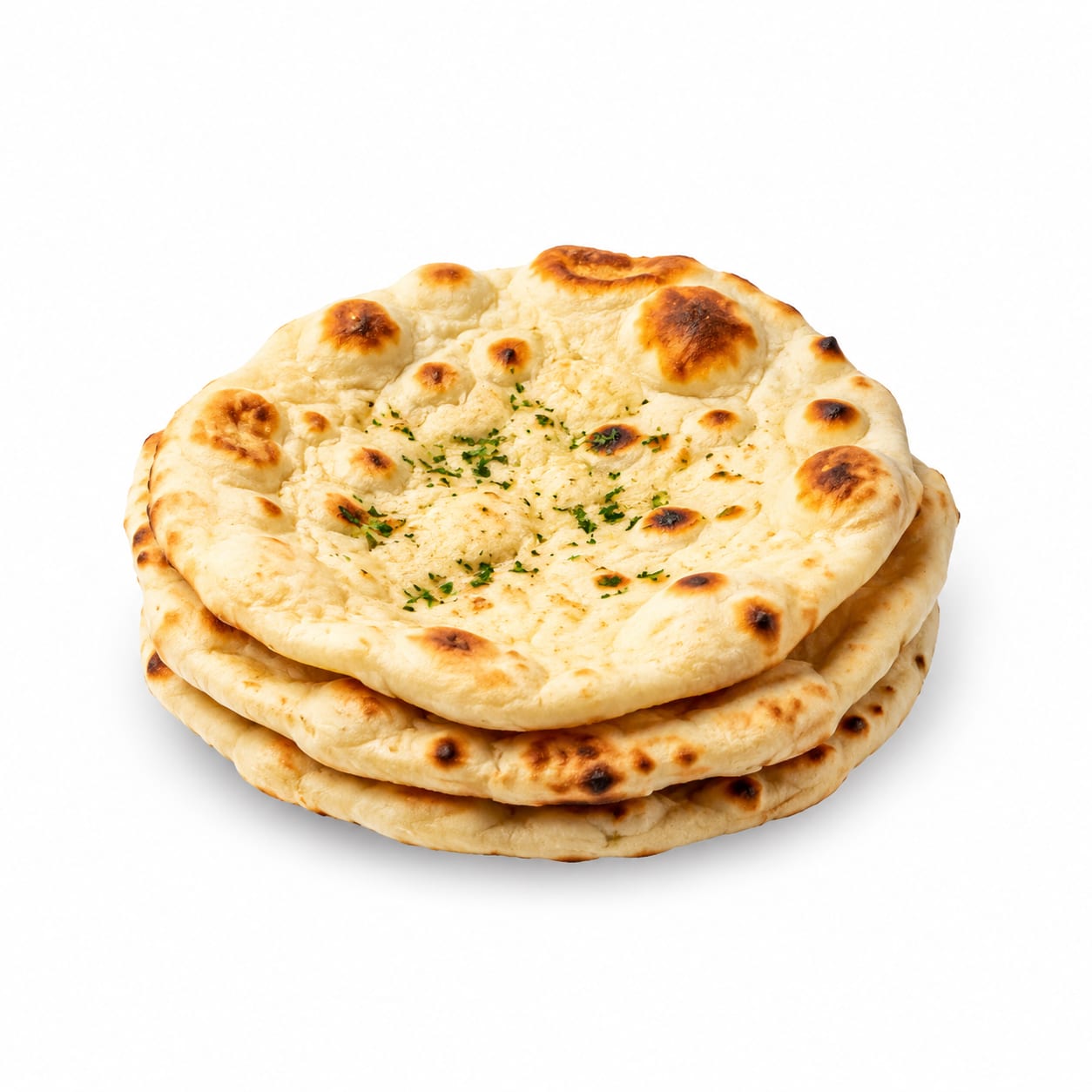
Compare with
Naan
Naan is slightly lower in fat and calories than roti canai, but both cause similar blood sugar spikes due to refined flour.
Naan is slightly lower in fat and calories than roti canai, but both cause similar blood sugar spikes.
This food
Roti Canai
VS85% alike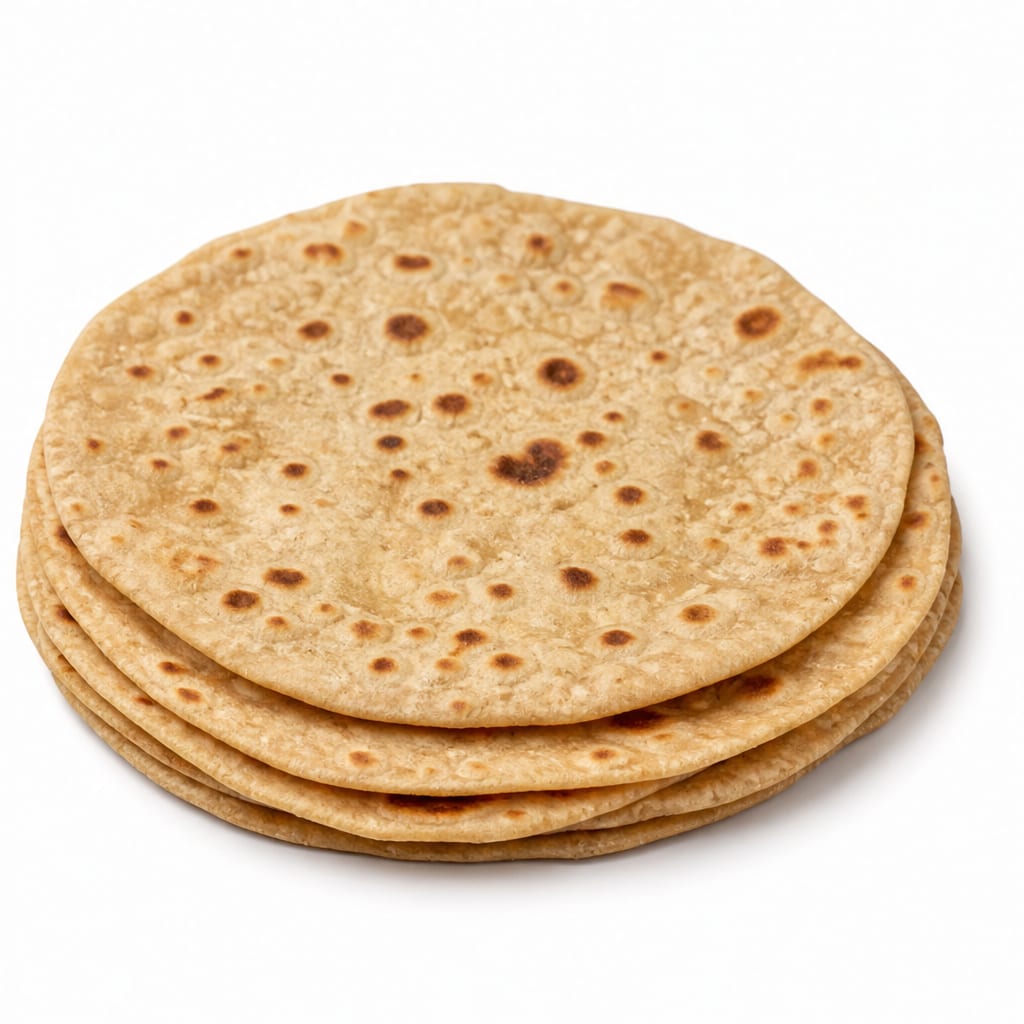
Compare with
Chapati
Chapati is vastly superior for health, offering more fiber and fewer calories, while roti canai is a high-fat refined treat.
Chapati offers more fiber and fewer calories than roti canai, making it much better for blood sugar and weight loss.
This food
Roti Canai
VS95% alike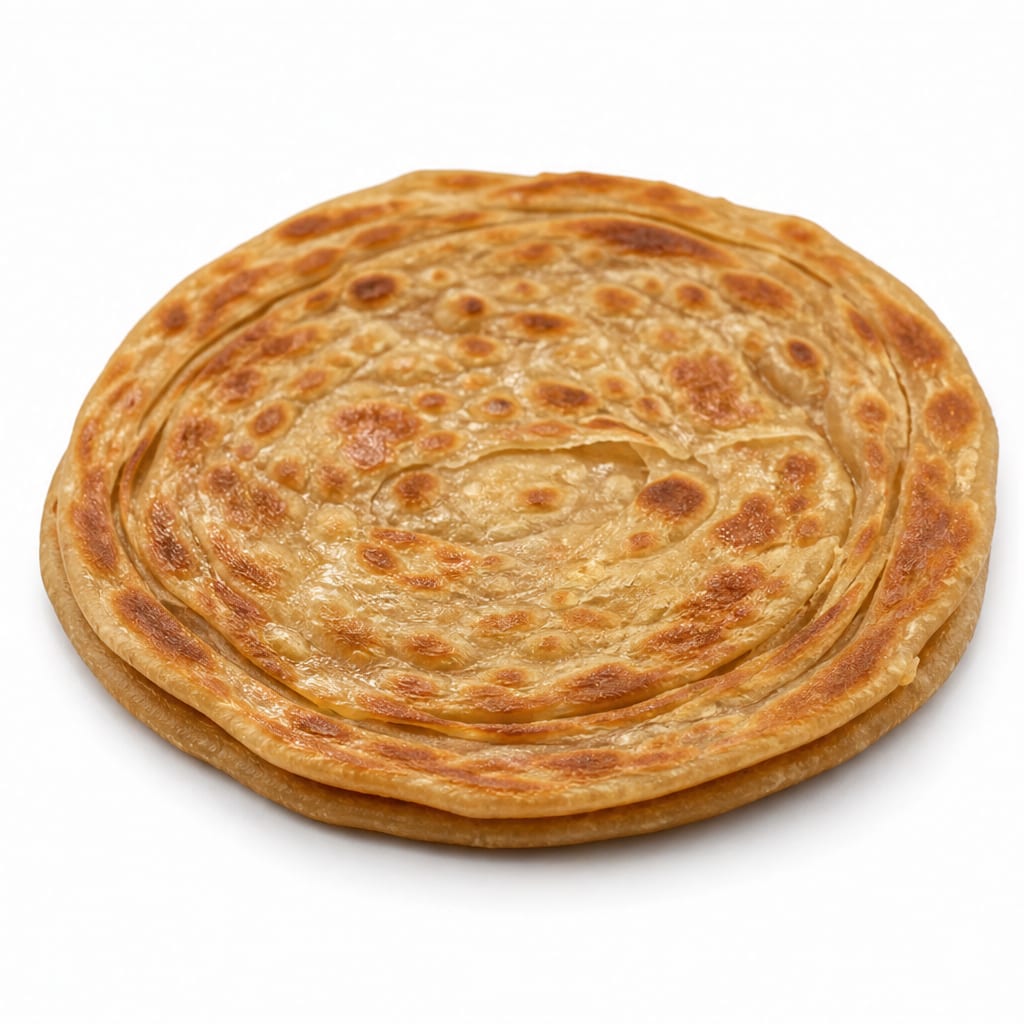
Compare with
Paratha
Paratha and roti canai are both high-fat flatbreads, but paratha's potential whole-wheat base gives it a slight nutritional edge.
Paratha and roti canai are both high-fat flatbreads, but paratha often uses whole wheat, giving it a slight fiber advantage.
This food
Roti Canai
VS60% alike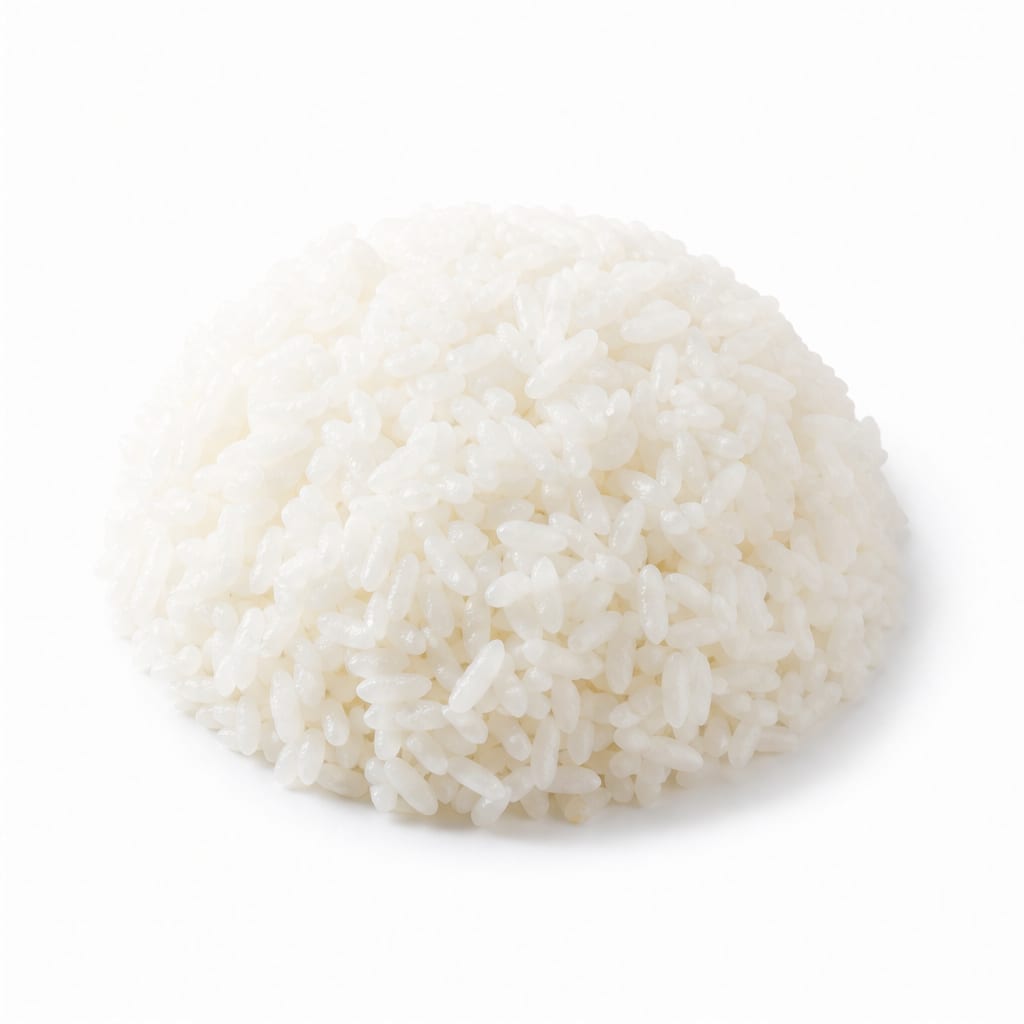
Compare with
White Rice
White rice provides similar carbs with less fat, making it lower in calories per gram than roti canai.
White rice provides similar fast carbs with less fat, making it lower in calories per gram than roti canai.
This food
Roti Canai
VS80% alike
Compare with
Croissant
Croissants and roti canai share a similar laminated fat profile, making both high-calorie, high-fat carbohydrate sources.
Croissants and roti canai share a similar laminated fat profile, making both high-calorie carbohydrate sources.
This food
Roti Canai
VS75% alike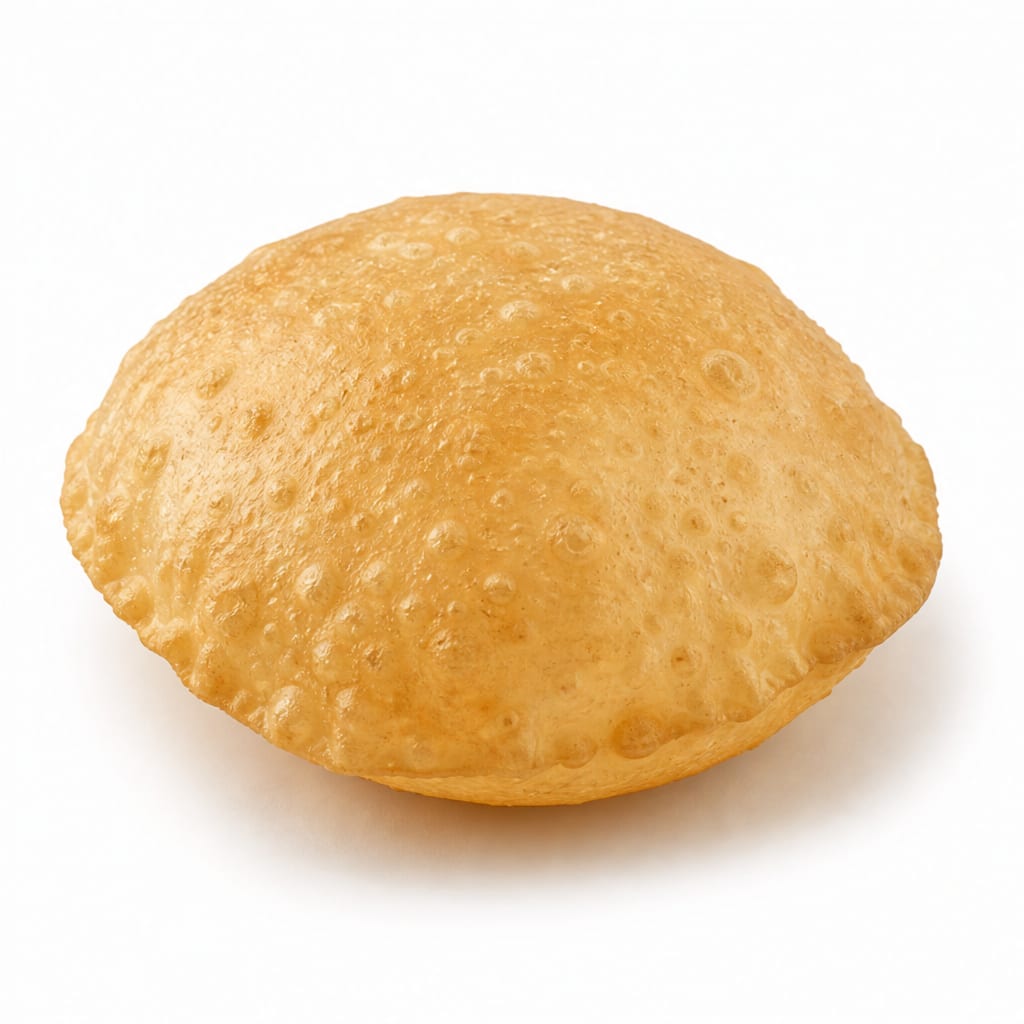
Compare with
Puri
Puri is deep-fried while roti canai is pan-fried with folded fat; both are high-calorie refined carbs best eaten in moderation.
Puri is deep-fried while roti canai is pan-fried with folded fat; both are high-calorie refined carbs.
This food
Roti Canai
VS50% alike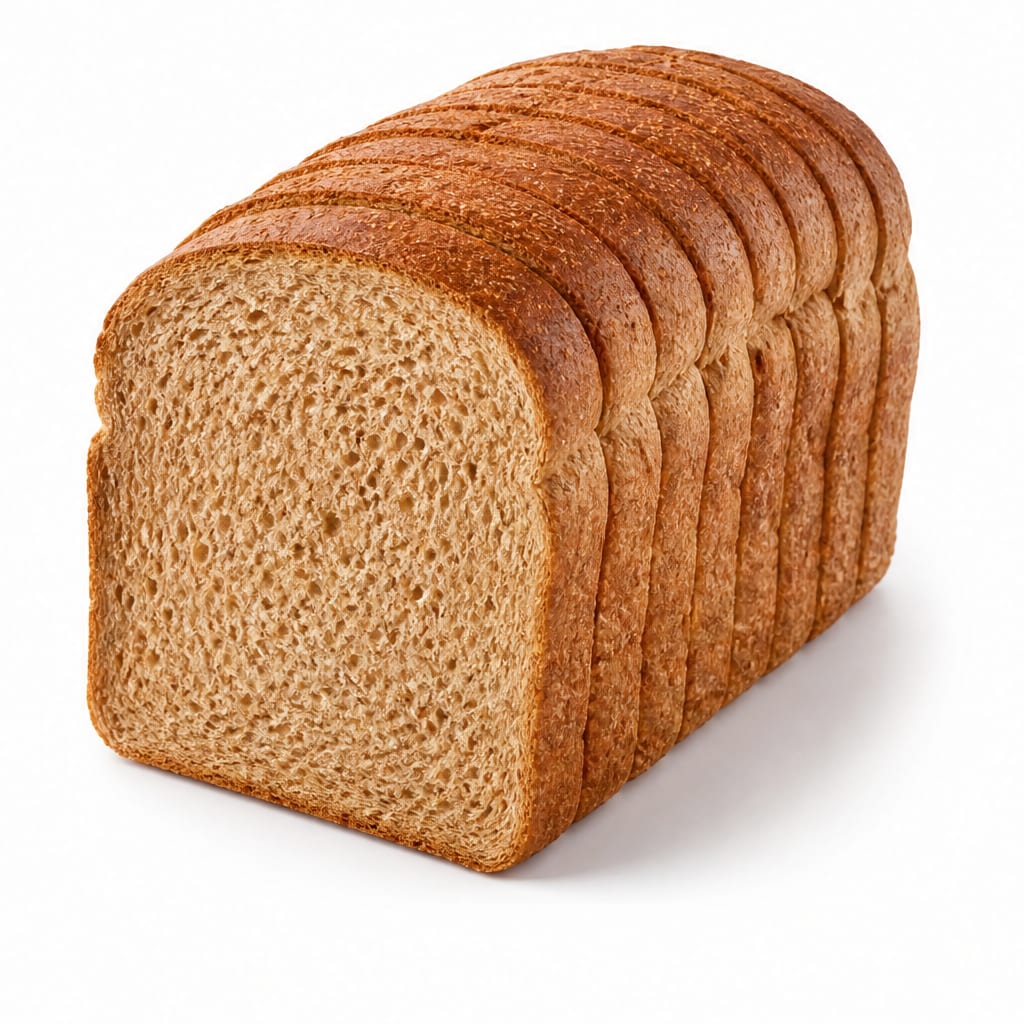
Compare with
Whole Wheat Bread
Whole wheat bread offers significantly more fiber and fewer calories from fat compared to roti canai.
Whole wheat bread offers significantly more fiber and fewer calories from fat compared to roti canai.
This food
Roti Canai
VS70% alike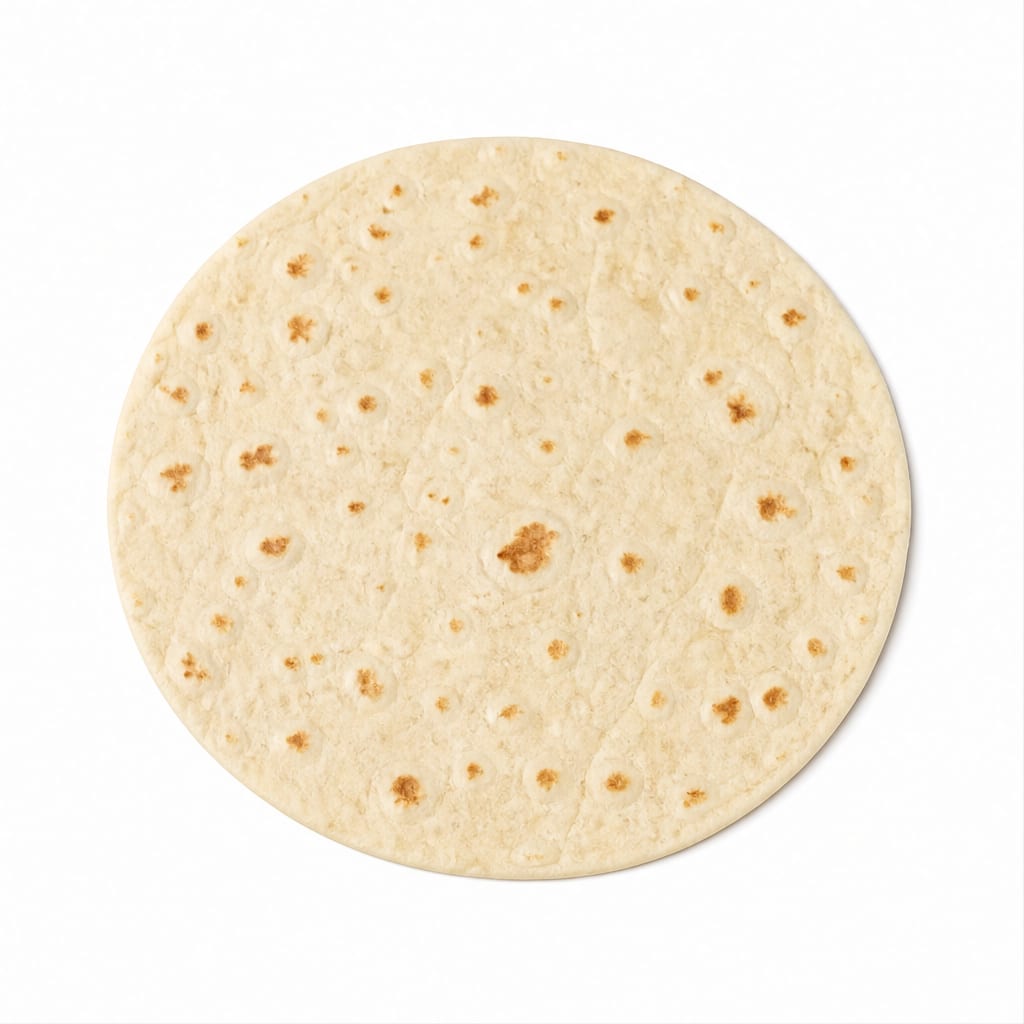
Compare with
Flour Tortilla
Flour tortillas are lower in fat than roti canai, making them a lighter choice for wraps and meals.
Flour tortillas are lower in fat than roti canai, making them a lighter choice for wraps and meals.
This food
Roti Canai
VS65% alike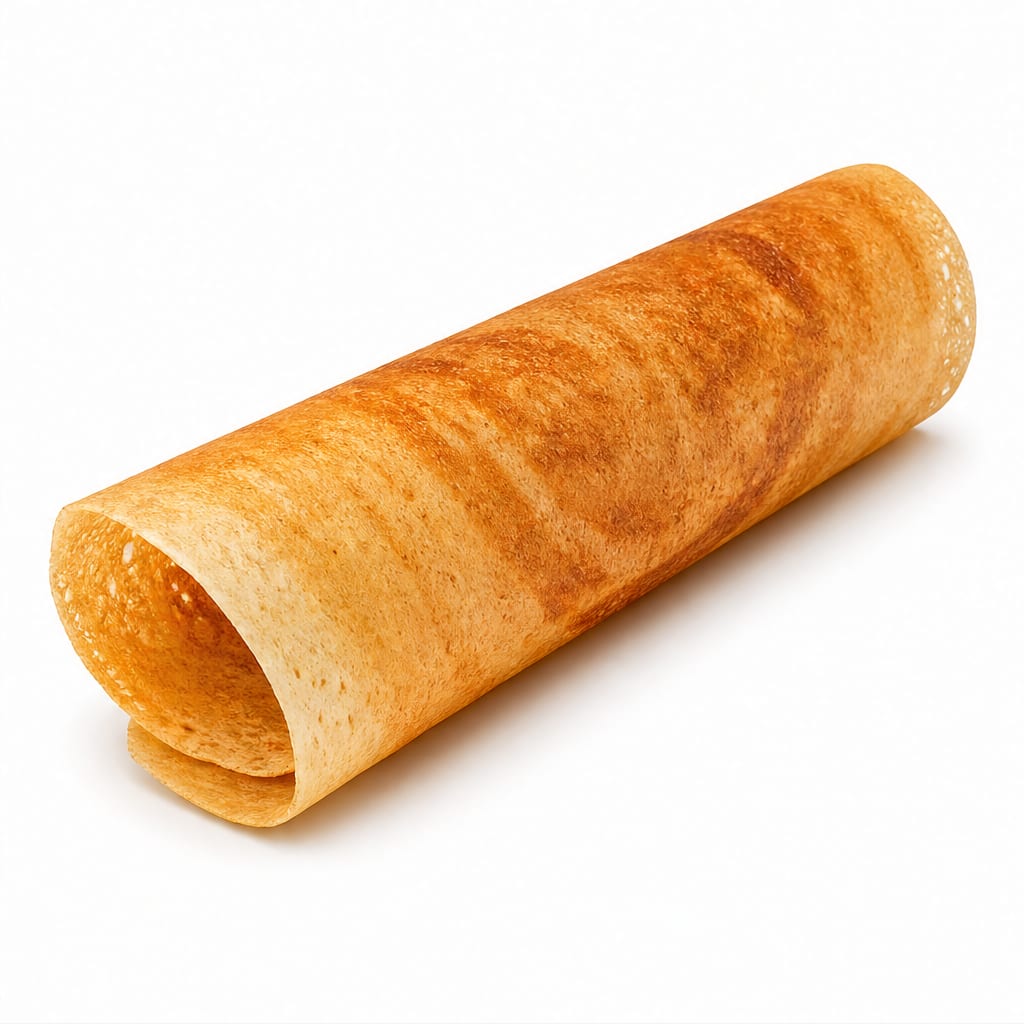
Compare with
Dosa
Dosa is a fermented, lower-fat alternative that provides a better nutrient profile and easier digestion than roti canai.
Dosa is a fermented, lower-fat alternative that provides a better nutrient profile and easier digestion than roti canai.
This food
Roti Canai
VS55% alike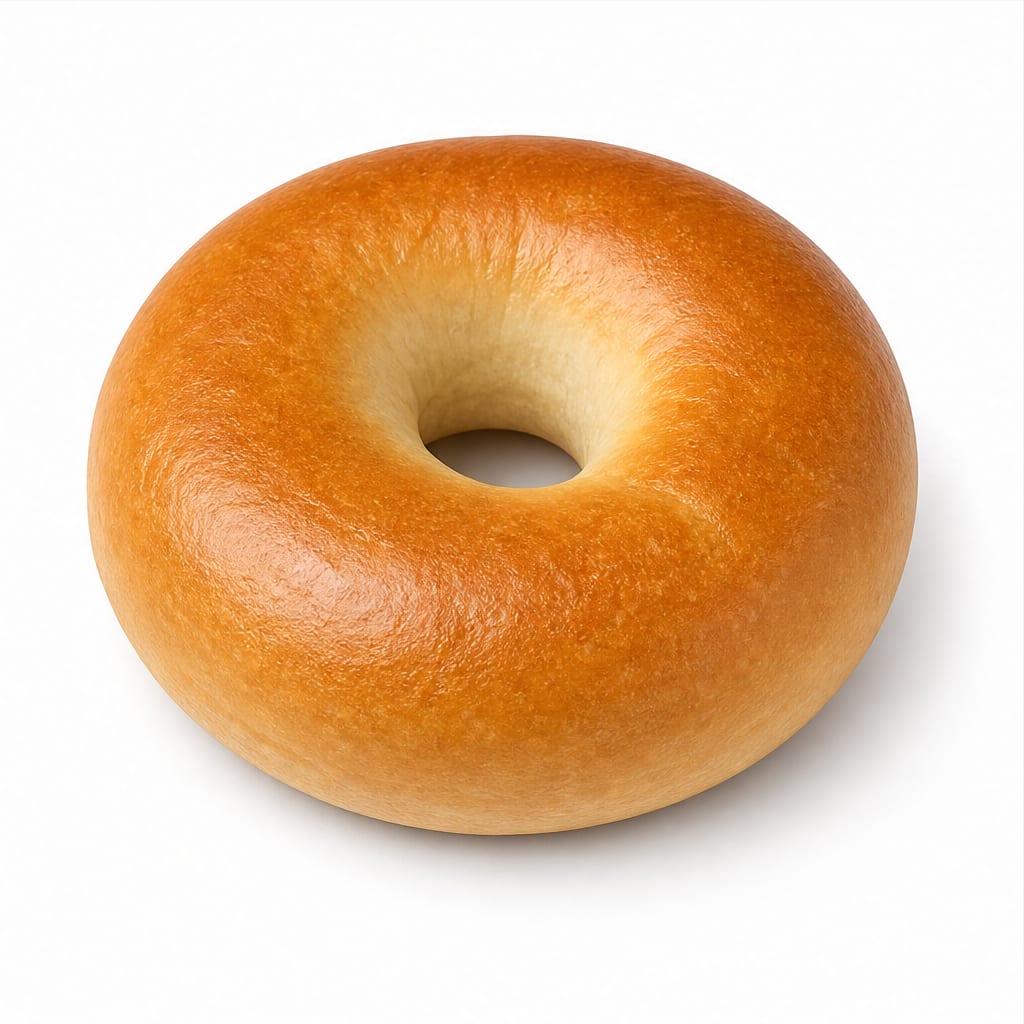
Compare with
Bagel
Bagels are lower in fat but denser in carbs, while roti canai gets a larger portion of its calories from the fat folded into the dough.
Bagels are lower in fat but dense in carbs, while roti canai gets a larger portion of its calories from folded fat.
Common questions
FAQ
Answers aligned with how people search for this food.
How many calories are in one roti canai?
A standard piece of roti canai contains about 260 to 300 calories, largely driven by the refined flour and the fat used to create the flaky layers.
Is roti canai good for weight loss?
No, its high energy density from folded fat and refined carbohydrates makes it difficult to fit into a calorie deficit without strict portion control.
Can diabetics eat roti canai?
It is not ideal for diabetics. The refined wheat flour has a high glycemic index that causes rapid blood sugar spikes, despite the fat slightly slowing digestion.
Why is roti canai so high in calories?
The flaky layers are created by folding generous amounts of ghee, margarine, or oil into the dough, which significantly increases the fat and calorie content per serving.
Is roti canai healthier than naan?
Both are refined-carb flatbreads, but roti canai often contains more fat due to the lamination process, making it slightly higher in calories than plain naan.
What is the best way to eat roti canai healthily?
Limit to one piece, pair it with a high-protein dhal or chicken curry instead of sugary drinks, and choose versions made with less oil or ghee.
Does roti canai have protein?
It contains a small amount of protein from the wheat flour, but it is not considered a high-protein food and should be paired with protein-rich sides.
Is roti canai vegan?
Traditional roti canai is often vegan as it uses margarine or vegetable oil, but some recipes use ghee (dairy), so it depends on the specific preparation.
Transparency
Data confidence
Estimated confidence for nutrition data, interpretation, safety notes, and comparisons.
Nutrition data
Health analysis
Food safety
Comparisons