
Nutrition comparison
Roti Canai vs Naan: Which Flatbread Is Healthier?
Compare Roti Canai and Naan nutrition — calories, fat, blood sugar impact, and daily eating suitability. Find out which flatbread fits your health goals better.

Roti Canai
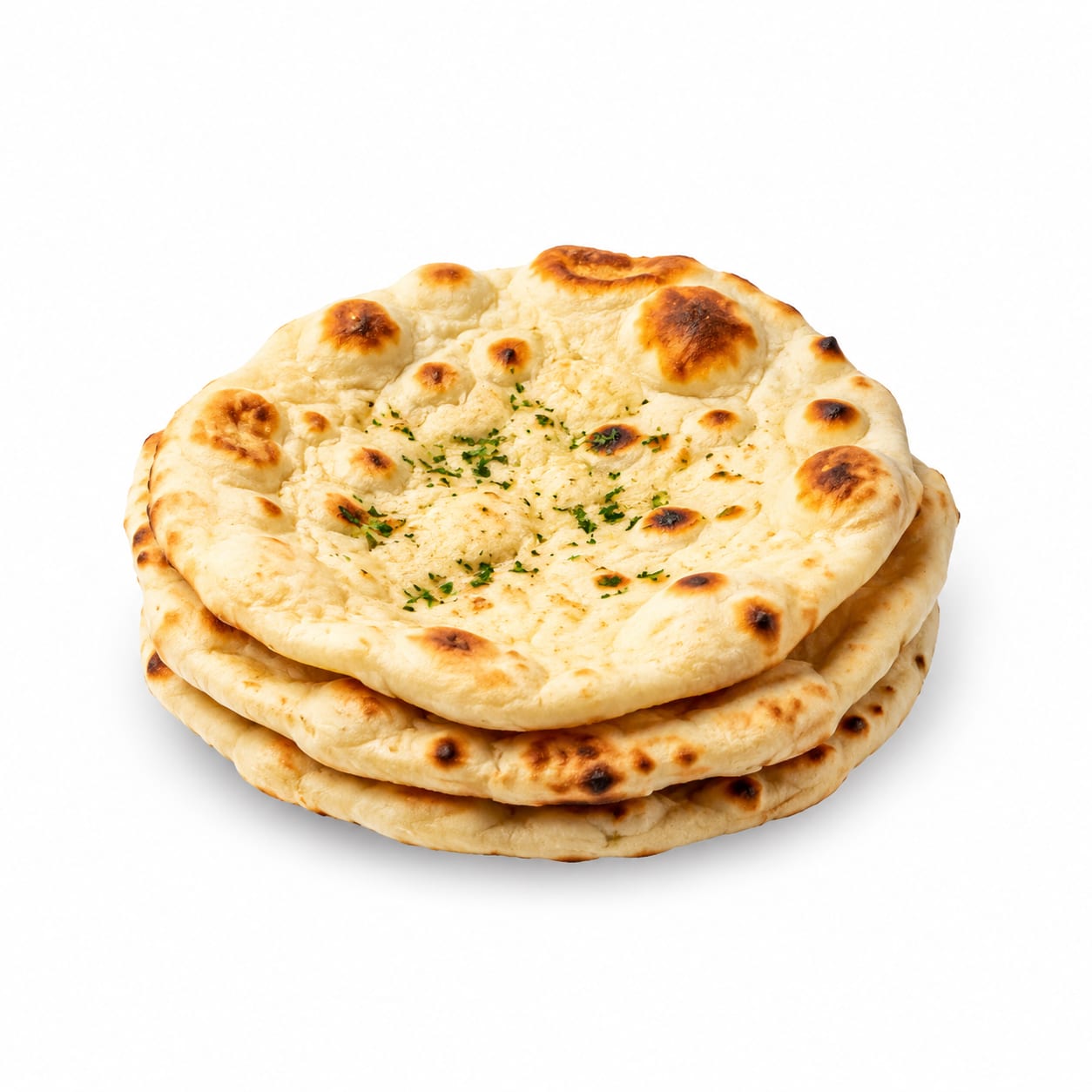
Naan
Naan is lighter and lower in fat, making it easier on daily calories. Roti Canai is richer and more indulgent but packs significantly more calories from ghee.
Naan scores moderately higher due to lower fat, slightly better protein, and easier fit into daily eating. Roti Canai's heavy ghee content pulls its score down for regular consumption, though it wins on taste satisfaction.
Flaky indulgence versus lighter everyday eating — Roti Canai's layered ghee delivers unmatched texture but at a steep calorie cost, while Naan offers a more moderate flatbread experience.
At a glance
Executive summary
Overall
It depends
Healthier
Naan
More practical
Naan
Daily use
Naan
Key comparison lenses
calorie and fat comparison
Roti Canai's layered ghee technique dramatically increases fat and calories compared to Naan, making this the most impactful tradeoff
blood sugar management
Both are refined flour flatbreads that spike blood sugar, but portion size and fat content change the glycemic response significantly
daily eating sustainability
Users choosing between these often eat them regularly as staple carbs, so long-term health impact matters more than occasional indulgence
satiety and meal satisfaction
The fat in Roti Canai slows digestion and increases fullness, while Naan's larger volume fills you up differently
practical availability
Naan is globally available at Indian restaurants and grocery stores, while Roti Canai is harder to find outside Southeast Asia
Best choice for
Roti Canai
- People wanting a rich, satisfying indulgence meal
- Those eating one flatbread as a complete carb portion with curry
- Anyone prioritizing flavor and texture over calorie control
Naan
- People watching their fat or calorie intake
- Those eating flatbread as a regular daily staple
- Anyone wanting a lighter base for heavy curries
Least suitable for
Roti Canai
- People managing heart disease or high cholesterol
- Anyone on a strict calorie deficit
- Those avoiding saturated fat
Naan
- People wanting maximum satiety from a single flatbread
- Those seeking a rich, indulgent eating experience
- Anyone looking for lower-carb options
Deep comparison
Dimension by dimension
Each lens scores both foods and breaks down who each option suits.
- Dimension 1 · Priority 92Naan
calorie_density
Roti Canai · 25Naan · 55A single Roti Canai can pack 300-350 calories from heavy ghee layering, while a standard Naan sits around 260-300 calories with less fat.
Tradeoff
Roti Canai's signature flakiness comes from generous ghee folding — you're eating layers of fat disguised as bread.
Why it matters
If you eat flatbread multiple times a week, the calorie difference compounds fast. Two Roti Canai sessions can equal three Naan sessions in calories.
Real-world impact
Choosing Naan over Roti Canai daily could save you 200-400 calories per week without changing your meal structure.
Roti Canai
- Feeling deeply satisfied from a single piece
- Getting more calories if you need them
Better for
- Easy to overeat when having two or more pieces
- Calories add up fast before you feel full from volume
Worse for
Naan
- Staying within calorie targets more easily
- Eating flatbread more frequently without guilt
Better for
- Less caloric bang per bite if you're very hungry
Worse for
- Dimension 2 · Priority 90Naan
fat_and_saturated_fat
Roti Canai · 20Naan · 50Roti Canai contains roughly 15-20g of fat per piece, mostly saturated ghee. Naan typically has 5-10g, especially if not brushed with extra butter.
Tradeoff
That irresistible flaky texture is literally fat folded into dough. Naan's softer texture comes from yogurt, not heavy fat layering.
Why it matters
Regular high saturated fat intake raises LDL cholesterol and heart disease risk. This is Roti Canai's biggest health liability.
Real-world impact
One Roti Canai can deliver half your daily saturated fat limit. Two pieces and you're over.
Roti Canai
- Fat slows digestion, giving steadier blood sugar rise
Better for
- Significant saturated fat load per serving
- Concerning for anyone with cholesterol issues
Worse for
Naan
- Much easier on your heart with regular consumption
- Less post-meal sluggishness from heavy fat loads
Better for
- Less rich mouthfeel if that's what you're craving
Worse for
- Dimension 3 · Priority 85Roti Canai
blood sugar_impact
Roti Canai · 45Naan · 35Both spike blood sugar as refined flour flatbreads, but Roti Canai's high fat content slows glucose absorption somewhat.
Tradeoff
Roti Canai causes a slower but longer-lasting blood sugar elevation. Naan causes a sharper spike that drops faster.
Why it matters
For diabetes or insulin resistance, neither is great, but the fat in Roti Canai provides a small buffering effect on the glycemic response.
Real-world impact
After Naan you might feel a quick energy surge then crash. After Roti Canai, energy rises slower but stays elevated longer.
Roti Canai
- Slower blood sugar rise due to fat slowing digestion
- Less immediate post-meal energy crash
Better for
- Extended insulin elevation from prolonged digestion
- Still a refined carb at its core
Worse for
Naan
- Shorter total blood sugar elevation window
Better for
- Sharper glycemic spike from refined flour with less fat buffer
- More likely to trigger hunger again quickly
Worse for
- Dimension 4 · Priority 65Naan
protein_content
Roti Canai · 30Naan · 45Naan typically contains yogurt and sometimes egg, providing 8-10g protein per piece. Roti Canai usually has 5-7g.
Tradeoff
Naan's yogurt base adds a small but meaningful protein boost. Roti Canai's dough is leaner on protein.
Why it matters
Neither is a protein source, but the extra 2-4g in Naan helps with satiety and slows carb absorption slightly.
Real-world impact
If your meal is light on protein, Naan contributes a bit more toward your daily target than Roti Canai would.
Roti Canai
- Essentially just flour and fat with minimal protein contribution
Worse for
Naan
- Yogurt adds functional protein and a small calcium bonus
- Better pairing with low-protein curries like dhal
Better for
- Dimension 5 · Priority 75It depends
satiety_and_fullness
Roti Canai · 60Naan · 55Roti Canai's fat content keeps you full longer, while Naan's larger volume fills your stomach more immediately.
Tradeoff
Fat-based satiety versus volume-based satiety — Roti Canai satisfies deeply but densely, Naan satisfies broadly but briefly.
Why it matters
If you tend to overeat, Roti Canai's richness may naturally limit you to one piece. Naan's lighter feel might invite seconds.
Real-world impact
One Roti Canai with curry feels like a complete meal. One Naan might leave you reaching for another.
Roti Canai
- Fat-driven fullness lasts 3-4 hours
- Richness naturally discourages overeating
Better for
- Heavy feeling can cause post-meal sluggishness
Worse for
Naan
- Volume fills stomach quickly
- Lighter feel works better in multi-course meals
Better for
- Hunger returns sooner without the fat buffer
Worse for
- Dimension 6 · Priority 60Naan
digestive_tolerance
Roti Canai · 35Naan · 55Naan's yogurt content adds beneficial cultures and makes it gentler on digestion. Roti Canai's heavy ghee can trigger bloating in sensitive people.
Tradeoff
Yogurt-fermented dough versus ghee-heavy dough — your gut generally prefers the former.
Why it matters
If you have IBS, gallbladder issues, or fat sensitivity, Roti Canai is much more likely to cause discomfort.
Real-world impact
After Roti Canai, you might feel heavy or bloated for hours. Naan digests more comfortably for most people.
Roti Canai
- High ghee content triggers bloating in fat-sensitive individuals
- Heavy meals can cause sluggish digestion
Worse for
Naan
- Yogurt cultures aid digestion
- Lower fat means less gallbladder stress
- Better tolerated by people with fat sensitivity
Better for
Timeline
Health impact over time
Short-term
Hours to days
Roti Canai
- Post-meal heaviness and possible bloating from high fat content
- Slower energy onset but longer-lasting fuel
- Higher likelihood of food coma after large servings
Naan
- Quick energy from easily digested refined carbs
- Lighter stomach feel after eating
- Possible hunger return within 2 hours if eaten alone
Long-term
Months to years
Roti Canai
- Regular consumption increases saturated fat intake significantly, raising cardiovascular risk
- Higher calorie density contributes to gradual weight gain if eaten frequently
- The fat slows carb absorption, offering a modest metabolic advantage over pure sugar spikes
Naan
- More sustainable as a daily staple due to lower fat and calorie load
- Refined flour still poses metabolic concerns with frequent consumption
- Yogurt content provides minor probiotic and calcium benefits over time
Risk profile
Safety & processing
Both are traditionally made with simple ingredients — flour, fat, water, and leavening. Roti Canai uses ghee and sometimes egg, while Naan uses yogurt and yeast. Neither typically contains artificial preservatives when made fresh. The processing concern is the refined flour itself, not additives.
Roti Canai
ghee_quality_concerns
mediumCommercial Roti Canai sometimes uses cheap vegetable ghee with trans fats instead of pure ghee, which significantly increases health risks
reused_oil_exposure
mediumStreet vendors often reuse cooking oil for flatbread preparation, creating oxidized fats and potential carcinogens
Naan
dairy_contamination
lowNaan contains yogurt, posing a risk for those with dairy allergies or lactose intolerance, though cooking reduces lactose significantly
commercial_preservatives
lowStore-bought Naan may contain preservatives like calcium propionate, though fresh restaurant Naan typically does not
Who wins for whom
Audience fit
Same foods, different winners depending on your goal.
children
NaanNaan is easier for small stomachs to digest and the yogurt content adds a touch of calcium. Roti Canai's heavy fat can overwhelm kids' digestion.
daily consumption
NaanNaan's lighter nutritional profile makes it more sustainable as a daily staple. Roti Canai is better treated as a weekly indulgence.
diabetes
It dependsNeither is ideal, but Roti Canai's fat slows sugar absorption while Naan's lower calorie load helps with weight management. The better choice depends on whether blood sugar spikes or weight control is the bigger priority.
elderly
NaanOlder adults need to watch saturated fat and calorie density more carefully. Naan is gentler on aging digestive systems and cardiovascular health.
muscle gain
NaanNaan provides slightly more protein from yogurt and more carbs for glycogen replenishment, making it a marginally better post-workout carb source.
weight loss
NaanNaan's lower calorie and fat content makes it easier to fit into a calorie deficit. Roti Canai's density works against portion control.
Your move
Decision guide
Choose Roti Canai
- You're eating one flatbread as a treat and want maximum satisfaction
- Heart health is not a current concern for you
- You need something that keeps you full for hours without snacking
- You're eating Southeast Asian cuisine and want the authentic experience
Choose Naan
- You eat flatbread multiple times per week
- You're watching your weight, cholesterol, or fat intake
- You want a lighter base that lets the curry flavors shine
- You have digestive sensitivity to high-fat meals
Either works if
- You're eating it occasionally as part of a balanced meal with vegetables and lean protein
- You have no specific health restrictions
Avoid both if
- You have celiac disease or gluten intolerance
- You're on a strict low-carb or ketogenic diet
- You're managing severe diabetes and need to minimize refined flour entirely
Final recommendation
Make Naan your everyday flatbread and save Roti Canai for when you truly want that indulgent, flaky experience. If you love Roti Canai, limit it to once a week and pair it with a lighter curry to balance the fat load. For daily eating, Naan's lower fat and calorie profile is simply more sustainable.
Practical
Consumer tips
- 1
Ask for Roti Canai made with pure ghee instead of vegetable ghee — it tastes better and avoids trans fats
- 2
Choose tandoori Naan over butter Naan to skip the extra fat brushing
- 3
If watching calories, share one Roti Canai instead of eating a whole one — a few bites deliver the full experience
- 4
Pair either flatbread with protein-rich curries like chicken or lentils to blunt the blood sugar spike
- 5
Look for whole wheat Naan at grocery stores — it adds fiber and reduces the glycemic impact noticeably
- 6
Avoid ordering garlic Naan at restaurants — the garlic butter layer adds hidden calories and saturated fat