
Nutrition comparison
Roti Canai vs Flour Tortilla: Which Flatbread Is Healthier?
Compare Roti Canai and Flour Tortilla on calories, fat, processing, and daily practicality. Find out which flatbread fits your health goals and lifestyle.
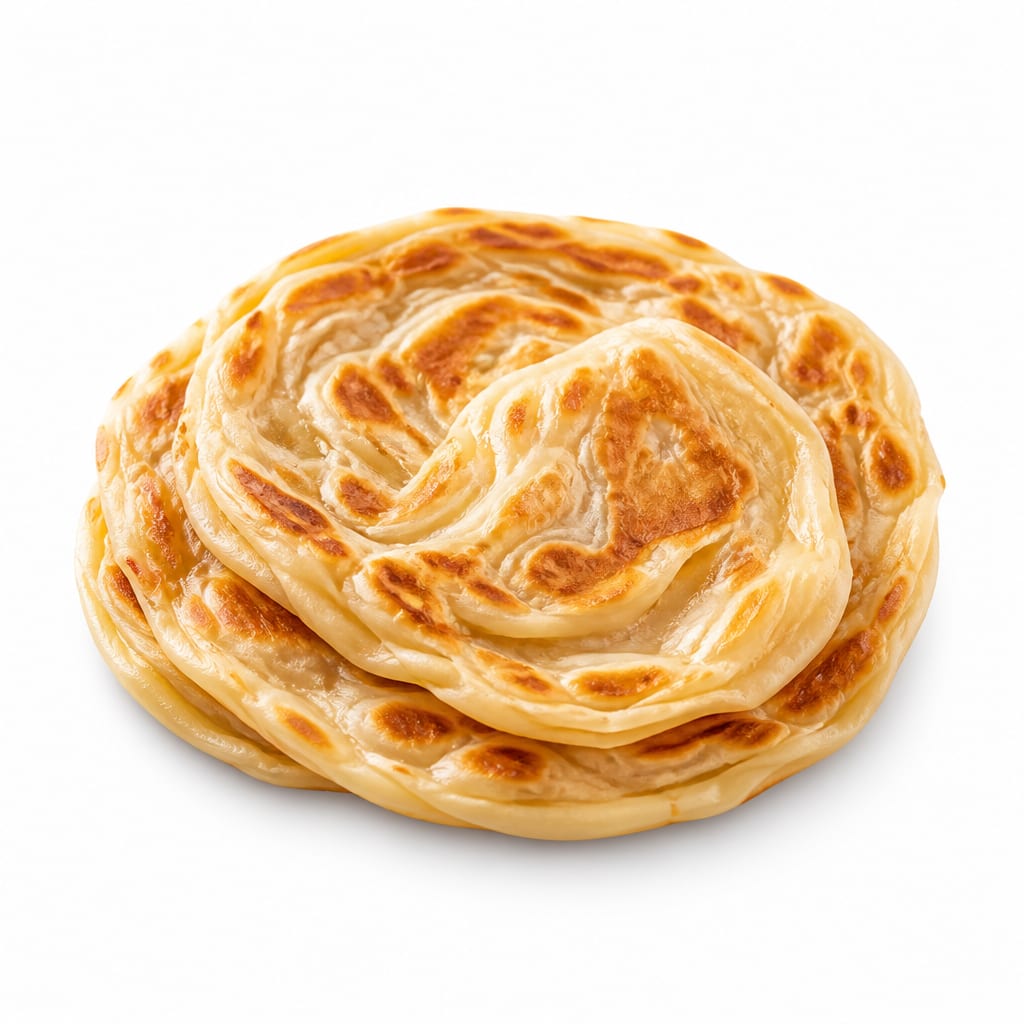
Roti Canai
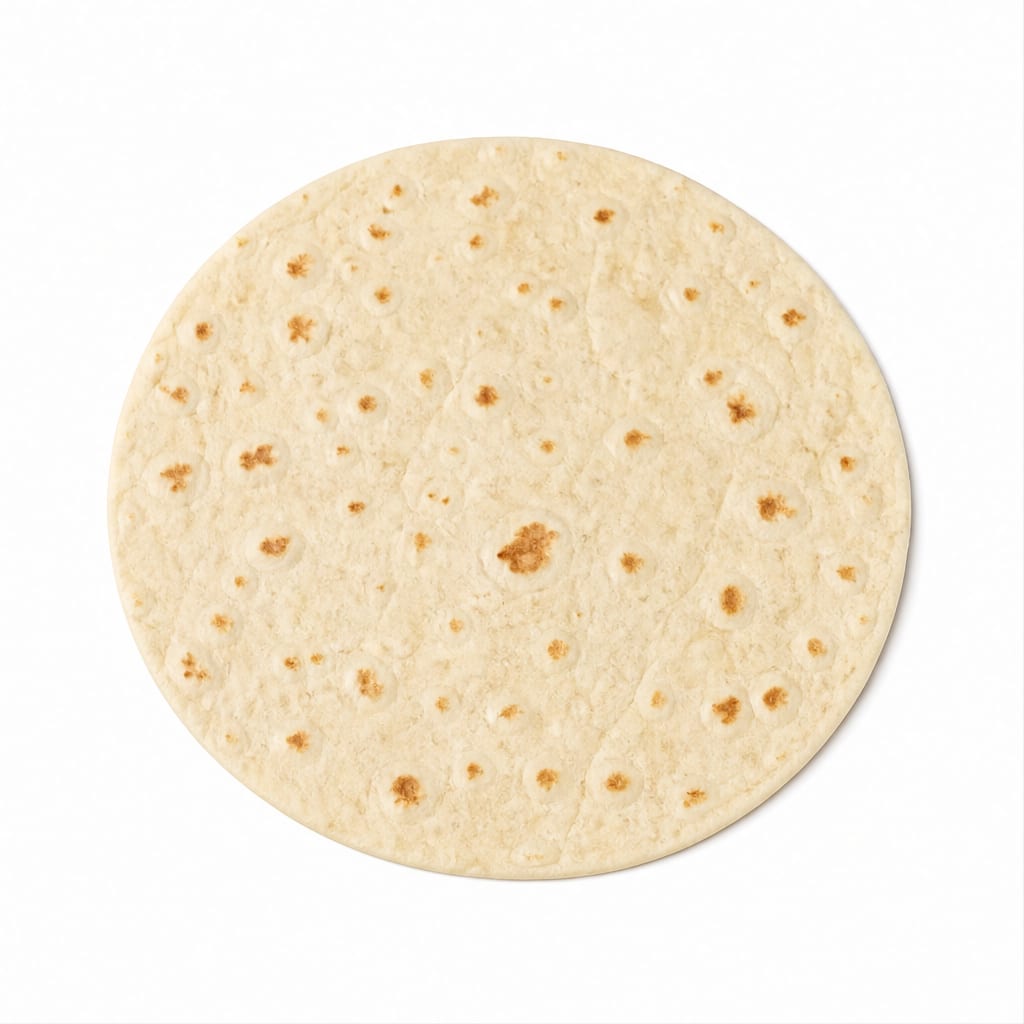
Flour Tortilla
Roti Canai is richer and more satisfying but far more calorie-dense. Flour Tortillas are leaner and more convenient but often more processed.
Flour Tortillas score higher mainly due to lower calorie density and everyday practicality. Roti Canai loses ground on fat and calorie load but wins on freshness and ingredient simplicity when made traditionally.
Flavor and satiety from ghee-rich Roti Canai versus lower calories and convenience from Flour Tortillas
At a glance
Executive summary
Overall
It depends
Healthier
Flour Tortilla
More practical
Flour Tortilla
Daily use
Flour Tortilla
Key comparison lenses
calorie and fat comparison
Roti Canai is significantly more calorie-dense due to generous ghee or oil used for layering, while Flour Tortillas are leaner
processing and additives
Store-bought Flour Tortillas often contain preservatives and dough conditioners, whereas Roti Canai is typically made fresh with simple ingredients
blood sugar impact
Both are refined wheat flatbreads with similar glycemic concerns, but fat content in Roti Canai slightly slows glucose absorption
everyday versatility
Flour Tortillas are more convenient for meal prep and wraps, while Roti Canai is usually a restaurant or fresh-prep item
satiety and fullness
Higher fat in Roti Canai provides more immediate satiety but at a steep calorie cost
Best choice for
Roti Canai
- People seeking a satisfying, indulgent meal
- Those eating fresh-cooked food with minimal additives
- Anyone wanting a traditional accompaniment to curries and dhal
Flour Tortilla
- People tracking calories or managing weight
- Meal preppers needing a versatile wrap base
- Anyone wanting a quick everyday staple with lower fat
Least suitable for
Roti Canai
- People on low-calorie or low-fat diets
- Those who need a quick grab-and-go option
- Anyone watching saturated fat intake closely
Flour Tortilla
- People avoiding ultra-processed store-bought breads
- Those seeking rich, satisfying flavor from natural fats
- Anyone sensitive to commercial preservatives or dough conditioners
Deep comparison
Dimension by dimension
Each lens scores both foods and breaks down who each option suits.
- Dimension 1 · Priority 92Flour Tortilla
calorie_density
Roti Canai · 30Flour Tortilla · 65A single Roti Canai packs roughly 300-350 calories, while a medium Flour Tortilla sits around 150-200 calories.
Tradeoff
Roti Canai delivers more flavor and mouthfeel per piece, but you pay a heavy calorie price for it.
Why it matters
If you eat two Roti Canai with curry, you can easily hit 700+ calories before counting the sauce. That matters for anyone watching intake.
Real-world impact
Choosing Flour Tortillas for a weekday lunch wrap keeps the base under 200 calories, leaving room for protein and veggies without overshooting.
Roti Canai
- Those who eat one piece as a treat and stop
- High-activity individuals who burn through calories
Better for
- Consistent overeaters who find it hard to stop at one
- Sedentary snackers
Worse for
Flour Tortilla
- Weight-conscious eaters
- Anyone building balanced plate meals
Better for
- Those who eat multiple tortillas thinking they are light
Worse for
- Dimension 2 · Priority 88Flour Tortilla
fat_and_saturated_fat
Roti Canai · 25Flour Tortilla · 60Roti Canai gets its signature flakiness from generous ghee or oil, pushing saturated fat to 8-12g per piece. Flour Tortillas typically contain 3-5g total fat.
Tradeoff
The ghee in Roti Canai creates an irresistible texture but adds significant saturated fat. Flour Tortillas use less fat overall, though commercial versions may use vegetable shortening.
Why it matters
Regular high saturated fat intake raises LDL cholesterol over time. This is a meaningful concern if Roti Canai is a frequent meal.
Real-world impact
Eating Roti Canai three times a week could add 30-36g of saturated fat weekly from the bread alone, before counting curry or dhal.
Roti Canai
- Those using ghee in moderation who value traditional preparation
- People on keto-style higher-fat diets
Better for
- People with high cholesterol
- Those already exceeding daily saturated fat limits
Worse for
Flour Tortilla
- Heart-health-conscious eaters
- Anyone following low-saturated-fat guidelines
Better for
- Anyone assuming all Flour Tortillas are low-fat without checking labels
Worse for
- Dimension 3 · Priority 85Roti Canai
processing_and_additives
Roti Canai · 72Flour Tortilla · 40Traditional Roti Canai uses just flour, water, ghee, and salt. Store-bought Flour Tortillas often list preservatives, dough conditioners, and emulsifiers.
Tradeoff
Roti Canai wins on ingredient simplicity but is rarely available pre-made without quality loss. Flour Tortillas win on convenience but carry a processing cost.
Why it matters
Preservatives like calcium propionate and dough conditioners like mono- and diglycerides are generally recognized as safe, but frequent consumption of ultra-processed foods is linked to poorer health outcomes.
Real-world impact
A freshly flipped Roti Canai at a stall has maybe four ingredients. A packaged Flour Tortilla can have ten or more, including ones you would never use at home.
Roti Canai
- Clean-eating advocates
- Those who prioritize whole, recognizable ingredients
Better for
- Anyone who cannot access fresh preparation
- People relying on frozen Roti Canai which may also contain additives
Worse for
Flour Tortilla
- People with no time to cook who need shelf-stable options
Better for
- Those avoiding emulsifiers and preservatives
- People concerned about cumulative ultra-processed food intake
Worse for
- Dimension 4 · Priority 78It depends
blood_sugar_stability
Roti Canai · 48Flour Tortilla · 45Both are refined wheat flatbreads that spike blood sugar. Roti Canai's higher fat slightly slows absorption, but not enough to call it a win.
Tradeoff
Neither is a good choice for steady energy on its own. Both need protein and fiber pairings to blunt the glucose response.
Why it matters
Eating either flatbread solo leads to a quick rise and crash. The difference between them is marginal compared to the difference between eating them alone versus with balanced toppings.
Real-world impact
A Flour Tortilla wrap with chicken and veggies causes a gentler blood sugar curve than a Roti Canai with sweetened curry, regardless of the bread itself.
Roti Canai
- Situations where the accompanying curry or dhal adds protein and fiber
Better for
- Eating Roti Canai plain as a snack
Worse for
Flour Tortilla
- Wraps loaded with protein and vegetables
Better for
- Eating a plain tortilla or one with just cheese
Worse for
- Dimension 5 · Priority 75Flour Tortilla
convenience_and_versatility
Roti Canai · 35Flour Tortilla · 82Flour Tortillas are available everywhere, store well, and work for wraps, quesadillas, and quick meals. Roti Canai requires fresh preparation or frozen versions that lose texture.
Tradeoff
Flour Tortillas trade authenticity and freshness for unmatched everyday utility. Roti Canai demands effort or a restaurant visit.
Why it matters
The food you can actually use daily beats the food that is technically better but impractical. Consistency matters more than perfection.
Real-world impact
On a busy Tuesday, grabbing a Flour Tortilla for a 5-minute wrap is realistic. Making Roti Canai from scratch takes 30-45 minutes of resting and flipping.
Roti Canai
- Weekend cooking projects
- Special meals where the bread is the star
Better for
- Last-minute meal needs
- Anyone without access to fresh Roti Canai stalls
Worse for
Flour Tortilla
- Busy professionals
- Meal preppers
- Families needing quick dinner solutions
Better for
- Dinners where tortilla texture feels out of place culturally
Worse for
- Dimension 6 · Priority 70Roti Canai
satiety_and_satisfaction
Roti Canai · 75Flour Tortilla · 50The rich fat content and dense texture of Roti Canai make it deeply satisfying per piece. Flour Tortillas feel lighter and less filling on their own.
Tradeoff
Roti Canai satisfies quickly but at a high calorie cost. Flour Tortillas leave you hungrier sooner unless you load them with filling ingredients.
Why it matters
Satiety per calorie matters more than satiety per piece. Roti Canai fills you up but spends a lot of calories doing it.
Real-world impact
One Roti Canai with curry feels like a complete, comforting meal. One Flour Tortilla alone feels like you forgot the rest of lunch.
Roti Canai
- Those who eat slowly and savor one serving
- Comfort food seekers
Better for
- Anyone who finds one piece too tempting to stop at
Worse for
Flour Tortilla
- People who prefer building satiety through protein and fiber toppings rather than fat
Better for
- Those who eat a wrap and feel hungry an hour later
Worse for
Timeline
Health impact over time
Short-term
Hours to days
Roti Canai
- Quick satiety from high fat content
- Possible sluggishness after a heavy meal due to calorie and fat density
- Blood sugar spike moderated slightly by ghee but still significant
Flour Tortilla
- Lighter feeling after eating compared to Roti Canai
- Blood sugar spike if eaten without protein or fiber pairings
- Less immediate fullness, which may trigger overeating if portions are not managed
Long-term
Months to years
Roti Canai
- Higher saturated fat intake may raise LDL cholesterol with frequent consumption
- Calorie density contributes to weight gain if eaten regularly without portion control
- Minimal additive exposure when made traditionally
Flour Tortilla
- Lower calorie and fat burden supports weight maintenance with regular use
- Cumulative exposure to preservatives and emulsifiers from commercial varieties
- Refined carbohydrate base contributes to insulin resistance risk if overconsumed
Risk profile
Safety & processing
Traditional Roti Canai uses simple pantry ingredients with no additives. Packaged Flour Tortillas frequently contain preservatives like calcium propionate, dough conditioners, and added sugars. Homemade Flour Tortillas close this gap, but most people eat the store-bought version.
Roti Canai
ghee quality and oxidation
lowStall-prepared Roti Canai may use repeatedly heated ghee or oil, which can form harmful compounds over time. This is more a concern at high-volume stalls than home preparation.
hygiene at street stalls
mediumRoti Canai is often prepared in open-air stalls where hygiene standards vary. Contamination risk depends heavily on the specific vendor.
Flour Tortilla
preservative sensitivity
lowCalcium propionate and other preservatives in commercial Flour Tortillas may cause mild digestive discomfort in sensitive individuals.
trans fat from shortening
mediumSome cheaper Flour Tortillas still use partially hydrogenated oils. Always check labels for trans fat, even if listed as zero grams per serving.
Who wins for whom
Audience fit
Same foods, different winners depending on your goal.
children
Flour TortillaFlour Tortillas are easier to portion, less greasy, and more versatile for kid-friendly wraps. Roti Canai's high fat and calorie load is excessive for small appetites.
daily consumption
Flour TortillaFlour Tortillas fit more easily into a daily routine with lower calorie and fat impact. Roti Canai is better reserved as an occasional indulgence.
diabetes
It dependsNeither is ideal alone. Both spike blood sugar. The better choice depends entirely on what you pair them with. Roti Canai's fat slightly slows absorption, but Flour Tortillas allow better portion control.
elderly
Flour TortillaLower saturated fat and easier portion control make Flour Tortillas gentler on aging cardiovascular systems. Soft texture is comparable for both.
muscle gain
Flour TortillaFlour Tortillas are easier to pair with high-protein fillings like chicken or beans while keeping total calories manageable for a structured eating plan.
weight loss
Flour TortillaFlour Tortillas provide a lower-calorie base for meals, making it easier to stay within daily targets. Roti Canai's calorie density works against consistent weight loss.
Your move
Decision guide
Choose Roti Canai
- You want a deeply satisfying, traditional meal and are okay with the calorie cost
- Fresh preparation with minimal additives matters more to you than convenience
- You are eating it as a complete experience with curry or dhal, not as a neutral base
Choose Flour Tortilla
- You need a versatile, everyday flatbread that works for wraps, quesadillas, and quick meals
- Calorie and fat intake are daily concerns for you
- You want something shelf-stable and easy to keep on hand
Either works if
- You pair either flatbread with plenty of protein, vegetables, and fiber
- You only eat flatbreads occasionally and portion size is not a concern
Avoid both if
- You have celiac disease or gluten intolerance
- You are following a low-carb or ketogenic diet
- You need a low-glycemic carbohydrate source for blood sugar management
Final recommendation
For everyday eating, Flour Tortillas are the more practical and calorie-conscious choice. Save Roti Canai for when you want something truly special and satisfying. Neither should be a dietary staple on its own — both need protein and vegetable pairings to become a balanced meal.
Practical
Consumer tips
- 1
Check Flour Tortilla labels for partially hydrogenated oils and choose brands with simple ingredient lists
- 2
If buying frozen Roti Canai, read the ingredient panel — some brands add preservatives that negate the freshness advantage
- 3
Pair either flatbread with a protein-rich filling or side to reduce blood sugar spikes
- 4
Limit Roti Canai to once or twice a week if you are watching your weight or cholesterol
- 5
For the best of both worlds, make homemade Flour Tortillas with just flour, water, salt, and a small amount of olive oil
- 6
Avoid eating either flatbread on its own as a snack — the refined carbs will leave you hungry again within an hour