
Nutrition comparison
Roti Canai vs Paratha: Which Flatbread Is Healthier for Daily Eating?
Compare Roti Canai and Paratha nutrition, calories, fiber, and blood sugar impact. Find out which flatbread is better for weight loss, diabetes, and daily breakfast.
Overall winner · Paratha
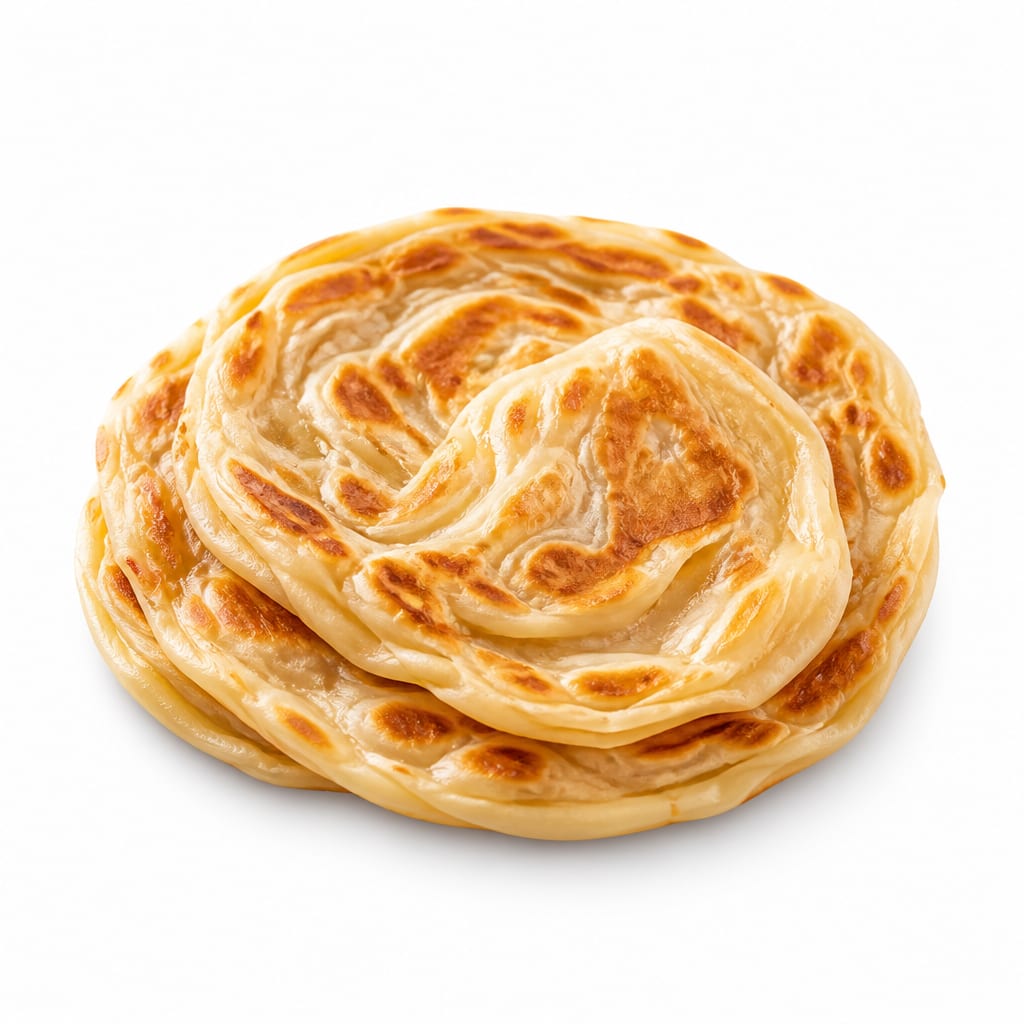
Roti Canai
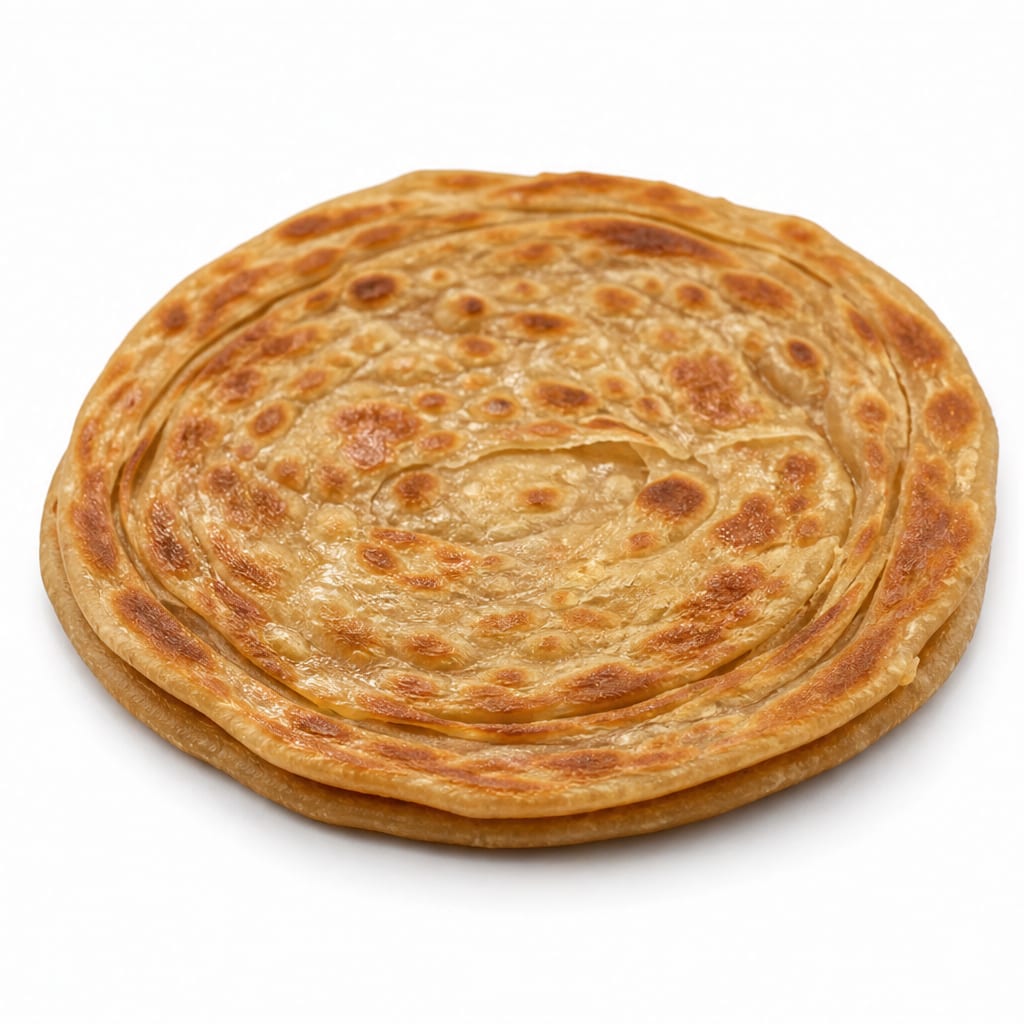
Paratha
Paratha edges ahead thanks to whole wheat flour providing more fiber and steadier energy, but both are heavy flatbreads best enjoyed in moderation.
Paratha scores noticeably higher due to whole wheat flour offering more fiber, slower digestion, and better satiety. Roti Canai loses ground from refined flour and typically higher fat content, though both are calorie-dense indulgent breads that should be moderated.
Roti Canai delivers a crispier, more indulgent experience but spikes blood sugar faster, while paratha keeps you fuller longer with better nutritional value.
At a glance
Executive summary
Overall
Paratha
Healthier
Paratha
More practical
It depends
Daily use
Paratha
Key comparison lenses
refined vs whole grain flour impact on blood sugar and fiber
Roti Canai uses all-purpose flour (maida) while traditional paratha uses whole wheat flour (atta), creating a major nutritional divergence
fat content and calorie density from ghee/oil layering
Both rely heavily on fat for their flaky texture, but Roti Canai's preparation typically demands more oil for its signature crispiness
daily breakfast suitability and long-term health effects
Both are staple breakfast items in their respective cultures, so frequent consumption makes their nutritional differences matter more
satiety and energy stability after eating
The flour type difference directly affects how long you stay full and whether you experience an energy crash
versatility and nutritional upgrade potential
Paratha can be stuffed with vegetables or paneer, while Roti Canai is almost always eaten plain with dips
Best choice for
Roti Canai
- Craving a crispy, flaky treat with curry or dhal
- Occasional indulgence at a Malaysian restaurant
- Quick energy before intense physical activity
- People who prefer lighter, airier bread texture
Paratha
- Daily breakfast that keeps you full until lunch
- Adding vegetable or protein fillings for a complete meal
- Managing blood sugar while still enjoying bread
- Families wanting a more nutritious flatbread option
Least suitable for
Roti Canai
- People managing diabetes or insulin resistance
- Anyone tracking calories closely
- Those avoiding refined flour
- Daily breakfast eaters seeking steady energy
Paratha
- People on strict low-calorie or low-fat diets
- Those with wheat intolerance or gluten sensitivity
- Anyone wanting a light, non-greasy meal
Deep comparison
Dimension by dimension
Each lens scores both foods and breaks down who each option suits.
- Dimension 1 · Priority 93Paratha
Blood Sugar Stability
Roti Canai · 25Paratha · 55Paratha's whole wheat base digests more slowly, while Roti Canai's refined flour causes a faster glucose spike.
Tradeoff
You trade the lighter, crispier texture of Roti Canai for more stable energy with paratha.
Why it matters
A breakfast that spikes blood sugar often leads to a mid-morning crash and renewed hunger.
Real-world impact
After Roti Canai, you may feel hungry again within 2 hours. Paratha can comfortably carry you 3-4 hours.
Roti Canai
- Pre-workout fuel when quick energy is actually wanted
Better for
- Sedentary mornings with no activity to use the glucose surge
Worse for
Paratha
- Office workers who cannot snack between meals
- People with prediabetes or metabolic syndrome
- Anyone tired of the 10:30 AM energy crash
Better for
- Athletes needing rapid carbohydrate availability right before training
Worse for
- Dimension 2 · Priority 88Paratha
Fiber and Digestive Health
Roti Canai · 15Paratha · 50Whole wheat paratha provides meaningful fiber; Roti Canai's refined flour offers almost none.
Tradeoff
Paratha supports gut health and regularity, while Roti Canai contributes virtually no dietary fiber.
Why it matters
Fiber isn't just about digestion — it also feeds gut bacteria and helps control cholesterol.
Real-world impact
Regular paratha eaters get a small but real fiber boost. Roti Canai relies entirely on side dishes for any fiber intake.
Roti Canai
- Moments when a light, non-filling bread is preferred alongside rich curries
Better for
- Those already low on daily fiber intake
Worse for
Paratha
- People struggling with constipation or irregular digestion
- Anyone not eating enough vegetables and needing fiber from other sources
Better for
- People with irritable bowel syndrome who may be sensitive to wheat fiber
Worse for
- Dimension 3 · Priority 85Paratha
Calorie and Fat Density
Roti Canai · 30Paratha · 42Both are calorie-dense, but Roti Canai typically packs more fat per piece due to generous oiling during preparation.
Tradeoff
Roti Canai's signature flakiness comes from more fat folded into the dough, making it harder to justify as a regular choice.
Why it matters
An extra 100-150 calories per piece adds up fast when eaten daily.
Real-world impact
Two pieces of Roti Canai can easily hit 500+ calories before adding any curry. A paratha with similar satisfaction may run 350-400.
Roti Canai
- When you only plan to eat one piece and want maximum indulgence
Better for
- Anyone tracking calories or trying to lose weight
Worse for
Paratha
- Calorie-conscious eaters who still want satisfying bread
- People who eat multiple pieces and need to watch the total
Better for
- Those who add extra ghee on top, which erases the calorie advantage
Worse for
- Dimension 4 · Priority 78Paratha
Versatility and Nutritional Upgrade Potential
Roti Canai · 20Paratha · 65Paratha can be stuffed with spinach, potato, paneer, or lentils, turning it into a more complete meal. Roti Canai is almost always plain.
Tradeoff
A stuffed paratha can deliver protein, vitamins, and minerals alongside carbs. Roti Canai's nutritional profile depends entirely on what you dip it in.
Why it matters
A single food that combines carbs, protein, and vegetables saves time and improves meal quality.
Real-world impact
An aloo paratha with yogurt is a balanced meal. Roti Canai with dhal is fine, but the bread itself contributes nothing beyond calories.
Roti Canai
- Purists who want bread as a neutral vessel for flavorful curries
Better for
- People eating bread as a standalone meal without sides
Worse for
Paratha
- Busy people needing one-item meals
- Parents trying to sneak vegetables into kids' food
- Anyone wanting protein in their bread choice
Better for
- Those who prefer bread not to be the main event
Worse for
- Dimension 5 · Priority 72Roti Canai
Taste and Satisfaction
Roti Canai · 82Paratha · 72Roti Canai's shatteringly crisp exterior and soft layers make it more immediately satisfying as a treat.
Tradeoff
The very fat that makes Roti Canai so delicious is what makes it less suitable for regular consumption.
Why it matters
Enjoyment matters for dietary sustainability — food that feels like a punishment rarely lasts as a habit.
Real-world impact
Roti Canai feels like a weekend reward. Paratha feels like a solid, comforting daily bread.
Roti Canai
- Special occasions and restaurant outings
- When only the flakiest, crispiest bread will do
Better for
- Those who find greasy textures off-putting in the morning
Worse for
Paratha
- Everyday eating where comfort matters more than excitement
- People who find very greasy bread unappealing
Better for
- Diners seeking that specific crispy, flaky indulgence
Worse for
- Dimension 6 · Priority 82Paratha
Satiety and Fullness Duration
Roti Canai · 35Paratha · 60Paratha's fiber and denser texture keep hunger away longer, while Roti Canai digests quickly and leaves you wanting more.
Tradeoff
Roti Canai feels lighter in the moment but fails to sustain you. Paratha feels heavier but works harder for you.
Why it matters
A breakfast that fails to satiate leads to overeating later in the day.
Real-world impact
After Roti Canai, you are likely snacking by 10 AM. After paratha, lunch can wait.
Roti Canai
- Before a heavy lunch where you do not want to be too full
Better for
- People prone to overeating when they feel hungry again quickly
Worse for
Paratha
- Long work shifts without break access
- Students who cannot snack during class
- Anyone trying to reduce between-meal snacking
Better for
- Those who feel uncomfortably stuffed after heavy bread
Worse for
Timeline
Health impact over time
Short-term
Hours to days
Roti Canai
- Quick energy surge followed by a blood sugar dip within 1-2 hours
- Light initial feeling in the stomach that gives way to renewed hunger
- Possible sluggishness after the glucose crash, especially with sedentary activity
Paratha
- Steadier energy release over 3-4 hours without sharp crashes
- Heavier fullness that may feel uncomfortable if overeaten
- More stable mood and focus through the morning
Long-term
Months to years
Roti Canai
- Regular consumption of refined flour may increase risk of insulin resistance
- Higher cumulative calorie intake from fat may contribute to weight gain
- Virtually no fiber contribution to long-term gut health
Paratha
- Whole wheat fiber supports cardiovascular health and cholesterol management
- Better blood sugar patterns reduce long-term metabolic disease risk
- Fiber promotes healthier gut microbiome diversity over time
Risk profile
Safety & processing
Both are traditional foods made from simple ingredients. The key difference is that Roti Canai uses refined flour stripped of its bran and germ, while paratha retains the whole grain. Neither typically contains artificial additives when made traditionally, though commercial Roti Canai may include dough conditioners.
Roti Canai
High-temperature oil reuse in street stalls
mediumMany Roti Canai stalls reuse cooking oil extensively, creating oxidized compounds that may be inflammatory and potentially harmful with frequent exposure.
Aluminum contamination from flat griddle
lowProlonged contact with aluminum cooking surfaces may leach small amounts into the bread, though the health significance is debated.
Paratha
Acrylamide formation from high-heat cooking
lowWhole wheat flour cooked at high temperatures can form small amounts of acrylamide, though the levels in paratha are generally modest compared to deep-fried foods.
Excess ghee with saturated fat
lowHomemade paratha with controlled ghee amounts poses minimal risk, but restaurant versions may use more than expected.
Who wins for whom
Audience fit
Same foods, different winners depending on your goal.
children
ParathaParatha can be stuffed with vegetables or paneer, making it easier to sneak in nutrients. The fiber also supports healthy digestion in growing kids.
daily consumption
ParathaParatha's whole wheat base and better satiety profile make it more sustainable as a daily bread, while Roti Canai is better reserved as an occasional treat.
diabetes
ParathaWhole wheat paratha causes a slower, more manageable blood sugar rise. Roti Canai's refined flour is essentially a glucose spike waiting to happen.
elderly
ParathaOlder adults benefit more from the fiber in paratha for digestion and the slower energy release for stable blood sugar, though both should be eaten in moderation due to fat content.
muscle gain
It dependsNeither is a protein-rich choice. Roti Canai provides faster carbs post-workout, but a stuffed paratha with paneer delivers protein alongside carbs.
weight loss
ParathaParatha's fiber content and greater satiety help control overall calorie intake throughout the day, while Roti Canai's refined carbs and higher fat density make portion control harder.
Your move
Decision guide
Choose Roti Canai
- You are at a Malaysian restaurant and want the authentic experience
- You need quick carbohydrates before a physically demanding activity
- You are eating it as a rare indulgence, not a daily habit
- You pair it with a high-protein or high-fiber curry that offsets the blood sugar spike
Choose Paratha
- You want a daily breakfast bread that sustains you through the morning
- You are managing blood sugar, weight, or metabolic health
- You enjoy adding fillings like aloo, gobi, or paneer for a complete meal
- Whole grain nutrition matters to you even in indulgent foods
Either works if
- You only eat flatbreads occasionally and the nutritional difference is negligible
- You are pairing with a very light meal and want the bread to be the main calorie source
- You have no specific health concerns and simply prefer based on taste
Avoid both if
- You are on a strict low-carb or ketogenic diet
- You have celiac disease or severe gluten intolerance
- You are closely managing calorie intake for weight loss and cannot afford 300-500 calories from bread alone
- You have high triglycerides and need to limit refined carbohydrates and saturated fat simultaneously
Final recommendation
Make paratha your everyday flatbread and save Roti Canai for special occasions. The whole wheat difference is not trivial — it meaningfully changes how your body processes the meal. When you do eat Roti Canai, pair it with a protein-rich dhal or egg curry to blunt the blood sugar spike, and limit yourself to one piece.
Practical
Consumer tips
- 1
Ask for paratha made with less ghee — you can often cut 80-100 calories per piece without losing much flavor
- 2
If eating Roti Canai, choose stalls that appear to use fresh oil rather than dark, reused oil
- 3
Pair either bread with a protein source like yogurt, dhal, or eggs to improve the overall glycemic profile of the meal
- 4
Stuff paratha with finely chopped spinach or grated vegetables to boost nutrition without much extra effort
- 5
Freeze homemade paratha dough in portions for quick weekday breakfasts that are still better than store-bought Roti Canai
- 6
Limit either flatbread to one piece per meal and fill the rest of your plate with vegetables and protein