
Nutrition comparison
Roti Canai vs Whole Wheat Bread: Which Is Healthier for Daily Eating?
Compare Roti Canai and Whole Wheat Bread on calories, fiber, blood sugar impact, and daily practicality. Find out which carb staple better fits your health goals.
Overall winner · Whole Wheat Bread

Roti Canai
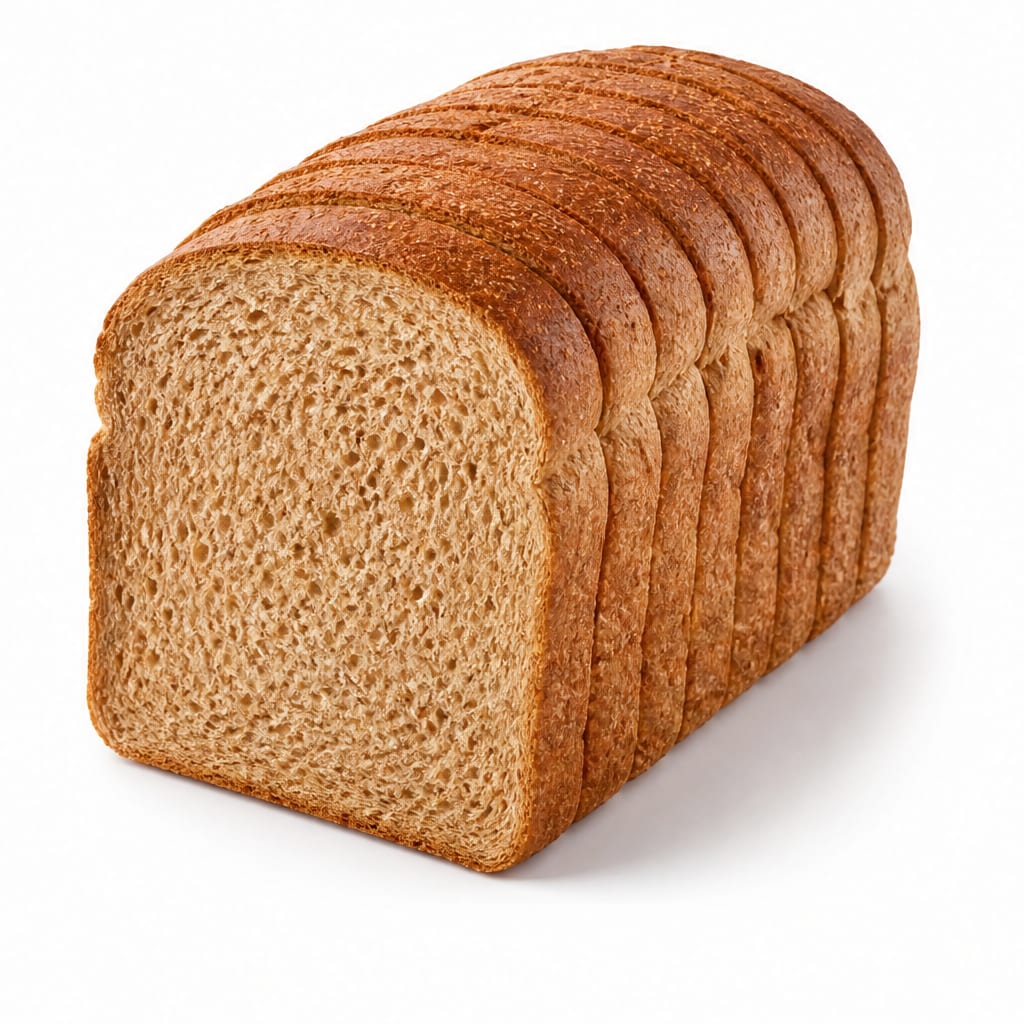
Whole Wheat Bread
Whole Wheat Bread is the smarter daily staple with better fiber, fewer calories, and steadier energy. Roti Canai is a delicious indulgence best enjoyed occasionally rather than as a routine carb base.
Whole Wheat Bread scores substantially higher due to its fiber content, lower calorie density, and suitability for daily consumption. Roti Canai loses ground on fat content, calorie load, and limited daily-use practicality, though it wins on taste satisfaction and cultural value.
You trade the rich, satisfying flakiness of Roti Canai for the leaner, fiber-rich consistency of Whole Wheat Bread — one feeds the soul, the other supports your health goals more reliably.
At a glance
Executive summary
Overall
Whole Wheat Bread
Healthier
Whole Wheat Bread
More practical
Whole Wheat Bread
Daily use
Whole Wheat Bread
Key comparison lenses
daily carbohydrate staple selection
Users are likely deciding which carb base to eat regularly — a traditional flatbread or a store-bought loaf
weight management and calorie control
Roti Canai is significantly higher in fat and calories due to ghee and oil, making this a critical tradeoff
blood sugar stability
Both are carb-dense but differ in fiber and fat content, creating different glycemic responses
cultural satisfaction vs nutritional optimization
Roti Canai carries deep emotional and cultural value that whole wheat bread cannot replicate
convenience and meal prep practicality
Whole wheat bread is ready-to-eat while Roti Canai requires skill and time to prepare or must be bought fresh
Best choice for
Roti Canai
- Weekend breakfast indulgence
- Cultural and social eating occasions
- Active individuals needing calorie-dense fuel
- Anyone craving comfort food satisfaction
Whole Wheat Bread
- Daily breakfast or lunch staple
- Weight loss or calorie-controlled diets
- Blood sugar management
- Quick meals with minimal prep
Least suitable for
Roti Canai
- Daily consumption if watching calories or heart health
- Low-fat diet requirements
- People managing diabetes or insulin resistance
- Anyone needing a quick grab-and-go option
Whole Wheat Bread
- Those seeking rich, satisfying flavor in their carb base
- Traditional Malaysian or South Indian meal contexts where Roti Canai is expected
- Very active individuals needing calorie-dense fuel
- People with wheat sensitivity who still react to whole wheat
Deep comparison
Dimension by dimension
Each lens scores both foods and breaks down who each option suits.
- Dimension 1 · Priority 95Whole Wheat Bread
Calorie and Fat Load
Roti Canai · 25Whole Wheat Bread · 75A single Roti Canai packs roughly 300 calories and 10-15g of fat from ghee and oil. A slice of whole wheat bread sits around 70-80 calories with less than 1g of fat.
Tradeoff
The fat is what makes Roti Canai irresistible but also what makes it a calorie bomb. You could eat four slices of whole wheat bread for the calories of one Roti Canai.
Why it matters
If you eat Roti Canai daily, those extra calories and grams of saturated fat add up fast — potentially 5-10 pounds of weight gain per year from that single swap.
Real-world impact
Two Roti Canai for breakfast with dhal can easily hit 700+ calories before your day really starts. Two slices of whole wheat bread with eggs and avocado gives you more food volume for fewer calories.
Roti Canai
- Bulking up when you genuinely need extra calories
- Endurance athletes fueling before long efforts
Better for
- Anyone tracking calories or trying to lose weight
- People with high cholesterol or heart disease risk
Worse for
Whole Wheat Bread
- Staying within a calorie budget without feeling deprived
- Keeping saturated fat intake in check for heart health
Better for
- Underweight individuals needing calorie-dense options
- Those who find low-fat meals unsatisfying and end up overeating later
Worse for
- Dimension 2 · Priority 90Whole Wheat Bread
Fiber and Digestive Health
Roti Canai · 20Whole Wheat Bread · 80Whole Wheat Bread delivers 2-3g of fiber per slice from the bran and germ. Roti Canai, made from refined white flour, provides minimal fiber — often under 1g per piece.
Tradeoff
You sacrifice digestive regularity and gut health benefits when you choose the refined flour in Roti Canai over the whole grain in whole wheat bread.
Why it matters
Fiber isn't just about digestion — it feeds gut bacteria, lowers cholesterol, and helps you feel full longer. Roti Canai digests quickly, leaving you hungry sooner.
Real-world impact
A whole wheat bread breakfast keeps you full until lunch. A Roti Canai breakfast often triggers hunger again by mid-morning, leading to extra snacking.
Roti Canai
- Moments when you want something light and easy to digest before intense activity
Better for
- People prone to constipation or sluggish digestion
- Anyone not getting enough fiber from other sources
Worse for
Whole Wheat Bread
- Improving daily bowel regularity
- Feeling fuller between meals without extra calories
- Supporting long-term gut microbiome health
Better for
- Those with irritable bowel syndrome who may react to wheat fiber
- Sudden large increases in fiber intake without adjustment period
Worse for
- Dimension 3 · Priority 85Whole Wheat Bread
Blood Sugar Stability
Roti Canai · 30Whole Wheat Bread · 70Roti Canai's refined flour causes a faster blood sugar spike. Whole Wheat Bread's fiber slows glucose absorption, giving steadier energy.
Tradeoff
The fat in Roti Canai slightly slows sugar absorption, but not enough to offset the refined flour's impact. Whole wheat's fiber does the job more reliably.
Why it matters
Blood sugar crashes after Roti Canai can trigger fatigue, irritability, and cravings within 1-2 hours. Steadier blood sugar means steadier mood and focus.
Real-world impact
After Roti Canai, you might feel that 11am energy dip at work. After whole wheat toast, you are more likely to coast smoothly to lunch.
Roti Canai
- Post-workout when quick carb replenishment is actually desired
Better for
- People with insulin resistance or metabolic syndrome
- Anyone prone to afternoon energy slumps
Worse for
Whole Wheat Bread
- Preventing mid-morning energy crashes
- Managing prediabetes or diabetes
- Sustaining focus during long work sessions
Better for
- Situations where rapid energy delivery is the goal, like during endurance sports
Worse for
- Dimension 4 · Priority 80Roti Canai
Taste Satisfaction and Emotional Eating
Roti Canai · 92Whole Wheat Bread · 45Roti Canai is crispy, flaky, buttery, and deeply satisfying. Whole Wheat Bread is functional and pleasant but rarely exciting.
Tradeoff
Eating should nourish both body and spirit. Roti Canai delivers joy that whole wheat bread simply cannot match, but that joy comes with a health cost if overindulged.
Why it matters
Food satisfaction matters for long-term dietary adherence. People who feel deprived are more likely to abandon healthy eating altogether.
Real-world impact
Tearing into warm Roti Canai with curry is a full sensory experience. Toasting whole wheat bread is a routine. Both have their place, but only one creates memories.
Roti Canai
- Social gatherings and celebrations
- Weekend rituals that make life enjoyable
- Breaking a strict diet phase without guilt
Better for
- Emotional eaters who struggle to stop at one piece
- Anyone using food as a primary coping mechanism
Worse for
Whole Wheat Bread
- Consistent daily nutrition without emotional attachment to food
- Building habits that do not rely on indulgence for satisfaction
Better for
- People who feel miserable on bland diets and eventually binge
Worse for
- Dimension 5 · Priority 75Whole Wheat Bread
Convenience and Accessibility
Roti Canai · 30Whole Wheat Bread · 90Whole Wheat Bread is available everywhere, stays fresh for days, and requires zero preparation. Roti Canai needs skill to make or must be bought fresh from a stall.
Tradeoff
You gain massive convenience with whole wheat bread but lose the freshness and craftsmanship of a made-to-order Roti Canai.
Why it matters
The easier a healthy food is to access, the more likely you will eat it consistently. Roti Canai's freshness requirement makes it harder to keep on hand.
Real-world impact
You can make a whole wheat sandwich in 2 minutes at home. Getting Roti Canai means a trip to the mamak stall or 30+ minutes of prep and cooking.
Roti Canai
- Living near a good Roti Canai stall with consistent quality
- Weekend mornings when you have time to enjoy the process
Better for
- Anyone without access to fresh Roti Canai vendors
- People who need quick meal solutions
Worse for
Whole Wheat Bread
- Busy weekday mornings
- Meal prepping sandwiches for the week
- Travel or situations with limited cooking access
Better for
- Those who value freshly prepared food over packaged convenience
Worse for
- Dimension 6 · Priority 70Whole Wheat Bread
Nutrient Density and Micronutrients
Roti Canai · 25Whole Wheat Bread · 72Whole Wheat Bread retains B vitamins, iron, magnesium, and zinc from the whole grain. Roti Canai's refined flour loses most micronutrients during milling.
Tradeoff
Roti Canai provides energy but little beyond calories and fat. Whole Wheat Bread delivers actual vitamins and minerals your body needs daily.
Why it matters
Eating nutrient-poor calories regularly means your body runs on fuel but lacks the cofactors to use it efficiently — like having gas but no oil in the engine.
Real-world impact
Choosing whole wheat bread as your daily staple quietly contributes to meeting your B vitamin and mineral needs. Roti Canai contributes mostly empty calories.
Roti Canai
- Situations where calorie density matters more than micronutrients
Better for
- People whose diet already lacks whole grains and micronutrient-rich foods
Worse for
Whole Wheat Bread
- Covering baseline nutritional needs through everyday food choices
- Preventing subtle deficiencies from a refined-carb-heavy diet
Better for
- Those already taking comprehensive vitamin supplements and eating varied diets
Worse for
Timeline
Health impact over time
Short-term
Hours to days
Roti Canai
- Quick energy surge followed by a potential crash within 1-2 hours
- Heavy, satisfying fullness immediately after eating due to fat content
- Possible sluggishness if eaten in large quantities before physical activity
Whole Wheat Bread
- Steady, sustained energy release without sharp spikes or dips
- Comfortable fullness that lasts without feeling heavy or greasy
- Easy to pair with protein and healthy fats for balanced meals
Long-term
Months to years
Roti Canai
- Regular consumption increases risk of weight gain due to high calorie and saturated fat load
- Refined flour intake may contribute to insulin resistance over time
- Higher saturated fat from ghee could impact cardiovascular markers if eaten daily
Whole Wheat Bread
- Consistent fiber intake supports digestive health and reduces constipation risk
- Whole grain consumption linked to lower risk of type 2 diabetes and heart disease
- May help maintain healthier cholesterol levels compared to refined flour alternatives
Risk profile
Safety & processing
Roti Canai uses simple, recognizable ingredients — flour, water, ghee, and salt — but the flour itself is refined. Whole Wheat Bread uses whole grain flour but commercial varieties often include preservatives, dough conditioners, and added sugars. Homemade Roti Canai wins on ingredient simplicity; a clean-label whole wheat bread wins on nutritional quality.
Roti Canai
Reused cooking oil exposure
mediumStall-prepared Roti Canai is often cooked in oil that has been reheated multiple times, creating oxidized compounds and trans fats that are harmful over time.
Hygiene variability at street vendors
mediumFood safety standards vary widely between stalls. Improper handling can introduce bacterial contamination.
Whole Wheat Bread
Preservatives and additives in commercial loaves
lowMany store-bought whole wheat breads contain calcium propionate, dough conditioners, and added sugars. These are generally recognized as safe but may cause sensitivity in some people.
Potential mycotoxin exposure from stored grains
lowWhole grains retain more of the outer layer where mold toxins can accumulate. Reputable brands test for this, but quality varies.
Who wins for whom
Audience fit
Same foods, different winners depending on your goal.
children
It dependsWhole Wheat Bread offers better daily nutrition for growing bodies, but Roti Canai provides cultural food experiences that matter for family bonding. Balance both.
daily consumption
Whole Wheat BreadWhole Wheat Bread is lower in calories, higher in fiber, and more convenient for daily use. Roti Canai is better reserved as an occasional treat.
diabetes
Whole Wheat BreadThe fiber in whole wheat bread slows glucose absorption significantly more than the refined flour in Roti Canai, leading to more manageable blood sugar responses.
elderly
Whole Wheat BreadOlder adults benefit more from the fiber, B vitamins, and easier portion control of whole wheat bread. Roti Canai's high saturated fat is less suitable for aging cardiovascular systems.
muscle gain
It dependsRoti Canai offers more calories for bulking, but Whole Wheat Bread provides better micronutrient support for recovery. Choose based on whether you need calorie density or nutrient density.
weight loss
Whole Wheat BreadWhole Wheat Bread provides more volume and fiber per calorie, making it easier to stay within a calorie deficit without feeling deprived.
Your move
Decision guide
Choose Roti Canai
- You are highly active and need calorie-dense fuel
- It is a weekend or social occasion where food enjoyment matters
- You eat Roti Canai no more than 1-2 times per week
- You have no weight or blood sugar concerns and want to enjoy life
Choose Whole Wheat Bread
- You need a reliable daily carb staple that supports health goals
- You are managing your weight, blood sugar, or heart health
- Convenience and meal prep speed matter to your routine
- You want to increase your daily fiber intake easily
Either works if
- You rotate between both based on context — whole wheat bread on weekdays, Roti Canai on weekends
- You pair either with protein and vegetables to create balanced meals
- You listen to your body and adjust portions rather than obsessing over the choice
Avoid both if
- You have celiac disease or confirmed wheat intolerance
- You are on a strict ketogenic or very low-carb diet
- You are sensitive to gluten and have not explored gluten-free alternatives
Final recommendation
Make Whole Wheat Bread your daily default and treat Roti Canai as a cherished weekend ritual. This gives your body the consistent nutrition it needs while keeping your soul satisfied. The best diet is one you can enjoy long-term — and that means making room for both, with clear priorities.
Practical
Consumer tips
- 1
Choose whole wheat bread with at least 2g of fiber and less than 2g of added sugar per slice
- 2
If making Roti Canai at home, use less ghee and consider a whole wheat flour version for a healthier twist
- 3
Pair Roti Canai with protein-rich dhal rather than sugar-heavy condensed milk drinks to reduce the glycemic impact
- 4
Freeze whole wheat bread if you do not finish the loaf within 3-4 days to prevent mold and waste
- 5
When buying Roti Canai from stalls, choose ones that appear to use fresh oil — avoid stalls where the oil looks dark or foamy
- 6
Limit Roti Canai to one piece per meal and fill the rest of your plate with vegetables and lean protein