
Nutrition comparison
Roti Canai vs White Rice: Which Carb Staple Is Healthier?
Compare Roti Canai and White Rice on calories, blood sugar impact, heart health, and daily suitability. Find out which one fits your diet better and how to eat either wisely.
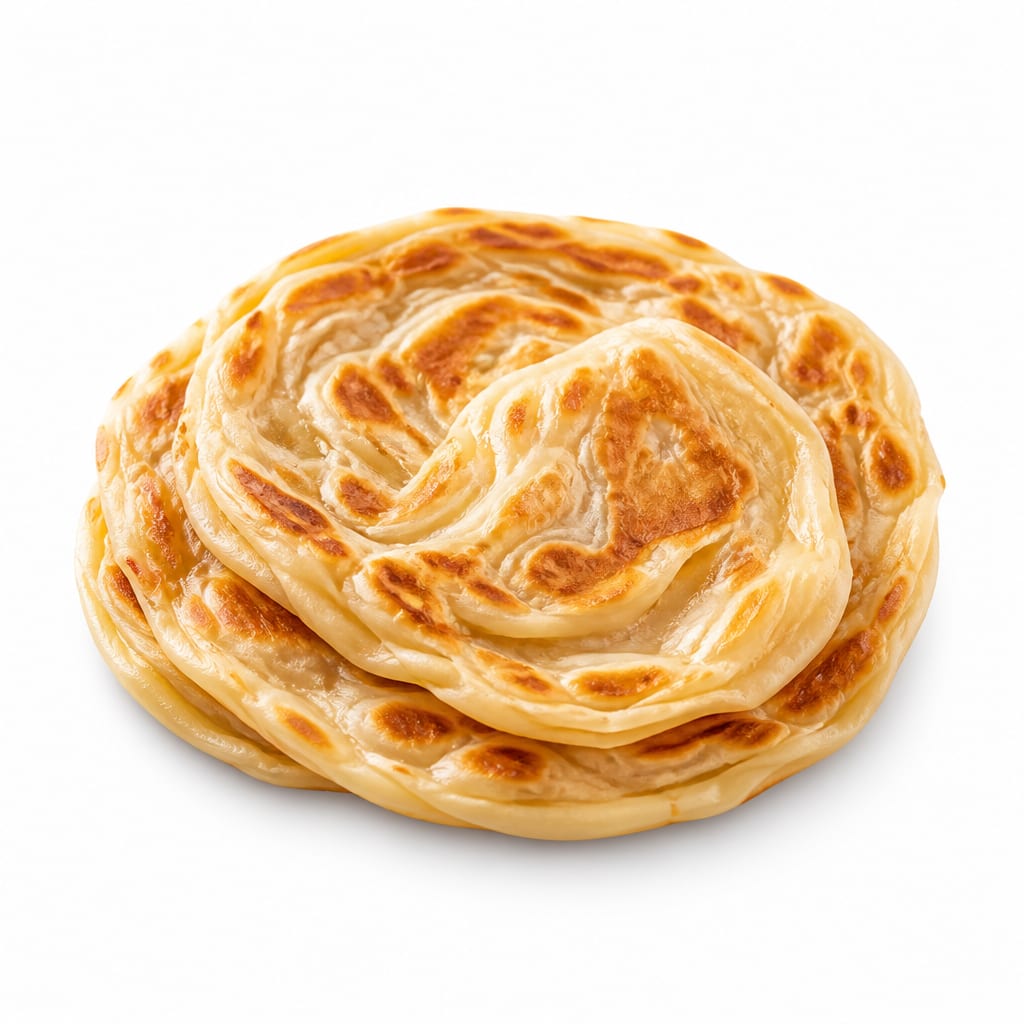
Roti Canai
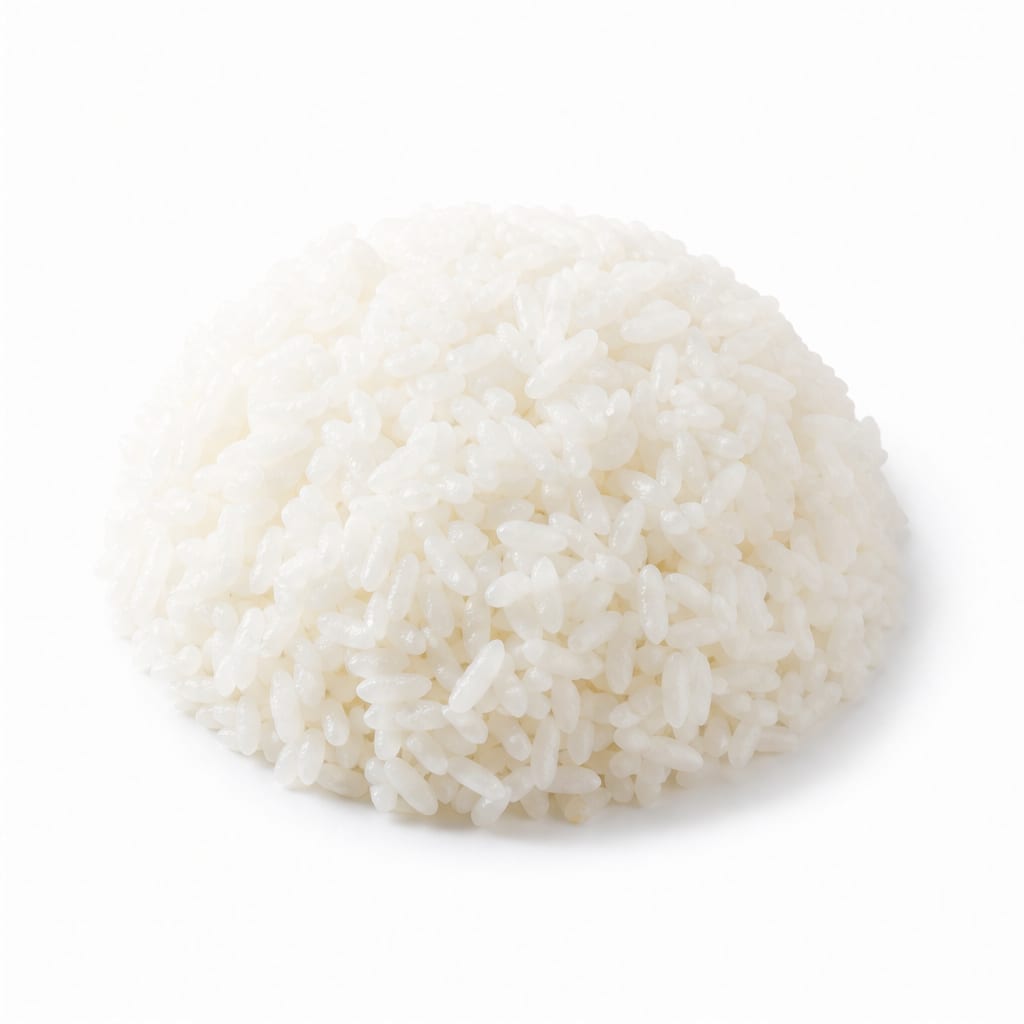
White Rice
White Rice is leaner and easier to eat daily, but Roti Canai is more satisfying per bite. Your pick depends on whether you prioritize calorie control or meal satisfaction.
White Rice scores higher primarily due to lower calorie density, zero saturated fat, and better suitability as a daily staple. Roti Canai loses ground on heart health and weight management but offers stronger satiety. Neither is a nutritional standout.
Roti Canai delivers richness and fullness through fat, while White Rice offers a cleaner, lower-calorie carb base with less cardiovascular baggage.
At a glance
Executive summary
Overall
It depends
Healthier
White Rice
More practical
White Rice
Daily use
White Rice
Key comparison lenses
blood sugar impact
Both are refined carbohydrate staples that significantly affect blood sugar, making this the primary health concern for most users
weight management and calorie density
Roti Canai is significantly more calorie-dense due to fat content, which matters greatly for daily consumption decisions
heart health and fat quality
Roti Canai contains substantial saturated fat from ghee and oil, while White Rice is virtually fat-free
daily staple suitability
Users are likely choosing between these as a recurring carbohydrate base for meals
satiety and meal satisfaction
The fat in Roti Canai provides fullness that White Rice lacks, creating a real tradeoff
Best choice for
Roti Canai
- People needing calorie-dense meals who struggle to eat enough
- Those wanting a more satisfying single-item carb that reduces snacking later
- Anyone eating infrequently who needs each meal to sustain them longer
White Rice
- People managing their weight who need a low-fat carb base
- Anyone eating multiple meals daily who wants a light staple
- Those pairing carbs with protein and vegetables for balanced plates
Least suitable for
Roti Canai
- People with heart disease risk or high cholesterol
- Anyone closely monitoring calorie intake
- Those eating multiple carb-heavy meals per day
White Rice
- People who find carb-only meals leave them hungry an hour later
- Those needing calorie-dense options during heavy training
- Anyone prone to overeating rice because it is easy to consume in large volumes
Deep comparison
Dimension by dimension
Each lens scores both foods and breaks down who each option suits.
- Dimension 1 · Priority 92It depends
blood sugar stability
Roti Canai · 35White Rice · 38Both spike blood sugar significantly. White Rice has a slightly higher glycemic index, but Roti Canai's fat slows glucose absorption marginally.
Tradeoff
Rice hits faster but clears faster. Roti Canai creates a slower but prolonged insulin response due to fat content.
Why it matters
Neither is ideal for blood sugar control. The difference is small enough that portion size matters far more than which one you pick.
Real-world impact
After either food, you may feel an energy dip within 90 minutes if eaten alone without protein or fiber.
Roti Canai
- Those who eat slowly and stop at one piece
Better for
- Diabetics who assume the fat makes it safer for blood sugar
Worse for
White Rice
- Those who pair rice with fiber-rich vegetables and lean protein
Better for
- Anyone eating large mounds of rice in a single sitting
Worse for
- Dimension 2 · Priority 88White Rice
calorie density and weight management
Roti Canai · 28White Rice · 58A single Roti Canai packs roughly 300 calories, while a cup of White Rice sits around 200. The fat from ghee and oil makes Roti Canai deceptively caloric.
Tradeoff
Roti Canai is harder to overeat because it is rich and filling, but each piece costs more calories than a full cup of rice.
Why it matters
If you eat until satisfied, Roti Canai may actually result in fewer total calories consumed. If you eat by habit, rice portions can quietly balloon.
Real-world impact
Two pieces of Roti Canai can equal half your daily calorie budget before adding any sides. Three cups of rice can do the same, but it feels like less.
Roti Canai
- People who naturally stop eating when they feel full
Better for
- Anyone who routinely eats two or more pieces per meal
Worse for
White Rice
- Those who measure portions and track calories carefully
Better for
- Mindless eaters who keep refilling their rice bowl
Worse for
- Dimension 3 · Priority 85White Rice
heart health and fat quality
Roti Canai · 22White Rice · 62Roti Canai contains significant saturated fat from ghee and cooking oil. White Rice is virtually fat-free with no cholesterol concerns.
Tradeoff
The fat that makes Roti Canai delicious and satisfying is the same fat that challenges cardiovascular health when eaten regularly.
Why it matters
Eating Roti Canai daily can meaningfully increase saturated fat intake, which is a known risk factor for elevated LDL cholesterol.
Real-world impact
Switching from daily Roti Canai to White Rice could reduce your saturated fat intake by 15-20 grams per day, a clinically meaningful change.
Roti Canai
- Occasional eaters who enjoy it once a week or less
Better for
- People who eat it for breakfast daily
Worse for
White Rice
- Anyone with family history of heart disease
- People with elevated cholesterol levels
Better for
- Those who add large amounts of butter or oil to their rice
Worse for
- Dimension 4 · Priority 78Roti Canai
satiety and meal satisfaction
Roti Canai · 68White Rice · 42Roti Canai's fat and chewy texture make it genuinely filling. White Rice digests quickly and can leave you hungry again within two hours.
Tradeoff
You feel fuller with Roti Canai, but you pay for that fullness with calories and saturated fat. Rice is lighter but rarely satisfying on its own.
Why it matters
Satiety determines whether you snack between meals. A carb that leaves you hungry may cost you more calories later than a denser option.
Real-world impact
After a Roti Canai breakfast, you may comfortably skip a mid-morning snack. After a plain rice meal, you are likely reaching for something by 10 AM.
Roti Canai
- People who need one meal to carry them through a long morning
- Those who find rice-based meals disappear from their stomach too fast
Better for
- Those who find rich foods cause afternoon energy dips
Worse for
White Rice
- Anyone who prefers eating smaller, more frequent meals
- People who find heavy breakfasts make them sluggish
Better for
- Anyone prone to post-meal snacking due to hunger
Worse for
- Dimension 5 · Priority 72White Rice
digestive tolerance
Roti Canai · 45White Rice · 72White Rice is one of the most easily digested foods available, often recommended during illness. Roti Canai's fat and dough can be heavier on sensitive stomachs.
Tradeoff
Rice is gentle but can cause constipation if eaten without fiber. Roti Canai is richer and may trigger reflux or bloating in some people.
Why it matters
If you have any digestive sensitivity, the difference between a light and heavy carb base can determine how you feel for hours after eating.
Real-world impact
After stomach illness, White Rice is a recovery food. Roti Canai would be one of the last things to reintroduce.
Roti Canai
- People with no digestive issues who tolerate fat well
Better for
- Those with gallbladder issues or fat intolerance
- People prone to acid reflux
Worse for
White Rice
- Anyone recovering from stomach illness
- People with acid reflux or IBS
- Elderly individuals with slower digestion
Better for
- Those who experience constipation from low-fiber diets
Worse for
- Dimension 6 · Priority 68White Rice
versatility and meal pairing
Roti Canai · 48White Rice · 75White Rice pairs with nearly any cuisine and cooking style. Roti Canai is strongly tied to Malaysian and Indian food contexts.
Tradeoff
Rice is a universal blank canvas. Roti Canai is a specific experience that works beautifully with curries but feels out of place elsewhere.
Why it matters
A staple you can pair with anything makes balanced eating easier. A specialty carb limits your meal options.
Real-world impact
You can build a healthy plate around rice with grilled chicken and vegetables. Roti Canai almost demands a curry or dhal pairing, which adds more calories and sodium.
Roti Canai
- Those who eat primarily Malaysian or South Indian cuisine
- People who want a self-contained carb that needs minimal sides
Better for
- Those trying to eat a wider variety of cuisines
Worse for
White Rice
- Anyone who eats a variety of cuisines
- People who want to pair carbs with lean proteins and vegetables
Better for
- People who find plain rice too bland without heavy sauces
Worse for
Timeline
Health impact over time
Short-term
Hours to days
Roti Canai
- Quick energy followed by a potential crash within 1-2 hours
- Comfortable fullness that reduces between-meal snacking
- Possible drowsiness after eating due to fat and carb combination
- Heavier feeling in the stomach compared to lighter carb options
White Rice
- Rapid blood sugar spike that may cause a quick energy dip
- Light feeling that allows physical activity soon after eating
- Hunger returning within 2 hours if eaten without protein or fat
- Easy to overconsume because it does not trigger strong fullness signals
Long-term
Months to years
Roti Canai
- Regular consumption increases saturated fat intake, potentially raising LDL cholesterol
- Higher daily calorie intake if eaten frequently without portion awareness
- Possible contribution to insulin resistance from combined fat and refined carb load
- May displace healthier carb options if eaten as a daily staple
White Rice
- Chronic high glycemic load may contribute to insulin resistance over years
- Easy to accumulate excess calories through large portion habits
- Low nutrient density means it provides energy without meaningful vitamins or minerals
- May increase type 2 diabetes risk when eaten in large quantities as a daily staple
Risk profile
Safety & processing
Both are made from refined ingredients. Roti Canai uses white flour, ghee or margarine, and sometimes condensed milk. White Rice is milled and polished to remove bran and germ. Neither contains artificial preservatives in traditional preparation, but Roti Canai from commercial stalls may use margarine with trans fats.
Roti Canai
trans fat from margarine
mediumSome stalls use margarine instead of pure ghee for cost reasons, which may contain trans fats that are harmful even in small amounts.
hygiene at street stalls
mediumOpen-air preparation and repeated oil reuse at some stalls can introduce contaminants and degraded cooking oils.
acrylamide formation
lowHigh-heat cooking of flour-based dough on a flat griddle can produce small amounts of acrylamide, though levels are generally lower than deep-fried foods.
White Rice
arsenic exposure
mediumWhite Rice, particularly from certain regions, can contain inorganic arsenic. Regular daily consumption increases cumulative exposure.
bacillus cereus from improper storage
lowCooked rice left at room temperature can harbor Bacillus cereus, a bacteria that causes food poisoning. Proper refrigeration eliminates this risk.
Who wins for whom
Audience fit
Same foods, different winners depending on your goal.
children
White RiceWhite Rice is gentler on developing digestive systems and is less calorie-dense, which matters for children who need nutrient-dense foods over calorie-dense ones.
daily consumption
White RiceWhite Rice is lower in saturated fat, easier to portion, and more versatile for building balanced meals across different cuisines.
diabetes
It dependsNeither is great for blood sugar. White Rice spikes faster but is easier to portion precisely. Roti Canai's fat slightly blunts the spike but adds calories. The best choice is whichever you can control portions of more reliably.
elderly
White RiceWhite Rice is easier to chew and digest, and avoids the saturated fat load that is more concerning for older cardiovascular systems.
muscle gain
White RiceWhite Rice provides fast-digesting carbs ideal for post-workout glycogen replenishment without the fat that slows nutrient absorption.
weight loss
White RiceWhite Rice has fewer calories per serving and zero fat, making it easier to fit into a calorie deficit. However, portion control is still essential.
Your move
Decision guide
Choose Roti Canai
- You eat it occasionally as a treat, not as a daily staple
- You struggle to get enough calories and need energy-dense meals
- You find that low-fat carb meals leave you constantly hungry
- You are physically active and burn through rich meals easily
- You want a satisfying breakfast that carries you to lunch without snacking
Choose White Rice
- You need a daily carb base that works with any cuisine
- You are watching your weight, cholesterol, or heart health
- You want a post-workout carb that digests quickly
- You pair your carbs with protein and vegetables for balanced meals
- You prefer eating smaller, more frequent meals throughout the day
Either works if
- You are simply choosing a carb source for one meal and have no specific health concerns
- You plan to pair it with plenty of vegetables and lean protein regardless
- You eat it in moderation a few times per week as part of a varied diet
Avoid both if
- You have diabetes and are looking for low-glycemic carb options
- You are on a strict low-carb or ketogenic diet
- You need high-fiber carbohydrate sources for gut health
- You are trying to reduce refined carbohydrate intake for metabolic health
Final recommendation
For most people eating daily, White Rice is the safer staple. It is lighter, lower in saturated fat, and easier to build balanced meals around. Save Roti Canai for weekends or special occasions when the richness feels worth it. If you do eat Roti Canai regularly, limit yourself to one piece and pair it with a protein-rich dhal rather than additional curries to keep the meal reasonable.
Practical
Consumer tips
- 1
Ask for Roti Canai made with pure ghee instead of margarine to avoid hidden trans fats
- 2
Limit Roti Canai to one piece per meal and fill the rest of your plate with protein and vegetables
- 3
Rinse White Rice before cooking to reduce surface arsenic
- 4
Keep White Rice portions to about one cup per meal and add fiber-rich sides to slow digestion
- 5
If eating White Rice daily, consider mixing it with brown rice or quinoa to improve nutritional value
- 6
Refrigerate leftover rice within one hour of cooking to prevent Bacillus cereus growth
- 7
When ordering Roti Canai at stalls, choose ones with high turnover where oil is changed frequently