
Nutrition comparison
Roti Canai vs Dosa: Which Flatbread is Healthier?
Compare Roti Canai and Dosa to find out which is better for weight loss, digestion, and daily eating. Discover the nutritional tradeoffs between these popular flatbreads.
Overall winner · Dosa
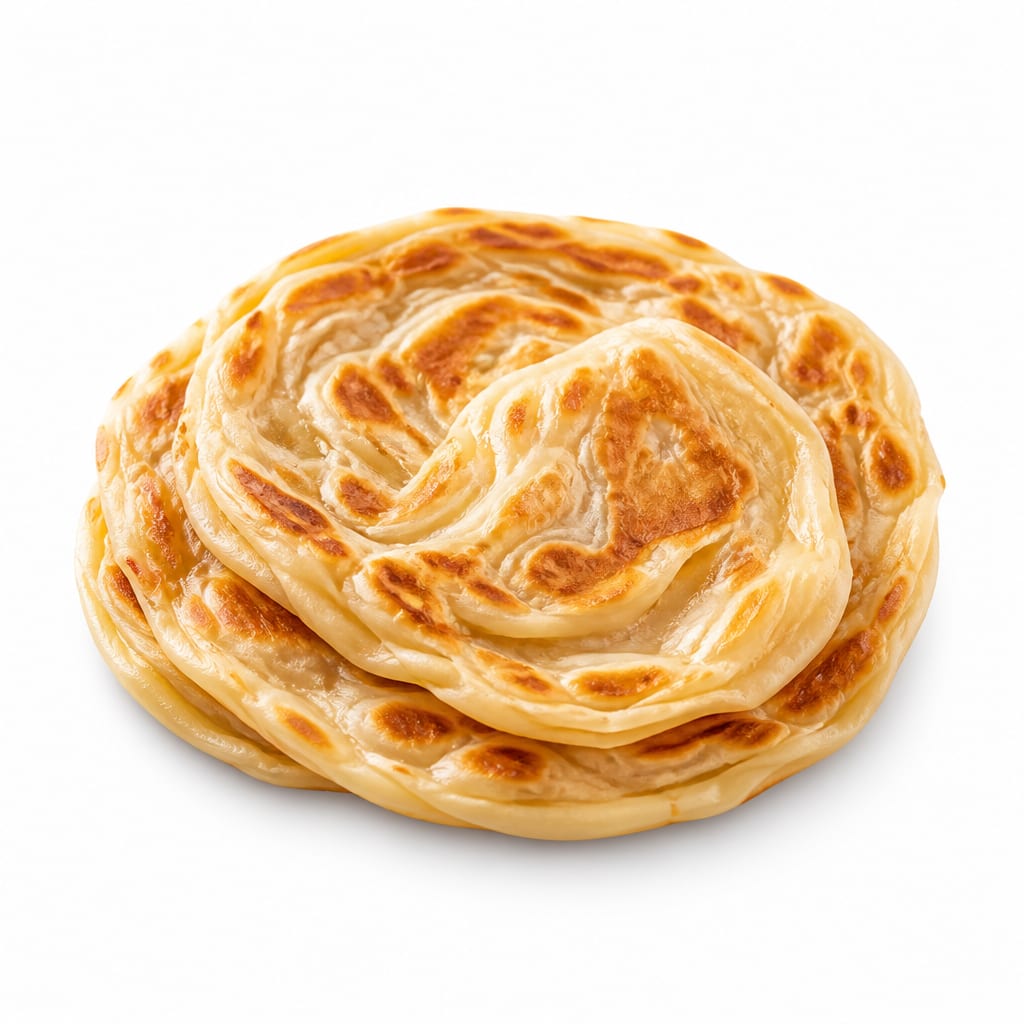
Roti Canai
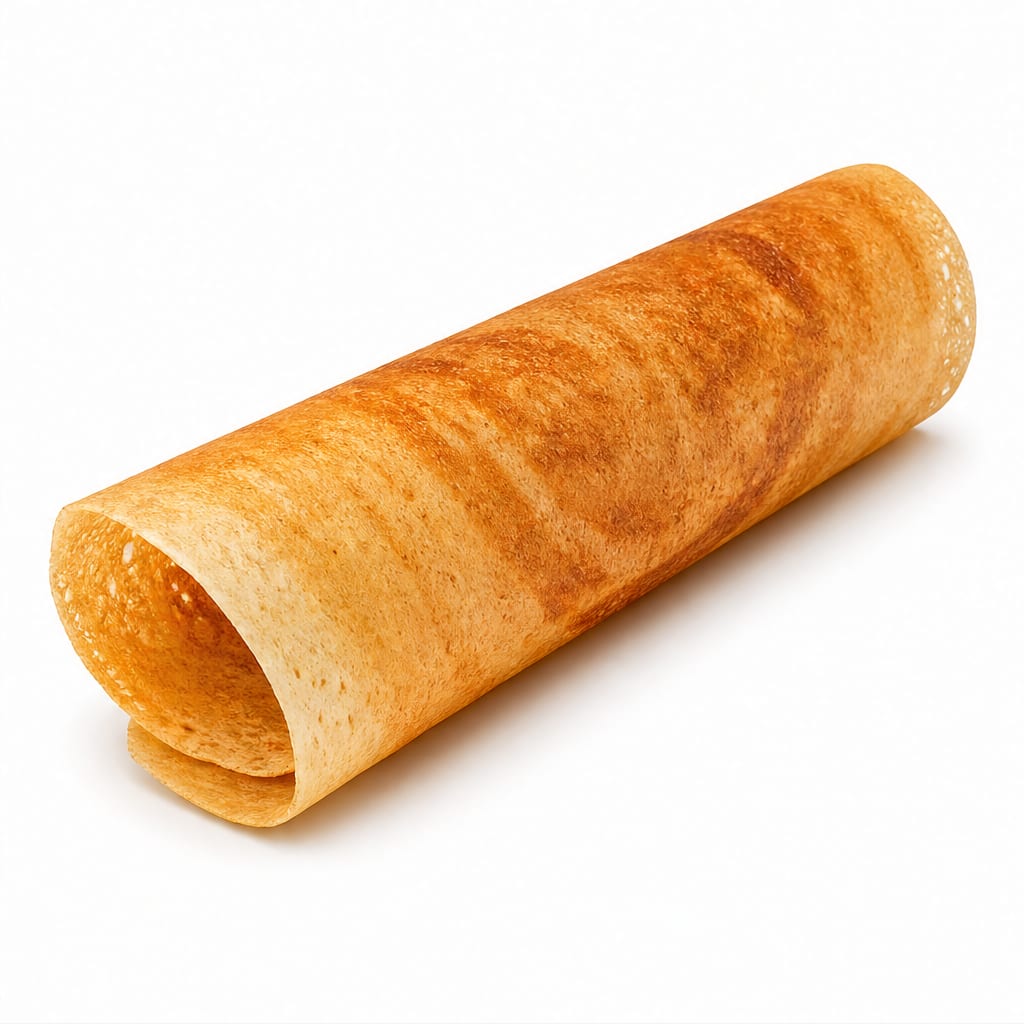
Dosa
Dosa is lighter, fermented, and more protein-rich, while Roti Canai is a delicious but heavy indulgence high in refined flour and fat.
Dosa scores significantly higher due to its fermented batter, lentil protein, and lower fat content, while Roti Canai's reliance on refined flour and heavy oiling drags its score down.
Comforting richness and flaky texture versus gut-friendly fermentation and lower calorie density.
At a glance
Executive summary
Overall
Dosa
Healthier
Dosa
More practical
It depends
Daily use
Dosa
Key comparison lenses
Weight management and calorie density
Roti Canai is notoriously calorie-dense due to heavy oiling, while Dosa is much lighter.
Digestive health and gut friendliness
Dosa is fermented and easy on the stomach, whereas Roti Canai is heavy and greasy.
Blood sugar control
Comparing refined flour with heavy fat against a fermented lentil-rice batter highlights major glycemic differences.
Heart health and fat profile
The generous use of ghee or cheap oil in Roti Canai significantly impacts cardiovascular risk compared to Dosa.
Best choice for
Roti Canai
- Comfort food cravings for Roti Canai
- High-calorie bulking with Roti Canai
- Weekend indulgence of Roti Canai
Dosa
- Daily breakfast with Dosa
- Gut health improvement with Dosa
- Weight management with Dosa
Least suitable for
Roti Canai
- Daily consumption of Roti Canai
- People with heart conditions eating Roti Canai
- Weight loss diets including Roti Canai
Dosa
- Those strictly avoiding carbs in Dosa
- Very low-calorie diets without portion control for Dosa
Deep comparison
Dimension by dimension
Each lens scores both foods and breaks down who each option suits.
- Dimension 1 · Priority 95Dosa
Calorie Density & Weight Management
Roti Canai · 30Dosa · 75Roti Canai is extremely calorie-dense due to the generous use of ghee or oil, while Dosa is much lighter.
Tradeoff
You trade the rich, satisfying mouthfeel of Roti Canai for a lighter waistline with Dosa.
Why it matters
Eating Roti Canai regularly can easily lead to a calorie surplus without feeling full for long.
Real-world impact
Two pieces of Roti Canai can pack over 600 calories, whereas two Dosas keep you around 300-400 calories.
Roti Canai
- Bulking up with Roti Canai
- Heavy physical laborers needing Roti Canai's dense calories
Better for
- Sedentary lifestyles eating Roti Canai
- Calorie counting while eating Roti Canai
Worse for
Dosa
- Weight loss with Dosa
- Lighter meals with Dosa
Better for
- Extreme endurance needing quick dense energy instead of Dosa
Worse for
- Dimension 2 · Priority 90Dosa
Digestive Health & Gut Friendliness
Roti Canai · 35Dosa · 85Dosa batter is fermented, introducing beneficial bacteria and breaking down anti-nutrients, making it easier on the gut.
Tradeoff
Roti Canai sits heavy in the stomach, while Dosa feels light and digests smoothly.
Why it matters
Fermented foods like Dosa support a healthy microbiome and reduce bloating.
Real-world impact
Dosa is less likely to cause that sluggish, overly full feeling after a big breakfast.
Roti Canai
- Acid reflux prone from Roti Canai
- Sluggish digestion from Roti Canai
Worse for
Dosa
- Sensitive stomachs eating Dosa
- IBS-friendly diets including Dosa
- Gut health focus with Dosa
Better for
- Dimension 3 · Priority 85Dosa
Blood Sugar Stability
Roti Canai · 40Dosa · 65Dosa's lentil content adds protein and fiber, slowing down sugar absorption compared to Roti Canai's refined flour.
Tradeoff
Roti Canai's fat slows sugar spikes slightly, but the refined carbs still cause a sharper crash later.
Why it matters
Stable blood sugar from Dosa means fewer afternoon energy crashes and cravings.
Real-world impact
A Dosa breakfast keeps energy steadier until lunch, while Roti Canai might leave you hungry again by 11 AM.
Roti Canai
- Diabetics avoiding Roti Canai
- Insulin resistance worsened by Roti Canai
Worse for
Dosa
- Pre-diabetics eating Dosa
- Sustained energy needs with Dosa
Better for
- Dimension 4 · Priority 80Dosa
Nutritional Value & Protein Quality
Roti Canai · 25Dosa · 70Dosa provides plant-based protein from urad dal, whereas Roti Canai offers mostly empty refined carbs and fat.
Tradeoff
You sacrifice complete proteins and micronutrients for pure indulgent flavor with Roti Canai.
Why it matters
Protein from Dosa is essential for muscle maintenance and keeping you full.
Real-world impact
Dosa supports muscle tone and satiety better, especially for vegetarians.
Roti Canai
- Protein-focused diets avoiding Roti Canai
Worse for
Dosa
- Vegetarians eating Dosa
- Muscle maintenance with Dosa
Better for
- Dimension 5 · Priority 75Dosa
Heart Health & Fat Profile
Roti Canai · 30Dosa · 75Roti Canai is traditionally soaked in ghee or cheap vegetable oils, increasing saturated or inflammatory fat intake.
Tradeoff
The flaky layers of Roti Canai come at the cost of heavy oil, while Dosa uses minimal fat for cooking.
Why it matters
High intake of saturated or reused oils in Roti Canai raises cholesterol and heart disease risk.
Real-world impact
Regular Roti Canai consumption can quietly elevate lipid profiles over time.
Roti Canai
- Cardiovascular risk from Roti Canai
- High cholesterol worsened by Roti Canai
Worse for
Dosa
- Heart health with Dosa
- Cholesterol management with Dosa
Better for
Timeline
Health impact over time
Short-term
Hours to days
Roti Canai
- Immediate feeling of fullness from Roti Canai
- Potential sluggishness after eating Roti Canai
- Quick energy but possible crash from Roti Canai
Dosa
- Light satiety from Dosa
- Steady energy release from Dosa
- Comfortable digestion of Dosa
Long-term
Months to years
Roti Canai
- Weight gain if Roti Canai is eaten frequently
- Increased risk of elevated cholesterol from Roti Canai
- Potential insulin resistance from Roti Canai's refined carbs
Dosa
- Better gut microbiome diversity from Dosa
- Easier weight maintenance with Dosa
- Steadier metabolic health with Dosa
Risk profile
Safety & processing
Roti Canai relies on refined white flour and heavy oiling, while Dosa uses whole rice and lentils with natural fermentation.
Roti Canai
Reused cooking oil
highHawker stalls often reuse oil for Roti Canai, creating harmful free radicals and trans fats.
Dough conditioners
mediumCommercial Roti Canai batters might include additives to keep the dough stretchy.
Dosa
Fermentation overgrowth
lowIf Dosa batter is left out too long, it can over-ferment, causing sour taste and mild stomach upset.
High sodium in accompaniments
mediumSambar and chutneys paired with Dosa can be high in salt, though the Dosa itself is low sodium.
Who wins for whom
Audience fit
Same foods, different winners depending on your goal.
children
It dependsRoti Canai is often more appealing to kids due to its soft, flaky texture, but Dosa offers better nutrition for growing bodies.
daily consumption
DosaLower fat, better nutrient profile, and gut-friendly fermentation make Dosa suitable as a daily staple over Roti Canai.
diabetes
DosaFermented lentil-rice batter in Dosa has a lower glycemic impact and more protein than refined flour in Roti Canai.
elderly
DosaDosa is fermented and easier to digest, placing less strain on older digestive systems than Roti Canai.
muscle gain
DosaThe lentils in Dosa provide a better amino acid profile than the refined flour in Roti Canai.
weight loss
DosaDosa is significantly lower in calories and fat, making it easier to fit into a calorie deficit.
Your move
Decision guide
Choose Roti Canai
- You want a rich, comforting weekend treat with Roti Canai
- You need dense calories from Roti Canai for heavy physical work
- You are eating at a famous hawker stall and want the authentic Roti Canai experience
Choose Dosa
- You want a light, everyday breakfast with Dosa
- Gut health and easy digestion of Dosa are priorities
- You are watching your weight or cholesterol and prefer Dosa
Either works if
- You need a quick carb-heavy meal on the go
- You are eating out at a South/Southeast Asian restaurant
Avoid both if
- You are on a strict keto or very low-carb diet
- You have severe gluten intolerance (for Roti Canai) or rice/lentil allergies (for Dosa)
Final recommendation
Make Dosa your daily driver for its lighter nutrition and gut benefits, and save Roti Canai for when you truly want a rich, satisfying indulgence.
Practical
Consumer tips
- 1
Ask for less oil when ordering Dosa to keep it even lighter.
- 2
Pair Dosa with protein-rich sambar to make the meal more balanced.
- 3
If making Roti Canai at home, use high-quality ghee sparingly instead of cheap vegetable oils.
- 4
Limit Roti Canai to once a week to avoid excessive saturated fat intake.