
Nutrition comparison
Roti Canai vs Chapati: Which Flatbread Is Healthier for Daily Eating?
Compare Roti Canai and Chapati on calories, fiber, blood sugar impact, and heart health. Chapati wins for daily nutrition while Roti Canai is best as an occasional indulgence.
Overall winner · Chapati
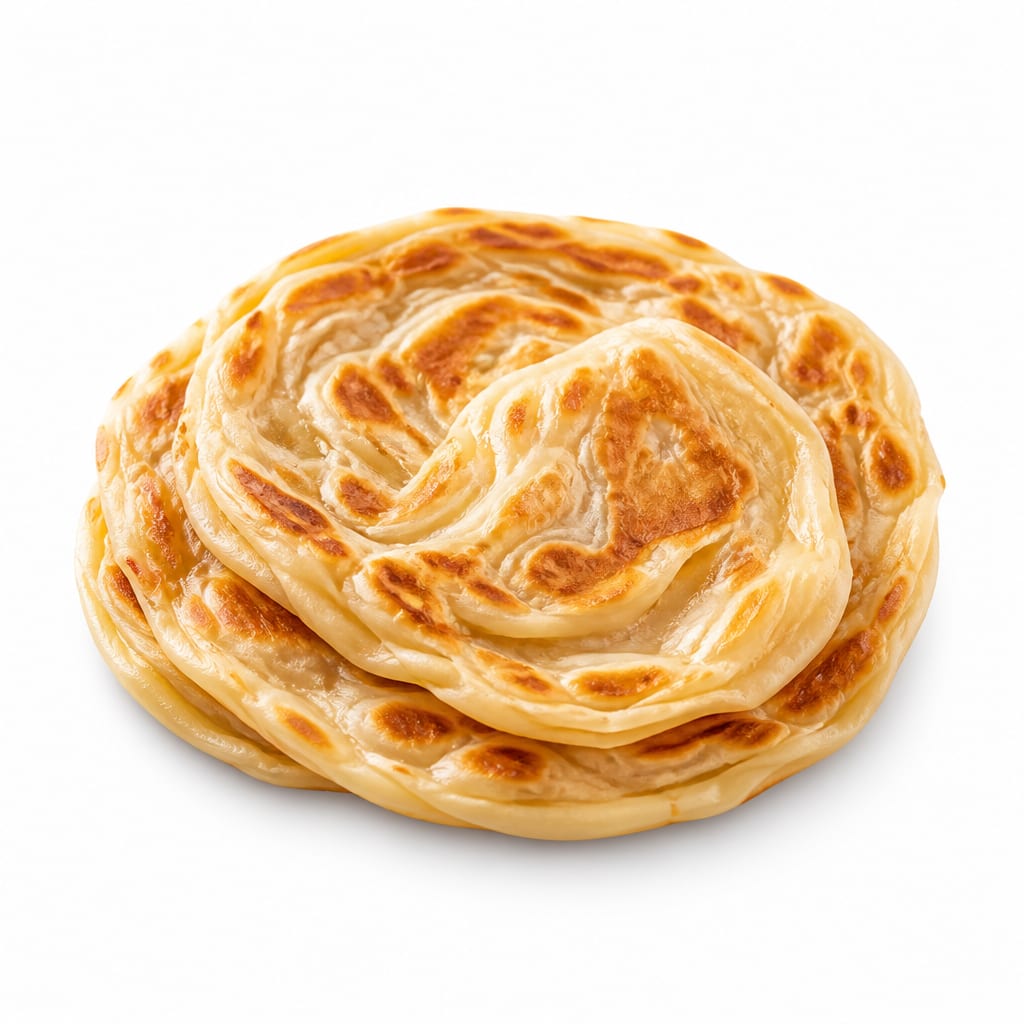
Roti Canai
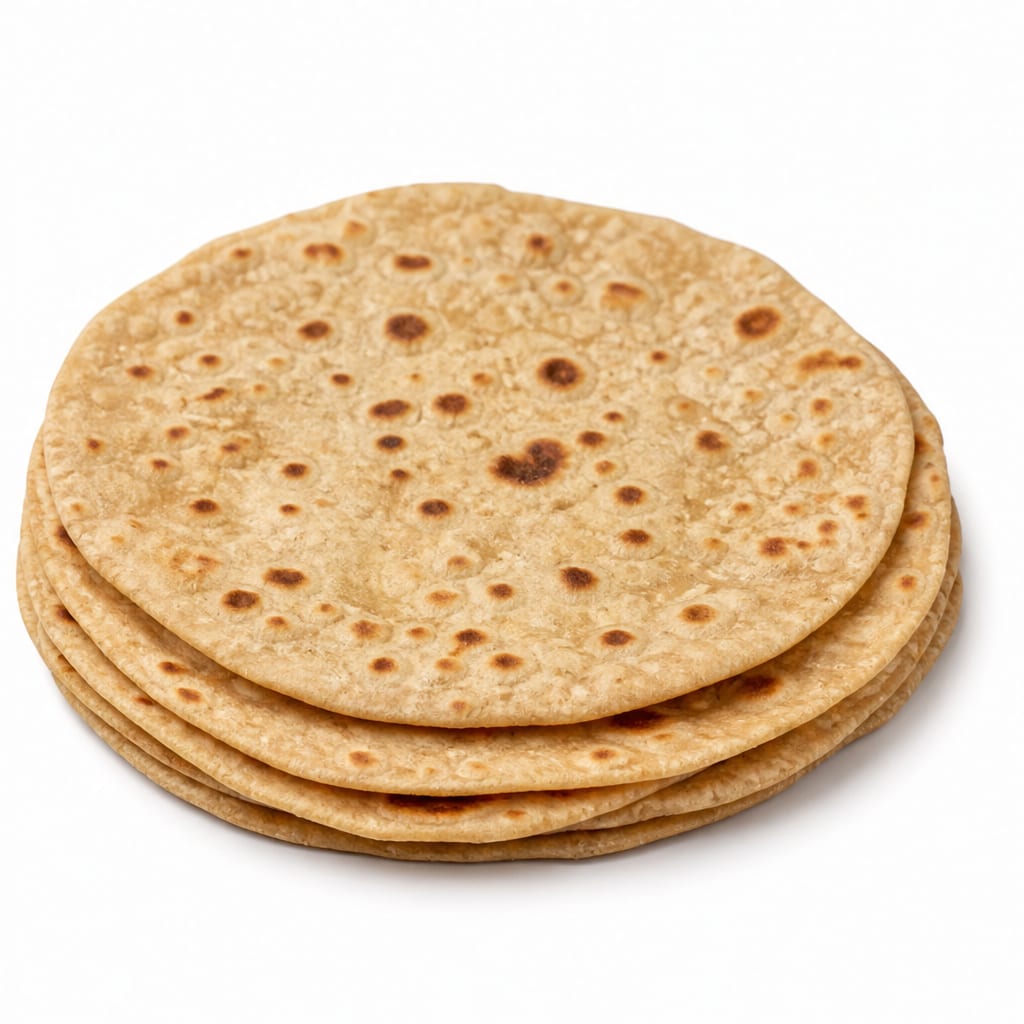
Chapati
Chapati is the clear everyday choice for health, while Roti Canai is an occasional indulgence worth savoring mindfully.
Chapati scores substantially higher due to whole grain fiber, lower calorie density, and suitability for daily consumption. Roti Canai's refined flour and high fat content pull its score down for regular use, though it remains a culturally beloved treat.
Flaky indulgence versus daily sustainability — Roti Canai trades calories and refined carbs for irresistible texture, while Chapati offers steady energy and whole-grain benefits with less excitement.
At a glance
Executive summary
Overall
Chapati
Healthier
Chapati
More practical
Chapati
Daily use
Chapati
Key comparison lenses
Daily bread choice for health-conscious eaters
Both are staple flatbreads, but one is an indulgence and the other is a daily driver
Weight management and calorie control
Roti Canai is significantly more calorie-dense due to fat content and refined flour
Blood sugar and diabetes management
Whole wheat Chapati offers steadier blood sugar compared to refined flour Roti Canai
Heart health and fat quality
Roti Canai's generous ghee or oil raises saturated fat concerns for regular consumption
Cultural comfort and meal satisfaction
Roti Canai delivers a flaky indulgence experience that Chapati cannot replicate
Best choice for
Roti Canai
- Weekend breakfast treats
- Comfort food cravings
- Social and cultural celebrations
- Anyone needing extra calories healthily
Chapati
- Daily staple bread
- Weight loss or maintenance
- Blood sugar management
- Heart-healthy eating patterns
Least suitable for
Roti Canai
- Daily consumption
- Low-calorie diets
- Diabetes management
- Cholesterol-conscious eaters
Chapati
- Indulgent dining experiences
- High-calorie bulking diets
- Those seeking rich flaky texture
Deep comparison
Dimension by dimension
Each lens scores both foods and breaks down who each option suits.
- Dimension 1 · Priority 95Chapati
Calorie Density and Weight Impact
Roti Canai · 25Chapati · 80A single Roti Canai packs roughly 300-350 calories versus 70-100 for a Chapati, making it over three times more calorie-dense.
Tradeoff
Roti Canai's layered flakiness comes from generous ghee or oil folded into the dough — delicious but costly for your daily calorie budget.
Why it matters
Eating Roti Canai daily can easily add 1000+ extra calories per week compared to Chapati, which silently drives weight gain over months.
Real-world impact
Two Roti Canai for breakfast equals the calories of five to six Chapatis — a difference that shows up on the scale within weeks.
Roti Canai
- Underweight individuals needing calorie surplus
- Physically active people needing quick energy
Better for
- Sedentary lifestyles
- Anyone tracking calories
Worse for
Chapati
- Weight loss diets
- Calorie-conscious meal planning
- Portion control efforts
Better for
- Hard gainers needing extra calories
Worse for
- Dimension 2 · Priority 90Chapati
Fiber and Digestive Health
Roti Canai · 20Chapati · 82Chapati's whole wheat flour delivers 3-4 times more fiber than Roti Canai's refined all-purpose flour.
Tradeoff
Refined flour creates that signature soft, stretchy Roti Canai texture but strips away the bran that feeds your gut and steadies digestion.
Why it matters
Fiber keeps you full longer, feeds beneficial gut bacteria, and prevents the post-meal energy crash that refined carbs trigger.
Real-world impact
A Chapati breakfast keeps you satisfied until lunch. Roti Canai often leaves you hungry again within two hours.
Roti Canai
- Those with acute digestive sensitivity needing low-fiber foods temporarily
Better for
- Chronic constipation sufferers
- Low-fiber diet concerns
Worse for
Chapati
- Gut health improvement
- Constipation prevention
- Long-term digestive wellness
Better for
- Acute digestive flare-ups requiring low residue diet
Worse for
- Dimension 3 · Priority 88Chapati
Blood Sugar Stability
Roti Canai · 22Chapati · 75Chapati's whole wheat causes a slower, steadier blood sugar rise. Roti Canai's refined flour spikes glucose rapidly.
Tradeoff
That light, pillowy Roti Canai texture comes from flour stripped of the fiber that normally slows sugar absorption.
Why it matters
Repeated blood sugar spikes from refined carbs increase diabetes risk, fuel cravings, and cause energy crashes throughout the day.
Real-world impact
After Roti Canai, you may feel a quick energy surge followed by a mid-morning slump. Chapati provides more even, lasting energy.
Roti Canai
- Immediate post-workout carb replenishment
Better for
- Insulin resistance
- Diabetes
- Energy crash prone individuals
Worse for
Chapati
- Prediabetes management
- Steady energy throughout the day
- Diabetes-friendly meal plans
Better for
- Acute hypoglycemia recovery needing fast glucose
Worse for
- Dimension 4 · Priority 82Chapati
Heart Health and Fat Quality
Roti Canai · 28Chapati · 78Roti Canai's generous ghee or vegetable oil significantly raises saturated fat intake, while Chapati is nearly fat-free.
Tradeoff
The fat is what makes Roti Canai irresistible — it creates those flaky layers. But daily saturated fat adds up quickly for cardiovascular health.
Why it matters
Regular high saturated fat intake from ghee-heavy breads raises LDL cholesterol over time, increasing heart disease risk silently.
Real-world impact
One Roti Canai can contain 15-20g of fat. Eating it daily means consuming 100-140g of extra fat per week from bread alone.
Roti Canai
- Those using healthier oils like olive oil for preparation
Better for
- Existing heart conditions
- High cholesterol
Worse for
Chapati
- Cholesterol management
- Heart-healthy diets
- Low-fat eating patterns
Better for
- Fat-restricted diets are rarely needed for Chapati anyway
Worse for
- Dimension 5 · Priority 78Chapati
Satiety and Fullness
Roti Canai · 35Chapati · 75Despite higher calories, Roti Canai keeps you full for less time due to refined flour and fat without fiber. Chapati's fiber provides longer-lasting satisfaction.
Tradeoff
Calorie-dense does not mean filling. Fat and refined carbs together can actually trigger overeating rather than satisfaction.
Why it matters
Foods that leave you hungry soon after eating lead to more snacking and higher total daily calorie intake.
Real-world impact
You might eat two Roti Canai and feel hungry again by 10am. Two Chapatis with dal can comfortably carry you to lunch.
Roti Canai
- Quick pre-workout energy when you need light stomach
Better for
- Emotional eaters
- Cravings management
Worse for
Chapati
- Appetite control
- Reducing between-meal snacking
- Long work shifts without meal breaks
Better for
- Athletes needing quick gastric emptying before training
Worse for
- Dimension 6 · Priority 72Roti Canai
Taste and Meal Enjoyment
Roti Canai · 92Chapati · 55Roti Canai's flaky, buttery layers and crispy edges deliver an indulgent eating experience that plain Chapati simply cannot match.
Tradeoff
The very qualities that make Roti Canai so satisfying — richness, flakiness, and softness — are exactly what makes it less suitable as a daily staple.
Why it matters
Food enjoyment matters for sustainability. A diet without pleasure fails. The key is frequency, not elimination.
Real-world impact
Roti Canai with dhal is a beloved weekend ritual for good reason — it feels special. Chapati is reliable but rarely exciting.
Roti Canai
- Special occasion meals
- Comfort food needs
- Cultural food experiences
Better for
- Those trying to break emotional eating patterns
Worse for
Chapati
- Routine daily meals where excitement is less important
- Meal prep consistency
Better for
- Anyone feeling deprived on overly plain diets
Worse for
- Dimension 7 · Priority 60Chapati
Preparation Convenience
Roti Canai · 30Chapati · 75Chapati requires just flour, water, and salt — mixed, rolled, and cooked in minutes. Roti Canai demands skillful stretching, resting, and generous oil.
Tradeoff
Roti Canai's elaborate preparation is why it is typically bought from stalls rather than made at home, while Chapati is easy everyday home cooking.
Why it matters
Foods you can easily prepare at home give you more control over ingredients and make healthy eating more sustainable.
Real-world impact
Most people buy Roti Canai from mamak stalls where oil quality and portion sizes are beyond your control. Chapati at home means you decide everything.
Roti Canai
- Street food culture enjoyment
- Eating out experiences
Better for
- Home cooks wanting simplicity
Worse for
Chapati
- Home cooking
- Ingredient control
- Quick weeknight meals
Better for
- Those without cooking facilities
Worse for
Timeline
Health impact over time
Short-term
Hours to days
Roti Canai
- Quick energy spike followed by crash within 2-3 hours
- Heavy feeling in stomach due to high fat content
- Potential heartburn from greasy preparation
Chapati
- Steady energy release for 3-4 hours
- Comfortable digestion without heaviness
- Stable blood sugar without crash
Long-term
Months to years
Roti Canai
- Weight gain risk with frequent consumption due to calorie density
- Increased LDL cholesterol from regular saturated fat intake
- Higher diabetes risk from repeated refined carbohydrate spikes
- Potential metabolic syndrome with daily consumption
Chapati
- Better weight maintenance from fiber and lower calorie density
- Improved gut health from consistent whole grain fiber intake
- Lower cardiovascular risk from minimal fat content
- Stable blood sugar control reducing diabetes risk
Risk profile
Safety & processing
Both breads use simple traditional ingredients, but Roti Canai relies on refined all-purpose flour which is more processed than whole wheat atta used for Chapati. Commercial Roti Canai may also contain marginal additives or lower-quality oils. Chapati's ingredient list is typically just whole wheat flour, water, and salt — as clean as bread gets.
Roti Canai
Reused cooking oil at stalls
mediumMamak stalls often reuse oil repeatedly for cooking Roti Canai, creating oxidized compounds that may increase inflammation and health risks.
Trans fat from cheap vegetable oils
mediumSome vendors use partially hydrogenated vegetable oils instead of ghee, introducing trans fats that are harmful for heart health.
Chapati
Pesticide residue on whole wheat flour
lowConventionally grown wheat may carry pesticide residues, though typically within safety limits. Organic atta reduces this concern.
Contamination from unrefined flour storage
lowWhole wheat flour is more prone to rancidity and pest contamination than refined flour if stored improperly or for too long.
Who wins for whom
Audience fit
Same foods, different winners depending on your goal.
children
It dependsActive children can enjoy Roti Canai occasionally for calories and enjoyment, but Chapati should be the daily staple for steady growth and nutrition.
daily consumption
ChapatiChapati's whole grain nutrition, low fat content, and stable energy make it ideal for eating once or twice daily without health compromises.
diabetes
ChapatiWhole wheat Chapati causes significantly lower and slower blood sugar rises compared to refined flour Roti Canai, making it the safer choice for glycemic control.
elderly
ChapatiOlder adults benefit from Chapati's fiber for digestion, lower calorie density for weight management, and better blood sugar control for metabolic health.
muscle gain
It dependsRoti Canai offers more calories for bulking, but Chapati provides better sustained energy for training. Choose based on whether you need surplus calories or clean fuel.
weight loss
ChapatiChapati provides 70-100 calories per piece with filling fiber, making it far easier to maintain a calorie deficit than 300+ calorie Roti Canai.
Your move
Decision guide
Choose Roti Canai
- You are at a mamak stall and want the authentic experience
- It is a weekend or special occasion breakfast
- You are physically very active and need extra calories
- You are underweight and trying to gain
- You have been eating clean and want a mindful indulgence
Choose Chapati
- You need a reliable daily bread for meals
- Weight management is a current priority
- You have diabetes, prediabetes, or blood sugar concerns
- Heart health and cholesterol are on your radar
- You want steady energy without afternoon crashes
- You prepare meals at home and want simplicity
Either works if
- You are healthy, active, and eat a varied diet overall
- Neither food dominates your daily calorie intake
- You alternate between home cooking and eating out
Avoid both if
- You have celiac disease or confirmed wheat intolerance
- You are following a strict low-carb or ketogenic diet
- You have severe gluten sensitivity
Final recommendation
Make Chapati your daily bread and treat Roti Canai as a weekend pleasure. This simple switch gives you whole grain benefits six days a week while preserving the cultural joy of flaky, indulgent Roti Canai when it truly matters. Health is about patterns, not single meals — and the pattern of daily Chapati with occasional Roti Canai is both sustainable and satisfying.
Practical
Consumer tips
- 1
Ask for less oil when ordering Roti Canai at stalls — some vendors can accommodate this
- 2
Pair Chapati with protein-rich dal or vegetables for a complete, satisfying meal
- 3
If making Roti Canai at home, use ghee sparingly or substitute with a lighter oil to reduce calorie impact
- 4
Choose organic whole wheat atta for Chapati to minimize pesticide exposure
- 5
Limit Roti Canai to once or twice per week if weight management is a goal
- 6
Freeze homemade Chapati dough portions for quick weekday meals — fresher and healthier than store-bought
- 7
When eating Roti Canai, skip adding extra curry sauce to manage overall calorie and sodium intake