
Fruit
Rose Apple
A low-calorie, hydrating tropical fruit with a mild floral taste and crisp texture.
A tropical bell-shaped fruit with a crisp, watery texture and a subtle floral, rose-like aroma. It is highly refreshing but not particularly sweet or nutrient-dense.
high-volume hydrating fruit
Typical serving · 100g
Common varieties · Wax Jambu, Malabar Rose Apple, White Rose Apple, Pink Rose Apple, Java Apple
Overall context score across nutrition, safety, and diet fit
At a glance
Quick facts
Simple indicators based on nutrition, processing, and diet fit.
The story
What makes it unique
Rose apple is a high-water, low-calorie fruit that digests quickly due to its low fiber and fat content. It provides moderate satiety through volume rather than macronutrient density, and is typically consumed raw as a minimally processed whole food.
Varieties: Wax Jambu · Malabar Rose Apple · White Rose Apple · Pink Rose Apple · Java Apple
Per 100g
Nutrition breakdown
Macro balance and key metrics at a glance.
Energy
Density 0.25 kcal/g
Protein
Carbs
Fat
Fiber
Sugar
3.2 g
Sodium
2 mg
Potassium
120 mg
Glycemic index
25
Glycemic load
1
Water content
93%
Standout compounds
Nutrient highlights
Water
highSupports hydration and cellular function
Vitamin C
moderateActs as an antioxidant and supports immune function
Potassium
moderateHelps regulate blood pressure and fluid balance
Dietary Fiber
lowPromotes digestive regularity
Wellness map
Health scores & processing
NOVA processing scale
minimally processed · Whole food
Consumed as a whole, raw fruit with no alterations or added ingredients.
Diet compatibility
- Weight loss
- Muscle gain
- Diabetes
- Gut health
- Low carb
- High protein
- Heart health
Relative standing
Food rankings
Qualitative ranks compared to similar whole foods.
- Satietygood
- Blood sugarexcellent
- Nutrient densitymoderate
- Fitness fuelpoor
- Processing qualityexcellent
Eat with confidence
Food safety profile
Generally very safe. Conventional farming may leave standard pesticide residues on the skin, which is easily mitigated by washing.
Evidence confidence 75%
- Pesticideslow
- Antibioticslow
- Heavy metalslow
- Contaminationlow
Watch for
- Pesticide residues (skin)
Safer choices
Organic rose apples to avoid surface pesticide residues entirely.
Prep tips
Rinse thoroughly under cool running water and pat dry before consuming whole or slicing.
No significant regulatory concerns; standard agricultural monitoring applies.
Deep dive
Health analysis
How this food may fit different goals and preparation choices.
Weight loss
Extremely low energy density allows large portion consumption with minimal caloric intake.
Blood sugar
Low glycemic index and minimal carbohydrate load prevent glucose spikes.
Fitness & energy
Lacks the carbohydrate density required for intense exercise fuel; functions better as a light hydrating snack.
Gut health
Provides modest fiber to support digestion, though it is not a high-fiber food.
Processing quality
A whole, unprocessed food with maximal micronutrient retention.
Food safety
Very low risk; standard washing removes potential surface agricultural residues.
Common mistakes
Expecting a sweet, apple-like flavor; the fruit is notably watery and subtly floral.
Best preparation
Eaten raw, sliced into salads, or lightly pickled to retain its crisp texture.
Practical guide
Best use cases
When and how this food fits real eating patterns.
Hydrating snack
Eaten fresh on hot days to replenish fluids and provide a refreshing crunch with minimal calories.
Weight loss volume eating
Consuming large portions to feel physically full without exceeding daily caloric limits.
Salad addition
Sliced raw into green or fruit salads for a crisp, refreshing texture and subtle floral note.
Balance sheet
Pros & cons
Upsides
- Very low in calories
- High water content aids hydration
- Low glycemic impact suitable for diabetics
- Crisp and refreshing texture
- Contains some vitamin C and antioxidants
Trade-offs
- Low in protein and healthy fats
- Mild flavor may not satisfy sweet cravings
- Not a significant source of dietary energy
- Perishable and bruises easily during transport
Fit check
Who is it for?
Great match
- weight loss
- hydration
- low calorie snacking
- blood sugar management
Consider alternatives
- high-protein diets
- pre-workout fueling
- calorie-dense meal replacement
Side by side
How it compares
Open the full head-to-head analysis for nutrition, safety, and practical tradeoffs.
This food
Rose Apple
VS90% alike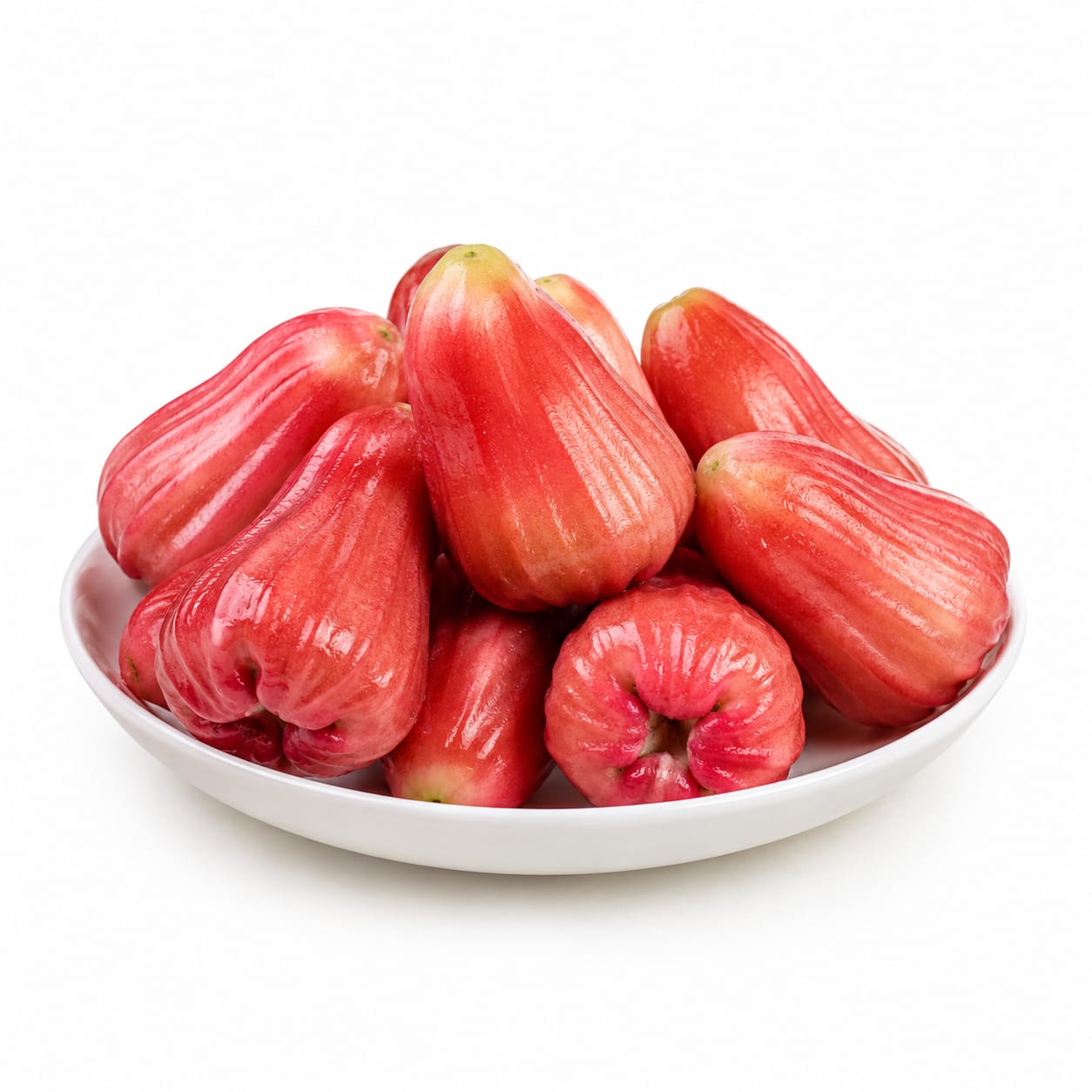
Compare with
Wax Apple
Wax apple is slightly sweeter and more commonly consumed commercially, while rose apple has a more distinct floral aroma.
Wax apples are slightly sweeter and more filling, while rose apples are marginally lower in calories and better for strict weight loss.
This food
Rose Apple
VS70% alike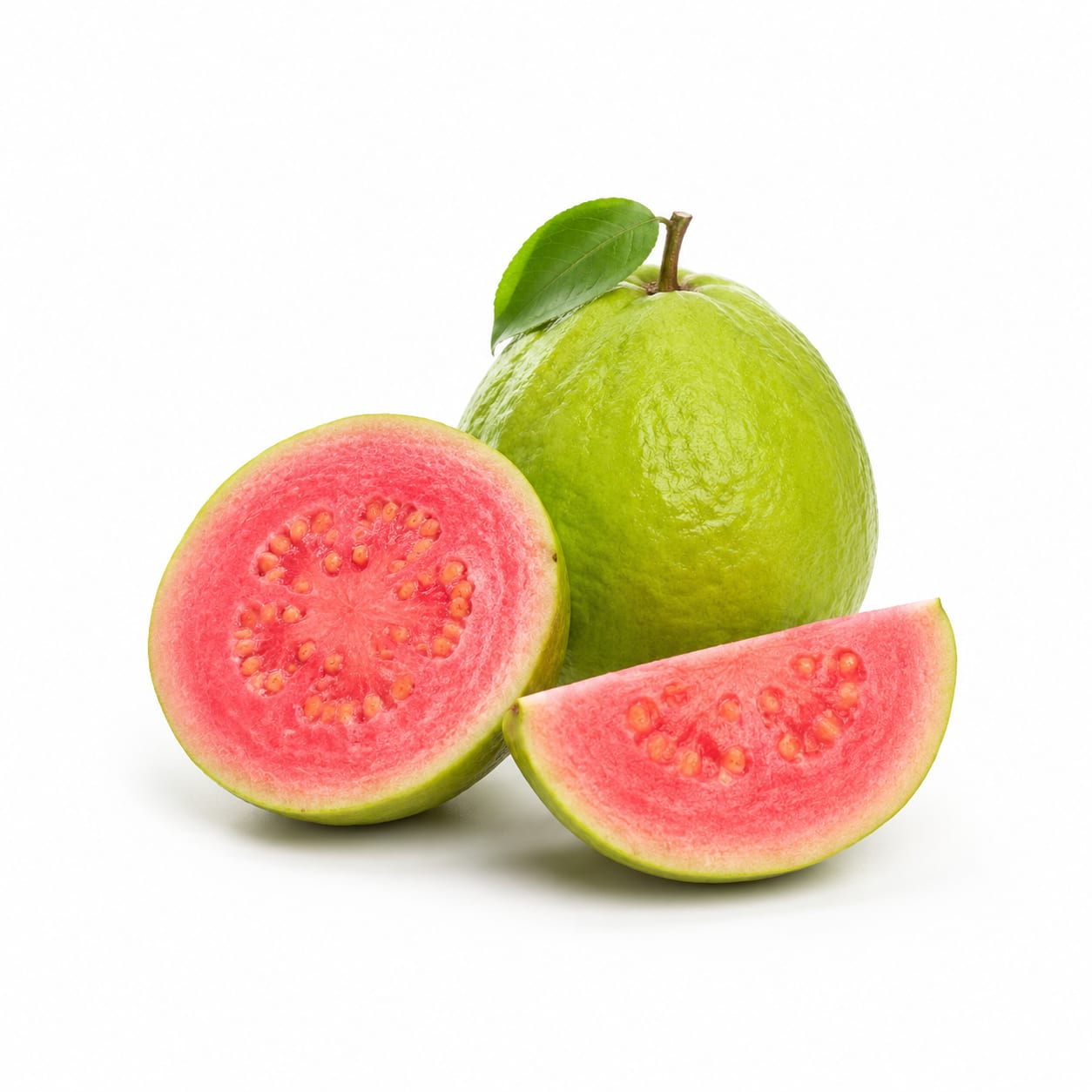
Compare with
Guava
Guava provides significantly more fiber, vitamin C, and nutrients per calorie compared to the watery rose apple.
Guava is far more nutritious and filling than rose apple, offering much more fiber and vitamin C per serving.
This food
Rose Apple
VS70% alike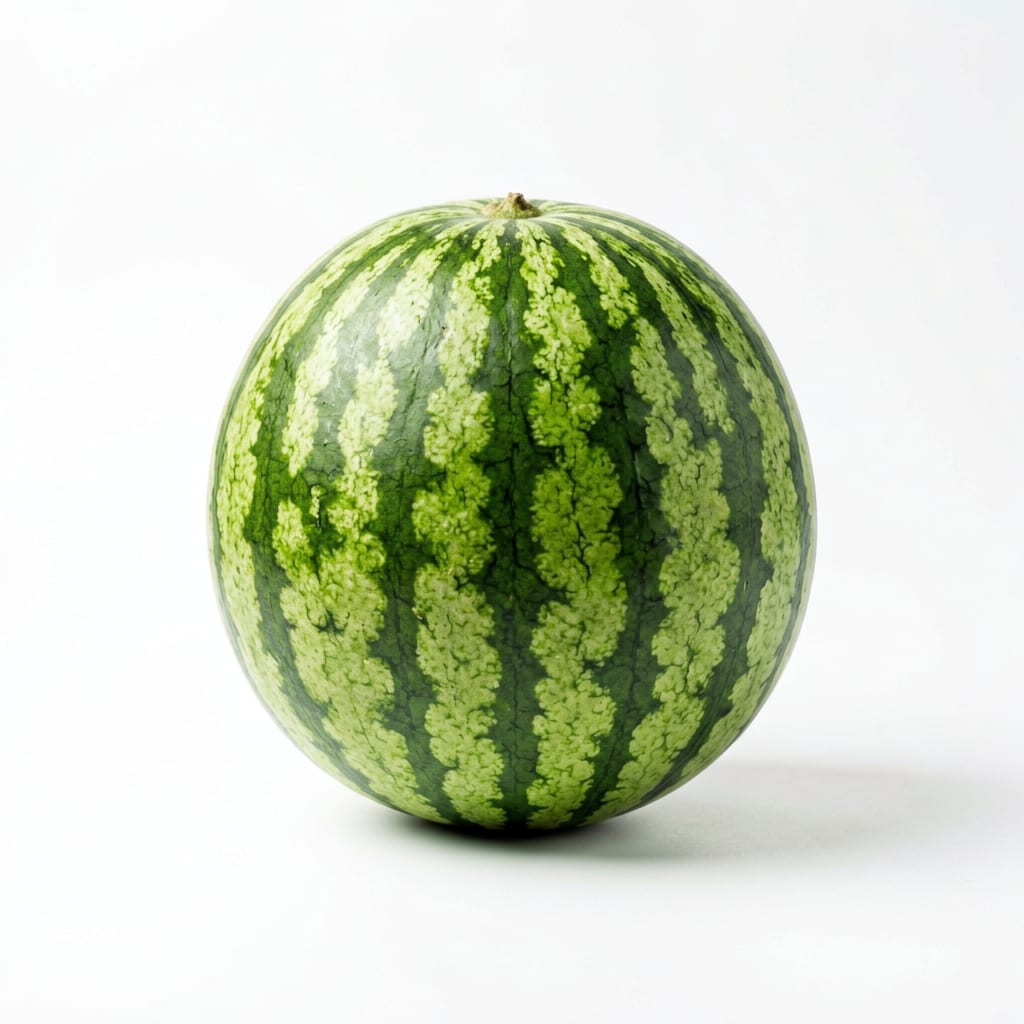
Compare with
Watermelon
Watermelon is sweeter and higher in lycopene, while rose apple is lower in sugar and has a crisper texture.
Watermelon provides more natural sugars for quick energy, while rose apple is lower in calories and better for strict blood sugar control.
This food
Rose Apple
VS60% alike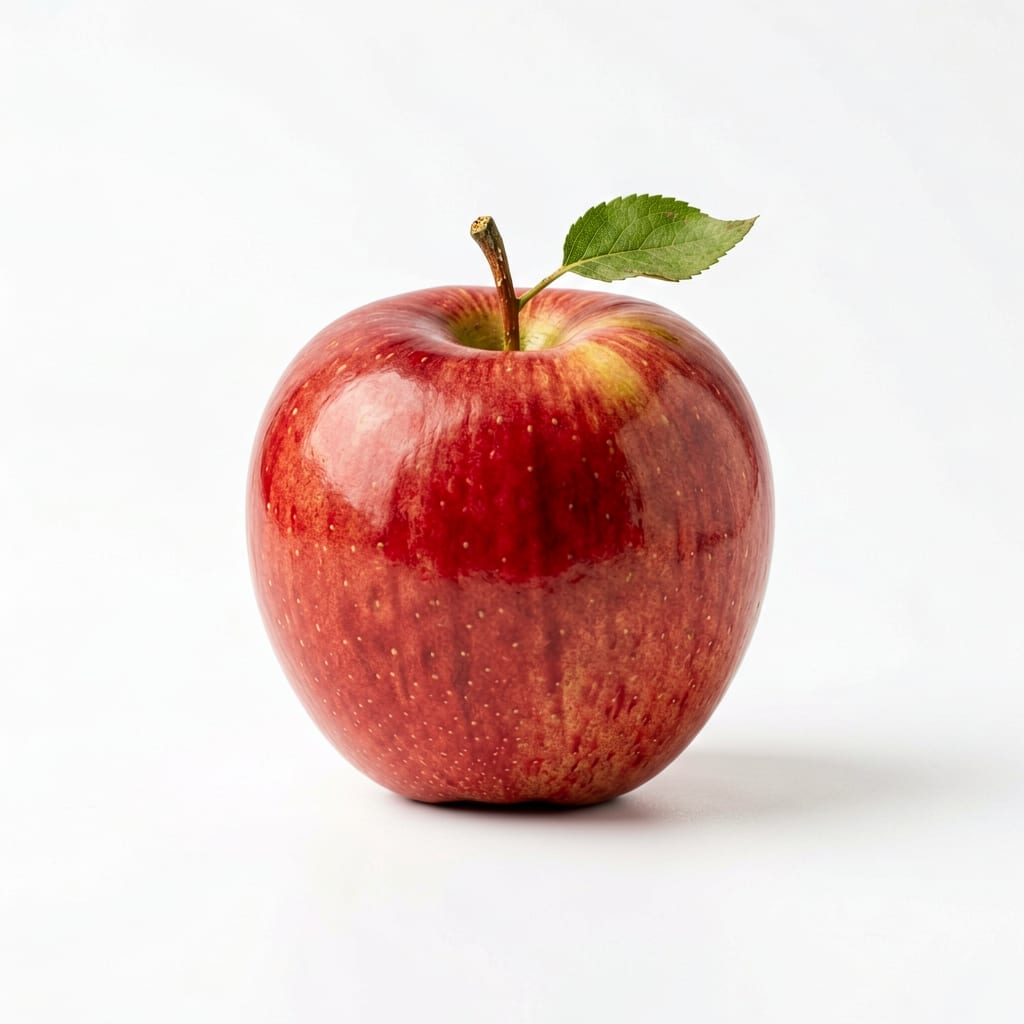
Compare with
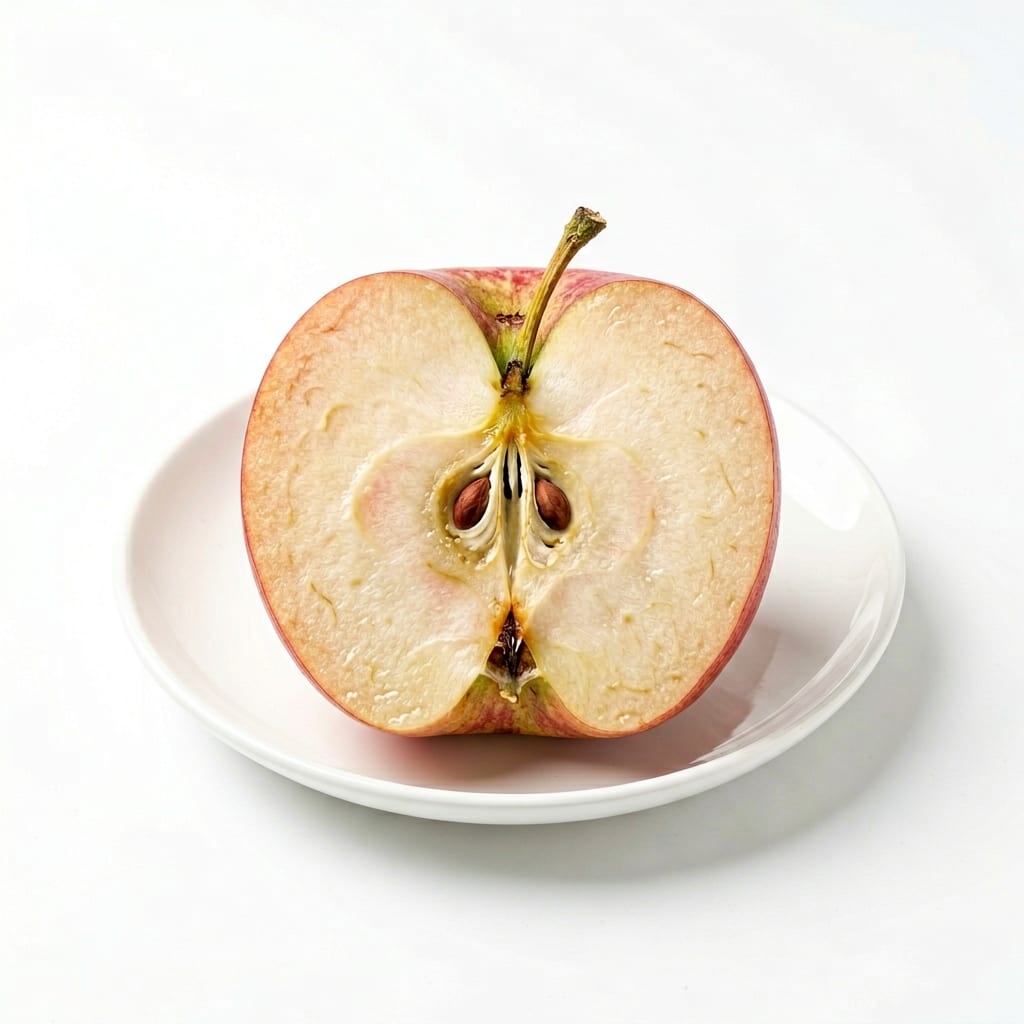
Apple
Standard apples are denser, sweeter, and higher in fiber, making them more satiating but higher in calories.
Apples are denser and more satiating with more fiber, while rose apples are drastically lower in calories and sugar.
This food
Rose Apple
VS75% alike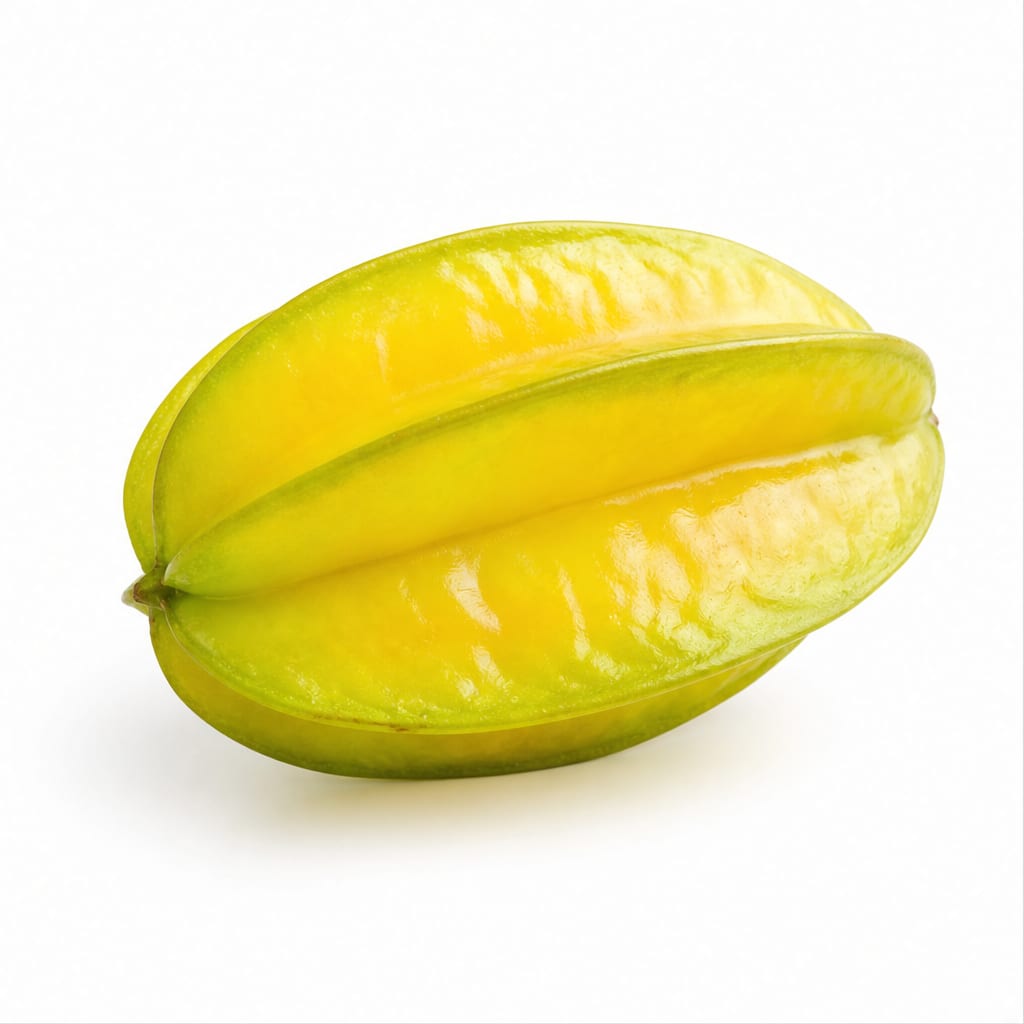
Compare with
Starfruit
Starfruit has a tart flavor and unique shape, while rose apple is purely sweet-floral. Both are low in calories.
Starfruit and rose apple are both low-calorie hydrating fruits, but starfruit poses kidney risks for some individuals while rose apple does not.
This food
Rose Apple
VS55% alike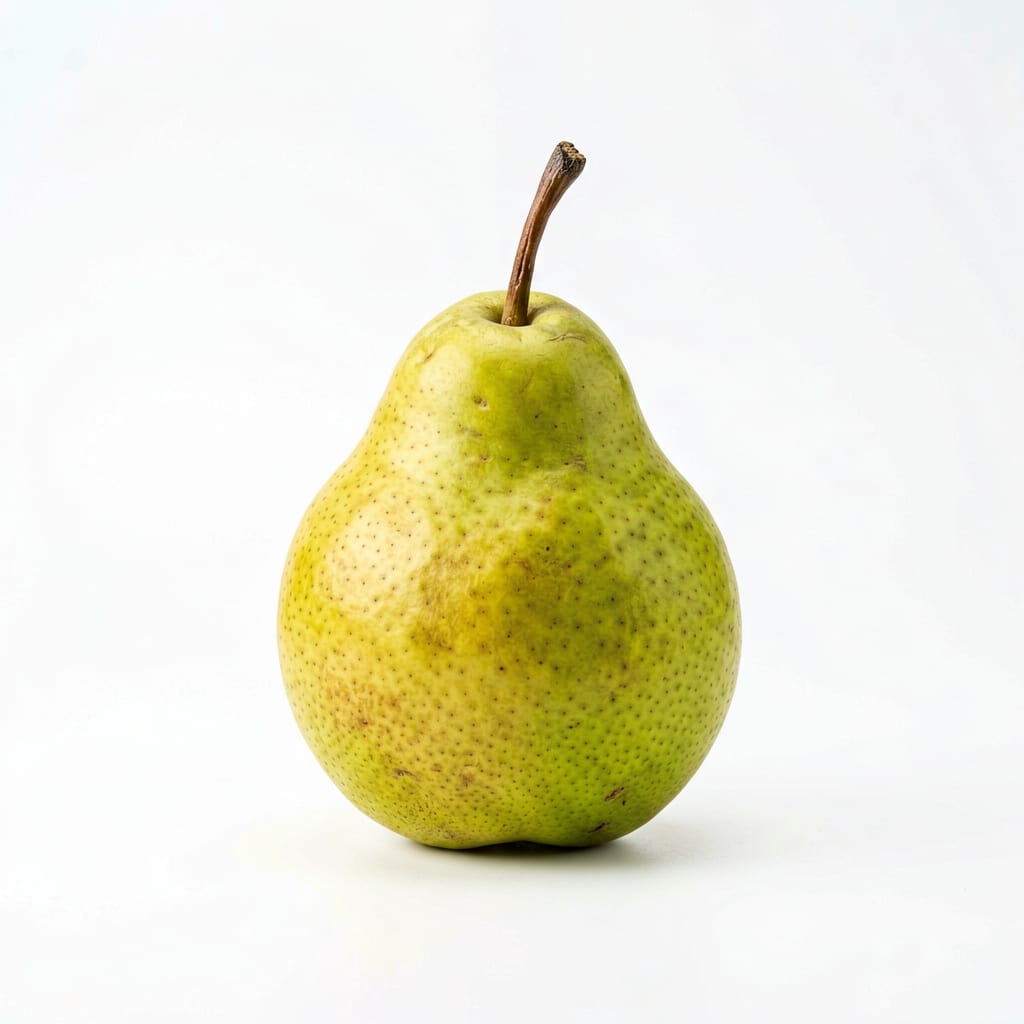
Compare with
Pear
Pears offer significantly more fiber and sweetness, whereas rose apples provide a lighter, lower-calorie crunch.
Pears are much higher in fiber and more filling, making them better for satiety, while rose apples are the clear choice for low-calorie snacking.
This food
Rose Apple
VS85% alike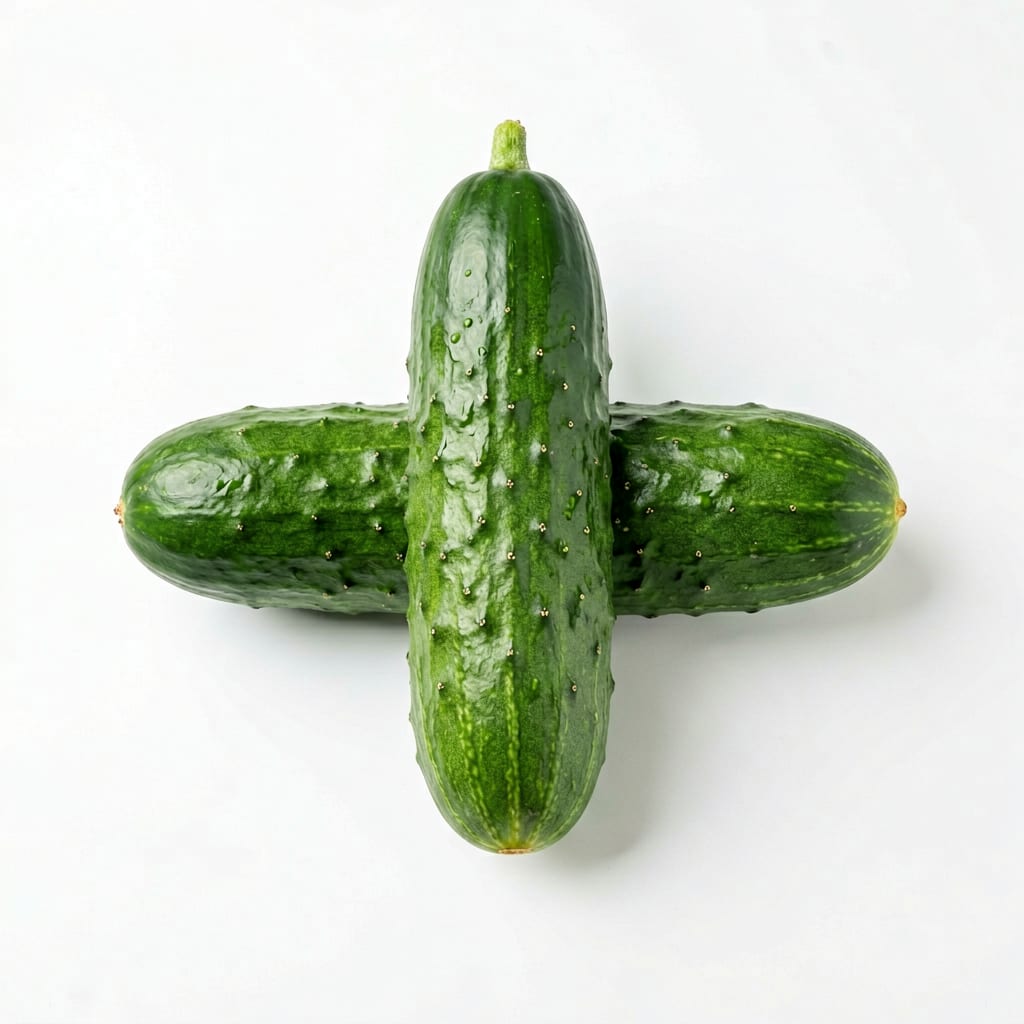
Compare with
Cucumber
Cucumber is a vegetable with virtually no sugar, while rose apple offers a slightly sweeter, floral profile.
Cucumbers are lower in calories and sugar, but rose apples provide a sweeter, fruity experience for only a slight caloric increase.
This food
Rose Apple
VS55% alike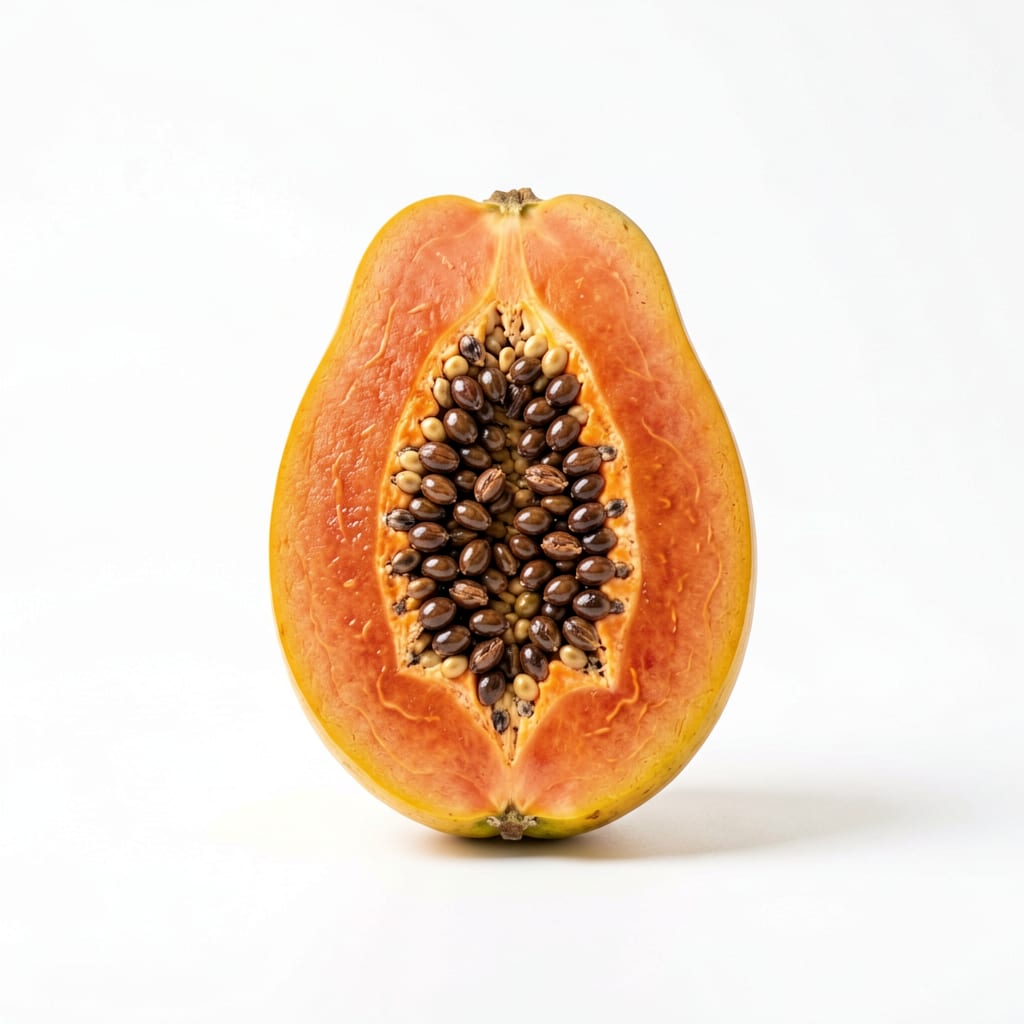
Compare with
Papaya
Papaya is rich in digestive enzymes and vitamin A, while rose apple is primarily a source of hydration.
Papaya offers more nutrients and natural energy, while rose apple is a lighter choice with fewer calories and less sugar.
This food
Rose Apple
VS60% alike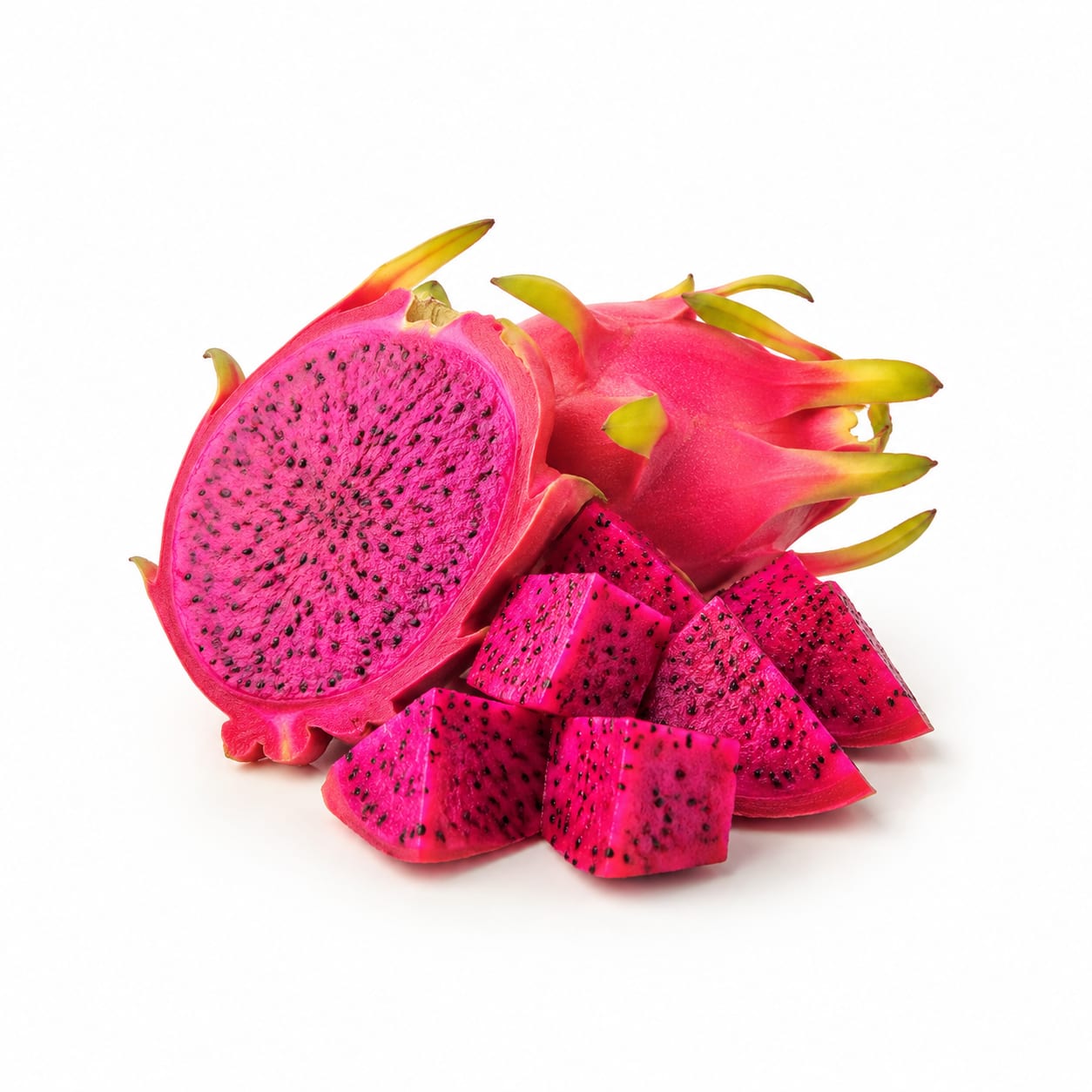
Compare with
Dragon Fruit
Dragon fruit has more carbohydrates and a softer texture, while rose apple is crisper and lower in calories.
Dragon fruit provides more carbs and prebiotic fiber, whereas rose apple is a lighter, lower-sugar option for weight loss.
This food
Rose Apple
VS65% alike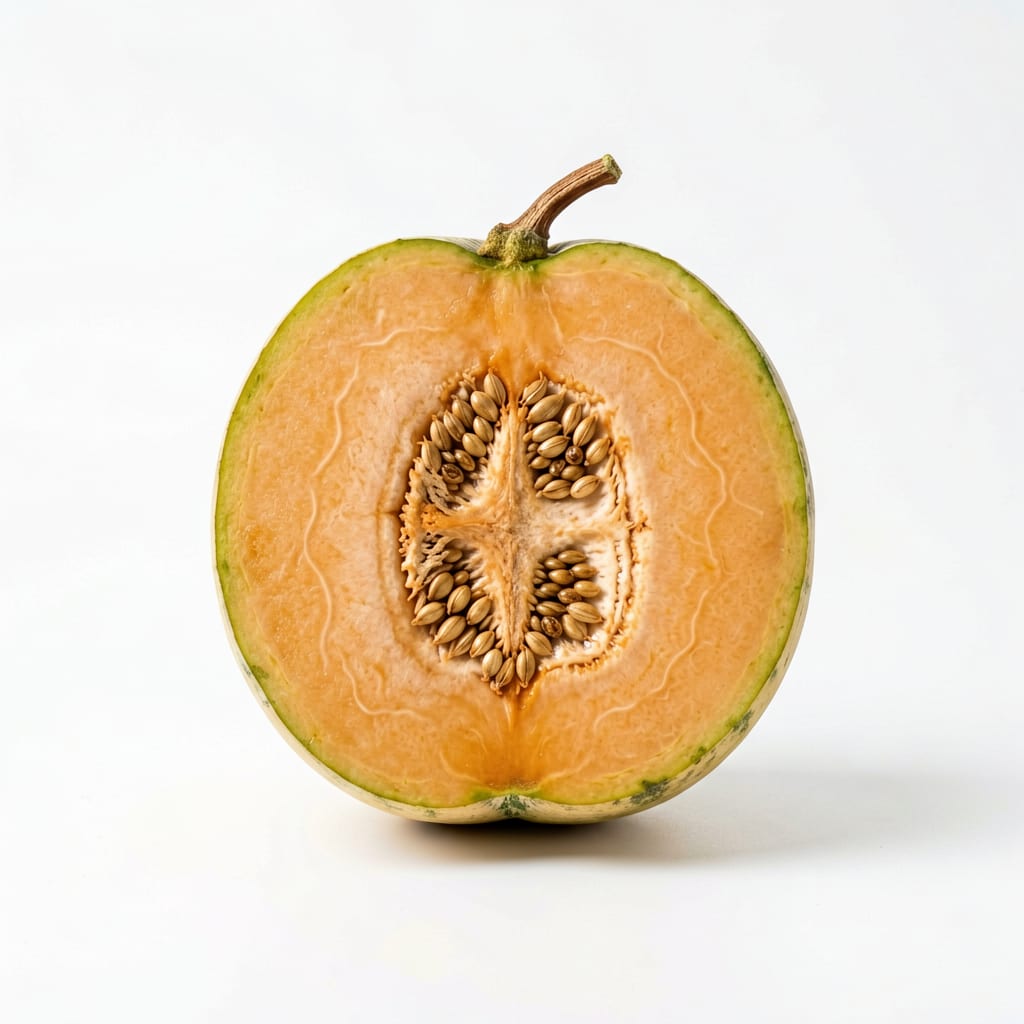
Compare with
Cantaloupe
Cantaloupe is much sweeter and richer in vitamin A, while rose apple is lower in sugar and calories.
Cantaloupe is sweeter and richer in vitamins, but rose apple is better for low-carb and low-sugar diets due to its lower calorie count.
Common questions
FAQ
Answers aligned with how people search for this food.
Is rose apple good for weight loss?
Yes, rose apple is excellent for weight loss. It is extremely low in calories and high in water, allowing you to eat a large volume of food without consuming excess calories.
Can diabetics eat rose apple?
Yes, diabetics can safely eat rose apple. It has a low glycemic index and a very low glycemic load, meaning it will not cause significant blood sugar spikes.
What does a rose apple taste like?
Rose apple has a crisp, watery texture similar to a watermelon or cucumber, with a mildly sweet and distinctly floral flavor reminiscent of rosewater.
Is rose apple a real apple?
No, rose apple is not related to the common apple. It belongs to the Myrtaceae family and is botanically distinct from standard apples, which are in the Rosaceae family.
How many calories are in a rose apple?
There are approximately 25 calories in 100 grams of rose apple, making it one of the lowest-calorie fruits available.
Are rose apple seeds toxic?
The seeds contain trace amounts of amygdalin, which can release cyanide when crushed, but accidental ingestion of a few whole seeds is generally harmless. It is best to avoid eating the seeds.
Is rose apple good for hydration?
Yes, rose apple is over 90% water, making it an excellent hydrating snack, particularly in hot climates.
What is the difference between rose apple and wax apple?
They are closely related species in the Syzygium genus, sharing similar crisp, watery textures. Wax apples are typically bell-shaped with a glossy skin and are often slightly sweeter than rose apples.
Transparency
Data confidence
Estimated confidence for nutrition data, interpretation, safety notes, and comparisons.
Nutrition data
Health analysis
Food safety
Comparisons