
Nutrition comparison
Rose Apple vs Apple: Which Is Better for Weight Loss, Fiber, and Daily Snacking?
Compare Rose Apple and Apple on calories, fiber, sugar, hydration, and practicality. Find out which fruit fits your health goals and when to choose each.
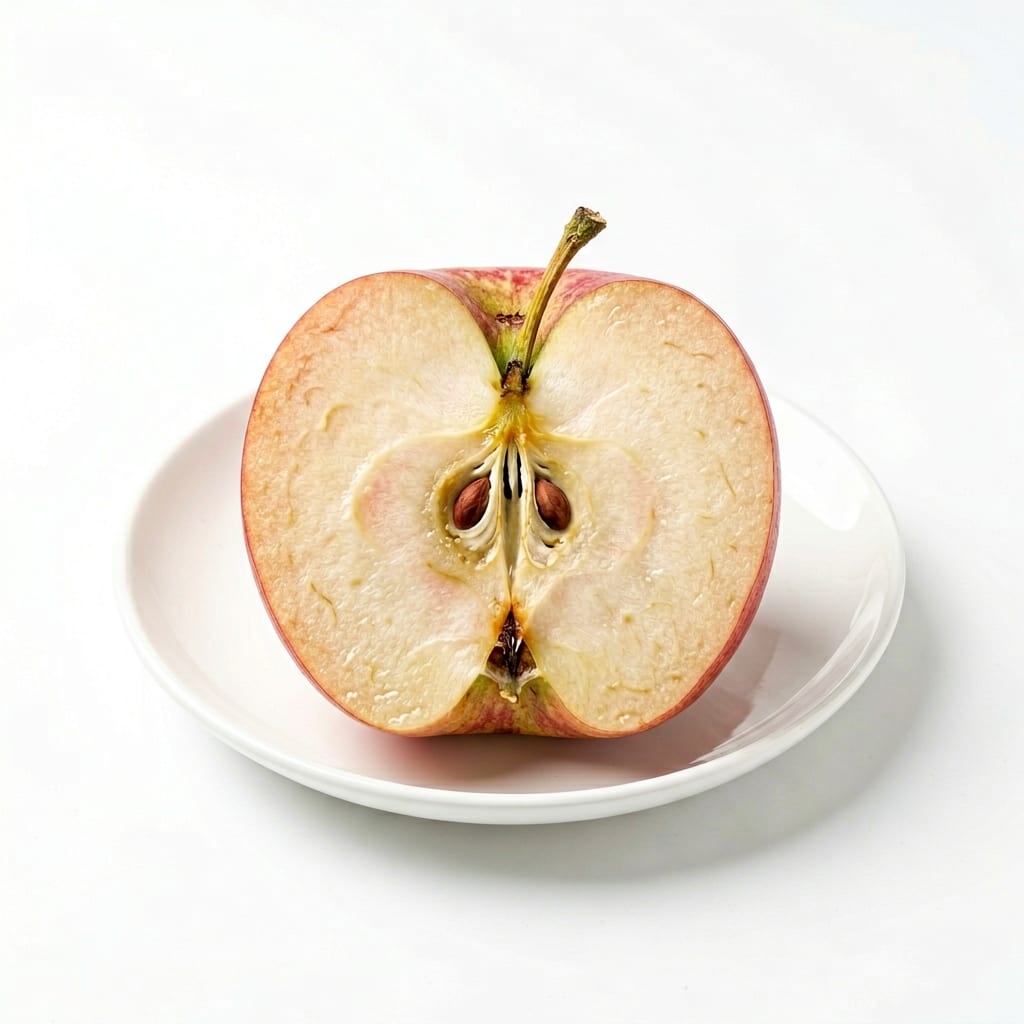
Rose Apple
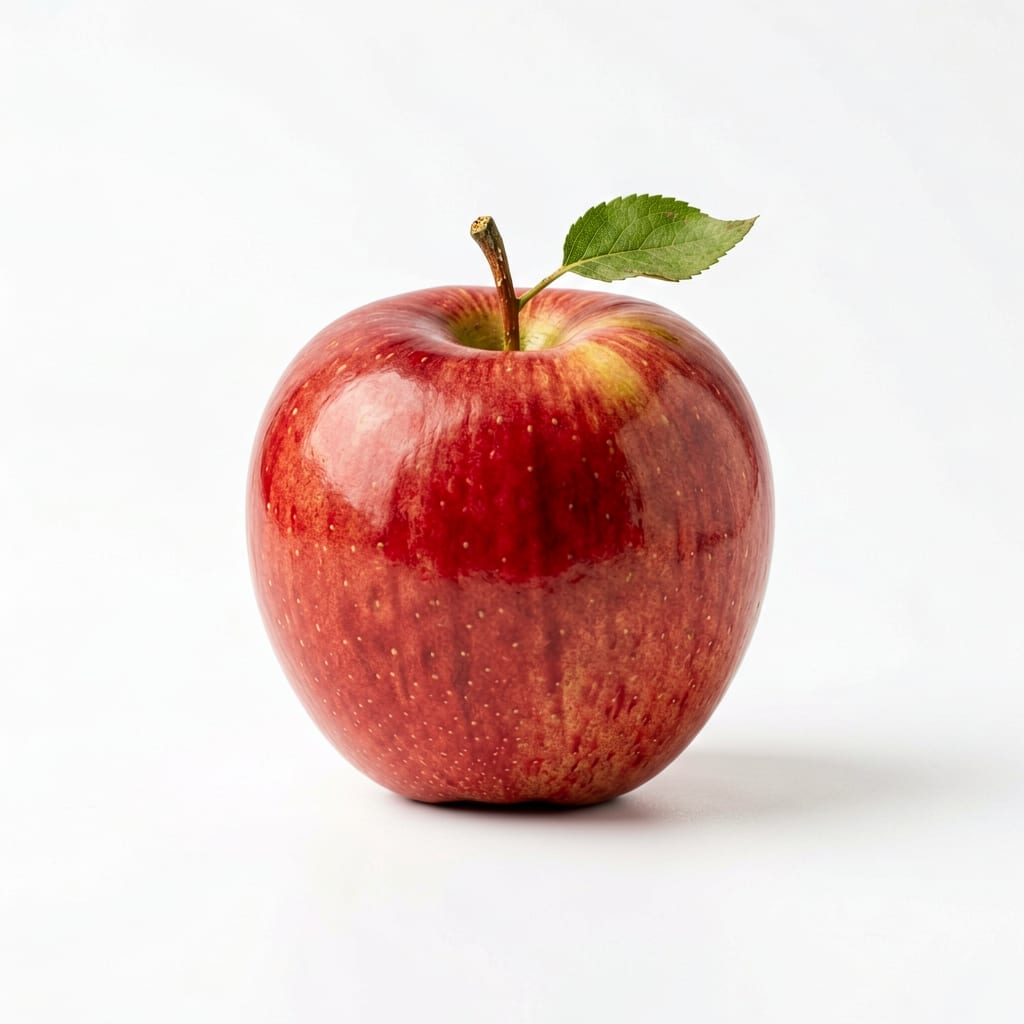
Apple
Apple wins on nutrition and practicality; Rose Apple wins on low-calorie volume and refreshment.
Apple scores higher due to superior fiber, broader nutrient profile, and unmatched availability. Rose Apple remains valuable for low-calorie snacking but loses points on satiety and practicality.
Fiber and satiety versus calories and hydration — Apple fills you up more, Rose Apple lets you eat more for fewer calories.
At a glance
Executive summary
Overall
It depends
Healthier
Apple
More practical
Apple
Daily use
Apple
Key comparison lenses
Low-calorie snacking and weight management
Rose Apple is dramatically lower in calories, making it the obvious choice for volume eaters
Fiber intake and gut health
Apple delivers significantly more fiber, which matters for digestion and fullness
Blood sugar management
Rose Apple has less sugar but also less fiber to slow absorption, creating a nuanced tradeoff
Everyday practicality and availability
Apples are available everywhere year-round; Rose Apples are seasonal and harder to find
Hydration and refreshment
Rose Apple's extremely high water content makes it uniquely thirst-quenching
Best choice for
Rose Apple
- Volume eaters who want maximum food for minimal calories
- Hot climates where a hydrating, refreshing snack matters
- People strictly limiting sugar intake
- Anyone bored with common fruits and seeking variety
Apple
- Daily reliable fiber intake and gut health
- Sustained energy without crashes
- Families needing affordable, available fruit year-round
- Anyone prioritizing heart health and cholesterol management
Least suitable for
Rose Apple
- People who need filling snacks to avoid overeating later
- Anyone living where Rose Apples are unavailable or expensive
- Those needing consistent daily nutrition from easily found produce
Apple
- Very strict low-calorie or low-sugar diets
- People who find apples too filling or too sweet
- Those seeking high-water-content fruit for hydration
Deep comparison
Dimension by dimension
Each lens scores both foods and breaks down who each option suits.
- Dimension 1 · Priority 92Rose Apple
Calorie Density and Weight Management
Rose Apple · 90Apple · 60Rose Apple delivers roughly half the calories per 100g, making it ideal for eating larger portions without guilt.
Tradeoff
You get more volume but less staying power — easy to overeat later because it barely registers as filling.
Why it matters
For weight loss, calorie density often matters more than total calories. Rose Apple lets you snack generously.
Real-world impact
You could eat two cups of sliced Rose Apple for the same calories as one medium Apple — helpful for late-night snackers.
Rose Apple
- Calorie-restricted diets
- Volume eating strategies
- Grazing throughout the day
Better for
- Situations requiring lasting fullness
- Post-workout recovery snacking
Worse for
Apple
- Meals where the fruit needs to hold you over
- Active people needing more energy density
Better for
- Strict calorie counting with large portion desires
Worse for
- Dimension 2 · Priority 88Apple
Fiber and Satiety
Rose Apple · 35Apple · 82Apple provides roughly 3-4 times more fiber than Rose Apple, making it far more filling and gut-friendly.
Tradeoff
Apple keeps you satisfied longer but comes with more calories and sugar as part of the package.
Why it matters
Fiber is the single biggest predictor of whether a snack prevents overeating later in the day.
Real-world impact
An Apple at 3pm can prevent a dinner binge. A Rose Apple at 3pm might leave you hunting for crackers by 4pm.
Rose Apple
- Light snacking when you don't want to feel heavy
Better for
- Appetite control between meals
- Digestive regularity
Worse for
Apple
- Between-meal hunger management
- Gut health and regularity
- Cholesterol reduction support
Better for
- Moments when you want something light before a meal
Worse for
- Dimension 3 · Priority 85Rose Apple
Sugar Content and Blood Sugar Impact
Rose Apple · 78Apple · 58Rose Apple contains significantly less sugar, though its lower fiber means what sugar exists absorbs faster.
Tradeoff
Less total sugar is good, but without fiber to slow digestion, the glycemic tradeoff is not as clean as it seems.
Why it matters
For diabetics and sugar-sensitive individuals, both total sugar and absorption speed matter equally.
Real-world impact
Rose Apple causes a smaller total glucose load, but pairing it with a fat or protein source is wise to avoid a quick spike.
Rose Apple
- Low-sugar diets
- Smaller total glucose load per serving
Better for
- Unaccompanied snacking where rapid sugar absorption is a concern
Worse for
Apple
- Steadier blood sugar due to fiber slowing absorption
- Sustained energy for physical activity
Better for
- Very low-carb or keto-adjacent eating styles
Worse for
- Dimension 4 · Priority 75Rose Apple
Hydration and Refreshment
Rose Apple · 92Apple · 55Rose Apple is over 90% water with a crisp, thirst-quenching quality that Apple simply cannot match.
Tradeoff
That watery refreshment comes at the cost of caloric and nutritional substance.
Why it matters
In hot climates or after exercise, a hydrating fruit can replace both snack and partial water intake.
Real-world impact
On a sweaty afternoon, Rose Apple feels like eating flavored water — Apple feels like eating food.
Rose Apple
- Hot weather snacking
- Post-exercise refreshment alongside water
- People who struggle to stay hydrated
Better for
- Replacing substantive nutrition
Worse for
Apple
- Cooler weather when hydration from food matters less
Better for
- Situations where thirst-quenching is the priority
Worse for
- Dimension 5 · Priority 72Apple
Nutrient Density and Antioxidants
Rose Apple · 48Apple · 75Apple delivers more vitamins, minerals, and well-studied antioxidants like quercetin per calorie consumed.
Tradeoff
Rose Apple has some vitamin C and flavonoids but has been far less researched, so its full profile is unclear.
Why it matters
Consistent daily intake of diverse antioxidants matters more for long-term health than any single superfruit moment.
Real-world impact
An Apple a day has decades of epidemiological support. Rose Apple is promising but unproven at scale.
Rose Apple
- Dietary variety and broadening antioxidant sources
Better for
- Evidence-based long-term health strategies
Worse for
Apple
- Reliable, well-documented health benefits
- Quercetin intake for inflammation and allergy support
Better for
- Dietary monotony if eaten exclusively
Worse for
- Dimension 6 · Priority 80Apple
Availability and Practicality
Rose Apple · 25Apple · 95Apples are available globally year-round at low cost. Rose Apples are seasonal, regional, and often expensive or impossible to find.
Tradeoff
The more nutritious option is also the more accessible one — a rare alignment that makes daily choosing simple.
Why it matters
The healthiest food is the one you can actually buy and eat consistently.
Real-world impact
You can grab an Apple at any grocery store, gas station, or cafeteria. Rose Apple requires specialty markets or tropical regions.
Rose Apple
- Tropical regions where it grows locally
- Farmers markets in season
Better for
- Weekly meal planning in most climates
- Budget-friendly diets
Worse for
Apple
- Everyday grocery shopping
- Meal prep and planning consistency
- Budget-conscious households
Better for
- Culinary exploration and novelty-seeking eaters
Worse for
Timeline
Health impact over time
Short-term
Hours to days
Rose Apple
- Quick hydration boost from high water content
- Light, non-bloating snack that won't weigh you down
- Possible faster blood sugar rise if eaten alone without protein or fat
Apple
- Noticeable fullness that reduces snacking for 1-2 hours
- Steadier energy release thanks to pectin fiber
- Mild digestive regularity support within hours of eating
Long-term
Months to years
Rose Apple
- Lower calorie intake if consistently chosen over denser fruits
- Possible insufficient fiber if Rose Apple replaces all other fiber sources
- Potential antioxidant benefits from flavonoids, though research is limited
Apple
- Improved cholesterol levels from regular pectin intake
- Better gut microbiome diversity from consistent soluble fiber
- Reduced chronic disease risk supported by decades of population studies
Risk profile
Safety & processing
Both fruits are eaten whole and unprocessed straight from the tree. Neither contains additives unless dried, canned, or juiced. Fresh is always the cleanest choice for both.
Rose Apple
Pesticide residue on imported Rose Apples
mediumWhen imported, Rose Apples may face less regulated pesticide use in some tropical countries. Washing thoroughly is essential.
Spoilage due to high water content
mediumThe extremely high water content means Rose Apples spoil faster than Apples. Refrigerate and consume within days.
Apple
Pesticide residue on conventionally grown Apples
mediumApples consistently rank in the top fruits for pesticide residue. Choose organic when possible, or wash and peel.
Wax coatings on store-bought Apples
lowCommercial Apples are often coated with shellac or carnauba wax to improve appearance. Harmless but unappetizing to some.
Who wins for whom
Audience fit
Same foods, different winners depending on your goal.
children
AppleApples are familiar, widely available, and provide reliable fiber for growing digestive systems. Rose Apple's scarcity and milder flavor make it a harder sell to picky eaters.
daily consumption
AppleConsistent availability, proven health benefits, and reliable fiber make Apple the more sustainable daily choice for most people worldwide.
diabetes
It dependsRose Apple has less total sugar but less fiber to slow absorption. Apple has more sugar but more fiber for glycemic control. Individual response varies — pair either with fat or protein.
elderly
AppleApple's fiber supports regularity and cholesterol management, both critical for older adults. Its softer texture when cooked is also gentler on aging teeth.
muscle gain
AppleApple provides more total carbohydrates for training fuel and more fiber for overall digestive health during high-protein diets.
weight loss
Rose AppleRose Apple's extremely low calorie density allows larger portions with minimal caloric impact, though pairing with protein is recommended to manage hunger.
Your move
Decision guide
Choose Rose Apple
- You want maximum snack volume for minimal calories
- You live in a tropical region where Rose Apples are affordable and fresh
- You are focused on hydration and refreshment more than fullness
- You are limiting sugar but still want fruit in your diet
Choose Apple
- You need a filling snack that prevents overeating later
- You want reliable daily fiber for gut and heart health
- Availability and budget matter for your grocery routine
- You want the most researched, evidence-supported fruit choice
Either works if
- You simply want a whole-food snack instead of processed options
- You are rotating fruits for dietary variety and antioxidant diversity
- Both are fresh and in season where you live
Avoid both if
- You have a severe oral allergy syndrome triggered by Rosaceae fruits
- You are on a strict very-low-carb diet and cannot accommodate fruit sugar
- You have fructose malabsorption issues that trigger bloating from either fruit
Final recommendation
Make Apple your daily staple for fiber, fullness, and proven benefits. Add Rose Apple when available for low-calorie variety and hydration. Think of Apple as your reliable workhorse and Rose Apple as a refreshing guest star.
Practical
Consumer tips
- 1
Pair Rose Apple with a handful of nuts or cheese to add fat and protein — this prevents blood sugar spikes and makes it more satisfying
- 2
Choose organic Apples when possible — they top the Dirty Dozen list for pesticide residue most years
- 3
Refrigerate Rose Apples immediately and eat within 2-3 days — they spoil much faster than Apples
- 4
If Rose Apple is unavailable, watermelon or cucumber can serve a similar low-calorie hydration role
- 5
Leave Apple skins on — that is where most fiber and antioxidants concentrate
- 6
Freeze sliced Apples for smoothies — they blend well and replace ice for a creamier texture