
Nutrition comparison
Rose Apple vs Cantaloupe: Nutrition, Sugar, and Health Comparison
Compare Rose Apple and Cantaloupe side by side. Cantaloupe delivers far more vitamins A and C, while Rose Apple offers lower sugar. Find out which fruit fits your health goals.
Overall winner · Cantaloupe
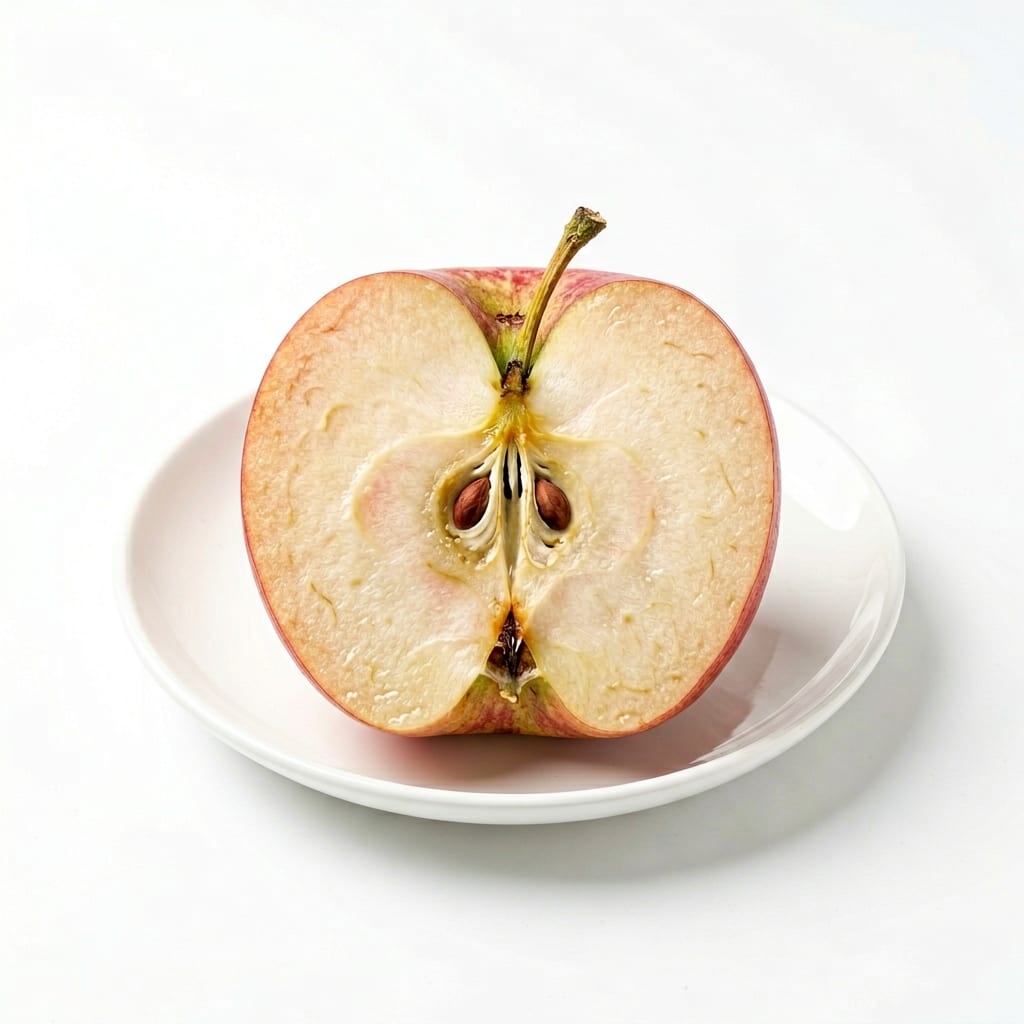
Rose Apple
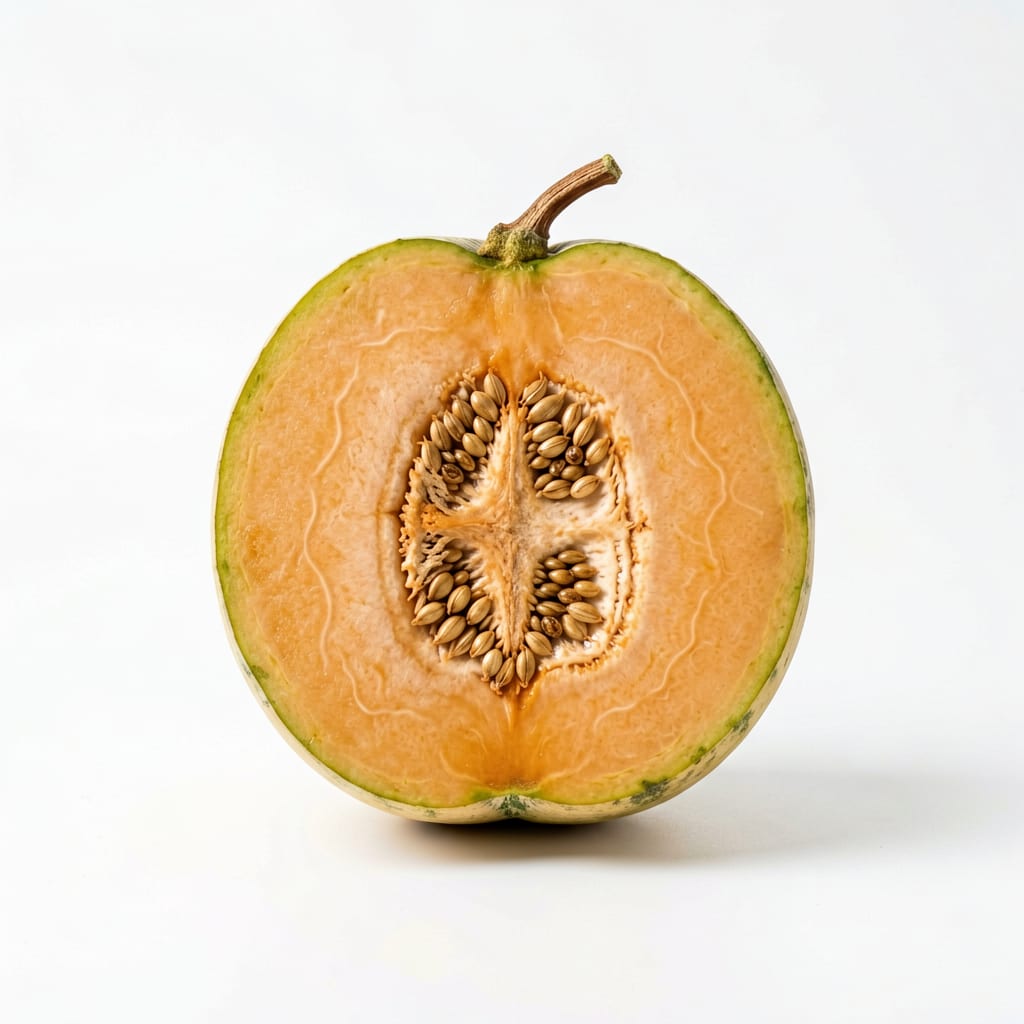
Cantaloupe
Cantaloupe delivers far more nutrition per calorie, especially vitamins A and C, while Rose Apple offers a lower-sugar, lighter alternative that is harder to find.
Cantaloupe scores significantly higher due to its exceptional vitamin A and C content, broader availability, and more versatile culinary use. Rose Apple is not nutritionally competitive but offers a valid low-sugar hydration option.
Cantaloupe wins on nutrient density and availability; Rose Apple wins on lower sugar and novelty appeal but provides minimal vitamins.
At a glance
Executive summary
Overall
Cantaloupe
Healthier
Cantaloupe
More practical
Cantaloupe
Daily use
Cantaloupe
Key comparison lenses
nutrient density comparison
Cantaloupe is dramatically richer in vitamins A and C, making this the most consequential difference between the two fruits
blood sugar management
Rose Apple has notably lower sugar content, which matters for diabetics and low-carb eaters choosing between these
hydration and low calorie snacking
Both fruits are over 90% water with very few calories, so users are likely choosing for light snacking
accessibility and practicality
Cantaloupe is widely available year-round while Rose Apple is specialty and seasonal in most regions
food safety risk
Cantaloupe has documented contamination risks that Rose Apple does not carry
Best choice for
Rose Apple
- Low-sugar diets and diabetic meal plans
- Tropical fruit enthusiasts seeking variety
- Light hydrating snacks with minimal caloric impact
Cantaloupe
- Boosting vitamin A and C intake naturally
- Everyday affordable fruit nutrition
- Post-workout hydration with electrolytes
Least suitable for
Rose Apple
- Anyone relying on fruit for meaningful vitamin intake
- Budget-conscious shoppers outside tropical regions
- People who dislike mild or subtle flavors
Cantaloupe
- Strict low-sugar or keto dieters
- People with compromised immune systems worried about foodborne illness risk
- Those who need portable, mess-free snacking
Deep comparison
Dimension by dimension
Each lens scores both foods and breaks down who each option suits.
- Dimension 1 · Priority 95Cantaloupe
Vitamin and Mineral Density
Rose Apple · 18Cantaloupe · 82Cantaloupe is a nutritional powerhouse compared to Rose Apple, which is surprisingly sparse in vitamins and minerals despite being a fruit.
Tradeoff
You get significantly more immune-supporting and vision-protecting nutrients from Cantaloupe, but Rose Apple keeps sugar lower if that is your priority.
Why it matters
Vitamin A from Cantaloupe supports eye health and immune function at levels most fruits cannot match. Rose Apple provides almost none of this.
Real-world impact
A single cup of Cantaloupe covers over 100% of daily vitamin A needs. You would need to eat impractical amounts of Rose Apple to get similar benefits.
Rose Apple
- Minimalists who want hydration without nutrient density concerns
Better for
- Relying on Rose Apple as a significant vitamin source
Worse for
Cantaloupe
- Anyone wanting real vitamin payoff from fruit calories
- Parents feeding children who need nutrient-dense snacks
- Older adults supporting eye and immune health
Better for
- Those tracking sugar who find the vitamin payoff not worth the carbs
Worse for
- Dimension 2 · Priority 80Rose Apple
Blood Sugar and Glycemic Impact
Rose Apple · 82Cantaloupe · 55Rose Apple contains significantly less sugar and has a gentler effect on blood glucose, making it the safer choice for glucose-sensitive individuals.
Tradeoff
Rose Apple spares your blood sugar but gives you almost no vitamins in return. Cantaloupe has more sugar but packages it with substantial nutrients.
Why it matters
For diabetics and low-carb eaters, the sugar difference is meaningful. Rose Apple has roughly half the sugar of Cantaloupe per serving.
Real-world impact
If you are monitoring blood sugar closely, Rose Apple is less likely to cause a spike. Cantaloupe is still moderate but requires more portion awareness.
Rose Apple
- Diabetics managing glucose carefully
- Low-carb dieters wanting fruit without the sugar load
- Anyone sensitive to post-meal blood sugar swings
Better for
- Anyone expecting meaningful energy from their fruit snack
Worse for
Cantaloupe
- Active people who can handle the sugar and want the vitamins
- Endurance athletes needing quick natural carbs with nutrients
Better for
- Insulin-resistant individuals who need to minimize sugar intake
Worse for
- Dimension 3 · Priority 72It depends
Hydration and Caloric Efficiency
Rose Apple · 78Cantaloupe · 75Both fruits are over 90% water and very low in calories, making them nearly equivalent for light hydration snacking.
Tradeoff
Rose Apple is slightly lower in calories per gram but Cantaloupe provides more electrolytes like potassium alongside its hydration.
Why it matters
In hot climates or after exercise, both work well as refreshing low-calorie options. The calorie difference is negligible in practice.
Real-world impact
Neither fruit will fill you up for long. Both are best paired with protein or fat if you want sustained energy.
Rose Apple
- Those who want the absolute lowest calorie count per volume
Better for
- Recovery scenarios where electrolytes are needed
Worse for
Cantaloupe
- Post-exercise rehydration where potassium replacement matters
Better for
- Strict calorie counters who notice even small differences
Worse for
- Dimension 4 · Priority 70Cantaloupe
Availability and Practical Convenience
Rose Apple · 25Cantaloupe · 85Cantaloupe is available in virtually every grocery store year-round, while Rose Apple is a specialty item in most countries.
Tradeoff
Cantaloupe is easy to find and affordable. Rose Apple requires specialty markets or tropical regions and often costs significantly more.
Why it matters
The best fruit for you is the one you can actually buy and eat regularly. Availability often determines real-world dietary choices more than nutrition facts.
Real-world impact
Most people reading this comparison can buy Cantaloupe today. Finding fresh Rose Apple may require visiting an Asian market or living in a tropical climate.
Rose Apple
- Tropical region residents with local access
- Adventurous eaters who enjoy seeking out rare fruits
Better for
- Meal planning that depends on consistent availability
Worse for
Cantaloupe
- Anyone shopping at a standard grocery store
- Families needing affordable weekly fruit options
Better for
- Those in regions where Cantaloupe is imported and expensive
Worse for
- Dimension 5 · Priority 65Rose Apple
Food Safety and Contamination Risk
Rose Apple · 80Cantaloupe · 55Cantaloupe has a well-documented history of bacterial contamination outbreaks, while Rose Apple carries minimal food safety concerns.
Tradeoff
Cantaloupe's netted rind traps bacteria and is harder to sanitize. Rose Apple's smooth skin is easier to clean but may carry pesticide residues depending on sourcing.
Why it matters
Cantaloupe has been linked to multiple Listeria and Salmonella outbreaks, making it a food safety concern for vulnerable populations.
Real-world impact
Pregnant women, elderly individuals, and immunocompromised people should be cautious with Cantaloupe and always wash the rind thoroughly before cutting.
Rose Apple
- Immunocompromised individuals seeking lower-risk fruit
- Pregnant women avoiding Listeria exposure
Better for
- Those who assume all fruit is equally safe without washing
Worse for
Cantaloupe
- Healthy adults who follow proper washing and storage protocols
Better for
- Vulnerable populations who skip proper produce washing
Worse for
- Dimension 6 · Priority 60Cantaloupe
Flavor Satisfaction and Eating Experience
Rose Apple · 45Cantaloupe · 75Cantaloupe delivers a rich, sweet, aromatic experience while Rose Apple is notably mild and subtle, which some find underwhelming.
Tradeoff
Cantaloupe satisfies sweet cravings more effectively, but Rose Apple offers a unique floral crispness for those who appreciate delicate flavors.
Why it matters
If a fruit does not satisfy you, you may reach for less healthy alternatives. Flavor drives long-term dietary adherence.
Real-world impact
Most people find Cantaloupe more immediately enjoyable. Rose Apple is an acquired taste that appeals to those who prefer less sweetness.
Rose Apple
- Palates that prefer subtle, floral, less sweet flavors
- People avoiding sweet-tasting foods to reduce cravings
Better for
- Those expecting bold fruit flavor who find it watery
Worse for
Cantaloupe
- Anyone wanting a naturally sweet, satisfying dessert fruit
- Kids who typically prefer sweeter fruits
Better for
- People trying to reduce overall sweetness in their diet
Worse for
Timeline
Health impact over time
Short-term
Hours to days
Rose Apple
- Very gentle on blood sugar with minimal glucose impact
- Light hydration without feeling heavy or bloated
- Unlikely to trigger sugar cravings due to low sweetness
Cantaloupe
- Quick natural energy from easily digested sugars
- Noticeable hydration boost with potassium replenishment
- May trigger appetite soon after eating due to low protein and fat
Long-term
Months to years
Rose Apple
- Consistent low-sugar fruit intake supports stable glucose patterns
- Minimal vitamin contribution means other dietary sources remain essential
- Low antioxidant intake from this fruit alone may limit protective benefits
Cantaloupe
- Regular beta-carotene intake supports eye health and immune resilience over time
- Consistent vitamin C consumption aids collagen maintenance and wound healing
- Potassium contribution supports cardiovascular health when eaten regularly
Risk profile
Safety & processing
Both Rose Apple and Cantaloupe are whole, unprocessed fruits with no artificial additives when purchased fresh. This is a tie on naturalness, though Cantaloupe is more likely to be sold pre-cut, which introduces minor quality and contamination concerns.
Rose Apple
Pesticide residue
lowRose Apple is often grown in small-scale or backyard settings with less intensive pesticide use, but imported versions may vary. Washing is still recommended.
Limited food safety data
lowAs a less commercially common fruit, Rose Apple has fewer safety studies and outbreak records, which could mean unreported risks or simply less exposure.
Cantaloupe
Bacterial contamination from rind
highCantaloupe's netted rind surface is notoriously difficult to clean and has been linked to multiple Listeria and Salmonella outbreaks. Always scrub the rind before cutting.
Cross-contamination in pre-cut packaging
mediumPre-cut Cantaloupe from stores carries additional risk if processing hygiene is poor. Check expiration dates and refrigeration quality.
Who wins for whom
Audience fit
Same foods, different winners depending on your goal.
children
CantaloupeCantaloupe's sweet taste and high vitamin A content make it more appealing and nutritionally valuable for growing children.
daily consumption
CantaloupeCantaloupe's nutrient density, affordability, and wide availability make it a more practical and beneficial daily fruit choice for most people.
diabetes
Rose AppleRose Apple's significantly lower sugar content and gentler glycemic impact make it the safer choice for blood glucose management.
elderly
CantaloupeCantaloupe's superior vitamin A and C content supports immune and eye health concerns common in aging, provided food safety practices are followed.
muscle gain
CantaloupeCantaloupe provides more post-workout carbs and potassium for recovery, though neither fruit is a meaningful muscle-building food on its own.
weight loss
Rose AppleRose Apple's lower sugar and calorie density make it marginally better for weight loss, though both are low-calorie options that will not significantly hinder fat loss.
Your move
Decision guide
Choose Rose Apple
- You are managing diabetes or insulin resistance and need low-sugar fruit options
- You live in a tropical region where Rose Apple is affordable and fresh
- You prefer subtle, less sweet flavors and want a hydrating crunch
- You are immunocompromised and want a fruit with lower contamination risk
Choose Cantaloupe
- You want maximum vitamin A and C from your fruit calories
- You need an accessible, affordable fruit available at any grocery store
- You are feeding children who prefer sweeter, more satisfying fruit
- You want post-workout hydration with potassium and quick energy
Either works if
- You simply want a refreshing, low-calorie hydrating snack
- You enjoy rotating fruits for dietary variety
- You pair fruit with protein or fat for balanced snacking
Avoid both if
- You need a filling snack that provides sustained energy for hours
- You are looking for significant protein or healthy fat from fruit
- You have severe oral allergy syndrome triggered by melons or tropical fruits
Final recommendation
Cantaloupe is the better choice for most people most of the time due to its exceptional vitamin content, wide availability, and satisfying sweetness. Choose Rose Apple specifically when blood sugar management is your top priority or when you have reliable access to fresh tropical fruit and want something lighter and less sweet.
Practical
Consumer tips
- 1
Always scrub Cantaloupe rind thoroughly under running water before cutting, even if you do not eat the rind, to prevent transferring bacteria to the flesh
- 2
Choose Cantaloupe that feels heavy for its size and has a sweet aroma at the stem end for best ripeness
- 3
Store cut Cantaloupe in the refrigerator and consume within three days to minimize Listeria risk
- 4
Seek out Rose Apple at Asian or tropical specialty markets if you want to try it, and select fruits with smooth, unblemished skin
- 5
Pair either fruit with a handful of nuts or Greek yogurt to add protein and fat for longer-lasting satiety
- 6
If you are diabetic and want Cantaloupe's nutrients, stick to a half-cup serving to manage sugar intake while still getting vitamin benefits