
Nutrition comparison
Rose Apple vs Guava: Nutritional Comparison and Health Benefits
Guava dramatically outperforms Rose Apple in vitamin C, fiber, and overall nutrition. Compare these tropical fruits to make the healthier choice for your diet.
Overall winner · Guava
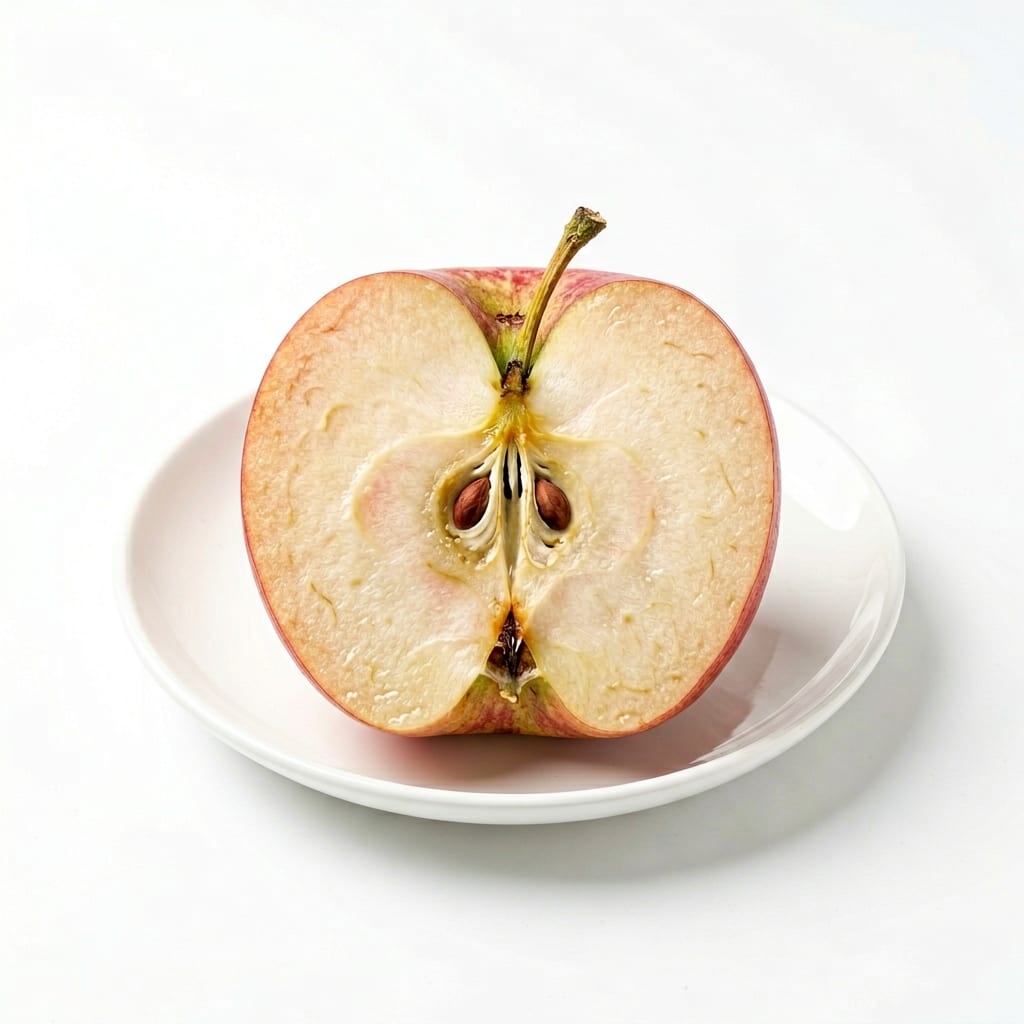
Rose Apple
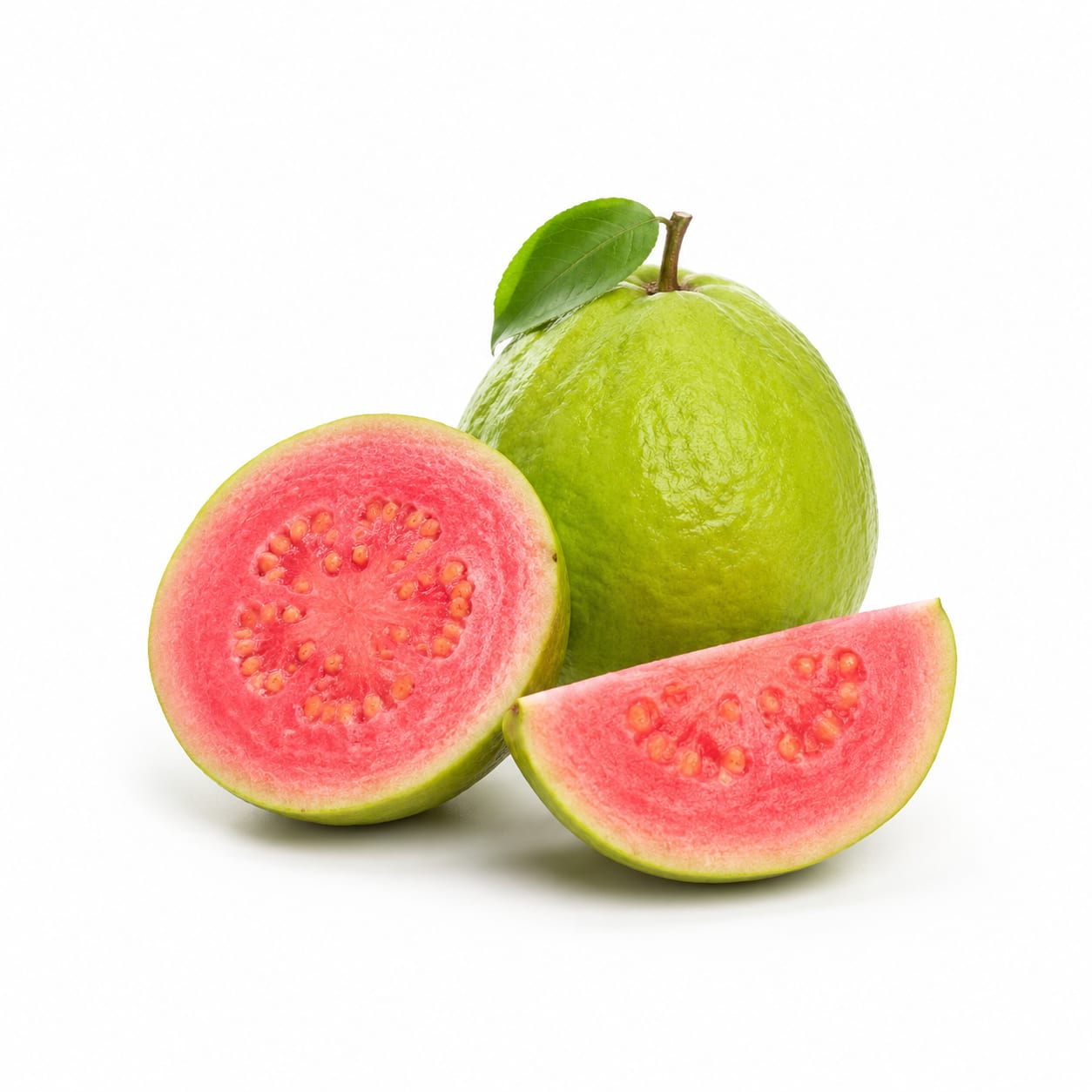
Guava
Guava dominates on nearly every nutritional measure, offering dramatically more vitamin C, fiber, and overall nutrient density. Rose Apple is a refreshing low-calorie option but nutritionally thin.
Guava scores dramatically higher due to exceptional vitamin C content, strong fiber profile, and overall nutrient density. Rose Apple is not unhealthy but offers minimal nutritional substance beyond hydration and refreshment.
Rose Apple gives you a hydrating, very low-sugar experience with minimal nutrition, while Guava delivers powerhouse nutrition with more calories and sugar but far greater health benefits.
At a glance
Executive summary
Overall
Guava
Healthier
Guava
More practical
Guava
Daily use
Guava
Key comparison lenses
nutrient density comparison
Guava is one of the most nutrient-dense fruits available while Rose Apple is notably low in most micronutrients, making this the dominant comparison factor
vitamin c and immunity
Guava delivers extraordinary vitamin C levels that dwarf most fruits including Rose Apple, directly impacting immune health decisions
fiber and digestive health
Guava provides substantial fiber especially in its seeds while Rose Apple offers minimal fiber, creating a clear digestive health tradeoff
blood sugar management
Rose Apple has very low sugar content which may appeal to those monitoring glucose, while Guava has more sugar but also fiber that moderates absorption
satiety and weight management
Guava is more filling due to fiber and nutrient density while Rose Apple is lighter and less satisfying, affecting snacking behavior
Best choice for
Rose Apple
- Strict low-sugar or ketogenic diets
- Light refreshing snacks in hot climates
- People who find high-fiber fruits digestive uncomfortable
- Those wanting minimal calorie intake
Guava
- Immune system support and vitamin C needs
- Digestive health and regularity
- Pregnant women needing folate
- Athletes and active individuals
- Anyone seeking maximum nutrition per calorie
Least suitable for
Rose Apple
- Those seeking meaningful nutritional contribution from fruit
- People needing immune support during illness
- Anyone relying on fruit for fiber intake
Guava
- Strict low-carb dieters counting every gram of sugar
- People with severe fructose intolerance
- Those who dislike seedy fruit textures
Deep comparison
Dimension by dimension
Each lens scores both foods and breaks down who each option suits.
- Dimension 1 · Priority 95Guava
Vitamin C and Immune Power
Rose Apple · 15Guava · 98Guava is one of the richest vitamin C sources on the planet, delivering over 200mg per 100g. Rose Apple provides only trace amounts.
Tradeoff
Choosing Rose Apple means missing out on one of nature's best immune-boosting foods. The vitamin C gap between these two is enormous.
Why it matters
A single guava can provide more than double your daily vitamin C needs, supporting immunity, skin health, and iron absorption. Rose Apple contributes almost nothing here.
Real-world impact
Eating guava regularly during cold season could meaningfully support your immune defenses. Rose Apple would not move the needle.
Rose Apple
- Avoiding excess acidity for sensitive stomachs
Better for
- Anyone relying on fruit for immune support
Worse for
Guava
- Fighting off colds and infections
- Supporting collagen and skin health
- Enhancing iron absorption from meals
- Recovering from intense exercise
Better for
- People with severe citrus or acid sensitivity
Worse for
- Dimension 2 · Priority 88Guava
Fiber and Digestive Health
Rose Apple · 20Guava · 85Guava provides roughly 5-6g of fiber per 100g, especially from its edible seeds. Rose Apple contains minimal fiber at around 1-2g.
Tradeoff
Guava's seeds deliver excellent roughage that supports digestion, while Rose Apple's watery flesh offers little digestive benefit.
Why it matters
Fiber keeps you regular, feeds gut bacteria, and stabilizes blood sugar. Guava is a genuinely good fiber source; Rose Apple is not.
Real-world impact
Eating two guavas a day meaningfully contributes to your 25-30g fiber target. You would need to eat impractical amounts of Rose Apple for similar fiber intake.
Rose Apple
- People with acute digestive inflammation who need low-fiber foods temporarily
Better for
- Those struggling with constipation
- People not meeting daily fiber goals
Worse for
Guava
- Improving bowel regularity
- Feeding beneficial gut bacteria
- Reducing cholesterol absorption
- Managing appetite between meals
Better for
- Those with diverticulitis who must avoid seeds
Worse for
- Dimension 3 · Priority 82It depends
Blood Sugar Impact
Rose Apple · 72Guava · 68Rose Apple has very low sugar content, making it appealing for strict glucose control. Guava has more sugar but its high fiber slows absorption significantly.
Tradeoff
Rose Apple offers fewer sugars overall, but Guava's fiber creates a more balanced glycemic response despite higher sugar content.
Why it matters
For diabetics, total sugar matters but so does how quickly it enters the bloodstream. Guava's fiber blunts the sugar spike effectively.
Real-world impact
Rose Apple is the safer bet for extremely strict glucose monitoring. Guava remains a solid diabetic-friendly fruit when portion sizes are reasonable.
Rose Apple
- Strict ketogenic diets
- Very tight blood sugar control needs
- Minimizing total carbohydrate intake
Better for
- Those who want some energy from their fruit
Worse for
Guava
- Sustained energy without crashes due to fiber-sugar balance
- Moderate glycemic load with nutritional payoff
Better for
- People counting every gram of sugar strictly
Worse for
- Dimension 4 · Priority 92Guava
Overall Nutrient Density
Rose Apple · 18Guava · 90Guava delivers exceptional levels of vitamin C, folate, potassium, vitamin A, and lycopene. Rose Apple is nutritionally sparse across nearly all micronutrients.
Tradeoff
Every bite of Guava packs substantial nutritional value. Rose Apple provides refreshment with minimal nutritional return.
Why it matters
If you are eating fruit for health benefits, Guava is among the best choices available. Rose Apple is essentially flavored water with trace nutrients.
Real-world impact
Replacing Rose Apple with Guava in your diet would meaningfully increase your intake of multiple vitamins and minerals without dramatically changing calorie intake.
Rose Apple
- Staying hydrated in tropical heat
Better for
- Anyone using fruit as a meaningful nutrient source
Worse for
Guava
- Meeting daily vitamin and mineral needs
- Getting folate during pregnancy
- Boosting potassium intake naturally
- Accessing antioxidant lycopene from pink varieties
Better for
- Those seeking a very light, low-everything snack
Worse for
- Dimension 5 · Priority 75Guava
Satiety and Snacking Satisfaction
Rose Apple · 35Guava · 78Guava's fiber and nutrient density make it genuinely filling. Rose Apple's high water content means you will be hungry again quickly.
Tradeoff
Rose Apple is lighter and more refreshing but will not hold you over between meals. Guava works as a proper snack that curbs hunger.
Why it matters
A snack that actually satisfies prevents overeating later. Guava does this job; Rose Apple does not.
Real-world impact
A guava at 3pm can carry you to dinner. A Rose Apple at 3pm will have you reaching for something else by 4pm.
Rose Apple
- Light refreshment after heavy meals
- Hot weather when heavy food feels unappealing
Better for
- Anyone relying on snacks to manage hunger
Worse for
Guava
- Bridging long gaps between meals
- Post-workout recovery snack
- Preventing afternoon vending machine visits
Better for
- Moments when you want something very light
Worse for
- Dimension 6 · Priority 80Guava
Antioxidant and Anti-inflammatory Value
Rose Apple · 22Guava · 88Guava contains significant antioxidants including lycopene in pink varieties, plus flavonoids and vitamin C. Rose Apple has mild antioxidant content but far less.
Tradeoff
Guava actively fights oxidative stress and inflammation. Rose Apple provides minimal antioxidant protection.
Why it matters
Chronic inflammation drives many diseases. Guava is a genuine anti-inflammatory food; Rose Apple is not contributing meaningfully here.
Real-world impact
Regular guava consumption can be part of an anti-inflammatory eating pattern. Rose Apple would not be recommended for this purpose.
Rose Apple
- Minimal relevance for antioxidant benefits
Better for
- Those specifically seeking anti-inflammatory foods
Worse for
Guava
- Reducing chronic inflammation
- Protecting cells from oxidative damage
- Supporting heart health through lycopene
- Complementing an antioxidant-rich diet
Better for
- No significant downside for antioxidant content
Worse for
Timeline
Health impact over time
Short-term
Hours to days
Rose Apple
- Light hydration and refreshment due to high water content
- Minimal blood sugar impact from very low sugar content
- Unlikely to cause digestive discomfort due to low fiber
Guava
- Noticeable satiety and fullness from fiber content
- Quick vitamin C boost supporting immediate immune function
- Possible mild digestive adjustment if unused to high-fiber seeds
Long-term
Months to years
Rose Apple
- Insignificant contribution to long-term nutrient status
- May displace more nutritious fruit choices if eaten regularly as a primary fruit
- Hydration benefits without meaningful disease-prevention payoff
Guava
- Substantially improved vitamin C status and immune resilience
- Better digestive regularity and gut health from consistent fiber intake
- Potential cardiovascular benefits from potassium and lycopene
- Stronger antioxidant defenses against chronic disease
Risk profile
Safety & processing
Both Rose Apple and Guava are whole, unprocessed fruits typically eaten fresh. Neither carries processing concerns when consumed in their natural state.
Rose Apple
Pesticide residue on non-organic skins
lowRose Apples are often grown with minimal pesticide use, but washing is still recommended. The thick skin provides some protection.
Seed toxicity in large quantities
lowRose Apple seeds contain trace amounts of compounds that could be problematic in extremely large amounts, but normal consumption is safe.
Guava
Pesticide residue on skins
mediumGuava can carry pesticide residues on its edible skin. Choosing organic or washing thoroughly reduces this risk significantly.
Bacterial contamination on skin surface
lowGuava's textured skin can harbor surface bacteria. Proper washing before eating or cutting is important.
Seed-related digestive issues for sensitive individuals
lowGuava seeds are generally safe and beneficial for most people but could aggravate diverticulitis or severe IBS in susceptible individuals.
Who wins for whom
Audience fit
Same foods, different winners depending on your goal.
children
GuavaGuava delivers critical nutrients for growth including folate, vitamin C, and potassium. Children benefit more from nutrient-dense fruit than from Rose Apple's minimal nutritional contribution.
daily consumption
GuavaGuava provides consistent daily nutritional value across multiple vitamins and minerals. Rose Apple is safe for daily consumption but contributes little nutritionally.
diabetes
It dependsRose Apple has less total sugar for strict glucose control, but Guava's fiber moderates glycemic response effectively. Individual tolerance and monitoring approach determine the better choice.
elderly
GuavaGuava supports immune health, digestive regularity, and bone-supporting nutrients that matter increasingly with age. However, those with denture issues may find seeds challenging.
muscle gain
GuavaGuava provides potassium for muscle function and vitamin C for tissue repair. Rose Apple offers minimal support for athletic recovery or muscle maintenance.
weight loss
GuavaGuava's fiber content creates genuine satiety that prevents overeating, while Rose Apple's lack of filling power may lead to additional snacking. More nutrition per calorie supports metabolic health.
Your move
Decision guide
Choose Rose Apple
- You are on a strict very-low-carb or ketogenic diet
- You want ultra-light refreshment in tropical heat
- High-fiber fruits cause you digestive discomfort
- You are counting every gram of sugar carefully
Choose Guava
- You want maximum nutrition from every calorie you consume
- Immune support is a priority, especially during cold season
- You need better digestive regularity and fiber intake
- You are pregnant or planning pregnancy and need folate
- You want a snack that actually keeps you full between meals
- You are building an anti-inflammatory eating pattern
Either works if
- You simply want a fresh whole fruit as part of a varied diet
- You rotate between multiple fruits weekly for diversity
- Both are available and you want variety in tropical fruit intake
Avoid both if
- You have a specific tropical fruit allergy
- Neither fruit is available fresh in your area and imported versions are expensive and degraded
Final recommendation
Guava is the clear nutritional winner and should be your default choice for health benefits. Rose Apple is pleasant and harmless but nutritionally underwhelming. If you enjoy Rose Apple for its unique flavor and refreshment, treat it as a hydrating treat rather than a nutritional staple, and make Guava your primary fruit for actual health returns.
Practical
Consumer tips
- 1
Choose guavas that yield slightly to pressure for best flavor and nutrient content
- 2
Pink or red guava varieties contain more lycopene than white varieties
- 3
If guava seeds bother you, you can scoop out the flesh and still get most of the nutritional benefits
- 4
Rose Apple is best eaten fresh as it deteriorates quickly after picking
- 5
Wash both fruits thoroughly before eating, especially if consuming the skin
- 6
If Rose Apple is your only available fruit, pair it with a handful of nuts to add the satiety and nutrition it lacks alone
- 7
Frozen guava retains most of its vitamin C and is a practical option when fresh is unavailable