
Nutrition comparison
Rose Apple vs Watermelon: Which Is Healthier for You?
Compare Rose Apple and Watermelon nutrition, sugar content, antioxidants, and health benefits. Find out which fruit is better for weight loss, diabetes, and daily snacking.
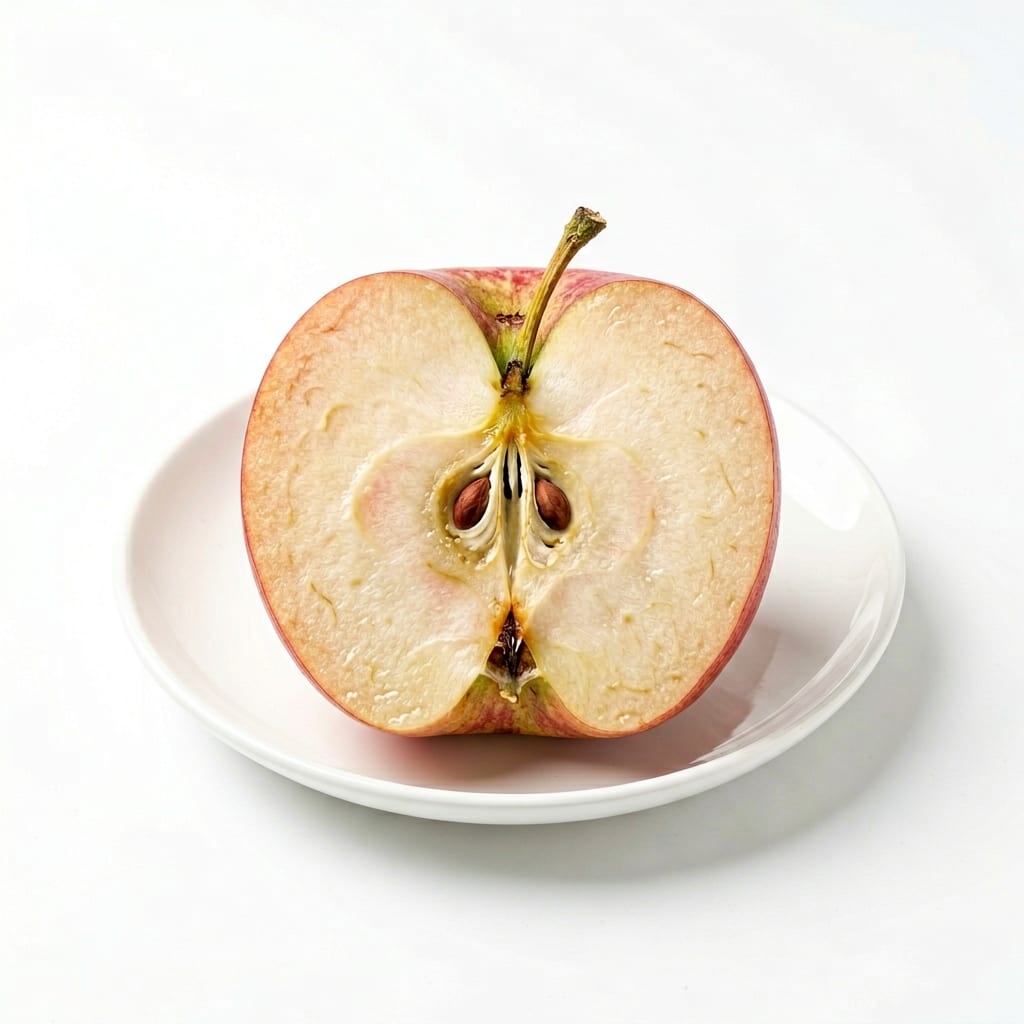
Rose Apple
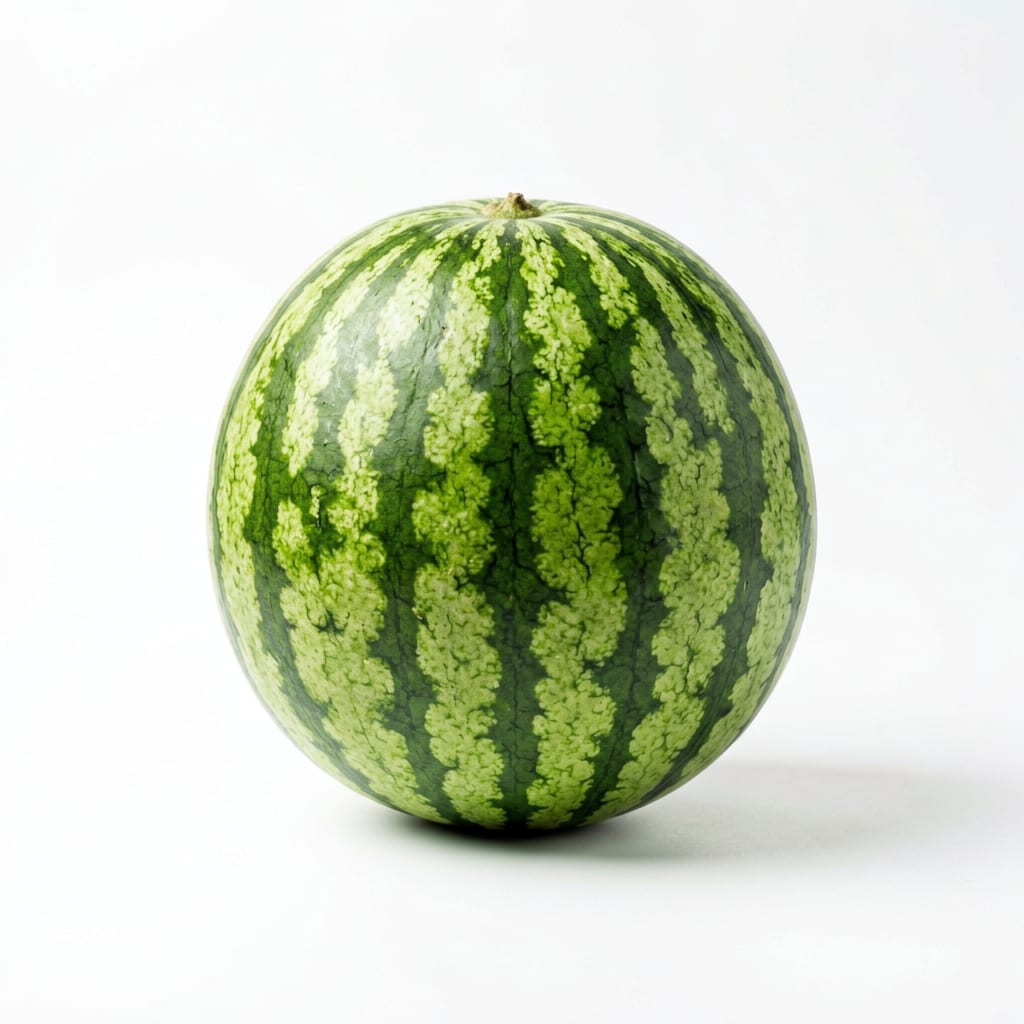
Watermelon
Watermelon wins on antioxidants and availability; Rose Apple wins on lower sugar and steadier energy. Your pick depends on what matters more day-to-day.
Watermelon scores slightly higher due to superior antioxidant content and practical availability. Rose Apple stays competitive with lower sugar and gentler blood sugar impact. The close scores reflect that both are healthy choices with different strengths.
Watermelon gives you more lycopene and citrulline but comes with higher sugar and easier overeating. Rose Apple keeps sugar lower but is harder to find and less nutrient-dense overall.
At a glance
Executive summary
Overall
It depends
Healthier
It depends
More practical
Watermelon
Daily use
Rose Apple
Key comparison lenses
Hydration and refreshment value
Both fruits are over 90% water, making hydration the primary reason people reach for them
Sugar content and blood sugar impact
Watermelon has notably higher sugar and a higher glycemic load, which matters for daily consumption decisions
Antioxidant and micronutrient profile
Watermelon offers lycopene and citrulline; Rose Apple provides different phytonutrients worth comparing
Availability and practical everyday use
Watermelon is universally available; Rose Apple is seasonal and regional, affecting real-world choices
Weight management and satiety
Both are low-calorie fruits but differ in how filling they feel and how easily you overeat them
Best choice for
Rose Apple
- People watching their sugar intake closely
- Those wanting a light, low-glycemic snack
- Anyone seeking variety beyond common fruits
- People prone to blood sugar spikes from sweeter fruits
Watermelon
- Athletes needing post-workout hydration and carbs
- People wanting maximum antioxidant protection
- Hot climate dwellers needing serious refreshment
- Families wanting an affordable, crowd-pleasing fruit
Least suitable for
Rose Apple
- People who need easy grocery access
- Those wanting high lycopene intake
- Athletes needing quick carbohydrate replenishment
- Anyone unfamiliar with the fruit who dislikes experimenting
Watermelon
- People with strict low-sugar diets
- Those who struggle with portion control on sweet foods
- Diabetics needing low-glycemic options
- People wanting a compact, on-the-go snack
Deep comparison
Dimension by dimension
Each lens scores both foods and breaks down who each option suits.
- Dimension 1 · Priority 92Watermelon
Hydration and Refreshment
Rose Apple · 85Watermelon · 95Both are incredibly hydrating, but Watermelon delivers more volume and electrolytes per serving, making it the superior rehydration choice.
Tradeoff
Rose Apple hydrates well but comes in smaller portions with less potassium. Watermelon gives you more water per sitting but may leave you hungry again sooner.
Why it matters
In hot weather or after exercise, the difference between good and great hydration affects how quickly you recover and how you feel the next hour.
Real-world impact
After a summer run, Watermelon feels like a drink you can chew. Rose Apple refreshes but you would need several to match the same hydration volume.
Rose Apple
- Light refreshment without feeling bloated
- Sipping water throughout the day alongside a small snack
Better for
- Situations requiring rapid large-volume rehydration
Worse for
Watermelon
- Post-workout rehydration
- Beach or poolside refreshment
- Replacing lost fluids during illness recovery
Better for
- Moments when you want something light without feeling waterlogged
Worse for
- Dimension 2 · Priority 85Rose Apple
Sugar Content and Blood Sugar Impact
Rose Apple · 82Watermelon · 58Rose Apple contains significantly less sugar per serving and has a gentler effect on blood sugar. Watermelon's higher glycemic load can cause quicker spikes.
Tradeoff
Choosing Rose Apple means steadier energy but less immediate satisfaction. Watermelon tastes sweeter and more rewarding but may trigger cravings shortly after.
Why it matters
For anyone monitoring blood sugar or trying to avoid afternoon energy crashes, this difference shapes how the rest of your day feels.
Real-world impact
Eating Watermelon at 3pm might leave you reaching for another snack by 4pm. Rose Apple is less likely to start that cycle.
Rose Apple
- Stable energy throughout the afternoon
- Diabetics or prediabetics seeking safer fruit options
- Keto-adjacent eaters wanting minimal sugar
Better for
- Athletes needing rapid glycogen replenishment
Worse for
Watermelon
- Quick energy before or after intense exercise
- People who tolerate sugar well and want fast carbs
Better for
- Late-night snacking when you want to avoid sugar before bed
- Anyone trying to break a sugar craving cycle
Worse for
- Dimension 3 · Priority 78Watermelon
Antioxidant and Micronutrient Profile
Rose Apple · 55Watermelon · 84Watermelon is a standout source of lycopene and citrulline, both linked to heart health and reduced inflammation. Rose Apple offers modest vitamin C but lacks the same depth.
Tradeoff
Watermelon gives you clinically meaningful amounts of protective compounds. Rose Apple provides general nutrition without the same targeted benefits.
Why it matters
Lycopene and citrulline are not easy to find in most fruits. Regular Watermelon consumption offers unique protective value that Rose Apple cannot match.
Real-world impact
Eating Watermelon a few times a week contributes meaningfully to heart and prostate health. Rose Apple supports basic wellness without the same targeted payoff.
Rose Apple
- General vitamin C support
- Mild anti-inflammatory benefits from flavonoids
Better for
- Anyone specifically seeking lycopene or citrulline benefits
Worse for
Watermelon
- Heart health protection via lycopene
- Blood flow and exercise recovery via citrulline
- Skin protection against UV damage
- Prostate health support in men
Better for
- Situations where vitamin C density per calorie matters more
Worse for
- Dimension 4 · Priority 75Watermelon
Availability and Practical Convenience
Rose Apple · 35Watermelon · 88Watermelon is available year-round in most countries and affordable. Rose Apple is seasonal, regional, and unfamiliar to many shoppers.
Tradeoff
You can act on a Watermelon craving almost anytime. Rose Apple requires planning, specialty stores, or luck with local markets.
Why it matters
The healthiest fruit only matters if you can actually buy and eat it. Consistency beats perfection in real-world nutrition.
Real-world impact
Telling someone to eat Rose Apple daily is impractical advice in most places. Watermelon is a realistic staple you can actually build habits around.
Rose Apple
- Tropical regions where it grows abundantly
- Farmers markets in Southeast Asia during season
Better for
- Most Western grocery trips
- Anyone living outside tropical or subtropical regions
Worse for
Watermelon
- Year-round grocery shopping anywhere
- Budget-conscious families
- Meal prep and planning consistency
Better for
- Solo dwellers who cannot finish a whole melon quickly
Worse for
- Dimension 5 · Priority 68Rose Apple
Portion Control and Overeating Risk
Rose Apple · 80Watermelon · 52Rose Apple's smaller size and milder sweetness naturally limit consumption. Watermelon's delicious sweetness and large format make it easy to overeat.
Tradeoff
Rose Apple has built-in portion control. Watermelon requires discipline, especially when eating straight from the melon with a spoon.
Why it matters
Even healthy foods can contribute to excess sugar and calories when portion control fails. The format of the food shapes your behavior more than willpower.
Real-world impact
It is remarkably easy to eat half a Watermelon without noticing. Rose Apple's small, crisp portions make mindless overconsumption unlikely.
Rose Apple
- Mindful eating practices
- People who struggle with sweet food portion control
- Snacking at your desk without losing track
Better for
- Situations where you want abundant food for sharing
Worse for
Watermelon
- Sharing with groups and families
- Parties and gatherings where large format is advantageous
Better for
- Late-night solo snacking when willpower is low
- Anyone tracking sugar grams carefully
Worse for
Timeline
Health impact over time
Short-term
Hours to days
Rose Apple
- Quick, light hydration without sugar crash
- Mild satiety from crisp texture and fiber
- Unlikely to cause digestive discomfort
Watermelon
- Rapid hydration and refreshment
- Quick blood sugar lift that may fade within an hour
- Possible bloating if eaten in large quantities due to volume
Long-term
Months to years
Rose Apple
- Consistent low-sugar fruit intake supports stable blood sugar over time
- Moderate antioxidant intake contributes to general cellular protection
- Limited availability may reduce actual consumption frequency
Watermelon
- Regular lycopene intake supports cardiovascular and prostate health
- Citrulline may improve circulation and exercise performance over time
- Excessive consumption could contribute to higher daily sugar intake than realized
Risk profile
Safety & processing
Both Rose Apple and Watermelon are whole, unprocessed fruits typically eaten raw. Neither carries meaningful additive concerns. The main difference is that Watermelon is more commonly available in pre-cut packaged form, which may introduce minor food safety considerations.
Rose Apple
Pesticide residue on non-organic imports
lowRose Apple is often grown with minimal pesticides in home gardens, but commercial imports may carry residues. Washing thoroughly is sufficient.
Seed toxicity in large quantities
lowRose Apple seeds contain trace amounts of compounds that could be harmful if consumed in extremely large amounts, but casual eating poses no real risk.
Watermelon
Bacterial contamination in pre-cut melon
mediumPre-cut Watermelon has been linked to Salmonella and Listeria outbreaks. Whole melons are safer. Always refrigerate cut portions promptly.
Pesticide residue on rind
lowThe rind can carry pesticide residue that transfers to the flesh when cutting. Rinse the whole melon before slicing.
Who wins for whom
Audience fit
Same foods, different winners depending on your goal.
children
WatermelonKids love the sweet taste and fun format. Watermelon is also easier to find and more affordable for families. The lycopene benefit supports growing bodies.
daily consumption
Rose AppleLower sugar and gentler blood sugar impact make Rose Apple more sustainable as a daily habit. Watermelon is fine daily in moderation but requires more portion awareness.
diabetes
Rose AppleSignificantly lower sugar content and gentler glycemic impact make Rose Apple the safer choice for blood sugar management.
elderly
WatermelonHydration becomes critical with age, and Watermelon delivers more volume. Lycopene supports prostate and cardiovascular health concerns common in older adults.
muscle gain
WatermelonCitrulline supports blood flow and exercise recovery. The higher carbohydrate content provides useful post-workout glycogen replenishment.
weight loss
Rose AppleLower sugar, built-in portion control, and similar calorie density make Rose Apple easier to manage in a calorie deficit. Watermelon's sweetness and overeating risk slightly work against it.
Your move
Decision guide
Choose Rose Apple
- You are monitoring your blood sugar or following a low-sugar approach
- You want a light snack that will not trigger cravings
- You live in a region where Rose Apple is readily available
- You prefer built-in portion control without relying on willpower
- You are looking for fruit variety beyond the usual options
Choose Watermelon
- You want maximum antioxidant and lycopene benefits
- You need serious hydration after exercise or heat exposure
- You are feeding a group or family and want crowd appeal
- You tolerate sugar well and want a satisfying sweet treat
- You want a fruit you can actually find and afford consistently
Either works if
- You simply want a refreshing, low-calorie fruit snack
- Both are available and you feel like mixing things up
- You are eating a varied diet and neither fruit is a staple
Avoid both if
- You need a protein-rich or fat-containing snack for sustained energy
- You have a fructose intolerance that makes most fruit problematic
- You are looking for a concentrated source of vitamins or minerals
Final recommendation
Keep Watermelon as your regular go-to for the lycopene and hydration benefits, but choose Rose Apple when available if you are watching sugar or want something lighter. Neither fruit is a complete snack on its own, so pair either with a protein or fat source for longer-lasting satisfaction.
Practical
Consumer tips
- 1
Rinse Watermelon rind before cutting to prevent transferring bacteria or pesticide residue to the flesh
- 2
Buy whole Watermelon instead of pre-cut to reduce food safety risk and save money
- 3
If you find Rose Apple, enjoy it fresh and soon after purchase as it does not store well
- 4
Pair either fruit with a handful of nuts or some Greek yogurt to make the snack more filling and blood-sugar-friendly
- 5
Freeze Watermelon cubes for a refreshing summer treat that takes longer to eat, naturally slowing consumption
- 6
Rose Apple can be added to salads for a crisp, mildly sweet element without adding much sugar