
Nutrition comparison
Rose Apple vs Pear: Which Fruit Is Better for Your Health Goals?
Compare Rose Apple and Pear on calories, sugar, fiber, and practical use. Find out which fruit fits your diet — low-calorie snacking or filling daily nutrition.
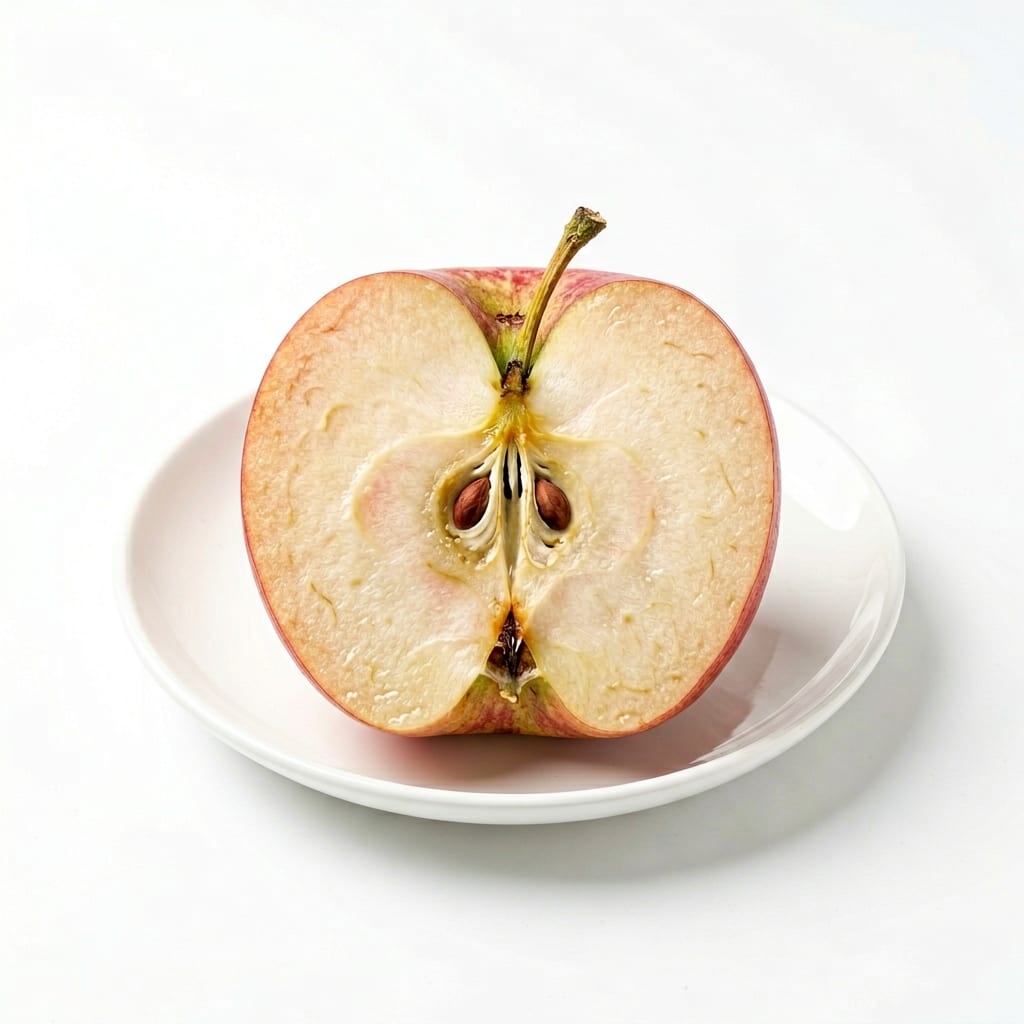
Rose Apple
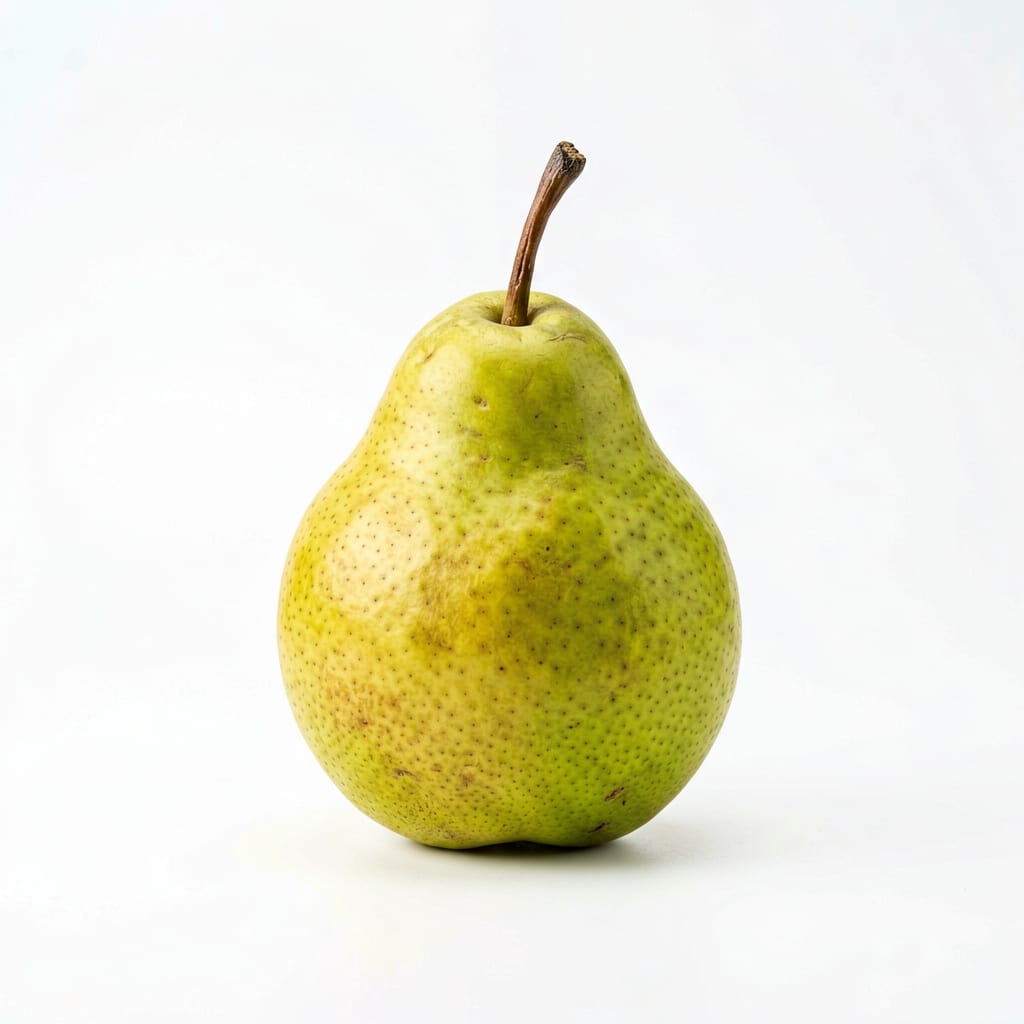
Pear
Pear is the more practical, filling, and nutrient-dense everyday fruit, while Rose Apple is the ultra-light, low-sugar option for calorie counters and hydrating snacks.
Pear scores higher due to superior fiber, broader nutrient profile, and everyday practicality. Rose Apple earns strong marks for ultra-low calories and sugar but loses ground on availability, satiety, and overall nutritional substance.
Substance and fiber versus extreme lightness and low sugar — Pear satisfies hunger but carries more calories and sugar, while Rose Apple barely registers calorically but won't keep you full.
At a glance
Executive summary
Overall
It depends
Healthier
It depends
More practical
Pear
Daily use
Pear
Key comparison lenses
Low-calorie snacking and weight management
Rose Apple is extremely low in calories while Pear offers more substance, making this a key decision point for calorie-conscious snackers
Blood sugar and glycemic impact
Significant difference in sugar content between these fruits directly affects blood sugar stability and diabetes management
Digestive health and fiber intake
Pear delivers substantially more fiber, making it the clear choice for gut health and regularity
Availability and everyday practicality
Pear is a grocery staple while Rose Apple is specialty and seasonal, heavily influencing real-world usability
Hydration and light eating
Rose Apple's extremely high water content makes it uniquely suited for light, hydrating snacking
Best choice for
Rose Apple
- Strict calorie restriction diets
- Blood sugar management and low-sugar eating
- Hot climate hydration and light snacking
- People who find most fruits too sweet
- Detox or cleanse-style eating plans
Pear
- Daily fruit consumption and meal prep
- Digestive regularity and gut health
- Sustained energy between meals
- Children and elderly needing gentle fiber
- Athletes needing post-workout carbs
Least suitable for
Rose Apple
- People needing satiety from snacks
- Anyone without access to specialty Asian markets
- Those wanting substantial pre-workout fuel
- Families seeking affordable everyday fruit
Pear
- Strict low-carb or keto dieters
- People managing high blood sugar who need minimal sugar
- Those who dislike sweet fruits
- Very low calorie diet protocols
Deep comparison
Dimension by dimension
Each lens scores both foods and breaks down who each option suits.
- Dimension 1 · Priority 92Rose Apple
Calorie Efficiency
Rose Apple · 95Pear · 58Rose Apple delivers maximum volume for minimal calories, making it one of the lightest fruits available.
Tradeoff
You get near-zero calories but almost zero staying power — you'll be hungry again within 30 minutes.
Why it matters
For anyone tracking calories closely, Rose Apple feels like a free food. Pear costs more calorically but actually fills you up.
Real-world impact
Eating a Rose Apple is like drinking flavored water with a crunch — refreshing but not a snack that carries you to your next meal.
Rose Apple
- Cutting phases where every calorie matters
- Late-night snacking with minimal guilt
- Volume eating strategies
Better for
- Anyone needing sustained energy
- Recovering from intense exercise
Worse for
Pear
- Active people needing real fuel
- Replacing a small meal with fruit
- Hikers and outdoor enthusiasts
Better for
- Very low calorie diet plans
- People who snack frequently and need low-calorie options
Worse for
- Dimension 2 · Priority 85Rose Apple
Blood Sugar Stability
Rose Apple · 88Pear · 62Rose Apple's minimal sugar content makes it dramatically gentler on blood sugar compared to Pear's moderate sweetness.
Tradeoff
Pear's fiber helps slow sugar absorption, but the total sugar load is still significantly higher than Rose Apple.
Why it matters
For diabetics or anyone avoiding sugar spikes, Rose Apple is one of the safest fruits available. Pear is moderate but requires portion awareness.
Real-world impact
A Rose Apple won't trigger afternoon energy crashes. A large pear might — especially if eaten alone on an empty stomach.
Rose Apple
- Type 2 diabetes management
- Insulin resistance protocols
- Low-sugar and low-carb diets
Better for
- Athletes needing carbohydrate fuel
Worse for
Pear
- Post-workout glycogen replenishment
- Active people needing quick carbs with fiber
Better for
- Frequent blood sugar spikers
- People who experience sugar crashes
Worse for
- Dimension 3 · Priority 80Pear
Fiber and Digestive Health
Rose Apple · 40Pear · 88Pear is a fiber powerhouse, especially with the skin on, while Rose Apple provides minimal fiber contribution.
Tradeoff
Pear's high fiber means better digestion and fullness but can cause bloating in sensitive people. Rose Apple is gentler on the stomach but does little for regularity.
Why it matters
Most people are fiber-deficient. Choosing Pear actively helps close that gap. Rose Apple does almost nothing for your daily fiber needs.
Real-world impact
A medium pear covers about 20% of your daily fiber. You'd need to eat several Rose Apples to get the same benefit — and they're harder to find.
Rose Apple
- People with sensitive digestion who find high-fiber fruits uncomfortable
- Those recovering from digestive upset needing gentle foods
Better for
- Chronic constipation sufferers
- People relying on fruit for daily fiber
Worse for
Pear
- Anyone struggling with constipation
- Gut health focused diets
- People trying to stay full longer between meals
Better for
- IBS flare-ups where fiber aggravates symptoms
- People who experience bloating from high-fiber fruits
Worse for
- Dimension 4 · Priority 75Pear
Nutrient Density
Rose Apple · 48Pear · 78Pear delivers more vitamins, minerals, and beneficial plant compounds per serving than Rose Apple.
Tradeoff
Rose Apple has some vitamin C and antioxidants but the total nutritional payload is modest compared to Pear's broader profile.
Why it matters
If you're eating fruit primarily for health benefits, Pear gives you more per bite — vitamin K, potassium, copper, and several B vitamins that Rose Apple lacks.
Real-world impact
Think of Pear as a multivitamin with fiber. Rose Apple is more like flavored water with a vitamin C bonus.
Rose Apple
- Vitamin C focused supplementation through food
- Tropical antioxidant variety in diet
Better for
- People relying on fruit as a major nutrient source
Worse for
Pear
- Broad-spectrum nutrient intake
- Bone health via vitamin K
- Blood pressure management via potassium
Better for
- Those already eating nutrient-dense diets who don't need extra
Worse for
- Dimension 5 · Priority 70Rose Apple
Hydration and Refreshment
Rose Apple · 92Pear · 65Rose Apple is over 90% water with a crisp, thirst-quenching quality that Pear can't match.
Tradeoff
Superior hydration comes at the cost of minimal caloric and nutritional substance — it's refreshing but not nourishing.
Why it matters
In hot climates or after sweating, Rose Apple functions almost like eating flavored water. Pear hydrates too but feels more like eating food.
Real-world impact
On a scorching day, a chilled Rose Apple is more satisfying than a Pear. But it won't replace the electrolytes and energy you actually lost.
Rose Apple
- Hot weather snacking
- Post-sauna or light sweat refreshment
- People who struggle to drink enough water
Better for
- True electrolyte replenishment needs
Worse for
Pear
- Post-workout recovery needing both fluid and carbs
- Trail snacking where you need hydration plus energy
Better for
- Maximum refreshment on hot days
Worse for
- Dimension 6 · Priority 72Pear
Availability and Practicality
Rose Apple · 25Pear · 95Pear is available year-round in virtually every grocery store. Rose Apple is seasonal, regional, and often requires specialty markets.
Tradeoff
You can build consistent eating habits around Pear. Rose Apple is more of an occasional find that adds variety but can't be relied on.
Why it matters
The healthiest food is the one you can actually buy and eat regularly. Pear wins on consistency alone.
Real-world impact
Meal prepping with Pear is easy. Planning meals around Rose Apple means checking multiple stores and often leaving empty-handed.
Rose Apple
- People living in Southeast Asia or tropical regions where it grows locally
- Adventurous eaters seeking novel fruit experiences
Better for
- Anyone in temperate climates without Asian markets
- Budget-conscious shoppers
Worse for
Pear
- Weekly grocery shoppers wanting reliable fruit
- Families needing affordable staple fruit
- Meal preppers planning ahead
Better for
- People bored with common fruits seeking variety
Worse for
Timeline
Health impact over time
Short-term
Hours to days
Rose Apple
- Very light stomach feel with almost no digestive burden
- Minimal blood sugar impact making it safe for glucose-sensitive individuals
- Refreshing hydration effect, especially when chilled
- Unlikely to cause bloating or gas due to low fiber
Pear
- Noticeable fullness that can bridge 2-3 hours between meals
- Moderate blood sugar rise that provides energy but may spike sensitive individuals
- Gentle digestive stimulation from fiber, promoting bowel regularity
- Possible bloating in fiber-sensitive people, especially if unripe
Long-term
Months to years
Rose Apple
- Consistent low-calorie snacking supports weight maintenance
- Minimal sugar exposure reduces long-term insulin demand
- Low fiber intake means it won't independently improve gut microbiome diversity
- Antioxidant contribution is modest but real with regular consumption
Pear
- Daily fiber intake significantly supports cardiovascular and digestive health
- Potassium contributes to long-term blood pressure regulation
- Consistent fruit consumption associated with reduced chronic disease risk
- Natural sugar intake requires portion mindfulness to avoid cumulative excess
Risk profile
Safety & processing
Both fruits are whole, unprocessed foods eaten in their natural state. Neither typically carries additives, coatings, or preservatives when sold fresh. The main concern for both is pesticide residue on the skin — Pear ranks higher on the EWG Dirty Dozen list, making organic preferable if you eat the skin.
Rose Apple
Pesticide residue
mediumLimited pesticide data exists specifically for Rose Apple, but as a thin-skinned fruit, it can carry surface residues. Washing thoroughly is important.
Seed toxicity
lowRose Apple seeds contain trace amounts of cyanogenic compounds, similar to many fruit seeds. Accidental ingestion of a few seeds is harmless but avoid chewing them deliberately.
Spoilage and freshness
mediumRose Apple bruises easily and has a short shelf life. Damaged fruit can harbor mold and bacteria quickly.
Pear
Pesticide residue
highPear consistently appears on the EWG Dirty Dozen list with detectable pesticide residues on conventionally grown fruit. Organic is strongly recommended if eating the skin.
Allergic reaction in birch pollen-sensitive individuals
mediumPear can trigger oral allergy syndrome in people with birch pollen allergies, causing mouth and throat itching.
Fermentation and digestive discomfort
lowOverripe pears ferment in the gut, potentially causing gas and bloating, especially in FODMAP-sensitive individuals.
Who wins for whom
Audience fit
Same foods, different winners depending on your goal.
children
PearPear's mild sweetness, soft texture, and reliable availability make it a kid-friendly staple that also delivers fiber for growing digestive systems.
daily consumption
PearPear's consistent availability, balanced nutrition, and satisfying nature make it a sustainable daily fruit choice. Rose Apple is better as an occasional addition.
diabetes
Rose AppleMinimal sugar content and low glycemic impact make Rose Apple one of the safest fruit choices for blood sugar management.
elderly
PearPear's fiber supports regularity (a common elderly concern), its soft texture when ripe is easy to chew, and its potassium supports heart health.
muscle gain
PearPear provides more carbohydrates for glycogen replenishment and more potassium for muscle recovery, making it more useful around training.
weight loss
Rose AppleRose Apple's extremely low calorie count makes it nearly impossible to overeat, while its high water content provides volume without energy density.
Your move
Decision guide
Choose Rose Apple
- You're strictly counting calories and want maximum snacking volume
- You're managing blood sugar and need the lowest-sugar fruit option
- You live in a tropical region where Rose Apple is affordable and fresh
- You want a hydrating, light snack for hot weather
- You're bored with common fruits and want something novel
Choose Pear
- You want a filling snack that actually holds you between meals
- Digestive regularity and fiber intake are priorities
- You need a reliable fruit you can find at any grocery store any day
- You're an active person needing real carbohydrate fuel
- You're feeding a family and need affordable, consistent fruit
Either works if
- You simply want whole fruit as part of a balanced diet
- You're mixing fruits for variety and antioxidant diversity
- Neither fruit is a dietary staple for you — just occasional choices
Avoid both if
- You have a severe fructose intolerance or malabsorption condition
- You're on a strict carnivore or zero-carb protocol
- You need high-protein snacks and fruit doesn't fit your macro targets
Final recommendation
Keep Pear as your everyday fruit — it's practical, filling, and nutritionally meaningful. When you find fresh Rose Apple, enjoy it as a refreshing low-calorie treat, especially in hot weather or when you want something light. Don't try to build a daily fruit habit around Rose Apple unless you have reliable access to it.
Practical
Consumer tips
- 1
Choose organic Pears whenever possible — they rank high for pesticide residue and you should eat the skin for fiber
- 2
Rose Apple bruises extremely easily — eat within 1-2 days of purchase and handle gently
- 3
For maximum fiber from Pear, eat it with the skin on and choose slightly firm fruit over mushy overripe ones
- 4
If you find Rose Apple, try it chilled — the crisp, watery texture is far more refreshing cold
- 5
People with birch pollen allergies should cook Pear before eating to reduce oral allergy syndrome risk
- 6
Rose Apple seeds should not be chewed or consumed in quantity — swallow them accidentally is fine, but avoid deliberate ingestion