
Nutrition comparison
Rose Apple vs Wax Apple: Which Tropical Fruit Is Better for You?
Compare Rose Apple and Wax Apple nutrition, taste, availability, and health benefits. Find out which hydrating tropical fruit fits your lifestyle and goals best.
Overall winner · Wax Apple
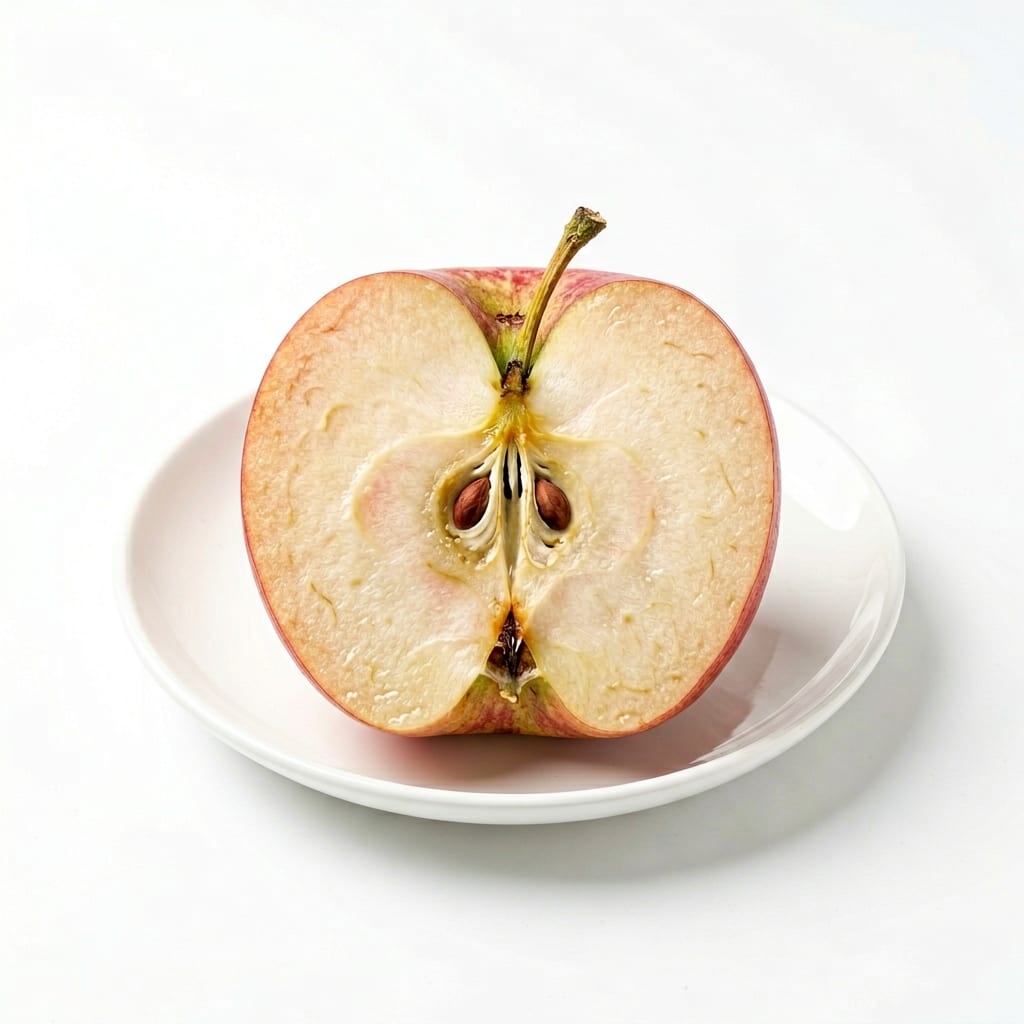
Rose Apple
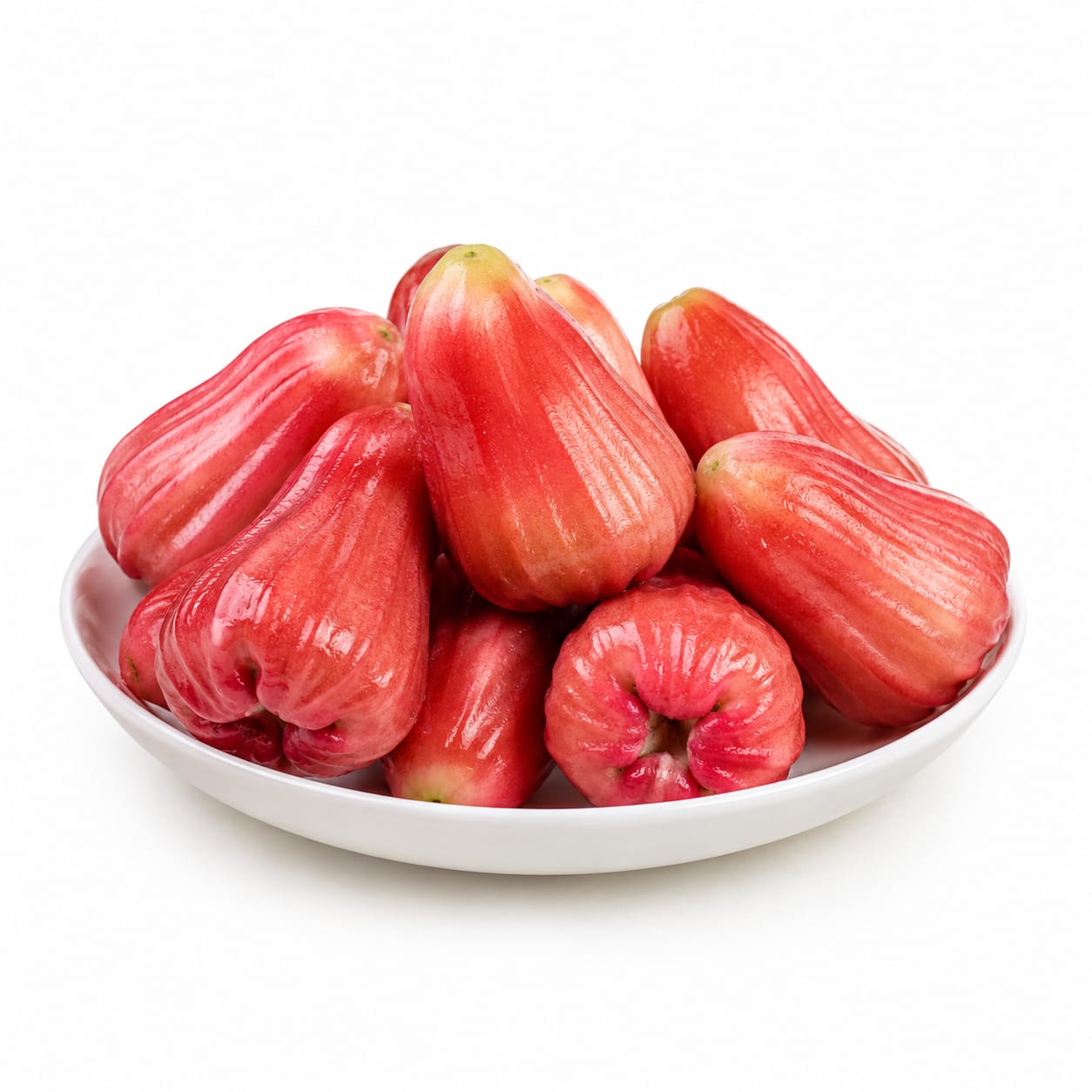
Wax Apple
Wax Apple edges ahead thanks to broader availability, slightly richer antioxidant content in red varieties, and more consistent culinary use, though both are nearly identical hydrating snacks.
Wax Apple scores moderately higher primarily due to accessibility and slightly better antioxidant density in red varieties. Both fruits are nutritionally lightweight, so the gap reflects practical and marginal nutritional advantages rather than a dramatic health difference.
Rose Apple offers a unique floral aroma and stronger traditional medicine heritage, while Wax Apple delivers easier access and marginally better micronutrients in common varieties.
At a glance
Executive summary
Overall
Wax Apple
Healthier
Wax Apple
More practical
Wax Apple
Daily use
Wax Apple
Key comparison lenses
hydrating low-calorie snack selection
Both fruits are over 90% water with minimal calories, making hydration and snacking the primary decision driver
antioxidant and micronutrient comparison
Users choosing between these tropical fruits often want to know which offers more nutritional value per bite
availability and practical access
Wax Apple is far more commercially available worldwide, which heavily influences real-world decision-making
digestive gentleness and stomach comfort
Both fruits are light and easy on digestion, but subtle differences in fiber type and acidity matter for sensitive stomachs
culinary versatility and traditional use
Rose Apple has deeper roots in traditional medicine, while Wax Apple is more commonly eaten fresh or in salads
Best choice for
Rose Apple
- People seeking a fragrant, aromatic fruit experience
- Those interested in traditional herbal remedies and folk medicine
- Gardeners in suitable climates who can grow their own supply
- Anyone wanting a very mild, rose-scented refreshing snack
Wax Apple
- People who want a readily available tropical fruit at markets
- Those prioritizing antioxidant variety, especially from red-skinned produce
- Snackers wanting a crisp, visually appealing fruit for salads and platters
- Anyone needing a reliable low-calorie hydrating option they can actually find
Least suitable for
Rose Apple
- People who cannot source it locally — it is rare in most markets
- Those wanting substantial calorie or protein intake from fruit
- Anyone expecting bold, sweet flavor — it is quite subtle
Wax Apple
- People looking for strong flavor intensity — it is mild and watery
- Those needing significant fiber or protein from their fruit serving
- Anyone sensitive to very slight astringency in underripe specimens
Deep comparison
Dimension by dimension
Each lens scores both foods and breaks down who each option suits.
- Dimension 1 · Priority 90It depends
Hydration and Refreshment
Rose Apple · 88Wax Apple · 89Both are extremely hydrating with over 90% water content. The difference is negligible in practice.
Tradeoff
Rose Apple has a cooling rose-like fragrance that some find more refreshing, while Wax Apple has a crisper, cleaner mouthfeel.
Why it matters
On a hot day, either fruit works beautifully as a thirst-quencher. Choice comes down to aroma preference.
Real-world impact
Reaching for either after outdoor activity provides similar hydration. Neither will replace electrolyte drinks after heavy sweating.
Rose Apple
- Those who enjoy floral, aromatic eating experiences
- People who find scent an important part of refreshment
Better for
- Anyone who finds floral scents off-putting in savory contexts
Worse for
Wax Apple
- Those who prefer a clean, crisp bite without strong fragrance
- People who want a visually appealing fruit for fruit plates
Better for
- Those wanting a more aromatic, sensory snacking experience
Worse for
- Dimension 2 · Priority 80Wax Apple
Antioxidant and Micronutrient Density
Rose Apple · 58Wax Apple · 68Red-skinned Wax Apple varieties contain anthocyanins that Rose Apple lacks, giving it a meaningful antioxidant edge.
Tradeoff
Rose Apple contains slightly more volatile aromatic compounds with traditional medicinal value, but fewer proven dietary antioxidants.
Why it matters
If you eat fruit partly for cellular protection, the anthocyanins in red Wax Apple provide more documented benefit per serving.
Real-world impact
Choosing red Wax Apple over Rose Apple a few times per week adds a small but real antioxidant variety boost to your diet.
Rose Apple
- Those valuing traditional herbal properties over measured antioxidant content
Better for
- Anyone specifically seeking anthocyanin-rich fruits
Worse for
Wax Apple
- People wanting anthocyanin variety from fruit sources
- Those who eat by color diversity principles
Better for
- Those who only find green/pale Wax Apple varieties, which have fewer anthocyanins
Worse for
- Dimension 3 · Priority 85Wax Apple
Availability and Practical Access
Rose Apple · 35Wax Apple · 72Wax Apple is far easier to find in Asian markets and tropical produce sections worldwide. Rose Apple remains niche and seasonal.
Tradeoff
Rose Apple may be free if you grow it, but commercially it is scarce and often expensive when available.
Why it matters
The healthiest fruit is the one you can actually buy and eat regularly. Availability often determines real-world nutritional impact.
Real-world impact
Most people will find Wax Apple at a well-stocked Asian grocery. Finding Rose Apple often requires specialty suppliers or home cultivation.
Rose Apple
- Home gardeners in USDA zones 10-11 who can grow their own tree
- People living in South or Southeast Asia where Rose Apple is more common
Better for
- People outside tropical or subtropical regions
- Those unwilling to hunt for specialty produce
Worse for
Wax Apple
- Urban shoppers relying on grocery stores
- Anyone wanting a consistent weekly fruit option
Better for
- People in regions where even Wax Apple is unavailable
Worse for
- Dimension 4 · Priority 70It depends
Digestive Comfort and Gentleness
Rose Apple · 82Wax Apple · 80Both fruits are extremely gentle on digestion with low acidity and high water content. Rose Apple is marginally milder.
Tradeoff
Rose Apple's softer fiber and lower astringency make it slightly easier for very sensitive stomachs, but the difference is minimal.
Why it matters
For people with IBS or acid sensitivity, both are safe choices. Neither triggers common digestive complaints.
Real-world impact
You can eat either on an empty stomach or before bed without discomfort in nearly all cases.
Rose Apple
- People with highly sensitive digestion who want the gentlest possible option
- Those who find even mild astringency bothersome
Better for
- Those wanting more fiber to support regular bowel movements
Worse for
Wax Apple
- People who tolerate a slight astringent note and want more fiber variety
Better for
- Anyone who finds underripe Wax Apple too astringent
Worse for
- Dimension 5 · Priority 75It depends
Caloric Efficiency and Weight Management
Rose Apple · 78Wax Apple · 77Both deliver roughly 25-30 calories per 100g, making them equally excellent for volume eating on a calorie budget.
Tradeoff
Neither offers meaningful satiety from protein or fat. You will feel full from water volume but may get hungry again quickly.
Why it matters
These are perfect fruits for mindless snacking without calorie consequences, but poor choices if you need lasting fullness.
Real-world impact
Eating a large bowl of either costs under 80 calories. Pairing with a handful of nuts makes it a more satisfying snack.
Rose Apple
- Volume eaters who want maximum food quantity per calorie
Better for
- Anyone needing sustained energy or satiety from their snack
Worse for
Wax Apple
- Volume eaters who want maximum food quantity per calorie
Better for
- Anyone needing sustained energy or satiety from their snack
Worse for
Timeline
Health impact over time
Short-term
Hours to days
Rose Apple
- Immediate hydration boost from high water content
- Very gentle blood sugar response due to low sugar density
- Mild cooling sensation in the body, valued in traditional medicine
Wax Apple
- Quick hydration with a satisfying crisp texture
- Minimal blood sugar impact in moderate portions
- Slight astringency can create a pleasant mouth-cooling effect
Long-term
Months to years
Rose Apple
- Consistent low-calorie snacking supports weight maintenance when replacing higher-calorie options
- Traditional use suggests mild anti-inflammatory properties, though clinical evidence is limited
- Aromatic compounds may contribute minor antimicrobial benefits according to folk medicine
Wax Apple
- Regular consumption of red varieties adds anthocyanin diversity linked to vascular health
- Low calorie density supports long-term weight management strategies
- Mild diuretic properties from traditional use may support kidney health anecdotally
Risk profile
Safety & processing
Both Rose Apple and Wax Apple are whole, unprocessed fruits typically eaten fresh. Neither commonly undergoes processing that would introduce additives. The only concern is wax coatings occasionally applied to Wax Apple for shelf life, which can be washed off.
Rose Apple
Pesticide residue on conventionally grown fruit
lowRose Apple is not a heavily sprayed crop, but washing is always recommended. Limited commercial production means fewer pesticide applications overall.
Seed toxicity in large quantities
lowSeeds contain trace amounts of compounds that can be mildly toxic if consumed in very large amounts. Casual ingestion of a few seeds is not a practical concern.
Wax Apple
Pesticide residue on conventionally grown fruit
mediumWax Apple is more commercially cultivated and may receive more pesticide applications. Washing thoroughly is important, especially for non-organic sources.
Edible wax coatings for shelf extension
lowSome commercially sold Wax Apples have surface wax added to improve appearance and shelf life. Rinsing with warm water removes most of it.
Who wins for whom
Audience fit
Same foods, different winners depending on your goal.
children
Wax AppleWax Apple's crisp texture, mild sweetness, and fun bell shape make it more appealing to kids. Its wider availability also means families can actually serve it regularly.
daily consumption
Wax AppleWax Apple's availability and consistent quality make it a more realistic daily fruit option for most people worldwide.
diabetes
It dependsBoth have low sugar density and gentle glycemic impact. Either can fit a diabetic diet in moderate portions. Pairing with protein or fat further blunts any blood sugar rise.
elderly
Rose AppleRose Apple's softer texture and extremely gentle digestion make it marginally better for older adults with dental or digestive sensitivities.
muscle gain
It dependsNeither provides meaningful protein. Both are irrelevant for muscle gain goals unless used purely as hydration between protein-rich meals.
weight loss
It dependsBoth are equally low in calories and high in water. The practical winner is whichever you can access and enjoy consistently.
Your move
Decision guide
Choose Rose Apple
- You can grow or source Rose Apple easily and want its unique floral character
- You value traditional herbal properties and aromatic eating experiences
- You have a very sensitive stomach and want the gentlest possible fruit
- You enjoy exploring rare and unusual fruits
Choose Wax Apple
- You want a tropical fruit you can actually find at the store regularly
- You prefer red-skinned fruit varieties for antioxidant diversity
- You are preparing fruit platters or salads where visual appeal matters
- You want a reliable, refreshing snack available most of the year
Either works if
- You simply want a hydrating, low-calorie fruit for hot weather
- You are pairing fruit with a protein source for a balanced snack
- Both are available and you want variety in your fruit rotation
Avoid both if
- You need substantial calories, protein, or sustained energy from your fruit
- You are looking for high-fiber fruit to support digestive regularity
- You expect bold, sweet flavor — both are quite subtle and watery
Final recommendation
For most people, Wax Apple is the more practical choice because you can actually find it, and red varieties offer a slight antioxidant bonus. But if you have access to Rose Apple, enjoy it for its lovely rose fragrance and traditional heritage. Both are excellent light, hydrating fruits that shine on hot days. Neither will transform your health alone, but replacing processed snacks with either is a clear win.
Practical
Consumer tips
- 1
Choose red or dark pink Wax Apple varieties over pale green ones for more anthocyanins
- 2
Wash Wax Apple thoroughly to remove any commercial wax coatings or pesticide residue
- 3
If you find Rose Apple, enjoy it quickly — it does not store well and bruises easily
- 4
Pair either fruit with a handful of nuts or cheese to add staying power and prevent hunger returning fast
- 5
Both fruits are best chilled and eaten fresh; cooking diminishes their delicate flavor and water content
- 6
Grow Rose Apple if you live in a tropical or subtropical climate — the tree is ornamental and productive
- 7
Look for Wax Apple at Asian grocery stores, especially in summer and fall when supply peaks