
Nutrition comparison
Rose Apple vs Cucumber: Which Low-Calorie Snack Is Better for You?
Compare Rose Apple and Cucumber for calories, hydration, blood sugar impact, and weight loss. Find out which refreshing snack fits your health goals better.
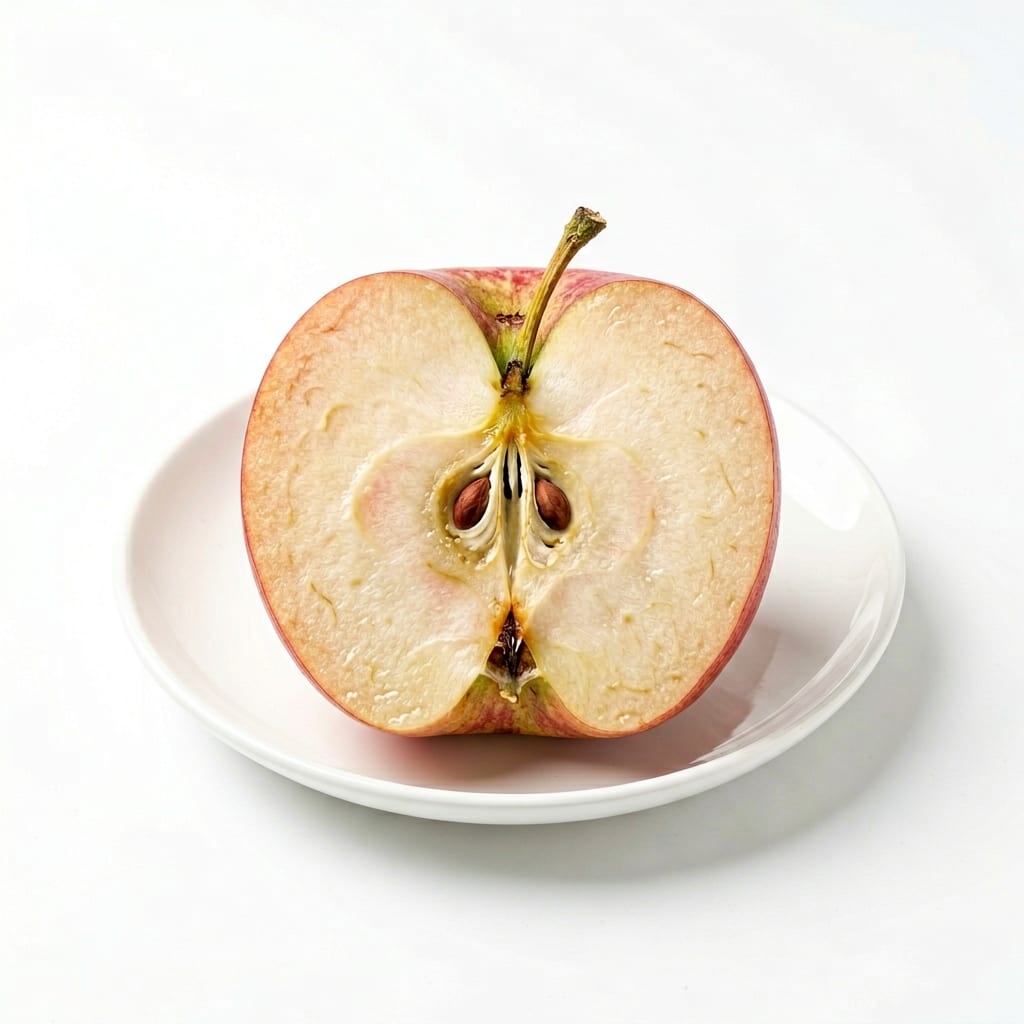
Rose Apple
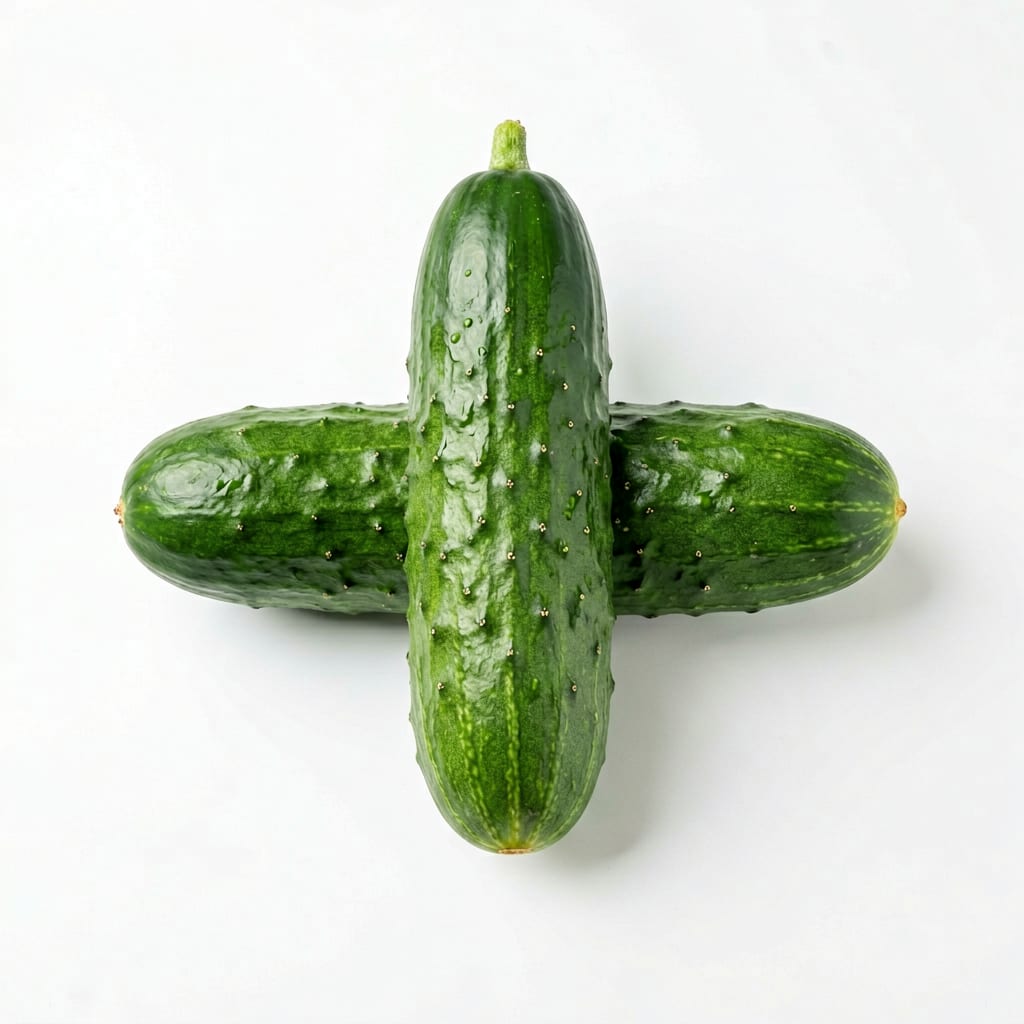
Cucumber
Cucumber wins on pure hydration and calorie-minimizing, while Rose Apple delivers more antioxidants and a satisfying sweetness for barely any extra calories.
Rose Apple edges ahead on micronutrients and antioxidant value, but Cucumber's unmatched hydration, availability, and versatility keep it close. Neither is a nutritional powerhouse, so the gap is modest.
Cucumber is the ultimate volume food with near-zero calories, but Rose Apple offers more micronutrients and a fruit-like eating experience for just a few more calories per serving.
At a glance
Executive summary
Overall
It depends
Healthier
Rose Apple
More practical
Cucumber
Daily use
Cucumber
Key comparison lenses
low-calorie snacking and weight management
Both foods are extremely low in calories, making them top picks for volume eating and weight loss strategies
hydration and refreshment
Both are water-dense foods often chosen for cooling down and rehydrating, especially in hot climates
nutrient density per calorie
Users comparing these want to know which delivers more vitamins and antioxidants for the minimal calories
blood sugar safety
Both are low-sugar options, but subtle differences matter for diabetics choosing between fruit and vegetable snacks
digestive gentleness
Both are commonly eaten raw and light, making digestive tolerance a practical concern
Best choice for
Rose Apple
- People wanting a sweet snack without the sugar crash
- Those seeking more antioxidants from their low-calorie foods
- Anyone bored with vegetable snacks and craving fruit variety
- Tropical climate dwellers wanting refreshing, flavorful hydration
Cucumber
- Strict calorie counters wanting maximum volume per calorie
- People adding crunch to salads and sandwiches
- Those who need ultra-low-sugar options for blood sugar management
- Meal preppers wanting a cheap, widely available hydrating staple
Least suitable for
Rose Apple
- People in regions where Rose Apple is unavailable or expensive
- Those who need substantial fiber or protein from snacks
- Anyone sensitive to slightly astringent or floral flavors
Cucumber
- People wanting a satisfying standalone snack that curbs hunger
- Those seeking significant vitamin or mineral intake from produce
- Anyone finding plain cucumber too bland to eat regularly
Deep comparison
Dimension by dimension
Each lens scores both foods and breaks down who each option suits.
- Dimension 1 · Priority 90Cucumber
Hydration and Refreshment
Rose Apple · 82Cucumber · 95Cucumber is roughly 96% water, making it one of the most hydrating foods you can eat. Rose Apple is also water-rich at around 85-90%, but cannot match cucumber's sheer liquid volume.
Tradeoff
Cucumber hydrates more per bite, but Rose Apple's mild sweetness makes it feel more like a treat you actually want to reach for on a hot day.
Why it matters
In hot weather or after exercise, food-based hydration can complement water intake and feel more satisfying than drinking alone.
Real-world impact
Eating a full cucumber feels like drinking a glass of water with crunch. A Rose Apple quenches thirst too, but you'd need more volume to match cucumber's hydrating effect.
Rose Apple
- Those who find plain water boring and want flavorful hydration
- Hot climate snacking where a sweet-refreshing combo is preferred
Better for
- Situations where you need maximum water volume from food alone
Worse for
Cucumber
- Post-workout rehydration when you want maximum water per calorie
- People who struggle to drink enough water and need food-based help
Better for
- Anyone finding water-rich vegetables unsatisfying without dressing or salt
Worse for
- Dimension 2 · Priority 88Cucumber
Calorie Density and Weight Loss
Rose Apple · 78Cucumber · 92Cucumber delivers roughly 15 calories per cup, while Rose Apple comes in around 25-30 calories per similar serving. Both are extremely low, but cucumber is the ultimate free food.
Tradeoff
Cucumber lets you eat enormous volumes for almost no calories, but Rose Apple's slight sweetness may prevent cravings that lead to overeating higher-calorie foods later.
Why it matters
For weight loss, foods that let you eat large volumes without calorie consequences are strategic tools. But satisfaction matters too — a food you enjoy is better than one you force.
Real-world impact
You can eat an entire cucumber for the same calories as a small handful of nuts. A Rose Apple costs a few more calories but may satisfy a sweet tooth that would otherwise find candy.
Rose Apple
- Emotional eaters who need sweetness to feel satisfied
- Those who find vegetable-only snacking unsustainable long-term
Better for
- Those who need to minimize absolutely every calorie during aggressive cuts
Worse for
Cucumber
- Strict calorie counters tracking every single calorie
- Volume eaters who want to feel physically full on minimal intake
Better for
- People who feel hungry again 30 minutes after eating plain cucumber
Worse for
- Dimension 3 · Priority 76Rose Apple
Antioxidant and Micronutrient Value
Rose Apple · 72Cucumber · 45Rose Apple contains meaningful amounts of vitamin C, flavonoids, and phenolic compounds. Cucumber offers modest vitamin K and some potassium but is nutritionally thin overall.
Tradeoff
Rose Apple gives you more nutritional bang per calorie, but neither food should be your primary vitamin source — both are supplementary players in a balanced diet.
Why it matters
When calories are equal, choosing the food with more micronutrients is a small but cumulative advantage over months and years.
Real-world impact
A serving of Rose Apple contributes meaningfully toward daily vitamin C needs. Cucumber's vitamin K helps with bone health but you'd need to eat a lot to move the needle significantly.
Rose Apple
- Those wanting to maximize nutrient intake from low-calorie snacks
- People who do not take a multivitamin and rely on food for micronutrients
Better for
- Anyone expecting a single fruit to meet significant nutritional needs
Worse for
Cucumber
- Those specifically needing more vitamin K for bone or blood health
Better for
- People relying on cucumber as a primary vegetable for vitamins
Worse for
- Dimension 4 · Priority 72Cucumber
Blood Sugar Impact
Rose Apple · 75Cucumber · 90Cucumber has virtually no sugar and no meaningful glycemic impact. Rose Apple is low-sugar for a fruit but still contains more natural sugars than cucumber.
Tradeoff
Cucumber is the safer bet for strict blood sugar control, but Rose Apple's sugar content is low enough that most diabetics can enjoy it without concern.
Why it matters
For people with diabetes or insulin resistance, even small differences in sugar content between whole foods can influence portioning decisions.
Real-world impact
Cucumber will not raise blood sugar at all. A Rose Apple may cause a tiny uptick but is still far safer than most fruits and unlikely to cause issues in normal portions.
Rose Apple
- Diabetics who miss fruit and want a low-risk way to enjoy it
- Those who tolerate small amounts of sugar well in balanced meals
Better for
- Anyone on a very low-carb or ketogenic diet tracking total carbs
Worse for
Cucumber
- People with very tight blood sugar targets needing zero-impact foods
- Those pairing snacks with medications sensitive to any sugar intake
Better for
- Those who find zero-sugar foods unsatisfying and end up craving carbs later
Worse for
- Dimension 5 · Priority 68Cucumber
Versatility and Meal Integration
Rose Apple · 40Cucumber · 85Cucumber works in salads, sandwiches, smoothies, pickles, and as a raw snack. Rose Apple is mostly eaten fresh or in desserts and has limited culinary range outside tropical cuisines.
Tradeoff
Cucumber is a kitchen staple you can use daily in many ways. Rose Apple is more of a specialty snack — enjoyable but not something you build meals around.
Why it matters
A food you can integrate into multiple meals gets eaten more consistently, which matters more for long-term health than occasional nutrient-dense choices.
Real-world impact
Cucumber can appear at breakfast, lunch, and dinner. Rose Apple is a between-meal snack or dessert fruit — harder to incorporate into savory dishes.
Rose Apple
- Those wanting a unique fruit experience for snacking variety
- People exploring Southeast Asian or tropical recipes
Better for
- Home cooks wanting an ingredient that works in everyday recipes
Worse for
Cucumber
- Meal preppers who want one ingredient working across multiple dishes
- Anyone building salads, wraps, or cold bowls regularly
Better for
- Those wanting a fruit-like sweetness in their meal components
Worse for
- Dimension 6 · Priority 65It depends
Satiety and Satisfaction
Rose Apple · 62Cucumber · 58Cucumber fills you with water volume but leaves quickly. Rose Apple's slight sweetness and more complex flavor provide more sensory satisfaction despite similar calorie counts.
Tradeoff
Cucumber creates temporary physical fullness. Rose Apple creates more psychological satisfaction. Different hunger types respond to each differently.
Why it matters
Satiety is not just about stomach stretch — flavor satisfaction prevents the nagging feeling that sends you back to the kitchen 20 minutes later.
Real-world impact
After cucumber, you may feel full but still want something tasty. After Rose Apple, the sweet craving is addressed, which can prevent a second snack.
Rose Apple
- Sweet cravers who need fruit-like satisfaction to avoid junk food
- Afternoon snackers wanting something that feels like a treat
Better for
- Anyone expecting a light fruit to keep them full for hours
Worse for
Cucumber
- Those who eat for physical fullness and stop when stomach feels stretched
- People pairing snacks with protein or fat for more complete satiety
Better for
- Emotional eaters who find plain vegetables mentally unsatisfying
Worse for
Timeline
Health impact over time
Short-term
Hours to days
Rose Apple
- Mild blood sugar rise that stabilizes quickly due to low overall sugar content
- Refreshing hydration with a satisfying sweet flavor that can curb cravings
- Possible slight digestive stimulation from natural fruit acids
Cucumber
- Near-immediate hydration effect with no blood sugar impact
- Temporary stomach fullness from water volume that fades relatively quickly
- Cooling sensation that can soothe mild digestive discomfort
Long-term
Months to years
Rose Apple
- Cumulative antioxidant intake from regular consumption may support cellular health
- Consistent low-calorie fruit snacking can displace higher-sugar fruit choices
- Vitamin C contribution supports immune function and skin health over time
Cucumber
- Excellent for long-term weight maintenance due to near-zero calorie contribution
- Consistent hydration supports kidney function and skin elasticity
- Vitamin K intake supports bone density, though amounts per serving are modest
Risk profile
Safety & processing
Both Rose Apple and Cucumber are whole, unprocessed foods typically eaten raw. Neither carries additive concerns unless canned, pickled, or sweetened — always choose fresh forms for maximum benefit.
Rose Apple
Pesticide residue on non-organic skins
mediumLike most thin-skinned fruits, Rose Apple can carry pesticide residues if conventionally grown. Washing thoroughly or choosing organic reduces this concern.
Seed toxicity in large quantities
lowRose Apple seeds contain trace amounts of compounds that can be mildly toxic in very large amounts. Normal consumption of a few fruits poses no risk.
Cucumber
Pesticide residue on conventional skins
mediumCucumber is frequently cited for pesticide residues on its waxy skin. Peeling or choosing organic significantly reduces exposure.
Cucurbitacin bitterness and digestive upset
lowOccasionally, cucumbers produce bitter compounds called cucurbitacins that can cause mild stomach discomfort. Discard any unusually bitter-tasting cucumber.
Who wins for whom
Audience fit
Same foods, different winners depending on your goal.
children
Rose AppleRose Apple's mild sweetness and fun bell shape make it more appealing to kids. Cucumber's blandness often requires dips or preparation to get children interested.
daily consumption
CucumberCucumber's availability, affordability, and culinary versatility make it easier to eat every day. Rose Apple's limited availability and narrower use make daily consumption less practical.
diabetes
CucumberCucumber has zero sugar impact, making it the safest choice. Rose Apple is still very low-sugar and acceptable for most diabetics, but cucumber requires no portion consideration.
elderly
CucumberCucumber's soft texture when peeled, excellent hydration, and vitamin K for bone health make it slightly more relevant for older adults' common concerns.
muscle gain
It dependsNeither food contributes meaningful protein or calories for muscle building. Both are neutral additions to a muscle-gain diet — choose based on what helps you eat more of your protein-rich foods.
weight loss
CucumberCucumber's near-zero calorie density makes it the ultimate volume food for aggressive calorie deficits, though Rose Apple is also excellent for weight loss.
Your move
Decision guide
Choose Rose Apple
- You crave something sweet and refreshing without the sugar load of typical fruits
- Antioxidant intake matters to you and you want more from your low-calorie snacks
- You live in or have access to tropical markets where Rose Apple is fresh and affordable
- You are bored with cucumber and vegetable snacks and need variety to stay on track
Choose Cucumber
- You want the absolute lowest-calorie food possible for volume eating
- You need a versatile ingredient that works in salads, sandwiches, and snacks
- Blood sugar control is a top priority and you want zero-risk foods
- Availability and budget matter — cucumber is cheap and everywhere year-round
Either works if
- You simply want a hydrating, low-calorie snack and both are available
- You are building a crudités platter or fresh snack plate and want variety
- Neither food is a major calorie or nutrient source in your diet — just enjoy both
Avoid both if
- You need a protein-rich or calorie-dense snack to fuel activity or gain weight
- You are looking for a food that provides lasting fullness for more than 30 minutes
- You have specific allergies to either food, though this is rare
Final recommendation
Keep cucumber as your daily hydrating staple — it is cheap, versatile, and nearly calorie-free. Add Rose Apple when you can find it for a sweeter, more antioxidant-rich treat that keeps low-calorie snacking interesting. Neither food carries your nutrition alone, but both are smart tools in a balanced diet.
Practical
Consumer tips
- 1
Choose organic cucumber if you eat the skin, or peel conventional cucumbers to reduce pesticide exposure
- 2
Wash Rose Apple thoroughly under running water before eating, especially if not organic
- 3
Pair cucumber with hummus or a protein dip to turn it into a more satisfying snack
- 4
Refrigerate Rose Apple and consume within a few days — it spoils faster than cucumber
- 5
If Rose Apple is unavailable, other low-sugar fruits like berries offer similar benefits with wider availability
- 6
Use cucumber slices as a base for toppings like tuna salad or cottage cheese for a low-carb mini meal