
Nutrition comparison
Rose Apple vs Papaya: Nutrition, Sugar, and Digestion Compared
Compare Rose Apple and Papaya side by side. Discover which fruit is better for blood sugar, digestion, weight loss, and daily nutrition with this expert breakdown.
Overall winner · Papaya
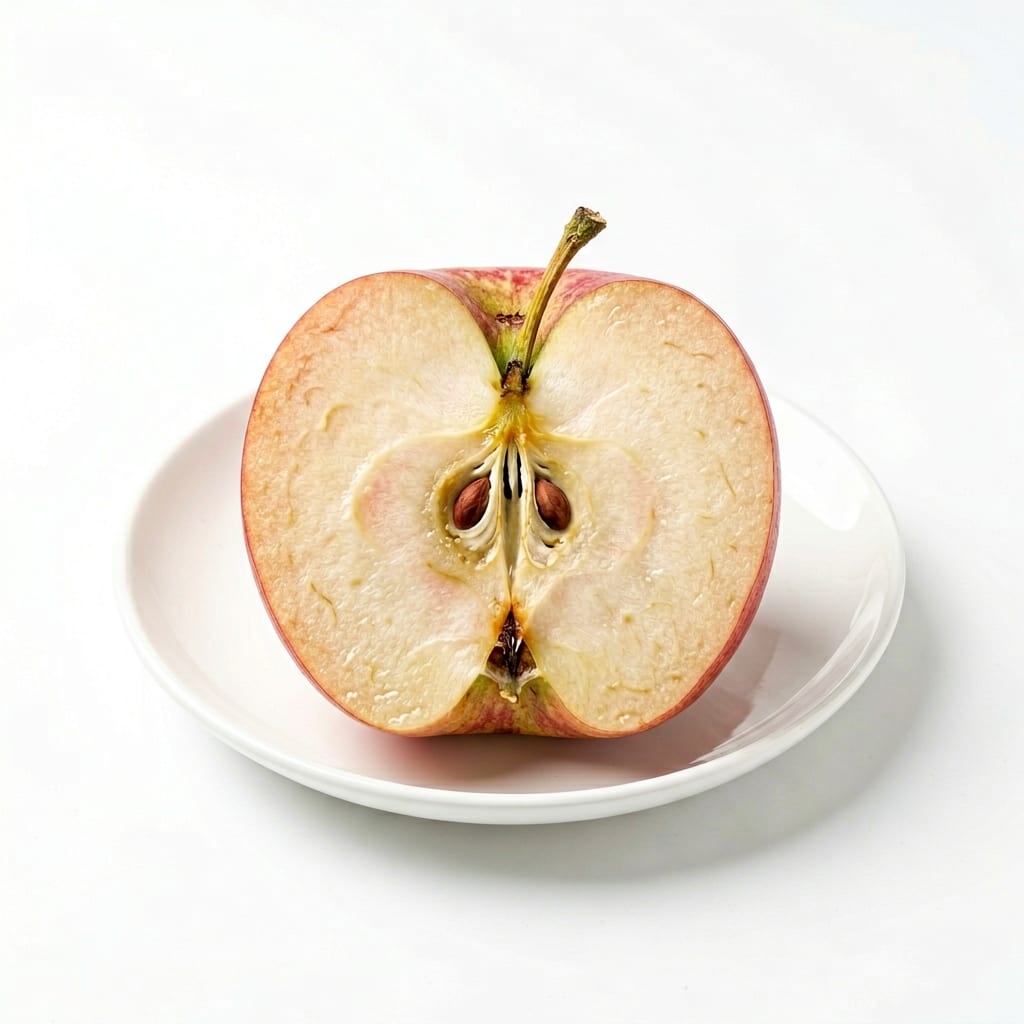
Rose Apple
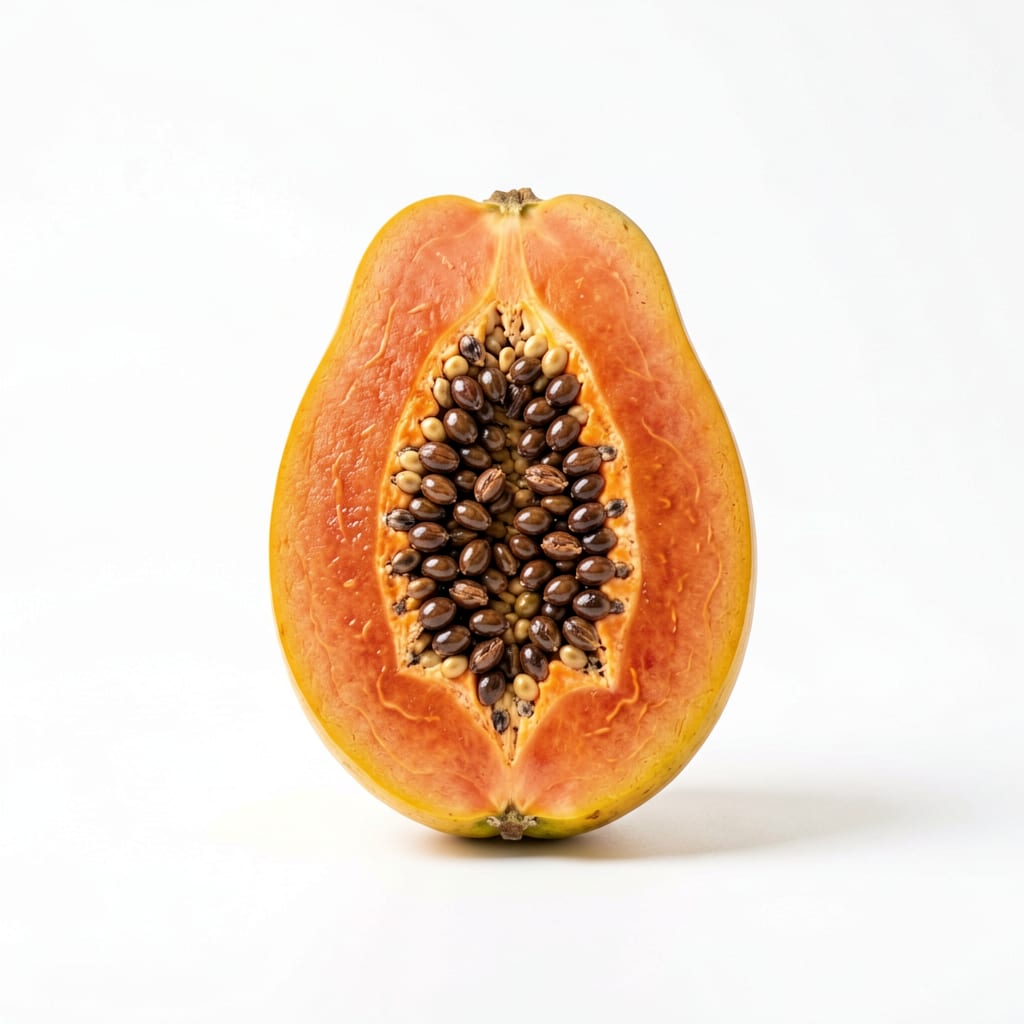
Papaya
Papaya delivers far more nutrition per bite, but Rose Apple is the lighter, lower-sugar option when you want minimal caloric impact.
Papaya scores significantly higher due to its superior vitamin content, digestive enzymes, fiber, and antioxidant profile. Rose Apple remains a valid choice for low-sugar, low-calorie needs but offers minimal nutrition beyond hydration.
You trade nutritional richness and digestive benefits for an ultra-low-calorie, low-sugar crunch.
At a glance
Executive summary
Overall
Papaya
Healthier
Papaya
More practical
Papaya
Daily use
Papaya
Key comparison lenses
nutritional value comparison
Papaya is dramatically more nutrient-dense than Rose Apple, making this the most consequential difference
blood sugar management
Rose Apple's extremely low sugar content versus Papaya's natural sweetness creates a meaningful tradeoff for diabetics
digestive health
Papaya's papain enzyme and fiber content make it a standout for digestion, while Rose Apple offers little here
weight management
Both are low-calorie fruits but serve very different roles in a weight loss strategy
practical availability
Papaya is widely available globally; Rose Apple is niche and seasonal, affecting real-world usability
Best choice for
Rose Apple
- People strictly limiting sugar intake
- Anyone wanting a hydrating, almost-zero-calorie snack
- Those who find most fruits too sweet
- Dieters tracking every calorie closely
Papaya
- Anyone seeking better digestion and gut health
- People wanting more vitamins A and C from fruit
- Those needing anti-inflammatory food support
- Pregnant women needing folate
Least suitable for
Rose Apple
- People seeking nutrient-dense fruit
- Anyone relying on fruit for daily vitamin intake
- Those wanting digestive enzyme benefits
- People in regions where Rose Apple is unavailable
Papaya
- People on very strict low-sugar diets
- Those with latex-fruit allergy syndrome
- Anyone sensitive to tropical fruit enzymes on an empty stomach
Deep comparison
Dimension by dimension
Each lens scores both foods and breaks down who each option suits.
- Dimension 1 · Priority 95Papaya
Nutritional Density
Rose Apple · 30Papaya · 88Papaya is a nutritional powerhouse; Rose Apple is mostly water with trace nutrients.
Tradeoff
Rose Apple keeps calories near zero but you get almost no vitamins or minerals in return.
Why it matters
If fruit is a primary vitamin source in your diet, Rose Apple will not pull its weight.
Real-world impact
One cup of Papaya covers most of your daily vitamin C needs. One cup of Rose Apple barely moves the needle.
Rose Apple
- Zero-guilt snacking when calories matter more than nutrients
Better for
- Reliance on it as a primary fruit may leave nutritional gaps
Worse for
Papaya
- Meeting daily vitamin targets through whole food
- Supporting immune function naturally
- Getting more health value per dollar spent on fruit
Better for
- Slightly more calories if you are counting strictly
Worse for
- Dimension 2 · Priority 88Rose Apple
Blood Sugar Impact
Rose Apple · 90Papaya · 62Rose Apple has almost no sugar; Papaya has moderate natural sugars that still require mindful portioning for diabetics.
Tradeoff
Choosing Rose Apple gives you peace of mind on blood sugar but sacrifices the nutritional benefits Papaya provides.
Why it matters
For insulin-resistant or diabetic users, even natural fruit sugar needs careful management.
Real-world impact
Rose Apple is unlikely to cause any blood sugar spike. Papaya is moderate-glycemic but can add up if eaten in large quantities.
Rose Apple
- Diabetics wanting fruit without worry
- Keto-adjacent eaters wanting minimal sugar
- People monitoring glycemic load closely
Better for
- Anyone expecting sustained energy from their fruit snack
Worse for
Papaya
- Active people who benefit from natural fruit carbs post-workout
Better for
- Diabetics who need to limit total carbohydrate intake
Worse for
- Dimension 3 · Priority 85Papaya
Digestive Health
Rose Apple · 35Papaya · 92Papaya's papain enzyme actively aids protein digestion, and its fiber supports regularity. Rose Apple contributes little to gut health.
Tradeoff
If digestion is a priority, Papaya is one of the best fruits available. Rose Apple offers no digestive advantage.
Why it matters
Many people eat fruit partly for digestive support, and only Papaya delivers here meaningfully.
Real-world impact
Eating Papaya after a heavy meal can reduce bloating. Rose Apple will not have that effect.
Rose Apple
- Anyone who experiences discomfort from enzyme-rich fruits on an empty stomach
Better for
- Those specifically seeking fruit for gut regularity
Worse for
Papaya
- People with occasional bloating or slow digestion
- Older adults with declining natural enzyme production
- Anyone recovering from a heavy protein-rich meal
Better for
- People with latex-fruit allergy who must avoid Papaya entirely
Worse for
- Dimension 4 · Priority 72Rose Apple
Hydration and Calorie Density
Rose Apple · 92Papaya · 65Rose Apple is one of the lowest-calorie fruits available, making it ideal for volume eating. Papaya is still low-calorie but less extreme.
Tradeoff
You can eat more Rose Apple volume-wise, but you get less nutritional payoff per serving.
Why it matters
Volume eaters and strict calorie counters benefit from foods that provide more bites per calorie.
Real-world impact
Three Rose Apples still cost fewer calories than one serving of Papaya, but deliver far fewer nutrients.
Rose Apple
- Volume eaters who want large portions with minimal calories
- Anyone finding most fruit too calorie-dense for their plan
Better for
- Those needing energy or substance from their snacks
Worse for
Papaya
- People who want their calories to come with real nutritional value
Better for
- Strict calorie counters who want maximum volume
Worse for
- Dimension 5 · Priority 80Papaya
Antioxidant and Anti-inflammatory Value
Rose Apple · 28Papaya · 85Papaya is rich in lycopene, beta-carotene, and vitamin C. Rose Apple contains minimal antioxidants by comparison.
Tradeoff
If you eat fruit partly for long-term disease protection, Papaya actively contributes. Rose Apple does not meaningfully move the needle.
Why it matters
Chronic inflammation drives most age-related disease, and antioxidant-rich fruit is a practical defense.
Real-world impact
Regular Papaya consumption is linked to lower inflammatory markers. Rose Apple has no comparable evidence base.
Rose Apple
- Not applicable — Rose Apple is not an antioxidant-focused choice
Better for
- People relying on fruit as an antioxidant source
Worse for
Papaya
- People with inflammatory conditions like arthritis
- Anyone focused on long-term cellular health
- Those wanting skin-protective nutrients from food
Better for
- Not applicable — Papaya excels here
Worse for
- Dimension 6 · Priority 68Papaya
Availability and Practicality
Rose Apple · 30Papaya · 82Papaya is available year-round in most grocery stores. Rose Apple is seasonal, regional, and hard to find outside tropical markets.
Tradeoff
You can actually buy and eat Papaya regularly. Rose Apple remains a specialty fruit for most people.
Why it matters
The healthiest fruit only matters if you can access it consistently.
Real-world impact
Most people will find Papaya at any supermarket. Rose Apple may require specialty Asian markets or seasonal luck.
Rose Apple
- People living in Southeast Asia or tropical regions where it grows locally
Better for
- Most Western consumers who simply cannot find it
Worse for
Papaya
- Anyone shopping at regular grocery stores
- People who want reliable year-round access to their fruit
Better for
- Not applicable — Papaya is widely available
Worse for
Timeline
Health impact over time
Short-term
Hours to days
Rose Apple
- Very light on the stomach with almost no digestive burden
- Unlikely to cause any blood sugar spike
- Provides quick hydration but minimal satiety
Papaya
- Aids digestion noticeably after protein-heavy meals
- Provides a satisfying, filling fruit snack
- Natural sugars offer a gentle energy lift without a crash
Long-term
Months to years
Rose Apple
- Consistent low-calorie intake may support weight maintenance
- Risk of nutritional gaps if used as a primary fruit
- Minimal contribution to long-term disease prevention
Papaya
- Regular consumption supports lower inflammation and better immune function
- Lycopene and beta-carotene contribute to long-term cellular protection
- Consistent digestive support may improve gut health over time
Risk profile
Safety & processing
Both Rose Apple and Papaya are whole, unprocessed fruits eaten in their natural state. Neither carries processing concerns when consumed fresh.
Rose Apple
Pesticide residue on non-organic skins
lowRose Apple is typically grown with minimal pesticide use, but washing is still recommended as with any fresh fruit.
Seed toxicity in large quantities
lowRose Apple seeds contain trace amounts of compounds that could be mildly toxic if consumed in unusually large amounts. Normal consumption is safe.
Papaya
Latex-fruit allergy syndrome
mediumPeople with latex allergies may cross-react with Papaya due to similar proteins. This can cause mouth itching or more serious reactions in sensitive individuals.
Unripe Papaya latex concerns
mediumUnripe Papaya contains high concentrations of papain latex that can trigger uterine contractions. Pregnant women should avoid unripe Papaya specifically.
Pesticide residue on conventionally grown Papaya
lowPapaya appears on moderate pesticide residue lists. Choosing organic reduces exposure, but conventional is still safe when washed properly.
Who wins for whom
Audience fit
Same foods, different winners depending on your goal.
children
PapayaPapaya's sweetness, soft texture, and rich vitamin content make it more appealing and nutritious for growing kids. Rose Apple's milder flavor and crispness may not excite most children.
daily consumption
PapayaPapaya provides consistent daily nutritional value and digestive support. Rose Apple is fine daily but contributes less to overall health over time.
diabetes
Rose AppleRose Apple's negligible sugar content makes it safer for blood sugar management. Papaya is moderate and can be included with portion control but requires more vigilance.
elderly
PapayaPapaya's digestive enzymes, soft texture, and high vitamin A and C content directly address common elderly health concerns. Rose Apple lacks these targeted benefits.
muscle gain
PapayaPapaya provides more carbs for energy and papain aids protein digestion, both useful around training. Rose Apple offers too little substance for muscle-building support.
weight loss
Rose AppleRose Apple's near-zero calorie content makes it the ultimate volume-eating fruit for strict weight loss phases, though Papaya is still a solid low-calorie choice with more nutritional payoff.
Your move
Decision guide
Choose Rose Apple
- You are strictly limiting sugar or carbohydrates
- You want the lowest-calorie fruit possible for volume eating
- You live in a region where Rose Apple is fresh and affordable
- You find most fruits too sweet and want something mild and crisp
Choose Papaya
- You want maximum nutritional value from your fruit
- Digestive health is a priority for you
- You are not sensitive to tropical fruits or latex allergens
- You want an antioxidant-rich fruit that supports long-term health
- You need a versatile fruit that is easy to find year-round
Either works if
- You simply want a hydrating, whole-food snack
- You enjoy variety and can rotate both depending on availability
- Calorie and sugar content are not primary concerns for you
Avoid both if
- You have a known allergy to either fruit specifically
- You need high-protein snacks and are relying too heavily on fruit for satiety
Final recommendation
Papaya is the stronger everyday choice for most people due to its far superior nutrition, digestive benefits, and availability. Choose Rose Apple when you specifically need an ultra-low-calorie, low-sugar fruit, or when you enjoy its unique crisp texture as a occasional treat rather than a nutritional staple.
Practical
Consumer tips
- 1
If you have a latex allergy, test Papaya cautiously with a small bite before eating a full serving.
- 2
Choose organic Papaya when possible to reduce pesticide exposure, especially if you eat it daily.
- 3
Wash Rose Apple thoroughly even though it typically has low pesticide concerns — the skin can hold residues.
- 4
Avoid unripe Papaya if you are pregnant; fully ripe Papaya with yellow-orange flesh is considered safe.
- 5
If Rose Apple is unavailable in your area, cucumber can serve a similar low-calorie, high-hydration role in meals.
- 6
Freeze cubed Papaya for smoothies — it retains its vitamin C and makes a creamy, naturally sweet base.
- 7
Pair Papaya with a protein source like Greek yogurt for a balanced snack that stabilizes blood sugar.