
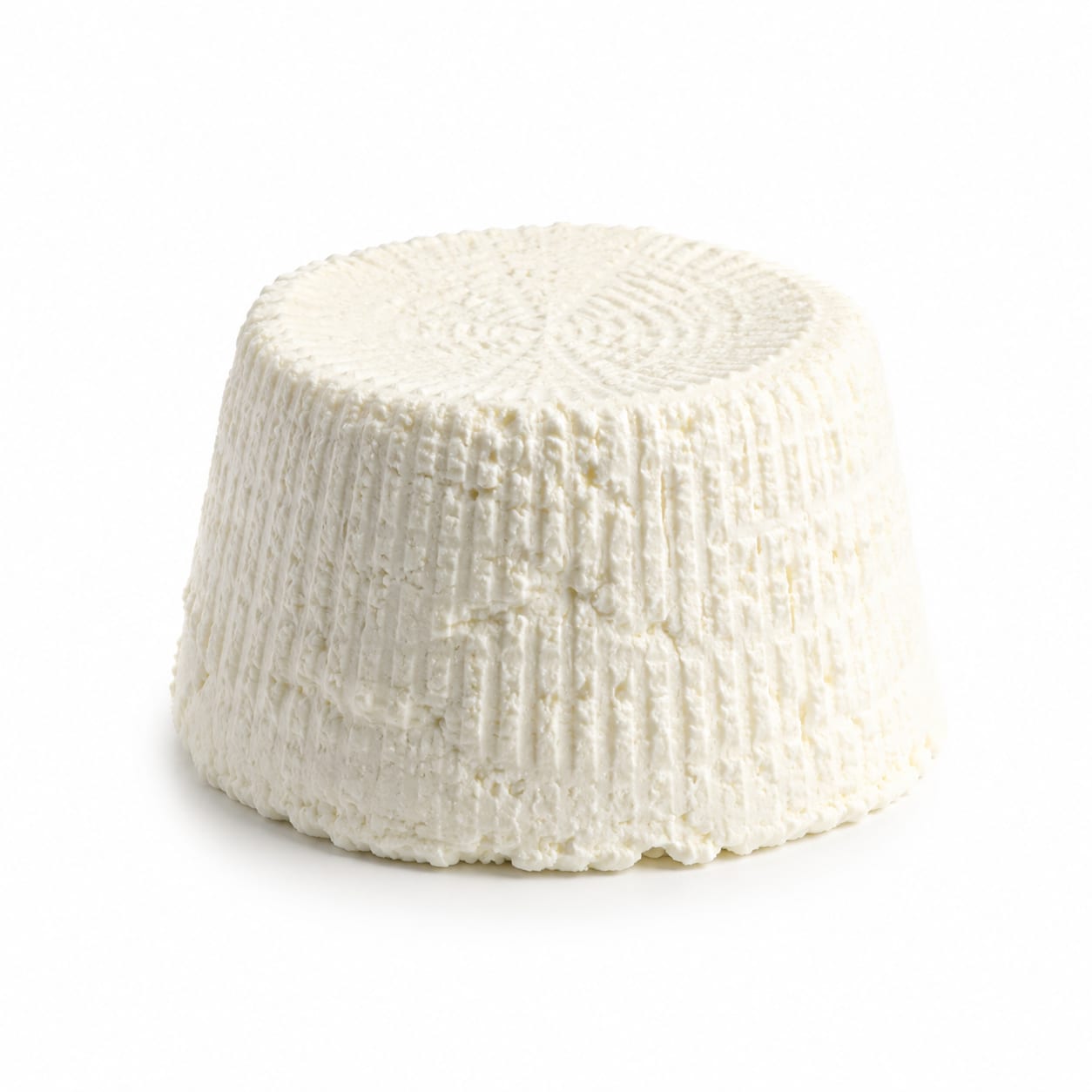
Dairy
Ricotta Cheese
A fresh, creamy Italian whey cheese with a slightly sweet flavor and high-quality whey protein content.
Ricotta is a fresh Italian cheese made from the whey leftover from the production of other cheeses. It has a slightly sweet flavor, creamy texture, and is versatile in both sweet and savory dishes.
high-protein fresh dairy food
Typical serving · 124g
Common varieties · whole milk ricotta, part-skim ricotta, ricotta salata, smoked ricotta, goat milk ricotta
Overall context score across nutrition, safety, and diet fit
At a glance
Quick facts
Simple indicators based on nutrition, processing, and diet fit.
The story
What makes it unique
Ricotta is primarily composed of whey proteins, specifically lactalbumin and lactoglobulin, rather than casein, making it a fast-digesting protein source. It has a moderate fat content, low carbohydrate content mostly from lactose, and provides a high satiety index relative to its caloric density due to its protein and water content.
Varieties: whole milk ricotta · part-skim ricotta · ricotta salata · smoked ricotta · goat milk ricotta
Per 100g
Nutrition breakdown
Macro balance and key metrics at a glance.
Energy
Density 1.74 kcal/g
Protein
Carbs
Fat
Fiber
Sugar
0.27 g
Sodium
84 mg
Potassium
105 mg
Glycemic index
27
Glycemic load
1
Water content
71%
Standout compounds
Nutrient highlights
Whey Protein
highSupports fast muscle protein synthesis and repair
Selenium
moderateActs as an antioxidant and supports thyroid function
Calcium
moderateEssential for bone health and muscle contraction
Vitamin A
moderateSupports immune function and vision
Phosphorus
moderateWorks with calcium for bone strength and energy production
Wellness map
Health scores & processing
NOVA processing scale
minimally processed · Whole food
Made by coagulating leftover whey proteins through heating, often with an acid or bacterial culture, then draining. Contains no artificial additives in its traditional form.
Diet compatibility
- Weight loss
- Muscle gain
- Diabetes
- Gut health
- Low carb
- High protein
- Heart health
Relative standing
Food rankings
Qualitative ranks compared to similar whole foods.
- Satietygood
- Blood sugarexcellent
- Nutrient densitygood
- Fitness fuelexcellent
- Processing qualityexcellent
Eat with confidence
Food safety profile
Ricotta is a fresh cheese with high moisture content, making it susceptible to bacterial growth if not refrigerated properly. Pasteurized varieties are widely available and recommended for pregnant women and immunocompromised individuals.
Evidence confidence 90%
- Pesticideslow
- Antibioticsmoderate
- Heavy metalslow
- Contaminationmoderate
Watch for
- Listeria monocytogenes
- Salmonella
Safer choices
Pasteurized ricotta, organic ricotta
Prep tips
Keep refrigerated at all times, consume within a few days of opening, and do not leave at room temperature for more than 2 hours.
Pasteurization requirements for dairy products; antibiotic residue limits in milk.
Deep dive
Health analysis
How this food may fit different goals and preparation choices.
Weight loss
Part-skim ricotta is a solid choice for weight loss due to its high protein content promoting fullness, though whole milk varieties are calorie-dense and require portion control.
Blood sugar
Very low in carbohydrates and sugars, ricotta has a minimal impact on blood glucose levels, making it suitable for diabetic diets.
Fitness & energy
The fast-digesting whey protein makes ricotta an excellent post-workout food for muscle recovery and protein synthesis.
Gut health
Contains minimal fiber and some lactose, which may cause bloating in lactose-sensitive individuals, though fresh varieties contain some beneficial bacteria.
Processing quality
Traditional ricotta is a simple, minimally processed food made by heating whey, avoiding the additives and emulsifiers found in processed cheese products.
Food safety
As a high-moisture fresh cheese, it requires strict refrigeration and carries a moderate risk of Listeria if made from unpasteurized milk.
Common mistakes
Assuming all ricotta is low-fat; whole milk ricotta can significantly increase the calorie and saturated fat content of a meal if portion sizes are ignored.
Best preparation
Use as a base for savory dips, blend into smoothies for creaminess and protein, or use in baked dishes like lasagna and stuffed shells.
Practical guide
Best use cases
When and how this food fits real eating patterns.
post-workout snack
Provides fast-digesting whey protein to support muscle repair after exercise.
low-carb baking
Adds moisture and structure to keto-friendly baked goods and crusts without adding carbs.
high-protein breakfast
Blends well into pancakes or oatmeal to boost morning protein intake.
savory stuffed vegetables
Ideal filling for zucchini, peppers, or shells due to its creamy texture and mild flavor.
Balance sheet
Pros & cons
Upsides
- Rich in highly bioavailable whey protein
- Low in carbohydrates and sugars
- Versatile for both sweet and savory dishes
- Minimally processed with simple ingredients
- Good source of calcium and selenium
Trade-offs
- Whole milk varieties are high in saturated fat and calories
- Contains moderate amounts of lactose, problematic for some
- Short shelf life and highly perishable
- Can be high in sodium depending on the brand
Fit check
Who is it for?
Great match
- post-workout recovery
- low-carb and ketogenic diets
- high-protein breakfasts
- muscle gain diets
Consider alternatives
- strict low-fat diets (if using whole milk)
- severe lactose intolerance
- vegan or dairy-free diets
- very low sodium diets
Side by side
How it compares
Open the full head-to-head analysis for nutrition, safety, and practical tradeoffs.
This food
Ricotta Cheese
VS90% alike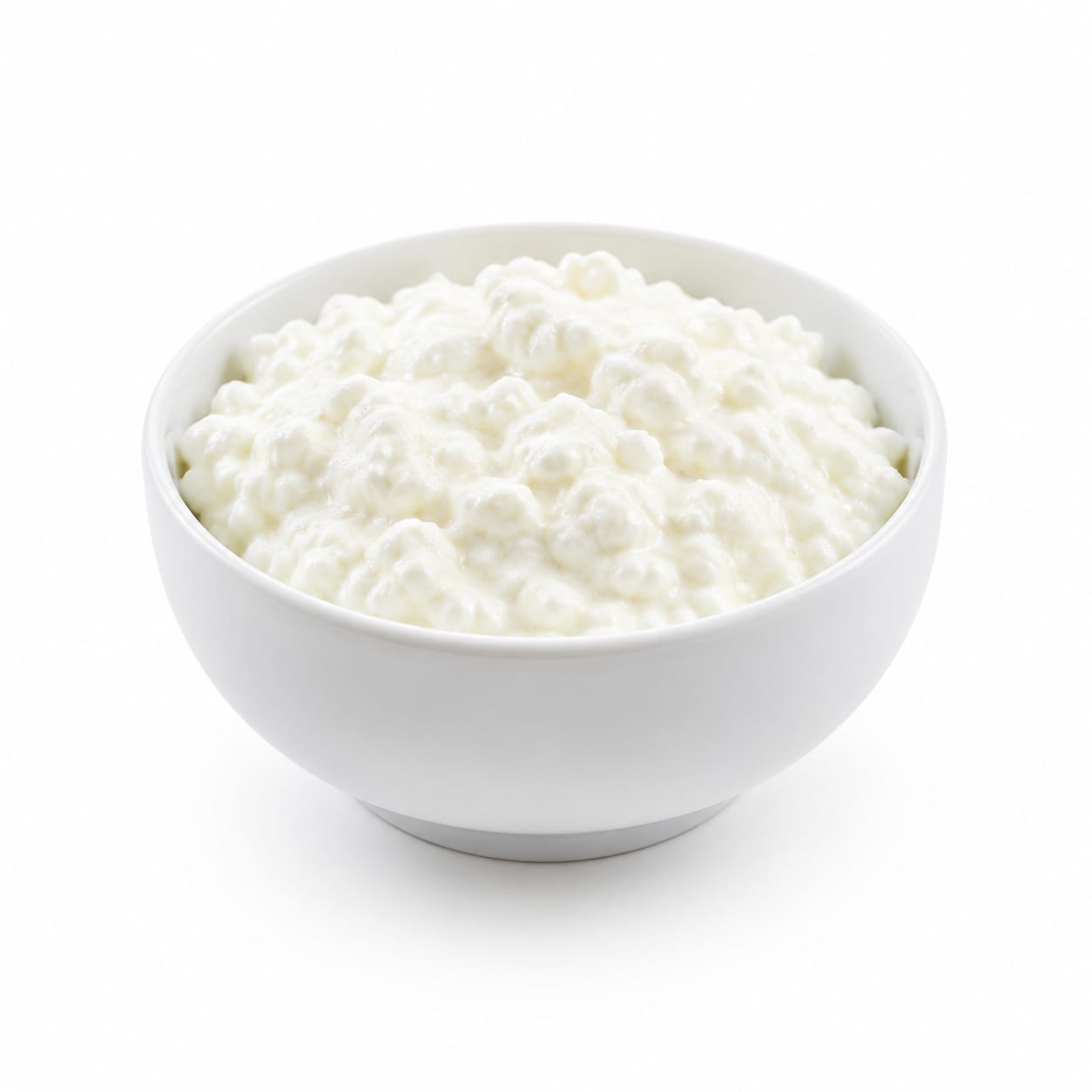
Compare with
Cottage Cheese
Cottage cheese is lower in calories and fat, while ricotta offers a smoother texture and slightly different protein profile.
Cottage cheese is lower in calories and higher in protein per serving, while ricotta provides a smoother texture and more calcium.
This food
Ricotta Cheese
VS75% alike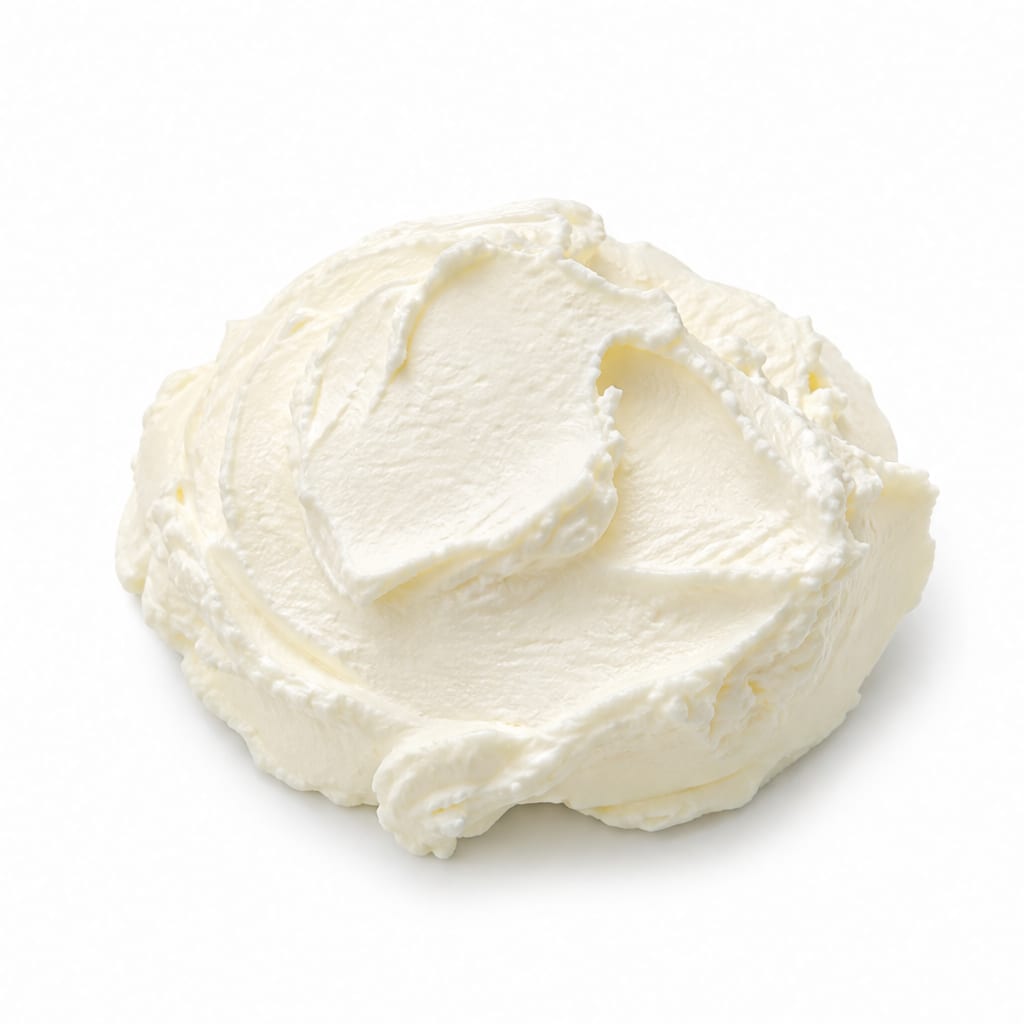
Compare with
Cream Cheese
Ricotta is significantly higher in protein and lower in fat than cream cheese, making it far better for satiety and fitness.
Ricotta is much higher in protein and lower in fat than cream cheese, making it the better choice for weight loss and muscle building.
This food
Ricotta Cheese
VS70% alike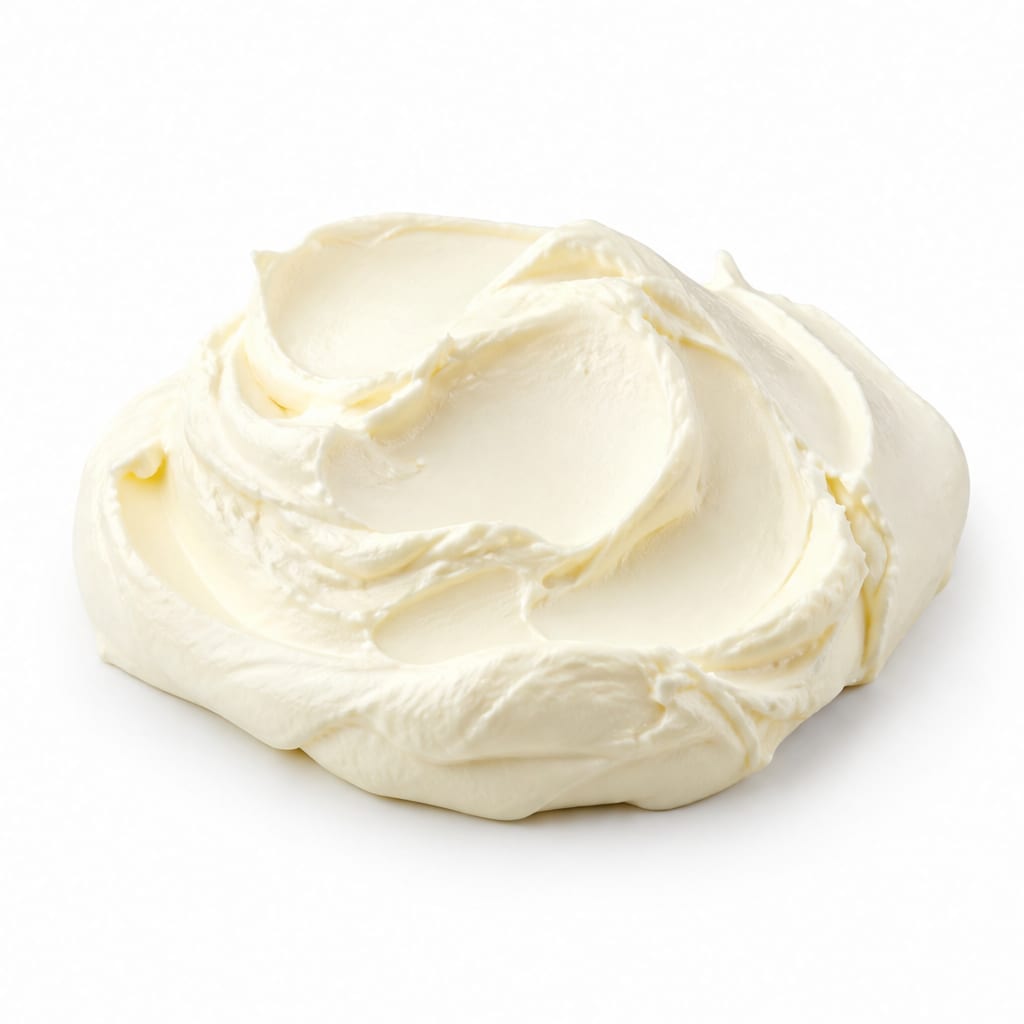
Compare with
Mascarpone
Mascarpone is much higher in fat and calories with less protein, whereas ricotta provides a lighter, protein-rich alternative.
Mascarpone is a high-fat dessert cheese, while ricotta is a high-protein, lighter alternative better suited for daily diets.
This food
Ricotta Cheese
VS80% alike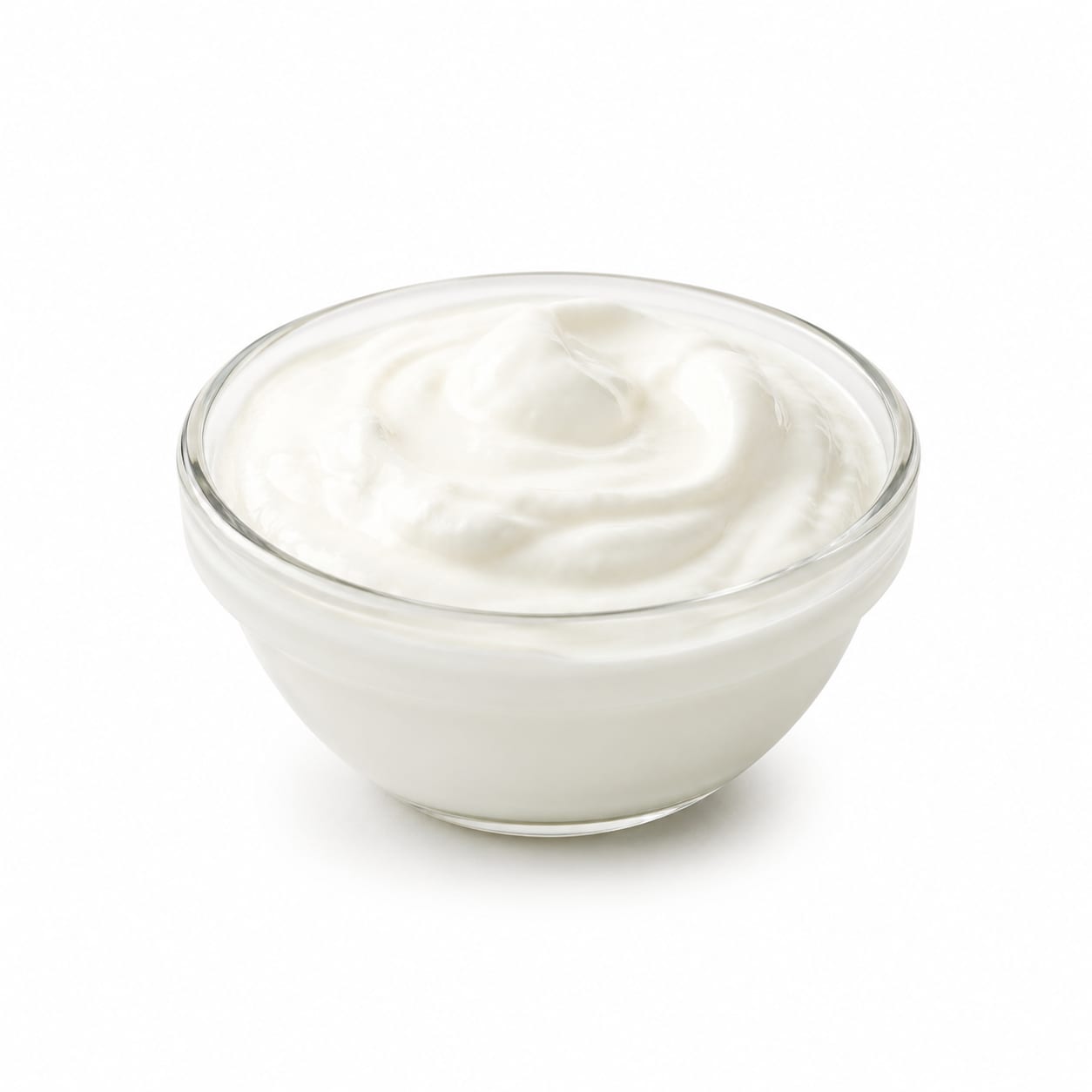
Compare with
Greek Yogurt
Greek yogurt offers more protein per calorie and probiotics, while ricotta provides a creamier texture for cooking.
Greek yogurt provides more protein and gut-friendly probiotics, while ricotta offers a richer texture ideal for cooking.
This food
Ricotta Cheese
VS65% alike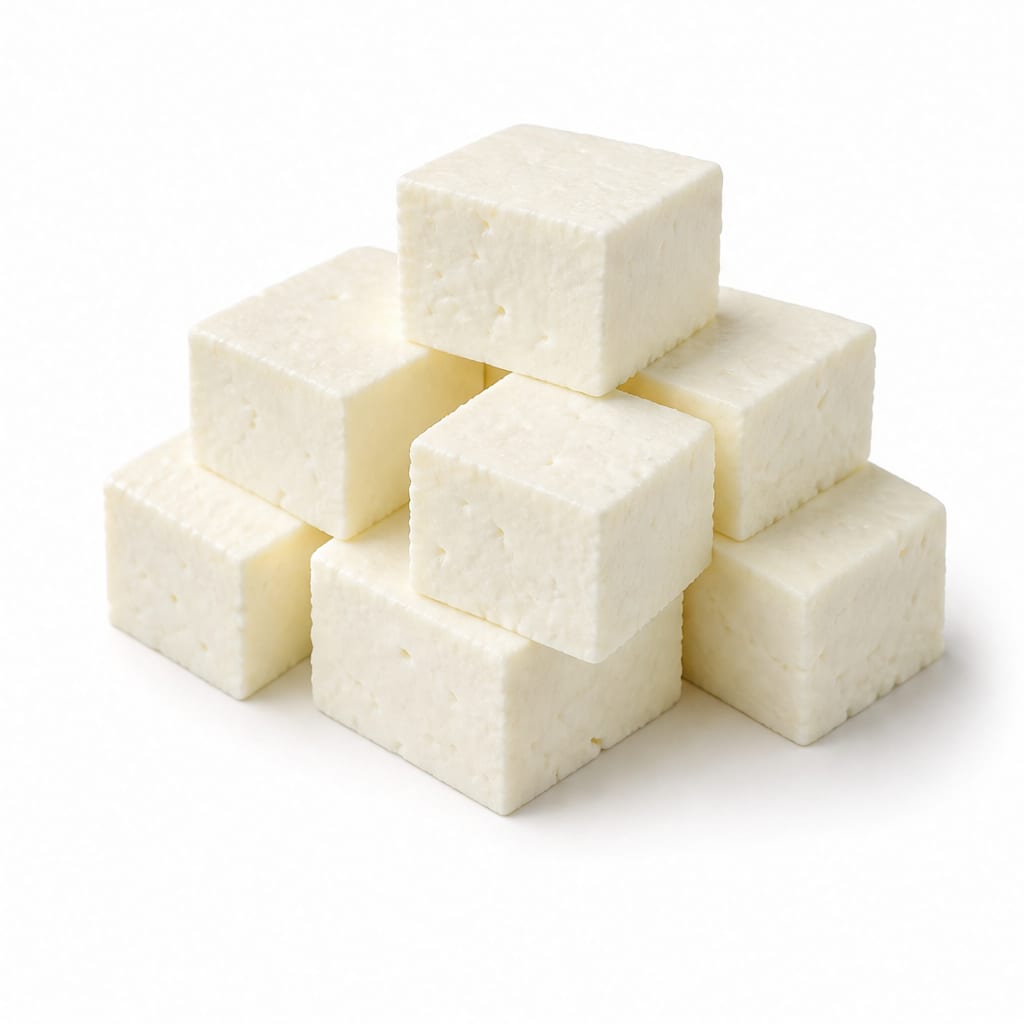
Compare with
Paneer
Paneer is firmer and higher in casein protein, while ricotta is softer, lower in fat, and contains whey protein.
Paneer is firmer and higher in protein, making it better for satiety, while ricotta is softer and lower in calories.
This food
Ricotta Cheese
VS60% alike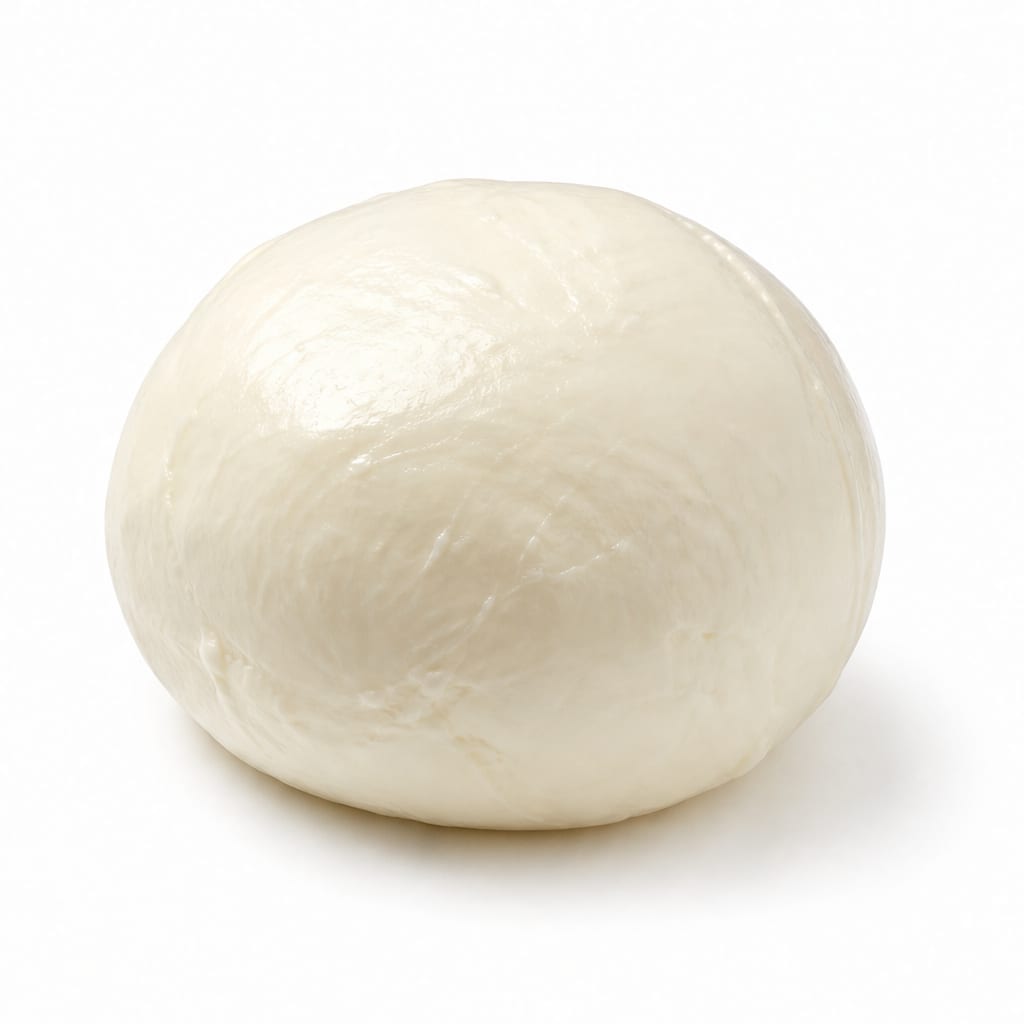
Compare with
Mozzarella
Mozzarella is a stretched curd cheese with a chewy texture, while ricotta is a fresh whey cheese that is softer and lower in calories per ounce.
Mozzarella is denser and higher in protein, while ricotta is lighter and lower in calories, making it better for weight management.
This food
Ricotta Cheese
VS50% alike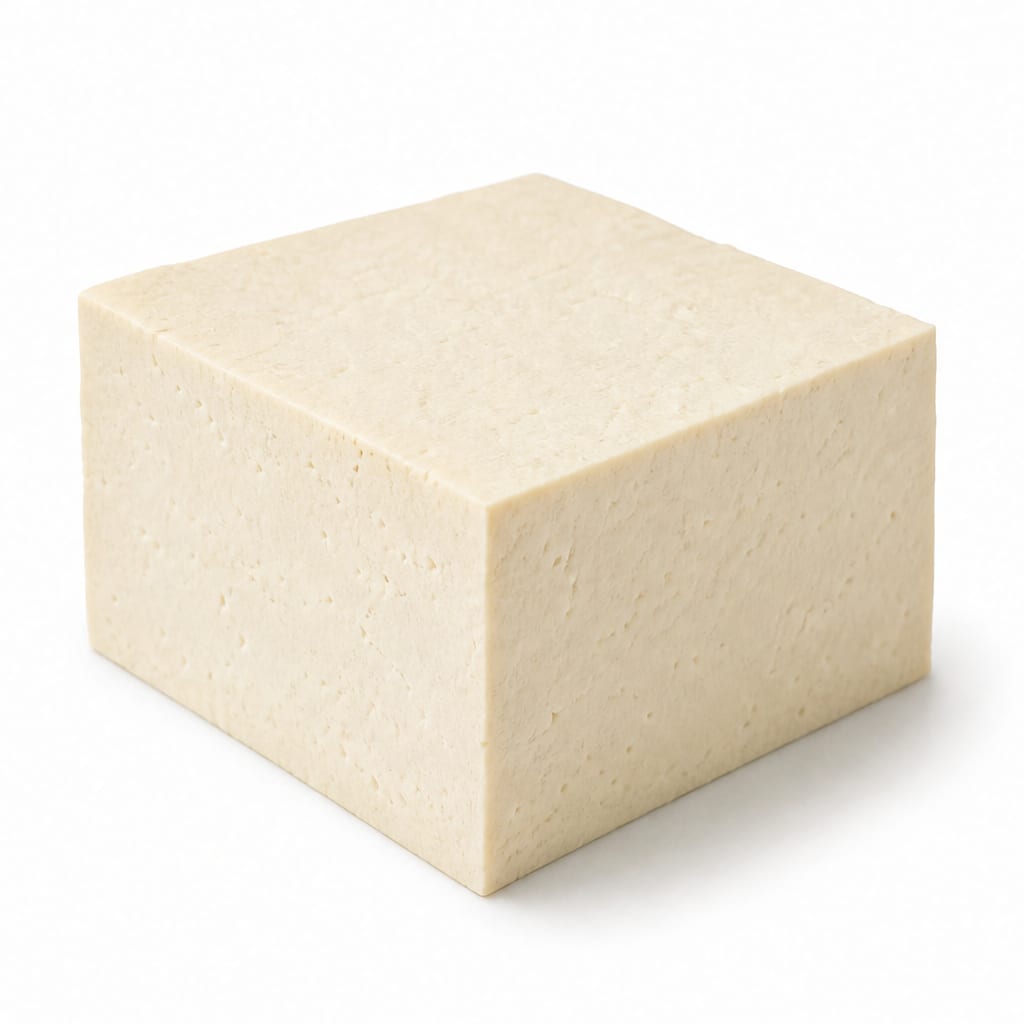
Compare with
Tofu
Tofu is a plant-based, lower-calorie alternative, while ricotta provides higher-quality dairy protein and calcium.
Tofu is a lower-calorie, plant-based alternative, while ricotta offers more protein and calcium per serving.
This food
Ricotta Cheese
VS85% alike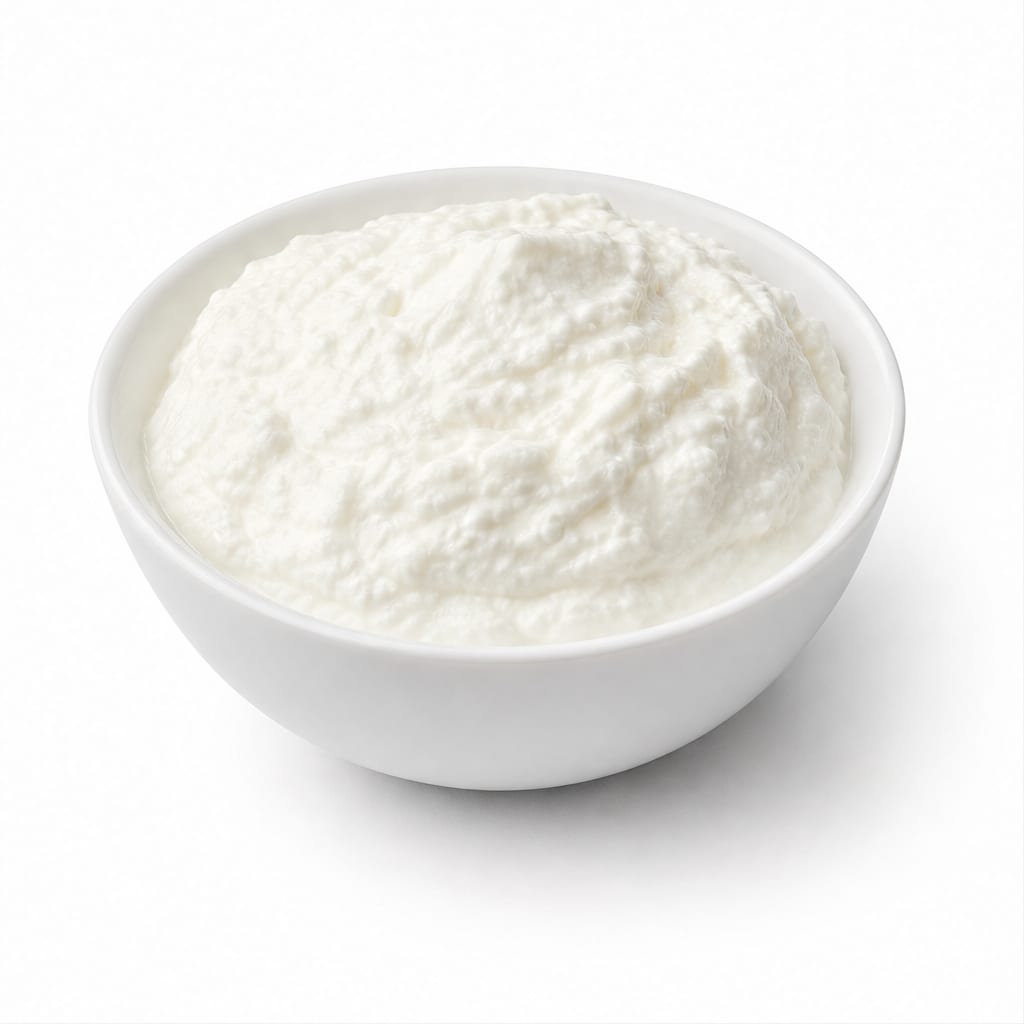
Compare with
Quark
Quark is thicker and often higher in protein with fewer calories, while ricotta has a grainier texture and milder flavor.
Quark is typically higher in protein and lower in fat than ricotta, making it slightly better for weight loss and muscle gain.
This food
Ricotta Cheese
VS55% alike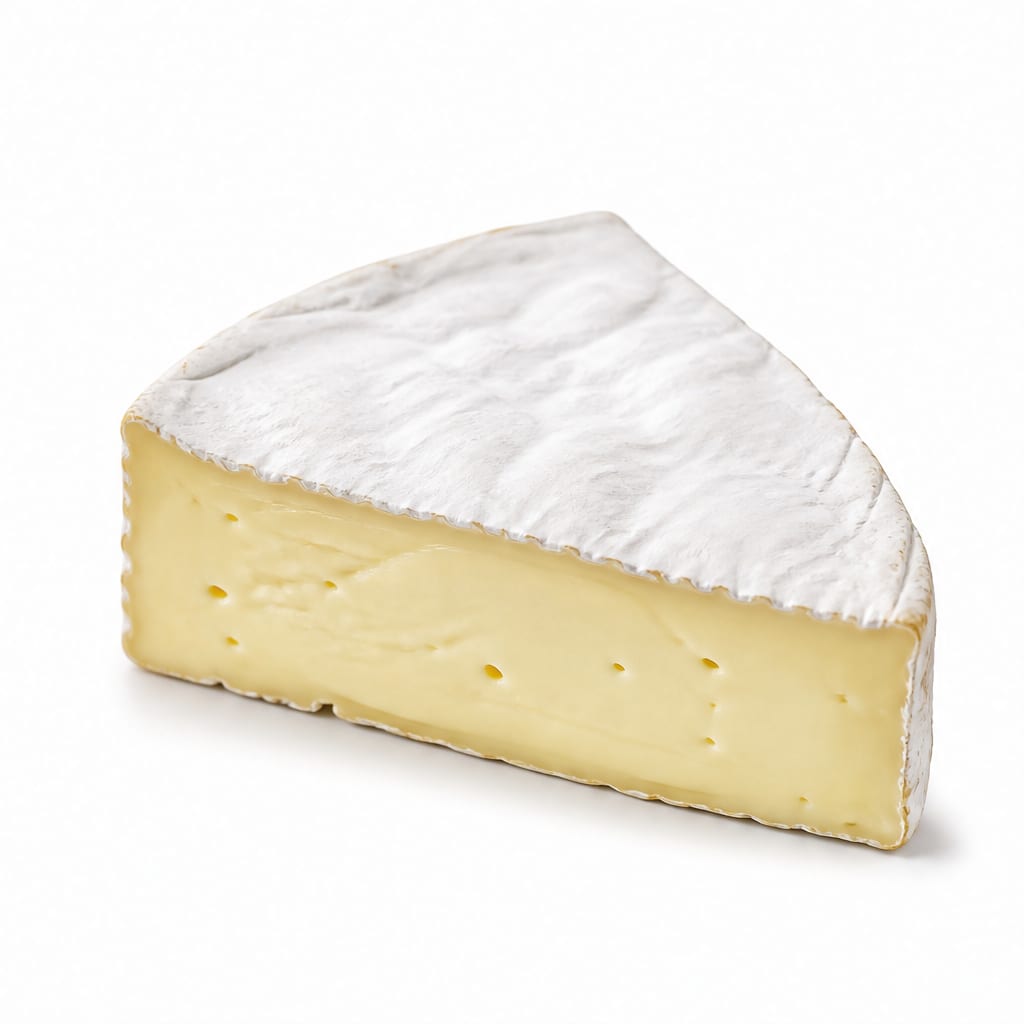
Compare with
Brie
Brie is a soft-ripened cheese high in fat, whereas ricotta is a fresh unaged cheese with more protein and fewer calories.
Ricotta is much lower in fat and higher in protein than brie, making it the better option for fitness and weight loss.
This food
Ricotta Cheese
VS60% alike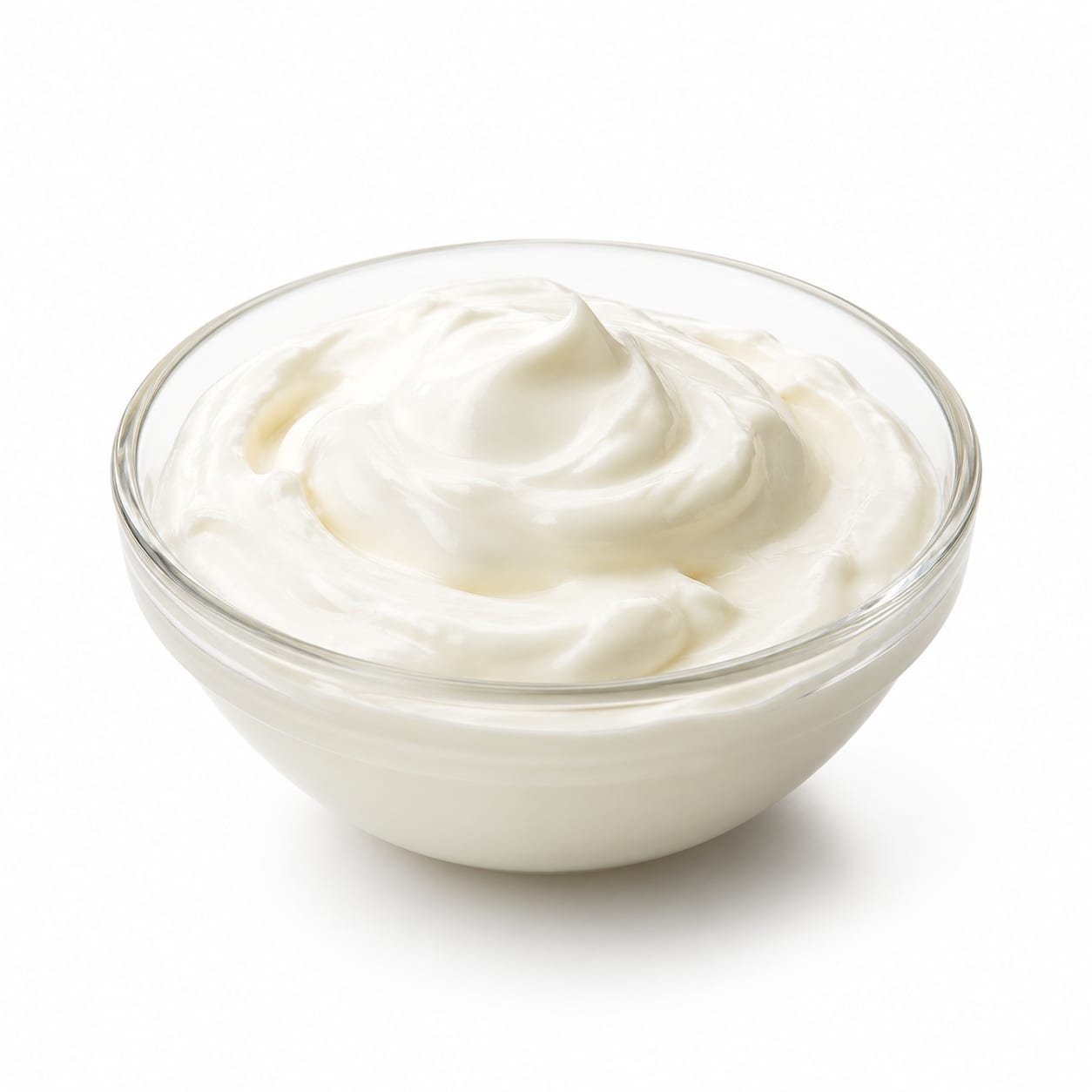
Compare with
Sour Cream
Sour cream is primarily fat with minimal protein, while ricotta offers substantial protein and a lighter nutritional profile.
Ricotta provides significantly more protein and less fat than sour cream, making it far superior for satiety and muscle building.
Common questions
FAQ
Answers aligned with how people search for this food.
Is ricotta cheese good for weight loss?
Part-skim ricotta can be excellent for weight loss due to its high protein content which promotes satiety, but whole milk varieties are calorie-dense and require strict portion control.
How much protein is in ricotta cheese?
Ricotta contains about 11 grams of protein per 100 grams, or roughly 14 grams per half-cup serving, primarily from fast-digesting whey.
Is ricotta cheese keto-friendly?
Yes, ricotta is keto-friendly in moderation. It contains only about 3 grams of carbohydrates per 100 grams, making it suitable for low-carb diets.
Can diabetics eat ricotta cheese?
Yes, ricotta is very low in carbohydrates and sugars, causing minimal impact on blood glucose levels, making it a safe and nutritious choice for diabetics.
What is the difference between ricotta and cottage cheese?
Ricotta is made from whey and has a fine, creamy texture, while cottage cheese is made from curds and has a lumpy texture. Ricotta also contains more whey protein and less sodium.
Is ricotta cheese high in fat?
Whole milk ricotta is relatively high in fat (around 13g per 100g), but part-skim varieties are available which reduce the fat content significantly while retaining protein.
Does ricotta cheese have a lot of lactose?
Ricotta contains moderate amounts of lactose compared to aged cheeses. While it is lower in lactose than milk, it may still cause issues for those with severe lactose intolerance.
Can I eat ricotta cheese raw?
Yes, ricotta is a fresh cheese that does not need to be cooked. It can be eaten straight from the container, provided it is made from pasteurized milk and kept refrigerated.
Is ricotta good for muscle building?
Yes, ricotta is rich in high-quality whey protein which is fast-absorbing and ideal for post-workout muscle repair and growth.
What does ricotta cheese taste like?
Ricotta has a mild, slightly sweet, and milky flavor with a smooth but slightly grainy texture, making it versatile for both savory dishes and sweet desserts.
Transparency
Data confidence
Estimated confidence for nutrition data, interpretation, safety notes, and comparisons.
Nutrition data
Health analysis
Food safety
Comparisons