
Nutrition comparison
Ricotta Cheese vs Quark: Which Is Healthier for Protein, Weight Loss, and Cooking?
Compare Ricotta Cheese and Quark on protein, calories, fat, satiety, and culinary use. Find out which dairy staple fits your health goals and when to choose each.
Overall winner · Quark
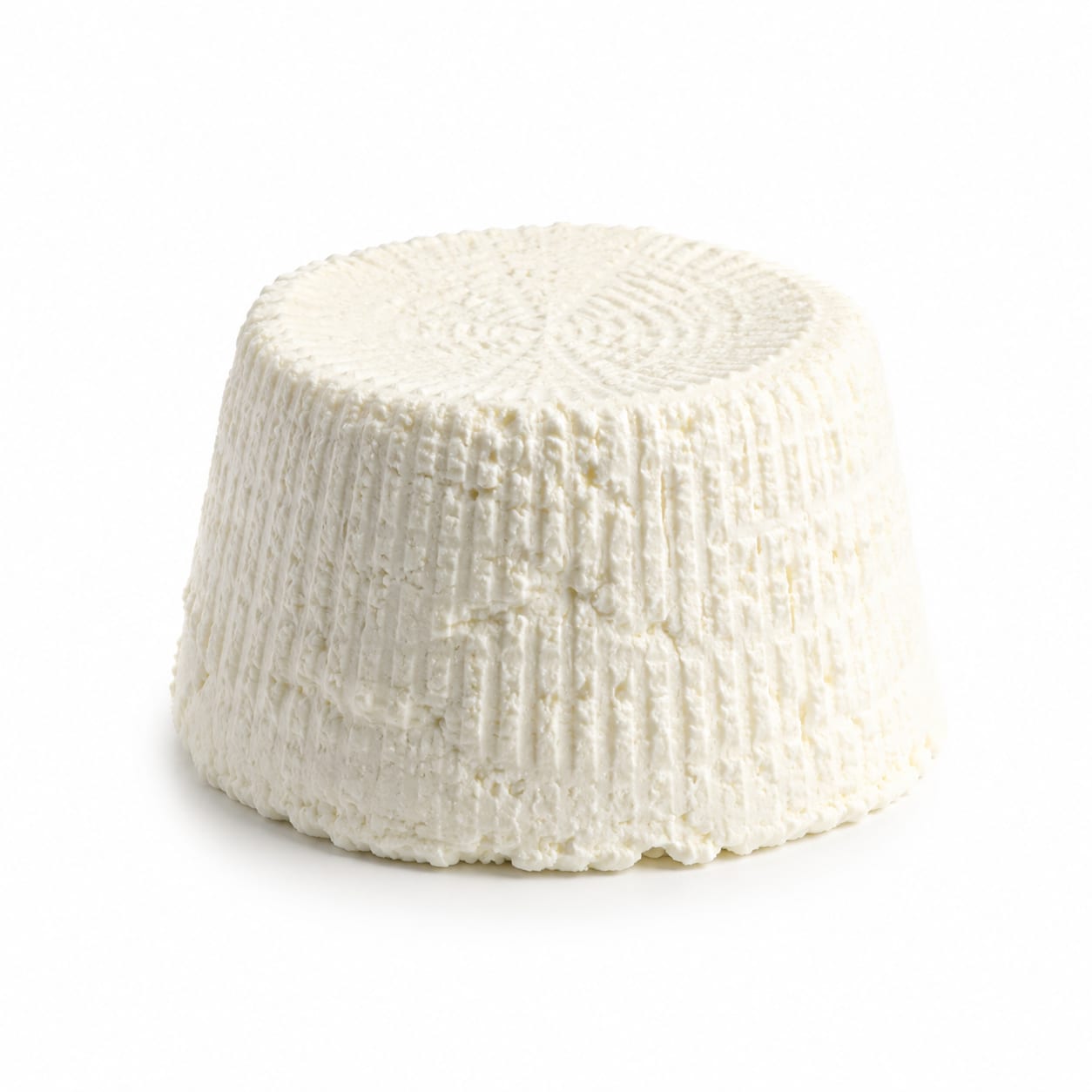
Ricotta Cheese
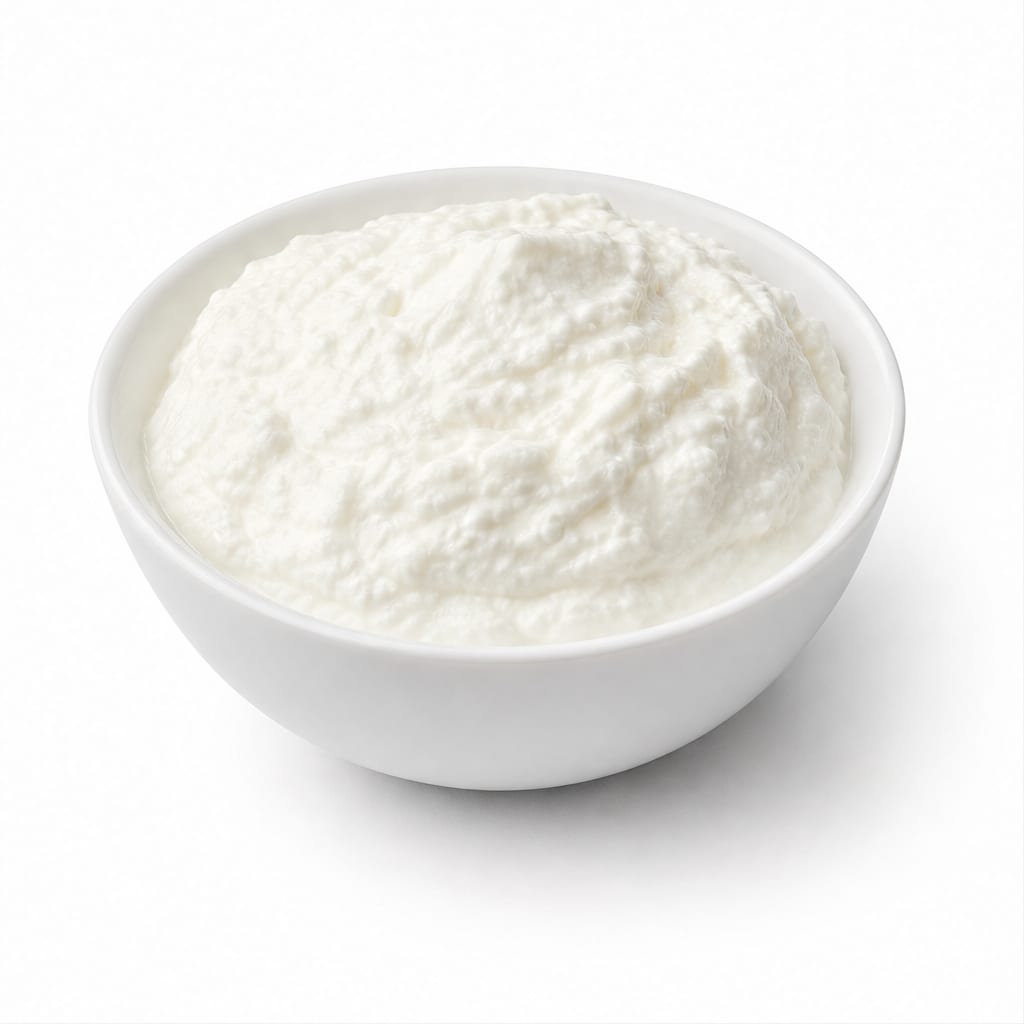
Quark
Quark wins on protein, calories, and satiety, while Ricotta offers richer texture and superior cooking versatility for indulgent dishes.
Quark scores notably higher due to its protein density, lower calorie load, and probiotic edge. Ricotta stays relevant through culinary uniqueness and comfort-food appeal, but nutritionally it leans more indulgent.
Ricotta brings creaminess and recipe flexibility that Quark cannot replicate, but you pay for it with more fat and fewer satiating grams of protein per serving.
At a glance
Executive summary
Overall
Quark
Healthier
Quark
More practical
It depends
Daily use
Quark
Key comparison lenses
protein density for muscle and satiety
Quark delivers nearly double the protein per calorie, making this the most consequential difference for most users
weight management and calorie control
Both are dairy staples but differ significantly in fat and calorie density, directly impacting weight loss decisions
culinary role and recipe substitution
People often swap these in lasagna, cheesecake, or breakfast bowls, but texture and behavior differ substantially
digestive tolerance and gut health
Quark's fermented nature and lower lactose may matter for sensitive stomachs
daily eating sustainability
Choosing one as a fridge staple depends on taste fatigue, versatility, and how it fits meals
Best choice for
Ricotta Cheese
- People prioritizing cooking versatility over raw nutrition
- Anyone making lasagna, stuffed shells, or Italian desserts
- Those wanting a creamier, richer mouthfeel in meals
- Home cooks who value traditional recipe authenticity
Quark
- People tracking protein for muscle gain or satiety
- Anyone managing calories while keeping meals filling
- Those who want a simple high-protein breakfast or snack
- Lactose-sensitive individuals who tolerate fermented dairy better
Least suitable for
Ricotta Cheese
- Strict calorie counters who find it easy to overeat rich foods
- People seeking maximum protein per serving
- Those avoiding higher-fat dairy for heart health reasons
Quark
- Fans of creamy, indulgent textures who find it too tangy or lean
- Cooks needing a cheese that melts or bakes into tender curds
- People unfamiliar with its slightly sour flavor profile
Deep comparison
Dimension by dimension
Each lens scores both foods and breaks down who each option suits.
- Dimension 1 · Priority 95Quark
Protein Density and Quality
Ricotta Cheese · 48Quark · 92Quark delivers roughly 12g of protein per 100g compared to Ricotta's 7-8g, making it far more efficient for hitting protein targets.
Tradeoff
Ricotta's protein is primarily whey-based and fast-absorbing, which is great post-workout, but the total amount per serving is modest.
Why it matters
If you are relying on dairy as a primary protein source, Quark gets you there with fewer calories and less fat baggage.
Real-world impact
A 200g serving of Quark at breakfast can keep you full until lunch. The same amount of Ricotta leaves you hungrier sooner due to less protein and more fat.
Ricotta Cheese
- Post-workout fast absorption if you pair it with other protein sources
Better for
- Anyone counting on a single serving for a protein punch
Worse for
Quark
- Reaching daily protein goals without calorie overshoot
- Staying full between meals on a deficit
- Replacing protein shakes with whole-food alternatives
Better for
- Situations where fast-digesting whey is specifically desired
Worse for
- Dimension 2 · Priority 88Quark
Calorie and Fat Profile
Ricotta Cheese · 42Quark · 85Whole-milk Ricotta packs around 174 calories and 13g fat per 100g. Low-fat Quark sits closer to 65-70 calories with under 1g fat.
Tradeoff
Ricotta's fat carries flavor and satisfaction, but it adds up quickly. Quark's leanness is great for deficits but can feel austere.
Why it matters
For weight management, the calorie gap is massive. You can eat nearly 2.5 times more Quark for the same calories as whole Ricotta.
Real-world impact
A Ricotta pancake breakfast can silently hit 500+ calories. A Quark bowl with fruit and oats stays under 350 while delivering more protein.
Ricotta Cheese
- Meals where richness and satisfaction matter more than calorie math
- Balanced diets that welcome healthy dairy fat
Better for
- Anyone prone to portion creep with rich foods
Worse for
Quark
- Cutting phases where every calorie counts
- People who find high-volume eating helps them stay on track
Better for
- Very active people who actually need calorie density to meet energy needs
Worse for
- Dimension 3 · Priority 82Ricotta Cheese
Culinary Versatility
Ricotta Cheese · 88Quark · 55Ricotta's tender curds and mild sweetness make it irreplaceable in Italian cooking, baking, and desserts. Quark works well in cold preparations but breaks down differently when heated.
Tradeoff
Quark can substitute in some recipes but often yields denser, tangier results. Ricotta's texture is harder to fake.
Why it matters
If you cook regularly, Ricotta is a more flexible ingredient. If you eat dairy mostly as a snack or topping, Quark's limitations matter less.
Real-world impact
Lasagna with Quark tastes fine but lacks the pillowy layers Ricotta provides. Quark in a smoothie or bowl works perfectly.
Ricotta Cheese
- Baked pasta dishes and casseroles
- Italian desserts like cannoli and cheesecake
- Pancakes and waffles where curd texture is key
Better for
- Quick snacks where you just want to scoop and eat
Worse for
Quark
- Cold bowls, smoothies, and overnight oats
- Savory dips and spreads where tang is welcome
- Quick no-cook meal prep
Better for
- Any recipe where melting or curd structure is central
Worse for
- Dimension 4 · Priority 75Quark
Gut Health and Digestibility
Ricotta Cheese · 50Quark · 80Quark is fermented and contains live cultures in many varieties, supporting gut microbiota. It also tends to be lower in lactose. Ricotta is not fermented and retains more lactose.
Tradeoff
Not all Quark has live probiotics—pasteurized versions lose that edge. Ricotta is still well-tolerated by most people.
Why it matters
For lactose-sensitive individuals or those prioritizing gut health, Quark's fermentation gives it a meaningful digestive advantage.
Real-world impact
If regular milk bothers your stomach, Quark is often fine while Ricotta might cause bloating. Check labels for live cultures though.
Ricotta Cheese
- People with no lactose concerns who tolerate all dairy well
Better for
- Lactose-intolerant individuals who notice symptoms from fresh cheese
Worse for
Quark
- Lactose-sensitive dairy lovers
- Anyone building a gut-friendly eating pattern
- Those replacing yogurt for probiotic variety
Better for
- People assuming all Quark is probiotic when some brands are fully pasteurized
Worse for
- Dimension 5 · Priority 78Quark
Satiety and Cravings Control
Ricotta Cheese · 55Quark · 82Quark's high protein and low fat create a filling but light experience. Ricotta's richness satisfies differently but can trigger wanting more.
Tradeoff
Ricotta feels more comforting in the moment, but Quark keeps hunger away longer due to protein volume.
Why it matters
Cravings often follow rich foods. Quark's lean profile makes it easier to eat a defined portion and move on.
Real-world impact
A Quark afternoon snack kills hunger for hours. A Ricotta snack tastes amazing but may leave you grazing shortly after.
Ricotta Cheese
- Emotional eaters who find satisfaction in richness and creaminess
Better for
- Those who find rich foods trigger rather than settle cravings
Worse for
Quark
- Anyone prone to snacking after supposedly filling meals
- People who need one serving to actually hold them
Better for
- People who feel unsatisfied by lean foods and compensate with other snacking
Worse for
- Dimension 6 · Priority 65It depends
Bone Health and Micronutrients
Ricotta Cheese · 70Quark · 72Both deliver solid calcium, phosphorus, and B vitamins. Ricotta retains more fat-soluble vitamins like A and D from whole milk. Quark offers slightly more bioavailable calcium per calorie.
Tradeoff
Whole Ricotta's vitamin A and D content is meaningful, but Quark's micronutrient density per calorie is superior.
Why it matters
For bone health, both are strong choices. The difference only matters if dairy is your primary micronutrient source.
Real-world impact
If you eat a varied diet, this dimension barely moves the needle. If dairy is your main calcium source, Quark gives more per calorie.
Ricotta Cheese
- Those relying on dairy for fat-soluble vitamin intake
Better for
- Calorie-conscious users who cannot afford the fat to access those vitamins
Worse for
Quark
- Maximizing calcium and B vitamins while minimizing calories
Better for
- Very low-fat diets where fat-soluble vitamin absorption is already compromised
Worse for
Timeline
Health impact over time
Short-term
Hours to days
Ricotta Cheese
- Quick satisfaction from fat content but possible sleepiness after large portions
- Mild bloating possible for lactose-sensitive individuals
- Steadier blood sugar when paired with fiber due to fat slowing absorption
Quark
- Strong fullness shortly after eating due to protein volume
- Lower risk of post-meal energy crash
- Better tolerated digestively for most lactose-sensitive people
Long-term
Months to years
Ricotta Cheese
- Regular consumption of whole-milk Ricotta contributes more saturated fat, which may impact heart health if intake is high
- Supports bone density through calcium and vitamin D but at a higher calorie cost
- Could contribute to gradual weight gain if portions are not managed
Quark
- Consistent high protein intake supports muscle preservation and metabolic health
- Lower saturated fat intake reduces long-term cardiovascular risk
- Probiotic strains in cultured Quark may strengthen gut barrier function over time
Risk profile
Safety & processing
Both are simple dairy products with minimal processing. Traditional Ricotta is made from whey and acid. Quark is made from soured milk with cultures. Neither typically requires emulsifiers or preservatives, though flavored Quark varieties may contain added sugars or thickeners.
Ricotta Cheese
Listeria contamination in fresh cheese
mediumRicotta is a high-moisture fresh cheese with a relatively short shelf life. Pregnant women and immunocompromised individuals should ensure it is made from pasteurized milk.
Spoilage from improper refrigeration
mediumOnce opened, Ricotta degrades quickly. Consuming beyond 5-7 days after opening increases foodborne illness risk.
Quark
Spoilage after opening
lowQuark's acidity from fermentation provides some natural preservation, but it still requires refrigeration and should be consumed within a week of opening.
Added sugars in flavored varieties
mediumFruit and vanilla Quark often contain 8-12g of added sugar per serving, which undermines its health profile. Plain Quark avoids this entirely.
Who wins for whom
Audience fit
Same foods, different winners depending on your goal.
children
Ricotta CheeseRicotta's mild flavor and creamy texture are more kid-friendly, and growing children benefit from the extra fat and calories.
daily consumption
QuarkQuark's leaner profile and probiotic potential make it a more sustainable daily staple without calorie or fat accumulation concerns.
diabetes
QuarkLower in fat and calories with higher protein creates a more favorable blood sugar response, especially when paired with fiber.
elderly
QuarkOlder adults need protein for muscle preservation and bone support without excess saturated fat, making Quark the stronger fit.
muscle gain
QuarkMore protein per serving and per calorie gives Quark a clear edge for supporting muscle protein synthesis.
weight loss
QuarkQuark's high protein and low calorie density make it far easier to maintain a deficit while staying full.
Your move
Decision guide
Choose Ricotta Cheese
- You are cooking Italian dishes where Ricotta's texture is essential
- You want a richer, more indulgent dairy experience
- You have no calorie concerns and prefer full-flavor ingredients
- You are feeding kids who prefer mild, creamy flavors
Choose Quark
- You want maximum protein with minimum calories
- You are managing weight, blood sugar, or heart health
- You enjoy tangy flavors and eat dairy as a standalone snack
- You have mild lactose sensitivity and want a gentler option
Either works if
- You eat a varied diet and rotate dairy sources anyway
- You use small amounts as a topping or mix-in where differences fade
- Both are available and you want to alternate for taste variety
Avoid both if
- You have a dairy allergy or severe lactose intolerance
- You are following a strict vegan diet
- You are on a very low-protein diet for kidney disease management
Final recommendation
Make Quark your everyday dairy staple for its protein efficiency, calorie control, and gut-friendly profile. Keep Ricotta as a specialty ingredient for the recipes where nothing else works. You get the best of both worlds without having to choose just one.
Practical
Consumer tips
- 1
Buy plain Quark and add your own fruit or honey to avoid the sugar trap in flavored versions
- 2
Part-skim Ricotta is a solid middle ground if you want some richness with fewer calories than whole milk
- 3
Check Quark labels for live cultures if probiotic benefit matters to you—some brands pasteurize after fermentation
- 4
Ricotta freezes well for up to 3 months, so you can stock up when it goes on sale
- 5
Stir herbs and salt into Quark for a quick savory spread that replaces cream cheese with more protein
- 6
If Quark tastes too sour, try mixing it with a spoonful of Ricotta for a creamier, milder blend