
Nutrition comparison
Greek Yogurt vs Ricotta Cheese: Nutrition, Protein, and Health Comparison
Compare Greek Yogurt and Ricotta Cheese side by side. Discover which has more protein, fewer calories, better probiotics, and which fits your diet and cooking needs best.
Overall winner · Greek Yogurt
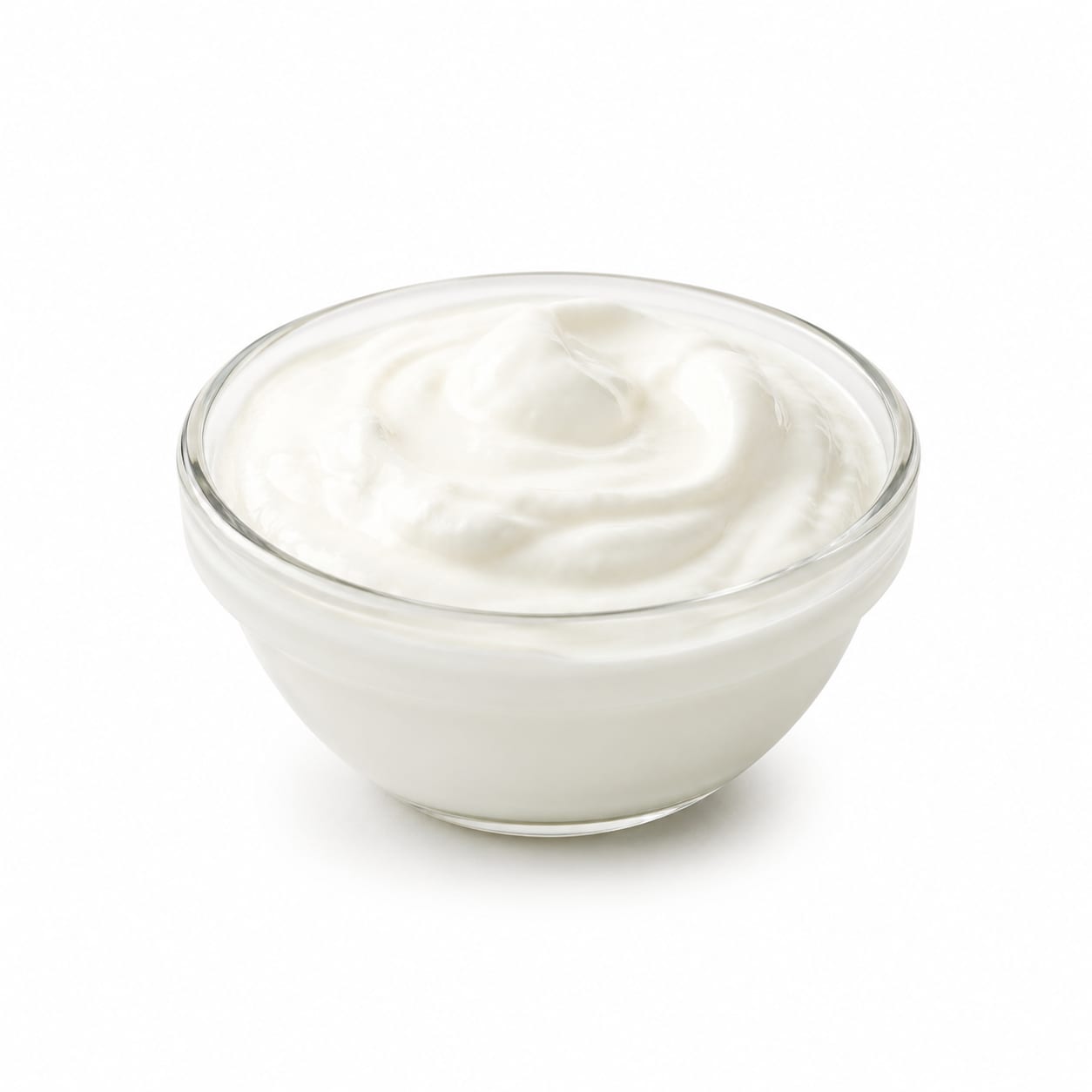
Greek Yogurt
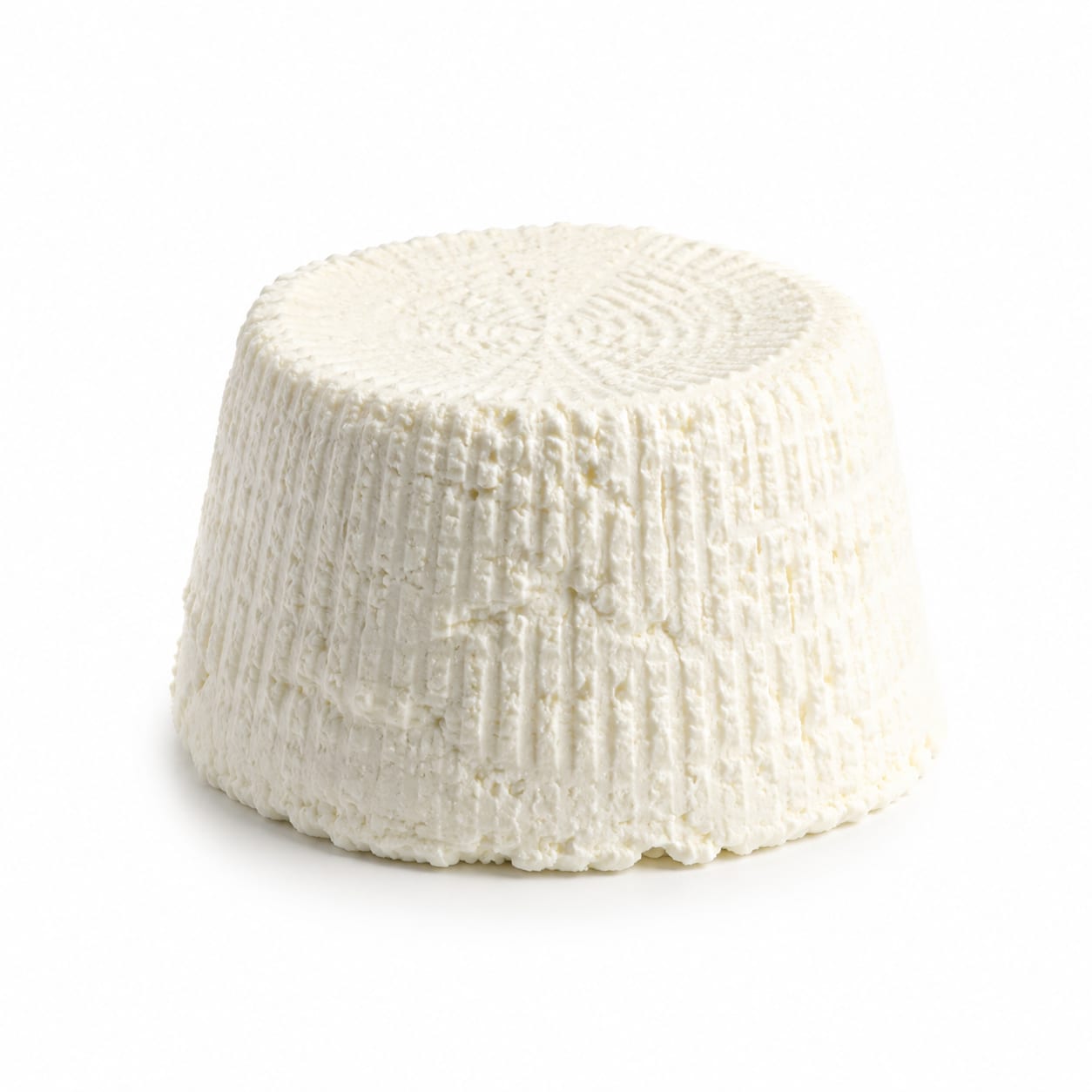
Ricotta Cheese
Greek Yogurt wins for daily nutrition with more protein per calorie, probiotics, and better weight management support. Ricotta excels in cooking and offers a creamier, richer experience when indulgence matters.
Greek Yogurt scores notably higher due to superior protein-to-calorie ratio, probiotic content, and versatility as a daily staple. Ricotta remains valuable but is more niche, with higher fat and calorie density limiting everyday use.
Greek Yogurt gives you lean protein and gut benefits; Ricotta gives you richer flavor and cooking versatility at a higher calorie cost.
At a glance
Executive summary
Overall
Greek Yogurt
Healthier
Greek Yogurt
More practical
Greek Yogurt
Daily use
Greek Yogurt
Key comparison lenses
protein source comparison
Both are popular protein-rich dairy options, but protein density and quality differ significantly
weight management
Calorie and fat differences make this a common decision point for dieters
gut health and probiotics
Greek Yogurt offers live cultures that Ricotta lacks entirely
cooking versatility
Ricotta shines in recipes while Greek Yogurt dominates breakfast and snack scenarios
digestive tolerance
Lactose content and dairy sensitivity concerns differ between the two
Best choice for
Greek Yogurt
- People tracking calories or macros
- Anyone wanting gut-friendly probiotics
- Breakfast and snack routines
- Post-workout recovery
- Lactose-sensitive individuals
Ricotta Cheese
- Home cooks making lasagna or stuffed shells
- Anyone wanting a creamy, mild base for desserts
- Those needing higher calorie intake
- People who find tangy flavors unpleasant
- Recipe-specific applications
Least suitable for
Greek Yogurt
- Creamy Italian recipes that require Ricotta specifically
- Those avoiding fermented foods
- Vegans and dairy-allergic individuals
Ricotta Cheese
- Strict calorie counters
- Daily high-protein snacking routines
- People managing lactose intolerance
Deep comparison
Dimension by dimension
Each lens scores both foods and breaks down who each option suits.
- Dimension 1 · Priority 95Greek Yogurt
Protein Density and Quality
Greek Yogurt · 90Ricotta Cheese · 65Greek Yogurt delivers roughly twice the protein per calorie compared to Ricotta, making it far more efficient for muscle maintenance and satiety.
Tradeoff
Ricotta provides a mix of whey and casein proteins, which digest at different rates, but you get less total protein for the calories spent.
Why it matters
If you are eating dairy primarily for protein, Greek Yogurt gives you more bang for your caloric buck every time.
Real-world impact
A cup of non-fat Greek Yogurt packs around 22g protein for 130 calories. The same calories in Ricotta gets you only about 10g protein.
Greek Yogurt
- Post-workout recovery
- High-protein diets
- Vegetarians needing efficient protein
Better for
- Situations requiring mild flavor
Worse for
Ricotta Cheese
- Slow-digesting nighttime protein
- Recipes needing protein without tang
Better for
- Lean bulking or cutting phases
- Protein-per-calorie efficiency
Worse for
- Dimension 2 · Priority 85Greek Yogurt
Gut Health and Probiotics
Greek Yogurt · 88Ricotta Cheese · 15Greek Yogurt with live active cultures supports digestive health and microbiome diversity. Ricotta offers essentially no probiotic benefit.
Tradeoff
Not all Greek Yogurt brands contain live cultures after processing, so label reading matters. Ricotta never claims this benefit.
Why it matters
A healthy gut affects everything from immunity to mood. Daily probiotic intake from food is one of the simplest long-term health investments.
Real-world impact
Eating Greek Yogurt regularly can improve digestion and reduce bloating over weeks. Ricotta will not move the needle on gut health.
Greek Yogurt
- Anyone with mild digestive issues
- Daily gut maintenance
- Antibiotic recovery
Better for
- Those avoiding fermented foods
Worse for
Ricotta Cheese
- No gut health advantage
Better for
- Anyone seeking digestive benefits from dairy
Worse for
- Dimension 3 · Priority 90Greek Yogurt
Calorie Efficiency and Weight Management
Greek Yogurt · 85Ricotta Cheese · 50Non-fat Greek Yogurt is one of the most calorie-efficient filling foods available. Ricotta is calorie-dense, especially whole milk varieties.
Tradeoff
Part-skim Ricotta helps close the gap but still carries significantly more fat and calories per serving than non-fat Greek Yogurt.
Why it matters
For anyone managing weight, calories per bite of satiety matter more than almost anything else.
Real-world impact
You can eat nearly twice the volume of non-fat Greek Yogurt for the same calories as part-skim Ricotta, keeping you fuller longer.
Greek Yogurt
- Weight loss diets
- Calorie counting
- Large-volume eating
Better for
- Those needing calorie density
Worse for
Ricotta Cheese
- Weight gain needs
- High-calorie meal prep
Better for
- Anyone watching portion sizes closely
- Consistent daily snacking
Worse for
- Dimension 4 · Priority 80Ricotta Cheese
Cooking and Recipe Versatility
Greek Yogurt · 60Ricotta Cheese · 88Ricotta is a kitchen staple for Italian cooking, baking, and desserts. Its mild flavor and creamy texture blend seamlessly into dishes.
Tradeoff
Greek Yogurt can curdle at high heat and its tang limits recipe compatibility. It works in some substitutions but not all.
Why it matters
If you cook regularly, having the right dairy for the right dish matters more than marginal nutritional differences.
Real-world impact
Lasagna, cannoli, pancakes, and stuffed shells all rely on Ricotta specifically. Greek Yogurt substitutes often change the dish's character.
Greek Yogurt
- Smoothies and parfaits
- Cold sauces and dressings
- Baking with acid tolerance
Better for
- Hot cooked dishes requiring stability
- Mild-flavored recipes
Worse for
Ricotta Cheese
- Pasta dishes
- Baked desserts
- Savory fillings
- Pancakes and waffles
Better for
- No-cook breakfast bowls
- Smoothie additions
Worse for
- Dimension 5 · Priority 82Greek Yogurt
Satiety and Fullness
Greek Yogurt · 83Ricotta Cheese · 72Greek Yogurt's higher protein and thicker texture keep you full longer per calorie. Ricotta is filling but costs more calories to achieve the same effect.
Tradeoff
Ricotta's fat content provides a different kind of satisfaction that feels more indulgent, even if less efficient for appetite control.
Why it matters
Staying full between meals prevents snacking on worse options. Protein-driven satiety is more sustainable than fat-driven satiety.
Real-world impact
A Greek Yogurt breakfast typically keeps hunger at bay until lunch. Ricotta feels rich but may leave you hungry sooner per calorie.
Greek Yogurt
- Between-meal hunger control
- Breakfast that lasts
- Portion-conscious eating
Better for
- Those wanting indulgent mouthfeel
Worse for
Ricotta Cheese
- Rich, satisfying dinner components
- Comfort food experiences
Better for
- Appetite control on a calorie budget
Worse for
- Dimension 6 · Priority 78Greek Yogurt
Fat Content and Heart Health
Greek Yogurt · 80Ricotta Cheese · 45Non-fat Greek Yogurt options exist with zero saturated fat. Ricotta, even part-skim, delivers meaningful saturated fat per serving.
Tradeoff
Full-fat Greek Yogurt exists too, narrowing the gap. But the default comparison favors Greek Yogurt for heart-conscious eaters.
Why it matters
Saturated fat from dairy is debated, but most heart health guidelines still recommend limiting it.
Real-world impact
Choosing non-fat Greek Yogurt over whole Ricotta saves about 8g saturated fat per cup, which adds up over a week.
Greek Yogurt
- Heart-conscious diets
- Cholesterol management
- Low-fat eating patterns
Better for
- Fat-free versions may feel less satisfying
Worse for
Ricotta Cheese
- Keto and low-carb diets
- Those not concerned about saturated fat
Better for
- Daily consumption with heart risk factors
Worse for
- Dimension 7 · Priority 75Greek Yogurt
Digestive Tolerance and Lactose
Greek Yogurt · 78Ricotta Cheese · 55Greek Yogurt's straining process removes much of the lactose, and probiotics further aid digestion. Ricotta retains more lactose.
Tradeoff
Neither is suitable for truly lactose-intolerant individuals without enzyme support, but Greek Yogurt is better tolerated by most.
Why it matters
Dairy sensitivity is common. Choosing the option less likely to cause bloating or discomfort improves quality of life.
Real-world impact
Many people with mild lactose sensitivity handle Greek Yogurt fine but experience gas or bloating with Ricotta.
Greek Yogurt
- Mildly lactose-sensitive people
- Those prone to bloating from dairy
Better for
- Severe lactose intolerance
Worse for
Ricotta Cheese
- No digestive advantage
Better for
- Anyone with dairy digestion concerns
Worse for
Timeline
Health impact over time
Short-term
Hours to days
Greek Yogurt
- Quick satiety from high protein content
- Possible mild bloating if unaccustomed to probiotics
- Steady energy without sugar crash for plain varieties
Ricotta Cheese
- Rich, satisfying mouthfeel from fat content
- Possible heaviness or sluggishness after large portions
- Longer digestion time due to fat and protein mix
Long-term
Months to years
Greek Yogurt
- Improved gut microbiome diversity from regular probiotic intake
- Better weight maintenance due to calorie efficiency
- Stronger bone support from bioavailable calcium
Ricotta Cheese
- Higher cumulative saturated fat intake if consumed frequently
- Good calcium and vitamin A intake for bone and eye health
- Possible weight creep if portions are not managed
Risk profile
Safety & processing
Both are relatively simple dairy products with minimal processing. Greek Yogurt involves straining and fermentation. Ricotta involves heating whey and coagulating proteins. Flavored Greek Yogurt varieties can introduce added sugars and thickeners, so plain is the cleaner choice.
Greek Yogurt
Spoilage from temperature abuse
mediumLive cultures can produce off-flavors and cause spoilage if not kept consistently refrigerated. Check for whey separation or sour smell beyond normal tang.
Added sugars in flavored varieties
mediumMany commercial flavored Greek Yogurts contain 15-20g added sugar per serving, undermining health benefits significantly.
Ricotta Cheese
Listeria contamination in fresh varieties
mediumFresh Ricotta has higher moisture content and is less acidic than aged cheeses, creating slightly more favorable conditions for bacterial growth if mishandled.
Sodium content in some brands
lowCertain Ricotta varieties contain added salt, contributing to sodium intake that adds up across meals.
Who wins for whom
Audience fit
Same foods, different winners depending on your goal.
children
It dependsGreek Yogurt is better for everyday nutrition and gut health, but Ricotta's mild flavor and creamy texture may be more appealing in kid-friendly recipes like lasagna or pancakes.
daily consumption
Greek YogurtLower calorie cost, probiotic benefits, and higher protein make Greek Yogurt the more sustainable daily habit without nutritional compromise.
diabetes
Greek YogurtPlain Greek Yogurt has minimal carbohydrates and will not spike blood sugar. Probiotics may also improve insulin sensitivity over time.
elderly
Greek YogurtHigher protein helps prevent age-related muscle loss, probiotics support digestion which often weakens with age, and calcium absorption is excellent.
muscle gain
Greek YogurtHigher protein per serving and per calorie supports muscle protein synthesis more efficiently, especially post-workout.
weight loss
Greek YogurtNon-fat Greek Yogurt provides maximum protein and satiety for minimal calories, making it the clear choice for sustainable weight loss.
Your move
Decision guide
Choose Greek Yogurt
- You want maximum protein with minimum calories
- Gut health and probiotics matter to you
- You need a quick, filling breakfast or snack
- You are managing your weight or blood sugar
- You prefer tangy flavors and thick textures
Choose Ricotta Cheese
- You are cooking Italian dishes or baked goods
- You want a mild, creamy base for sweet or savory recipes
- You need calorie density for weight gain
- You find Greek Yogurt too tart
- You are making pancakes, cannoli, or stuffed pasta
Either works if
- You just need a dairy-based calcium source
- You are not strictly tracking calories or macros
- You enjoy both and can rotate based on the meal
Avoid both if
- You have a dairy allergy or severe lactose intolerance
- You are following a vegan diet
- You are avoiding animal proteins entirely
Final recommendation
Keep Greek Yogurt as your daily dairy staple for its protein efficiency, probiotics, and weight-friendly profile. Stock Ricotta for cooking nights when nothing else works for that lasagna or cannoli. They serve different purposes, and the smartest approach uses both strategically rather than choosing one exclusively.
Practical
Consumer tips
- 1
Always buy plain Greek Yogurt and add your own fruit or honey to control sugar intake
- 2
Look for live active cultures on the Greek Yogurt label to ensure probiotic benefit
- 3
Part-skim Ricotta is the best middle ground between flavor and fat content for most recipes
- 4
Non-fat Greek Yogurt can substitute for sour cream in most recipes for a protein upgrade
- 5
Check sodium on Ricotta labels if you are watching blood pressure, as amounts vary by brand
- 6
Freeze Ricotta in portions if you only need small amounts for recipes to reduce waste
- 7
Strained Greek Yogurt lasts longer in the fridge than regular yogurt due to lower moisture