
Nutrition comparison
Ricotta Cheese vs Brie: Protein, Calories, and Health Comparison
Ricotta Cheese vs Brie: Which is healthier? Compare protein, fat, calories, and best uses to find out which cheese fits your diet and lifestyle.
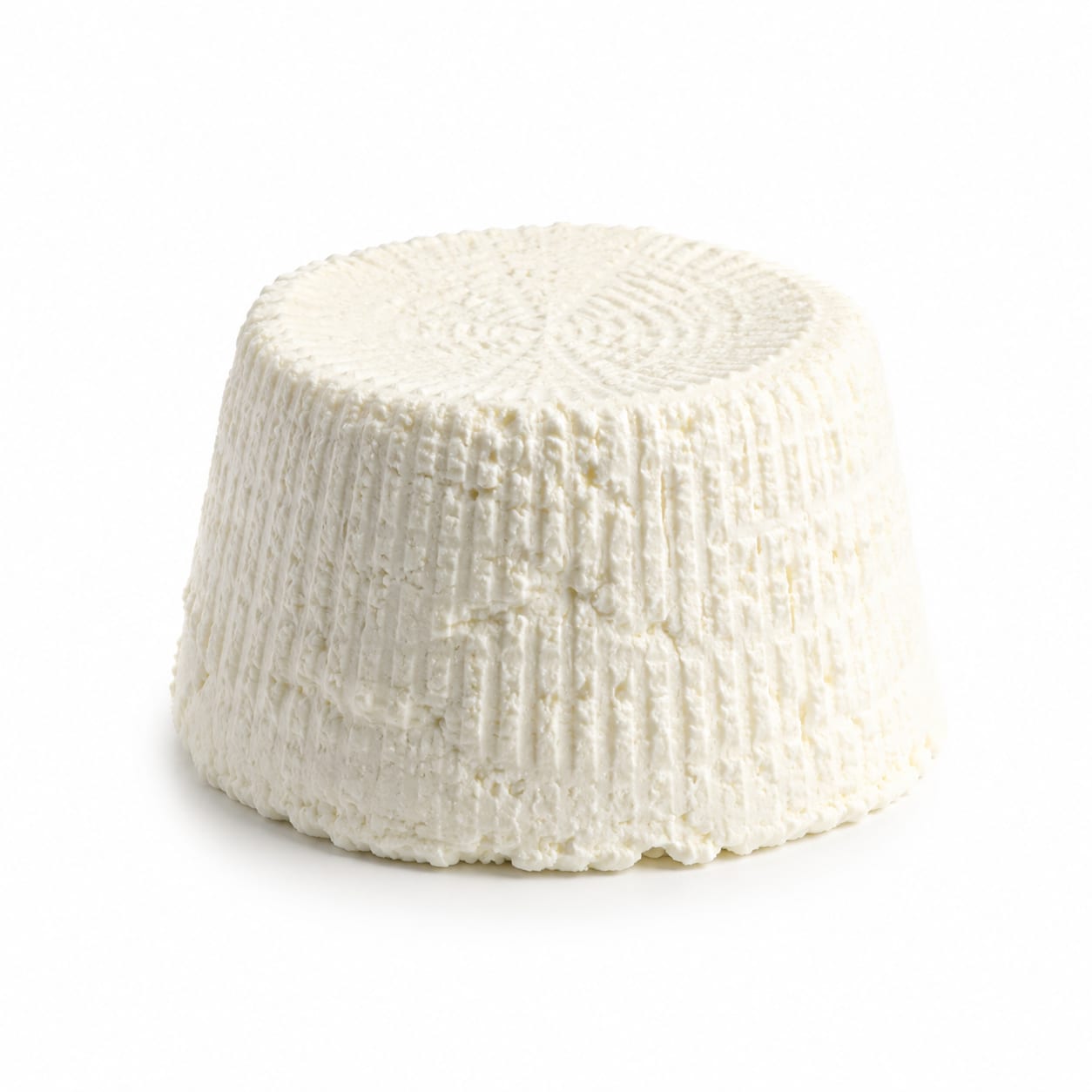
Ricotta Cheese
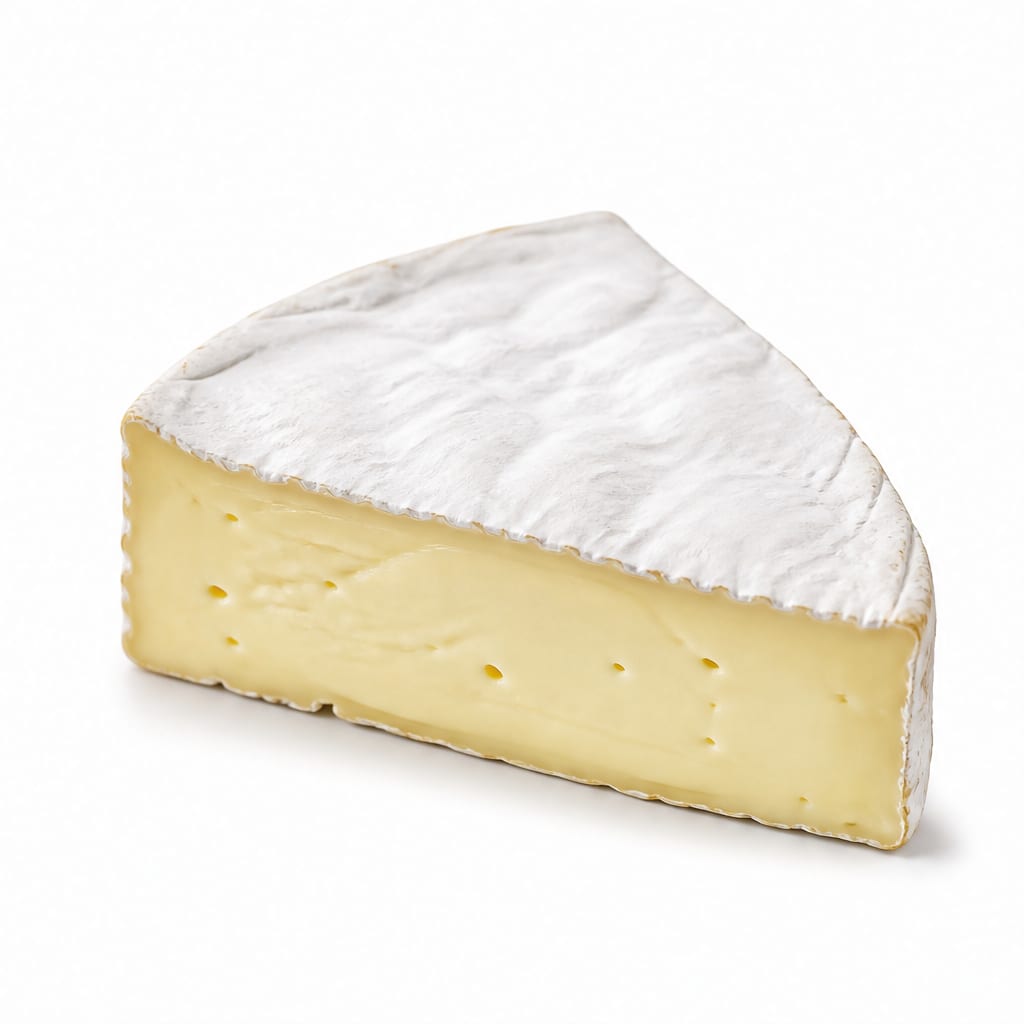
Brie
Ricotta is the high-protein, lighter workhorse, while Brie is the rich, flavorful indulgence.
Ricotta scores higher due to its superior protein-to-calorie ratio and culinary versatility, though Brie offers a richer flavor experience that has its own place in a balanced diet.
You trade the high protein and low calories of Ricotta for the intense creamy satisfaction and bold flavor of Brie.
At a glance
Executive summary
Overall
It depends
Healthier
Ricotta Cheese
More practical
Ricotta Cheese
Daily use
Ricotta Cheese
Key comparison lenses
Weight management and calorie control
Ricotta is significantly lower in calories and fat, making it a go-to for lighter meals, while Brie is calorie-dense.
Protein intake and muscle support
Ricotta is packed with whey protein, whereas Brie provides mostly fat with minimal protein.
Culinary versatility versus snacking indulgence
Ricotta is a cooking staple across sweet and savory dishes, while Brie is primarily an indulgent snack or appetizer.
Heart health and saturated fat intake
Brie is high in saturated fat, requiring moderation for cardiovascular health, while Ricotta is much lighter.
Best choice for
Ricotta Cheese
- High-protein diets
- Weight watchers
- Cooking and baking
- Post-workout meals
Brie
- Cheese boards and entertaining
- Keto diets
- Flavor seekers
- Low-carb indulgence
Least suitable for
Ricotta Cheese
- Lactose intolerant individuals
- Keto diets
Brie
- Low-fat diets
- Strict calorie counters
- High-protein needs
Deep comparison
Dimension by dimension
Each lens scores both foods and breaks down who each option suits.
- Dimension 1 · Priority 95Ricotta Cheese
Protein & Satiety
Ricotta Cheese · 90Brie · 40Ricotta delivers significantly more protein per calorie, keeping you full longer, while Brie relies mostly on fat for satiety.
Tradeoff
You trade the slow-burning fullness of protein in Ricotta for the quick, rich satisfaction of fat in Brie.
Why it matters
Protein is crucial for muscle maintenance and steady energy, whereas high fat can lead to a heavier feeling if overeaten.
Real-world impact
A bowl of ricotta will fuel your afternoon without a crash, whereas a Brie snack might leave you craving more food sooner if eaten alone.
Ricotta Cheese
- post-workout recovery
- staying full between meals
Better for
- high-fat low-carb diets
- bold cheese cravings
Worse for
Brie
- keto fat macros
- quick intense flavor satisfaction
Better for
- muscle building
- calorie-restricted diets
Worse for
- Dimension 2 · Priority 90Ricotta Cheese
Fat & Calorie Density
Ricotta Cheese · 85Brie · 45Ricotta is much lighter on calories and saturated fat, making it easier to eat regularly, while Brie is calorie-dense.
Tradeoff
Brie's high fat creates an irresistible creamy texture, but it costs you far more calories per serving.
Why it matters
Managing calorie density is key for weight control; high-fat foods are easy to overeat before feeling full.
Real-world impact
You can eat a generous scoop of ricotta for under 150 calories, but a few slices of Brie can easily surpass 250 calories.
Ricotta Cheese
- weight management
- heart-healthy diets
Better for
- high-calorie bulking
- intense flavor profiles
Worse for
Brie
- keto and low-carb diets
- rich cooking bases
Better for
- cholesterol watchers
- portion control struggles
Worse for
- Dimension 3 · Priority 85Ricotta Cheese
Culinary Versatility
Ricotta Cheese · 95Brie · 55Ricotta works seamlessly in both sweet and savory dishes, whereas Brie is mostly limited to savory snacking or specific baked dishes.
Tradeoff
Ricotta is a culinary chameleon but milder in standalone flavor; Brie is a one-trick pony with an exceptional trick.
Why it matters
A versatile ingredient reduces food waste and makes healthy eating less boring.
Real-world impact
You can stir ricotta into pancakes, pasta, or salads, while Brie is really only eaten as a snack or melted.
Ricotta Cheese
- meal prep
- baking and cooking
Better for
- charcuterie boards
- standalone snacking
Worse for
Brie
- entertaining guests
- wine pairings
Better for
- breakfast recipes
- light meal prep
Worse for
- Dimension 4 · Priority 80Brie
Flavor & Enjoyment
Ricotta Cheese · 60Brie · 90Brie offers a complex, savory, and indulgent flavor profile, while ricotta is mild and acts as a canvas for other ingredients.
Tradeoff
You sacrifice the instant gratification of Brie's rich taste for ricotta's mild adaptability.
Why it matters
Enjoyment is crucial for diet sustainability; food must taste good to be eaten consistently.
Real-world impact
Brie makes a cheese plate feel luxurious, while ricotta needs herbs, honey, or fruit to shine on its own.
Ricotta Cheese
- picky eaters
- customizable flavor bases
Better for
- craving intense savory flavor
- gourmet snacking
Worse for
Brie
- cheese lovers
- indulgent treats
Better for
- light refreshing meals
- mild flavor preferences
Worse for
- Dimension 5 · Priority 70It depends
Bone Health & Micronutrients
Ricotta Cheese · 75Brie · 75Both provide excellent calcium, but they shine in different areas: Ricotta offers more selenium, while Brie provides more Vitamin A and B12.
Tradeoff
Ricotta supports antioxidant defenses, whereas Brie boosts eye health and energy metabolism.
Why it matters
Micronutrient diversity matters more than sheer quantity for long-term health.
Real-world impact
Eating both occasionally gives you a broader spectrum of nutrients than sticking to just one.
Ricotta Cheese
- antioxidant support
- thyroid health
Better for
- Vitamin B12 needs
- retinol intake
Worse for
Brie
- vision support
- energy production
Better for
- selenium intake
- whey protein benefits
Worse for
Timeline
Health impact over time
Short-term
Hours to days
Ricotta Cheese
- Fills you up without feeling heavy
- Delivers quick, clean protein for recovery
Brie
- Satisfies cravings with rich, creamy fat
- Can feel heavy or sluggish if eaten in large portions
Long-term
Months to years
Ricotta Cheese
- Supports lean muscle mass due to high whey protein
- Easier to keep calories in check long-term
Brie
- High saturated fat may raise cholesterol if eaten daily
- Fits well into low-carb lifestyles for weight maintenance
Risk profile
Safety & processing
Both are traditional, minimally processed cheeses made from simple ingredients like milk, salt, and cultures or enzymes.
Ricotta Cheese
Listeria
lowUsually made from pasteurized whey, making it much safer than soft mold-ripened cheeses, but always check labels if pregnant.
Lactose intolerance
mediumRicotta retains more lactose than aged cheeses, which can cause bloating in sensitive individuals.
Brie
Listeria
highSoft mold-ripened cheeses carry a higher risk of Listeria contamination, especially if unpasteurized; pregnant women should avoid entirely.
Histamine intolerance
mediumThe bloomy rind can trigger headaches or reactions in people with histamine sensitivity.
Who wins for whom
Audience fit
Same foods, different winners depending on your goal.
children
Ricotta CheeseRicotta is safer regarding Listeria risk and has a mild, kid-friendly flavor.
daily consumption
Ricotta CheeseRicotta's lighter nutritional profile is much easier to sustain daily without overdoing saturated fat.
diabetes
Ricotta CheeseBoth are low in carbs, but Ricotta's higher protein content helps stabilize blood sugar more effectively.
elderly
Ricotta CheeseRicotta provides crucial protein to prevent muscle loss and is safer for immune-compromised individuals.
muscle gain
Ricotta CheeseRicotta is rich in highly bioavailable whey protein, which is excellent for muscle repair and growth.
weight loss
Ricotta CheeseRicotta's high protein and lower calorie count make it far easier to fit into a weight loss plan.
Your move
Decision guide
Choose Ricotta Cheese
- You want to boost protein without excess calories
- You are cooking lasagna, pancakes, or toast
- You are pregnant or serving someone with a weakened immune system
- You need a filling post-workout snack
Choose Brie
- You are building a charcuterie board
- You are following a strict keto diet and need high fat
- You want an indulgent, comforting treat
- You crave a bold, savory cheese flavor
Either works if
- You need a low-carb snack
- You want to increase your calcium intake
Avoid both if
- You have a dairy allergy
- You are strictly vegan
Final recommendation
Keep Ricotta in your fridge for everyday meals and protein needs, and save Brie for special occasions when that rich, creamy indulgence is worth the calorie tradeoff.
Practical
Consumer tips
- 1
Opt for part-skim ricotta to get the best protein-to-fat ratio.
- 2
Pair Brie with fresh fruit or nuts to add fiber and balance the fat content.
- 3
Pregnant? Skip the Brie entirely and choose pasteurized ricotta cooked until steaming.
- 4
Stir a scoop of ricotta into your morning oatmeal or smoothie for a creamy protein upgrade.
- 5
Always let Brie sit at room temperature for 30 minutes before eating to unlock its full flavor and texture.