
Nutrition comparison
Ricotta vs Mascarpone: Which Italian Cheese Is Healthier?
Compare ricotta cheese and mascarpone on protein, calories, fat, and culinary uses. Find out which is better for weight loss, cooking, and daily eating.
Overall winner · Ricotta Cheese
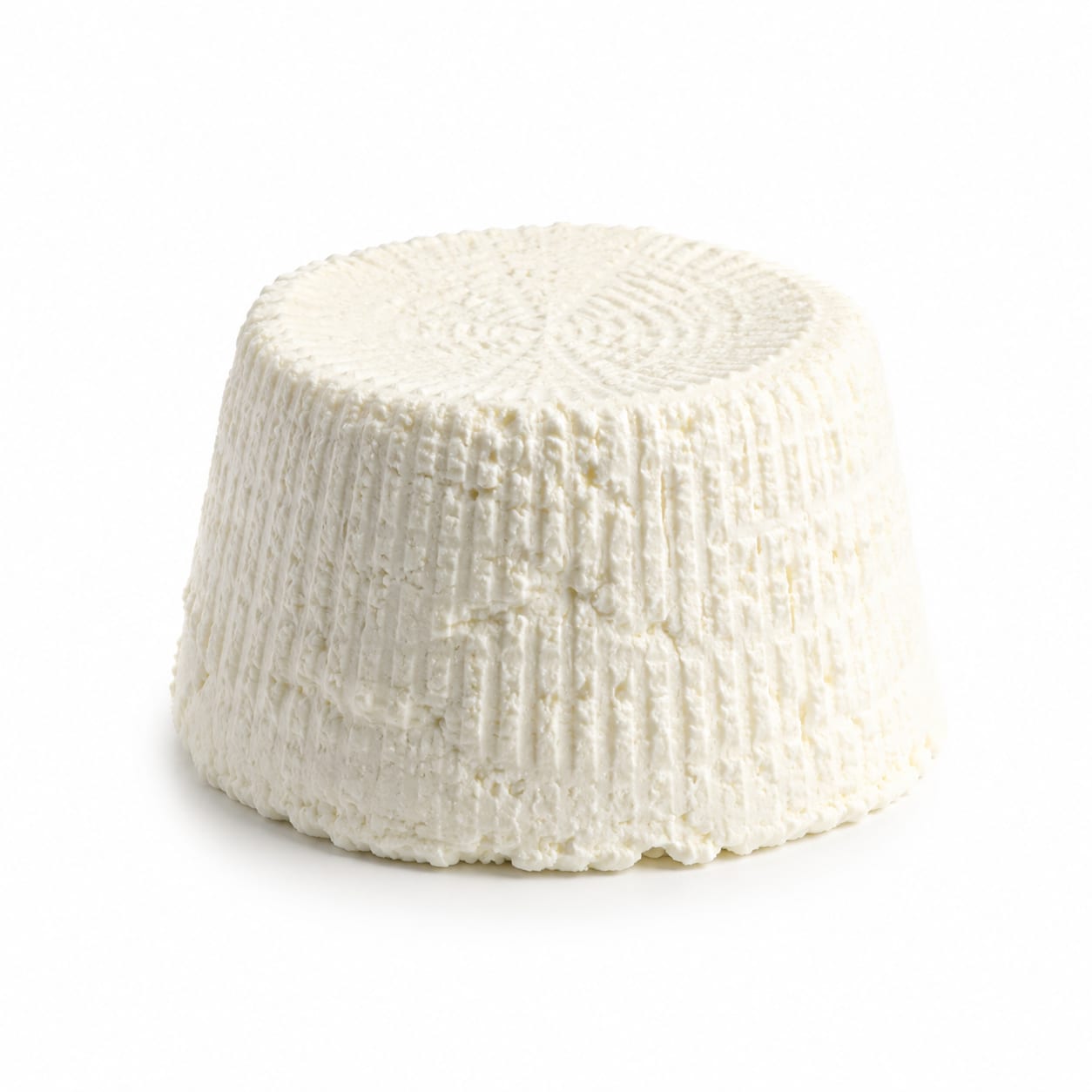
Ricotta Cheese
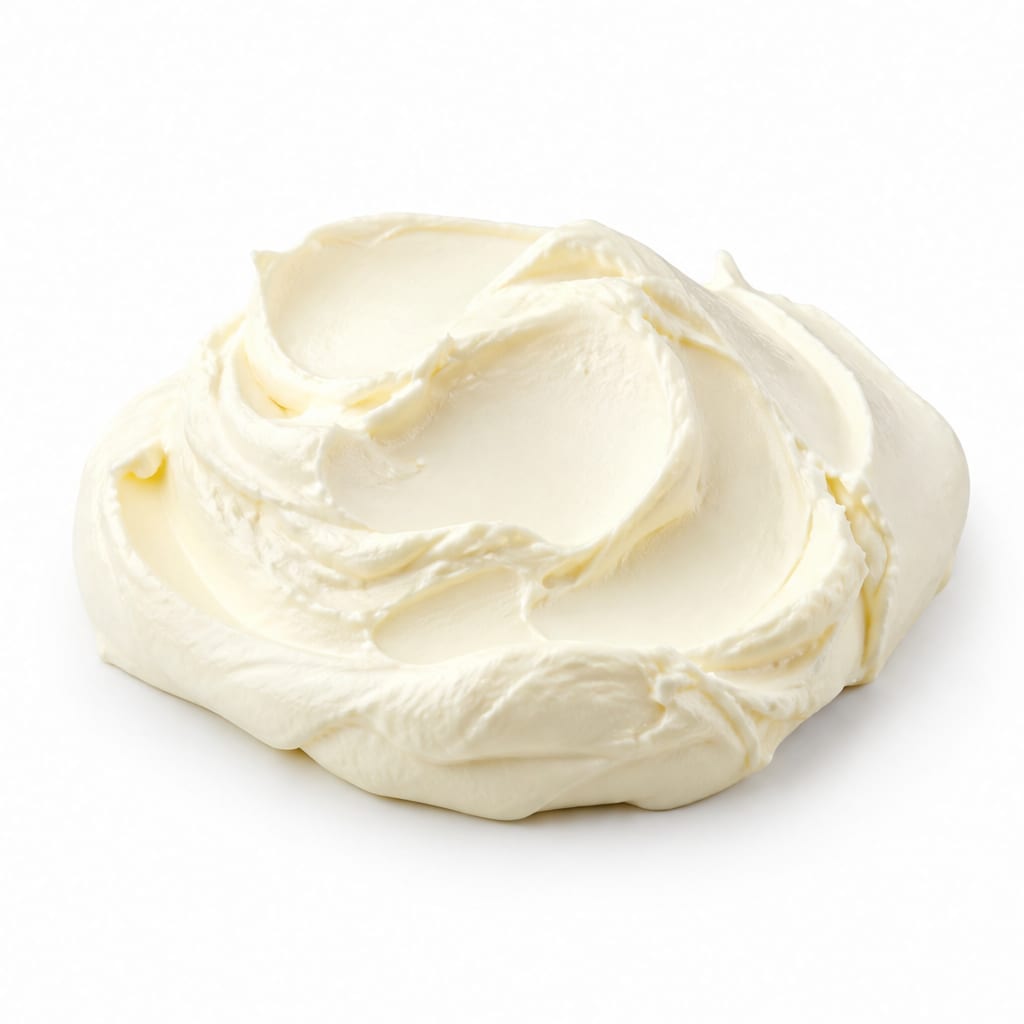
Mascarpone
Ricotta Cheese is the clear nutritional winner with far more protein, fewer calories, and better daily usability, while Mascarpone is a rich indulgence best enjoyed occasionally.
Ricotta scores substantially higher due to its protein content, lower calorie density, and versatility for regular consumption. Mascarpone is not inherently bad but its extreme fat content and minimal protein make it a poor choice for frequent use.
Ricotta gives you substance and satiety; Mascarpone gives you luxurious texture and flavor at a high calorie and fat cost.
At a glance
Executive summary
Overall
Ricotta Cheese
Healthier
Ricotta Cheese
More practical
Ricotta Cheese
Daily use
Ricotta Cheese
Key comparison lenses
Which Italian cheese is healthier for everyday cooking?
Both are Italian cheeses used in cooking but have drastically different nutritional profiles, making health-conscious selection the primary concern
Protein and satiety comparison for meal planning
Ricotta delivers significantly more protein while mascarpone is almost entirely fat, creating a major satiety and meal-building difference
Calorie density and weight management tradeoffs
Mascarpone is extremely calorie-dense which matters greatly for portion control and weight goals
Dessert versus savory cooking suitability
Users often choose between these for specific recipes and need to understand how each performs culinarily and nutritionally
Heart health and saturated fat concerns
Mascarpone's high saturated fat content raises cardiovascular considerations that ricotta largely avoids
Best choice for
Ricotta Cheese
- High-protein breakfast bowls
- Lean lasagna and stuffed shells
- Post-workout snacks with fruit
- Weight-conscious Italian cooking
- Daily cheese consumption
Mascarpone
- Tiramisu and decadent desserts
- Rich pasta sauces needing creaminess
- Special occasion indulgence
- Recipes where buttery texture is essential
Least suitable for
Ricotta Cheese
- Authentic tiramisu recipes
- Desserts requiring dense richness
- Very low-carb keto diets seeking high fat
Mascarpone
- Daily cheese consumption
- Weight loss meal plans
- Heart-healthy diets
- High-protein dietary needs
- Large portion recipes
Deep comparison
Dimension by dimension
Each lens scores both foods and breaks down who each option suits.
- Dimension 1 · Priority 95Ricotta Cheese
Protein Content and Satiety
Ricotta Cheese · 82Mascarpone · 18Ricotta provides roughly 11g of protein per 100g while Mascarpone offers only 2-3g, making Ricotta far more filling and useful for balanced meals.
Tradeoff
You sacrifice the silky mouthfeel of Mascarpone but gain a cheese that actually satisfies hunger and supports muscle maintenance.
Why it matters
Protein is the most satiating macronutrient. A ricotta breakfast keeps you full for hours; mascarpone leaves you hungry again quickly despite its calorie load.
Real-world impact
A ricotta bowl with berries at 8am carries you to noon. A mascarpone spread on toast at 8am has you snacking by 10am.
Ricotta Cheese
- Breakfast that sustains energy
- Post-workout recovery meals
- Anyone tracking protein intake
Better for
- Desserts where protein is irrelevant
Worse for
Mascarpone
- Keto dieters seeking fat over protein
Better for
- Anyone needing lasting fullness from their food
Worse for
- Dimension 2 · Priority 92Ricotta Cheese
Calorie Density and Weight Management
Ricotta Cheese · 75Mascarpone · 22Ricotta contains roughly 174 calories per 100g (whole milk) while Mascarpone packs around 430 calories per 100g, making portion control with Mascarpone very challenging.
Tradeoff
Mascarpone delivers incredible richness but at 2.5 times the calories per gram, even small portions add up fast.
Why it matters
Calorie density is the strongest predictor of overeating. High-fat foods like mascarpone are easy to overconsume before feeling full.
Real-world impact
Two tablespoons of mascarpone in your pasta sauce adds over 100 calories. The same amount of ricotta adds about 40.
Ricotta Cheese
- Weight loss or maintenance diets
- Large-portion eaters
- Calorie-conscious meal prep
Better for
- Those struggling to eat enough calories
Worse for
Mascarpone
- Bulking diets needing calorie density
- Small indulgent portions by design
Better for
- Anyone watching their weight
- Mindless snacking situations
Worse for
- Dimension 3 · Priority 85Ricotta Cheese
Fat Profile and Heart Health
Ricotta Cheese · 62Mascarpone · 20Ricotta has about 13g fat per 100g while Mascarpone contains 44g, with both being high in saturated fat but Mascarpone at a level that significantly impacts daily limits.
Tradeoff
Mascarpone's fat creates its signature luxurious texture but consumes most of your saturated fat allowance in a single serving.
Why it matters
Regular high saturated fat intake raises LDL cholesterol. Using mascarpone daily could easily push your heart health markers in the wrong direction.
Real-world impact
A quarter cup of mascarpone uses up roughly 60% of your daily saturated fat limit. Ricotta uses about 18%.
Ricotta Cheese
- Heart-healthy eating patterns
- People with high cholesterol
- Regular daily consumption
Better for
- Those unconcerned about fat intake
Worse for
Mascarpone
- Occasional celebratory meals
Better for
- Cardiovascular risk patients
- Daily or frequent consumption habits
Worse for
- Dimension 4 · Priority 78Ricotta Cheese
Culinary Versatility
Ricotta Cheese · 85Mascarpone · 55Ricotta works beautifully in both savory dishes like lasagna and sweet dishes like cannoli, while Mascarpone is primarily a dessert and rich sauce cheese.
Tradeoff
Mascarpone excels at its specific role of adding creamy richness but ricotta can play almost any culinary role effectively.
Why it matters
A more versatile ingredient gets used more, wastes less, and provides better value as a fridge staple.
Real-world impact
Ricotta can be your pancake ingredient, lasagna layer, toast spread, and dessert filling. Mascarpone mostly sits waiting for tiramisu night.
Ricotta Cheese
- Weekly meal prep and planning
- Savory and sweet recipe flexibility
- Budget-conscious cooking with one cheese
Better for
- Recipes specifically requiring mascarpone's texture
Worse for
Mascarpone
- Signature dessert recipes
- Creamy pasta sauces
- Cheesecake-style preparations
Better for
- Everyday cooking across meal types
Worse for
- Dimension 5 · Priority 70Ricotta Cheese
Calcium and Micronutrients
Ricotta Cheese · 72Mascarpone · 38Ricotta provides roughly 240mg calcium per 100g compared to Mascarpone's 60-80mg, making it a meaningfully better source of bone-supporting minerals.
Tradeoff
Mascarpone's cream-based production strips away most of the calcium that whey-based ricotta retains naturally.
Why it matters
Dairy is a primary calcium source for many people. Choosing ricotta over mascarpone meaningfully contributes to your daily bone health needs.
Real-world impact
A half-cup of ricotta covers about 15% of daily calcium needs. The same mascarpone portion covers only 5%.
Ricotta Cheese
- Bone health support
- Older adults needing calcium
- People who rely on dairy for minerals
Better for
- Situations where calcium is irrelevant to the choice
Worse for
Mascarpone
- Those getting calcium from other sources
Better for
- Anyone using dairy as a primary calcium source
Worse for
- Dimension 6 · Priority 65Mascarpone
Texture and Eating Experience
Ricotta Cheese · 55Mascarpone · 88Mascarpone delivers an unmatched silky, buttery richness that elevates desserts and sauces, while ricotta has a pleasant but grainier, lighter texture.
Tradeoff
For pure eating pleasure and indulgence, mascarpone wins easily. But that pleasure comes with the nutritional costs outlined above.
Why it matters
Food should be enjoyable. Mascarpone's texture is genuinely special and creates experiences ricotta cannot fully replicate.
Real-world impact
Tiramisu with ricotta tastes like a compromise. Mascarpone makes it sing. But your Tuesday morning toast is better with ricotta.
Ricotta Cheese
- Lighter dishes where richness would overwhelm
- Everyday eating where balance matters
Better for
- Desserts requiring silky smoothness
Worse for
Mascarpone
- Desserts where texture is everything
- Special occasion cooking
- Sauces needing velvety finish
Better for
- Dishes where heavy richness is unwanted
Worse for
Timeline
Health impact over time
Short-term
Hours to days
Ricotta Cheese
- Provides steady energy with moderate fat and solid protein content
- Satisfies hunger for 3-4 hours when paired with fruit or whole grains
- Easy on digestion for most people, mild flavor avoids palate fatigue
Mascarpone
- High fat content creates immediate richness that can feel heavy
- Rapid calorie consumption without proportional fullness
- May cause sluggishness after large portions due to fat load
Long-term
Months to years
Ricotta Cheese
- Regular consumption supports protein intake and muscle maintenance
- Moderate saturated fat allows it to fit within heart-healthy eating patterns
- Calcium contribution supports bone density over time
Mascarpone
- Frequent use likely raises LDL cholesterol due to saturated fat volume
- High calorie density contributes to gradual weight gain if used regularly
- Minimal protein means it does not support muscle or satiety needs long-term
Risk profile
Safety & processing
Both ricotta and mascarpone are traditional cheeses made with minimal processing, typically requiring only milk or cream plus an acid or culture. Neither usually contains artificial additives, emulsifiers, or preservatives in their traditional forms. The difference is in the starting material: ricotta uses whey while mascarpone uses cream, which drives the nutritional divergence rather than processing concerns.
Ricotta Cheese
Listeria contamination in fresh cheese
mediumAs a fresh, unaged cheese, ricotta carries a moderate listeria risk. Pregnant women and immunocompromised individuals should ensure it is made from pasteurized milk.
Spoilage with improper storage
mediumHigh moisture content means ricotta spoils faster than aged cheeses. Use within 5-7 days of opening and keep consistently refrigerated.
Mascarpone
Listeria contamination in fresh cheese
mediumLike ricotta, mascarpone is a fresh cheese with similar listeria concerns. Always verify pasteurization if you are in a high-risk group.
Spoilage and rancidity
mediumThe high fat content makes mascarpone susceptible to rancidity if stored too long or at inconsistent temperatures. Use within a few days of opening.
Who wins for whom
Audience fit
Same foods, different winners depending on your goal.
children
Ricotta CheeseRicotta provides growing bodies with protein and calcium in an easy-to-eat form. Its mild flavor works well in kid-friendly dishes. Mascarpone is not harmful but is unnecessarily rich for regular childhood consumption.
daily consumption
Ricotta CheeseRicotta fits comfortably into daily eating without straining your saturated fat budget or calorie intake. Daily mascarpone consumption would quickly exceed healthy fat limits for most people.
diabetes
Ricotta CheeseBoth are low in carbohydrates, but ricotta's protein content helps stabilize blood sugar more effectively after meals. Mascarpone's high fat can slow digestion but offers no blood sugar stabilization benefit.
elderly
Ricotta CheeseOlder adults benefit from ricotta's calcium for bone density and protein for muscle preservation. Mascarpone's saturated fat is more concerning for cardiovascular health in aging populations.
muscle gain
Ricotta CheeseWith roughly 4 times more protein per serving, ricotta actually contributes to muscle-building goals. Mascarpone provides almost no protein despite its calorie load.
weight loss
Ricotta CheeseRicotta's higher protein and lower calorie density make it far more compatible with weight loss. You get more volume and satiety per calorie, making portion control feel natural rather than forced.
Your move
Decision guide
Choose Ricotta Cheese
- You want a cheese that works as a daily protein source
- Heart health or cholesterol is a concern for you
- You are meal prepping for the week and need versatility
- Weight management is a current priority
- You are making lasagna, stuffed shells, or savory baked dishes
- You want a filling breakfast or snack cheese
Choose Mascarpone
- You are making tiramisu or a dessert where mascarpone is essential
- It is a special occasion and indulgence is the point
- You need a rich, silky texture that nothing else can replicate
- You are on a keto diet and actively seeking high-fat dairy
- You are making a small amount of creamy sauce for a dinner party
Either works if
- You are making cannoli filling where both can work with adjustments
- You want a spread for crostini and both textures are acceptable
- You are mixing into a dip where other flavors dominate
Avoid both if
- You have a dairy allergy or severe lactose intolerance
- You are following a vegan eating pattern
- You need aged, low-moisture cheese for grating or long storage
Final recommendation
Keep ricotta as your everyday fridge staple and treat mascarpone as a special-occasion ingredient. Ricotta gives you protein, calcium, and culinary flexibility without the saturated fat cost. Save mascarpone for the desserts and dishes where its unique richness truly matters, and enjoy it mindfully in those moments.
Practical
Consumer tips
- 1
Part-skim ricotta cuts the fat further while keeping most of the protein, making it an even stronger daily choice
- 2
If a recipe calls for mascarpone and you want a lighter version, blending ricotta with a little cream can approximate the texture with better nutrition
- 3
Check that your ricotta is made from pasteurized whey, especially if serving to pregnant women, elderly, or young children
- 4
Mascarpone freezes poorly due to its high fat content, so buy only what you need for your recipe
- 5
Drain ricotta in a cheesecloth for an hour before using in baked dishes to prevent watery results
- 6
For the best ricotta experience, seek out fresh-made varieties at Italian delis rather than mass-produced supermarket tubs