
Nutrition comparison
Ricotta Cheese vs Cream Cheese: Which Is Healthier?
Compare Ricotta Cheese and Cream Cheese on protein, calories, fat, and versatility. Find out which dairy spread is better for weight loss, muscle gain, and daily eating.
Overall winner · Ricotta Cheese
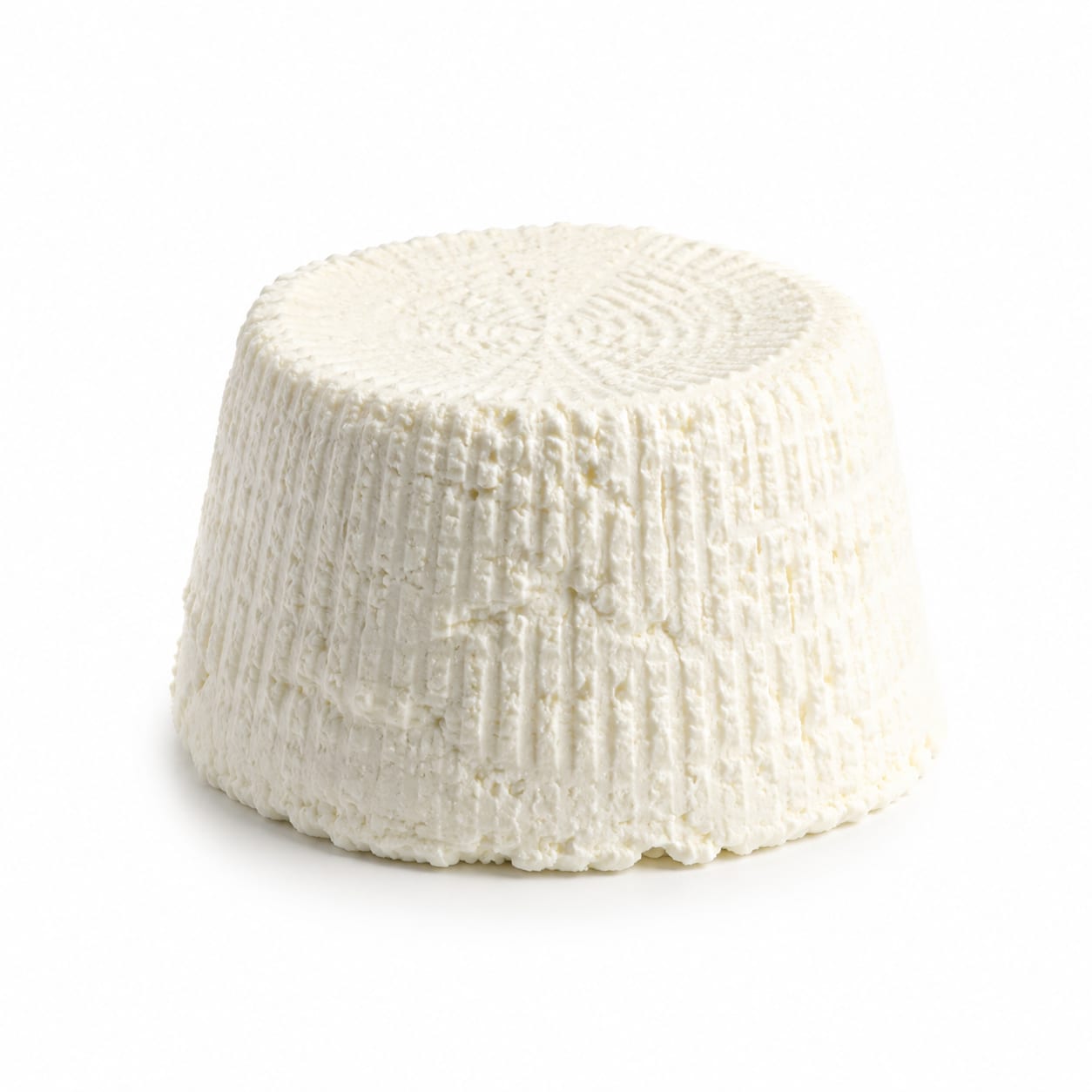
Ricotta Cheese
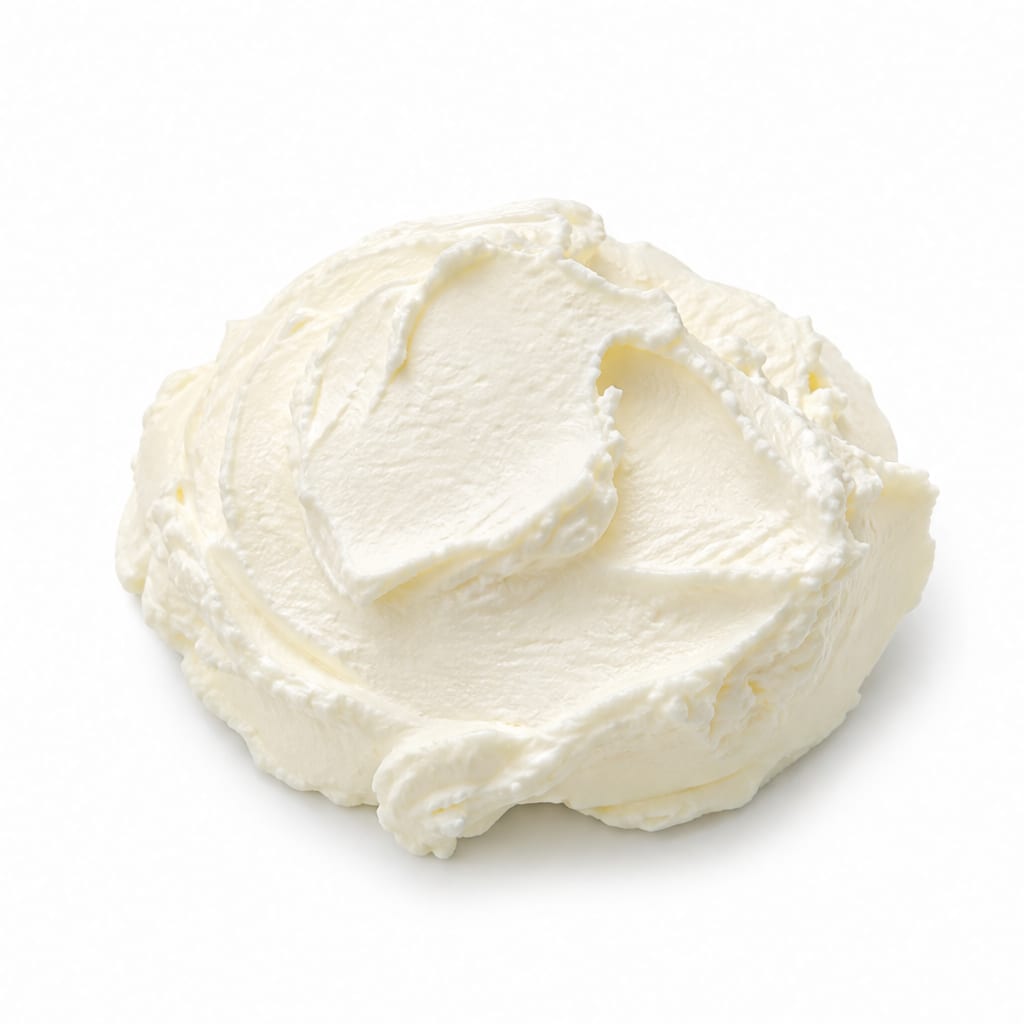
Cream Cheese
Ricotta Cheese is the more nutritious choice with far more protein, less fat, and greater versatility, while Cream Cheese offers richer flavor and easier spreading but at a higher calorie cost.
Ricotta scores notably higher due to its protein advantage, lower calorie density, and cleaner ingredient profile. Cream Cheese is not unhealthy in moderation but offers less nutritional value per calorie.
You trade protein and lower calories in Ricotta for the creamy spreadability and indulgent mouthfeel of Cream Cheese.
At a glance
Executive summary
Overall
Ricotta Cheese
Healthier
Ricotta Cheese
More practical
Cream Cheese
Daily use
Ricotta Cheese
Key comparison lenses
protein and satiety comparison
Ricotta delivers significantly more protein per serving, making it far more filling and useful for meals
calorie and fat density tradeoff
Cream cheese is much more calorie-dense with higher fat, which matters for weight management and daily use
cooking and recipe versatility
People often choose between these for recipes like lasagna, cheesecake, or toast spreads
processing and ingredient quality
Cream cheese often contains stabilizers and gums while ricotta is typically simpler
breakfast and snacking practicality
Both are common morning or snack options but serve different roles
Best choice for
Ricotta Cheese
- People managing their weight who want satisfying portions
- Anyone needing more protein from dairy sources
- Home cooks making lasagna, stuffed shells, or savory baking
- Those watching saturated fat intake
- Break eaters who want something filling that will not spike hunger later
Cream Cheese
- Quick breakfast spreaders who prioritize convenience
- Bakers making traditional cheesecake or frosting
- Anyone wanting rich flavor in small amounts as a condiment
- People who find low-fat dairy unsatisfying and prefer smaller portions of the real thing
Least suitable for
Ricotta Cheese
- Those who need an easy no-prep spread for bagels or toast
- People sensitive to dairy whey
- Anyone wanting a dense, rich dessert base
Cream Cheese
- People counting calories or watching portion sizes closely
- Anyone needing a high-protein dairy option
- Those avoiding high saturated fat intake
- Large-portion eaters who struggle with calorie-dense foods
Deep comparison
Dimension by dimension
Each lens scores both foods and breaks down who each option suits.
- Dimension 1 · Priority 94Ricotta Cheese
Protein Content and Quality
Ricotta Cheese · 82Cream Cheese · 28Ricotta provides roughly 3-4 times more protein per serving than Cream Cheese, thanks to its whey content.
Tradeoff
Cream Cheese prioritizes fat over protein, leaving you less satisfied per calorie consumed.
Why it matters
Protein from dairy is high-quality and keeps you full longer. A Ricotta breakfast will carry you to lunch much better than Cream Cheese on a bagel.
Real-world impact
After a Cream Cheese bagel you may feel hungry again by 10am. A Ricotta bowl with fruit tends to hold you over until noon.
Ricotta Cheese
- Post-workout recovery
- Sustained energy between meals
- Building or maintaining muscle
Better for
Cream Cheese
- Staying full after breakfast
- Getting enough protein without supplements
- Athletic recovery
Worse for
- Dimension 2 · Priority 90Ricotta Cheese
Calorie Density and Weight Management
Ricotta Cheese · 78Cream Cheese · 35Ricotta has roughly half the calories per serving of Cream Cheese, making it far easier to fit into a calorie-conscious diet.
Tradeoff
Cream Cheese packs more calories into smaller portions, so it is easy to overconsume without realizing it.
Why it matters
Two tablespoons of Cream Cheese can run 100 calories with little protein payoff. The same amount of Ricotta gives you fewer calories and more satiety.
Real-world impact
Generously spreading Cream Cheese on a bagel can quietly add 200+ calories before you count the bagel itself.
Ricotta Cheese
- Weight loss or maintenance
- Larger portion satisfaction
- Flexible meal planning
Better for
Cream Cheese
- Small indulgent portions when you want richness
Better for
- Calorie tracking
- Portion control
- Mindless eating scenarios
Worse for
- Dimension 3 · Priority 82Ricotta Cheese
Fat Profile and Saturated Fat
Ricotta Cheese · 68Cream Cheese · 30Ricotta contains significantly less total fat and saturated fat per serving compared to Cream Cheese.
Tradeoff
Cream Cheese delivers a luxurious mouthfeel that comes from its high fat content, but that same fat adds up quickly with heart health implications.
Why it matters
Regular Cream Cheese consumption can meaningfully increase saturated fat intake, which matters for cholesterol and cardiovascular health over time.
Real-world impact
If you eat Cream Cheese daily, switching to Ricotta could reduce your weekly saturated fat intake by a noticeable margin without sacrificing dairy enjoyment.
Ricotta Cheese
- Heart health conscious eaters
- Those monitoring cholesterol
- Daily dairy consumers
Better for
Cream Cheese
- Cardiovascular risk with frequent use
- Cholesterol management
Worse for
- Dimension 4 · Priority 74Ricotta Cheese
Calcium and Micronutrients
Ricotta Cheese · 75Cream Cheese · 40Ricotta is a meaningfully better source of calcium, phosphorus, and B vitamins compared to Cream Cheese.
Tradeoff
Cream Cheese is primarily fat with minimal micronutrient contribution beyond small amounts of vitamin A.
Why it matters
If dairy is one of your main calcium sources, Ricotta does the job far more efficiently per calorie.
Real-world impact
A half-cup of Ricotta covers roughly 25% of daily calcium needs. Cream Cheese covers about 5-8% per equivalent calories.
Ricotta Cheese
- Bone health support
- Nutrient-dense eating patterns
- Older adults needing calcium
Better for
Cream Cheese
- Meeting calcium needs efficiently
- Getting adequate B vitamins from dairy
Worse for
- Dimension 5 · Priority 70Cream Cheese
Spreadability and Convenience
Ricotta Cheese · 40Cream Cheese · 88Cream Cheese is designed for spreading and requires no preparation, while Ricotta needs more effort to use as a spread.
Tradeoff
Convenience comes at the cost of nutritional quality. Cream Cheese is grab-and-go; Ricotta often needs mixing or recipe integration.
Why it matters
On a rushed morning, Cream Cheese wins for speed. But a few minutes of prep can upgrade your breakfast substantially with Ricotta.
Real-world impact
Spreading Cream Cheese on a bagel takes 10 seconds. Making Ricotta toast with honey and fruit takes 2 minutes but fuels you for hours longer.
Ricotta Cheese
- Zero-prep convenience
Worse for
Cream Cheese
- Rushed mornings
- Quick sandwich assembly
- No-prep snacking
Better for
- Dimension 6 · Priority 68Ricotta Cheese
Processing Level and Additives
Ricotta Cheese · 78Cream Cheese · 42Ricotta typically contains just milk, whey, salt, and sometimes an acid. Cream Cheese often includes gums, stabilizers, and preservatives.
Tradeoff
Mass-market Cream Cheese relies on additives for texture and shelf life. Ricotta is closer to a traditional, simple dairy product.
Why it matters
If you prefer fewer ingredients you cannot pronounce, Ricotta is the cleaner choice. Additives in Cream Cheese are generally recognized as safe but are still ultra-processing markers.
Real-world impact
Check a Cream Cheese label and you may find carob bean gum, guar gum, or xanthan gum. Ricotta labels are usually three to four ingredients long.
Ricotta Cheese
- Clean eating preferences
- Minimizing additive exposure
- Simpler ingredient diets
Better for
Cream Cheese
- Avoiding food additives
- Minimally processed diets
Worse for
- Dimension 7 · Priority 72Ricotta Cheese
Culinary Versatility
Ricotta Cheese · 85Cream Cheese · 55Ricotta works in sweet and savory dishes from lasagna to pancakes to desserts, while Cream Cheese is more niche.
Tradeoff
Cream Cheese excels in its specific domain of spreads, dips, and cheesecakes but is harder to use broadly across meals.
Why it matters
If you want one dairy staple that can do breakfast, lunch, dinner, and dessert, Ricotta is far more flexible.
Real-world impact
Ricotta can go into stuffed shells at dinner, pancakes at breakfast, and a fruit bowl for a snack. Cream Cheese is mostly a spread or dessert base.
Ricotta Cheese
- Meal prep versatility
- Cooking across cuisines
- One-ingredient multiple-uses shopping
Better for
Cream Cheese
- Classic cheesecake
- Dip recipes
- Frosting and baking traditions
Better for
- Adapting to savory dinner recipes
- Substituting across recipe types
Worse for
Timeline
Health impact over time
Short-term
Hours to days
Ricotta Cheese
- Provides lasting fullness due to protein content
- Gentle on blood sugar with minimal glucose impact
- Light and satisfying without feeling heavy
Cream Cheese
- Quick satisfaction from fat-rich mouthfeel but hunger returns sooner
- Can feel heavy in larger amounts due to fat density
- Minimal blood sugar impact but little satiety signal
Long-term
Months to years
Ricotta Cheese
- Supports muscle maintenance and bone density through protein and calcium
- Lower saturated fat intake benefits cardiovascular markers over time
- Easier to maintain healthy weight with regular use
Cream Cheese
- Frequent high saturated fat intake may raise LDL cholesterol over time
- Calorie density can contribute to gradual weight gain if portions are not managed
- Minimal protein contribution means less metabolic and muscle benefit from dairy calories
Risk profile
Safety & processing
Ricotta is traditionally made by coagulating whey with heat and acid, yielding a simple product. Cream Cheese undergoes more processing and typically contains gums and stabilizers to maintain its signature spreadable texture and shelf stability.
Ricotta Cheese
Listeria contamination
mediumFresh soft cheeses like Ricotta carry a slightly elevated listeria risk compared to aged cheeses. Pregnant women should use caution and seek pasteurized versions.
Short shelf life after opening
lowRicotta spoils faster than Cream Cheese once opened, typically within 5-7 days. Use it promptly or freeze for later.
Cream Cheese
Listeria contamination
mediumLike all soft cheeses, Cream Cheese carries listeria risk. Pasteurized commercial brands reduce this significantly but not to zero.
Additive sensitivity
lowGums and stabilizers in some Cream Cheese brands may cause mild digestive discomfort in sensitive individuals.
Who wins for whom
Audience fit
Same foods, different winners depending on your goal.
children
Ricotta CheeseRicotta offers growing kids more calcium and protein per serving. Cream Cheese is fine as an occasional treat but is less nutrient-dense.
daily consumption
Ricotta CheeseRicotta's nutrient-to-calorie ratio supports daily use without the saturated fat accumulation concerns of Cream Cheese.
diabetes
Ricotta CheeseBoth are low in carbohydrates, but Ricotta's protein content helps stabilize blood sugar more effectively over hours.
elderly
Ricotta CheeseOlder adults benefit more from Ricotta's calcium for bone health and protein for preventing muscle loss.
muscle gain
Ricotta CheeseRicotta delivers whey protein which supports muscle protein synthesis. Cream Cheese offers negligible protein.
weight loss
Ricotta CheeseRicotta provides more volume and protein per calorie, making it easier to eat satisfying portions while staying in a deficit.
Your move
Decision guide
Choose Ricotta Cheese
- You want a filling, protein-rich dairy option for meals or snacks
- You are watching your weight, saturated fat, or calorie intake
- You cook frequently and want a versatile ingredient for savory and sweet recipes
- You prefer simpler ingredient lists with fewer additives
- You need sustained energy rather than a quick rich bite
Choose Cream Cheese
- You want a quick, satisfying spread for bagels or sandwiches
- You are making a traditional cheesecake or frosting
- You prefer small amounts of something rich and indulgent
- Convenience and speed matter more than nutritional optimization
Either works if
- You are using a small amount as a garnish or accent rather than a main ingredient
- You tolerate dairy well and just want variety in your diet
- Neither is a staple in your diet and you are choosing for a specific recipe
Avoid both if
- You are lactose intolerant without access to lactose-free versions
- You are following a strict dairy-free or vegan diet
- You have a dairy allergy
Final recommendation
For most people eating dairy regularly, Ricotta Cheese is the stronger everyday choice. It gives you more protein, more calcium, fewer calories, and cleaner ingredients. Save Cream Cheese for the occasional bagel or cheesecake, but let Ricotta do the heavy lifting in your weekly meals.
Practical
Consumer tips
- 1
Part-skim Ricotta gives you the best balance of flavor and nutrition with even less fat than whole milk versions
- 2
If you want Cream Cheese flavor with better nutrition, try mixing a small amount of Cream Cheese into Ricotta for a protein-boosted spread
- 3
Ricotta freezes well, so buy a large container and portion it out if you cannot use it before it spoils
- 4
Whip Ricotta with a little honey and cinnamon for a dessert-like snack that still delivers solid protein
- 5
Check Cream Cheese labels for brands with fewer additives if you prefer cleaner ingredients
- 6
Ricotta on whole grain toast with sliced tomato and black pepper makes a simple savory breakfast that keeps you full for hours