
Nutrition comparison
Ricotta Cheese vs Paneer: Nutrition, Protein, and Best Uses
Compare Ricotta Cheese and Paneer to find out which fresh cheese is better for weight loss, muscle gain, keto, and cooking. Discover the key nutritional differences.
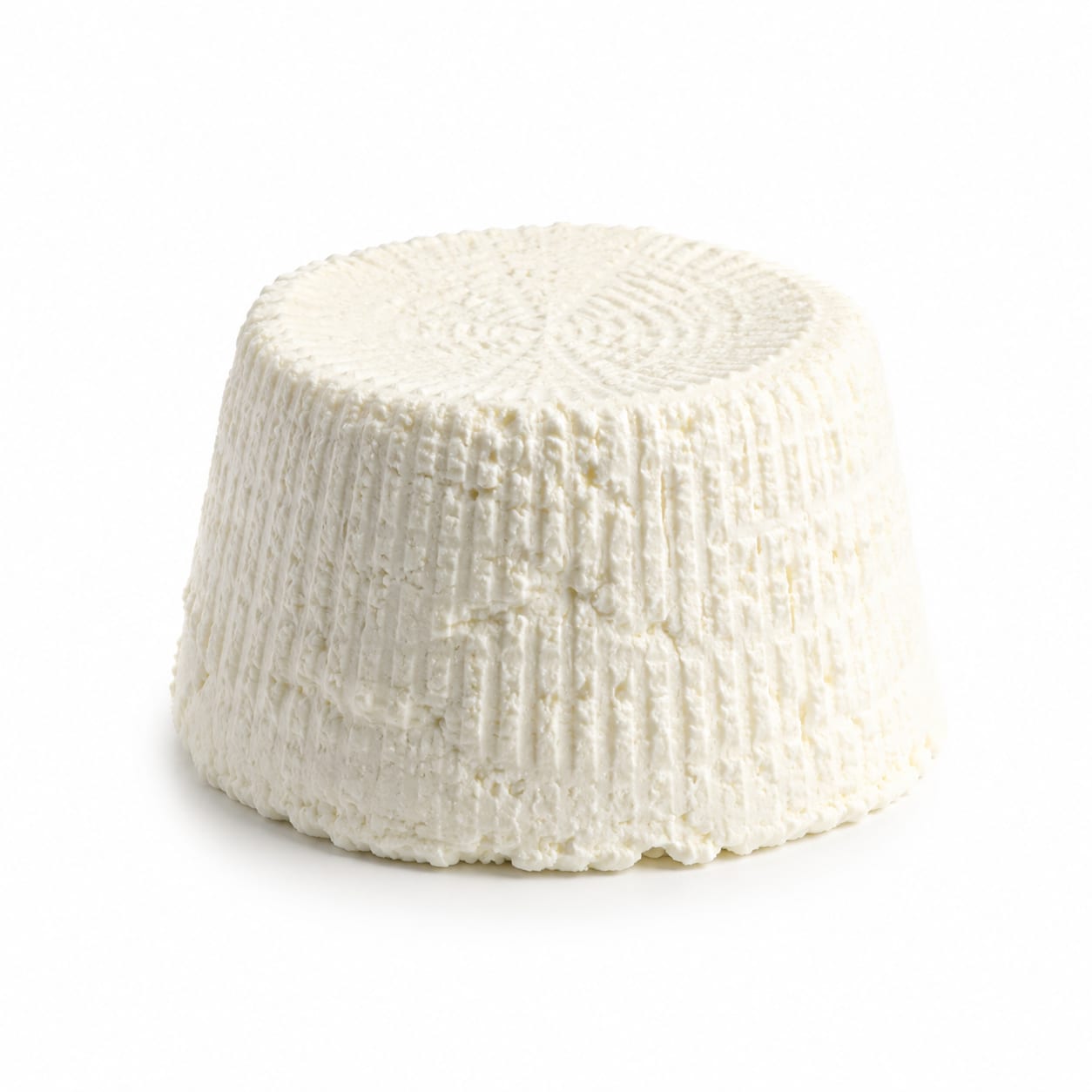
Ricotta Cheese
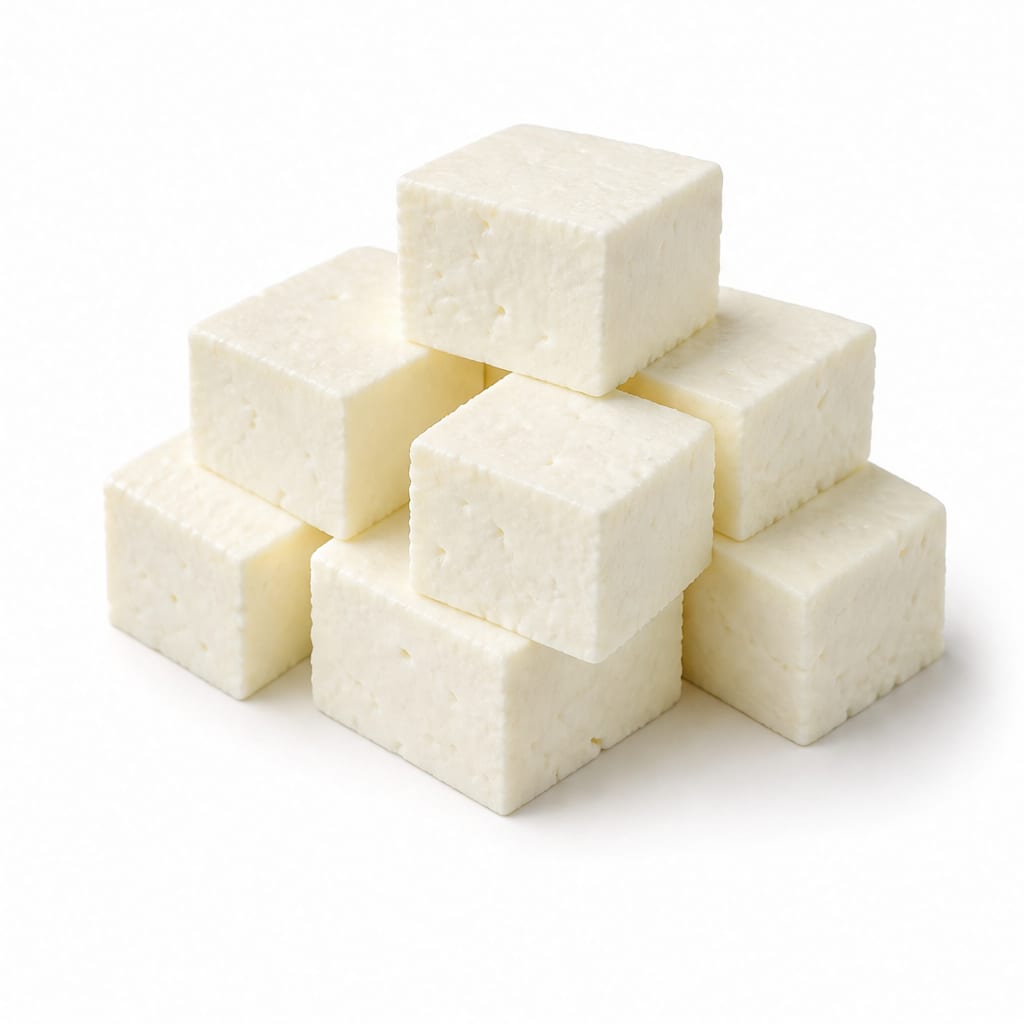
Paneer
Ricotta Cheese is lighter and richer in fast-absorbing whey protein, while Paneer is denser, virtually carb-free, and packed with slow-digesting casein.
Ricotta Cheese edges ahead for general health due to lower calorie density and highly bioavailable whey protein, but Paneer is superior for low-carb diets and sustained fullness.
Creamy, lighter, whey-rich Ricotta Cheese versus firm, filling, low-carb Paneer.
At a glance
Executive summary
Overall
It depends
Healthier
Ricotta Cheese
More practical
It depends
Daily use
Ricotta Cheese
Key comparison lenses
Protein type and absorption speed
Ricotta Cheese is rich in fast-digesting whey, while Paneer provides slow-digesting casein, impacting how the body uses the protein.
Low-carb and keto compatibility
Paneer is virtually carb-free, making it a keto staple, whereas Ricotta Cheese retains some lactose sugars from the whey.
Calorie density and weight management
Ricotta Cheese is lighter and lower in fat, while Paneer is a dense, high-fat cheese that can quickly increase calorie intake.
Cooking behavior and culinary roles
Ricotta Cheese melts into creamy dishes, while Paneer holds its shape under high heat, dictating entirely different meal prep strategies.
Lactose tolerance and digestibility
The residual whey in Ricotta Cheese contains lactose, whereas the curding process for Paneer leaves it nearly lactose-free.
Best choice for
Ricotta Cheese
- Lighter meals and snacks
- Post-workout recovery
- Sweet and savory recipes
- Calorie-conscious diets
Paneer
- Low-carb and keto diets
- High-satiety meals
- Lactose-sensitive individuals
- Grilling and frying
Least suitable for
Ricotta Cheese
- Strict low-carb diets
- High-heat cooking
- Severe lactose intolerance
Paneer
- Low-calorie diets
- Creamy dessert recipes
- Fast protein absorption needs
Deep comparison
Dimension by dimension
Each lens scores both foods and breaks down who each option suits.
- Dimension 1 · Priority 92It depends
Protein Quality & Absorption
Ricotta Cheese · 82Paneer · 84Ricotta Cheese provides fast-digesting whey protein, ideal after exercise. Paneer offers slow-digesting casein, which sustains muscle feeding and keeps you full for hours.
Tradeoff
Quick absorption versus prolonged satiety.
Why it matters
Your body uses whey protein rapidly for recovery, while casein prevents muscle breakdown over longer gaps between meals.
Real-world impact
Choose Ricotta Cheese after a morning workout; choose Paneer for a dinner that keeps late-night hunger away.
Ricotta Cheese
- Post-workout recovery
- Quick amino acid delivery
Better for
- Sustained fullness over many hours
Worse for
Paneer
- Overnight muscle preservation
- Long gaps between meals
Better for
- Immediate post-workout refueling
Worse for
- Dimension 2 · Priority 85Ricotta Cheese
Calorie Density & Fat Content
Ricotta Cheese · 85Paneer · 60Ricotta Cheese is significantly lower in calories and fat, making it easier to enjoy in larger portions without overeating.
Tradeoff
Lighter, fluffier texture versus rich, dense mouthfeel.
Why it matters
Calorie density dictates how much you can eat before feeling heavy, impacting long-term weight management.
Real-world impact
A cup of Ricotta Cheese feels like a light snack; the same volume of Paneer is a heavy, calorie-dense meal.
Ricotta Cheese
- Calorie-controlled diets
- Larger portion sizes
Better for
- Those needing high-calorie intake easily
Worse for
Paneer
- Bulking diets
- High-fat keto meals
Better for
- Weight loss and calorie tracking
Worse for
- Dimension 3 · Priority 80Paneer
Carbohydrate & Lactose Profile
Ricotta Cheese · 55Paneer · 90Paneer contains almost zero carbs and very little lactose, while Ricotta Cheese retains some milk sugars from the whey.
Tradeoff
A small amount of energy-boosting carbs versus strict carb-free compliance.
Why it matters
Lactose intolerance and carbohydrate sensitivity are major factors in food tolerance and diet adherence.
Real-world impact
Paneer sits comfortably in a keto diet or a sensitive stomach; Ricotta Cheese might cause bloating for the lactose-intolerant.
Ricotta Cheese
- Those wanting a slight carb energy boost
Better for
- Strict keto diets
- Lactose intolerance
Worse for
Paneer
- Keto and low-carb diets
- Mild lactose sensitivity
Better for
- Those needing easy energy from carbs
Worse for
- Dimension 4 · Priority 78It depends
Cooking Versatility & Texture
Ricotta Cheese · 88Paneer · 82Ricotta Cheese excels in creamy blends, fillings, and desserts. Paneer shines in high-heat cooking, holding its shape in stir-fries and curries.
Tradeoff
Creamy, spreadable melt versus firm, chewy bite.
Why it matters
The wrong texture can ruin a dish; you cannot grill Ricotta Cheese or blend Paneer smoothly into a cheesecake.
Real-world impact
Use Ricotta Cheese for lasagna or pancakes; use Paneer for tikka masala or grilled skewers.
Ricotta Cheese
- Desserts
- Stuffed pastas
- Creamy dips
Better for
- High-heat frying
- Cubed texture dishes
Worse for
Paneer
- Stir-fries
- Curries
- Grilling
Better for
- Smooth sauces
- Sweet bakes
Worse for
Timeline
Health impact over time
Short-term
Hours to days
Ricotta Cheese
- Quick protein boost after workouts
- Lighter feeling in the stomach
- Possible mild bloating if lactose intolerant
Paneer
- Long-lasting fullness after meals
- Stable blood sugar due to zero carbs
- Heavier digestive load due to high fat
Long-term
Months to years
Ricotta Cheese
- Easier weight maintenance due to lower calorie density
- Supports lean muscle with whey protein
- Better cardiovascular profile if part-skim is used
Paneer
- Sustained satiety aiding calorie restriction on low-carb diets
- High calcium for bone density
- Potential weight gain if portions are not controlled due to fat content
Risk profile
Safety & processing
Both Ricotta Cheese and Paneer are simple, fresh cheeses made with minimal ingredients—usually just milk, an acid, and sometimes salt. Neither typically contains artificial additives.
Ricotta Cheese
Lactose-related digestive distress
mediumRicotta Cheese retains whey, which contains lactose, posing a risk for those with intolerance.
Spoilage from high moisture
mediumThe high water content in Ricotta Cheese means it spoils faster and requires strict refrigeration.
Paneer
Pathogen growth if made from raw milk
mediumTraditional Paneer is often made from unpasteurized milk, which can carry a higher risk of foodborne illness if not handled properly.
Heavy metal exposure from milk source
lowLike all dairy, Paneer can accumulate contaminants from the cow's feed and environment, though this is typically low risk.
Who wins for whom
Audience fit
Same foods, different winners depending on your goal.
children
Ricotta CheeseRicotta Cheese is softer, milder, and easier for young children to chew and digest.
daily consumption
Ricotta CheeseLower calorie density and lighter digestive load make Ricotta Cheese easier to eat every day without excessive fat intake.
diabetes
PaneerPaneer has virtually zero carbohydrates, preventing blood sugar spikes entirely.
elderly
Ricotta CheeseThe softer texture of Ricotta Cheese is easier to eat, and part-skim versions support heart health better than the high fat in Paneer.
muscle gain
It dependsRicotta Cheese offers fast whey protein for post-workout, while Paneer provides slow casein for overnight recovery.
weight loss
Ricotta CheeseRicotta Cheese has fewer calories and less fat, making it easier to fit into a calorie deficit.
Your move
Decision guide
Choose Ricotta Cheese
- You want a lighter, lower-calorie cheese
- You need quick post-workout protein
- You are making desserts, lasagna, or dips
- You prefer a creamy, spreadable texture
Choose Paneer
- You are on a keto or strict low-carb diet
- You want a cheese that grills or fries without melting
- You need long-lasting fullness between meals
- You are sensitive to lactose
Either works if
- You need a vegetarian protein source
- You want to boost your calcium intake
- You are looking for a minimally processed fresh cheese
Avoid both if
- You have a dairy allergy
- You are strictly vegan
Final recommendation
Let your dietary goals and cooking method decide. Choose Ricotta Cheese for a lighter, whey-rich boost in creamy dishes or post-workout meals. Choose Paneer when you need a firm, low-carb, high-satiety ingredient that stands up to high heat and keeps you full for hours.
Practical
Consumer tips
- 1
Opt for part-skim Ricotta Cheese to maximize protein while keeping calories low.
- 2
Press Paneer before cooking to remove excess moisture and get a better sear.
- 3
If you are lactose intolerant but crave Ricotta Cheese, look for lactose-free versions made with lactase enzyme.
- 4
Paneer absorbs flavors beautifully; marinate it in spices before cooking for the best results.
- 5
Check the sodium content on store-bought versions of both cheeses, as it can vary widely.