
Nutrition comparison
Ricotta vs Mozzarella: Which Cheese Is Healthier for You?
Compare Ricotta and Mozzarella on protein, calories, sodium, and digestion. Find out which cheese fits your weight loss, muscle gain, or daily eating goals better.
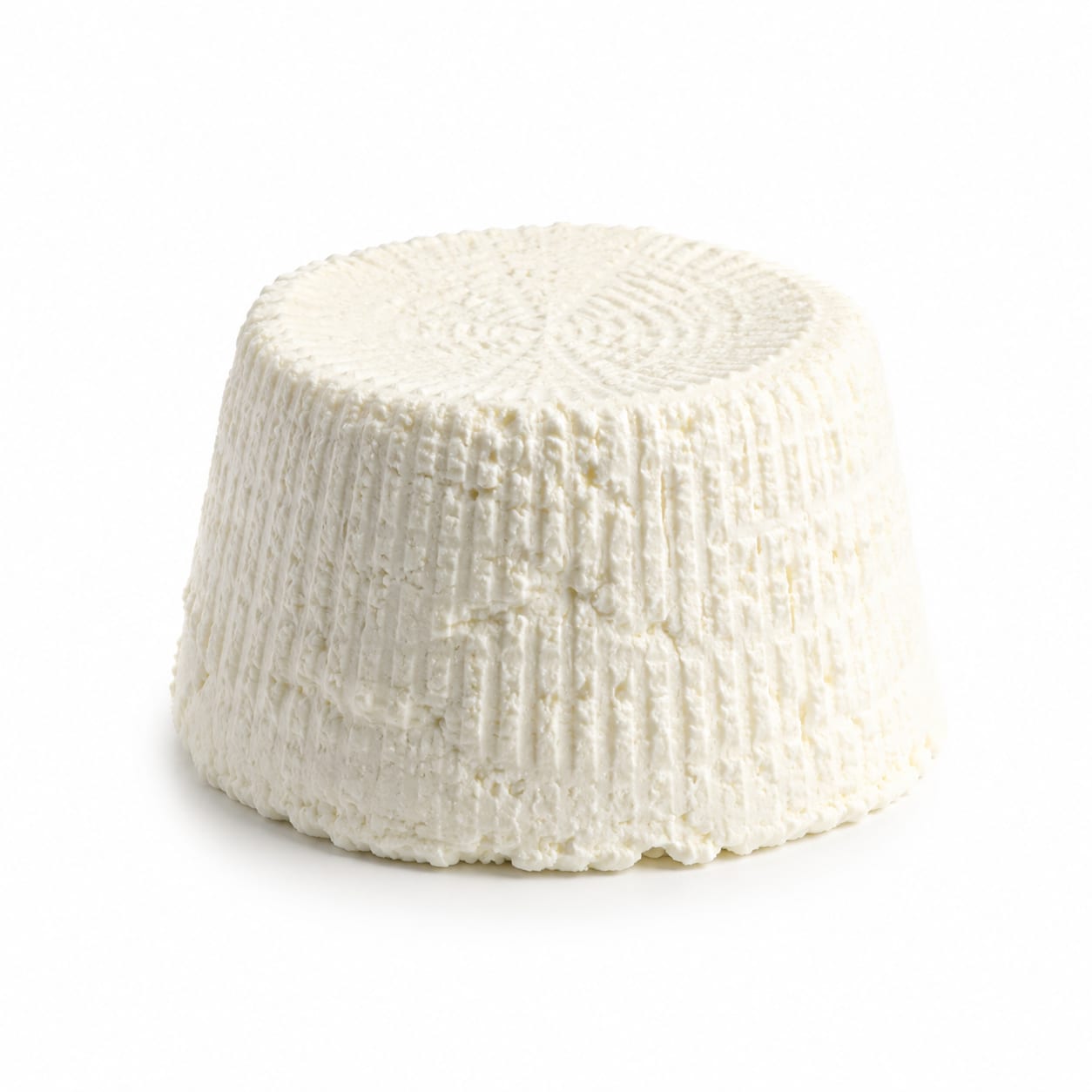
Ricotta Cheese
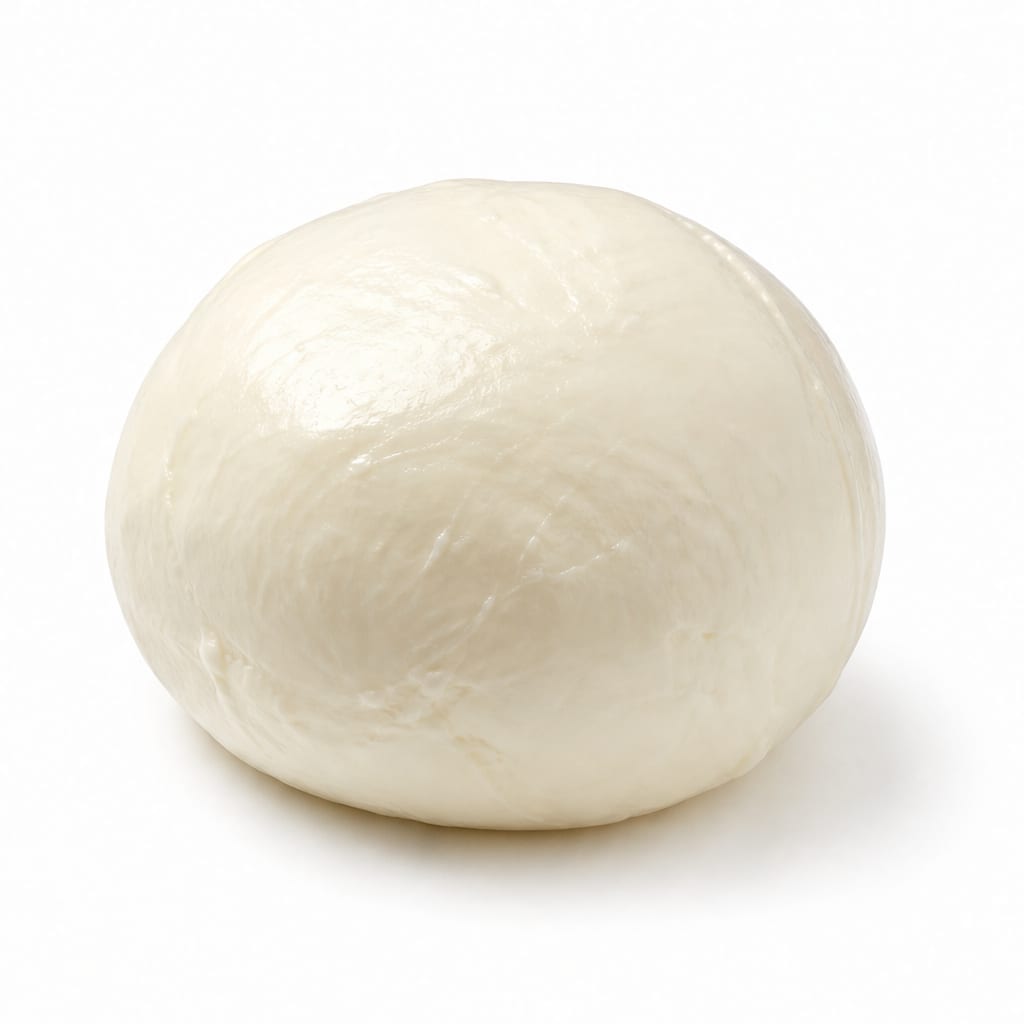
Mozzarella
Ricotta is the lighter, easier-to-digest choice with less sodium, while Mozzarella delivers more protein and satiety per bite.
Mozzarella edges ahead slightly due to higher protein density and satiety value, but Ricotta's lower sodium and calorie count keep it competitive. The near-tie reflects how differently they serve dietary needs.
Ricotta offers a gentler, lower-calorie experience but with less protein punch. Mozzarella fills you up more but comes with higher sodium and calorie density.
At a glance
Executive summary
Overall
It depends
Healthier
It depends
More practical
Mozzarella
Daily use
Ricotta Cheese
Key comparison lenses
protein quality and muscle support
Both are dairy proteins but differ significantly in whey vs casein dominance, affecting absorption and muscle recovery differently
weight management and calorie density
Ricotta is significantly lighter per serving while Mozzarella is more calorie-dense, making this a key decision factor
cooking versatility and meal integration
These cheeses serve very different culinary roles and are rarely interchangeable in recipes
sodium and heart health considerations
Mozzarella often carries more sodium, especially processed varieties, which matters for blood pressure management
digestive tolerance and lightness
Ricotta's whey-based composition and higher moisture make it gentler on digestion for many people
Best choice for
Ricotta Cheese
- Light breakfasts and snacks
- Post-workout recovery with fast-absorbing whey protein
- Low-sodium diets
- Weight loss meals needing volume without calories
- People with sensitive digestion
Mozzarella
- High-protein meal prep
- Satiety-focused eating
- Caprese salads and Italian cooking
- Athletes needing sustained protein delivery
- Keto and low-carb diets
Least suitable for
Ricotta Cheese
- Those needing concentrated protein in small portions
- Low-lactose diets since ricotta retains more lactose
- Recipes requiring firm cheese texture or melting
Mozzarella
- Sodium-restricted diets
- Those seeking low-calorie volume eating
- People avoiding dense, heavy meals late at night
Deep comparison
Dimension by dimension
Each lens scores both foods and breaks down who each option suits.
- Dimension 1 · Priority 92Mozzarella
protein quality and density
Ricotta Cheese · 65Mozzarella · 85Mozzarella packs more protein per ounce, primarily casein, which digests slowly. Ricotta offers whey-dominant protein that absorbs faster but in smaller total amounts.
Tradeoff
Ricotta gives you quicker-absorbing whey protein but less total protein per serving. Mozzarella delivers more protein overall with slower, steadier release.
Why it matters
Casein supports overnight muscle repair and longer satiety. Whey is better for immediate post-workout recovery. Your timing goals determine which matters more.
Real-world impact
After a gym session, Ricotta gets amino acids to your muscles faster. But a Mozzarella snack at 3pm keeps you full until dinner more reliably.
Ricotta Cheese
- Post-workout recovery windows
- Quick protein absorption needs
- Lighter protein supplementation
Better for
- Meeting high protein goals without large portions
- Sustained satiety from protein alone
Worse for
Mozzarella
- Sustained fullness between meals
- Overnight muscle maintenance
- Higher daily protein targets with fewer servings
Better for
- Rapid post-exercise protein delivery
- Light meals where protein density feels heavy
Worse for
- Dimension 2 · Priority 88Ricotta Cheese
calorie density and weight management
Ricotta Cheese · 82Mozzarella · 62Ricotta delivers more volume for fewer calories, making it easier to eat satisfying portions without overconsuming. Mozzarella is calorie-dense, so portions disappear quickly.
Tradeoff
Ricotta lets you eat more by volume but delivers less protein and fat per bite. Mozzarella is compact and energy-dense, which can trigger overeating if you are not careful with portions.
Why it matters
For weight loss, volume eating helps with psychological satisfaction. For maintenance or gain, calorie density becomes an advantage.
Real-world impact
A half-cup of part-skim Ricotta on toast feels like a substantial breakfast for under 170 calories. The same calories in Mozzarella is barely an ounce.
Ricotta Cheese
- Calorie-conscious meal planning
- Volume eating strategies
- Late-night snacks where lighter is better
Better for
- Situations requiring concentrated energy in small amounts
- Those struggling to eat enough calories
Worse for
Mozzarella
- Active individuals needing calorie surplus
- Backpacking or hiking where calorie density is a feature
- Intermittent fasting refeeds needing compact nutrition
Better for
- Mindless snacking risk due to calorie density
- Portion control challenges
Worse for
- Dimension 3 · Priority 78Ricotta Cheese
sodium and heart health
Ricotta Cheese · 80Mozzarella · 55Ricotta is typically much lower in sodium than Mozzarella, especially compared to low-moisture or processed Mozzarella varieties.
Tradeoff
Choosing Ricotta eases sodium load significantly, but you sacrifice the firmer texture and bolder flavor that salt provides in Mozzarella.
Why it matters
For anyone monitoring blood pressure or kidney health, sodium differences between cheeses add up quickly across a day of eating.
Real-world impact
Two ounces of low-moisture Mozzarella can deliver 350mg of sodium. The same amount of Ricotta stays under 100mg. That gap matters by dinner time.
Ricotta Cheese
- Hypertension management
- Kidney-friendly diets
- Reducing daily sodium without sacrificing dairy
Better for
- Recipes where salt contribution from cheese is expected
Worse for
Mozzarella
- Those without sodium concerns who prefer bolder flavor
- Athletes losing sodium through heavy sweating
Better for
- Blood pressure management
- Daily sodium budgets when eating cheese multiple times
Worse for
- Dimension 4 · Priority 75Ricotta Cheese
digestive comfort and lightness
Ricotta Cheese · 82Mozzarella · 60Ricotta's high moisture and whey-based composition make it easier on the stomach. Mozzarella's denser curd and higher fat can feel heavy, especially in larger portions.
Tradeoff
Ricotta feels light and gentle but may not satisfy those wanting a substantial, filling cheese experience. Mozzarella delivers that satisfying density but can sit heavy.
Why it matters
Digestive comfort affects meal enjoyment and timing. Heavy cheeses late at night disrupt sleep for some people.
Real-world impact
Ricotta on a lunch salad leaves you comfortable at your desk afterward. A Mozzarella-heavy lunch can feel sluggish during an afternoon meeting.
Ricotta Cheese
- Sensitive digestion
- Light evening meals
- People prone to post-meal heaviness
Better for
- Meals that need to carry you many hours without hunger
Worse for
Mozzarella
- Those who find light meals unsatisfying
- Situations where feeling full is the goal
Better for
- Acid reflux triggered by high-fat foods
- Late-night eating close to bedtime
Worse for
- Dimension 5 · Priority 85It depends
cooking versatility
Ricotta Cheese · 70Mozzarella · 80Mozzarella melts, stretches, and works in far more cooked applications. Ricotta excels as a filling and spread but cannot replicate Mozzarella's browning and stretch.
Tradeoff
Mozzarella dominates hot dishes and pizza. Ricotta owns the creamy filling space. They complement each other more than they compete.
Why it matters
Practical cooking utility determines how often a food actually gets used versus sitting in the fridge.
Real-world impact
Mozzarella makes pizza night possible and elevates paninis. Ricotta makes lasagna and stuffed shells sing. Trying to swap them usually disappoints.
Ricotta Cheese
- Lasagna and stuffed pasta fillings
- Creamy dessert bases like cannoli
- Breakfast spreads on toast or pancakes
Better for
- Any dish requiring melting or stretching
- Browning and broiling applications
Worse for
Mozzarella
- Pizza and flatbreads
- Caprese and fresh salads
- Melted cheese applications and gratins
Better for
- Creamy fillings where a smooth, spreadable texture is needed
- Dessert applications
Worse for
- Dimension 6 · Priority 72Mozzarella
bone health and micronutrients
Ricotta Cheese · 68Mozzarella · 78Both support bone health through calcium, but Mozzarella delivers more calcium and phosphorus per serving due to its concentrated curd nature.
Tradeoff
Mozzarella gives you more bone-supporting minerals per bite, but Ricotta retains more whey-derived B vitamins and slightly more vitamin A.
Why it matters
Calcium density matters for those not eating many dairy servings daily. The difference compounds over time.
Real-world impact
An ounce of Mozzarella provides about 20% of daily calcium. Ricotta needs nearly a half-cup to match that, which is a larger portion.
Ricotta Cheese
- B vitamin intake from whey fraction
- Vitamin A contribution
- Those eating larger portions where total calcium still adds up
Better for
- Meeting calcium targets without large serving sizes
Worse for
Mozzarella
- Maximizing calcium in small portions
- Phosphorus intake for bone mineral density
- Efficient micronutrient delivery per calorie
Better for
- Diverse micronutrient profile beyond calcium and phosphorus
Worse for
Timeline
Health impact over time
Short-term
Hours to days
Ricotta Cheese
- Quick but mild satiety due to moderate protein and high volume
- Gentle on digestion with low likelihood of bloating or heaviness
- Minimal sodium impact on blood pressure within hours
Mozzarella
- Stronger and longer-lasting fullness from concentrated protein and fat
- Possible heaviness or sluggishness after large portions
- Noticeable sodium intake that may affect blood pressure within hours in sensitive individuals
Long-term
Months to years
Ricotta Cheese
- Easier weight maintenance due to lower calorie density when eaten regularly
- Lower cumulative sodium exposure supporting cardiovascular health
- Whey protein may support immune function and antioxidant production over time
Mozzarella
- Higher sustained protein intake supports muscle preservation with aging
- Greater calcium density contributes to long-term bone mineral density
- Higher sodium intake from regular consumption may increase cardiovascular risk if not managed
Risk profile
Safety & processing
Both Ricotta and fresh Mozzarella are simple cheeses made from milk, cultures, and rennet with minimal processing. Low-moisture Mozzarella sold pre-shredded often contains anti-caking agents like cellulose, slightly raising additive exposure. Fresh Mozzarella and Ricotta both stay clean on ingredient lists.
Ricotta Cheese
Listeria contamination
mediumRicotta's high moisture content creates favorable conditions for bacterial growth if not kept properly refrigerated. Pregnant women should avoid unpasteurized varieties.
Spoilage from moisture
mediumShorter shelf life than Mozzarella once opened. Discard within 5-7 days of opening and watch for sour smell or mold.
Mozzarella
Listeria in fresh Mozzarella
mediumFresh Mozzarella stored in liquid carries similar listeria risk as Ricotta. Pregnant women should confirm pasteurization. Low-moisture Mozzarella is lower risk.
Sodium-related health effects
lowNot an acute safety risk but cumulative sodium exposure from regular consumption contributes to hypertension over time, especially with low-moisture varieties.
Who wins for whom
Audience fit
Same foods, different winners depending on your goal.
children
Ricotta CheeseRicotta's mild flavor, creamy texture, and lower sodium make it more appealing and appropriate for young palates and developing kidneys.
daily consumption
Ricotta CheeseRicotta's lower sodium and lighter digestive load make it more sustainable as an everyday food without cumulative health concerns.
diabetes
MozzarellaMozzarella has slightly less lactose and more fat, resulting in a gentler blood sugar response. Ricotta's higher carbohydrate content from lactose may cause a modest glucose rise.
elderly
MozzarellaMozzarella's concentrated calcium and protein help counteract age-related muscle loss and bone density decline, provided sodium is managed elsewhere in the diet.
muscle gain
MozzarellaMozzarella delivers more total protein per serving with slow-digesting casein, supporting muscle repair over longer periods between meals.
weight loss
Ricotta CheeseRicotta's lower calorie density allows larger, more satisfying portions within a calorie budget, making it easier to stick with reduced intake.
Your move
Decision guide
Choose Ricotta Cheese
- You want a lighter cheese that does not weigh you down after meals
- Sodium reduction is a priority for your heart health
- You prefer volume eating and larger portions within your calorie budget
- You need a gentle, easy-to-digest protein source after workouts
- You make lasagna, stuffed shells, or creamy desserts regularly
Choose Mozzarella
- Maximizing protein intake is your primary goal
- You want longer-lasting satiety between meals
- You cook pizza, paninis, or dishes requiring melting and browning
- You follow a low-carb or keto eating approach
- You need concentrated calcium in small portions
Either works if
- You want dairy-based calcium and protein in your diet
- You are not sodium-sensitive and have no lactose intolerance
- You enjoy Italian cooking and can use both for different dishes
- Your calorie budget allows either without much restriction
Avoid both if
- You have a dairy allergy or severe lactose intolerance
- You are following a vegan eating pattern
- Your doctor has recommended a strict low-dairy protocol for kidney disease
Final recommendation
Keep both in your rotation. Ricotta for lighter meals, breakfasts, and fillings. Mozzarella for protein punch, melting applications, and satiety. If you must pick one for daily use, Ricotta's lower sodium and gentler digestion give it the edge for long-term sustainability. If muscle or bone support is the priority, Mozzarella wins.
Practical
Consumer tips
- 1
Buy whole-milk Ricotta for the best flavor and creamier texture. Part-skim saves about 20 calories per serving but sacrifices richness.
- 2
Fresh Mozzarella in liquid tastes far better than low-moisture blocks but spoils faster. Plan to use it within 2-3 days of opening.
- 3
Avoid pre-shredded Mozzarella. Anti-caking additives affect melting and texture. Shred it yourself from a block.
- 4
Ricotta benefits from draining excess liquid before using in recipes. Line a strainer with cheesecloth and let it sit for 30 minutes.
- 5
Freeze Ricotta in portions if you cannot finish it quickly. Texture changes slightly but works fine in cooked dishes afterward.
- 6
For maximum protein from Mozzarella, choose low-moisture whole milk varieties. They concentrate the most protein per ounce.
- 7
Ricotta pairs beautifully with fruit and honey for a satisfying sweet snack under 200 calories.
- 8
If sodium is a concern, rinse fresh Mozzarella briefly under cold water to remove surface brine.