
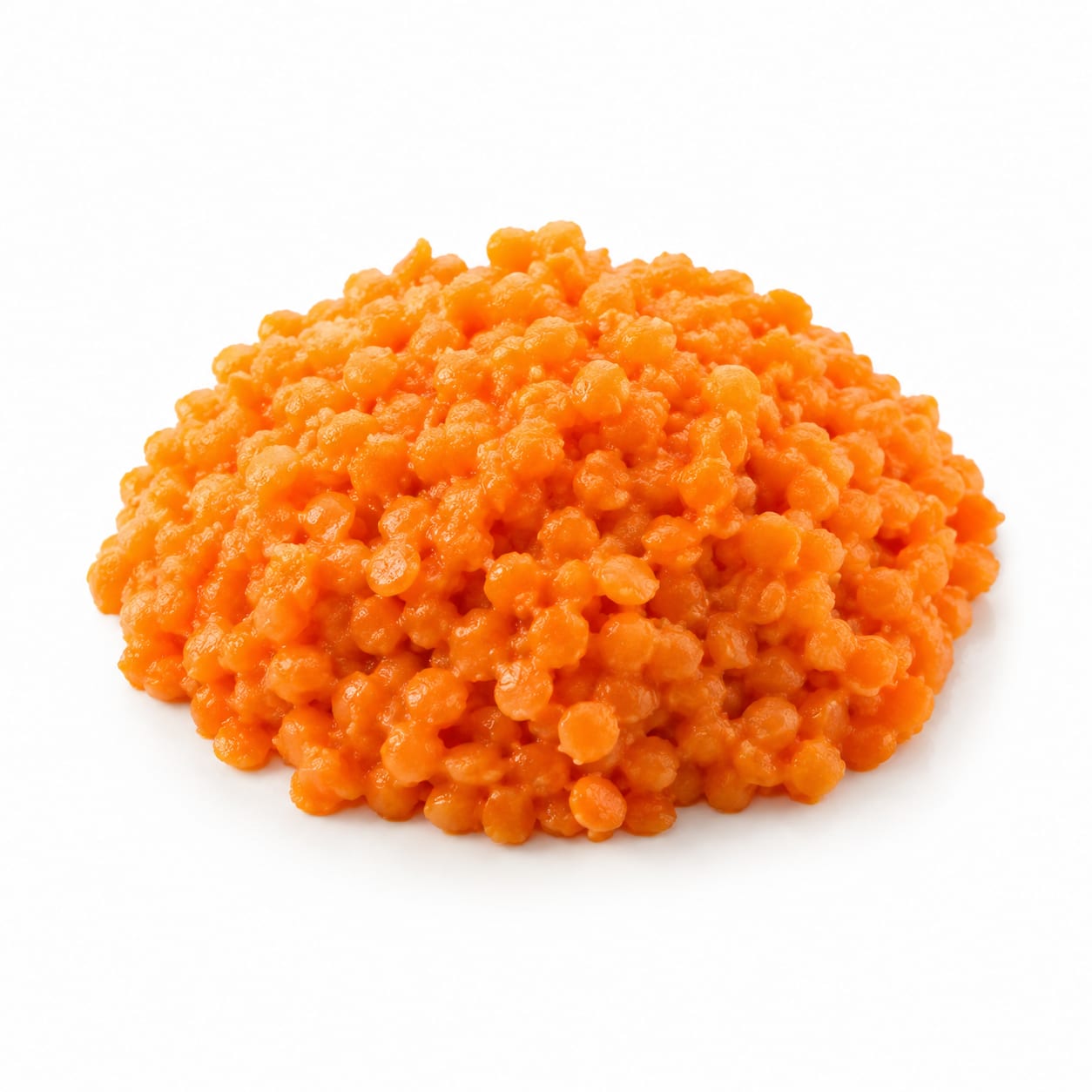
Legume
Red Lentil
A fast-cooking, hulled and split legume packed with plant protein and fiber.
A quick-cooking, hulled and split legume with a mild, earthy flavor, commonly used in soups, stews, and curries.
high-protein high-fiber legume
Typical serving · 100g
Common varieties · Red Chief, Crimson, Petite Crimson, Masoor Dal
Overall context score across nutrition, safety, and diet fit
At a glance
Quick facts
Simple indicators based on nutrition, processing, and diet fit.
The story
What makes it unique
Red lentils are hulled and split seeds of Lens culinaris, offering fast digestion and cooking times compared to whole legumes. They provide a high-protein, high-fiber macronutrient profile that promotes prolonged satiety and slow glucose release. The removal of the hull slightly reduces insoluble fiber compared to whole lentils but increases digestibility and reduces anti-nutrient load.
Varieties: Red Chief · Crimson · Petite Crimson · Masoor Dal
Per 100g
Nutrition breakdown
Macro balance and key metrics at a glance.
Energy
Density 3.53 kcal/g
Protein
Carbs
Fat
Fiber
Sugar
2 g
Sodium
6 mg
Potassium
677 mg
Glycemic index
32
Glycemic load
8
Water content
11.2%
Standout compounds
Nutrient highlights
Protein
highSupports muscle growth, repair, and satiety
Fiber
highPromotes fullness and feeds beneficial gut bacteria
Folate
highEssential for cell division and DNA synthesis
Iron
moderateCarries oxygen in the blood and supports energy levels
Magnesium
moderateSupports muscle and nerve function
Wellness map
Health scores & processing
NOVA processing scale
minimally processed · Whole food
Red lentils are simply harvested, dried, hulled, and split without additives or chemical processing.
Diet compatibility
- Weight loss
- Muscle gain
- Diabetes
- Gut health
- Low carb
- High protein
- Heart health
Relative standing
Food rankings
Qualitative ranks compared to similar whole foods.
- Satietyexcellent
- Blood sugarexcellent
- Nutrient densityexcellent
- Fitness fuelgood
- Processing qualityexcellent
Eat with confidence
Food safety profile
Red lentils are inherently safe but contain phytic acid and lectins that are neutralized by cooking. Thorough boiling eliminates anti-nutrient concerns and improves mineral absorption.
Evidence confidence 95%
- Pesticideslow
- Antibioticslow
- Heavy metalslow
- Contaminationlow
Watch for
- phytic acid
- lectins
Safer choices
Organic varieties reduce already low pesticide exposure
Prep tips
Rinse thoroughly to remove dust; boil for 15-20 minutes to neutralize lectins and improve nutrient absorption.
None significant
Deep dive
Health analysis
How this food may fit different goals and preparation choices.
Weight loss
High protein and fiber create strong satiety signals, reducing overall calorie intake by keeping you full longer.
Blood sugar
Low glycemic index and high fiber slow carbohydrate absorption, preventing blood sugar spikes and improving insulin sensitivity.
Fitness & energy
Provides sustained complex carbohydrates and muscle-repairing plant protein for endurance activities and post-workout recovery.
Gut health
Rich in prebiotic fiber that feeds beneficial gut bacteria and promotes regular bowel movements.
Processing quality
A whole food with minimal processing, retaining its natural nutrient profile without additives.
Food safety
Very low risk of contamination; cooking destroys naturally occurring lectins and reduces phytic acid.
Common mistakes
Assuming they hold their shape like green lentils; red lentils break down into a mush ideal for thickening soups and dals.
Best preparation
Boiling in water or broth for 15-20 minutes until soft and broken down.
Practical guide
Best use cases
When and how this food fits real eating patterns.
post-workout recovery
Supplies a balanced mix of protein for muscle repair and complex carbs to replenish glycogen stores.
thickening soups and stews
Breaks down during cooking to naturally thicken liquids without the need for dairy, flour, or starches.
budget-friendly plant protein
Offers one of the most affordable protein sources per gram compared to animal products or processed alternatives.
Balance sheet
Pros & cons
Upsides
- Very high in plant protein
- Fast cooking time without soaking
- Excellent source of prebiotic fiber
- Low glycemic impact
- Affordable and shelf-stable
- Naturally gluten-free
Trade-offs
- Relatively high in total carbohydrates
- Not a complete protein on its own
- Can cause bloating if unaccustomed to high fiber
- Break down completely, unsuitable for salads
Fit check
Who is it for?
Great match
- plant-based meal prep
- blood sugar management
- high-volume low-calorie eating
- post-workout carbohydrate refueling
Consider alternatives
- strict ketogenic diets
- low-FODMAP diets
- recipes requiring firm texture
Side by side
How it compares
Open the full head-to-head analysis for nutrition, safety, and practical tradeoffs.
This food
Red Lentil
VS95% alike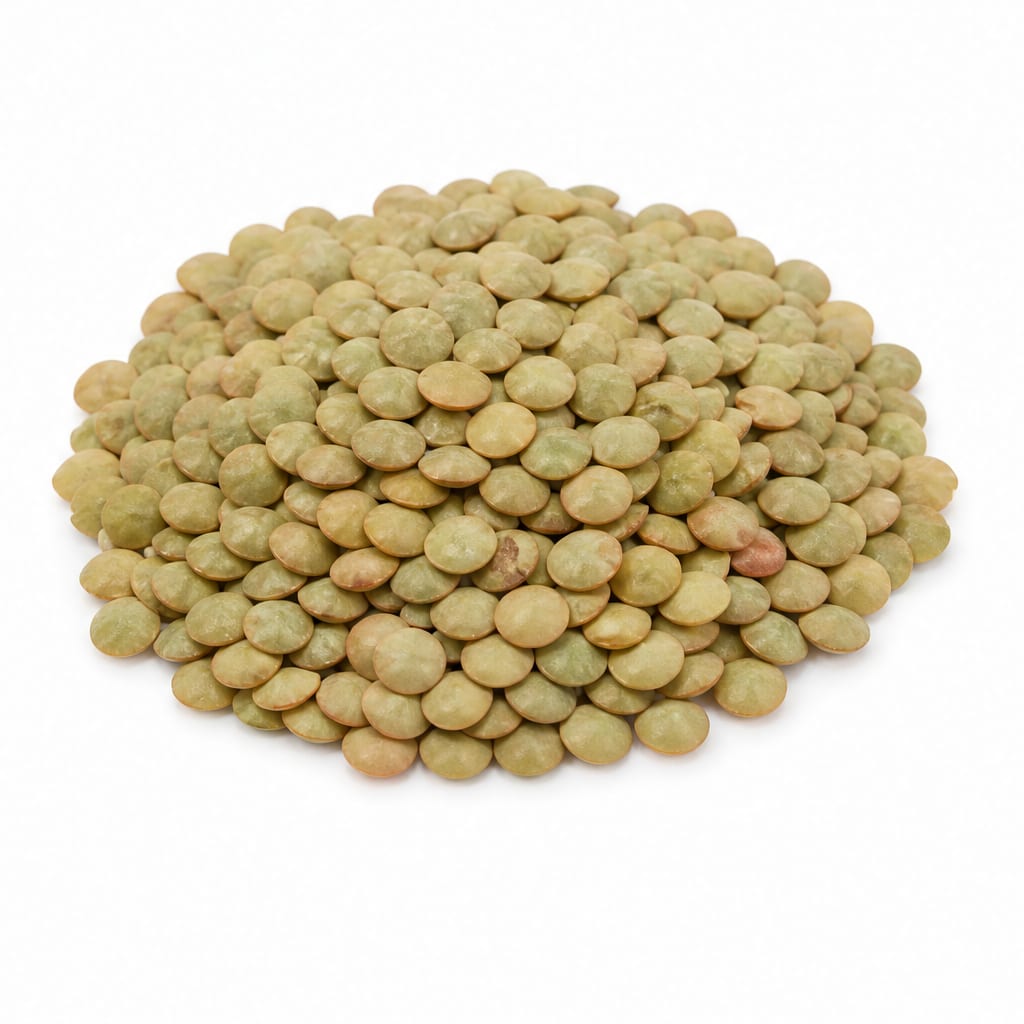
Compare with
Green Lentils
Green lentils retain their hull, offering slightly more fiber and a firmer texture, while red lentils cook faster and break down into a creamy consistency.
Green lentils offer slightly more fiber and hold their shape, while red lentils cook faster and thicken soups naturally.
This food
Red Lentil
VS85% alike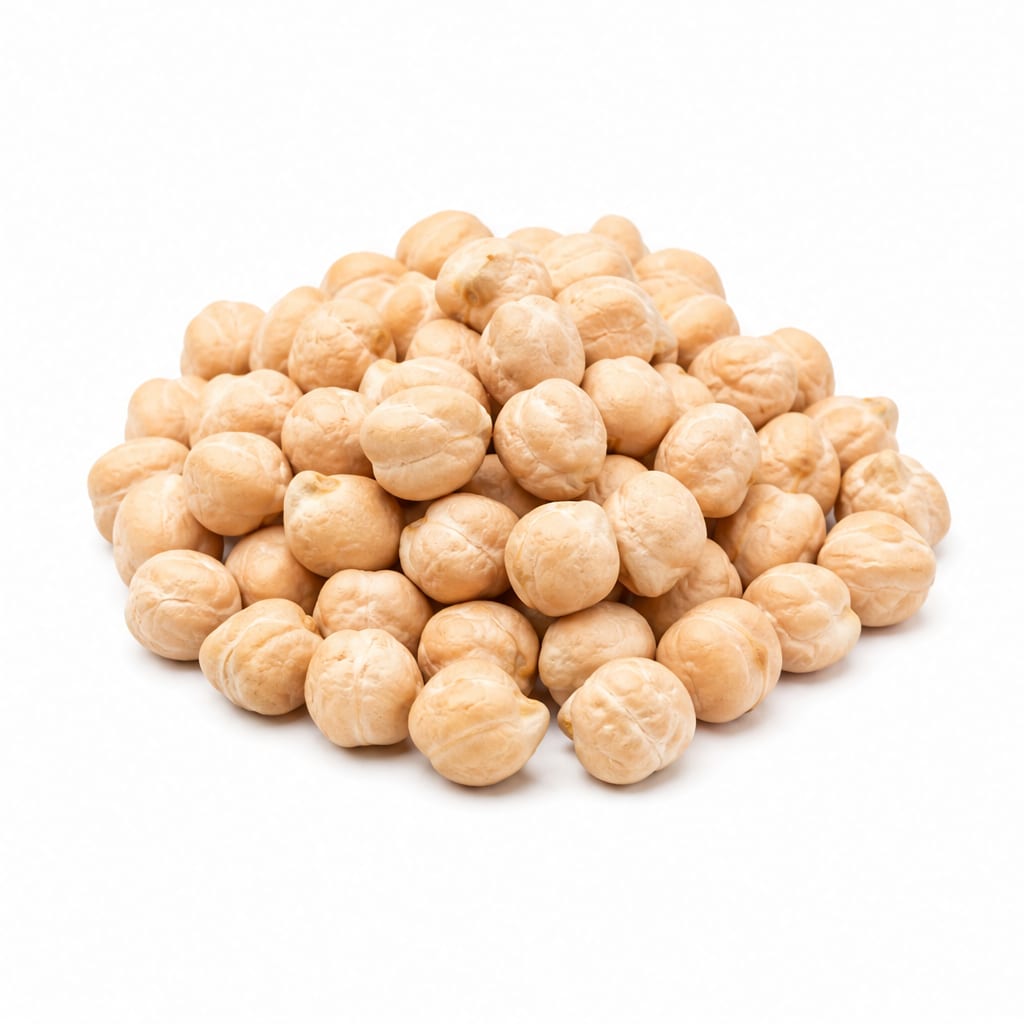
Compare with
Chickpeas
Red lentils cook faster and have a lower glycemic index than chickpeas, making them slightly better for blood sugar control.
Red lentils cook faster and have a lower glycemic index than chickpeas, making them better for quick blood-sugar-friendly meals.
This food
Red Lentil
VS80% alike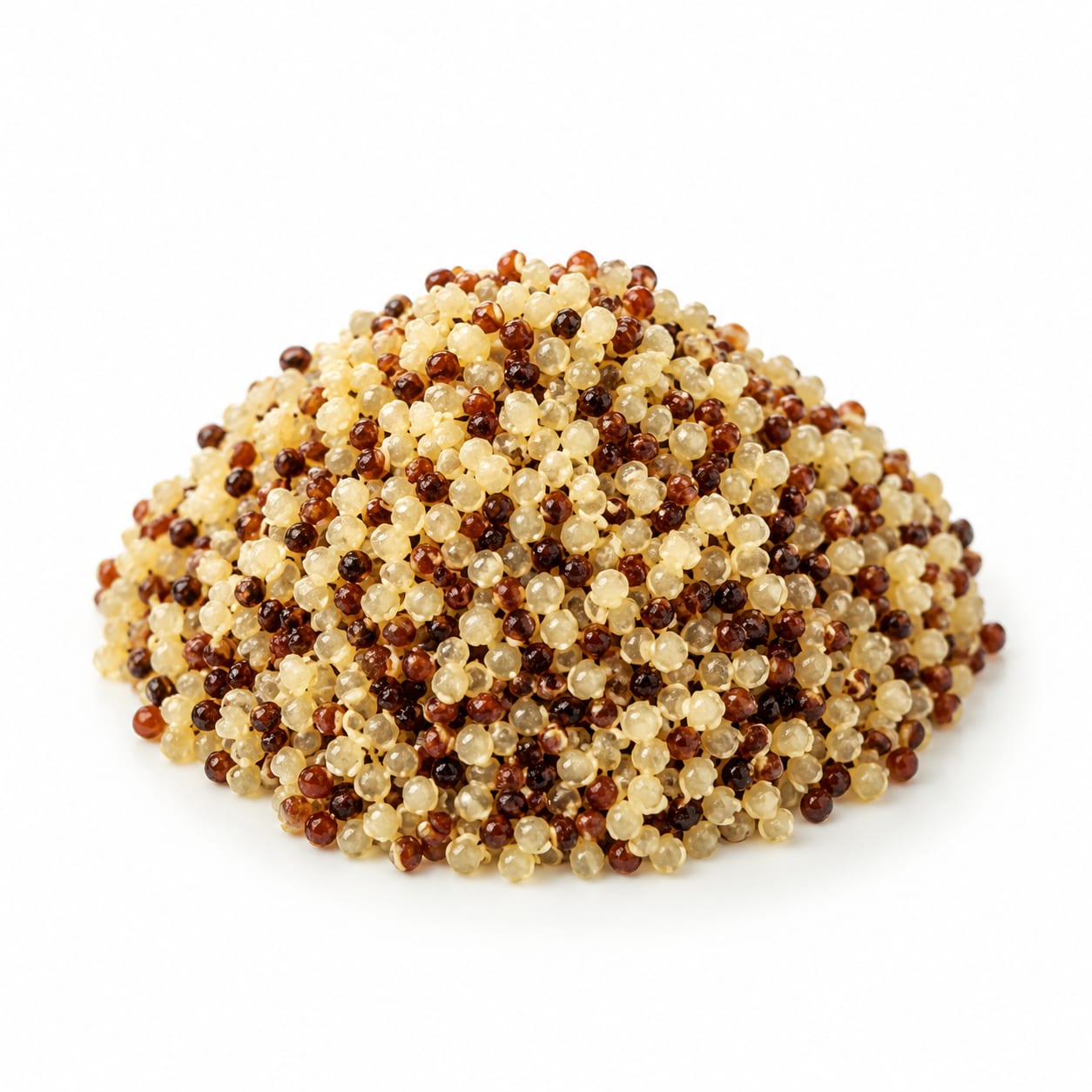
Compare with
Quinoa
Red lentils provide more protein and fiber per calorie than quinoa, offering better satiety and blood sugar control.
Red lentils provide more protein and fiber per calorie than quinoa, offering better satiety for weight loss.
This food
Red Lentil
VS75% alike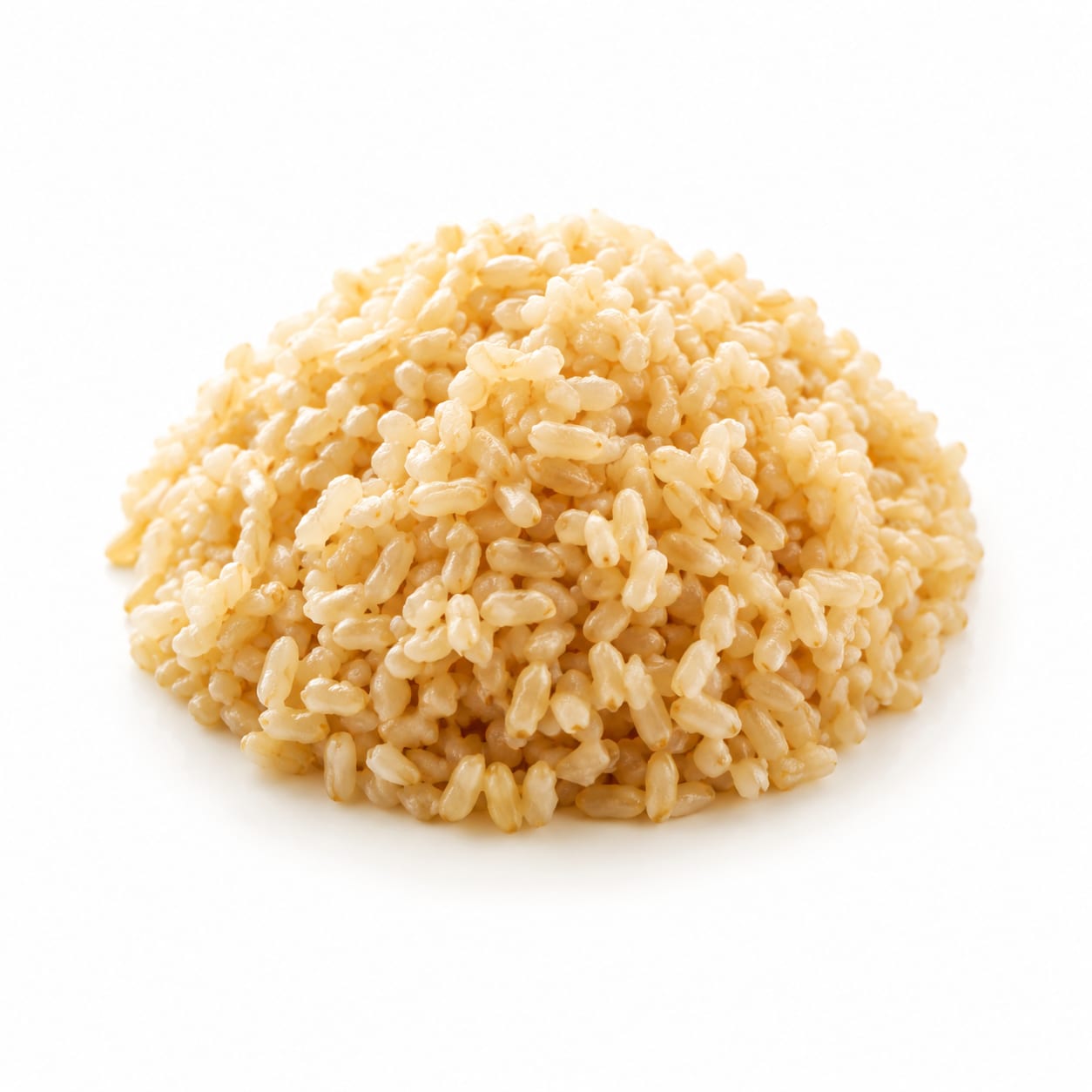
Compare with
Brown Rice
Red lentils vastly outperform brown rice in protein and fiber, making them far superior for satiety and blood sugar management.
Red lentils offer far more protein and fiber than brown rice, making them vastly superior for satiety and blood sugar control.
This food
Red Lentil
VS85% alike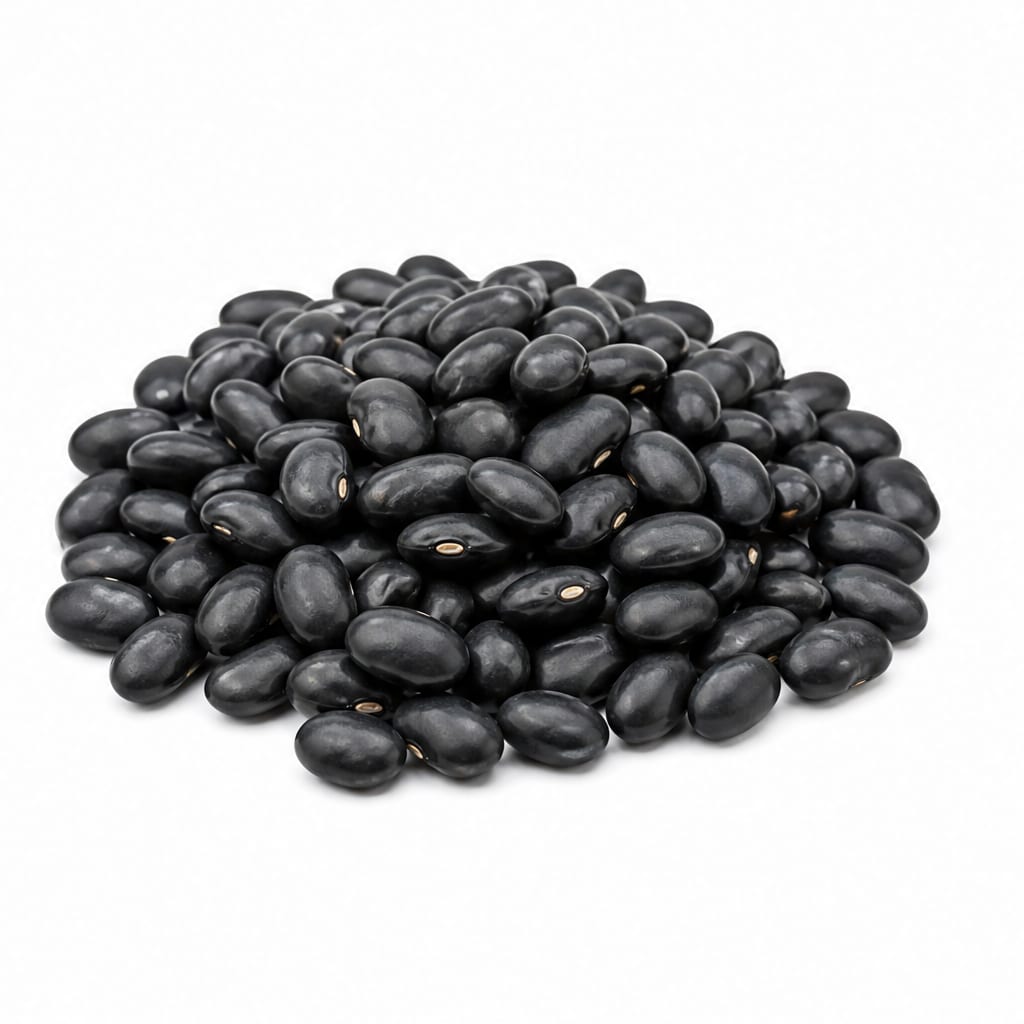
Compare with
Black Beans
Both are excellent high-fiber legumes, but red lentils cook in 15 minutes compared to the hour or more required for black beans.
Red lentils and black beans are both nutritional powerhouses, but red lentils cook in 15 minutes compared to an hour for black beans.
This food
Red Lentil
VS90% alike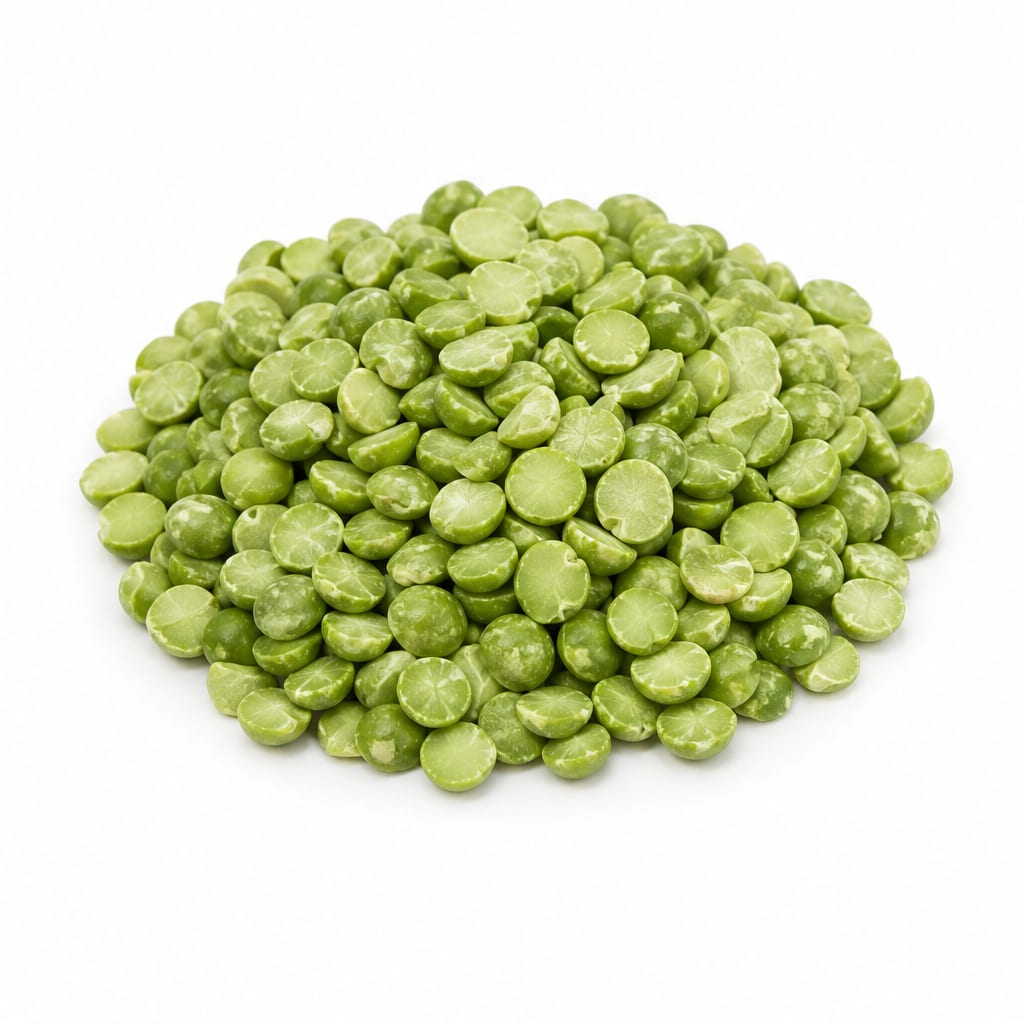
Compare with
Split Peas
Nutritionally nearly identical, split peas have a slightly sweeter flavor and take a bit longer to soften than red lentils.
Red lentils and split peas are nutritionally similar, but red lentils cook faster and have a milder, earthier flavor.
This food
Red Lentil
VS75% alike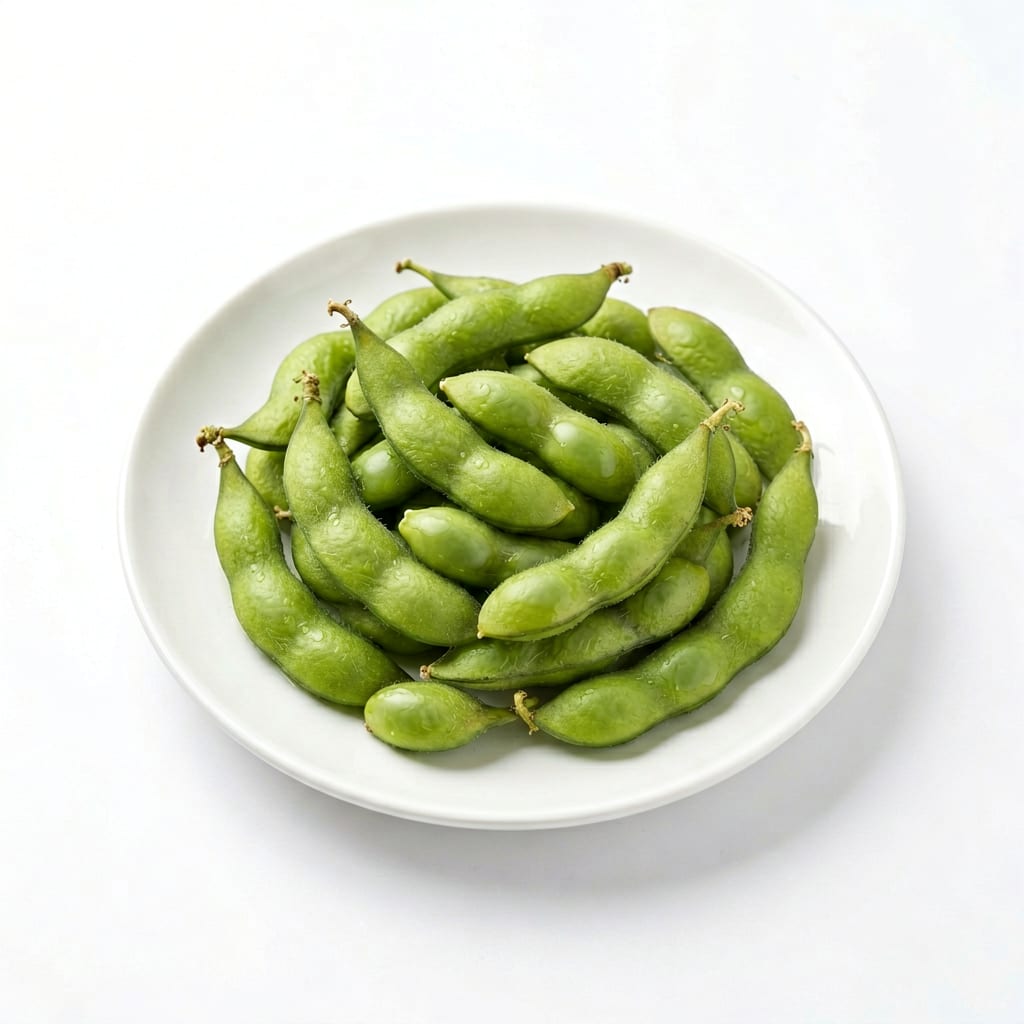
Compare with
Edamame
Edamame is a complete protein with lower carbs, while red lentils offer more fiber and faster cooking for soups.
Edamame is a lower-carb complete protein, while red lentils offer more fiber and are better suited for thick soups.
This food
Red Lentil
VS80% alike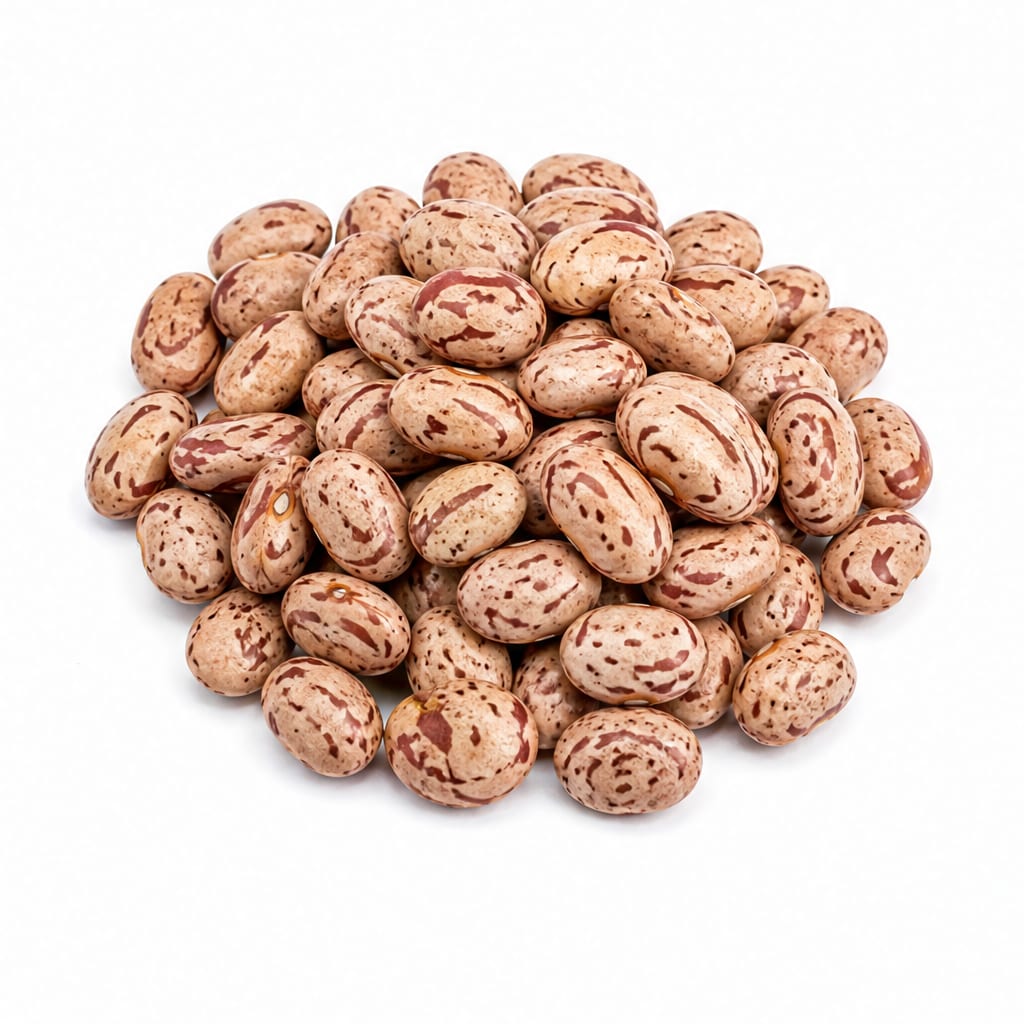
Compare with
Pinto Beans
Red lentils have a lower glycemic index and cook much faster than pinto beans, which require long soaking and boiling.
Red lentils cook much faster and have a lower glycemic index than pinto beans, making them a quicker blood-sugar-friendly option.
This food
Red Lentil
VS60% alike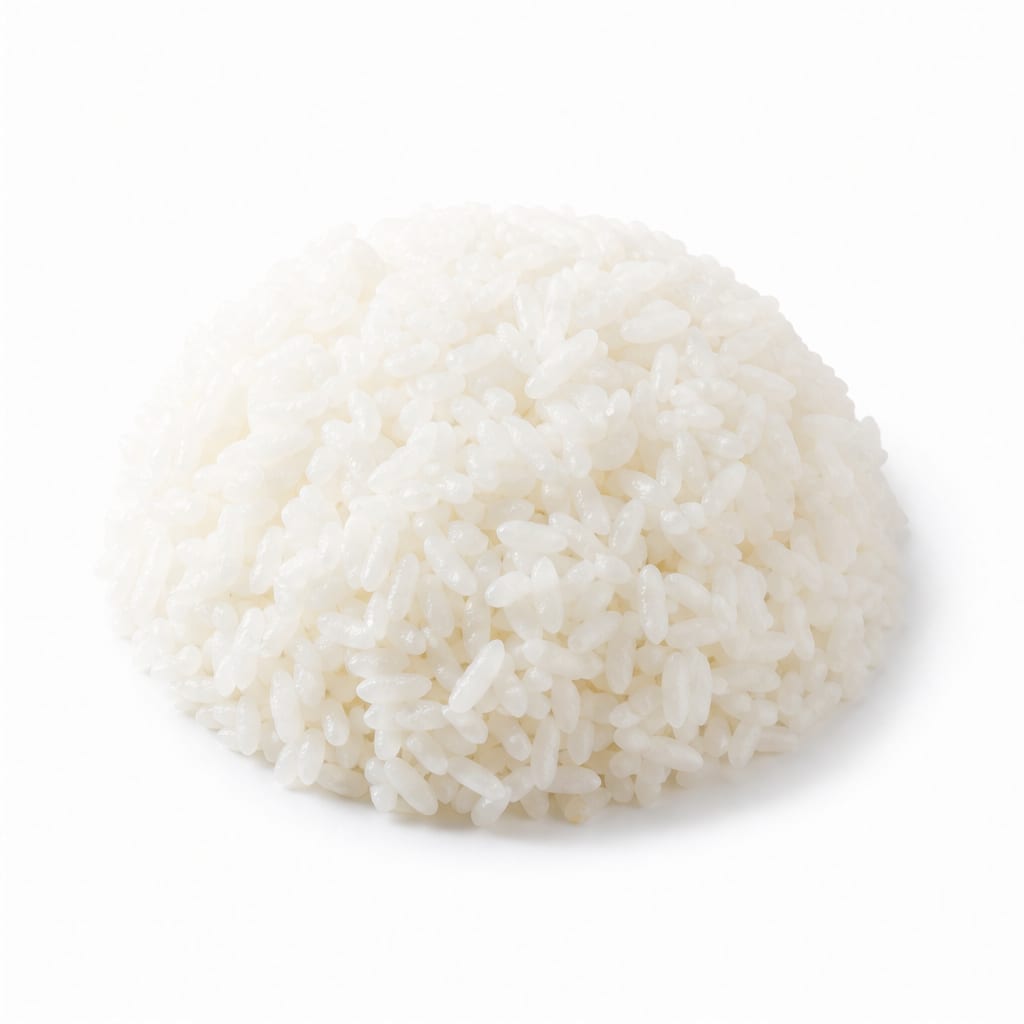
Compare with
White Rice
Red lentils provide dramatically more protein, fiber, and micronutrients than white rice, which causes rapid blood sugar spikes.
Red lentils provide dramatically more protein and fiber than white rice, keeping you full and preventing blood sugar spikes.
This food
Red Lentil
VS70% alike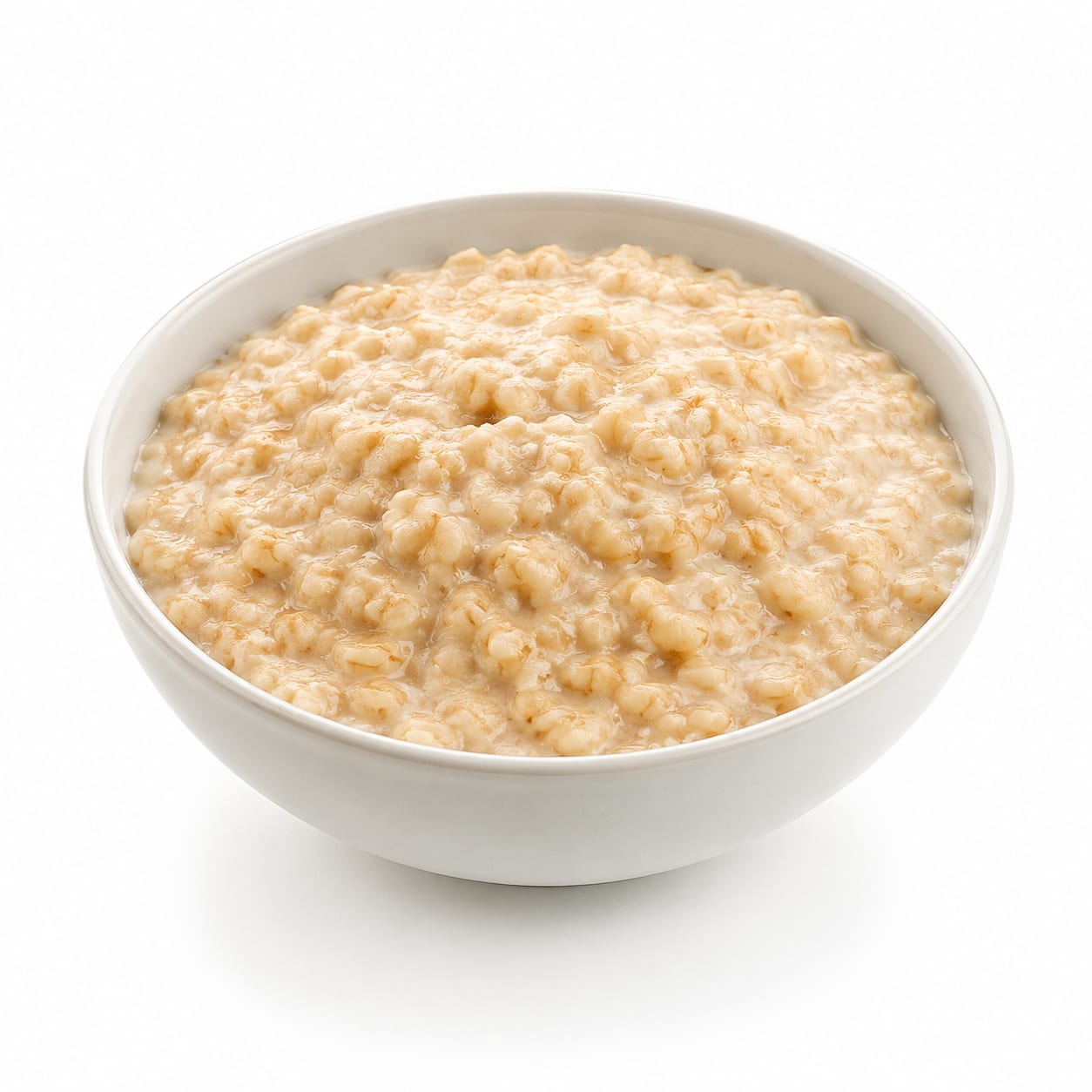
Compare with
Oats
Red lentils provide more protein and less impact on blood sugar than oats, though oats are better suited for sweet breakfast dishes.
Red lentils offer more protein and better blood sugar control than oats, making them a great savory breakfast alternative.
Common questions
FAQ
Answers aligned with how people search for this food.
Are red lentils good for weight loss?
Yes, their high protein and fiber content increases fullness and reduces overall calorie intake, supporting weight loss.
Do red lentils spike blood sugar?
No, they have a low glycemic index and release glucose slowly into the bloodstream, making them safe for diabetics.
How long do red lentils take to cook?
They cook quickly, typically taking only 15 to 20 minutes of boiling without requiring any pre-soaking.
Are red lentils a complete protein?
No, they are low in methionine, but pairing them with rice or grains creates a complete amino acid profile.
What is the difference between red and green lentils?
Red lentils are hulled and split, cooking faster and breaking down into a mush, while green lentils hold their shape and have slightly more fiber.
Do you need to soak red lentils?
No soaking is required, though a quick rinse is recommended to remove dust and debris before cooking.
Are red lentils anti-inflammatory?
Yes, they contain polyphenols and fiber that support reduced inflammation and promote a healthy gut microbiome.
Can you eat red lentils on a low carb diet?
They are relatively high in carbohydrates, making them unsuitable for strict keto but acceptable for moderate low-carb diets.
Transparency
Data confidence
Estimated confidence for nutrition data, interpretation, safety notes, and comparisons.
Nutrition data
Health analysis
Food safety
Comparisons