
Nutrition comparison
Red Lentils vs Chickpeas: Nutrition, Protein, Digestion & Cooking Comparison
Red lentils cook faster and offer more protein per calorie. Chickpeas provide better satiety and versatility. Compare nutrition, digestion, and best uses for each legume.
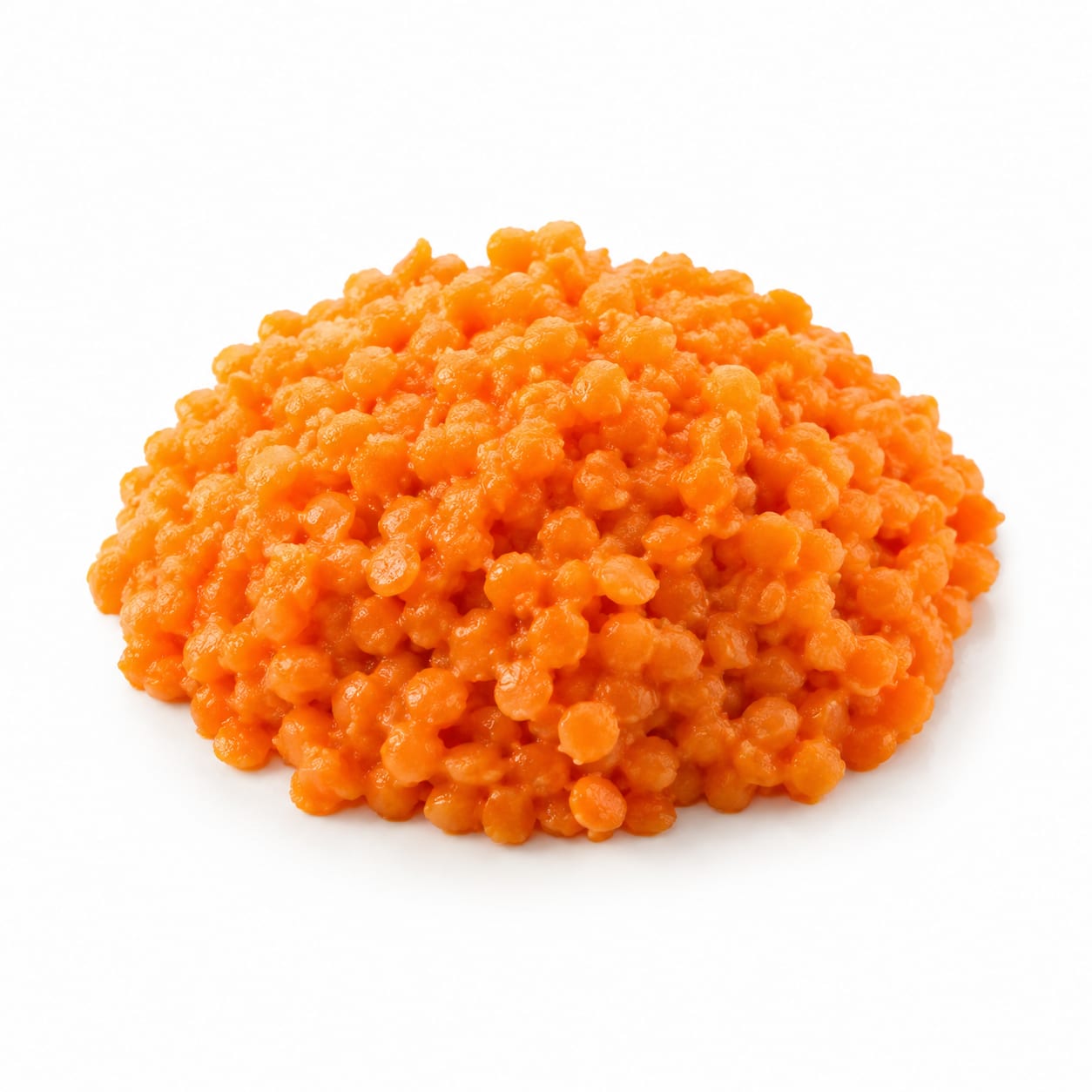
Red Lentil
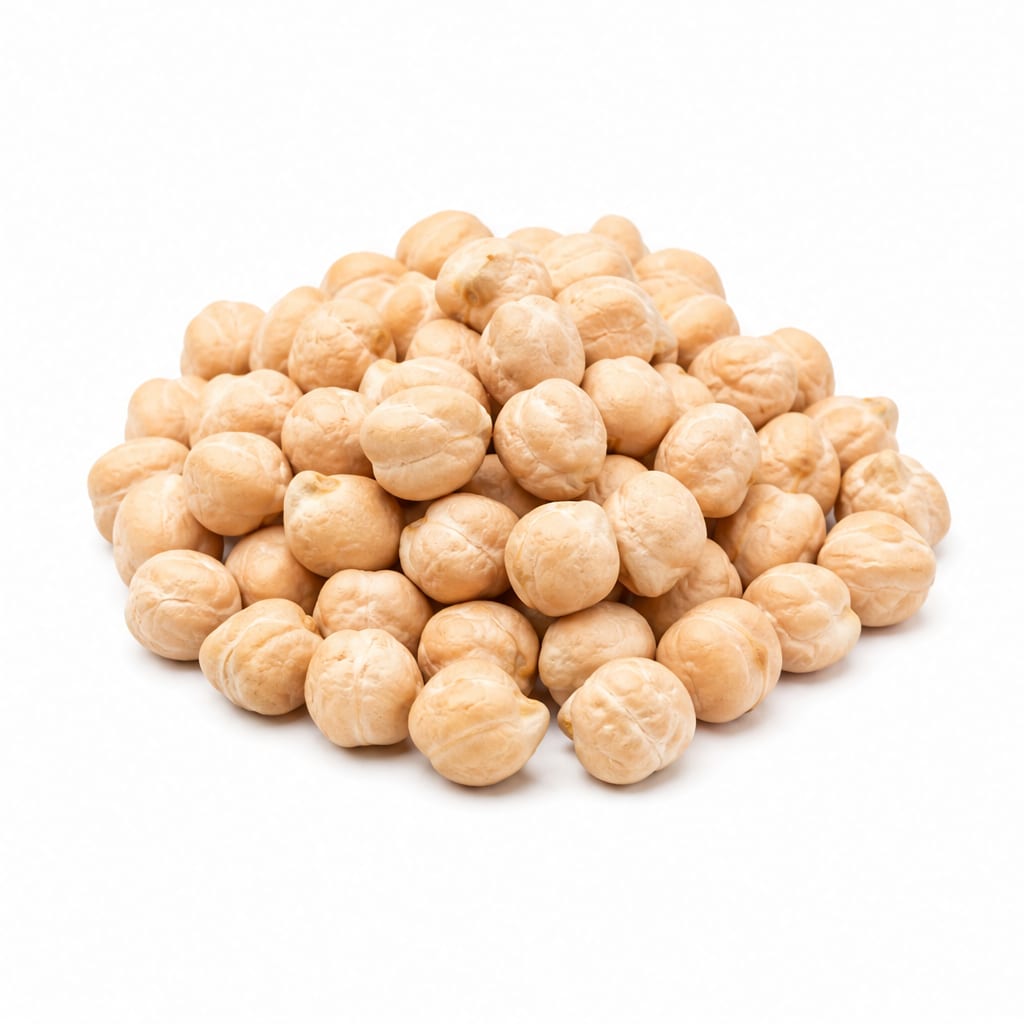
Chickpeas
Red lentils win on protein density, cooking speed, and digestibility. Chickpeas win on versatility, satiety texture, and healthy fat content. Your choice depends on what meal you're making and how much time you have.
Red lentils score slightly higher due to superior protein per calorie, faster cooking, and easier digestion. Chickpeas stay competitive thanks to better satiety texture, healthy fats, and unmatched culinary versatility. The gap is small because both are excellent legume choices.
Speed and protein efficiency versus texture satisfaction and culinary flexibility.
At a glance
Executive summary
Overall
It depends
Healthier
It depends
More practical
Red Lentil
Daily use
Red Lentil
Key comparison lenses
plant protein quality
Both are top plant protein sources; users want to know which delivers better protein per serving and per calorie
cooking convenience
Red lentils cook in 15 minutes while chickpeas need 60-90 minutes unsoaked — a major daily decision factor
digestive tolerance
Legumes are notorious for bloating; users care about which is gentler on the stomach
blood sugar management
Both are low-glycemic but differ in starch composition and fiber type, affecting glucose response
meal versatility
Chickpeas work in salads and roasting; red lentils dissolve into soups and dals — different culinary roles
weight management
Calorie density and satiety profiles differ enough to matter for weight-conscious eaters
Best choice for
Red Lentil
- Quick weeknight dinners
- High-protein low-calorie meals
- People with sensitive digestion
- Blood sugar management
- Soup and stew bases
Chickpeas
- Meal prep and batch cooking
- Satisfying salads and bowls
- Roasted crunchy snacks
- Hummus and dips
- People wanting longer-lasting fullness
Least suitable for
Red Lentil
- Cold salads requiring firm texture
- Roasted snack recipes
- People wanting chewy satisfying bites
Chickpeas
- Last-minute quick meals
- People prone to bloating from legumes
- Low-calorie diet phases
Deep comparison
Dimension by dimension
Each lens scores both foods and breaks down who each option suits.
- Dimension 1 · Priority 95Red Lentil
Protein Density
Red Lentil · 88Chickpeas · 72Red lentils deliver more protein per calorie and per gram, making them more efficient for protein-focused meals.
Tradeoff
Chickpeas provide slightly more protein per cup cooked due to higher calorie density, but red lentils win on protein-to-calorie ratio.
Why it matters
If you're tracking protein without blowing past calorie targets, red lentils get you there faster.
Real-world impact
A bowl of red lentil dal hits your protein target with fewer calories than the same volume of chickpea curry.
Red Lentil
- Lean bulking phases
- High-protein low-calorie diets
- Post-workout recovery meals
Better for
- Meals where you want calorie-dense satisfaction
Worse for
Chickpeas
- People who struggle to eat enough calories
- Endurance athletes needing sustained energy
Better for
- Cutting phases where every calorie counts
Worse for
- Dimension 2 · Priority 90Red Lentil
Cooking Convenience
Red Lentil · 94Chickpeas · 55Red lentils cook in 15-20 minutes with no soaking. Dried chickpeas need overnight soaking plus 60-90 minutes of cooking.
Tradeoff
Canned chickpeas close the convenience gap but add sodium and cost more per serving than dried red lentils.
Why it matters
On a busy Tuesday night, red lentils are a realistic choice from pantry to plate. Dried chickpeas require planning.
Real-world impact
Red lentils turn a 6pm 'what's for dinner' panic into a 6:25pm meal. Chickpeas demand foresight or a can opener.
Red Lentil
- Weeknight cooking
- Spontaneous meals
- People without pressure cookers
Better for
- Recipes requiring firm intact legumes
Worse for
Chickpeas
- Weekend meal prep sessions
- Slow cooker recipes
- Batch cooking for the week
Better for
- Impromptu cooking without canned options
Worse for
- Dimension 3 · Priority 85Red Lentil
Digestive Tolerance
Red Lentil · 82Chickpeas · 65Red lentils are generally easier to digest because they cook down and have lower oligosaccharide content. Chickpeas are more likely to cause bloating and gas.
Tradeoff
Soaking and cooking chickpeas thoroughly reduces gas-causing compounds, but requires extra effort that red lentils don't demand.
Why it matters
If legumes normally make you uncomfortable, red lentils are the safer starting point.
Real-world impact
You're less likely to regret a red lentil lunch before an afternoon meeting than a chickpea-heavy meal.
Red Lentil
- People new to legumes
- Those with sensitive digestion
- IBS-prone individuals (with caution)
Better for
- Rare individuals sensitive to all legumes
Worse for
Chickpeas
- People with well-adapted gut microbiomes
- Those who soak and sprout consistently
Better for
- Date nights and social events where bloating matters
- People transitioning from low-fiber diets
Worse for
- Dimension 4 · Priority 80Chickpeas
Satiety and Fullness
Red Lentil · 72Chickpeas · 86Chickpeas keep you fuller for longer thanks to their firm texture, higher fat content, and denser calorie profile.
Tradeoff
Red lentils fill you up quickly due to volume but the soft texture may leave you hungry again sooner.
Why it matters
If you're trying to avoid snacking between meals, chickpeas are the better anchor food.
Real-world impact
A chickpea salad bowl at noon often prevents the 3pm vending machine visit better than a lentil soup.
Red Lentil
- People who prefer eating larger volumes
- Those wanting lighter meals in hot weather
Better for
- Heavy training days requiring sustained energy
Worse for
Chickpeas
- Long gaps between meals
- Physically active jobs
- People prone to afternoon energy crashes
Better for
- People who feel sluggish after heavy meals
Worse for
- Dimension 5 · Priority 80Red Lentil
Blood Sugar Stability
Red Lentil · 85Chickpeas · 78Both are low-glycemic, but red lentils have a slightly lower glycemic index and higher protein-to-carb ratio, leading to steadier glucose response.
Tradeoff
Chickpeas' higher fat content also slows glucose absorption, partially closing the gap.
Why it matters
For diabetes management or avoiding energy crashes, red lentils offer a marginal but real advantage.
Real-world impact
Red lentil meals are less likely to cause that subtle energy dip 90 minutes after eating.
Red Lentil
- Type 2 diabetes management
- Insulin resistance
- Steady energy throughout the day
Better for
- Post-workout when faster carb absorption is actually desired
Worse for
Chickpeas
- Active individuals needing moderate glycogen replenishment
Better for
- Strict glycemic control diets
Worse for
- Dimension 6 · Priority 75Chickpeas
Culinary Versatility
Red Lentil · 65Chickpeas · 90Chickpeas work in salads, roasts, stews, curries, hummus, and falafel. Red lentils excel in soups, dals, and purees but dissolve when you need structure.
Tradeoff
Red lentils' tendency to break down is a feature in some dishes and a limitation in others.
Why it matters
If you want one legume that does everything, chickpeas are more versatile. Red lentils are specialists.
Real-world impact
Chickpeas can be your salad topper, your roasted snack, and your soup protein. Red lentils mostly live in the soup pot.
Red Lentil
- Comforting soups and stews
- Thickening agent for curries
- Baby food and soft diets
Better for
- Any dish requiring firm texture
- Fried or roasted applications
Worse for
Chickpeas
- Grain bowl toppings
- Roasted crunchy snacks
- Dips and spreads
- Cold salads
Better for
- Quick-cooking applications
- Smooth pureed textures
Worse for
- Dimension 7 · Priority 70It depends
Micronutrient Profile
Red Lentil · 80Chickpeas · 80Red lentils dominate in folate and iron. Chickpeas win on manganese, copper, and healthy fats. It's a tie with different strengths.
Tradeoff
Red lentils are better for iron needs and pregnancy folate. Chickpeas support bone health and antioxidant enzymes better.
Why it matters
Your specific nutrient gaps should drive this choice rather than a blanket 'more nutritious' label.
Real-world impact
Pregnant women benefit more from red lentils' folate. Joint and bone concerns favor chickpeas' manganese.
Red Lentil
- Iron deficiency concerns
- Pregnancy and folate needs
- Women of reproductive age
Better for
- Diets already high in folate from other sources
Worse for
Chickpeas
- Bone health support
- Antioxidant enzyme cofactors
- Healthy fat intake
Better for
- Iron-deficient individuals
Worse for
Timeline
Health impact over time
Short-term
Hours to days
Red Lentil
- Quick satiety from high protein and volume
- Lower bloating risk compared to other legumes
- Steady energy without sugar spikes
- Warming comfort food feeling from soft texture
Chickpeas
- Longer-lasting fullness from fat and fiber
- Possible gas and bloating if not well-cooked
- Satisfying chewy texture reduces cravings for snacks
- More calorically dense — can feel heavy in large portions
Long-term
Months to years
Red Lentil
- Consistent intake supports heart health through fiber and folate
- Iron absorption improves when paired with vitamin C foods
- Easier daily consumption habit due to quick cooking
- Gut microbiome benefits from regular prebiotic fiber
Chickpeas
- Healthy fats support hormone production long-term
- Manganese and copper support joint and bone aging
- High satiety helps maintain healthy weight long-term
- Fiber diversity from different soluble fiber types supports gut health
Risk profile
Safety & processing
Both are whole foods in their dried form. Canned chickpeas may contain added salt and trace BPA from can linings, while dried red lentils are essentially untouched from harvest to bag.
Red Lentil
Lectin content
lowRed lentils contain lectins that are neutralized by cooking. Their short cook time makes undercooking less likely than with chickpeas.
Pesticide residue
lowLentils generally have low pesticide residues. Organic options are affordable if concerned.
Chickpeas
Lectin content
mediumUndercooked chickpeas retain more lectins due to their longer required cooking time. Soaking and thorough cooking eliminates this risk.
Canned chickpea BPA exposure
mediumMost canned chickpeas are in BPA-lined cans. Choosing dried or BPA-free cans avoids this concern.
Sodium in canned varieties
mediumCanned chickpeas often contain 300-400mg sodium per serving. Rinsing removes some but not all.
Who wins for whom
Audience fit
Same foods, different winners depending on your goal.
children
ChickpeasChickpeas' fun texture in hummus and roasted snacks appeals more to kids. Red lentils' mushy texture can be a hard sell.
daily consumption
Red LentilQuick cooking and easier digestion make red lentils more realistic as a daily staple without fatigue or discomfort.
diabetes
Red LentilLower glycemic index and higher protein-to-carb ratio provide steadier blood sugar response.
elderly
Red LentilSoft texture is easier to chew and digest. Higher folate supports cardiovascular health in aging populations.
muscle gain
Red LentilMore protein per calorie supports muscle building without excess caloric surplus. Pair with rice for complete amino acids.
weight loss
Red LentilLower calorie density and higher protein per calorie make red lentils more efficient for calorie-controlled diets.
Your move
Decision guide
Choose Red Lentil
- You want dinner on the table in 20 minutes
- You're tracking calories but need protein
- Legumes normally make you bloated
- You eat a lot of soups, stews, and curries
- You're managing blood sugar closely
- You want a daily legume habit that's easy to maintain
Choose Chickpeas
- You meal prep on weekends for the week ahead
- You love crunchy roasted snacks
- You make hummus, falafel, or grain bowls regularly
- You need meals that keep you full for 5+ hours
- You want one versatile legume for everything
- You're cooking for kids who enjoy finger foods
Either works if
- You just want a healthy plant protein source
- You're building a legume rotation for gut diversity
- You're not in a rush and have both in the pantry
- You're making a curry that works with any legume
Avoid both if
- You have a diagnosed legume allergy
- You're in a strict elimination phase for FODMAP sensitivity
- You can't tolerate any fiber increase without medical guidance
Final recommendation
Keep both in your pantry. Use red lentils for quick weeknight meals and chickpeas for meal prep and versatile recipes. If you must choose one, red lentils edge ahead for daily practicality — but you'd be missing out on chickpeas' unmatched texture and satiety. The real win is rotating between them for nutrient diversity and to keep meals interesting.
Practical
Consumer tips
- 1
Sort and rinse dried red lentils quickly — they don't need soaking, but a quick rinse removes dust
- 2
Soak chickpeas overnight with a pinch of baking soda to reduce cooking time and gas-causing compounds
- 3
Pair red lentils with lemon juice or tomatoes — vitamin C dramatically boosts iron absorption
- 4
Rinse canned chickpeas thoroughly to remove about 40% of the added sodium
- 5
Red lentils break down naturally — no need for a blender when making dal
- 6
Roast chickpeas at 400°F for 25 minutes with spices for a crunchy snack that beats chips
- 7
Freeze cooked chickpeas in portions — they thaw perfectly for quick meals
- 8
Red lentil flour makes excellent high-protein pancakes and flatbreads
- 9
If chickpeas cause bloating, start with small portions and increase gradually over two weeks
- 10
Both freeze well after cooking — make large batches and portion for convenience