
Nutrition comparison
Red Lentils vs Green Lentils: Nutrition, Cooking Time, and Health Comparison
Complete comparison of red lentils vs green lentils covering cook time, fiber, blood sugar impact, protein, and which is better for weight loss, diabetes, and daily meals.
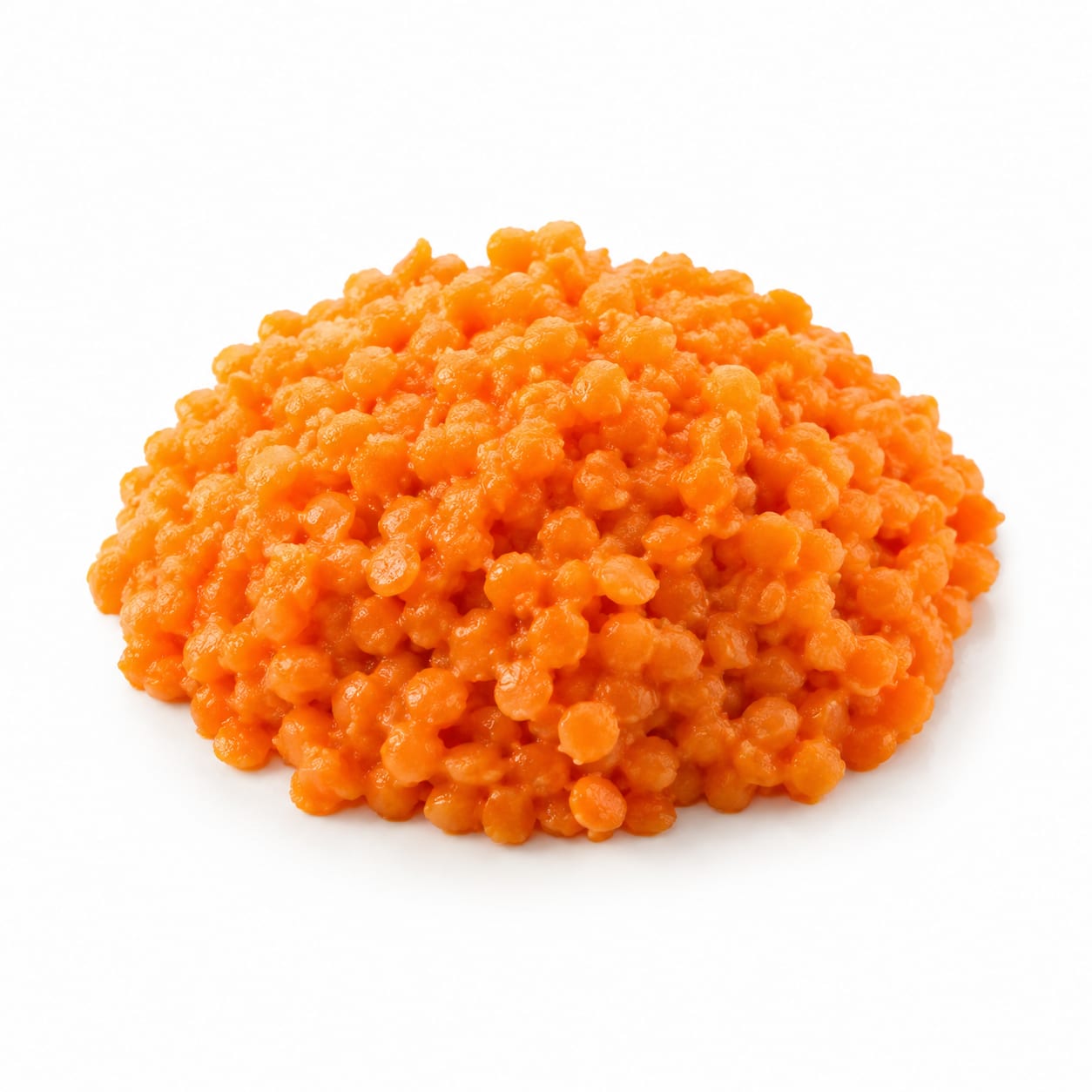
Red Lentil
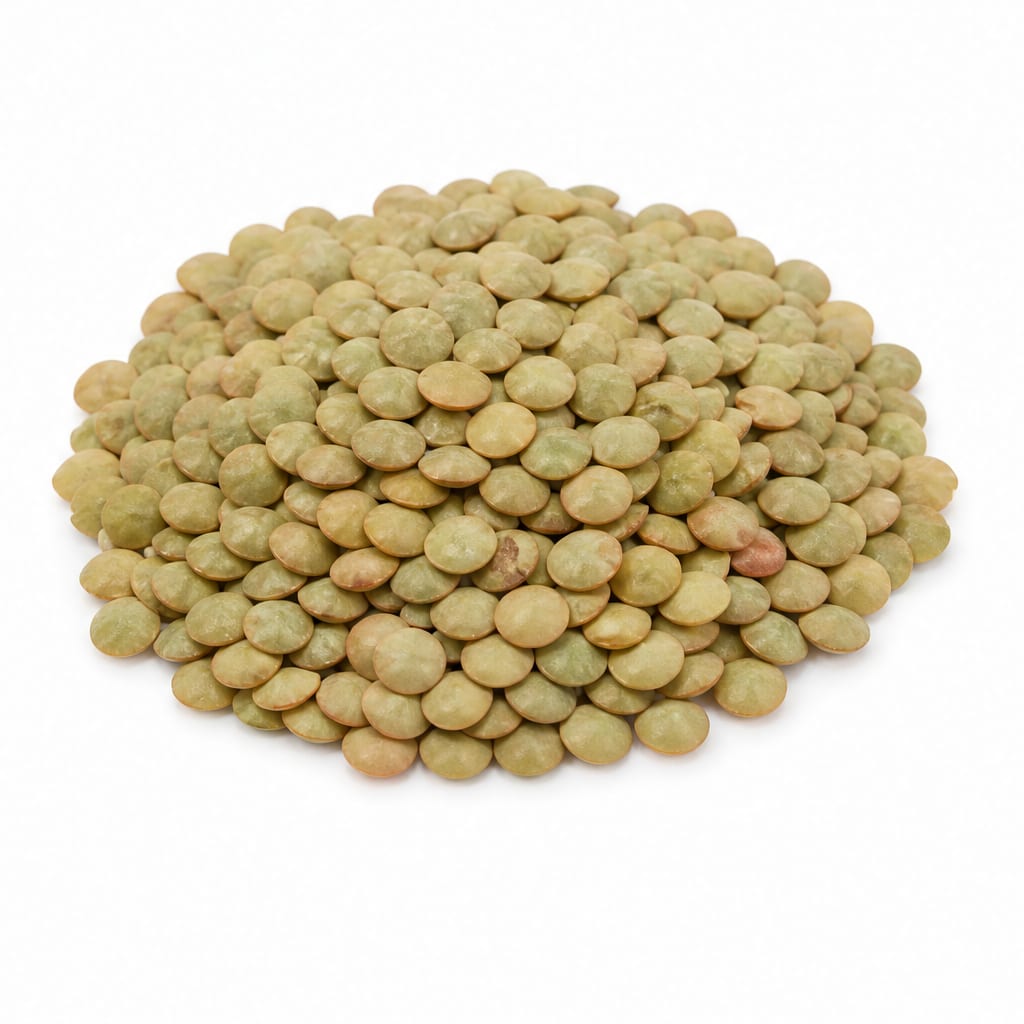
Green Lentils
Green lentils win on nutrition and sustained energy, but red lentils win on speed and comfort — your choice depends on what your day demands.
Green lentils score higher due to superior fiber, slower digestion, and better blood sugar control. Red lentils remain valuable for convenience and digestibility but sacrifice some nutritional depth for speed.
Green lentils give you more fiber, steadier blood sugar, and longer-lasting fullness, but red lentils save you 25+ minutes and create soothing, easy-to-eat meals.
At a glance
Executive summary
Overall
It depends
Healthier
Green Lentils
More practical
Red Lentil
Daily use
It depends
Key comparison lenses
cooking convenience and time
The most dramatic difference between these two is cook time — red lentils dissolve in 15 minutes while green lentils need 40+ minutes, which heavily influences daily meal decisions
blood sugar and glycemic impact
Red lentils are hulled and split, breaking down faster and raising blood sugar more quickly than intact green lentils
fiber and digestive health
Green lentils retain their seed coat, delivering significantly more fiber and resistant starch for gut health
texture and culinary versatility
Red lentils become creamy and mushy while green lentils hold their shape, making them suited for entirely different dishes
satiety and fullness duration
Intact green lentils digest more slowly, keeping you fuller for longer compared to the quicker-digesting red variety
Best choice for
Red Lentil
- Quick weeknight dinners when you're short on time
- Soothing soups and dals for upset stomachs or cold days
- Baby food or soft diets requiring smooth textures
- Meal preppers who want lentils ready in under 20 minutes
Green Lentils
- Blood sugar management and diabetes-friendly meals
- Salads and grain bowls where you want distinct texture
- Weight loss diets needing maximum satiety per calorie
- Gut health optimization through higher fiber intake
Least suitable for
Red Lentil
- Low-glycemic diets requiring slow carbohydrate release
- Dishes where you want lentils to hold their shape
- Maximizing fiber intake for gut health
Green Lentils
- Last-minute meals when you need food fast
- People with sensitive digestion who struggle with higher fiber
- Creamy, comforting dishes like traditional dal
Deep comparison
Dimension by dimension
Each lens scores both foods and breaks down who each option suits.
- Dimension 1 · Priority 92Red Lentil
Cooking Speed & Convenience
Red Lentil · 95Green Lentils · 45Red lentils cook in 15-20 minutes and practically dissolve on their own. Green lentils need 35-45 minutes and hold firm.
Tradeoff
You trade nutritional completeness for a meal that's ready in half the time.
Why it matters
On a busy Tuesday night, 25 extra minutes of cooking can be the difference between cooking and ordering takeout.
Real-world impact
Red lentils make home-cooked lentil meals realistic any night of the week. Green lentils require planning or a pressure cooker.
Red Lentil
- Weeknight cooking under time pressure
- Beginners intimidated by long cook times
- Impromptu meals without soaking or planning
Better for
- Recipes requiring defined lentil shape
Worse for
Green Lentils
- Weekend meal prep sessions
- Slow cooker or pressure cooker recipes
- Dishes where texture matters more than speed
Better for
- Spontaneous quick meals
Worse for
- Dimension 2 · Priority 88Green Lentils
Fiber & Gut Health
Red Lentil · 60Green Lentils · 92Green lentils retain their seed coat, delivering roughly 30-40% more fiber per serving than hulled red lentils.
Tradeoff
Red lentils are gentler on sensitive stomachs but provide less fuel for beneficial gut bacteria.
Why it matters
Fiber isn't just about regularity — it feeds your microbiome, reduces inflammation, and helps regulate appetite hormones.
Real-world impact
A bowl of green lentils keeps your gut happier long-term and delays hunger by 1-2 hours compared to red lentils.
Red Lentil
- People with IBS or fiber sensitivity who need gentler options
- Recovery meals after digestive illness
Better for
- Maximizing microbiome diversity
Worse for
Green Lentils
- Daily gut health maintenance
- Feeding beneficial gut bacteria
- Preventing constipation naturally
Better for
- Sudden fiber increases for unaccustomed digestive systems
Worse for
- Dimension 3 · Priority 86Green Lentils
Blood Sugar Stability
Red Lentil · 62Green Lentils · 88Green lentils digest slowly due to intact fiber and resistant starch. Red lentils break down faster, causing a quicker glucose rise.
Tradeoff
Red lentils still beat most refined carbs, but they won't match the blood sugar steadiness of green lentils.
Why it matters
Steadier blood sugar means fewer energy crashes, less cravings, and better metabolic health over years.
Real-world impact
After green lentils, you feel evenly energized for hours. After red lentils, you might notice a subtle energy dip sooner.
Red Lentil
- Post-workout meals when faster carb availability helps recovery
Better for
- Sustained energy without snacking
Worse for
Green Lentils
- Diabetes or prediabetes management
- Avoiding afternoon energy crashes
- Reducing sugar cravings between meals
Better for
- Quick glycogen replenishment after intense exercise
Worse for
- Dimension 4 · Priority 82Green Lentils
Satiety & Fullness
Red Lentil · 65Green Lentils · 88Green lentils keep you fuller longer because their intact structure slows gastric emptying and digestion.
Tradeoff
Red lentils feel more immediately comforting and filling in the moment, but hunger returns sooner.
Why it matters
The difference between staying full until dinner vs. snacking at 3pm can determine your daily calorie intake.
Real-world impact
A green lentil lunch typically buys you 4-5 hours of comfortable fullness. Red lentil dal might have you hunting for a snack by hour 3.
Red Lentil
- Comfort eating where emotional satisfaction matters
- Lighter meals before physical activity
Better for
- Avoiding between-meal snacking
Worse for
Green Lentils
- Weight management through natural appetite control
- One-pot meals meant to carry you all afternoon
Better for
- Eating before intense exercise when you want lighter digestion
Worse for
- Dimension 5 · Priority 75Green Lentils
Protein Quality & Content
Red Lentil · 70Green Lentils · 78Green lentils edge ahead with slightly more protein per serving, though both are solid plant-based protein sources.
Tradeoff
The protein difference is modest — roughly 1-2 grams per cooked cup. Not a game-changer, but meaningful over time.
Why it matters
For plant-based eaters, every gram of protein counts toward meeting daily needs without relying on supplements.
Real-world impact
Over a week of daily lentil meals, green lentils provide the equivalent of one extra protein serving compared to red.
Red Lentil
- Easier protein digestion for sensitive stomachs
Better for
- Hitting higher protein targets from plant sources alone
Worse for
Green Lentils
- Plant-based athletes needing maximum protein per meal
- Building meals around protein as the centerpiece
Better for
- Quick post-workout protein when digestion speed matters
Worse for
- Dimension 6 · Priority 78It depends
Culinary Versatility
Red Lentil · 75Green Lentils · 78They excel in completely different dishes — red lentils shine in creamy soups and dals, green lentils in salads and hearty bowls.
Tradeoff
Neither substitutes well for the other. Each opens distinct recipe categories rather than competing in the same one.
Why it matters
Having both in your pantry covers far more meal possibilities than doubling down on one.
Real-world impact
Red lentils make Indian dal, creamy soups, and thick stews. Green lentils make French lentil salads, grain bowls, and pilafs.
Red Lentil
- Comforting one-pot soups and stews
- Traditional Indian and Middle Eastern dishes
- Thickening agent for curries
Better for
- Any dish where lentils must keep their shape
Worse for
Green Lentils
- Cold salads and room-temperature dishes
- Meal prep bowls with distinct textures
- Hearty side dishes replacing rice or potatoes
Better for
- Smooth, creamy, or porridge-like recipes
Worse for
- Dimension 7 · Priority 70Red Lentil
Mineral Absorption
Red Lentil · 78Green Lentils · 68Red lentils have lower phytic acid due to hull removal, making iron and zinc somewhat more absorbable.
Tradeoff
You lose the fiber-rich hull but gain easier mineral uptake — a meaningful tradeoff for people with deficiency concerns.
Why it matters
Even if green lentils contain slightly more iron, your body may absorb a higher percentage from red lentils.
Real-world impact
Vegetarians struggling with iron absorption may actually get more usable iron from red lentils despite the lower total content.
Red Lentil
- Vegetarians and vegans concerned about iron absorption
- People with zinc deficiency
Better for
- Maximizing total mineral content per serving
Worse for
Green Lentils
- Those who pair lentils with vitamin C sources, negating the absorption gap
Better for
- Mineral absorption without preparation strategies like soaking
Worse for
Timeline
Health impact over time
Short-term
Hours to days
Red Lentil
- Faster digestion provides quicker energy availability
- Less bloating than green lentils for fiber-sensitive individuals
- Warm, comforting texture promotes satiety through psychological satisfaction
- Slightly faster blood sugar rise compared to intact lentils
Green Lentils
- Sustained energy release prevents post-meal crashes
- Higher fiber may cause temporary bloating if you're not used to it
- Longer-lasting fullness reduces between-meal snacking urges
- Slower digestion supports stable mood and focus
Long-term
Months to years
Red Lentil
- Adequate but not optimal fiber intake for gut health
- Consistent convenient meals support sustainable home cooking habits
- Easier digestion encourages regular lentil consumption
- Slightly higher glycemic load may compound over years of daily use
Green Lentils
- Superior long-term gut microbiome support from higher fiber and resistant starch
- Better blood sugar regulation reduces metabolic disease risk over decades
- Higher satiety supports healthier body weight maintenance
- Greater fiber intake correlates with lower colorectal cancer risk
Risk profile
Safety & processing
Both are whole-food staples with minimal processing. Red lentils are hulled and split — a traditional mechanical process, not an industrial one. Green lentils are sold whole with their seed coat intact. Neither contains additives, preservatives, or artificial ingredients.
Red Lentil
Lectin content
lowRed lentils contain lectins that are neutralized by cooking. Their faster cook time still reaches sufficient temperatures to destroy them completely.
Contamination in bulk bins
lowLike all dried legumes, bulk-bin red lentils can pick up dust or debris. Rinsing before cooking eliminates this concern.
Green Lentils
Lectin content
lowGreen lentils require longer cooking to fully neutralize lectins. Undercooked green lentils can cause more digestive upset than undercooked red lentils.
Hard-to-cook defect
mediumOlder green lentils or those stored in hot, humid conditions may never fully soften, remaining chalky and less digestible even after extended cooking.
Who wins for whom
Audience fit
Same foods, different winners depending on your goal.
children
Red LentilSofter texture and milder flavor make red lentils more appealing and easier for kids to eat. They're also less likely to cause digestive discomfort.
daily consumption
It dependsRed lentils make daily use realistic through convenience, but green lentils deliver more health benefits per serving. Rotating both is ideal.
diabetes
Green LentilsSignificantly lower glycemic impact due to intact fiber and resistant starch makes green lentils the safer choice for blood sugar management.
elderly
Red LentilEasier to chew, gentler on digestion, and faster to prepare — all important factors for older adults with diminished appetite or dental concerns.
muscle gain
Green LentilsSlightly more protein per serving and better amino acid retention through the intact seed coat give green lentils a modest edge.
weight loss
Green LentilsHigher fiber and slower digestion keep hunger at bay longer, making it easier to eat less overall without feeling deprived.
Your move
Decision guide
Choose Red Lentil
- You need dinner on the table in under 25 minutes
- You want a comforting, creamy soup or traditional dal
- You have a sensitive stomach or are recovering from illness
- You're cooking for children or elderly family members
- You're new to cooking lentils and want an forgiving starting point
Choose Green Lentils
- Blood sugar control is a health priority for you
- You want maximum fullness from your meals
- You're meal prepping on weekends for the week ahead
- You're making salads, bowls, or side dishes where texture matters
- You want to optimize gut health through higher fiber intake
Either works if
- You're simply trying to eat more legumes overall — both are excellent choices
- You're rotating protein sources throughout the week
- You pair lentils with vegetables and healthy fats for balanced meals
Avoid both if
- You have a diagnosed legume allergy
- You're in an acute flare of severe IBS and need a low-fiber temporary diet
- You're on a very low-carb or ketogenic diet
Final recommendation
Keep both in your pantry. Use red lentils for quick, comforting weeknight meals and green lentils for planned meals where nutrition and texture matter most. If you must choose one, green lentils give you more health upside — but only if you'll actually cook them. The best lentil is the one you'll eat regularly.
Practical
Consumer tips
- 1
Rinse both varieties before cooking to remove dust and reduce gas-causing compounds
- 2
Soak green lentils for 1-2 hours to cut cook time by 15 minutes and improve digestibility
- 3
Add a pinch of asafoetida or ginger to red lentil dal to further reduce gas production
- 4
Buy green lentils from stores with high turnover to avoid the hard-to-cook defect from old stock
- 5
Pressure cook green lentils in 10 minutes to match red lentil convenience without sacrificing nutrition
- 6
Pair either lentil with vitamin C sources like lemon juice or tomatoes to boost iron absorption significantly
- 7
Freeze cooked lentils in portioned bags — both varieties reheat well and this eliminates the cook time difference
- 8
Store dried lentils in airtight containers away from heat and light — they last over a year but quality degrades in humidity