
Nutrition comparison
Red Lentils vs Oats: Nutrition, Protein & Health Comparison
Comparing Red Lentils vs Oats? Discover which is better for protein, fiber, weight loss, and daily energy. Full nutritional tradeoff analysis.
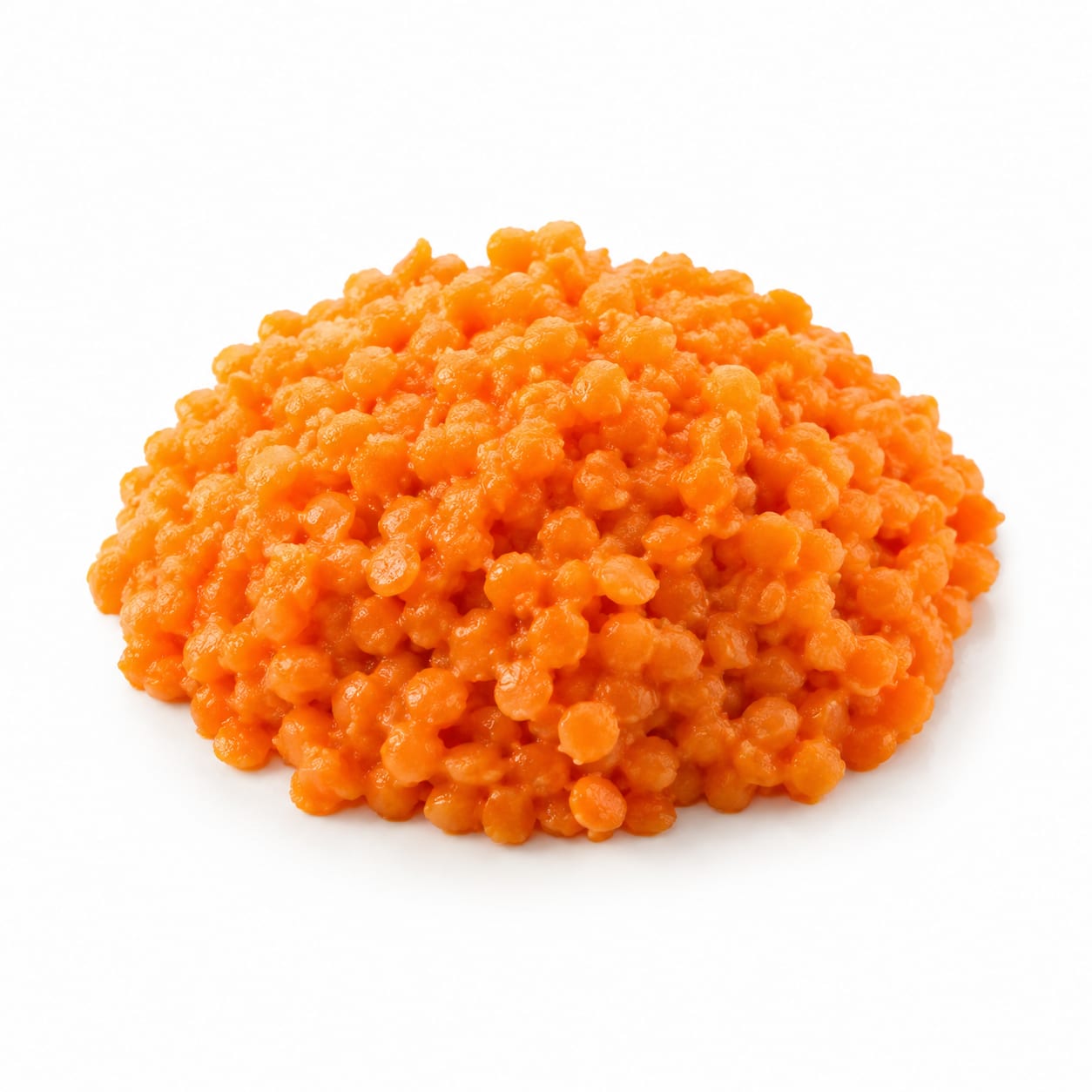
Red Lentil
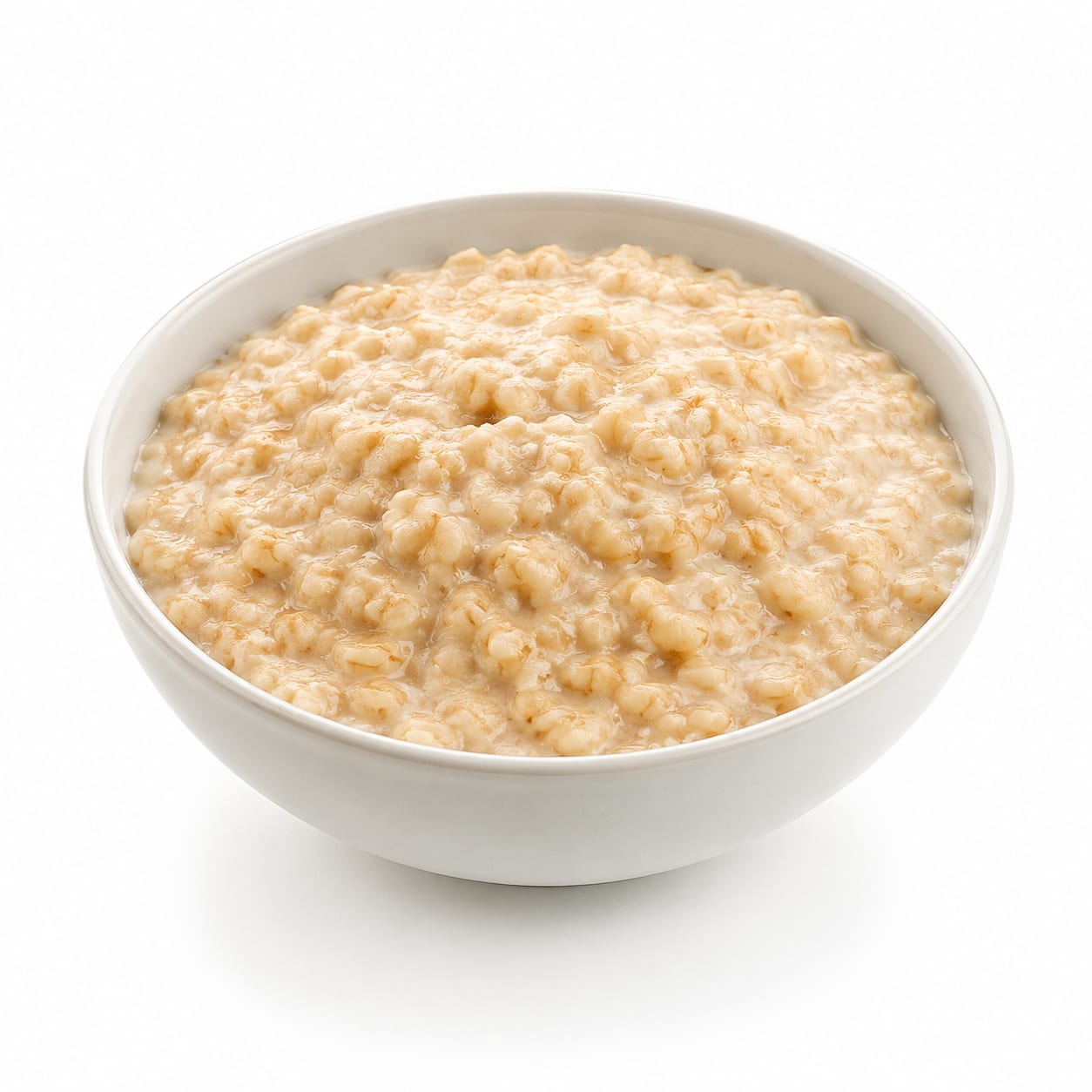
Oats
Red Lentils dominate in protein and iron, while Oats win on soluble fiber and breakfast convenience.
Red Lentils score slightly higher due to superior protein and micronutrient density, but Oats remain extremely close because of unmatched convenience and unique heart-health benefits.
Hearty, protein-rich savory meals versus quick, comforting, cholesterol-lowering breakfasts.
At a glance
Executive summary
Overall
It depends
Healthier
It depends
More practical
Oats
Daily use
It depends
Key comparison lenses
Plant-based protein quality and quantity
Red Lentils offer nearly double the protein of Oats, making them a critical comparison point for vegetarians and vegans.
Satiety and blood sugar management
Both foods are fiber-rich carbs, but their fiber types differ significantly, impacting fullness and glucose response.
Convenience and meal timing
Oats are a breakfast staple requiring minimal prep, while Red Lentils are typically savory and need cooking, shaping how people use them daily.
Micronutrient density
Red Lentils provide significantly more iron and folate, while Oats deliver manganese and zinc, influencing who benefits most from each.
Best choice for
Red Lentil
- Building lean muscle on a plant-based diet
- Boosting iron intake naturally
- Creating filling savory bowls for lunch or dinner
Oats
- Quick, comforting breakfasts on busy mornings
- Lowering cholesterol through daily soluble fiber
- Easy snacking or baking applications
Least suitable for
Red Lentil
- Rushed mornings with no time to cook
- Those severely sensitive to legume fiber and gas
Oats
- High-protein, low-carb diets
- Those with celiac disease or severe gluten cross-contamination concerns
Deep comparison
Dimension by dimension
Each lens scores both foods and breaks down who each option suits.
- Dimension 1 · Priority 95Red Lentil
Protein & Muscle Support
Red Lentil · 92Oats · 65Red Lentils provide roughly 18g of protein per cooked cup compared to 6g in Oats, making them far superior for muscle maintenance and repair.
Tradeoff
You get significantly more muscle-building amino acids with Red Lentils, but must plan for a longer cooking time than a quick bowl of Oats.
Why it matters
Higher protein means staying full longer and preserving muscle, especially important for plant-based eaters who need to work harder for protein.
Real-world impact
A Red Lentil bowl will keep you satisfied for 4-5 hours, whereas Oats alone might leave you hungry again within 2-3 hours without added protein.
Red Lentil
- Vegans and vegetarians needing protein
- Post-workout recovery meals
- Preventing afternoon energy crashes
Better for
- Ultra-quick meal prep under 5 minutes
Worse for
Oats
- Light pre-workout fueling
- Easier digestion before a run
Better for
- Sustained satiety without protein add-ins
Worse for
- Dimension 2 · Priority 90It depends
Fiber Profile & Gut Health
Red Lentil · 88Oats · 90Oats are rich in beta-glucan, a soluble fiber that lowers cholesterol, while Red Lentils offer more insoluble fiber and resistant starch for gut motility.
Tradeoff
Oats actively lower cholesterol and feed beneficial gut bacteria, while Red Lentils are better at keeping digestion regular and feeding the microbiome with resistant starch.
Why it matters
Different fiber types do different jobs. Soluble fiber protects the heart, while insoluble fiber prevents constipation and supports colon health.
Real-world impact
Eating Oats daily can visibly improve cholesterol panels, whereas Red Lentils daily can dramatically improve bowel regularity and reduce bloating over time.
Red Lentil
- Improving digestive regularity
- Feeding gut bacteria with resistant starch
Better for
- Those transitioning from low-fiber diets who might experience initial gas
Worse for
Oats
- Lowering LDL cholesterol
- Soothing the digestive tract
Better for
- Those needing high insoluble fiber for constipation relief
Worse for
- Dimension 3 · Priority 85Red Lentil
Blood Sugar Stability
Red Lentil · 88Oats · 82Red Lentils have a lower glycemic index and more protein to slow digestion, leading to steadier blood sugar compared to Oats.
Tradeoff
Red Lentils cause less of a glucose spike naturally, while Oats require careful portion control or protein additions to avoid a blood sugar rollercoaster.
Why it matters
Steady blood sugar prevents the afternoon crash and reduces cravings, making it easier to maintain a healthy weight.
Real-world impact
A Red Lentil lunch keeps energy stable through the afternoon. A large bowl of Oats without nuts or seeds might trigger a mid-morning sugar dip.
Red Lentil
- Diabetics seeking lower glycemic meals
- Sustained energy without crashes
Better for
- Those wanting an immediate energy surge
Worse for
Oats
- Quick energy replenishment after fasting
Better for
- Blood sugar management when eaten alone in large portions
Worse for
- Dimension 4 · Priority 80Red Lentil
Micronutrient Density
Red Lentil · 90Oats · 78Red Lentils are a powerhouse of iron, folate, and potassium, whereas Oats provide good manganese and zinc but less overall mineral diversity.
Tradeoff
Red Lentils are superior for preventing anemia and supporting cellular energy, while Oats are better for bone health and immune support via trace minerals.
Why it matters
Iron and folate are common deficiencies, especially for women and plant-based eaters, making Red Lentils a critical dietary tool.
Real-world impact
Regularly eating Red Lentils can help combat fatigue and pale skin linked to low iron, while Oats support daily immune resilience.
Red Lentil
- Women prone to iron deficiency
- Pregnancy nutrition for folate
- Combating fatigue
Better for
- Those with hemochromatosis who must limit iron
Worse for
Oats
- Supporting bone density
- Immune system maintenance
Better for
- Resolving iron deficiency
Worse for
- Dimension 5 · Priority 85Oats
Convenience & Practicality
Red Lentil · 70Oats · 95Oats can be prepared in minutes or even overnight, while Red Lentils require 15-20 minutes of cooking and are rarely eaten raw.
Tradeoff
Oats offer instant comfort and ease for busy mornings, while Red Lentils demand a bit more planning but reward you with a more substantial meal.
Why it matters
Convenience often dictates what we actually eat daily. If a food is too hard to prep, even the healthiest option gets skipped.
Real-world impact
You can make Oats in the microwave in 2 minutes before work. Red Lentils require a pot, a stove, and some active cooking time.
Red Lentil
- Batch-cooking for the week
- Hearty dinner bases
Better for
- Impromptu meals when time is short
Worse for
Oats
- Rushed mornings
- Travel and hotel breakfasts
- Minimal cleanup
Better for
- Creating a savory, substantial dinner centerpiece
Worse for
Timeline
Health impact over time
Short-term
Hours to days
Red Lentil
- High satiety from protein and fiber keeps hunger at bay for hours
- May cause mild bloating or gas if your body is not used to high legume intake
Oats
- Quick feeling of fullness from soluble fiber absorbing water
- Can cause a faster blood sugar rise if eaten alone without protein or fat
Long-term
Months to years
Red Lentil
- Improved iron status and reduced risk of anemia
- Better blood sugar control and reduced diabetes risk due to low glycemic load
Oats
- Reduced LDL cholesterol and improved heart health from daily beta-glucan
- Enhanced gut microbiome diversity from regular soluble fiber intake
Risk profile
Safety & processing
Both Red Lentils and plain Oats are whole, minimally processed foods. However, flavored instant oat packets can be high in sugar and additives, so choosing plain rolled or steel-cut Oats is essential to match the naturalness of Red Lentils.
Red Lentil
Lectin toxicity
lowRaw or undercooked Red Lentils contain lectins that can cause digestive distress, but thorough cooking completely neutralizes them.
Phytic acid interference
lowPhytic acid can bind to minerals like iron and zinc, slightly reducing absorption, but soaking or cooking mitigates this significantly.
Oats
Gluten cross-contamination
mediumOats are inherently gluten-free but are frequently processed in facilities with wheat, posing a risk for those with celiac disease unless certified gluten-free.
Mycotoxin exposure
lowGrains like Oats can sometimes harbor mold toxins if stored improperly; buying reputable brands and storing in cool, dry places minimizes this.
Who wins for whom
Audience fit
Same foods, different winners depending on your goal.
children
OatsOats are easier for kids to eat as a sweet porridge, and their mild flavor is generally more accepted than the earthy taste of Red Lentils.
daily consumption
It dependsOats are easier to eat every single day due to convenience, but alternating both provides the broadest spectrum of fiber and nutrients.
diabetes
Red LentilRed Lentils have a lower glycemic index and more protein to buffer glucose absorption, resulting in steadier blood sugar than Oats.
elderly
It dependsOats are easier to chew and digest for sensitive stomachs, but Red Lentils provide crucial iron and folate that older adults often lack.
muscle gain
Red LentilRed Lentils offer significantly more protein per calorie, which is essential for muscle repair and growth, especially in plant-based diets.
weight loss
Red LentilThe higher protein content in Red Lentils provides a stronger satiety signal, making it easier to eat fewer calories overall without feeling deprived.
Your move
Decision guide
Choose Red Lentil
- You need more plant-based protein in your diet
- You are prone to iron deficiency or fatigue
- You want a hearty, savory base for lunch or dinner
- You are managing diabetes and need low-glycemic meals
Choose Oats
- You need a fast, comforting breakfast before work
- You are actively trying to lower your cholesterol
- You want a versatile carb for baking or meal prep
- You have a sensitive stomach and need gentle, soluble fiber
Either works if
- You are looking for affordable, shelf-stable pantry staples
- You want to increase your daily fiber intake significantly
- You are building a plant-based diet and need whole-food carb sources
Avoid both if
- You are on a strict ketogenic or very low-carb diet
- You have severe digestive disorders that restrict all high-fiber foods
Final recommendation
Use both strategically: Oats for quick, heart-healthy mornings, and Red Lentils for protein-rich, energizing savory meals. Alternating them gives you the soluble fiber of Oats and the protein and iron of Red Lentils without having to compromise.
Practical
Consumer tips
- 1
Always cook Red Lentils thoroughly to neutralize lectins and improve digestibility.
- 2
Pair Oats with a protein source like Greek yogurt or nuts to prevent blood sugar spikes.
- 3
Rinse Red Lentils before cooking to reduce phytic acid and improve mineral absorption.
- 4
Buy certified gluten-free Oats if you have celiac disease or gluten sensitivity.
- 5
Make a large batch of Red Lentils on Sunday to use in quick meals throughout the week, matching the convenience of Oats.