
Nutrition comparison
Red Lentils vs Black Beans: Nutrition, Digestion, and Best Uses
Compare Red Lentils and Black Beans to find out which is better for protein, digestion, and meal prep. Discover the nutritional tradeoffs and best uses for each legume.
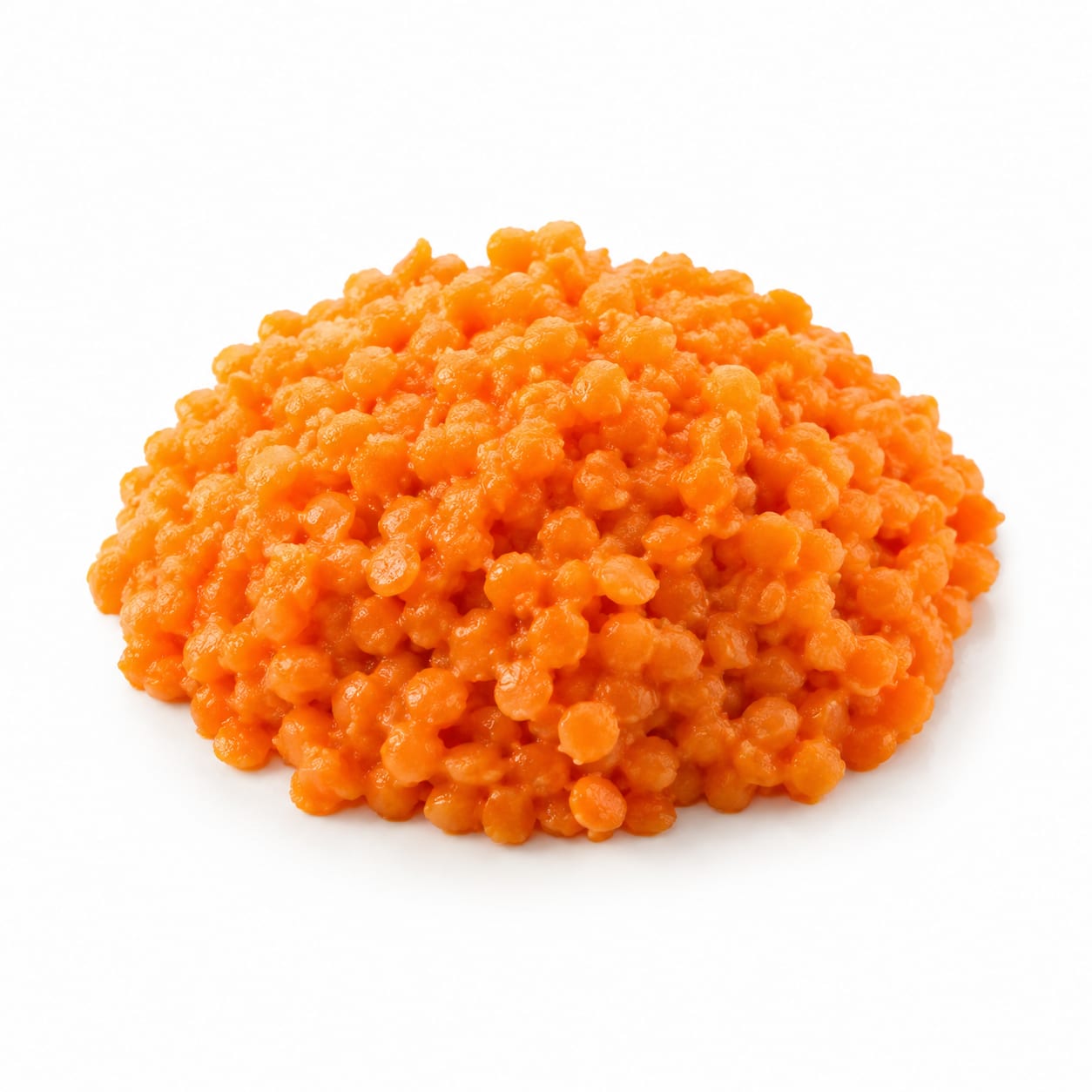
Red Lentil
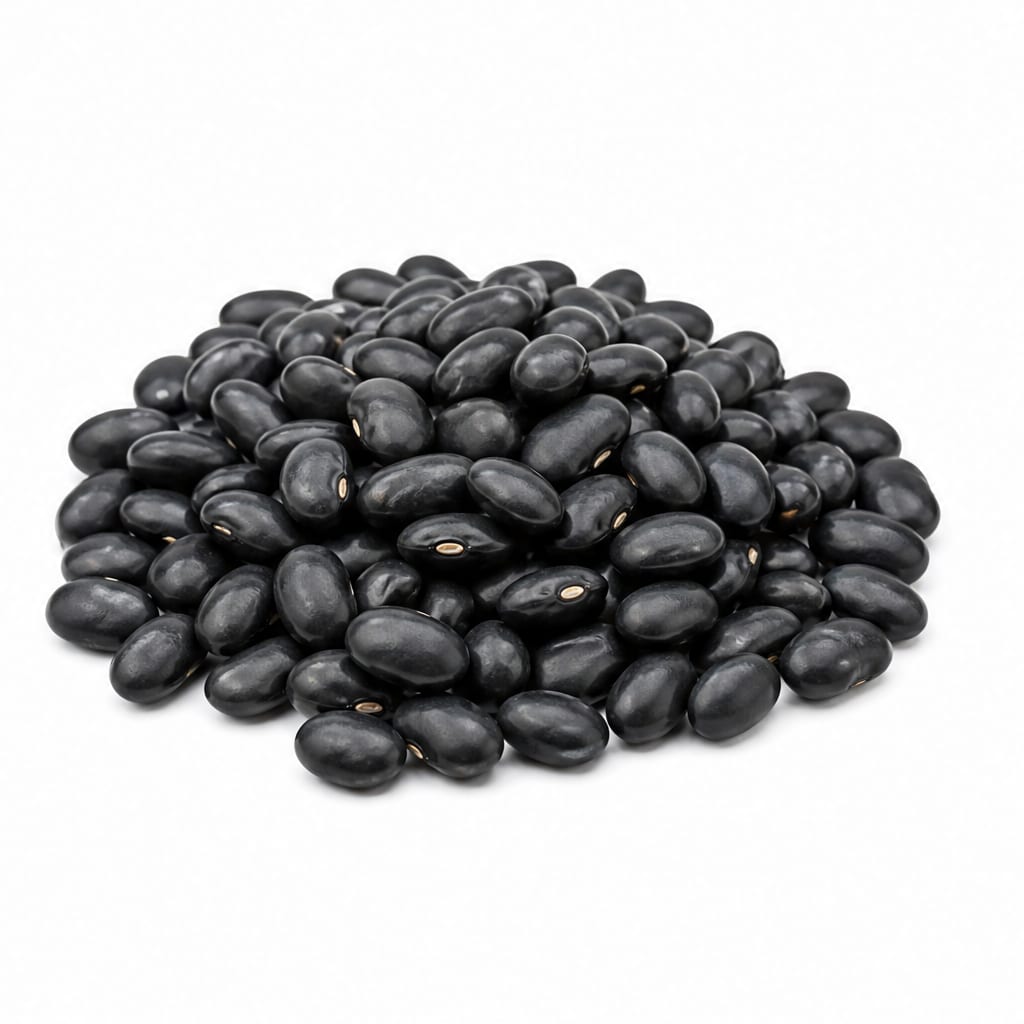
Black Beans
Red Lentils offer faster cooking and easier digestion, while Black Beans provide more protein and powerful antioxidants.
Black Beans edge ahead slightly due to higher protein and antioxidant content, but Red Lentils remain an elite choice for convenience and digestibility.
Quick comfort and digestibility versus higher protein and deeper antioxidant protection.
At a glance
Executive summary
Overall
It depends
Healthier
It depends
More practical
Red Lentil
Daily use
It depends
Key comparison lenses
Plant-based protein quality and density
Both are staple protein sources for plant-based diets, but their amino acid profiles and protein density differ.
Digestive tolerance and gas production
Legumes are notorious for causing bloating; Red Lentils are significantly easier to digest than Black Beans.
Meal prep convenience and cooking time
Red Lentils cook in 15 minutes from dry, while Black Beans require long soaking and simmering unless canned.
Blood sugar management and resistant starch
Both are low-glycemic, but Black Beans contain more resistant starch, impacting satiety and gut health differently.
Antioxidant and micronutrient profile
Black Beans offer unique anthocyanins from their dark skin, while Red Lentils provide higher folate and iron.
Best choice for
Red Lentil
- Quick weeknight dinners
- People prone to bloating
- Iron and folate needs
Black Beans
- Muscle building
- Antioxidant boost
- Slow-cooked meal prep
Least suitable for
Red Lentil
- Those strictly limiting carbohydrates
- People wanting maximum protein per calorie
Black Beans
- People with severe digestive sensitivity to beans
- Last-minute meal needs using dried beans
Deep comparison
Dimension by dimension
Each lens scores both foods and breaks down who each option suits.
- Dimension 1 · Priority 95Black Beans
Protein & Satiety
Red Lentil · 85Black Beans · 90Black Beans pack slightly more protein per calorie, keeping you full longer.
Tradeoff
Red Lentils are still highly satiating but have a slightly lower protein density.
Why it matters
Protein is key for muscle maintenance and preventing cravings between meals.
Real-world impact
A Black Bean bowl might keep you full an hour longer than a Red Lentil soup.
Red Lentil
- Lighter meals that won't weigh you down
Better for
- Maximizing protein intake on a calorie budget
Worse for
Black Beans
- Post-workout recovery
- Heavy labor days needing lasting energy
Better for
- Eating right before intense activity due to heavier feel
Worse for
- Dimension 2 · Priority 90Red Lentil
Digestion & Comfort
Red Lentil · 90Black Beans · 75Red Lentils are much easier to digest and cause significantly less gas than Black Beans.
Tradeoff
Black Beans' complex fibers and resistant starch are great for gut bacteria but can cause bloating during adjustment.
Why it matters
Digestive comfort affects energy levels and how you feel hours after eating.
Real-world impact
Red Lentil dal is a comforting, low-bloat dinner; Black Beans might require a walk after eating if you aren't used to them.
Red Lentil
- Sensitive stomachs
- Evening meals before bed
Better for
- Those wanting maximum resistant starch for gut bacteria
Worse for
Black Beans
- Feeding a robust, adaptable microbiome
Better for
- Date nights or occasions where bloating is a concern
Worse for
- Dimension 3 · Priority 88Red Lentil
Convenience & Meal Prep
Red Lentil · 95Black Beans · 70Red Lentils cook from dry in just 15 minutes, while dried Black Beans require overnight soaking and long simmering.
Tradeoff
Canned Black Beans close the convenience gap but add sodium and cost more per serving.
Why it matters
Convenience often dictates whether you actually cook a healthy meal or order takeout.
Real-world impact
You can decide to make Red Lentils 20 minutes before dinner; Black Beans require planning or a can opener.
Red Lentil
- Spontaneous weeknight cooking
- Budget-conscious shoppers avoiding cans
Better for
- Needing a firm, chunky texture for salads
Worse for
Black Beans
- Batch cooking on weekends
- Cold salads using canned beans
Better for
- Last-minute dinner emergencies using dried beans
Worse for
- Dimension 4 · Priority 80Black Beans
Antioxidants & Micronutrients
Red Lentil · 80Black Beans · 92Black Beans are antioxidant powerhouses due to their dark skin, while Red Lentils excel in folate and iron.
Tradeoff
Red Lentils provide more immediate energy nutrients, while Black Beans offer more cellular defense compounds.
Why it matters
Antioxidants protect cells from daily wear and tear, while folate and iron support blood health and energy.
Real-world impact
Regularly eating Black Beans contributes to long-term disease defense; Red Lentils are great for supporting energy and blood health, especially for women.
Red Lentil
- Pregnancy nutrition
- Combating fatigue
Better for
- Those seeking maximum antioxidant diversity
Worse for
Black Beans
- Anti-aging diets
- Reducing inflammation
Better for
- Immediate pre-workout energy needs
Worse for
- Dimension 5 · Priority 85It depends
Blood Sugar Stability
Red Lentil · 88Black Beans · 90Both are exceptional for blood sugar, but Black Beans have a slight edge due to higher resistant starch.
Tradeoff
Red Lentils digest a bit faster, giving quicker energy, while Black Beans release energy even slower.
Why it matters
Slower digestion means fewer energy spikes and crashes, crucial for diabetes management.
Real-world impact
Both keep afternoon crashes at bay, but Black Beans might get you through a longer stretch without snacking.
Red Lentil
- Pre-workout fuel where you need energy a bit sooner
Better for
- Those needing the absolute lowest glycemic load
Worse for
Black Beans
- Managing type 2 diabetes
- Long stretches between meals
Better for
- Moments when you need quick, easily accessible energy
Worse for
Timeline
Health impact over time
Short-term
Hours to days
Red Lentil
- Quick, comforting energy
- Minimal bloating
- Fast meal satisfaction
Black Beans
- Very sustained fullness
- Potential for gas if unaccustomed
- Steady energy release
Long-term
Months to years
Red Lentil
- Excellent heart health support
- Improved blood health from iron and folate
- Easier long-term dietary adherence due to convenience
Black Beans
- Superior cellular protection from antioxidants
- Robust gut microbiome from resistant starch
- Strong blood sugar management over time
Risk profile
Safety & processing
Both Red Lentils and Black Beans are whole, natural foods. Canned versions are the only processing concern, adding sodium unless you choose no-salt-added varieties.
Red Lentil
Lectin toxicity
lowRed Lentils must be cooked to neutralize lectins, but their quick cooking time makes this easy to achieve.
Black Beans
Lectin toxicity
mediumUndercooked Black Beans can cause gastrointestinal distress due to high lectin levels, requiring thorough cooking or proper canning.
Physical contaminants
lowDried Black Beans sometimes contain small debris or stones, requiring careful sorting and rinsing before cooking.
Who wins for whom
Audience fit
Same foods, different winners depending on your goal.
children
Red LentilRed Lentils have a softer, more palatable texture when cooked and are much easier on a child's developing digestive system.
daily consumption
Red LentilThe quick cooking time, versatility in soups and stews, and easy digestion make Red Lentils slightly easier to eat every single day.
diabetes
Black BeansThe higher resistant starch and lower digestibility of Black Beans create a slightly slower, more favorable blood sugar response.
elderly
Red LentilThe softer texture and easier digestion of Red Lentils are gentler on aging digestive systems, while still providing excellent nutrition.
muscle gain
Black BeansBlack Beans provide a slightly higher protein density per calorie, making it easier to hit muscle-building targets.
weight loss
It dependsRed Lentils are lower in calories per serving, but Black Beans offer slightly more protein to preserve muscle during weight loss.
Your move
Decision guide
Choose Red Lentil
- You want a hot, comforting meal ready in under 20 minutes
- You are prone to gas or bloating from other legumes
- You need a boost in iron or folate
- You prefer a softer, creamier texture in your meals
Choose Black Beans
- You want maximum protein per calorie for muscle maintenance
- You are focused on antioxidant-rich, anti-inflammatory eating
- You are meal-prepping batches of food for the week
- You prefer a firm, hearty texture for bowls and salads
Either works if
- You need a plant-based staple for heart health
- You want excellent fiber intake to support gut health
- You are looking for affordable, shelf-stable nutrition
Avoid both if
- You have a severe legume allergy
- You are strictly limiting carbohydrates
- You are currently on a low-FODMAP diet elimination phase
Final recommendation
Keep both in your pantry. Use Red Lentils for quick, comforting weeknight dinners, and Black Beans for hearty, protein-packed meal prep. They complement each other perfectly in a balanced plant-forward diet.
Practical
Consumer tips
- 1
Rinse dried Red Lentils briefly; they don't require soaking.
- 2
If using canned Black Beans, rinse them well to remove about 40% of the sodium.
- 3
Add a splash of vinegar or lemon juice to Black Beans near the end of cooking to make them easier to digest.
- 4
Red Lentils break down as they cook, making them perfect for thickening soups naturally.
- 5
Sort through dried Black Beans before cooking to remove any small stones or debris.