
Nutrition comparison
Red Lentils vs Split Peas: Which Is Better for You?
Red lentils cook faster and digest easier; split peas deliver more fiber and longer-lasting fullness. Compare nutrition, health benefits, and best uses for each legume.
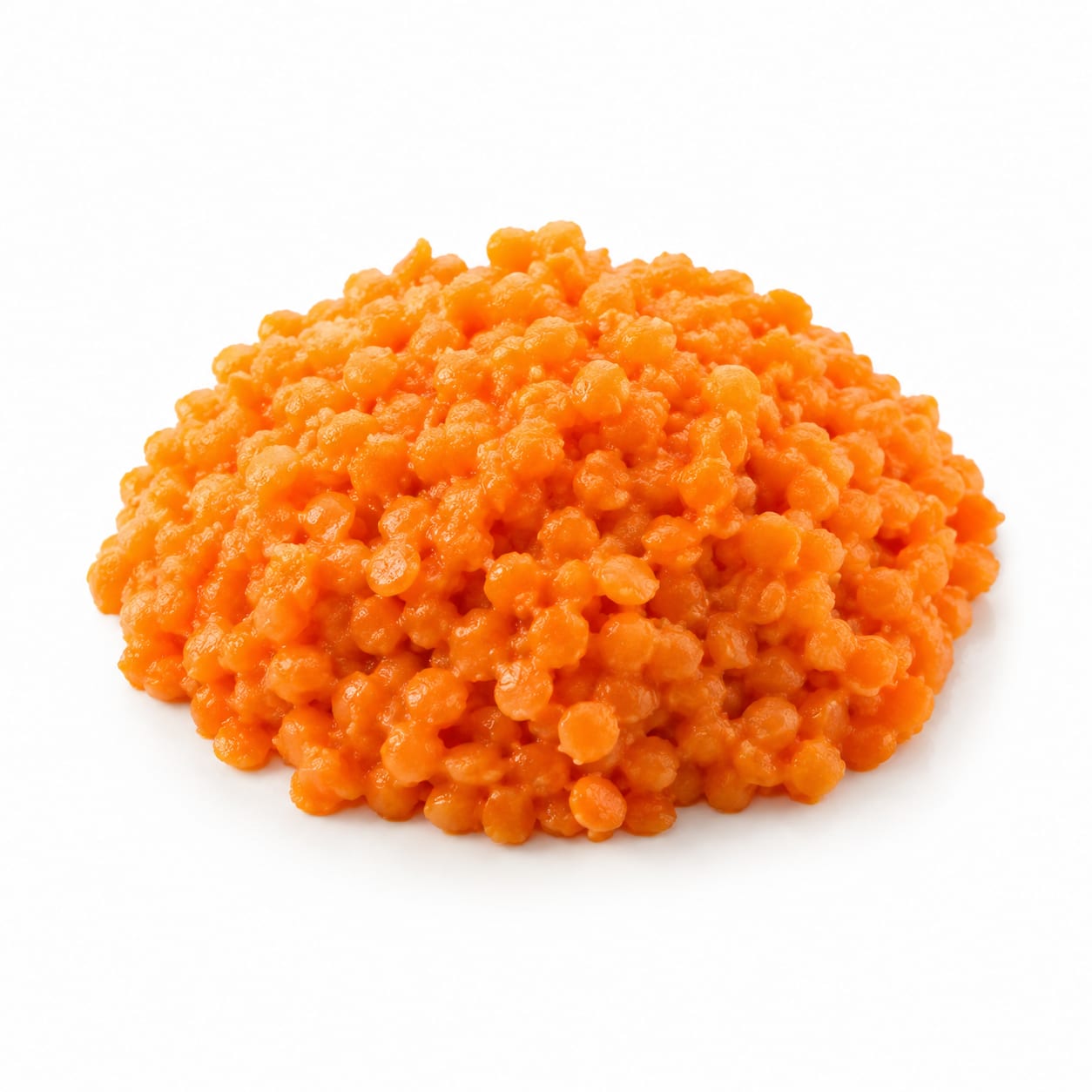
Red Lentil
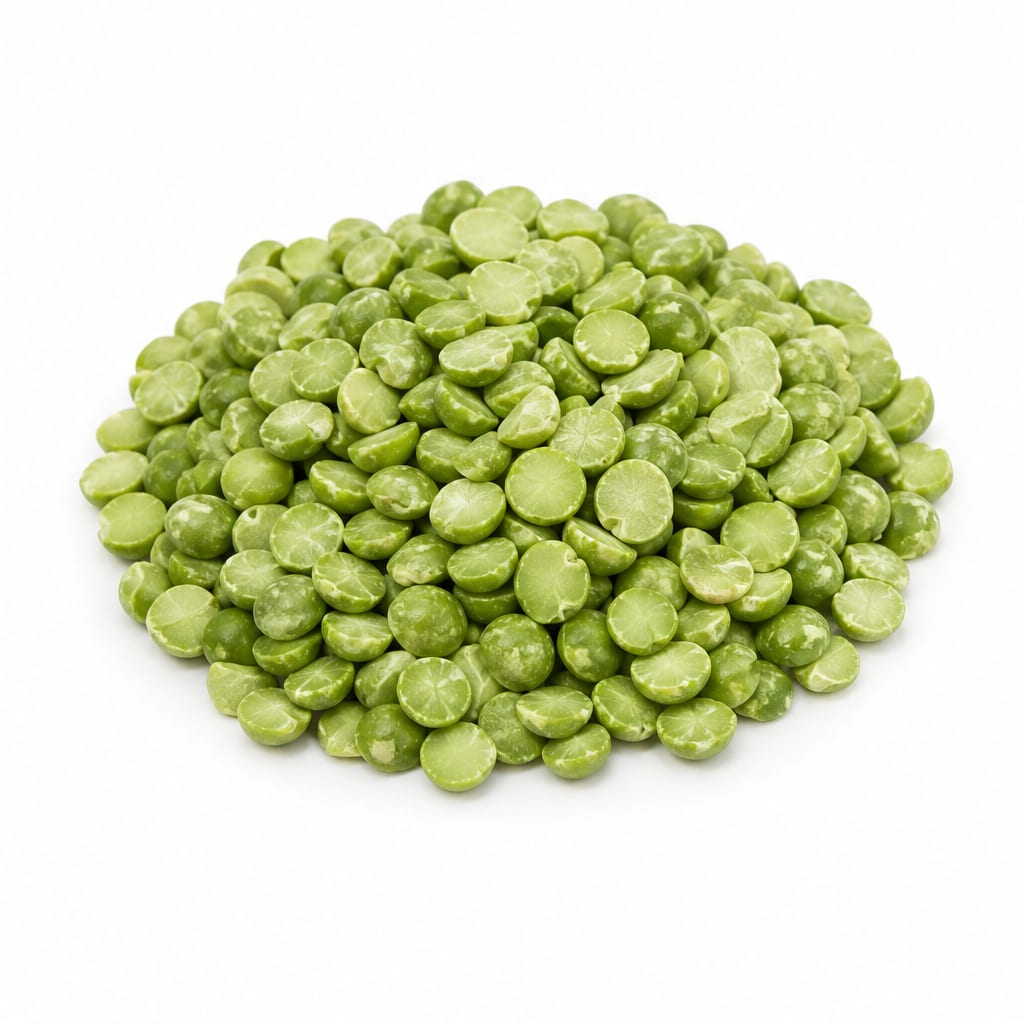
Split Peas
Red lentils win on speed and digestibility; split peas win on fullness and fiber. Pick based on what your day demands.
Split peas score slightly higher due to superior fiber and satiety, but red lentils stay competitive thanks to faster cooking and easier digestion. The gap is small because both are excellent whole-food protein sources.
Quick-cooking comfort versus longer-lasting satiety — red lentils get dinner done fast, split peas keep you full for hours.
At a glance
Executive summary
Overall
It depends
Healthier
It depends
More practical
Red Lentil
Daily use
Red Lentil
Key comparison lenses
satiety and fullness
Both are high-fiber legumes but split peas have notably more fiber per serving, making fullness a key differentiator
cooking convenience
Red lentils cook in half the time of split peas, a major practical concern for weeknight meals
digestive tolerance
Red lentils break down more during cooking and are often easier on sensitive stomachs than split peas
blood sugar management
Both are low-glycemic but fiber differences matter for glucose stability, especially for diabetics
protein quality and density
Both deliver solid plant protein but split peas edge ahead slightly in total protein per calorie
meal versatility
Red lentils dissolve into creamy dals and soups while split peas hold firm for stews and salads
Best choice for
Red Lentil
- Weeknight cooks who need dinner in 20 minutes
- People with sensitive digestion who struggle with denser legumes
- Anyone wanting a creamy, comforting soup or dal texture
- Meal preppers who want something forgiving and fast
Split Peas
- Anyone prioritizing maximum fullness per calorie
- Diabetics seeking the steadiest blood sugar response
- Hikers and athletes needing long-lasting fuel
- Hearty stew lovers who want beans that hold their shape
Least suitable for
Red Lentil
- Anyone needing maximum fiber intake for gut health
- People who find mushy textures unappealing
- Those wanting a legume that stays intact in grain bowls
Split Peas
- Time-pressed cooks who cannot wait 40+ minutes
- People prone to bloating from high-fiber legumes
- Anyone wanting a light, quick-cooking side dish
Deep comparison
Dimension by dimension
Each lens scores both foods and breaks down who each option suits.
- Dimension 1 · Priority 92Split Peas
satiety_and_fullness
Red Lentil · 72Split Peas · 90Split peas keep you full significantly longer thanks to roughly 50% more fiber per serving than red lentils.
Tradeoff
That extra fullness comes with a heavier feel in the stomach that some people find uncomfortable, especially at larger portions.
Why it matters
If you are trying to eat less between meals or avoid afternoon snacking, split peas are the stronger ally.
Real-world impact
A split pea soup lunch will likely carry you to dinner without cravings; a red lentil dal may leave you hunting for a snack by 4pm.
Red Lentil
- Lighter meals where you do not want to feel stuffed
- Multiple smaller meals throughout the day
Better for
- Long gaps between meals where sustained energy matters
- Appetite control during weight loss phases
Worse for
Split Peas
- One-pot meals that need to last you 5-6 hours
- Cutting calories without feeling deprived
Better for
- Hot summer days when heavy meals feel oppressive
- Eating before physical activity when you want something light
Worse for
- Dimension 2 · Priority 88Red Lentil
cooking_convenience
Red Lentil · 92Split Peas · 60Red lentils cook in 15-20 minutes with no soaking; split peas need 35-45 minutes and still benefit from a pre-soak.
Tradeoff
The quick cook means red lentils break down into a mush — great for dals, bad if you want distinct tender bites.
Why it matters
On a busy Tuesday night, 15 minutes versus 45 minutes is the difference between cooking and ordering takeout.
Real-world impact
Red lentils are a realistic weeknight staple; split peas require more planning or a pressure cooker to compete on speed.
Red Lentil
- Last-minute dinners after a long workday
- Beginners intimidated by cooking legumes from scratch
Better for
- Recipes where you want individual lentils to hold their shape
Worse for
Split Peas
- Weekend meal prep when time pressure is low
- Slow cooker or pressure cooker recipes where cook time is irrelevant
Better for
- Spontaneous cooking without a plan
- Small kitchens without a pressure cooker
Worse for
- Dimension 3 · Priority 85Red Lentil
digestive_tolerance
Red Lentil · 80Split Peas · 62Red lentils break down during cooking into a softer, easier-to-digest consistency; split peas retain more structure and fiber that can challenge sensitive guts.
Tradeoff
Easier digestion means less fiber reaching your colon to feed beneficial gut bacteria — a tradeoff between comfort now and microbiome health long-term.
Why it matters
If legumes normally make you bloated or gassy, red lentils are the gentler entry point.
Real-world impact
Someone with IBS might tolerate a bowl of red lentil soup comfortably but regret a split pea stew an hour later.
Red Lentil
- People with IBS or sensitive digestion
- Anyone reintroducing legumes after a break
Better for
- Those specifically trying to maximize butyrate production for colon health
Worse for
Split Peas
- Healthy guts that benefit from maximum prebiotic fiber
- People trying to improve microbiome diversity
Better for
- Anyone already prone to gas and bloating from beans
- Social situations where digestive discomfort is awkward
Worse for
- Dimension 4 · Priority 80Split Peas
blood_sugar_stability
Red Lentil · 74Split Peas · 86Both are low-glycemic, but split peas deliver more soluble fiber, which slows glucose absorption more effectively.
Tradeoff
The steadier blood sugar from split peas requires eating a denser, heavier portion — not always appealing.
Why it matters
For diabetics or anyone fighting energy crashes, this difference compounds over weeks and months.
Real-world impact
After a split pea meal, your blood sugar curve is flatter and longer; after red lentils, you get a slightly faster rise and sooner dip.
Red Lentil
- Pre-workout meals where you actually want quicker available energy
Better for
- Blood sugar conditions requiring maximum glycemic control
Worse for
Split Peas
- Type 2 diabetes management
- PCOS or insulin resistance protocols
- Preventing the 3pm office energy crash
Better for
- Right before exercise when you need accessible carbs
Worse for
- Dimension 5 · Priority 75Split Peas
protein_density
Red Lentil · 73Split Peas · 80Split peas pack slightly more protein per calorie — roughly 10-15% more — making them marginally more protein-efficient.
Tradeoff
The protein advantage is real but modest; neither rivals soy or animal sources for pure protein density.
Why it matters
For plant-based eaters, every gram of protein per calorie counts, especially in a calorie deficit.
Real-world impact
Over a week of daily legume consumption, split peas might net you an extra 10-15g of protein — meaningful but not dramatic.
Red Lentil
- Meals where protein is already covered by other sources
Better for
- Low-calorie vegan diets struggling to hit protein minimums
Worse for
Split Peas
- Vegan athletes trying to hit protein targets without excess calories
- Plant-based meal plans where every gram counts
Better for
- Meals that are already protein-heavy from other ingredients
Worse for
- Dimension 6 · Priority 70It depends
culinary_versatility
Red Lentil · 76Split Peas · 76Red lentils excel at creamy, saucy dishes; split peas shine in chunky, textured meals. They serve different kitchen roles rather than competing directly.
Tradeoff
Neither substitutes well for the other — a dal needs red lentils and a hearty split pea soup needs split peas.
Why it matters
Trying to force one to play the other's role leads to disappointing texture and cooking results.
Real-world impact
Keep both in your pantry — they solve different problems rather than replacing each other.
Red Lentil
- Indian-style dals and curries
- Creamy soups where you want body without blending
- Thickening agent for stews and sauces
Better for
- Any dish where you want the legume to stay intact and chewable
Worse for
Split Peas
- Classic split pea and ham soup
- Hearty winter stews with visible bean texture
- Grain bowls where you want distinct legume pieces
Better for
- Quick-cooking sauces or dals that need a smooth consistency
Worse for
Timeline
Health impact over time
Short-term
Hours to days
Red Lentil
- Faster digestion with less bloating than most legumes
- Moderate satiety — filling but not heavy
- Quick energy availability due to faster carbohydrate release
- Lower gas production compared to denser legumes
Split Peas
- Strong fullness that can last 5-6 hours
- Possible bloating or gas if you are not used to high-fiber foods
- Very steady energy with no crash
- Heavier stomach feel that may reduce physical activity comfort
Long-term
Months to years
Red Lentil
- Consistent legume intake supports heart health and cholesterol
- Gentle enough for daily consumption without digestive fatigue
- Moderate fiber still contributes to gut health over time
- Easier to maintain as a daily habit due to convenience
Split Peas
- Superior fiber intake supports colon health and regularity
- Stronger blood sugar control reduces long-term metabolic risk
- Higher satiety supports sustainable weight management
- May require gradual introduction to avoid chronic bloating
Risk profile
Safety & processing
Both are simply dried and split legumes with nothing added. Red lentils are hulled (skins removed), which is a traditional mechanical process, not a chemical one. Split peas retain their skins, giving them more fiber. Neither contains additives, preservatives, or hidden ingredients when bought as plain dried legumes.
Red Lentil
Lectin content
lowLike all legumes, red lentils contain lectins that are neutralized by proper cooking. Their short cook time is sufficient when fully boiled.
Pesticide residue
lowConventionally grown lentils may carry trace pesticide residues; organic options eliminate this concern entirely.
Split Peas
Lectin content
lowSplit peas contain lectins destroyed by thorough cooking. Ensure they are fully tender before eating — undercooked split peas can cause digestive distress.
Pesticide residue
lowSimilar to lentils, conventionally grown split peas may have trace residues. The thick skin may retain slightly more surface residue than hulled red lentils.
Mycotoxin contamination in storage
lowLong storage in humid conditions can promote mold. Buy from high-turnover stores and keep dried peas in a cool, dry place.
Who wins for whom
Audience fit
Same foods, different winners depending on your goal.
children
Red LentilRed lentils cook to a soft, mild, creamy texture that kids accept more easily than the chunkier, earthier split pea.
daily consumption
Red LentilFaster cooking, easier digestion, and lighter stomach feel make red lentils more sustainable as an everyday staple.
diabetes
Split PeasHigher soluble fiber creates a flatter, more predictable blood sugar response — critical for glycemic management.
elderly
Red LentilEasier to chew and digest, red lentils are gentler on aging digestive systems while still providing solid nutrition.
muscle gain
Split PeasSlightly more protein per calorie gives split peas a small edge, though both should be paired with higher-protein foods for serious muscle building.
weight loss
Split PeasSplit peas deliver more fullness per calorie, making it easier to eat less overall without feeling deprived.
Your move
Decision guide
Choose Red Lentil
- You want dinner on the table in under 25 minutes
- Your digestion is sensitive and heavier legumes cause discomfort
- You love creamy dals, soups, and curries
- You are feeding kids who reject chunky textures
- You want a legume you can realistically eat every day without fatigue
Choose Split Peas
- Maximum fullness and appetite control are your priority
- You are managing blood sugar and need the steadiest glucose response
- You have time to cook or own a pressure cooker
- You enjoy hearty, chunky soups and stews
- You want the most fiber and protein per calorie possible
Either works if
- You simply want a nutritious, affordable plant protein source
- You are already eating a varied diet and the difference is marginal
- You are rotating legumes for microbiome diversity — both are excellent choices
Avoid both if
- You have a diagnosed legume allergy
- You are on a very low-fiber diet for a medical procedure
- You cannot tolerate any FODMAPs — both are high in galacto-oligosaccharides
Final recommendation
Keep both in your pantry and use them for different purposes. Red lentils are your weeknight workhorse — fast, gentle, and comforting. Split peas are your weekend powerhouse — dense, filling, and blood-sugar-friendly. If you must choose only one, red lentils win on daily practicality, but split peas win on nutritional density. The best choice is the one you will actually cook and eat consistently.
Practical
Consumer tips
- 1
Rinse both thoroughly before cooking to remove debris and reduce gas-causing compounds
- 2
If split peas cause bloating, try soaking them for 4-6 hours and discarding the water before cooking
- 3
Red lentils do not need soaking — just rinse and boil — which is a major time advantage
- 4
A pressure cooker cuts split pea cook time from 45 minutes to about 12-15 minutes, leveling the convenience gap
- 5
Add a pinch of asafoetida or ginger when cooking either legume — traditional spices that genuinely reduce gas
- 6
Buy organic if pesticide residue concerns you; both are affordable even at organic prices
- 7
Store both in airtight containers away from light and moisture — they last over a year when kept dry
- 8
If your split peas seem to never soften, they may be old — freshness matters more than with red lentils
- 9
Freeze cooked portions in batches — both reheat beautifully and this eliminates the cook-time argument entirely