
Nutrition comparison
Red Lentils vs Quinoa: Which Plant Protein Is Actually Better for You?
Red lentils pack more protein, fiber, and iron per dollar than quinoa. But quinoa offers complete amino acids and lighter texture. Full comparison with nutrition facts, costs, and clear recommendations.
Overall winner · Red Lentil
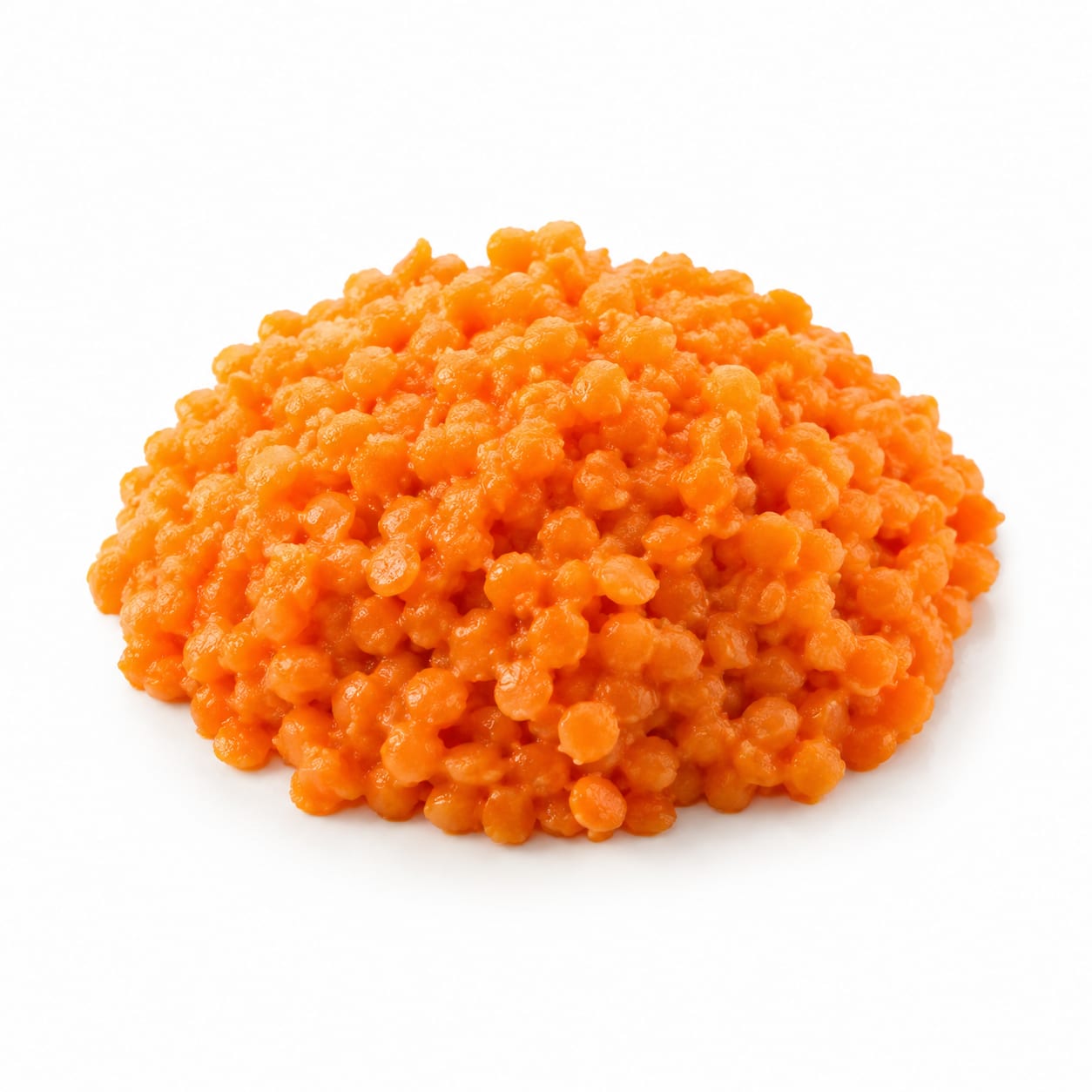
Red Lentil
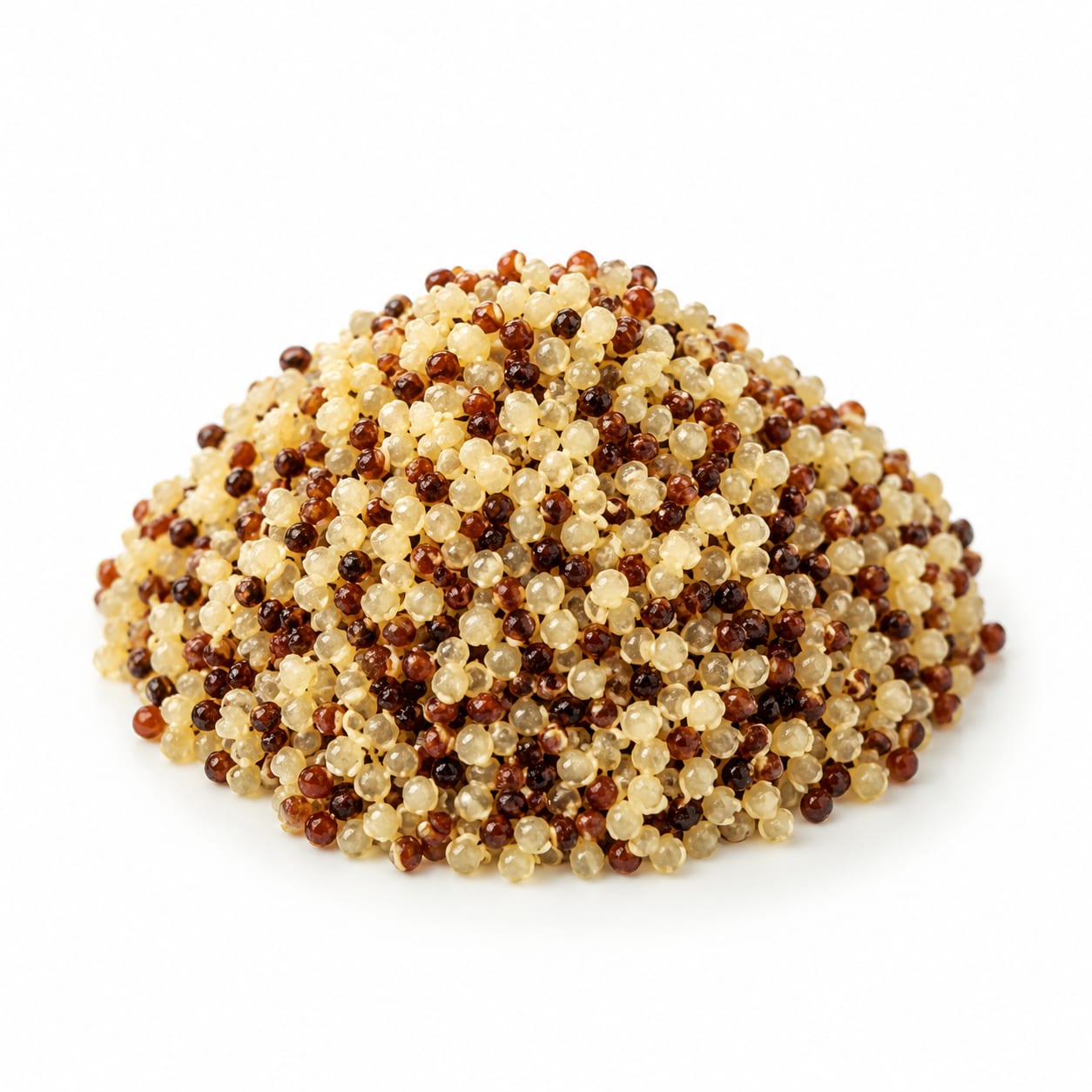
Quinoa
Red lentils deliver more protein, fiber, and iron per dollar and per calorie, making them the smarter daily staple. Quinoa earns its place when you need complete protein or lighter texture.
Red lentils score higher due to superior protein quantity, fiber density, iron content, and dramatically better value. Quinoa closes the gap with complete amino acids and culinary versatility but cannot match the nutritional density per calorie or per dollar.
Quantity and affordability versus protein completeness and culinary flexibility
At a glance
Executive summary
Overall
Red Lentil
Healthier
Red Lentil
More practical
Red Lentil
Daily use
Red Lentil
Key comparison lenses
plant protein quality
Both foods are top plant protein sources, making amino acid completeness the central question
blood sugar management
Fiber and glycemic differences between these two significantly impact energy stability
budget conscious nutrition
Red lentils cost a fraction of quinoa while delivering comparable or superior macros
digestive tolerance
Lentil fiber can cause bloating while quinoa saponins can irritate sensitive stomachs
meal versatility
Quinoa works in salads and bowls where lentils would feel heavy or out of place
Best choice for
Red Lentil
- Maximizing protein and fiber on a budget
- Blood sugar control and sustained energy
- Heart health and cholesterol management
- Iron-deficient individuals including pregnant women
- Bulk meal prep and weekly staples
Quinoa
- Complete protein without combining foods
- Lighter meals like salads and grain bowls
- People avoiding legumes due to digestive sensitivity
- Post-workout recovery needing all essential amino acids
- Those wanting a rice substitute with better nutrition
Least suitable for
Red Lentil
- People with severe legume intolerance or IBS triggers
- Meals requiring a light fluffy texture
- Raw salad applications where cooking is inconvenient
Quinoa
- Tight grocery budgets requiring maximum nutrition per dollar
- Those who forget to rinse before cooking
- People tracking oxalate intake for kidney stone prevention
Deep comparison
Dimension by dimension
Each lens scores both foods and breaks down who each option suits.
- Dimension 1 · Priority 95Red Lentil
protein_power
Red Lentil · 88Quinoa · 78Red lentils provide roughly 70% more protein per serving, but quinoa offers all essential amino acids while lentils fall short on methionine.
Tradeoff
More total protein versus complete protein profile
Why it matters
If lentils are your main protein source, pair them with a grain like rice to fill the methionine gap. Quinoa stands alone as a complete protein.
Real-world impact
A bowl of red lentil dal with rice gives you more total protein than quinoa alone, but quinoa solo beats lentils solo for amino acid balance.
Red Lentil
- Total protein intake per meal
- Muscle-building when combined with grains
- Satiety from higher protein density
Better for
- Standalone protein completeness
- Meals where combining foods feels inconvenient
Worse for
Quinoa
- Complete protein without food combining
- Simpler meal planning for solo dishes
- Post-workout recovery needing all amino acids
Better for
- Maximizing total daily protein grams
- Budget-focused protein sourcing
Worse for
- Dimension 2 · Priority 90Red Lentil
fiber_and_fullness
Red Lentil · 92Quinoa · 68Red lentils roughly double quinoa's fiber content, making them significantly more filling and better for blood sugar control.
Tradeoff
Deeper satiety and gut health versus lighter meals that feel less heavy
Why it matters
Higher fiber means steadier energy, fewer cravings, and better long-term gut health. But it also means lentils can feel heavy before workouts.
Real-world impact
A red lentil lunch keeps you full until dinner. A quinoa lunch might leave you reaching for a snack by 3pm.
Red Lentil
- Staying full between meals
- Blood sugar stability for diabetics
- Gut microbiome feeding and regularity
Better for
- Sensitive digestive systems adjusting to high fiber
- Athletes needing quick gastric emptying
Worse for
Quinoa
- Pre-workout meals needing lighter digestion
- People transitioning from low-fiber diets
- Hot weather meals where heaviness feels uncomfortable
Better for
- Appetite control between meals
- Cholesterol management through soluble fiber
Worse for
- Dimension 3 · Priority 88Red Lentil
blood_sugar_stability
Red Lentil · 90Quinoa · 72Red lentils have a lower glycemic index and more fiber to slow glucose absorption, making them noticeably steadier for energy.
Tradeoff
Slower burning energy versus slightly faster available carbohydrates
Why it matters
The fiber-protein combo in lentils creates a slow burn. Quinoa digests a bit faster, which can be helpful or harmful depending on timing.
Real-world impact
Red lentils after lunch mean no afternoon crash. Quinoa is fine but less protective against the energy dip.
Red Lentil
- Avoiding afternoon energy crashes
- Diabetes and insulin resistance management
- Sustained energy for long workdays
Better for
- Immediate post-workout glycogen replenishment
Worse for
Quinoa
- Pre-exercise meals needing moderate-speed energy
- Morning meals where faster digestion is acceptable
Better for
- Blood sugar sensitive individuals
- People prone to energy swings
Worse for
- Dimension 4 · Priority 85Red Lentil
nutrient_density
Red Lentil · 86Quinoa · 80Red lentils win on iron and folate by a wide margin. Quinoa counters with more magnesium, manganese, and healthy fats.
Tradeoff
Iron and folate dominance versus broader mineral coverage and healthy fats
Why it matters
Iron deficiency is common especially in women and vegetarians. Lentils are one of the best plant sources. Quinoa's magnesium helps with sleep and muscle recovery.
Real-world impact
If you are borderline anemic, red lentils are the clear winner. If you struggle with cramps or sleep, quinoa's magnesium edge matters more.
Red Lentil
- Iron deficiency and anemia prevention
- Pregnancy nutrition needing extra folate
- Vegetarians and vegans seeking concentrated minerals
Better for
- Those needing magnesium specifically
- Very low-fat diet concerns since lentils are nearly fat-free
Worse for
Quinoa
- Magnesium for muscle recovery and sleep
- Manganese for bone health and metabolism
- Healthy fat intake from plant sources
Better for
- Iron-deficient individuals
- Pregnant women needing high folate
Worse for
- Dimension 5 · Priority 85Red Lentil
affordability_and_access
Red Lentil · 95Quinoa · 55Red lentils typically cost one-third to one-half the price of quinoa per serving while delivering more protein and fiber.
Tradeoff
Massive cost savings versus paying a premium for complete protein and novelty
Why it matters
If you eat these foods daily, the price difference compounds dramatically over months. Lentils are one of the cheapest protein sources on earth.
Real-world impact
Feeding a family of four with lentils versus quinoa could save hundreds of dollars per year with equal or better nutrition.
Red Lentil
- Families on grocery budgets
- Students and young adults meal prepping
- Bulk buying and long-term storage
- Developing countries and food security
Better for
- Culinary contexts where lentils feel too humble
Worse for
Quinoa
- Special occasion meals where cost matters less
- Restaurants charging premium for perceived superfood status
Better for
- Daily use stretching tight budgets
- Large-scale meal programs
Worse for
- Dimension 6 · Priority 78Quinoa
culinary_versatility
Red Lentil · 65Quinoa · 85Quinoa works in salads, bowls, porridges, and baking where lentils would feel out of place. Red lentils shine in soups, stews, and curries but have a narrower range.
Tradeoff
Broader recipe compatibility versus deeper flavor in specific cuisines
Why it matters
Eating the same food daily gets boring. Quinoa's neutral flavor and fluffy texture adapt to more dishes, making it easier to stick with long-term for some people.
Real-world impact
Quinoa in a cold salad feels natural. Cold lentil salad works but is less intuitive for most home cooks.
Red Lentil
- Comforting soups and stews
- Indian and Middle Eastern cuisine
- Thickening agent for dips and spreads
Better for
- Cold dishes and light meals
- Cuisines outside traditional lentil regions
Worse for
Quinoa
- Grain bowls and salads
- Breakfast porridge alternatives
- Rice substitute in any cuisine
- Baking and veggie burger binding
Better for
- Deeply flavored comfort food
- Traditional South Asian recipes
Worse for
- Dimension 7 · Priority 80It depends
digestive_tolerance
Red Lentil · 60Quinoa · 70Red lentils can cause gas and bloating from oligosaccharides. Quinoa's saponins irritate some stomachs if not rinsed. Neither is perfect for sensitive digestion.
Tradeoff
Lentil fiber fermentation versus quinoa saponin irritation
Why it matters
Both foods require preparation awareness. Lentils need soaking or gradual introduction. Quinoa needs thorough rinsing. Skipping steps leads to discomfort.
Real-world impact
Start with small portions of either and increase gradually. Rinsing quinoa and soaking lentils dramatically reduces digestive issues.
Red Lentil
- People who tolerate legumes well
- Those who soak or sprout before cooking
- Gradual fiber increase for gut adaptation
Better for
- IBS and FODMAP-sensitive individuals
- People unaccustomed to high-fiber legumes
Worse for
Quinoa
- People with legume sensitivity or IBS
- Those willing to rinse thoroughly before cooking
- Easier transition from refined grains
Better for
- Those sensitive to saponins
- People who skip rinsing steps
Worse for
Timeline
Health impact over time
Short-term
Hours to days
Red Lentil
- Strong satiety within 30 minutes of eating due to high protein and fiber
- Possible bloating or gas if unaccustomed to legume fiber
- Steady energy without sugar crash for 3-4 hours
- Warming and comforting digestive feel
Quinoa
- Moderate satiety lasting 2-3 hours
- Lighter stomach feel compared to lentils
- Possible mild stomach irritation if saponins not rinsed
- Faster energy availability than lentils
Long-term
Months to years
Red Lentil
- Improved cholesterol from soluble fiber binding bile acids
- Better blood sugar regulation reducing diabetes risk
- Enhanced gut microbiome diversity from prebiotic fiber
- Iron stores maintained more easily especially for menstruating women
Quinoa
- Consistent complete protein supporting muscle maintenance with age
- Magnesium intake supporting bone density and sleep quality
- Reduced inflammation from quercetin and kaempferol antioxidants
- Sustained mineral intake supporting metabolic function
Risk profile
Safety & processing
Both foods are whole foods with minimal processing. Red lentils are simply split and dried legumes. Quinoa is a seed harvested and dried. Neither contains additives when purchased as plain dry goods.
Red Lentil
Lectin content
lowRaw lentils contain lectins that can cause digestive distress, but cooking eliminates this risk entirely. Always cook red lentils thoroughly.
Phytic acid reducing mineral absorption
lowPhytic acid binds iron and zinc. Soaking lentils before cooking reduces phytic acid significantly and improves mineral bioavailability.
Quinoa
Saponin residue
mediumSaponins coat quinoa naturally and taste bitter while potentially irritating the gut lining. Thorough rinsing under running water for 2 minutes removes most saponins.
Oxalate content
lowQuinoa contains moderate oxalates which may concern people prone to kidney stones. Those managing oxalate intake should moderate portion sizes.
Who wins for whom
Audience fit
Same foods, different winners depending on your goal.
children
QuinoaQuinoa's milder flavor and lighter texture are more kid-friendly, and the complete protein supports growing bodies without food combining
daily consumption
Red LentilLower cost, higher nutrient density, and better satiety make red lentils more sustainable as a daily staple without budget strain
diabetes
Red LentilLower glycemic index and higher fiber slow glucose absorption more effectively, providing better post-meal blood sugar control
elderly
Red LentilHigher iron and folate address common elderly deficiencies, and the soft texture when cooked suits aging digestive systems better than quinoa's slight chewiness
muscle gain
QuinoaComplete amino acid profile supports muscle protein synthesis without needing food combining, though lentils paired with rice are equally effective
weight loss
Red LentilHigher protein and fiber create stronger satiety with fewer calories, making it easier to eat less overall without feeling deprived
Your move
Decision guide
Choose Red Lentil
- You want maximum nutrition per dollar spent
- Blood sugar control or diabetes management is a priority
- You need more iron in your diet
- Hearty comforting meals like soups and stews appeal to you
- You are feeding a family on a budget
- You want the most filling option to control appetite
Choose Quinoa
- You need complete protein without combining foods
- You want a lighter grain substitute for salads and bowls
- You find legumes cause uncomfortable bloating
- You are willing to pay more for culinary versatility
- You want a neutral base that absorbs other flavors easily
- You are an athlete needing balanced amino acids post-workout
Either works if
- You are building a plant-based pantry with diverse staples
- You want gluten-free carbohydrate sources
- You are meal prepping for the week ahead
- You rotate foods to avoid developing sensitivities
Avoid both if
- You have severe digestive conditions requiring low-fiber diets
- You are on a strict low-carb or ketogenic protocol
- You have legume and seed allergies respectively
Final recommendation
Make red lentils your daily driver and keep quinoa for variety. Lentils give you more protein, fiber, iron, and savings per serving. Quinoa earns its spot when you need complete protein in a single food or want a lighter texture. The smartest approach is eating both throughout the week — lentils most days, quinoa when the dish calls for it.
Practical
Consumer tips
- 1
Rinse quinoa under running water for at least 60 seconds to remove bitter saponins — taste a raw grain to check if rinsing is sufficient
- 2
Soak red lentils for 2-4 hours before cooking to reduce phytic acid and improve digestibility, though they cook fine without soaking
- 3
Red lentils cook in just 15-20 minutes, making them faster than most people realize for weeknight dinners
- 4
Pair red lentils with a grain like rice or whole wheat bread to create a complete protein profile matching quinoa
- 5
Buy both in bulk bins rather than packaged brands to save significantly on quinoa especially
- 6
Spices transform red lentils dramatically — cumin, turmeric, and garlic make a basic pot feel like restaurant-quality dal
- 7
Cooked red lentils freeze well for up to 3 months, so make large batches for effortless future meals
- 8
If quinoa tastes soapy or bitter even after rinsing, try toasting it in a dry pan for 2 minutes before adding water