
Nutrition comparison
Red Lentils vs Pinto Beans: Nutrition, Protein, Fiber, and Cooking Comparison
Red lentils cook faster and offer more protein per calorie. Pinto beans deliver more fiber and longer-lasting fullness. Compare nutrition, digestion, and best uses for each legume.
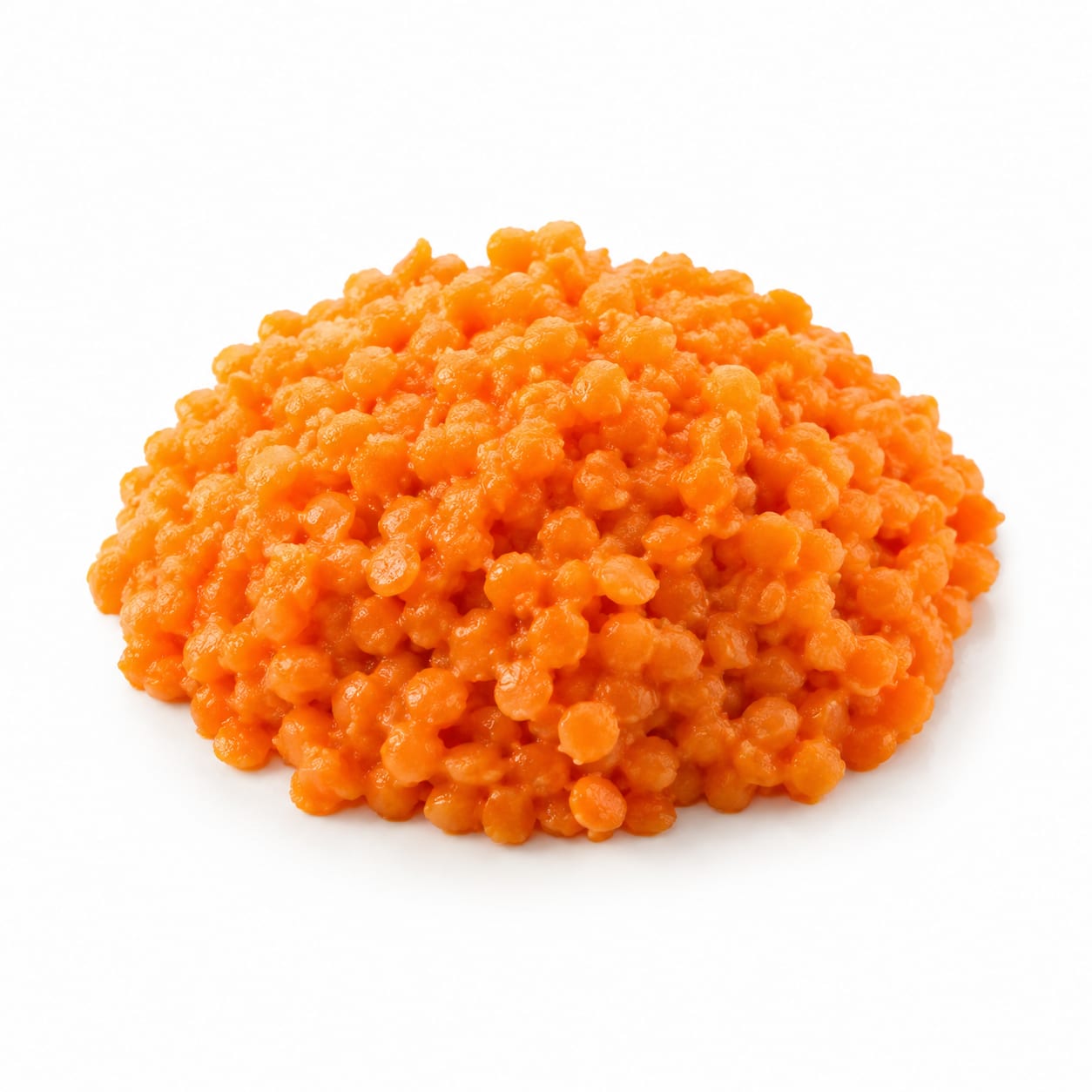
Red Lentil
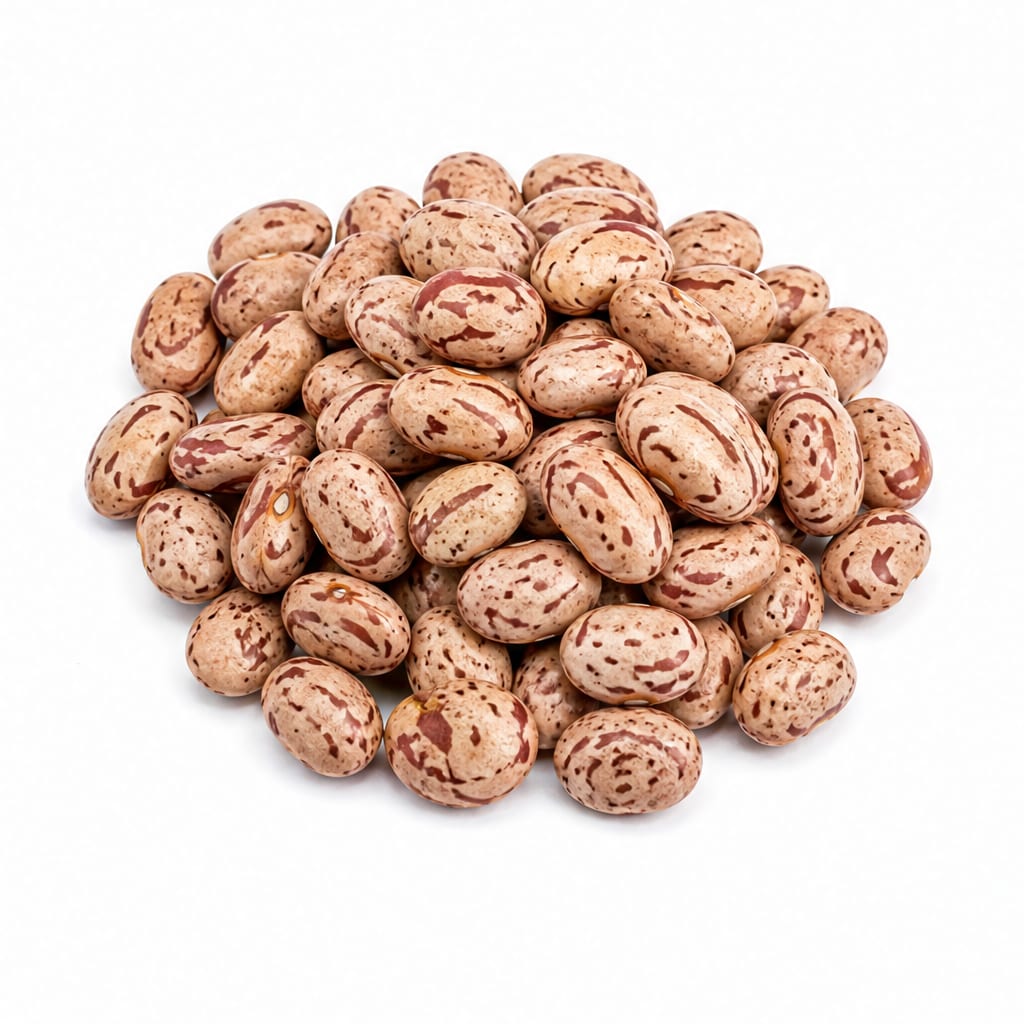
Pinto Beans
Red lentils win on speed and protein density; pinto beans win on fiber, fullness, and mineral depth. Your kitchen patience and digestive sensitivity decide the real winner.
Red lentils edge ahead on practicality and protein density, but pinto beans nearly match them on overall nutrition. The 3-point gap reflects convenience advantage more than health superiority.
Quick-cooking protein convenience versus longer-cooking fiber and satiety staying power.
At a glance
Executive summary
Overall
It depends
Healthier
It depends
More practical
Red Lentil
Daily use
Red Lentil
Key comparison lenses
protein quality and quantity for plant-based meals
Both are top plant protein sources, so users want to know which delivers better protein per bite
cooking convenience and weeknight practicality
Red lentils cook in 15 minutes while pinto beans need soaking and over an hour, a major lifestyle factor
digestive tolerance and gas concerns
Beans and lentils both cause digestive issues for some, but the severity and solutions differ
blood sugar management and satiety
Both are high-fiber legumes but differ in glycemic impact and how full they keep you
weight loss and calorie efficiency
Calorie density differs enough to matter for portion-conscious eaters
Best choice for
Red Lentil
- Weeknight cooks who need dinner in 20 minutes
- People building plant-based protein intake efficiently
- Anyone prone to bloating from heavier legumes
- Soup and dal lovers wanting creamy texture without blending
- Meal preppers who want fast batch cooking
Pinto Beans
- Anyone prioritizing long-lasting fullness between meals
- Traditional Mexican and Southwestern cooking
- People who want maximum fiber per serving
- Those needing more potassium and manganese in their diet
- Slow cooker and pressure cooker enthusiasts
Least suitable for
Red Lentil
- Anyone wanting firm, intact beans for salads or bowls
- People seeking maximum fiber intake
- Those who find thin soups and dals unsatisfying
Pinto Beans
- Impatient cooks or those without soaking time
- People with sensitive digestion who struggle with gas
- Anyone wanting a light, quick-cooking protein source
Deep comparison
Dimension by dimension
Each lens scores both foods and breaks down who each option suits.
- Dimension 1 · Priority 92Red Lentil
Protein Density and Quality
Red Lentil · 86Pinto Beans · 72Red lentils deliver more protein per calorie and per serving, making them a more efficient protein source for plant-based eaters.
Tradeoff
Pinto beans still provide solid protein but come with more calories per gram of protein, which adds up if you are watching intake.
Why it matters
When every calorie counts, getting more protein per bite helps with muscle maintenance and satiety without overeating.
Real-world impact
A cup of cooked red lentils gives you roughly 18g of protein for about 230 calories. Pinto beans offer around 15g for 245 calories. That difference compounds over a week of meals.
Red Lentil
- Lean muscle building on a plant-based diet
- Higher protein-to-calorie ratio for cutting phases
- Post-workout meals where protein density matters
Better for
- Situations where you want protein alongside maximum calories for bulking
Worse for
Pinto Beans
- Meals where calorie surplus is welcome
- Endurance athletes needing sustained energy with protein
Better for
- Calorie-restricted diets where protein efficiency matters
Worse for
- Dimension 2 · Priority 88Pinto Beans
Fiber and Satiety
Red Lentil · 70Pinto Beans · 89Pinto beans are significantly higher in fiber, especially the insoluble kind that keeps you full for hours and supports gut health.
Tradeoff
That extra fiber can also mean more gas and bloating, especially if your gut is not used to it.
Why it matters
Fiber is the single biggest predictor of how long a meal keeps you satisfied. More fiber means fewer cravings between meals.
Real-world impact
Pinto beans can keep you full for 4-5 hours after eating. Red lentils, while filling, tend to digest faster, especially when cooked into a soft dal.
Red Lentil
- Lighter meals where you do not want to feel heavy
- People transitioning to high-fiber diets who need a gentler start
Better for
- People who find themselves hungry again 2-3 hours after lentil soup
Worse for
Pinto Beans
- Anyone trying to reduce snacking between meals
- Weight management through natural appetite suppression
- Gut microbiome support with diverse fiber types
Better for
- Anyone with irritable bowel syndrome or severe gas sensitivity
Worse for
- Dimension 3 · Priority 88Red Lentil
Cooking Convenience
Red Lentil · 94Pinto Beans · 45Red lentils cook in 15-20 minutes with no soaking. Pinto beans require overnight soaking plus 1-2 hours of cooking unless you use a pressure cooker.
Tradeoff
The quick cook time means red lentils break down into a mushy texture, which limits how you can use them in recipes.
Why it matters
The number one reason people skip legumes is the cooking time. Convenience often beats nutrition in real-world food choices.
Real-world impact
You can decide to make red lentil soup at 6pm and be eating by 6:30. With pinto beans, you needed to plan the night before or open a can.
Red Lentil
- Last-minute weeknight dinners
- Beginners intimidated by cooking dried legumes
- Minimal kitchen equipment setups
Better for
- Recipes requiring distinct, firm bean pieces like three-bean salad
Worse for
Pinto Beans
- Weekend meal prep sessions
- Slow cooker recipes where cook time does not matter
- Dishes where firm bean texture is essential
Better for
- Spontaneous cooking without canned backup
- Busy households with limited evening prep time
Worse for
- Dimension 4 · Priority 80Pinto Beans
Blood Sugar Stability
Red Lentil · 74Pinto Beans · 82Both are low-glycemic, but pinto beans have a slight edge due to higher fiber slowing glucose absorption more effectively.
Tradeoff
Red lentils still perform well, especially compared to grains or starchy sides. The difference is meaningful but not dramatic.
Why it matters
Steadier blood sugar means no afternoon energy crash and fewer cravings two hours after lunch.
Real-world impact
If you have prediabetes or insulin resistance, pinto beans give you a slightly longer, flatter blood sugar curve. Red lentils are still far better than rice or bread.
Red Lentil
- Quick-digesting pre-workout fuel for some athletes
- Lighter meals before physical activity
Better for
- Blood sugar-sensitive individuals who notice spikes even with lentils
Worse for
Pinto Beans
- Prediabetes and type 2 diabetes management
- Sustained energy through long workdays without snacking
Better for
- Situations where faster digestion is actually preferred
Worse for
- Dimension 5 · Priority 75Pinto Beans
Mineral and Micronutrient Profile
Red Lentil · 72Pinto Beans · 80Pinto beans offer more potassium, manganese, and magnesium per serving. Red lentils excel in folate and iron.
Tradeoff
Neither is a complete micronutrient solution. Both need pairing with vitamin C sources for optimal iron absorption.
Why it matters
Mineral deficiencies are common, especially on plant-based diets. Small differences in potassium and magnesium add up over months.
Real-world impact
A serving of pinto beans covers about 20% of your daily potassium needs, which helps with blood pressure and muscle cramps. Red lentils give you more folate, which matters for energy and cell repair.
Red Lentil
- Pregnant women needing extra folate
- Anyone with iron-deficiency risk
- Vegetarians and vegans prioritizing iron intake
Better for
- Those relying heavily on legumes for potassium
Worse for
Pinto Beans
- People managing blood pressure through potassium intake
- Active individuals needing magnesium for muscle recovery
Better for
- Situations where folate intake is the priority
Worse for
- Dimension 6 · Priority 85Red Lentil
Digestive Tolerance
Red Lentil · 78Pinto Beans · 60Red lentils are generally easier to digest and produce less gas than pinto beans, especially when cooked into a soft dal.
Tradeoff
Both can cause bloating if you suddenly increase intake. The difference is one of degree, not kind.
Why it matters
If legumes make you uncomfortable, you will avoid them regardless of their nutrition profile. Tolerance determines consistency.
Real-world impact
Many people who cannot handle a bowl of chili with pinto beans can eat a bowl of red lentil soup without issues. The softer, more broken-down texture is gentler on the gut.
Red Lentil
- People with sensitive digestion or IBS tendencies
- Anyone new to eating legumes regularly
- Those who have abandoned beans due to gas problems
Better for
- Still problematic for some, just less so than pinto beans
Worse for
Pinto Beans
- Individuals with well-adapted gut microbiomes from regular legume consumption
Better for
- Social situations where gas is embarrassing
- First-time legume eaters who might give up after one uncomfortable experience
Worse for
Timeline
Health impact over time
Short-term
Hours to days
Red Lentil
- Quick, satisfying meal that digests within 2-3 hours
- Mild blood sugar rise followed by stable plateau
- Minimal bloating compared to other legumes
- Warm, comforting texture that feels nourishing immediately
Pinto Beans
- Heavy, filling meal that can sit in the stomach for hours
- Very stable blood sugar with almost no spike
- Noticeable gas and bloating if gut flora is unaccustomed
- Satisfying mouthfeel from firm, creamy bean texture
Long-term
Months to years
Red Lentil
- Consistent plant protein intake supporting muscle maintenance
- Steady folate and iron levels reducing fatigue risk
- Easier long-term adherence due to quick cooking and gentle digestion
- Possible insufficient fiber if red lentils replace all other fiber sources
Pinto Beans
- Excellent cardiovascular markers from high soluble fiber
- Strong gut microbiome diversity from resistant starches
- Better long-term blood pressure management via potassium
- Risk of abandoning legumes entirely if gas issues persist
Risk profile
Safety & processing
Both are whole, minimally processed foods straight from the field. Dried red lentils and dried pinto beans are about as natural as food gets. Canned versions add sodium but remain relatively clean.
Red Lentil
Lectin content if undercooked
mediumRaw or undercooked lentils contain lectins that can cause nausea and vomiting. Thorough cooking eliminates this risk entirely.
Pesticide residue on conventional crops
lowLentils tend to have lower pesticide residues than many crops, but organic options are available for concerned consumers.
Pinto Beans
Lectin content if undercooked
highUndercooked kidney beans are notorious for causing severe food poisoning from phytohaemagglutinin. Pinto beans contain the same lectin at lower but still significant levels. Always cook thoroughly.
Canned sodium load
mediumCanned pinto beans often contain 400-500mg sodium per serving. Rinsing helps but does not eliminate it entirely.
Pesticide residue on conventional crops
lowSimilar to lentils, pinto beans are relatively low-risk for pesticide residues compared to produce.
Who wins for whom
Audience fit
Same foods, different winners depending on your goal.
children
Red LentilSofter texture and milder flavor make red lentil dal more kid-friendly than firm, earthy pinto beans.
daily consumption
Red LentilQuick cooking and gentle digestion make red lentils more sustainable as an everyday staple without fatigue or discomfort.
diabetes
Pinto BeansHigher fiber content creates a flatter, longer blood sugar response that is ideal for glucose management.
elderly
Red LentilEasier to digest and softer texture suits aging digestive systems. Higher folate also supports cellular health in older adults.
muscle gain
Red LentilHigher protein density per calorie supports lean muscle building without excess calorie intake.
weight loss
Red LentilFewer calories per gram of protein and faster cooking make red lentils easier to use consistently in a calorie deficit.
Your move
Decision guide
Choose Red Lentil
- You want a 20-minute dinner instead of a 2-hour project
- Gas and bloating have stopped you from eating legumes before
- You are tracking protein intake closely on a plant-based diet
- You love soups, dals, and stews with creamy texture
- You need a gentle entry point into eating more legumes
Choose Pinto Beans
- You want maximum fullness that lasts until your next meal
- You are managing blood sugar or blood pressure
- You meal prep on weekends and do not mind long cook times
- You cook Mexican, Tex-Mex, or Southwestern food regularly
- You have a pressure cooker and want firm, satisfying beans
Either works if
- You want affordable, shelf-stable plant protein
- You are trying to eat less meat without sacrificing nutrition
- You are building a pantry of versatile staple foods
- You enjoy both and can rotate them for variety
Avoid both if
- You have a diagnosed legume allergy
- You are in an acute gout flare and need to limit purines temporarily
- You cannot tolerate any fermentable carbohydrates due to SIBO
Final recommendation
Keep both in your pantry. Use red lentils on busy weeknights when you need food fast. Use pinto beans on weekends or with a pressure cooker when you want maximum fiber and staying power. If you must pick one, red lentils win on daily practicality, but pinto beans are worth the extra effort for their satiety and mineral benefits.
Practical
Consumer tips
- 1
Rinse both thoroughly before cooking to reduce gas-causing compounds and surface starch
- 2
Soak pinto beans overnight and discard the soaking water to cut gas significantly
- 3
Add a piece of kombu seaweed to pinto bean cooking water to further reduce gas-producing oligosaccharides
- 4
Red lentils do not need soaking but benefit from a quick rinse to remove dust
- 5
If using canned pinto beans, rinse well to remove about 40% of the added sodium
- 6
Pair either with a vitamin C source like tomatoes or lemon juice to boost iron absorption by up to 6 times
- 7
Start with small portions of either if you are new to legumes and increase gradually over two weeks
- 8
Red lentils break down during cooking, making them perfect for thickening soups without cream or flour
- 9
Freeze cooked pinto beans in portion-sized bags for instant convenience later
- 10
Spices like cumin, fennel, and ginger can help reduce bloating from both foods