
Nutrition comparison
Red Lentil vs Edamame: Nutrition, Protein, and Health Comparison
Compare Red Lentils vs Edamame for protein, fiber, and overall health. Find out which is better for weight loss, muscle gain, and daily meals.
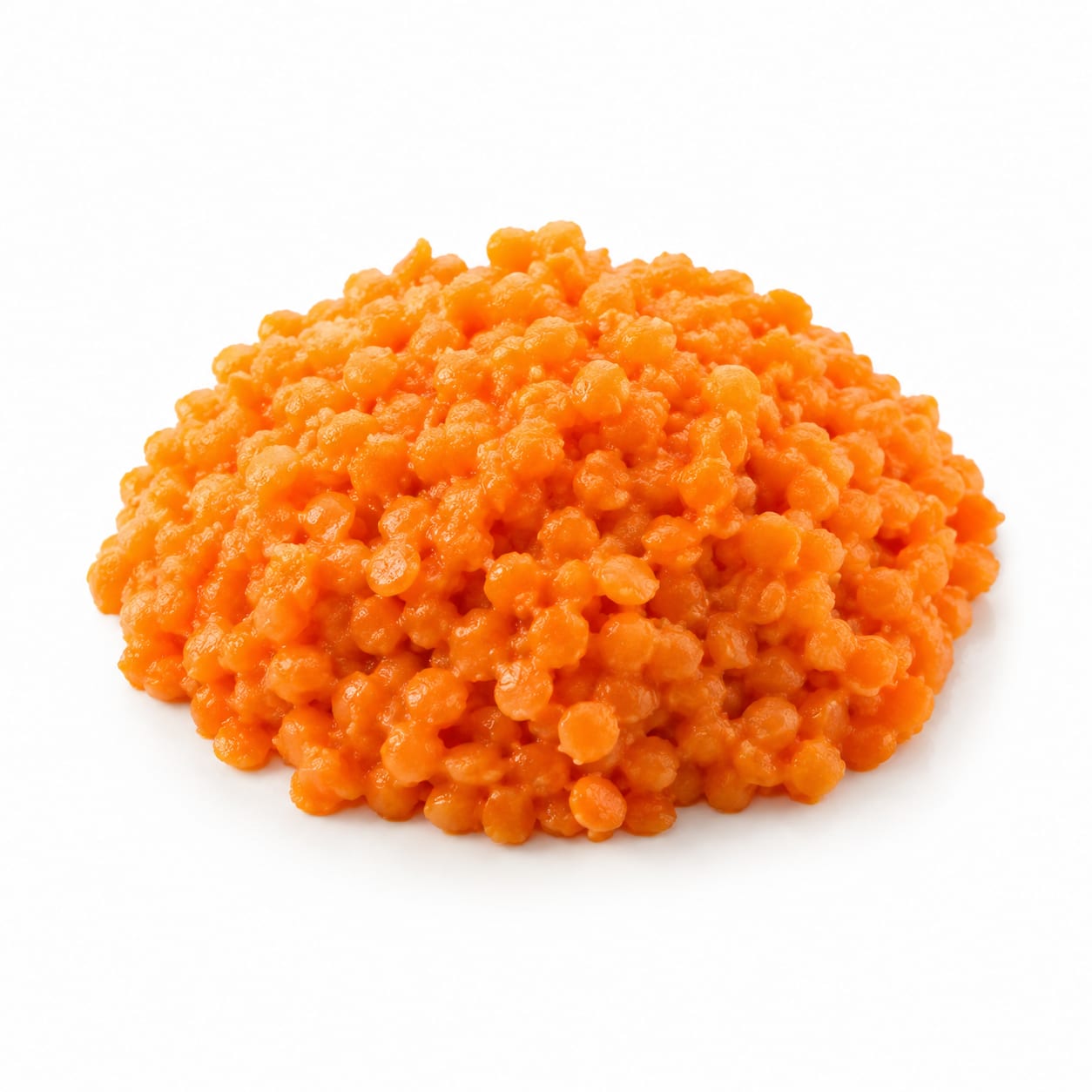
Red Lentil
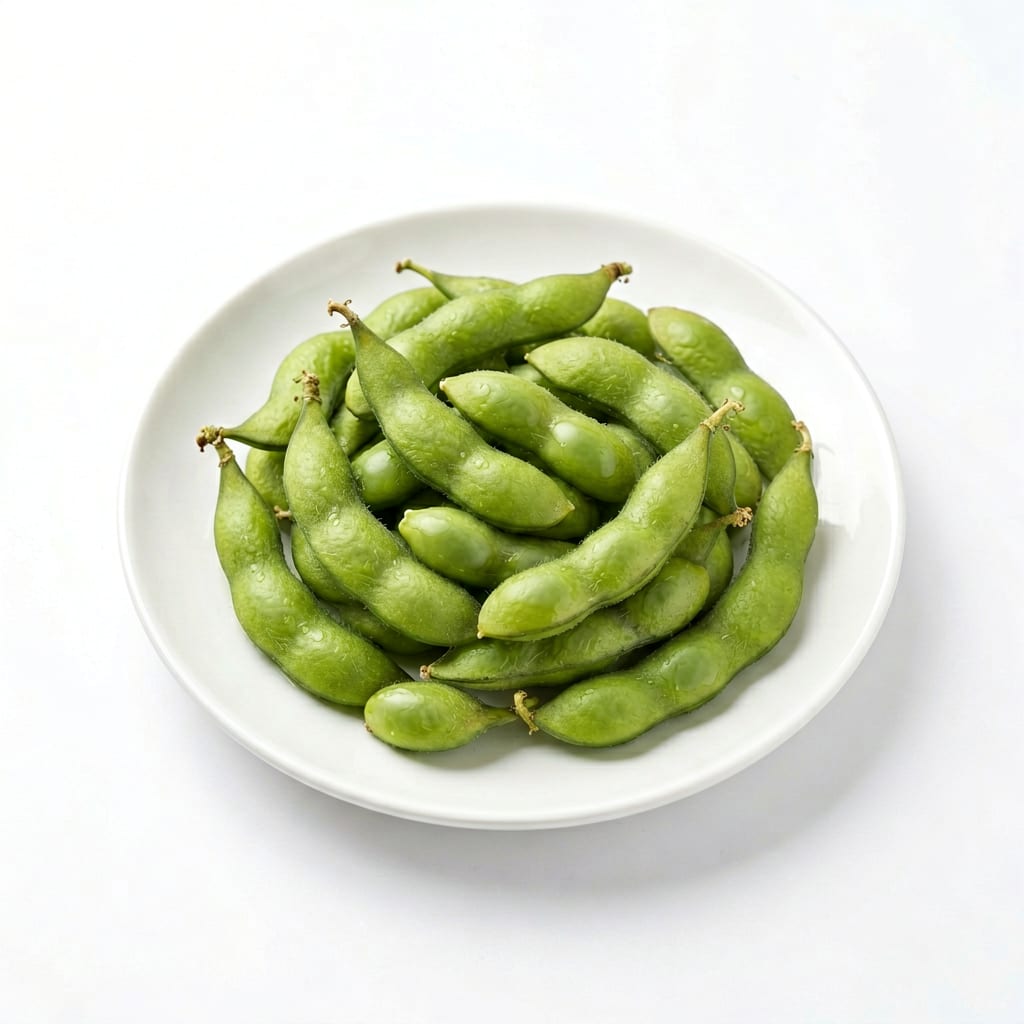
Edamame
Red Lentils offer more fiber and iron for hearty, filling meals, while Edamame provides a complete protein source and healthy fats perfect for snacking or low-carb diets.
Edamame slightly edges out Red Lentils due to its complete protein and healthy fat profile, but Red Lentils remain a top-tier carb and fiber source, making them nearly tied depending on your dietary goals.
Carbs and gut-friendly fiber versus complete protein and healthy fats.
At a glance
Executive summary
Overall
It depends
Healthier
It depends
More practical
Edamame
Daily use
It depends
Key comparison lenses
Plant-based protein quality and completeness
Edamame is a rare complete plant protein, while Red Lentils need pairing to complete their amino acid profile.
Carbohydrate vs low-carb diet suitability
Red Lentils are carb-dense energy fuelers, whereas Edamame fits effortlessly into low-carb and keto frameworks.
Convenience and snacking vs meal prep
Edamame is a grab-and-go snack, while Red Lentils require cooking but excel in batch meal prep.
Digestive tolerance and allergens
Red Lentils can cause bloating from high FODMAPs, while Edamame carries a soy allergy risk.
Best choice for
Red Lentil
- High-fiber diets
- Budget-friendly meal prep
- Iron-boosting meals
- Hearty soups and stews
Edamame
- Low-carb diets
- Quick high-protein snacks
- Post-workout recovery
- Complete amino acid profiles
Least suitable for
Red Lentil
- Strict low-carb diets
- People highly sensitive to FODMAPs
Edamame
- Soy allergy sufferers
- People avoiding higher fat intake
Deep comparison
Dimension by dimension
Each lens scores both foods and breaks down who each option suits.
- Dimension 1 · Priority 95Edamame
Protein Quality & Quantity
Red Lentil · 75Edamame · 92Edamame delivers a complete protein with all essential amino acids, while Red Lentils are slightly lower in protein and missing methionine.
Tradeoff
You get more total protein and a complete amino acid profile with Edamame, but Red Lentils still offer solid plant-based protein alongside their complex carbs.
Why it matters
Complete proteins are crucial for muscle repair and overall body maintenance without needing to combine different foods at every meal.
Real-world impact
Eating Edamame after a workout gives your muscles exactly what they need to recover, whereas Red Lentils pair best with rice or seeds to fill the amino acid gaps.
Red Lentil
- Bulking up meals with affordable protein
Better for
- Those needing a standalone complete protein source
Worse for
Edamame
- Standalone post-workout snack
- Vegans needing complete proteins
Better for
- People strictly watching their fat intake
Worse for
- Dimension 2 · Priority 90Red Lentil
Carbohydrate & Fiber Profile
Red Lentil · 93Edamame · 70Red Lentils are a fiber powerhouse with complex carbs for steady energy, whereas Edamame is lower in carbs and fiber.
Tradeoff
Red Lentils provide exceptional gut-friendly fiber and slow-burning carbs, but they are not suitable for strict low-carb diets like Edamame is.
Why it matters
High fiber intake keeps you full longer and feeds beneficial gut bacteria, stabilizing blood sugar throughout the day.
Real-world impact
A bowl of Red Lentil soup will keep you full for hours and fuel your afternoon without a crash, while Edamame is a lighter, low-carb bite.
Red Lentil
- Gut health
- Steady long-lasting energy
- Meal prep bulk
Better for
- Strict low-carb dieters
Worse for
Edamame
- Keto or low-carb diets
- Light snacking
Better for
- Those needing high fiber to stay regular
Worse for
- Dimension 3 · Priority 85It depends
Micronutrient Density
Red Lentil · 85Edamame · 86Red Lentils pack more iron and folate, while Edamame brings more Vitamin K, manganese, and healthy fats to the table.
Tradeoff
Choosing between iron and energy support from Red Lentils versus bone health and fat-soluble vitamin absorption from Edamame.
Why it matters
Iron is vital for energy and preventing anemia, while Vitamin K and healthy fats support heart and bone health.
Real-world impact
Red Lentils are great for fighting fatigue and boosting blood health, whereas Edamame helps with nutrient absorption and bone strength.
Red Lentil
- Pregnant women needing folate
- People with low iron
Better for
- Those needing high Vitamin K
Worse for
Edamame
- Bone health support
- Heart-healthy fat intake
Better for
- Those needing high iron from plant sources
Worse for
- Dimension 4 · Priority 80Edamame
Convenience & Preparation
Red Lentil · 70Edamame · 90Edamame can be steamed or microwaved in minutes straight from the freezer, while Red Lentils require boiling and watching the pot.
Tradeoff
Edamame is an effortless snack, whereas Red Lentils need a bit more cooking but are incredibly versatile in recipes.
Why it matters
Convenience often dictates what you actually eat on a busy Tuesday versus what sits in your pantry.
Real-world impact
You can grab frozen Edamame for a zero-prep snack in under 5 minutes, but Red Lentils require at least 15-20 minutes of cooking.
Red Lentil
- Batch cooking
- Hearty family dinners
Better for
- Need something instant
Worse for
Edamame
- Quick snacking
- Minimal cleanup
Better for
- Cooking a filling main dish
Worse for
- Dimension 5 · Priority 75It depends
Digestive Tolerance & Allergens
Red Lentil · 70Edamame · 75Red Lentils can cause bloating due to high FODMAPs, while Edamame is easier on the gut but poses a soy allergy risk.
Tradeoff
Gas and bloating from lentil fiber versus the potential for a severe soy allergic reaction.
Why it matters
Digestive comfort makes or breaks whether you keep a food in your regular rotation.
Real-world impact
Red Lentils might leave you bloated if you aren't used to the fiber, while Edamame is usually gentler unless you have a soy sensitivity.
Red Lentil
- People with soy allergies
Better for
- IBS or FODMAP-sensitive individuals
Worse for
Edamame
- People sensitive to FODMAPs
- Gradual fiber introduction
Better for
- People with soy allergies
Worse for
Timeline
Health impact over time
Short-term
Hours to days
Red Lentil
- Quick satiety from high fiber
- Potential gas or bloating if unaccustomed
- Steady energy without a sugar crash
Edamame
- Fast protein satisfaction
- Light feeling in the stomach
- Soy might cause mild stomach upset in sensitive people
Long-term
Months to years
Red Lentil
- Improved gut microbiome from prebiotic fiber
- Better iron levels and blood health
- Heart health support from soluble fiber
Edamame
- Sustained muscle mass from complete protein
- Heart health from unsaturated fats
- Bone density support from Vitamin K
Risk profile
Safety & processing
Both Red Lentils and Edamame are whole foods with minimal processing. Dried Red Lentils are simply harvested and dried, while Edamame is typically frozen soon after picking, locking in nutrients without additives.
Red Lentil
Phytic acid interference
lowRed Lentils contain phytic acid which can slightly reduce mineral absorption, but soaking or cooking mitigates this easily.
Edamame
Soy allergy
highSoy is a major allergen; Edamame can cause severe reactions in sensitive individuals.
GMO and pesticide exposure
mediumMost conventional soy crops are genetically modified and heavily sprayed, so choosing organic Edamame is recommended to avoid residues.
Who wins for whom
Audience fit
Same foods, different winners depending on your goal.
children
EdamameEdamame is a fun, easy-to-eat finger food that provides essential fats and complete protein for growing bodies.
daily consumption
It dependsRotating both is ideal, but Edamame is better for daily low-carb snacking, while Red Lentils are perfect for daily high-fiber meals.
diabetes
EdamameEdamame's lower carb count and higher protein and fat content prevent blood sugar spikes more effectively than the carb-dense Red Lentils.
elderly
Red LentilRed Lentils are softer to chew when cooked and provide crucial folate and iron without the fat, supporting cardiovascular and blood health.
muscle gain
EdamameEdamame provides a complete protein profile which is more effective for muscle repair and growth.
weight loss
It dependsRed Lentils provide high fiber for fullness on fewer calories, while Edamame offers high protein and fat to curb cravings on low-carb plans.
Your move
Decision guide
Choose Red Lentil
- You need a budget-friendly, high-fiber base for soups and stews
- You are focusing on iron and folate intake
- You want a filling carb source for active days
- You have a soy allergy or avoid soy
Choose Edamame
- You need a quick, low-carb, high-protein snack
- You are focusing on muscle gain or recovery
- You want a complete plant protein without combining foods
- You follow a keto or low-carb lifestyle
Either works if
- You want to increase your plant-based protein intake
- You are looking for heart-healthy whole foods
Avoid both if
- You have severe legume sensitivities that trigger IBS
Final recommendation
Keep both in your kitchen: Red Lentils for hearty, comforting meals and Edamame for quick, low-carb protein hits. If you must choose one for overall nutrition and convenience, Edamame's complete protein gives it a slight edge, but Red Lentils are unbeatable for fiber and meal satisfaction.
Practical
Consumer tips
- 1
Rinse Red Lentils before cooking to reduce gas-causing compounds and improve digestion.
- 2
Buy organic Edamame to avoid GMOs and pesticide residues common in conventional soy.
- 3
Pair Red Lentils with a vitamin C source like tomatoes or lemon to boost iron absorption.
- 4
Keep frozen shelled Edamame on hand to toss into salads or grain bowls for an instant protein upgrade.