
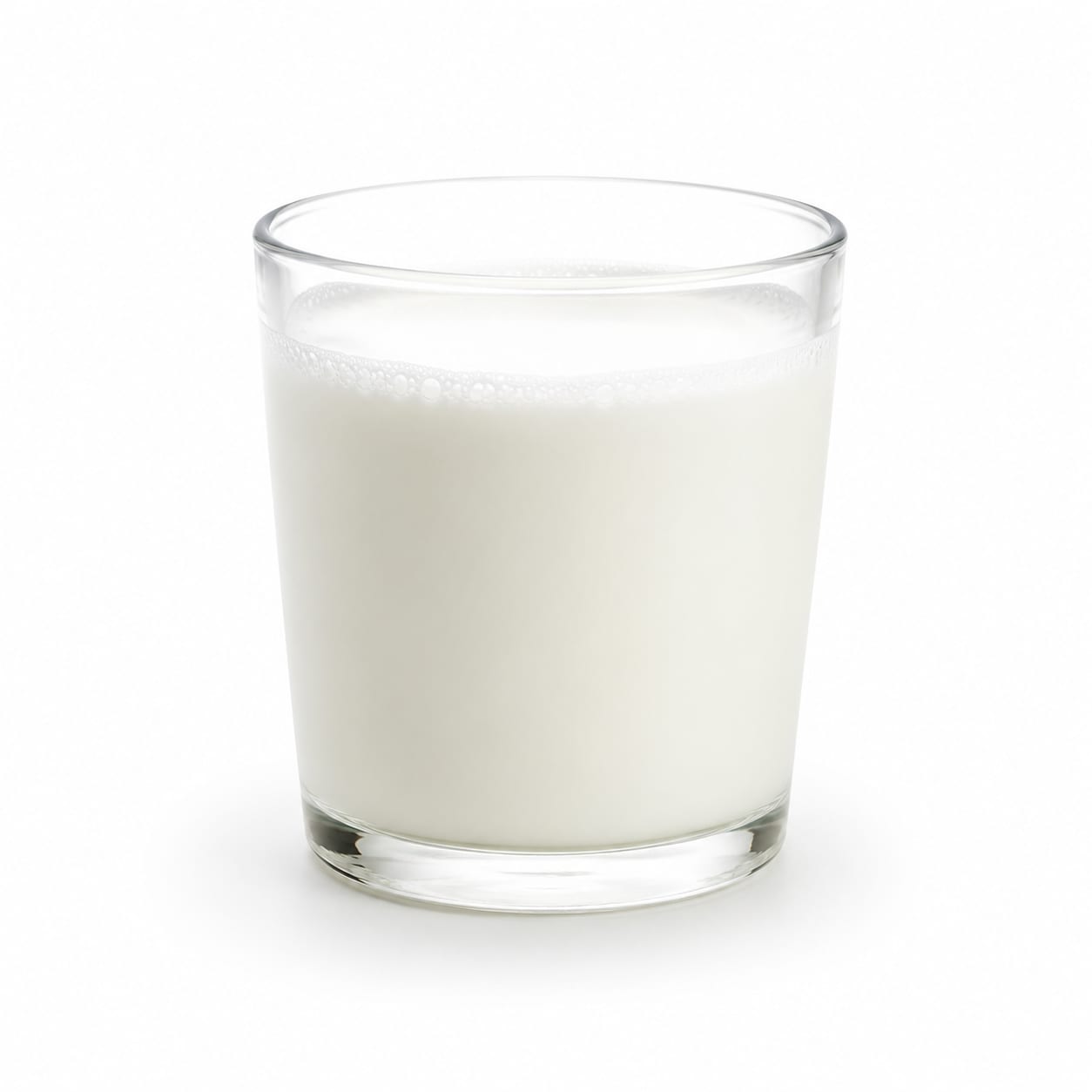
Dairy
Raw Milk
Unpasteurized milk that has not been heated to eliminate harmful bacteria, retaining natural enzymes and probiotics.
Unpasteurized milk from cows, goats, or sheep that has not been heat-treated to kill harmful bacteria, retaining its natural enzymes and microbial profile.
unprocessed whole-food dairy beverage
Typical serving · 244g
Common varieties · cow, goat, sheep, grass-fed, jersey +1 more
Overall context score across nutrition, safety, and diet fit
At a glance
Quick facts
Simple indicators based on nutrition, processing, and diet fit.
The story
What makes it unique
Raw milk is an unprocessed whole food with a moderate digestion speed due to its fat and protein content. It retains the natural lactase enzyme and a diverse microbiome, which are destroyed during pasteurization. The macronutrient profile is identical to pasteurized whole milk, providing a balanced mix of casein and whey proteins, saturated fat, and lactose. Satiety is high due to the protein and fat matrix.
Varieties: cow · goat · sheep · grass-fed · jersey · a2
Per 100g
Nutrition breakdown
Macro balance and key metrics at a glance.
Energy
Density 0.64 kcal/g
Protein
Carbs
Fat
Fiber
Sugar
5 g
Sodium
36 mg
Potassium
132 mg
Glycemic index
30
Glycemic load
3
Water content
88%
Standout compounds
Nutrient highlights
Calcium
highessential for bone density and muscle contraction
Lactase
moderateenzyme that aids in the digestion of milk sugar
Vitamin B12
highsupports nerve function and red blood cell formation
Conjugated Linoleic Acid
moderatehealthy fat linked to improved metabolic function
Wellness map
Health scores & processing
NOVA processing scale
unprocessed · Whole food
Raw milk is completely unprocessed and unpasteurized, existing in its natural state directly from the animal without any thermal or chemical alteration.
Diet compatibility
- Weight loss
- Muscle gain
- Diabetes
- Gut health
- Low carb
- High protein
- Heart health
Relative standing
Food rankings
Qualitative ranks compared to similar whole foods.
- Satietygood
- Blood sugarexcellent
- Nutrient densitygood
- Fitness fuelgood
- Processing qualityexcellent
Eat with confidence
Food safety profile
Raw milk carries a significantly higher risk of bacterial contamination and foodborne illness than pasteurized milk because it skips the heat treatment that kills dangerous pathogens.
Evidence confidence 95%
- Pesticideslow
- Antibioticsmoderate
- Heavy metalslow
- Contaminationhigh
Watch for
- E. coli O157:H7
- Listeria monocytogenes
- Salmonella
- Campylobacter
Safer choices
Pasteurized whole milk or organic pasteurized milk provide identical macronutrients without the high risk of pathogenic infection.
Prep tips
Keep strictly refrigerated, verify the farm's hygiene and testing protocols, and never consume if it smells sour or off.
The FDA prohibits the interstate sale of raw milk in the US, and many states heavily restrict or ban its intrastate sale due to public health risks.
Deep dive
Health analysis
How this food may fit different goals and preparation choices.
Weight loss
Moderate calorie density and high protein content promote satiety, but the fat content requires strict portion control to avoid calorie overconsumption.
Blood sugar
Low glycemic index and balanced macronutrients result in a slow, steady blood sugar response with minimal spikes.
Fitness & energy
Provides a mix of slow-digesting casein and fast-digesting whey protein, supporting muscle repair and sustained energy.
Gut health
Contains natural probiotics and the lactase enzyme, but pathogenic bacteria pose a severe risk to gut health and overall safety, making it a net negative for many individuals.
Processing quality
Completely unprocessed, retaining all original enzymes, fatty acids, and native protein structures.
Food safety
High risk of containing dangerous pathogens like E. coli, Listeria, and Salmonella; not recommended for pregnant women, children, the elderly, or immunocompromised individuals.
Common mistakes
Assuming raw milk cures lactose intolerance or that it is inherently safer and more nutritious than pasteurized milk.
Best preparation
Consume cold, ensure strict cold chain management, and source exclusively from farms with rigorous and transparent testing standards.
Practical guide
Best use cases
When and how this food fits real eating patterns.
Unprocessed whole food diet
Fits into dietary frameworks that strictly avoid any heat-treated or processed foods.
Traditional farming diets
Consumed by those following ancestral dietary lifestyles with trusted, transparent farm sourcing.
Satiety-enhancing beverage
The fat and protein combination provides lasting fullness between meals.
Balance sheet
Pros & cons
Upsides
- Retains natural lactase enzyme
- Contains diverse natural probiotics
- Completely unprocessed whole food
- High satiety from protein and fat
- Low glycemic impact
Trade-offs
- High risk of pathogenic bacterial contamination
- Dangerous for pregnant and immunocompromised individuals
- Shorter shelf life than pasteurized milk
- Illegal or restricted in many regions
- Saturated fat content may concern those with heart issues
Fit check
Who is it for?
Great match
- unprocessed whole food diets
- individuals with access to rigorously tested farm sources
- low glycemic dietary patterns
Consider alternatives
- pregnant women
- immunocompromised individuals
- young children
- those without verified safe sourcing
Side by side
How it compares
Open the full head-to-head analysis for nutrition, safety, and practical tradeoffs.
This food
Raw Milk
VS98% alike
Compare with
Pasteurized Whole Milk
Pasteurized milk is heated to kill pathogens, while raw milk is unheated. Nutritionally they are nearly identical, but raw milk retains natural enzymes.
Raw milk and pasteurized whole milk have the same macros, but pasteurized milk is significantly safer while raw milk retains natural enzymes.
This food
Raw Milk
VS85% alike
Compare with
Goat Milk
Goat milk has smaller fat globules and different proteins, making it easier to digest for some. Raw cow milk has higher B12.
Goat milk is often easier to digest due to smaller fat globules, while raw cow milk provides more vitamin B12 and folate.
This food
Raw Milk
VS60% alike
Compare with
Almond Milk
Almond milk is much lower in calories and fat but lacks the protein and natural enzymes of raw milk.
Almond milk is lower in calories and carbs, but raw milk provides far more protein and satiety for fitness goals.
This food
Raw Milk
VS80% alike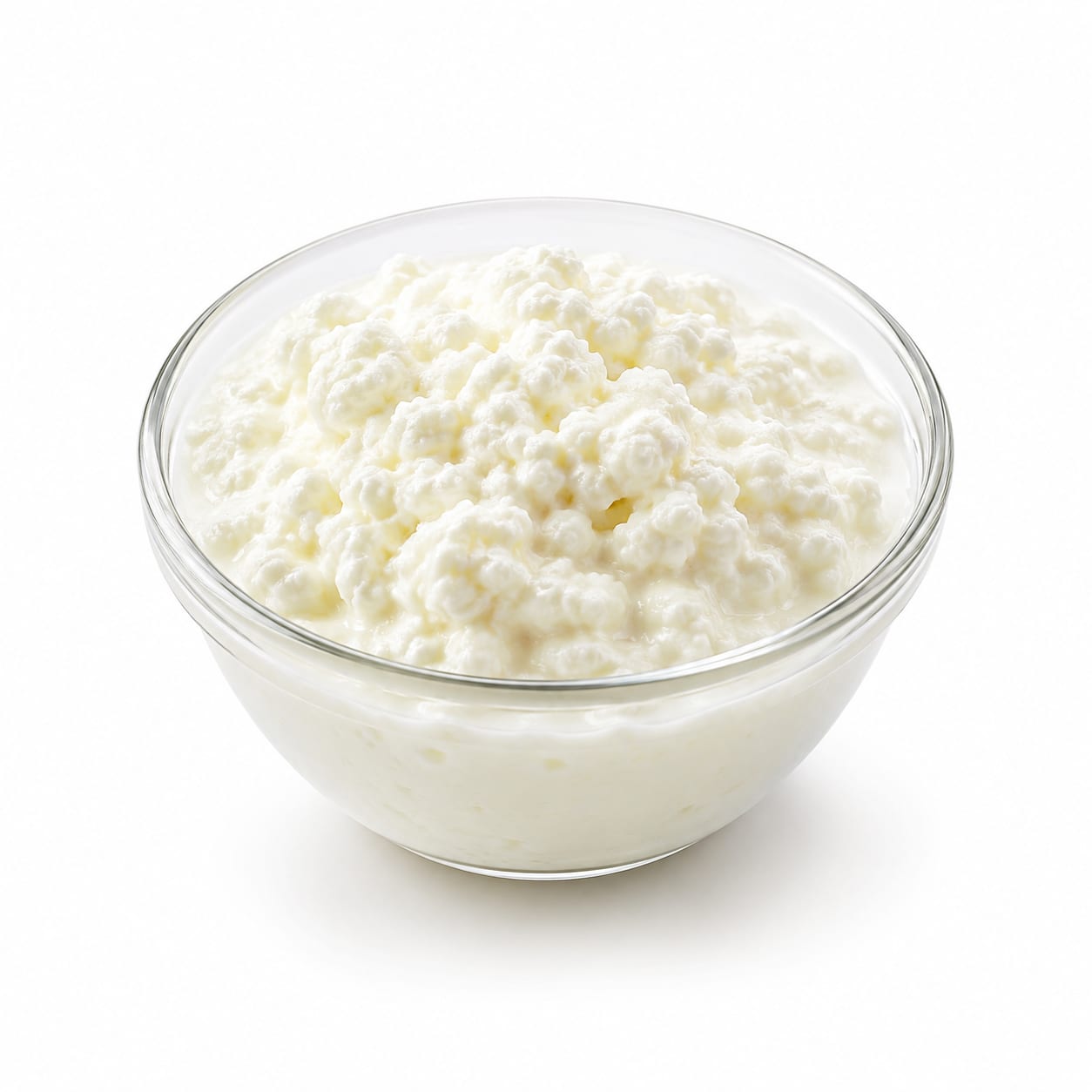
Compare with
Kefir
Kefir is cultured, providing verified probiotics and high digestibility without the pathogen risk of raw milk.
Kefir offers guaranteed probiotics and easier digestion safely, whereas raw milk carries pathogen risks alongside its natural bacteria.
This food
Raw Milk
VS90% alike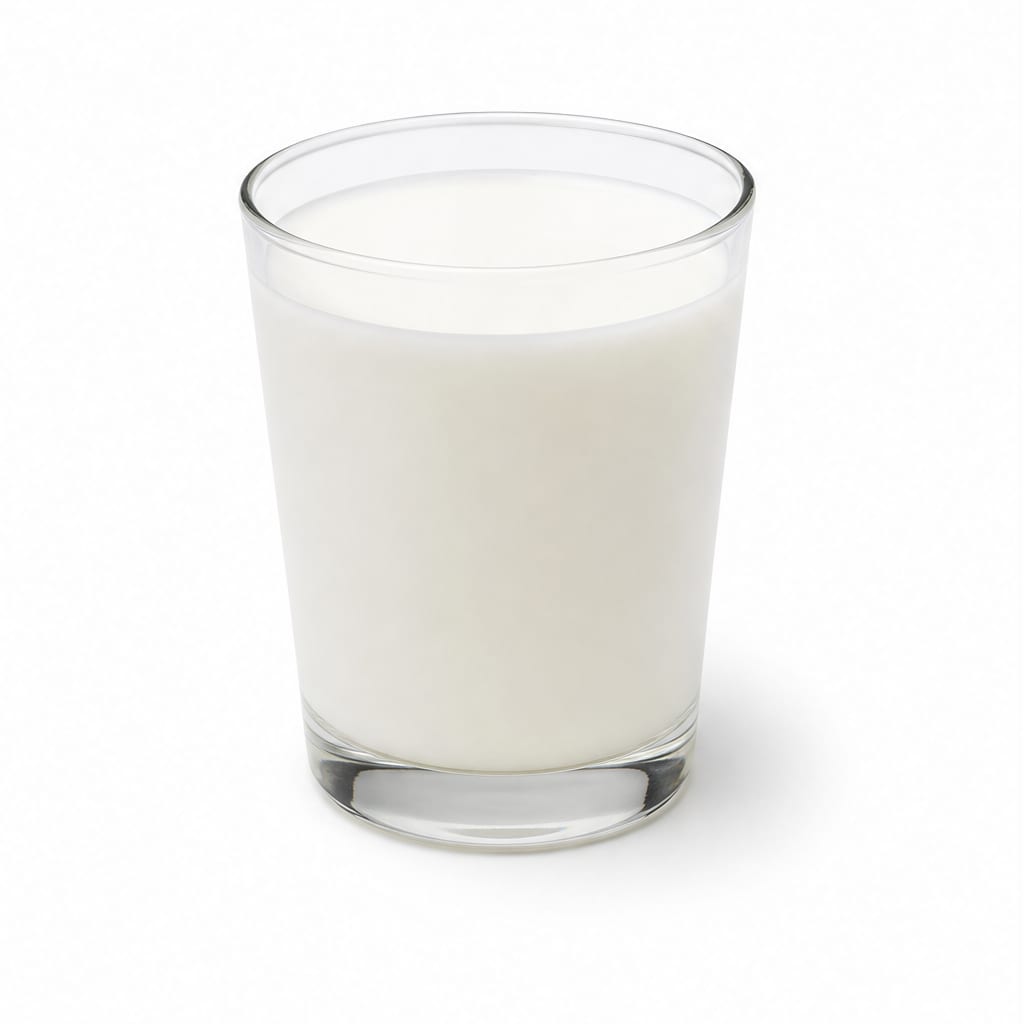
Compare with
Skim Milk
Skim milk removes fat, lowering calories but reducing satiety. It is pasteurized, making it safer than raw milk.
Skim milk is lower in calories and safer due to pasteurization, but raw milk provides better satiety and a lower glycemic impact from its fat content.
This food
Raw Milk
VS65% alike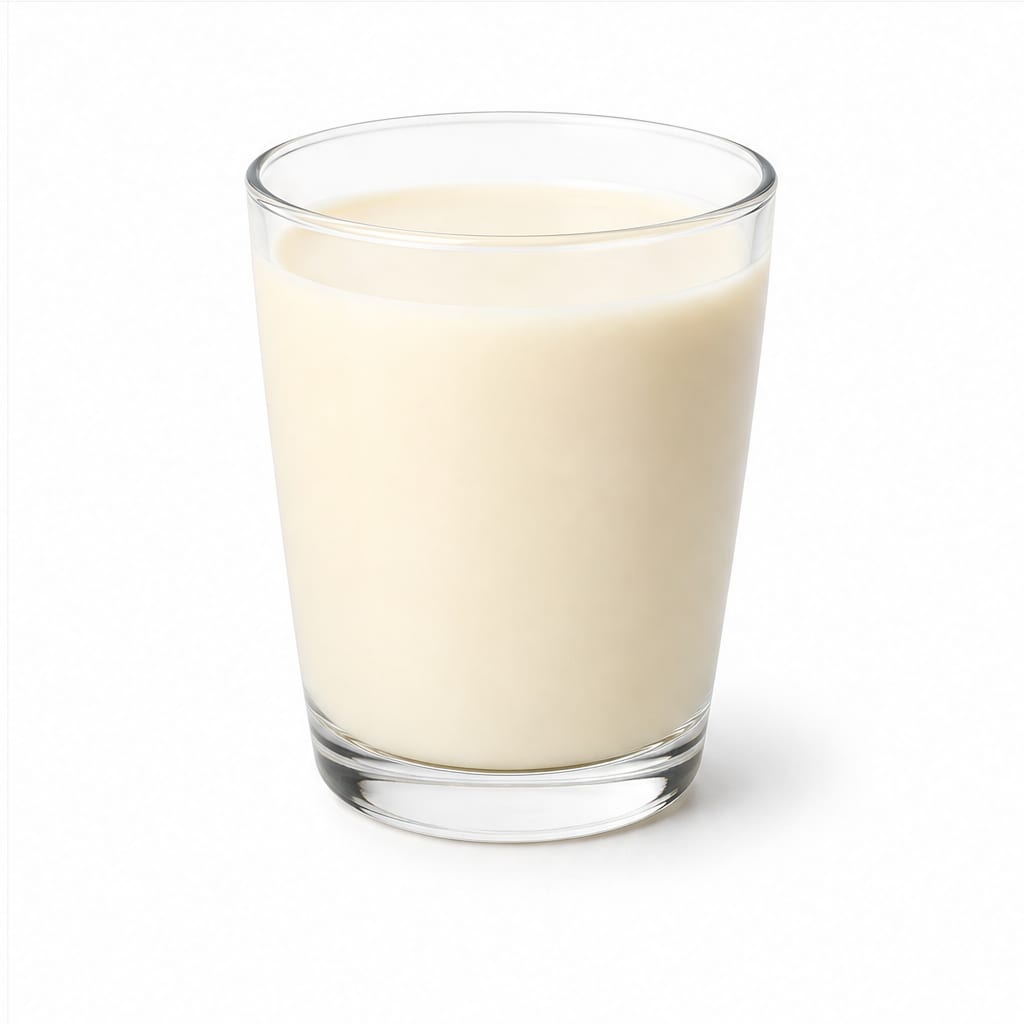
Compare with
Soy Milk
Soy milk matches raw milk in protein but with less saturated fat and zero pathogen risk from raw animal products.
Soy milk provides comparable protein to raw milk with less saturated fat and no risk of dairy-borne pathogens.
This food
Raw Milk
VS60% alike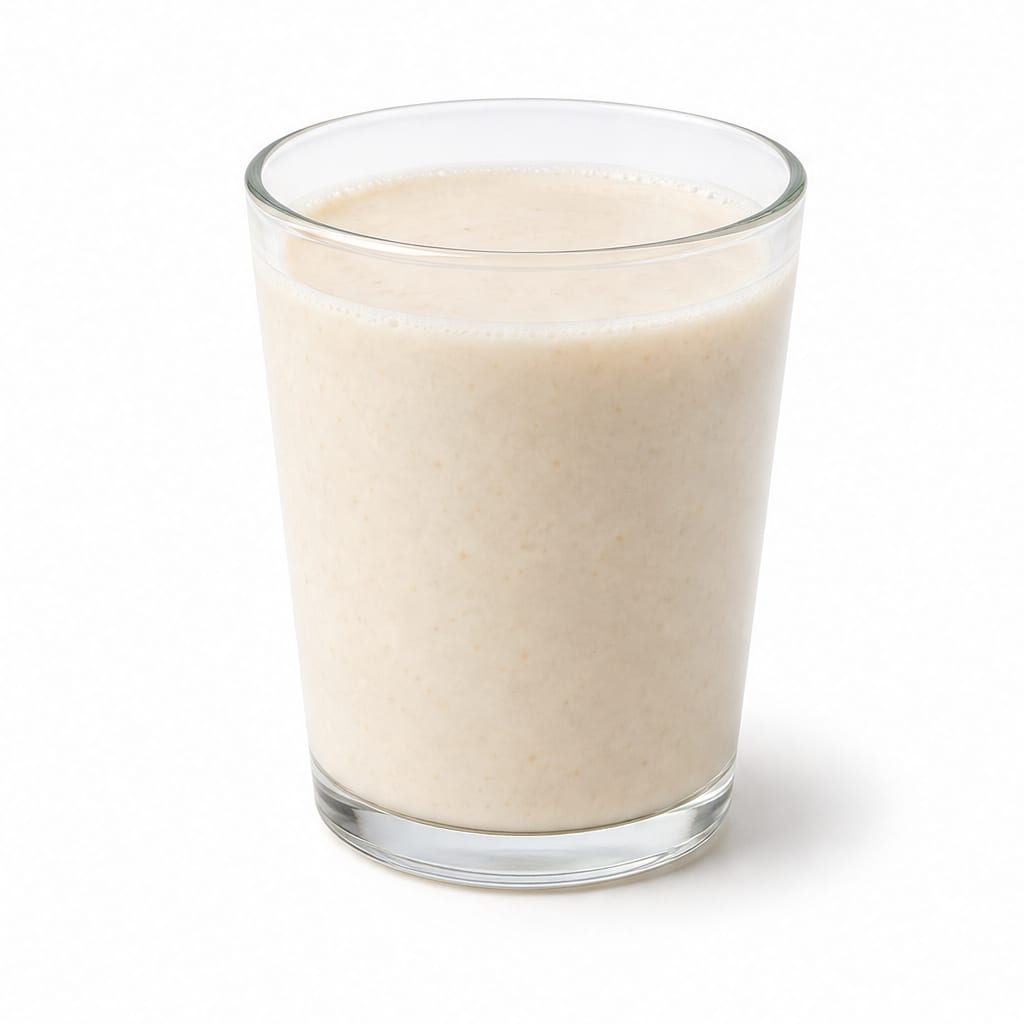
Compare with
Oat Milk
Oat milk is higher in carbohydrates and lower in protein, lacking the satiety and complete amino acid profile of raw milk.
Raw milk is much higher in protein and lower in carbs than oat milk, making it better for blood sugar control and muscle building.
This food
Raw Milk
VS88% alike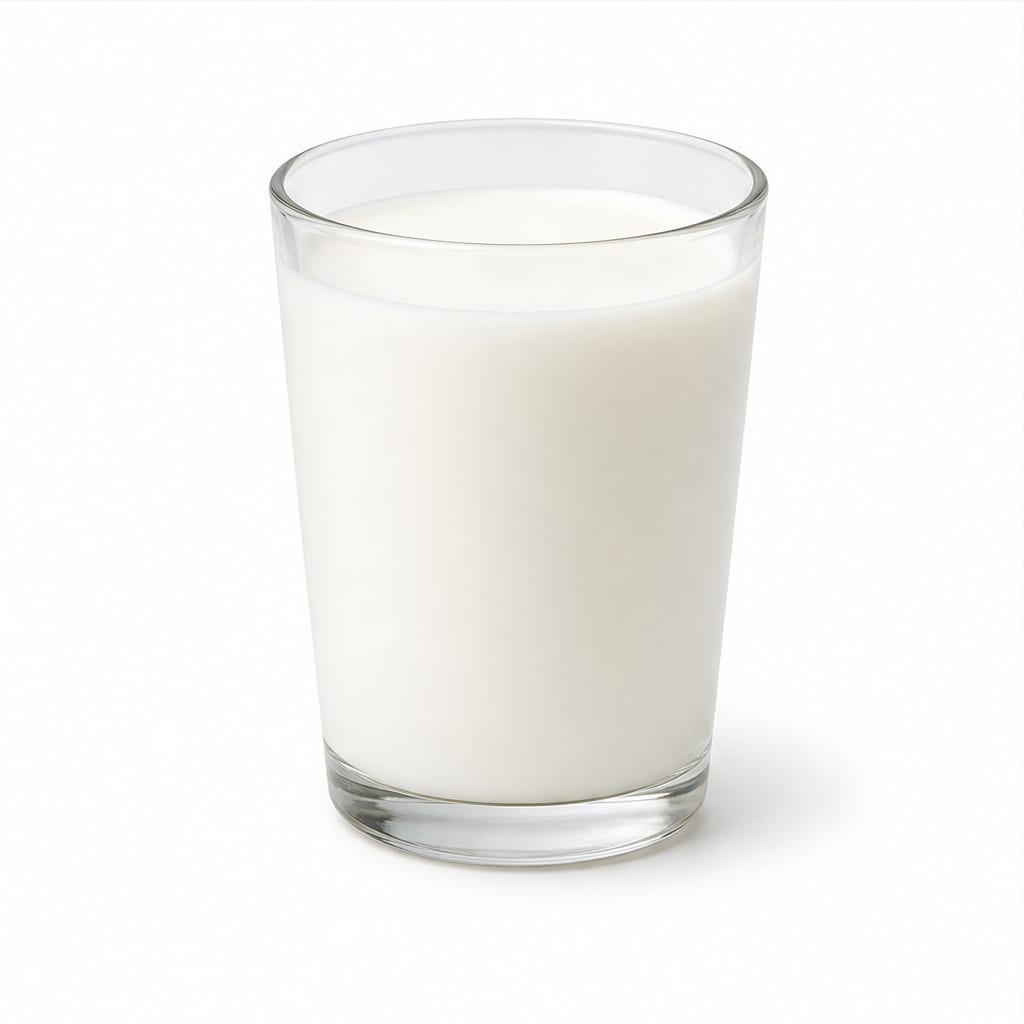
Compare with
A2 Milk
A2 milk lacks the A1 beta-casein protein that causes digestive distress for some, and it is pasteurized for safety.
A2 milk is safer due to pasteurization and may be easier to digest for those sensitive to A1 protein, while raw milk retains natural enzymes.
This food
Raw Milk
VS70% alike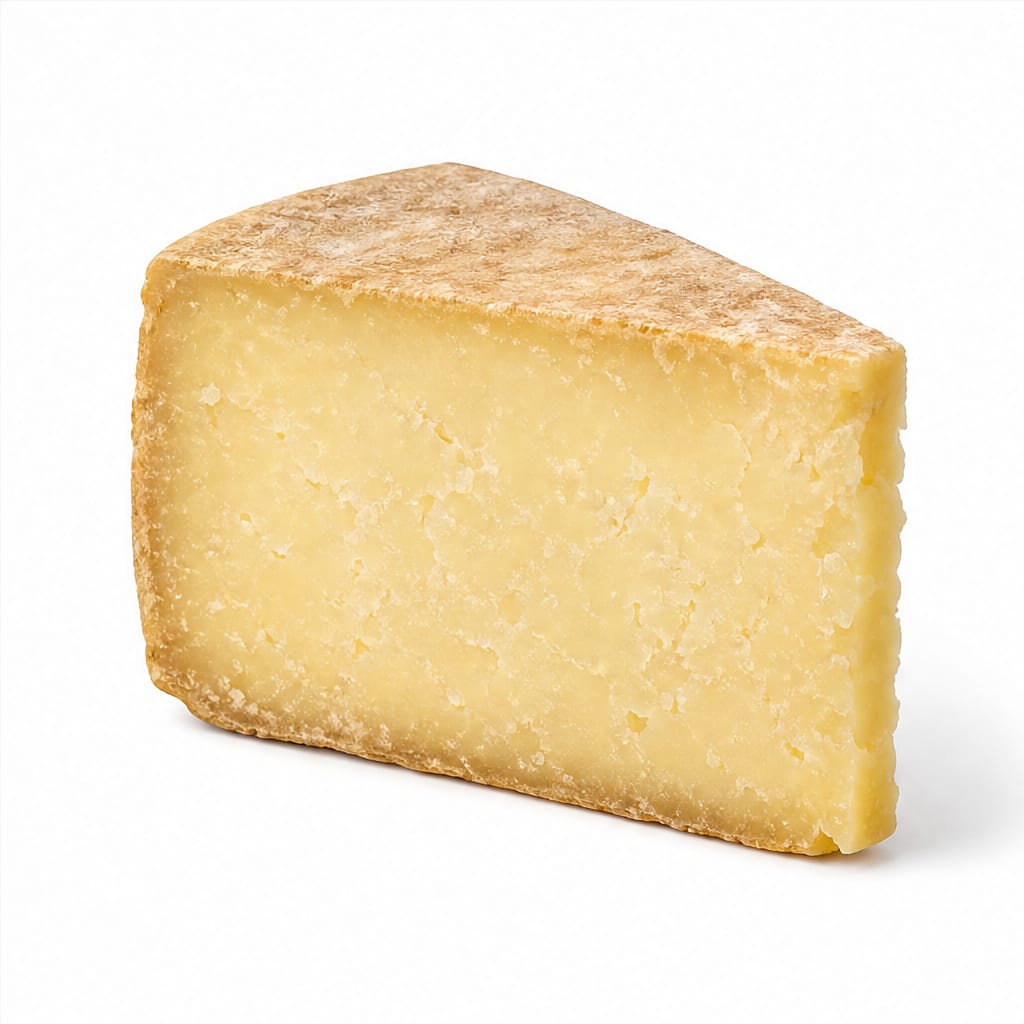
Compare with
Raw Cheese
Raw cheese is fermented, reducing lactose and pathogen risk while concentrating protein and fat.
Raw cheese offers concentrated protein and near-zero lactose, while raw milk provides hydration and a balanced macronutrient profile.
This food
Raw Milk
VS75% alike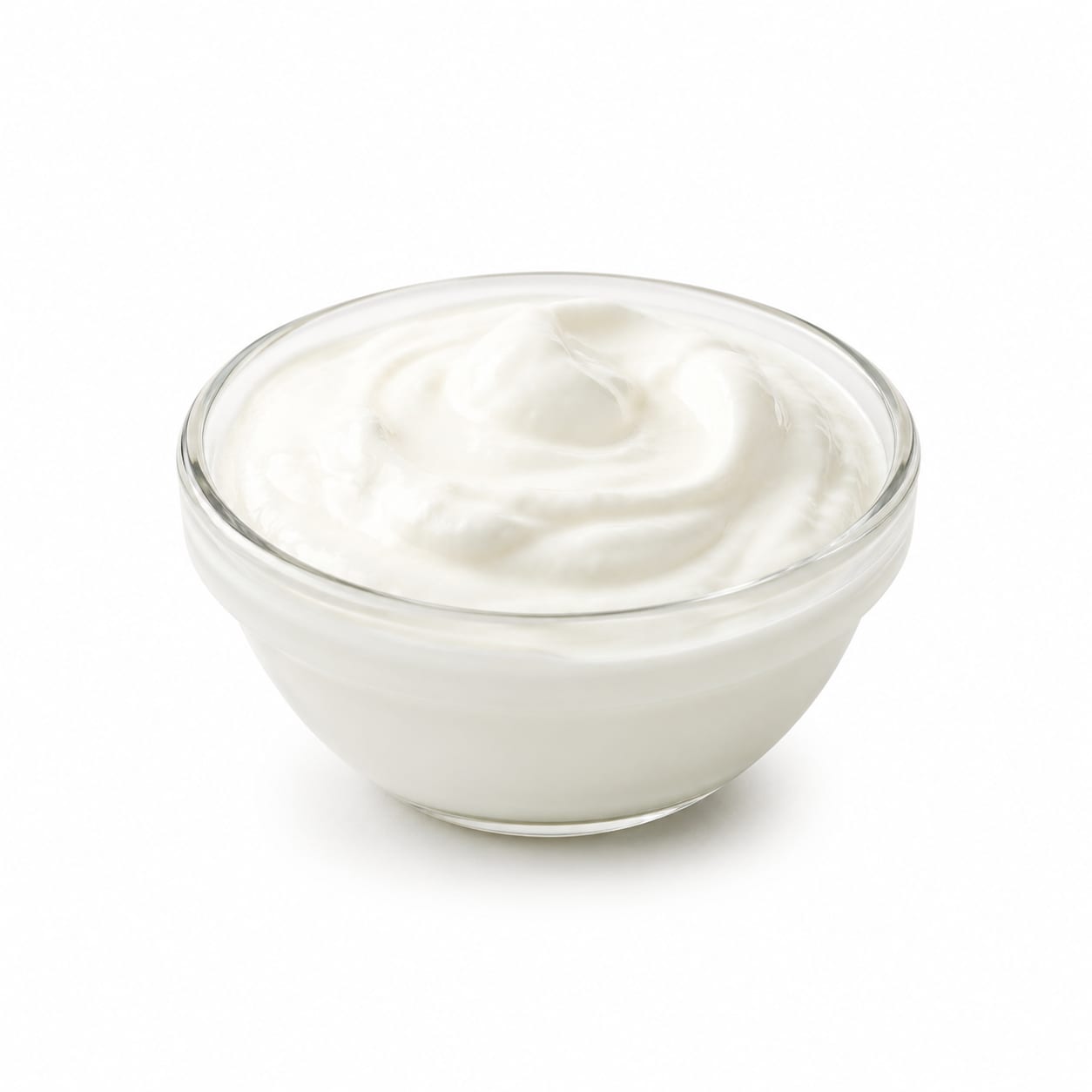
Compare with
Greek Yogurt
Greek yogurt is strained to concentrate protein and is pasteurized, offering superior safety and more protein per calorie than raw milk.
Greek yogurt provides more protein and safe probiotics per serving, while raw milk offers natural enzymes but higher safety risks.
Common questions
FAQ
Answers aligned with how people search for this food.
Is raw milk safe to drink?
Raw milk carries a significantly higher risk of foodborne illness because it is not heated to kill harmful bacteria like E. coli, Listeria, and Salmonella. Health agencies strongly advise against drinking it.
Does raw milk help with lactose intolerance?
Raw milk contains the lactase enzyme, which is destroyed during pasteurization. Some people with lactose intolerance report better tolerance, but scientific evidence is mixed and it is not a guaranteed cure.
What is the difference between raw milk and pasteurized milk?
Pasteurized milk is heated to kill potentially harmful pathogens, while raw milk is completely unheated, retaining natural bacteria and enzymes but also surviving dangerous microbes.
Can pregnant women drink raw milk?
Pregnant women should strictly avoid raw milk due to the risk of Listeria infection, which can cause miscarriage, stillbirth, or severe illness in newborns.
Does raw milk have more nutrients than regular milk?
The macronutrient and micronutrient profiles are largely identical. Raw milk retains some heat-sensitive vitamins like Vitamin C and enzymes, but the overall nutritional difference is minimal.
Why is raw milk illegal in some places?
Public health agencies restrict raw milk sales to prevent outbreaks of foodborne illnesses, which are statistically much more common from unpasteurized dairy products.
Can raw milk build muscle better than regular milk?
No, the protein content and quality, including whey and casein, are the same in both raw and pasteurized milk, making them equally effective for muscle building.
Transparency
Data confidence
Estimated confidence for nutrition data, interpretation, safety notes, and comparisons.
Nutrition data
Health analysis
Food safety
Comparisons