
Nutrition comparison
Raw Milk vs Kefir: Which Is Better for Your Health and Gut?
Compare Raw Milk and Kefir on safety, probiotics, digestibility, and nutrition. Learn why Kefir delivers more benefits with less risk for daily consumption.
Overall winner · Kefir
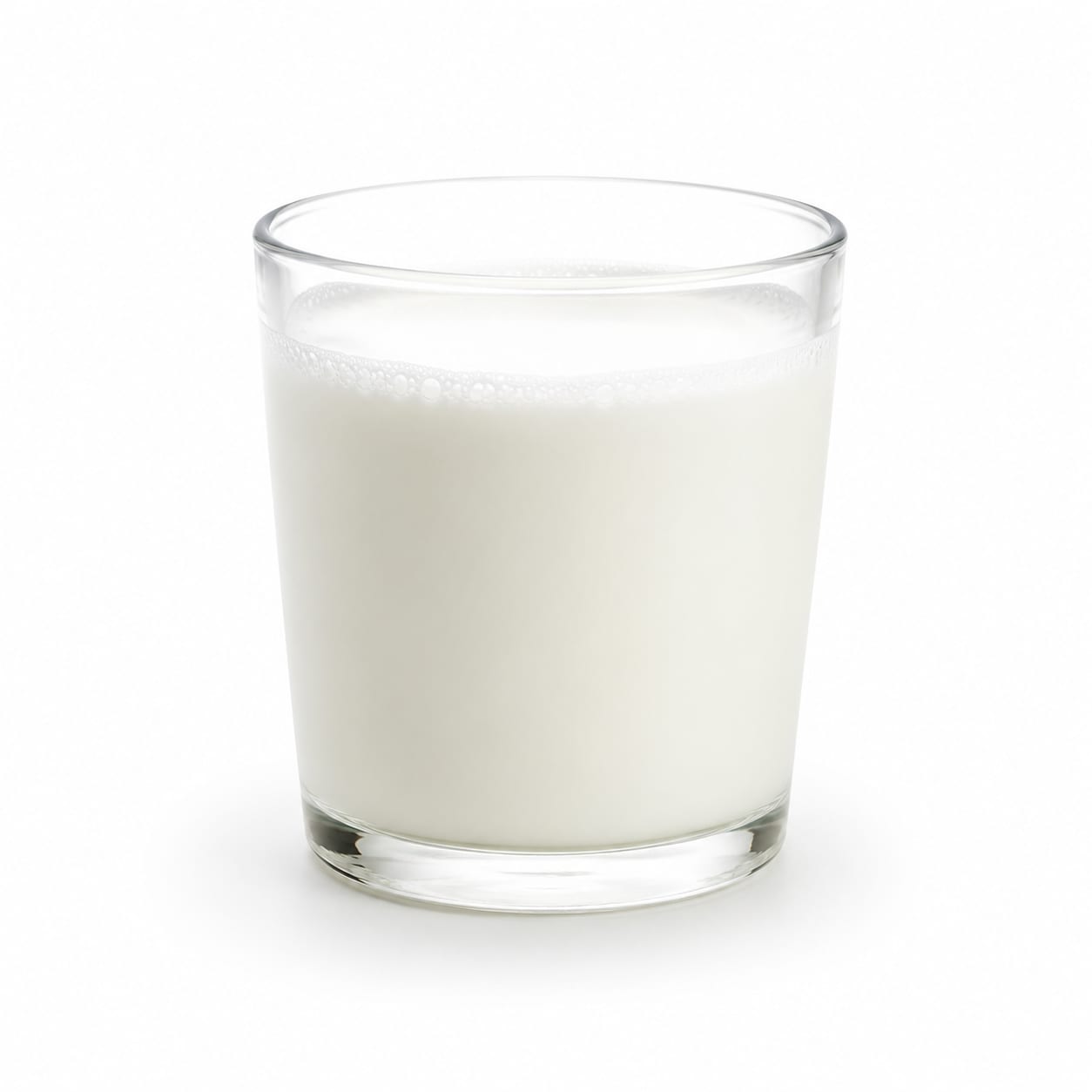
Raw Milk
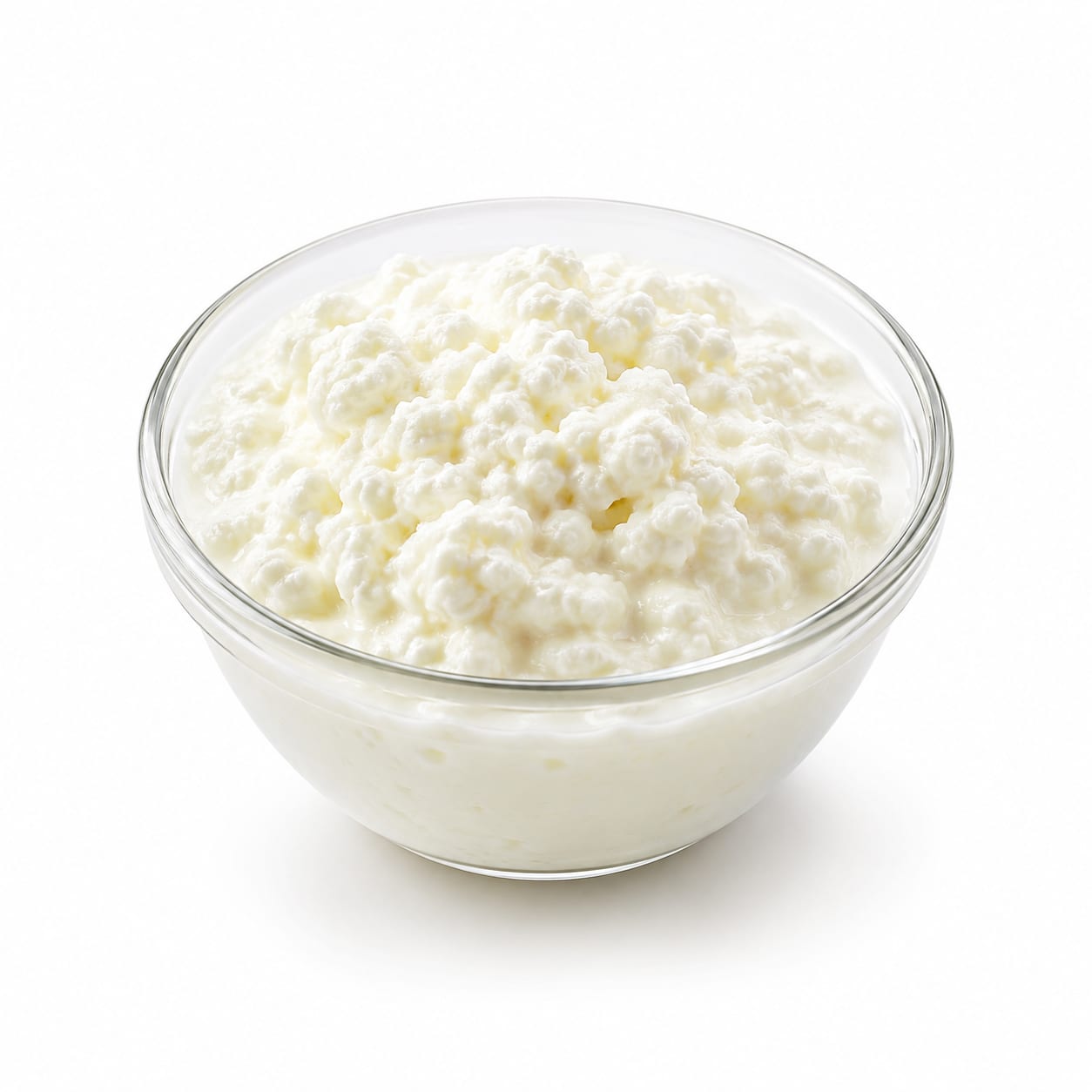
Kefir
Kefir delivers most of what people seek from Raw Milk — rich nutrition, bioavailable vitamins, and creamy satisfaction — while adding powerful probiotics and eliminating the serious pathogen risk that makes Raw Milk dangerous.
Kefir scores significantly higher due to its strong safety profile, probiotic density, and superior digestibility. Raw Milk's nutritional quality is genuine but overshadowed by pathogen risk and lack of fermentation benefits.
Raw Milk offers a more natural, unprocessed experience with intact enzymes, but Kefir provides superior gut health benefits and dramatically better safety with only minimal processing.
At a glance
Executive summary
Overall
Kefir
Healthier
Kefir
More practical
Kefir
Daily use
Kefir
Key comparison lenses
food safety and contamination risk
Raw Milk carries significant pathogen risk, which is the single most important differentiator in this comparison
probiotic and gut health benefits
Kefir's fermented probiotic profile is its defining advantage over Raw Milk
digestibility and lactose tolerance
Kefir's fermentation predigests lactose, making it far more tolerable for sensitive individuals
naturalness and minimal processing preference
Raw Milk appeals to those seeking unprocessed foods, but this comes with real tradeoffs
immune system support
Both foods claim immune benefits but through very different mechanisms with different risk profiles
Best choice for
Raw Milk
- People who prioritize completely unprocessed foods and accept the safety tradeoff
- Those seeking intact milk enzymes like lactoperoxidase and lipase
- Consumers with trusted, tested farm sources and strong risk tolerance
Kefir
- Anyone wanting probiotic benefits without safety concerns
- Lactose-sensitive individuals who still want dairy nutrition
- Daily drinkers looking for gut health support and immune reinforcement
Least suitable for
Raw Milk
- Pregnant women, children, elderly, and immunocompromised individuals
- Anyone without a verified safe source
- People who consume dairy daily and want low-risk consistency
Kefir
- Those avoiding all fermented or cultured products
- People sensitive to even trace amounts of histamine
- Individuals who dislike tangy or sour flavor profiles
Deep comparison
Dimension by dimension
Each lens scores both foods and breaks down who each option suits.
- Dimension 1 · Priority 95Kefir
food safety and contamination risk
Raw Milk · 20Kefir · 90Raw Milk is one of the riskiest common foods due to potential pathogens like E. coli, Listeria, Salmonella, and Campylobacter. Kefir's fermentation and typical pasteurization before culturing make it dramatically safer.
Tradeoff
Raw Milk enthusiasts accept real foodborne illness risk for the sake of naturalness. Kefir gives you peace of mind with every glass.
Why it matters
Foodborne illness from Raw Milk can cause kidney failure, miscarriage, and death in vulnerable populations. This is not theoretical — outbreaks are regularly documented.
Real-world impact
One contaminated batch of Raw Milk can mean hospital visits. Kefir lets you drink daily without that background anxiety.
Raw Milk
- Those who personally inspect and trust their farm source
Better for
- Anyone buying from unverified sources
- Households with young kids or elderly members
Worse for
Kefir
- Families with children
- Pregnant women
- Anyone wanting safe daily consumption
- People with compromised immune systems
Better for
- Dimension 2 · Priority 90Kefir
probiotic and gut microbiome support
Raw Milk · 15Kefir · 92Kefir is one of the most probiotic-rich foods available, containing up to 60 strains of beneficial bacteria and yeast. Raw Milk has natural bacteria but nothing approaching Kefir's fermented diversity.
Tradeoff
Raw Milk's bacteria are environmental and unpredictable. Kefir's cultures are purposeful, studied, and consistently beneficial.
Why it matters
A diverse gut microbiome affects digestion, immunity, mood, and even skin health. Kefir is essentially a daily probiotic supplement in food form.
Real-world impact
Regular Kefir drinkers often notice less bloating, more regular digestion, and fewer colds. Raw Milk cannot reliably deliver these outcomes.
Raw Milk
- People expecting probiotic benefits from milk
Worse for
Kefir
- Anyone with digestive issues like bloating or irregularity
- People recovering from antibiotics
- Those wanting to strengthen immune defenses naturally
Better for
- Dimension 3 · Priority 85Kefir
digestibility and lactose tolerance
Raw Milk · 35Kefir · 88Kefir's fermentation process consumes much of the lactose, producing lactic acid and making it tolerable for many who cannot drink regular milk. Raw Milk retains full lactose content.
Tradeoff
Raw Milk contains intact lactose and enzymes like lactase that some claim aid digestion, but evidence is inconsistent. Kefir's predigested lactose is a more reliable solution.
Why it matters
Roughly 65% of the global population has some degree of lactose malabsorption. A dairy option that works for sensitive stomachs matters enormously.
Real-world impact
Many lactose-sensitive people enjoy Kefir without bloating or gas. Raw Milk often triggers the same discomfort as regular milk.
Raw Milk
- People with no lactose sensitivity who prefer unfermented taste
Better for
- Lactose-intolerant individuals
Worse for
Kefir
- Lactose-sensitive individuals
- Anyone who experiences bloating with regular milk
- People wanting dairy nutrition without digestive discomfort
Better for
- Those sensitive to tangy flavors who also avoid lactose
Worse for
- Dimension 4 · Priority 75It depends
nutrient density and bioavailability
Raw Milk · 78Kefir · 80Both are nutritionally dense with protein, calcium, B vitamins, and healthy fats. Raw Milk retains heat-sensitive vitamins like vitamin C and folate. Kefir's fermentation increases certain B vitamins and makes minerals more absorbable.
Tradeoff
Raw Milk keeps more vitamin C and intact enzymes, but Kefir's fermentation actually boosts B vitamin content and mineral absorption. The net difference is small.
Why it matters
Both foods deliver serious nutrition. The differences here are minor compared to the safety and probiotic gaps.
Real-world impact
You get excellent nutrition from either choice. Kefir slightly edges out on what your body actually absorbs.
Raw Milk
- Those specifically seeking vitamin C from dairy
- People wanting intact lipase for fat digestion
Better for
- Those who pasteurize at home and lose the raw benefits anyway
Worse for
Kefir
- Anyone prioritizing calcium and mineral absorption
- People wanting B vitamin synthesis from fermentation
Better for
- Dimension 5 · Priority 70Raw Milk
naturalness and minimal processing
Raw Milk · 95Kefir · 65Raw Milk is as unprocessed as dairy gets — straight from the cow with no heat treatment or culturing. Kefir involves pasteurization and intentional fermentation, adding steps between farm and glass.
Tradeoff
Raw Milk wins on purity of process but loses on safety and functional benefits. Kefir's processing is minimal and purposeful, not destructive.
Why it matters
For people who build their diet around unprocessed foods, this matters emotionally and philosophically. But minimal processing is not always better processing.
Real-world impact
Raw Milk feels more traditional and pure. Kefir feels more like a crafted functional food. Both have their appeal depending on your values.
Raw Milk
- Strict whole-food purists
- People who value zero-processing as a principle
Better for
- Anyone who confuses natural with safe
Worse for
Kefir
- Those who see fermentation as beneficial processing
- People who prioritize function over philosophy
Better for
- People avoiding any cultured or treated foods
Worse for
- Dimension 6 · Priority 65Kefir
immune system support
Raw Milk · 45Kefir · 85Raw Milk contains immunoglobulins and lactoferrin that may support immunity, but these are unproven against human infection. Kefir's probiotics have stronger evidence for immune modulation and respiratory infection reduction.
Tradeoff
Raw Milk's immune components sound impressive but lack clinical validation. Kefir's probiotic-driven immune support has real study data behind it.
Why it matters
If you are choosing a dairy drink partly for immune resilience, Kefir is the option with better evidence and none of the infection risk.
Real-world impact
Kefir drinkers report fewer sick days over winter months. Raw Milk might help immunity, but it also might be the thing that makes you sick.
Raw Milk
- Those who believe in innate milk immune factors
Better for
- People risking infection while seeking immune support
Worse for
Kefir
- People wanting evidence-backed immune support
- Anyone prone to colds and respiratory infections
- Those who want immune benefits without infection risk
Better for
Timeline
Health impact over time
Short-term
Hours to days
Raw Milk
- Risk of acute foodborne illness including diarrhea, vomiting, and fever within hours to days of consumption
- Possible digestive comfort if lactose-tolerant due to intact enzymes
- Immediate exposure to harmful pathogens if milk is contaminated
Kefir
- Gentle on digestion for most people including many with lactose sensitivity
- Mild bloating possible when first introducing probiotics to your system
- Tangy flavor may cause initial taste adjustment period
Long-term
Months to years
Raw Milk
- Repeated exposure to pathogen risk with each consumption
- Potential for severe complications like hemolytic uremic syndrome from E. coli O157:H7
- No proven long-term health advantages over pasteurized dairy
- Possible immune and allergy benefits claimed but not well validated
Kefir
- Improved gut microbiome diversity with regular consumption
- Better digestive regularity and reduced bloating over time
- Potential immune strengthening and fewer respiratory infections
- Possible anti-inflammatory effects from beneficial bacterial metabolites
Risk profile
Safety & processing
Raw Milk is the less processed option by definition — nothing added, nothing heated. Kefir involves pasteurization followed by fermentation, but both steps are traditional and additive-free. Neither contains artificial ingredients, and Kefir's processing is purposeful rather than degrading.
Raw Milk
Pathogenic bacteria contamination
highE. coli O157:H7, Listeria monocytogenes, Salmonella, and Campylobacter are regularly found in Raw Milk. These can cause severe illness, kidney failure, and death.
Brucellosis transmission
mediumRare in developed countries but possible from infected herds. Causes chronic flu-like illness.
Inconsistent safety between batches
highEven trusted farms can have contamination events. Testing is not continuous, so a clean test does not guarantee a clean batch.
Kefir
Histamine content from fermentation
lowFermented foods contain histamine. Most people tolerate this fine, but histamine-sensitive individuals may experience headaches or flushing.
Cross-contamination in home brewing
lowIf making Kefir at home with raw milk as a base, all raw milk risks apply. Commercial Kefir typically uses pasteurized milk.
Who wins for whom
Audience fit
Same foods, different winners depending on your goal.
children
KefirChildren are particularly vulnerable to Raw Milk pathogens. Kefir provides similar or better nutrition with probiotic benefits and a strong safety profile.
daily consumption
KefirDaily consumption multiplies risk with Raw Milk. Kefir is safe for daily use and its probiotic benefits accumulate with consistency.
diabetes
KefirKefir's fermentation reduces lactose sugar content and its probiotics may improve insulin sensitivity. Raw Milk retains full lactose sugar with no metabolic advantage.
elderly
KefirOlder adults have weaker immune systems and are more susceptible to foodborne illness. Kefir's probiotics also support digestive health, which commonly declines with age.
muscle gain
It dependsBoth provide comparable protein per serving. Raw Milk has a slightly creamier mouthfeel that some find more satisfying post-workout, but Kefir's digestibility means faster nutrient absorption.
weight loss
KefirKefir's probiotics may support metabolism and reduce inflammation, and its lower lactose content makes it easier to incorporate consistently without digestive disruption.
Your move
Decision guide
Choose Raw Milk
- You have a trusted, regularly tested farm source you know personally
- You accept the safety tradeoff as a conscious, informed choice
- You have no vulnerable people in your household
- You prioritize zero-processing above all other factors
Choose Kefir
- You want probiotic benefits without safety concerns
- You are lactose-sensitive but want dairy nutrition
- You have children, elderly family members, or are pregnant
- You want a daily dairy drink that supports gut health long-term
- You prefer evidence-backed benefits over philosophical purity
Either works if
- You tolerate lactose well and just want a nutritious dairy option
- You are comfortable with fermented flavors but also enjoy fresh milk taste
- Your primary goal is calcium and protein intake from whole dairy
Avoid both if
- You have a dairy allergy — neither is safe for you
- You are strictly vegan and avoid all animal products
- You are on a physician-directed dairy elimination protocol
Final recommendation
Kefir is the clearly better choice for nearly everyone. It delivers the rich nutrition people seek from Raw Milk while adding meaningful probiotic benefits, improving digestibility, and eliminating the serious pathogen risk that makes Raw Milk a regular source of outbreaks. If you are drawn to Raw Milk for its naturalness, understand that Kefir's fermentation is one of the oldest and most beneficial forms of food processing humans have ever discovered. Choose Kefir for daily drinking. Reserve Raw Milk for rare occasions with verified safe sources if you choose to accept the risk.
Practical
Consumer tips
- 1
If you drink Kefir, start with small amounts — 4 ounces daily — and increase over a week to let your gut adjust to the probiotics
- 2
Choose plain unsweetened Kefir to avoid added sugars found in flavored varieties
- 3
If you still want to try Raw Milk, verify your source tests for pathogens and never serve it to children, pregnant women, or elderly family members
- 4
Kefir made from whole milk provides better satiety and fat-soluble vitamin absorption than low-fat versions
- 5
Look for Kefir with live and active cultures — some commercial brands heat-treat after fermentation, killing the probiotics you are paying for
- 6
Freezing Kefir grains pauses fermentation but keeps them viable for future batches if you brew at home
- 7
If switching from Raw Milk to Kefir, expect a tangier flavor — most people come to prefer it within two weeks