
Nutrition comparison
Raw Milk vs Skim Milk: Safety, Nutrition, and Which to Choose
Compare Raw Milk and Skim Milk on safety, calories, satiety, and processing. Learn the real tradeoffs and which milk fits your health goals best.
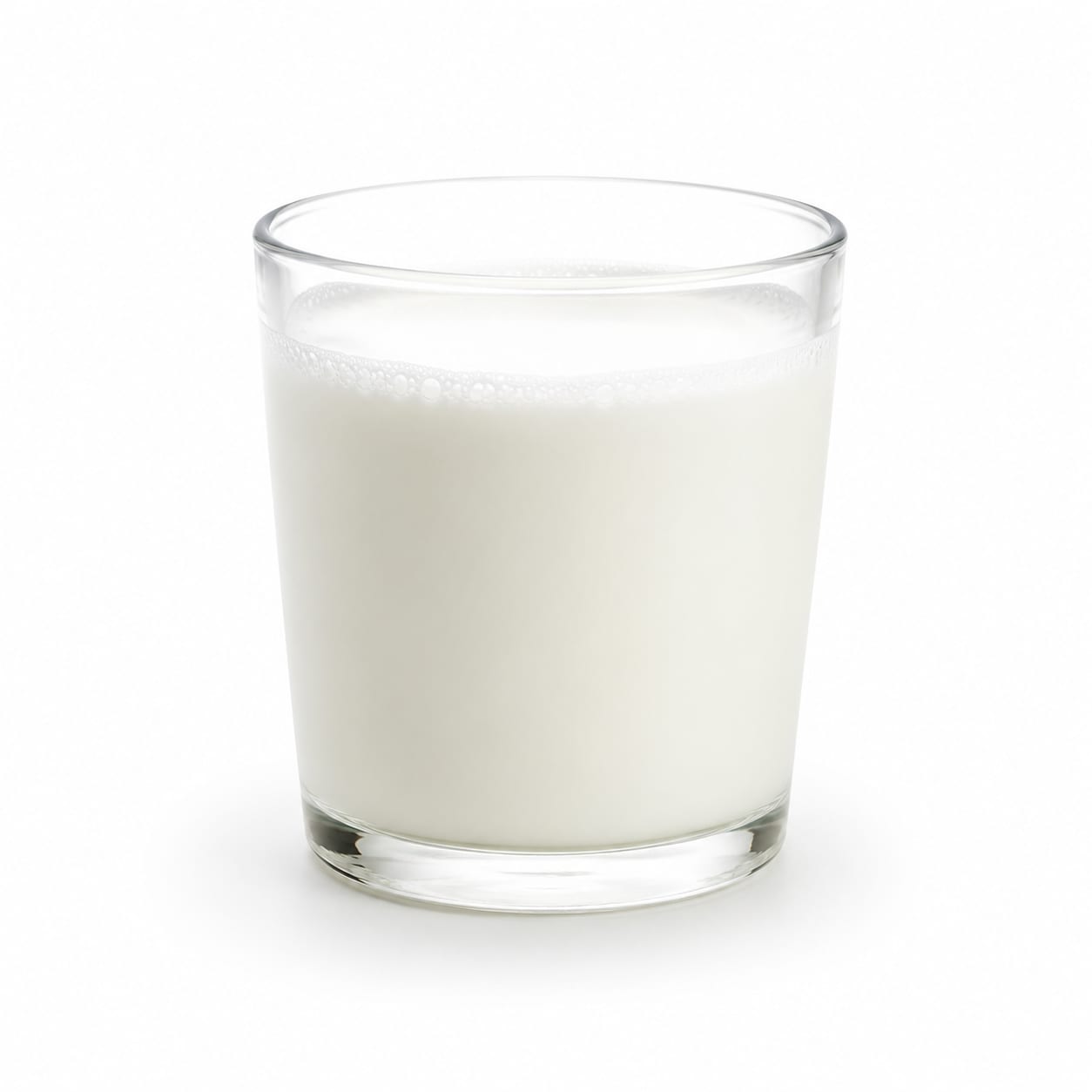
Raw Milk
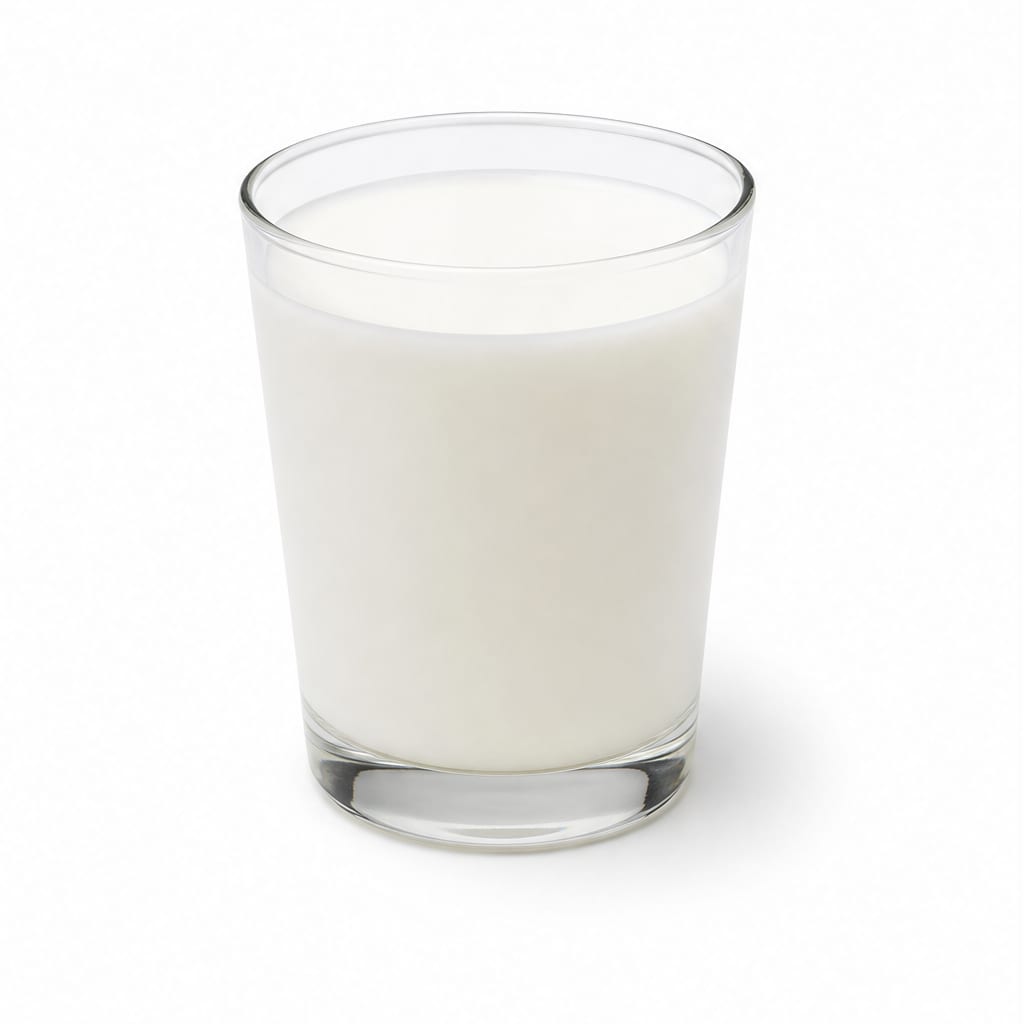
Skim Milk
Skim Milk is safer and lower in calories, but Raw Milk delivers more satiety and natural fat-soluble nutrients. The right choice hinges on whether you prioritize food safety or minimal processing.
Skim Milk scores higher overall due to significantly better safety and broader accessibility. Raw Milk earns points for naturalness and satiety but loses heavily on pathogen risk and limited availability.
Safety and calorie control versus naturalness and full-fat satisfaction.
At a glance
Executive summary
Overall
It depends
Healthier
Skim Milk
More practical
Skim Milk
Daily use
Skim Milk
Key comparison lenses
safety vs naturalness
The defining tension: Raw Milk offers unprocessed naturalness but carries real pathogen risk, while Skim Milk is pasteurized and safe but stripped of fat and altered from its natural state.
fat removal nutritional tradeoff
Removing fat changes calorie density, satiety, fat-soluble vitamin absorption, and hormonal satisfaction signals significantly.
weight management strategy
Users often choose between these milks specifically for calorie control versus fullness and satisfaction.
digestive tolerance
Raw Milk advocates claim better digestibility from intact enzymes, while Skim Milk's lower fat can be easier or harder depending on the person.
daily habit sustainability
Which milk is easier to find, afford, and stick with long-term matters for real-world decisions.
Best choice for
Raw Milk
- People who source from trusted, tested farms and prioritize whole-food nutrition
- Those seeking maximum satiety and fat-soluble vitamin retention
- Individuals with specific digestive preferences who tolerate raw dairy well
Skim Milk
- Anyone prioritizing food safety, including pregnant women and immunocompromised individuals
- Calorie-conscious individuals aiming for weight loss or maintenance
- People who want widely available, affordable, consistent milk
Least suitable for
Raw Milk
- Pregnant women, young children, elderly, and immunocompromised individuals
- Anyone without access to verified safe sources
- People counting calories who need a lighter option
Skim Milk
- Those who find low-fat dairy unsatisfying and end up overeating later
- People seeking whole, unprocessed foods exclusively
- Anyone sensitive to the taste or texture of fat-free dairy
Deep comparison
Dimension by dimension
Each lens scores both foods and breaks down who each option suits.
- Dimension 1 · Priority 98Skim Milk
food_safety
Raw Milk · 25Skim Milk · 95Raw Milk carries a genuine risk of harmful bacteria including E. coli, Listeria, and Salmonella. Skim Milk is pasteurized, eliminating virtually all pathogen concerns.
Tradeoff
You gain natural enzymes and an unprocessed product with Raw Milk, but you accept a real risk of foodborne illness that Skim Milk eliminates entirely.
Why it matters
Foodborne illness from raw dairy hospitalizes hundreds annually. This is not a theoretical risk — it is documented and consistent.
Real-world impact
One contaminated batch can mean days of severe illness, especially dangerous for vulnerable family members.
Raw Milk
- Those with extremely trusted, regularly tested farm sources
Better for
- Families with young kids sharing the same fridge
- Anyone storing milk for several days
Worse for
Skim Milk
- Pregnant women
- Children under 5
- Elderly individuals
- Anyone with a weakened immune system
- Anyone who values peace of mind
Better for
- People who avoid all processed foods on principle
Worse for
- Dimension 2 · Priority 88Raw Milk
satiety_and_satisfaction
Raw Milk · 85Skim Milk · 50Raw Milk's intact fat content keeps you fuller longer and triggers natural satiety hormones. Skim Milk lacks fat, which can leave you reaching for more food sooner.
Tradeoff
Full-fat Raw Milk satisfies hunger better but costs more calories per glass. Skim Milk saves calories but may increase later snacking.
Why it matters
Satiety drives long-term eating behavior. A food that leaves you hungry often leads to overconsumption elsewhere.
Real-world impact
A glass of whole Raw Milk at breakfast can hold you until lunch. Skim Milk might have you craving a snack by 10 AM.
Raw Milk
- People who use milk as a meaningful part of a meal
- Those prone to mid-morning energy crashes
- Anyone trying to reduce between-meal snacking
Better for
- Anyone strictly limiting calorie intake
Worse for
Skim Milk
- People who prefer lighter beverages and eat solid food for fullness
- Those who track calories precisely
Better for
- Emotional eaters who find low-fat foods unsatisfying
- People who drink milk alone as a snack
Worse for
- Dimension 3 · Priority 82Skim Milk
nutrient_density_per_calorie
Raw Milk · 60Skim Milk · 82Skim Milk delivers more protein and calcium per calorie since fat calories are removed. Raw Milk provides fat-soluble vitamins naturally but at a higher calorie cost.
Tradeoff
Skim Milk gives you more protein bang per calorie buck. Raw Milk gives you natural fat-soluble vitamins but with more total energy.
Why it matters
If you are managing weight, nutrient density per calorie determines how much nutritional value you get from your daily budget.
Real-world impact
A cup of Skim Milk gives you similar protein and calcium for roughly half the calories of full-fat Raw Milk.
Raw Milk
- Those not concerned about calorie intake who want vitamins in their natural fat matrix
- People needing extra calories for weight gain or high activity
Better for
- Sedentary individuals watching their weight
Worse for
Skim Milk
- Calorie-restricted diets
- Anyone prioritizing protein intake per calorie
- People who get fat-soluble vitamins from other sources like avocado or olive oil
Better for
- People who do not supplement or consume other sources of fat-soluble vitamins
Worse for
- Dimension 4 · Priority 78Raw Milk
naturalness_and_processing
Raw Milk · 95Skim Milk · 40Raw Milk is essentially unprocessed from cow to bottle. Skim Milk undergoes pasteurization, homogenization, fat separation, and often vitamin fortification.
Tradeoff
Less processing means more natural enzyme and bacteria content, but also means no kill-step for pathogens. More processing means safety but further from nature.
Why it matters
People seeking whole-food diets value minimal processing. But minimal processing also means minimal safety intervention.
Real-world impact
Raw Milk tastes richer and more complex. Skim Milk tastes thinner and more uniform, sometimes requiring adjustment.
Raw Milk
- Whole-food and traditional-food advocates
- People who value food in its unaltered state
- Those who find flavor and texture important for enjoyment
Better for
- People who need long shelf life or travel far for groceries
Worse for
Skim Milk
- Anyone who prioritizes consistency and shelf stability
- People uncomfortable with the idea of live bacteria in their food
Better for
- Consumers avoiding processed or fortified foods
Worse for
- Dimension 5 · Priority 72It depends
digestive_tolerance
Raw Milk · 65Skim Milk · 65Raw Milk contains lactase-producing bacteria that may help some lactose-sensitive individuals. Skim Milk's lower fat content can be easier on digestion for those sensitive to fat.
Tradeoff
Raw Milk may help with lactose digestion but can challenge fat-sensitive stomachs. Skim Milk removes the fat burden but offers no lactose assistance.
Why it matters
Digestive comfort determines whether someone can actually consume a food regularly without discomfort.
Real-world impact
Some people report tolerating Raw Milk better than pasteurized. Others find Skim Milk gentler simply because it is lighter.
Raw Milk
- Lactose-sensitive individuals who find pasteurized milk harder to digest
- People who notice better tolerance with raw dairy specifically
Better for
- Anyone with compromised gut health vulnerable to live bacteria
Worse for
Skim Milk
- People with gallbladder issues or fat malabsorption
- Those who find full-fat dairy heavy or nausea-inducing
Better for
- Lactose-intolerant individuals who need any available lactase help
Worse for
- Dimension 6 · Priority 68Skim Milk
availability_and_convenience
Raw Milk · 25Skim Milk · 95Skim Milk is available in every grocery store nationwide. Raw Milk is illegal or restricted in many states and requires specialty sourcing.
Tradeoff
Convenience and access versus exclusivity and perceived quality.
Why it matters
The best food choice only works if you can actually buy it consistently.
Real-world impact
Skim Milk is a one-stop shop. Raw Milk might require farm visits, co-op memberships, or legal workarounds.
Raw Milk
- People already connected to trusted local farms
- Those in states with legal raw milk access and good infrastructure
Better for
- Urban dwellers without farm access
- Anyone in a state where Raw Milk is illegal
Worse for
Skim Milk
- Anyone who shops at regular grocery stores
- People who travel or move frequently
- Those who value convenience above all
Better for
- No significant accessibility downside
Worse for
Timeline
Health impact over time
Short-term
Hours to days
Raw Milk
- Greater satiety after consumption due to fat content
- Potential digestive comfort for lactose-sensitive individuals
- Risk of acute foodborne illness including nausea, vomiting, and diarrhea if contaminated
Skim Milk
- Lighter feeling after consumption, less digestive heaviness
- Lower calorie intake per serving supporting short-term calorie deficits
- Possible increased hunger shortly after consumption compared to full-fat options
Long-term
Months to years
Raw Milk
- Consistent intake of fat-soluble vitamins in their natural delivery matrix
- Potential immune and gut microbiome benefits from beneficial bacteria, though evidence is limited
- Ongoing cumulative risk of foodborne illness exposure with each consumption
Skim Milk
- Lower lifetime saturated fat intake which may support cardiovascular health
- Consistent protein and calcium intake with fewer calories, supporting weight management
- Possible need to ensure adequate fat-soluble vitamin intake from other dietary sources
Risk profile
Safety & processing
Raw Milk is essentially straight from the cow with minimal intervention. Skim Milk undergoes pasteurization, homogenization, fat separation, and often vitamin A and D fortification. Neither contains artificial additives, but Skim Milk is significantly more altered from its natural state.
Raw Milk
Pathogenic bacterial contamination
highE. coli O157:H7, Listeria monocytogenes, Salmonella, and Campylobacter are documented contaminants in Raw Milk. These can cause severe illness, kidney failure, or death in vulnerable populations.
Inconsistent safety between batches
mediumEven well-managed farms can have contamination events. Testing is not continuous, so a clean test does not guarantee the next batch is safe.
Shorter shelf life increasing spoilage risk
lowRaw Milk spoils faster than pasteurized milk, creating a narrower window for safe consumption.
Skim Milk
Potential loss of heat-sensitive beneficial compounds
lowPasteurization reduces some natural enzyme content and alters certain heat-sensitive proteins, though the nutritional impact is modest.
Fortification dependency
lowAdded vitamins A and D in Skim Milk are synthetic forms. Some consumers prefer naturally occurring vitamins in their original fat matrix.
Who wins for whom
Audience fit
Same foods, different winners depending on your goal.
children
Skim MilkChildren are particularly vulnerable to foodborne illness. The safety of pasteurized Skim Milk makes it the clear choice, though pediatricians often recommend whole milk for children under 2 for brain development.
daily consumption
Skim MilkConsistent safety, wide availability, and lower calorie burden make Skim Milk more sustainable as a daily habit for most people.
diabetes
Skim MilkSkim Milk has slightly less carbohydrate impact per serving due to lower calorie density, though both have similar lactose content. The lower saturated fat may also support metabolic health.
elderly
Skim MilkOlder adults have weakened immune systems and are at higher risk for severe outcomes from foodborne pathogens. Pasteurized milk is strongly recommended.
muscle gain
Skim MilkSkim Milk offers slightly more protein per cup and per calorie, making it a more efficient protein source for building muscle.
weight loss
Skim MilkSkim Milk provides similar protein and calcium at roughly half the calories, making it easier to fit into a calorie deficit.
Your move
Decision guide
Choose Raw Milk
- You have access to a trusted, regularly tested farm and accept the residual risk
- You prioritize whole, unprocessed foods and find low-fat dairy unsatisfying
- You consume milk as a meaningful calorie source and want maximum satiety
- You have personally verified that you digest Raw Milk better than pasteurized
Choose Skim Milk
- You are pregnant, elderly, immunocompromised, or feeding young children
- You want a safe, affordable, widely available milk for daily use
- You are managing calorie intake and prefer a lighter option
- You value consistency and shelf stability over minimal processing
Either works if
- You consume milk only occasionally in small amounts, such as in coffee or recipes
- You get plenty of fat-soluble vitamins from other dietary sources regardless of milk choice
- You are a healthy adult who tolerates both well and can choose based on taste preference
Avoid both if
- You have a diagnosed dairy allergy or severe lactose intolerance
- You are following a strict dairy-free or vegan diet
- You have kidney disease requiring protein or phosphorus restriction
Final recommendation
For most people, Skim Milk is the safer and more practical daily choice. Raw Milk appeals to those deeply committed to unprocessed foods who can source it from rigorously tested farms and who fully understand the risks. If you choose Raw Milk, never serve it to vulnerable individuals, and always verify your source's testing protocols.
Practical
Consumer tips
- 1
If you choose Raw Milk, visit the farm, ask about testing frequency, and check for state inspection records.
- 2
Skim Milk can taste thin on its own — try warming it or adding a dash of vanilla for a more satisfying experience.
- 3
If Skim Milk leaves you hungry, consider adding a healthy fat source alongside it like nuts or avocado rather than switching to a higher-calorie milk.
- 4
Never use Raw Milk in recipes that are not thoroughly cooked, as heat kills the dangerous pathogens.
- 5
If you are transitioning from whole milk to Skim Milk, try 2% first and step down gradually for better taste adaptation.
- 6
Freeze Skim Milk in ice cube trays for smoothies — it blends well and reduces waste.