
Nutrition comparison
Raw Milk vs Greek Yogurt: Safety, Protein, and Health Compared
Compare Raw Milk vs Greek Yogurt. Discover which is safer, higher in protein, and better for gut health, weight loss, and daily consumption.
Overall winner · Greek Yogurt
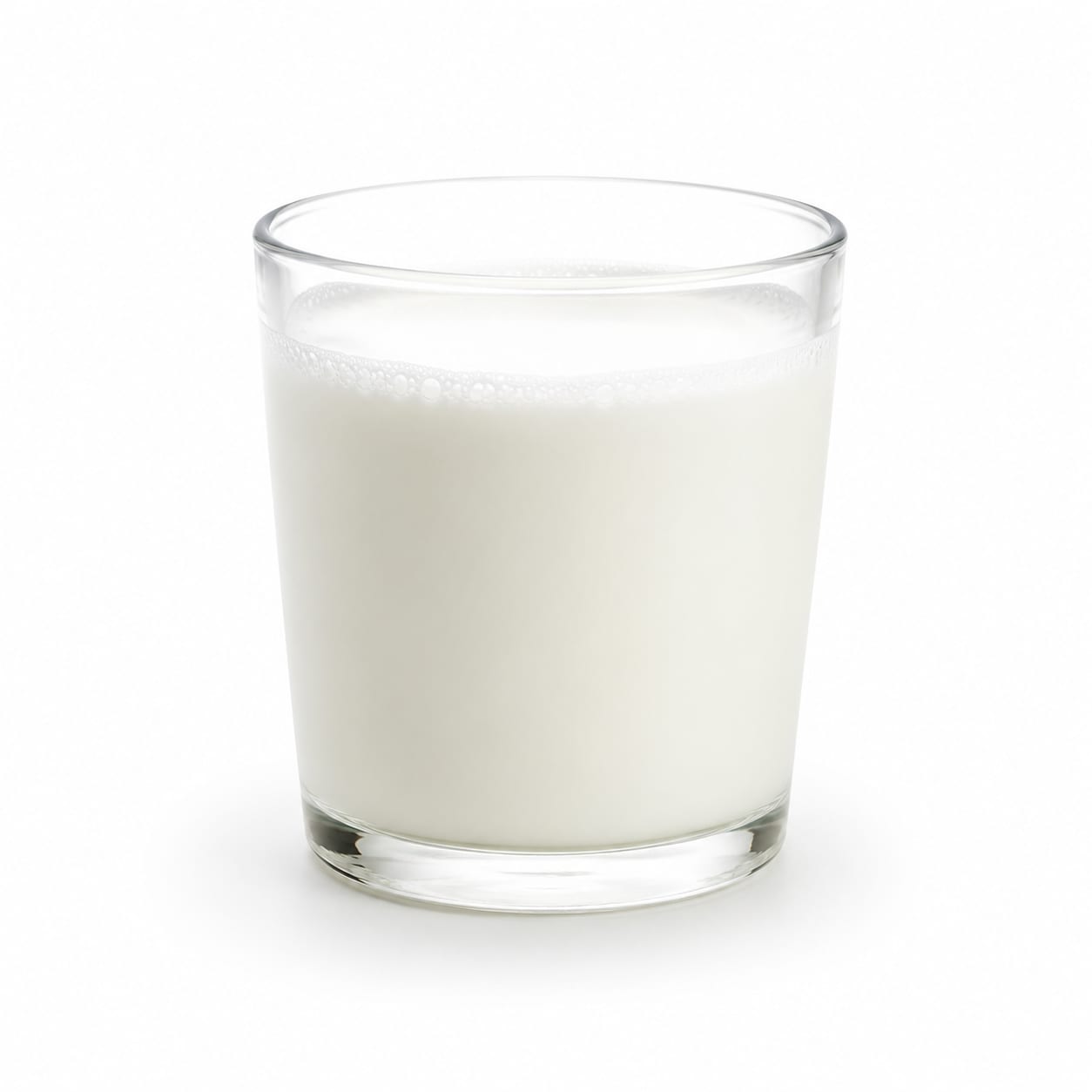
Raw Milk
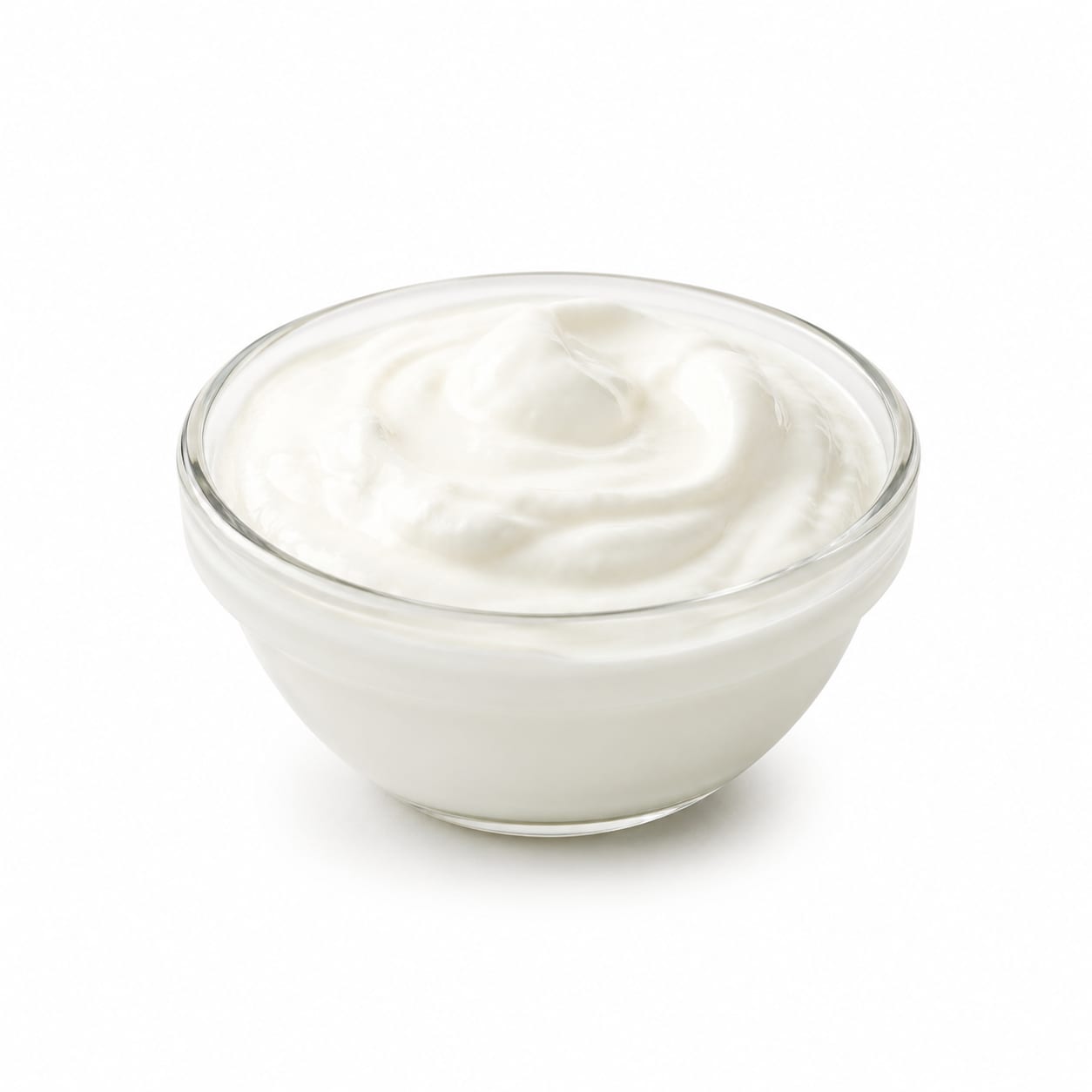
Greek Yogurt
Greek Yogurt offers superior protein, probiotics, and safety, while Raw Milk carries serious health risks despite its natural appeal.
Greek Yogurt scores significantly higher due to its exceptional protein content, probiotic benefits, lower lactose, and vastly superior safety profile. Raw Milk's high risk of bacterial contamination heavily penalizes its score.
You trade the unprocessed naturalness of Raw Milk for the dramatically safer, higher-protein, and gut-friendly profile of Greek Yogurt.
At a glance
Executive summary
Overall
Greek Yogurt
Healthier
Greek Yogurt
More practical
Greek Yogurt
Daily use
Greek Yogurt
Key comparison lenses
Safety vs Naturalness
Raw Milk skips pasteurization, creating a major safety debate that overshadows its natural appeal.
Protein and Satiety
Greek Yogurt is strained to concentrate protein, making it a fundamentally different eating experience than liquid milk.
Digestive Tolerance
Fermentation lowers lactose in Greek Yogurt, while Raw Milk retains full lactose despite having natural enzymes.
Gut Microbiome Impact
Consumers often choose both for gut health, but the source and safety of the bacteria differ wildly.
Best choice for
Raw Milk
- People seeking completely unprocessed dairy
- Consumers who personally trust their specific farm's hygiene and testing protocols
Greek Yogurt
- Most people looking for safe, high-protein dairy
- Those with mild lactose sensitivity
- Anyone focused on gut health and satiety
Least suitable for
Raw Milk
- Pregnant women, children, the elderly, and immunocompromised individuals
- Anyone concerned about foodborne illness
Greek Yogurt
- Those avoiding all dairy processing or straining
- Vegans and individuals with severe dairy allergies
Deep comparison
Dimension by dimension
Each lens scores both foods and breaks down who each option suits.
- Dimension 1 · Priority 95Greek Yogurt
Safety and Contamination Risk
Raw Milk · 20Greek Yogurt · 95Raw Milk skips pasteurization, leaving it vulnerable to dangerous pathogens. Greek Yogurt is made from pasteurized milk and fermented, making it extremely safe.
Tradeoff
You give up the raw, unaltered state of the milk for the peace of mind that pasteurization brings.
Why it matters
Foodborne illness can cause severe, sometimes permanent health issues.
Real-world impact
Eating contaminated Raw Milk can lead to hospital stays, while Greek Yogurt is reliably safe for your whole family.
Raw Milk
- Those who believe raw bacteria boost immunity
Better for
- Immunocompromised individuals
- Anyone eating without strict cold-chain control
Worse for
Greek Yogurt
- Anyone wanting to avoid food poisoning
- Pregnant women and children
Better for
- Those who view all pasteurization as inherently harmful
Worse for
- Dimension 2 · Priority 90Greek Yogurt
Protein and Satiety
Raw Milk · 55Greek Yogurt · 95Greek Yogurt is strained to concentrate protein, making it far more filling and muscle-friendly than Raw Milk.
Tradeoff
You accept a more processed product to get triple the protein concentration.
Why it matters
Protein is key for feeling full and maintaining muscle mass.
Real-world impact
A bowl of Greek Yogurt will keep you full until lunch, whereas drinking Raw Milk might leave you snacking sooner.
Raw Milk
- Those wanting a lighter, drinkable dairy option
Better for
- Bodybuilders needing high protein without excess liquid
Worse for
Greek Yogurt
- Athletes
- People trying to lose weight
- Anyone needing a filling breakfast
Better for
- Those who find thick dairy unappealing
Worse for
- Dimension 3 · Priority 85Greek Yogurt
Digestive Tolerance
Raw Milk · 40Greek Yogurt · 85Fermentation reduces lactose in Greek Yogurt, making it easier to digest. Raw Milk retains full lactose content, though some claim its natural enzymes help.
Tradeoff
You miss out on the natural enzymes of Raw Milk, but you gain the comfort of easy digestion.
Why it matters
Lactose intolerance affects a large portion of adults.
Real-world impact
Greek Yogurt is far less likely to cause bloating or stomach upset after your morning meal.
Raw Milk
- People who specifically tolerate raw dairy better than pasteurized based on personal experience
Better for
- People with moderate to severe lactose intolerance
Worse for
Greek Yogurt
- Most people with mild lactose sensitivity
- Those prone to dairy-induced bloating
Better for
- Those with histamine intolerance from fermented foods
Worse for
- Dimension 4 · Priority 70Raw Milk
Naturalness and Processing
Raw Milk · 95Greek Yogurt · 60Raw Milk is completely unprocessed. Greek Yogurt undergoes pasteurization, fermentation, and straining.
Tradeoff
You get absolute naturalness but sacrifice the safety and protein density of fermentation and straining.
Why it matters
Some people prefer foods as close to their natural state as possible.
Real-world impact
Raw Milk fits the farm-to-table ideal perfectly, while Greek Yogurt requires industrial processing to create its signature thickness.
Raw Milk
- Strict whole-food dieters
- Farm-to-table enthusiasts
Better for
- People who need standardized, shelf-stable products
Worse for
Greek Yogurt
- Those who prioritize functional food benefits over naturalness
Better for
- Those avoiding all forms of food processing
Worse for
- Dimension 5 · Priority 80Greek Yogurt
Gut Microbiome Impact
Raw Milk · 50Greek Yogurt · 90Greek Yogurt provides guaranteed beneficial probiotics. Raw Milk contains wild bacteria, which are unpredictable and potentially harmful.
Tradeoff
You trade the diverse, wild bacteria of Raw Milk for the guaranteed, studied probiotics of Greek Yogurt.
Why it matters
A healthy gut microbiome supports immunity and mood.
Real-world impact
Eating Greek Yogurt daily introduces known beneficial bacteria, whereas Raw Milk introduces unpredictable wild strains.
Raw Milk
- Those seeking a completely unmodified bacterial environment
Better for
- People with compromised gut barriers where bad bacteria can take hold
Worse for
Greek Yogurt
- People taking targeted probiotics for gut health
- Those recovering from antibiotic use
Better for
- Those who do not tolerate fermented foods well
Worse for
Timeline
Health impact over time
Short-term
Hours to days
Raw Milk
- Risk of food poisoning causing nausea, vomiting, or diarrhea
- Natural enzyme content might ease digestion for some individuals
Greek Yogurt
- Quick satiety from high protein content
- Soothing effect on the stomach due to probiotics and lower lactose
Long-term
Months to years
Raw Milk
- Severe risk of chronic infections or hospitalization from pathogens
- Unpasteurized dairy is historically linked to recurring disease outbreaks
Greek Yogurt
- Improved gut health from regular probiotic intake
- Better muscle maintenance and appetite control from high protein
Risk profile
Safety & processing
Raw Milk is as natural as dairy gets, straight from the cow. Greek Yogurt is processed via pasteurization and straining, but this processing is exactly what makes it safe and protein-dense.
Raw Milk
Pathogenic Bacteria (E. coli, Listeria, Salmonella)
highWithout pasteurization, harmful bacteria thrive and can cause severe illness or death, especially in vulnerable populations.
Greek Yogurt
Added sugars (if flavored)
mediumFlavored Greek Yogurts can contain high amounts of added sugar, though plain versions are risk-free.
Who wins for whom
Audience fit
Same foods, different winners depending on your goal.
children
Greek YogurtChildren are highly susceptible to severe illness from Raw Milk pathogens; Greek Yogurt is safe and provides excellent growth nutrients.
daily consumption
Greek YogurtGreek Yogurt is safe, gut-friendly, and highly satiating for everyday use, while Raw Milk carries daily cumulative safety risks.
diabetes
Greek YogurtGreek Yogurt has lower lactose and sugar, leading to steadier blood sugar, whereas Raw Milk's natural sugars can cause more of a spike.
elderly
Greek YogurtThe elderly have weaker immune systems, making the pathogen risk of Raw Milk too high; Greek Yogurt supports bone and muscle health safely.
muscle gain
Greek YogurtGreek Yogurt provides a concentrated dose of casein and whey protein, which is far superior for muscle repair and growth.
weight loss
Greek YogurtGreek Yogurt's high protein content keeps you full longer, making it easier to manage cravings and reduce overall calorie intake.
Your move
Decision guide
Choose Raw Milk
- You have absolute trust in your farm's hygiene and testing protocols
- You prioritize zero processing above all else and accept the health risks
Choose Greek Yogurt
- You want a safe, high-protein, gut-friendly dairy option
- You want something filling that supports weight management or muscle growth
Either works if
- You just want a dairy base for a smoothie and tolerate lactose well, though safety still differs
Avoid both if
- You have a severe dairy allergy or are strictly vegan
Final recommendation
Choose Greek Yogurt for a safe, protein-packed, and gut-friendly daily staple. Raw Milk's natural appeal is overshadowed by its serious food safety risks, making it an unsafe choice for regular consumption.
Practical
Consumer tips
- 1
Always buy plain, unsweetened Greek Yogurt to avoid hidden sugars and add your own fruit.
- 2
If you choose Raw Milk, know the farm personally and understand the outbreak risks completely.
- 3
Greek Yogurt makes an excellent high-protein substitute for sour cream or mayo in recipes.