
Nutrition comparison
Raw Milk vs Oat Milk: Nutrition, Safety, and Which is Healthier
Compare Raw Milk vs Oat Milk to understand the tradeoffs between natural nutrition and food safety. Discover which milk is better for your diet and lifestyle.
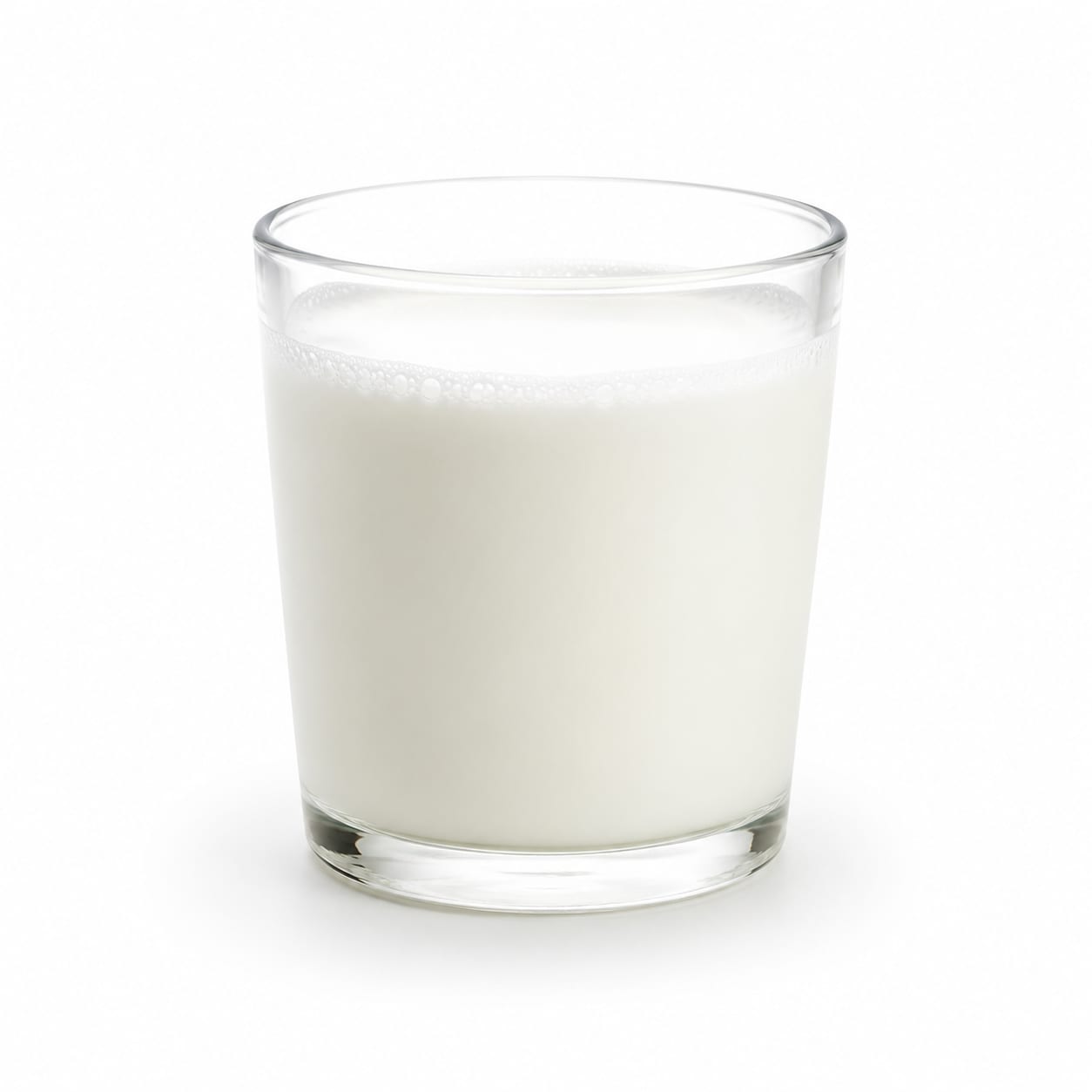
Raw Milk
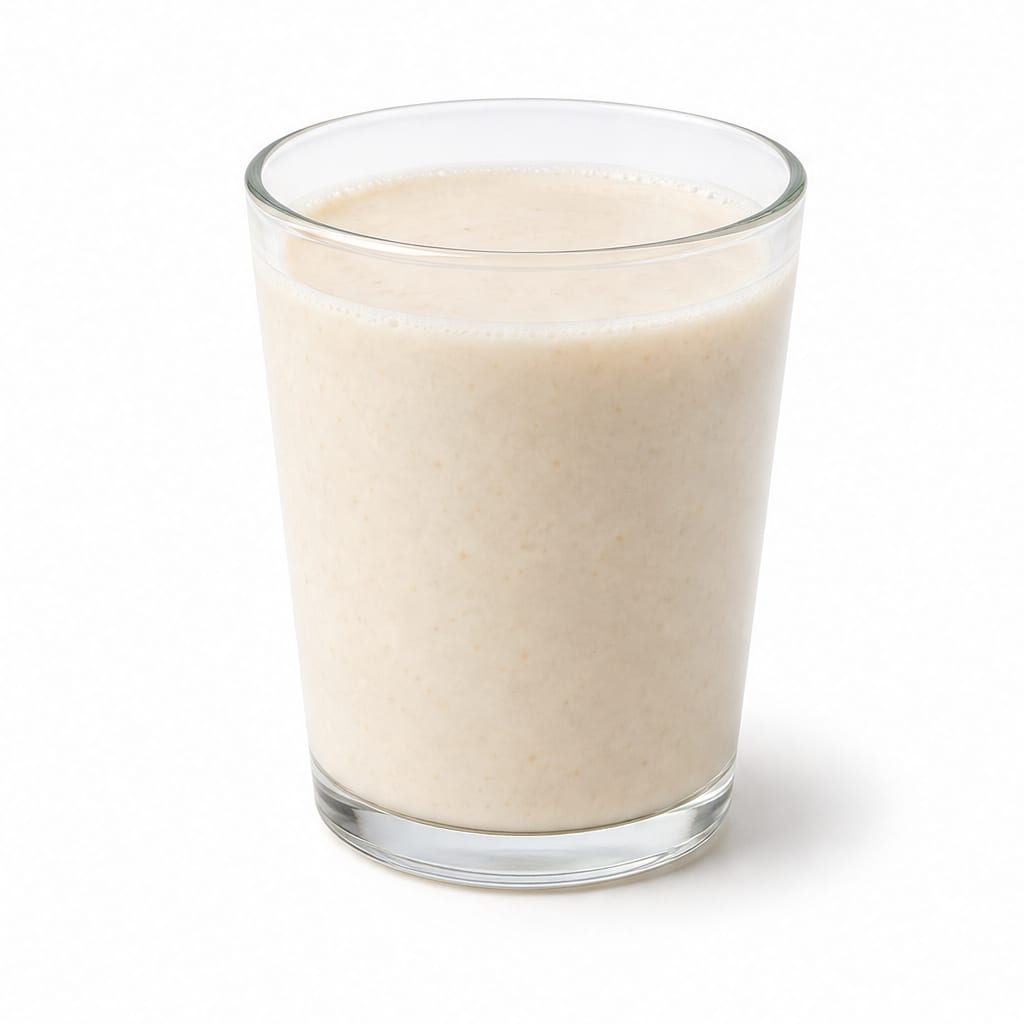
Oat Milk
Raw Milk delivers unmatched natural nutrition but carries severe food safety risks, while Oat Milk is a safe, convenient plant-based alternative that lacks protein and is heavily processed.
Oat Milk scores higher overall primarily due to its safety profile and accessibility, though Raw Milk scores much higher on naturalness and protein quality. The severe safety risks of Raw Milk drag down its overall utility for the average person.
You are trading the complete nutrition and naturalness of Raw Milk for the safety, digestibility, and convenience of Oat Milk.
At a glance
Executive summary
Overall
It depends
Healthier
It depends
More practical
Oat Milk
Daily use
Oat Milk
Key comparison lenses
Food Safety vs. Natural Nutrition
Raw Milk carries serious pathogen risks while offering superior natural nutrients, whereas Oat Milk is safe but highly processed.
Whole Food vs. Ultra-Processed
Raw Milk is a single-ingredient whole food; Oat Milk requires industrial processing, oils, and emulsifiers.
Protein Quality and Satiety
Raw Milk provides complete, high-quality protein that keeps you full, while Oat Milk is naturally low in protein.
Digestive Tolerance
Raw Milk contains lactose which many struggle to digest, while Oat Milk is naturally lactose-free but may contain gluten or irritants.
Best choice for
Raw Milk
- Those seeking whole, unprocessed food nutrition
- People who tolerate lactose and trust their farm source
- Individuals prioritizing bioavailable calcium and complete protein
Oat Milk
- Lactose-intolerant individuals
- Vegans and plant-based eaters
- Those prioritizing food safety over naturalness
Least suitable for
Raw Milk
- Children, elderly, and pregnant women due to pathogen risk
- Anyone with lactose intolerance or dairy allergy
- People with compromised immune systems
Oat Milk
- Those avoiding ultra-processed foods and seed oils
- People looking for high-protein nutrition
- Individuals with severe gluten sensitivity or celiac disease
Deep comparison
Dimension by dimension
Each lens scores both foods and breaks down who each option suits.
- Dimension 1 · Priority 95Raw Milk
Nutritional Density
Raw Milk · 92Oat Milk · 55Raw Milk is a nutritional powerhouse with complete protein, natural calcium, and bioavailable vitamins. Oat Milk is mostly fortified water with carbs and low protein.
Tradeoff
You get far more natural, bioavailable nutrients from Raw Milk, but you assume the safety risks that come with it.
Why it matters
Higher nutritional density means better satiety, stronger bones, and more steady energy from real food rather than fortification.
Real-world impact
A glass of Raw Milk can hold you over between meals like a mini-snack, while Oat Milk digests quickly and leaves you hungry sooner.
Raw Milk
- Muscle maintenance and growth
- Bone health through natural calcium
- Satiety between meals
Better for
- Calorie restriction diets
- Low-fat diets
Worse for
Oat Milk
- Low-calorie dieting if unsweetened
- Avoiding animal fats
Better for
- Recovering from illness or injury
- Growing children needing reliable protein
Worse for
- Dimension 2 · Priority 98Oat Milk
Food Safety
Raw Milk · 15Oat Milk · 95Raw Milk carries a well-documented risk of dangerous pathogens like E. coli and Listeria. Oat Milk is pasteurized and shelf-stable, posing almost no bacterial risk.
Tradeoff
Choosing Oat Milk guarantees safety from foodborne illness, while Raw Milk requires absolute trust in farm hygiene.
Why it matters
Foodborne illness can be life-threatening, especially for vulnerable groups. Safety is the single biggest factor separating these two.
Real-world impact
A contaminated batch of Raw Milk can lead to hospitalization, whereas Oat Milk sits safely in your pantry for months without worry.
Raw Milk
- Building immune tolerance (highly debated and not guaranteed)
Better for
- Everyday consumption without worry
- Serving to guests
Worse for
Oat Milk
- Pregnant women and children
- Elderly individuals
- Anyone with a compromised immune system
Better for
- Avoiding pesticide or glyphosate residues (if non-organic)
Worse for
- Dimension 3 · Priority 85Raw Milk
Processing and Additives
Raw Milk · 98Oat Milk · 30Raw Milk is a single-ingredient whole food. Oat Milk requires industrial processing, added oils, thickeners, and fortified vitamins.
Tradeoff
Raw Milk gives you a pure, unadulterated food, while Oat Milk gives you a man-made product designed to mimic milk.
Why it matters
Minimally processed foods are generally easier for the body to recognize and utilize without inflammatory responses to emulsifiers.
Real-world impact
Reading the ingredient list on Oat Milk reveals oils and gums you would never add at home, whereas Raw Milk is just milk.
Raw Milk
- Clean-eating diets
- Avoiding seed oils and emulsifiers
- Whole food purists
Better for
- Convenience and shelf life
Worse for
Oat Milk
- Vegan lifestyles
- Shelf-stable emergency supplies
Better for
- Gut health due to potential emulsifier disruption
- Avoiding ultra-processed foods
Worse for
- Dimension 4 · Priority 80Raw Milk
Blood Sugar Stability
Raw Milk · 80Oat Milk · 45Raw Milk has natural sugars balanced by protein and fat, leading to a steadier blood sugar response. Oat Milk is higher in carbs and often contains added sugars.
Tradeoff
Raw Milk provides a slower, steadier energy release, while Oat Milk can cause quicker blood sugar spikes.
Why it matters
Steady blood sugar prevents afternoon energy crashes and cravings.
Real-world impact
Drinking Oat Milk with your morning oatmeal can double down on carbs, leaving you hungry by 10 AM, whereas Raw Milk balances the carbs.
Raw Milk
- Diabetics or insulin-resistant individuals
- Sustained morning energy
Better for
- Strict low-carb or keto diets
Worse for
Oat Milk
- Pre-workout quick energy (if sweetened)
Better for
- Managing sugar cravings
- Fasting routines
Worse for
- Dimension 5 · Priority 75Oat Milk
Digestive Tolerance
Raw Milk · 40Oat Milk · 75Raw Milk contains lactose, which a large percentage of adults cannot digest. Oat Milk is naturally lactose-free, though some brands may irritate due to gluten or gums.
Tradeoff
Oat Milk is easier on the stomach for most people due to the absence of lactose, but it introduces other potential irritants like thickeners.
Why it matters
Digestive discomfort ruins the benefit of any food, causing bloating and fatigue instead of nourishment.
Real-world impact
If dairy makes you bloated, Oat Milk feels like a relief. But if you are sensitive to gums or gluten, it might just swap one stomach ache for another.
Raw Milk
- Those with lactose tolerance who benefit from natural enzymes
Better for
- Anyone with lactose intolerance
- People prone to congestion from dairy
Worse for
Oat Milk
- Lactose-intolerant individuals
- Casual coffee drinkers wanting a light addition
Better for
- People with sensitive guts reacting to carrageenan or gums
Worse for
Timeline
Health impact over time
Short-term
Hours to days
Raw Milk
- High satiety and sustained energy from protein and fat
- Risk of acute food poisoning if contaminated
- Potential bloating or digestive distress if lactose intolerant
Oat Milk
- Quick digestion with little satiety
- Relief from dairy-related digestive issues
- Potential mild blood sugar spike from carbohydrates
Long-term
Months to years
Raw Milk
- Excellent bone density support from bioavailable calcium and vitamin D
- Severe risk of chronic illness or death from pathogenic infection if source is compromised
- Potential for stronger immune function if source is clean and safe
Oat Milk
- Safe, consistent daily hydration without infection risk
- Possible low-grade inflammation from seed oils or emulsifiers
- Risk of nutritional gaps if relying on it as a primary protein or calcium source
Risk profile
Safety & processing
Raw Milk is as natural as it gets—straight from the cow with no alterations. Oat Milk is a factory-made product requiring water, heat, enzymes, added oils, thickeners like guar gum, and synthetic vitamins to approximate the real thing.
Raw Milk
Pathogenic Bacteria
highRaw Milk can harbor E. coli, Listeria, Salmonella, and Campylobacter, which can cause severe illness or death.
Brucellosis
mediumA bacterial infection from unpasteurized dairy that causes fever, joint pain, and fatigue.
Oat Milk
Gluten Cross-Contamination
mediumUnless certified gluten-free, oats are frequently cross-contaminated with wheat, posing a risk for celiacs.
Pesticide Residue
lowOats are often sprayed with glyphosate before harvest; choosing organic mitigates this.
Who wins for whom
Audience fit
Same foods, different winners depending on your goal.
children
Oat MilkChildren are highly susceptible to foodborne illness, making the pathogen risk of Raw Milk too dangerous; Oat Milk is a much safer choice.
daily consumption
Oat MilkDaily consumption requires a high safety margin and convenience, both of which Oat Milk provides without the daily gamble of Raw Milk.
diabetes
Raw MilkRaw Milk has a lower carbohydrate load and higher protein, which stabilizes blood sugar better than the carb-dense Oat Milk.
elderly
Oat MilkWeakened immune systems in older adults make the bacterial risks of Raw Milk severe; Oat Milk is safe and easy to digest.
muscle gain
Raw MilkRaw Milk contains high-quality, complete protein essential for muscle repair, whereas Oat Milk has minimal protein per serving.
weight loss
Oat MilkOat Milk is generally lower in calories and fat than Raw Milk, making it easier to fit into a calorie deficit, provided you choose unsweetened varieties.
Your move
Decision guide
Choose Raw Milk
- You have complete trust in your farm's hygiene and testing protocols
- You prioritize whole-food, natural nutrition above all else
- You digest lactose well and want maximum protein and calcium
Choose Oat Milk
- You are lactose intolerant or avoiding dairy
- Food safety and avoiding illness is your top priority
- You want a convenient, shelf-stable milk for coffee and cereal
Either works if
- You just need a splash for your morning coffee and both sit well with your stomach
- You rotate between plant-based and animal-based diets
Avoid both if
- You have a dairy allergy and severe celiac disease or gluten intolerance
- You are pregnant or immunocompromised and also avoiding processed foods
Final recommendation
For most people, Oat Milk is the safer and more practical daily choice, even if it means accepting some ultra-processing and lower protein. Choose Raw Milk only if you have verified a highly trustworthy source and prioritize naturalness over the inherent safety risks.
Practical
Consumer tips
- 1
If choosing Oat Milk, always read the label to avoid added sugars and canola/rapeseed oil.
- 2
Look for Oat Milk certified gluten-free if you have any gluten sensitivity.
- 3
If choosing Raw Milk, visit the farm, ask about their pathogen testing frequency, and ensure they follow strict sanitary protocols.
- 4
Consider pasteurized whole milk as a middle ground: it retains most of the nutrition of Raw Milk without the severe safety risks.
- 5
Unsweetened Oat Milk is best for blood sugar control; flavored varieties often pack as much sugar as a dessert.