
Nutrition comparison
Raw Milk vs Soy Milk: Safety, Nutrition, and Daily Health Compared
Compare Raw Milk vs Soy Milk on safety, digestion, and nutrient density. Learn the real risks and benefits to decide which is better for your daily diet.
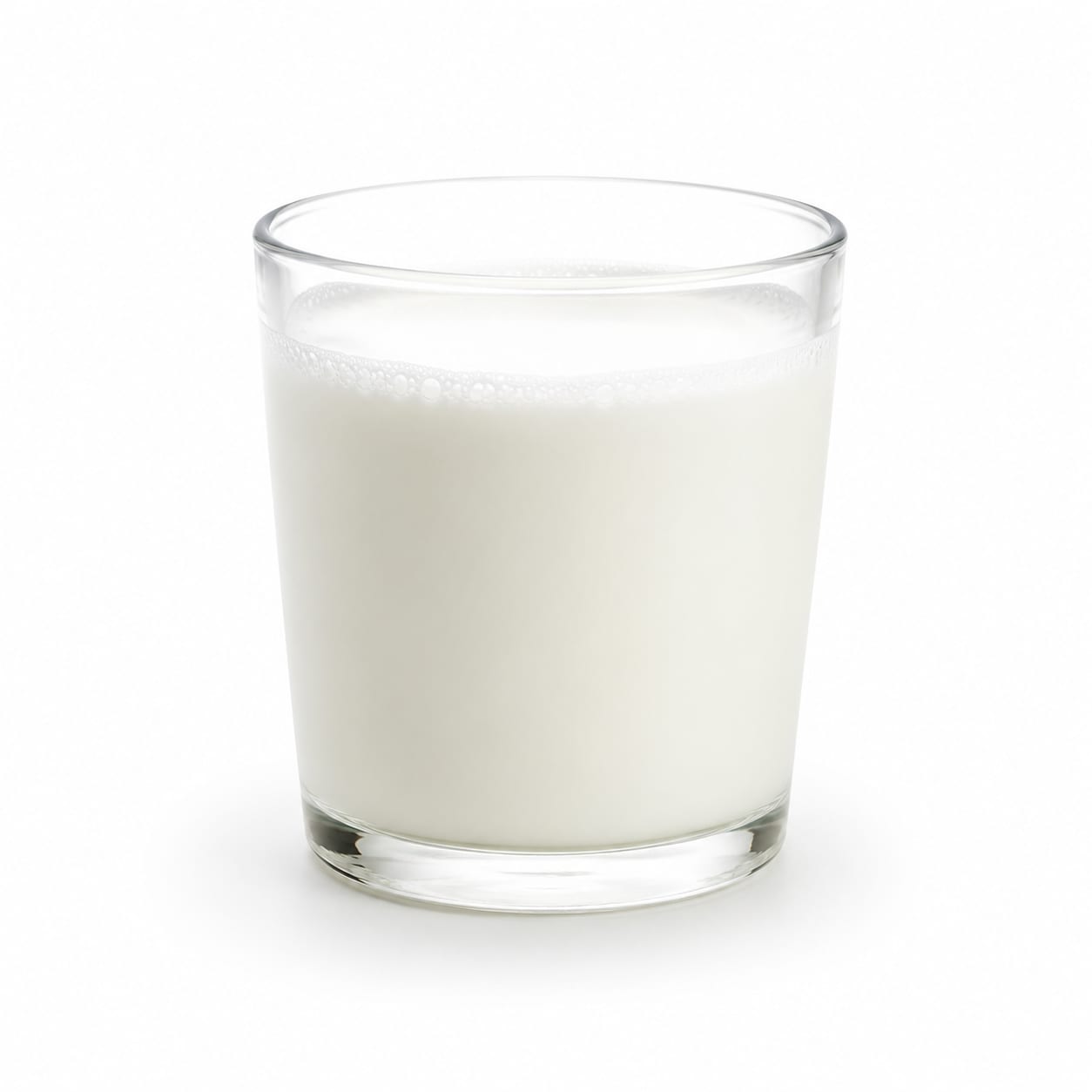
Raw Milk
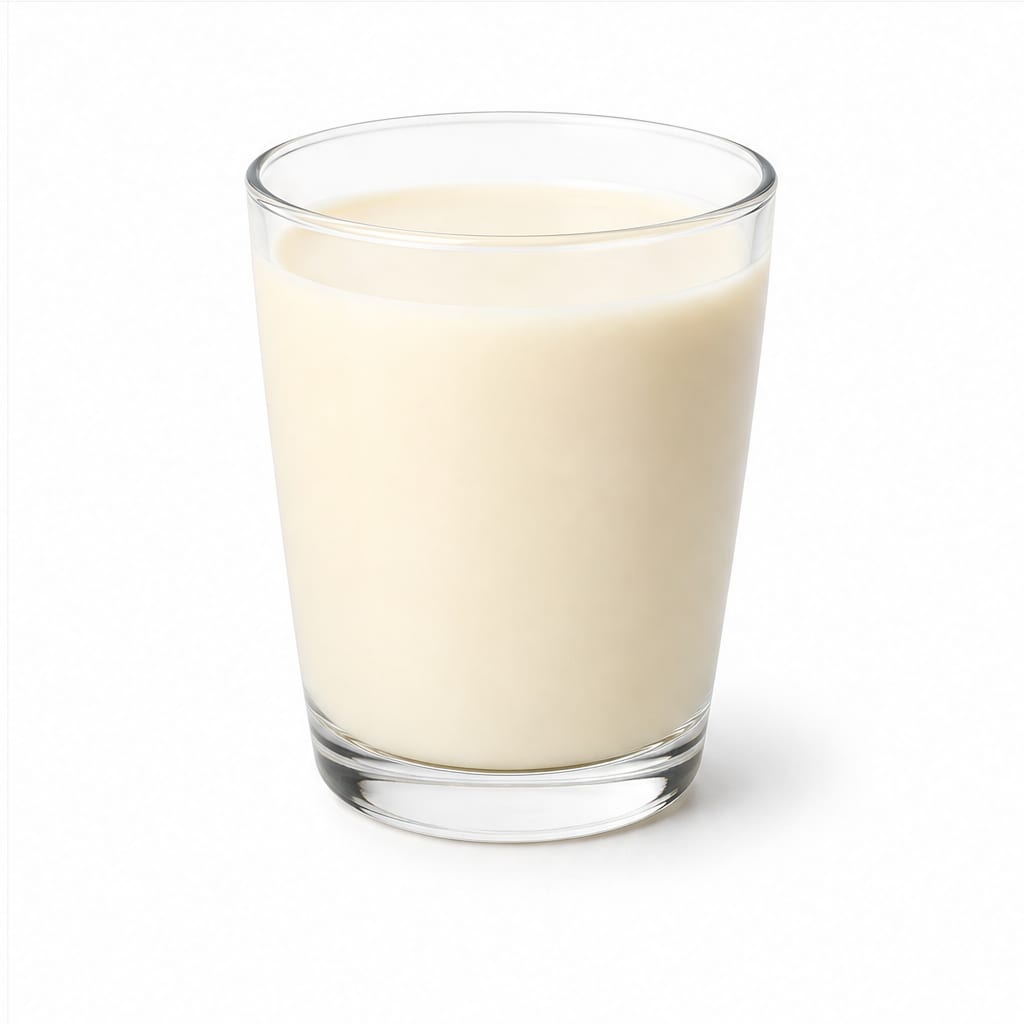
Soy Milk
Raw Milk offers superior natural nutrient absorption but carries severe foodborne illness risks, while Soy Milk is a safer, lactose-free alternative that comes with more processing and additives.
Soy Milk scores higher overall due to the significant safety risks associated with Raw Milk, despite Raw Milk's nutritional advantages. Safety is a non-negotiable baseline for daily consumption.
Natural bioavailable nutrition versus guaranteed safety from pathogens.
At a glance
Executive summary
Overall
It depends
Healthier
It depends
More practical
Soy Milk
Daily use
Soy Milk
Key comparison lenses
Safety vs Naturalness
Raw Milk is entirely unprocessed but carries severe pathogen risks, while Soy Milk is heavily processed but microbiologically safe.
Lactose Intolerance and Digestion
Soy Milk is naturally lactose-free, making it a default choice for the majority of the global population that struggles with dairy digestion.
Nutrient Bioavailability
Raw Milk provides naturally occurring vitamins and enzymes, whereas Soy Milk relies on synthetic fortification to match dairy's nutritional profile.
Processing and Additives
Consumers weighing whole-food purity against the thickeners, emulsifiers, and added sugars often found in plant milks.
Best choice for
Raw Milk
- People seeking whole, unprocessed animal nutrition
- Those with access to rigorously tested, trusted local farms
Soy Milk
- Lactose-intolerant individuals
- Vegans and plant-based eaters
- Anyone prioritizing food safety
Least suitable for
Raw Milk
- Pregnant women, children, elderly, immunocompromised
- Those without verified safe sourcing
Soy Milk
- People avoiding soy allergens or phytoestrogens
- Those seeking a completely unprocessed diet
Deep comparison
Dimension by dimension
Each lens scores both foods and breaks down who each option suits.
- Dimension 1 · Priority 100Soy Milk
Safety & Contamination Risk
Raw Milk · 15Soy Milk · 95Raw Milk carries a high risk of dangerous bacterial contamination, while Soy Milk is pasteurized and safe.
Tradeoff
You trade the natural living enzymes and bacteria of Raw Milk for the guaranteed safety of Soy Milk.
Why it matters
Pathogens like E. coli, Listeria, and Salmonella in Raw Milk can cause severe illness or death, especially in vulnerable populations.
Real-world impact
A single contaminated batch of Raw Milk can lead to hospitalization, whereas Soy Milk poses almost zero infectious risk.
Raw Milk
- Building a robust gut microbiome if uncontaminated (theoretical)
Better for
- Risk of acute kidney failure or severe diarrhea
- Unpredictable safety without lab testing
Worse for
Soy Milk
- Avoiding foodborne illness
- Pregnant women and children
Better for
- Rare risk of recalls for non-pathogenic issues
Worse for
- Dimension 2 · Priority 90Raw Milk
Nutrient Density & Bioavailability
Raw Milk · 92Soy Milk · 70Raw Milk provides naturally occurring, highly bioavailable vitamins and minerals, whereas Soy Milk relies on synthetic fortification.
Tradeoff
You get more natural, easily absorbed nutrients in Raw Milk, but must accept the safety risks to get them.
Why it matters
Fat-soluble vitamins (A, D, K2) in Raw Milk are better absorbed with its natural fats, and the calcium is inherently bioavailable.
Real-world impact
Drinking Raw Milk might naturally support bone density and immunity better, while Soy Milk's added vitamins may settle in the carton or absorb less efficiently.
Raw Milk
- Natural vitamin absorption
- Whole-food fat-soluble vitamin intake
Better for
- Nutrient profile varies by the cow's diet
Worse for
Soy Milk
- Consistent nutrient baseline regardless of animal diet
Better for
- Added vitamins can be less bioavailable
- Fortification can vary by brand
Worse for
- Dimension 3 · Priority 85Soy Milk
Digestive Tolerance
Raw Milk · 50Soy Milk · 90Soy Milk is naturally lactose-free, making it easier to digest for most adults, while Raw Milk still contains lactose despite having lactase.
Tradeoff
Soy Milk eliminates lactose entirely but contains oligosaccharides that can cause bloating in some; Raw Milk has lactose but includes the lactase enzyme to help digest it.
Why it matters
About 65% of the global population has some degree of lactose malabsorption.
Real-world impact
Soy Milk prevents the bloating and gas that many experience after dairy, making it a safer bet for everyday comfort.
Raw Milk
- Those who tolerate lactose well and want the lactase enzyme benefit
Better for
- High likelihood of digestive distress for lactose-intolerant people
Worse for
Soy Milk
- Lactose-intolerant individuals
- Avoiding post-meal bloating
Better for
- Soy can cause gas or bloating in sensitive individuals
Worse for
- Dimension 4 · Priority 75Raw Milk
Processing & Additives
Raw Milk · 95Soy Milk · 45Raw Milk is a single-ingredient whole food, while commercial Soy Milk often contains thickeners, seed oils, and added sugars.
Tradeoff
Raw Milk offers a pure, unprocessed experience, whereas Soy Milk requires processing to mimic the texture and taste of dairy.
Why it matters
Emulsifiers and thickeners in plant milks can disrupt gut health and add unnecessary additives to your diet.
Real-world impact
You can read one ingredient on Raw Milk, but might find five or six on a Soy Milk label, including added sugars for flavor.
Raw Milk
- Clean-label dieters
- Avoiding emulsifiers like carrageenan
Better for
- Very short shelf life
- Requires careful refrigeration
Worse for
Soy Milk
- Those who need a shelf-stable, consistent product
Better for
- Exposure to ultra-processing ingredients
- Hidden added sugars
Worse for
- Dimension 5 · Priority 70Raw Milk
Protein Quality & Muscle Support
Raw Milk · 88Soy Milk · 75Raw Milk contains high-quality whey and casein proteins ideal for muscle synthesis, while Soy Milk offers decent plant protein but with a slightly lower absorption rate.
Tradeoff
Animal protein in Raw Milk is more anabolic, but Soy Milk still provides a solid protein punch without the dairy.
Why it matters
Whey protein is the gold standard for muscle repair, while soy protein is good but digested slightly less efficiently.
Real-world impact
After a workout, Raw Milk will trigger slightly more muscle growth, but Soy Milk is still a perfectly adequate recovery drink.
Raw Milk
- Athletes seeking maximum muscle protein synthesis
- Post-workout recovery
Better for
- Not an option for dairy-free athletes
Worse for
Soy Milk
- Vegans needing a plant-based protein source
Better for
- Slightly lower leucine content to trigger muscle building
Worse for
Timeline
Health impact over time
Short-term
Hours to days
Raw Milk
- Immediate risk of food poisoning if contaminated
- Possible digestive upset if lactose intolerant
- High satiety from natural fats and protein
Soy Milk
- Quick, safe hydration and nutrition
- Possible mild bloating from soy oligosaccharides
- Steady energy without dairy crash
Long-term
Months to years
Raw Milk
- Potential severe illness from chronic pathogen exposure
- Better bone density from bioavailable K2 and D (if safe)
- Raw dairy immune modulation (debated)
Soy Milk
- Heart health benefits from soy isoflavones
- Possible hormonal effects from high soy consumption (usually benign but debated)
- Consistent safe daily nutrition
Risk profile
Safety & processing
Raw Milk is as natural as it gets, straight from the cow. Soy Milk requires significant processing to turn soybeans into a milk-like liquid, often bringing thickeners and fortifiers along.
Raw Milk
Pathogenic Bacteria (E. coli, Listeria, Salmonella, Campylobacter)
highRaw Milk is not pasteurized, meaning harmful bacteria from the cow or environment survive and can cause severe, sometimes fatal, foodborne illness.
Brucellosis
mediumA bacterial infection that can be transmitted through unpasteurized milk, causing chronic flu-like symptoms.
Soy Milk
Soy Allergies
mediumSoy is a top 9 allergen; reactions can range from hives to anaphylaxis in sensitive individuals.
Additive Sensitivities
lowCarrageenan or other thickeners in some brands can cause digestive inflammation in sensitive people.
Who wins for whom
Audience fit
Same foods, different winners depending on your goal.
children
Soy MilkChildren are highly vulnerable to foodborne pathogens, making the safety of Soy Milk far more appropriate than the severe risks of Raw Milk.
daily consumption
Soy MilkDaily consumption requires a high safety margin and low digestive friction, both of which Soy Milk provides more reliably than Raw Milk.
diabetes
Soy MilkUnsweetened Soy Milk has fewer carbs and a lower glycemic impact, avoiding the natural milk sugars found in Raw Milk.
elderly
Soy MilkThe elderly have weaker immune systems, making the pathogen risk of Raw Milk too dangerous compared to the safe, fortified Soy Milk.
muscle gain
Raw MilkRaw Milk provides superior whey protein and a higher leucine content, which is more effective for triggering muscle growth.
weight loss
Soy MilkUnsweetened Soy Milk has fewer calories and less saturated fat than whole Raw Milk, making it easier to maintain a calorie deficit.
Your move
Decision guide
Choose Raw Milk
- You have absolute trust in your farm's hygiene and testing protocols.
- You are an adult with a robust immune system seeking whole-food animal nutrition.
- You tolerate lactose well and prioritize bioavailable vitamins.
Choose Soy Milk
- You want a safe, lactose-free milk alternative for daily use.
- You are vegan, vegetarian, or reducing animal product intake.
- You are serving milk to children, pregnant women, or the elderly.
Either works if
- You need a liquid base for smoothies and are flexible on macros.
- You are an adult with no allergies or intolerances to either.
Avoid both if
- You have severe dairy and soy allergies.
- You are looking for a low-fat, low-calorie base and prefer almond or skim milk.
Final recommendation
For the vast majority of people, Soy Milk is the smarter daily choice due to its guaranteed safety and lactose-free digestion. Raw Milk should only be considered by well-informed adults who have vetted their source extensively, as the nutritional benefits rarely outweigh the severe contamination risks.
Practical
Consumer tips
- 1
If choosing Soy Milk, look for unsweetened varieties with minimal additives like carrageenan.
- 2
If you choose Raw Milk, visit the farm in person and ask about their pathogen testing frequency.
- 3
Never give Raw Milk to a child, pregnant woman, or immunocompromised person.
- 4
Shake Soy Milk well, as added calcium can settle at the bottom of the carton.
- 5
Consider pasteurized whole milk as a middle ground if you want dairy nutrition without the severe risks of raw.